 EN
EN

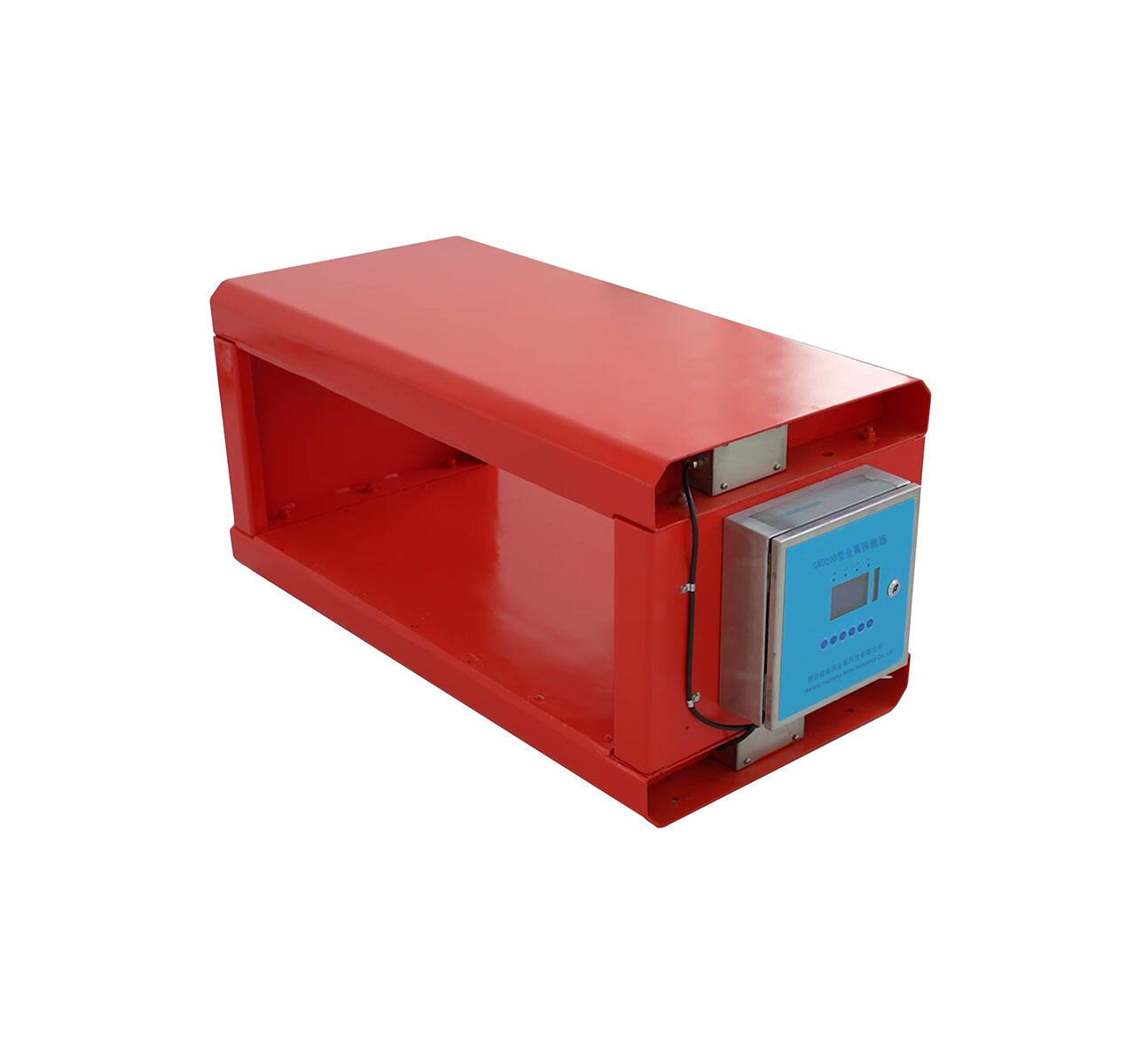
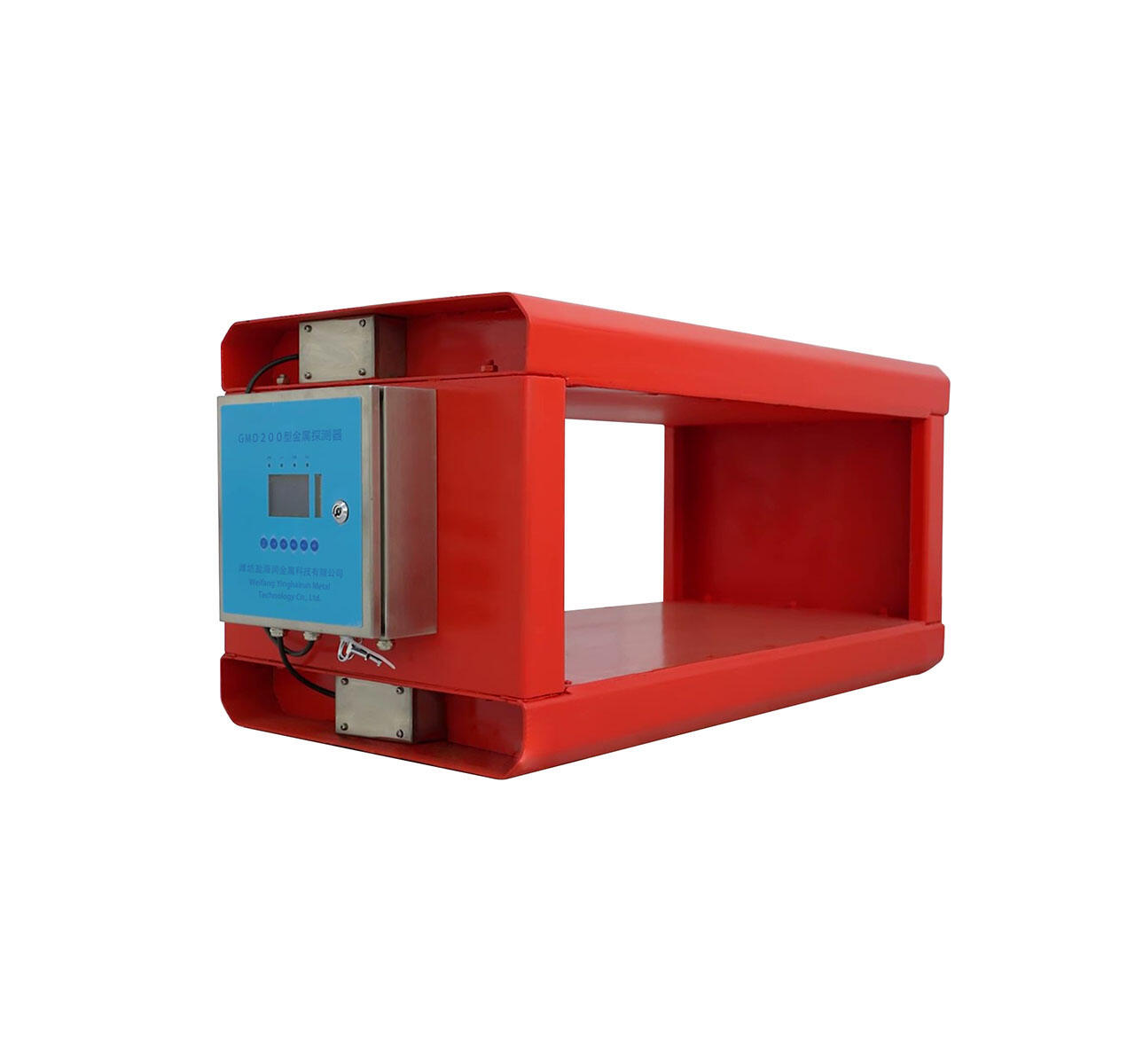
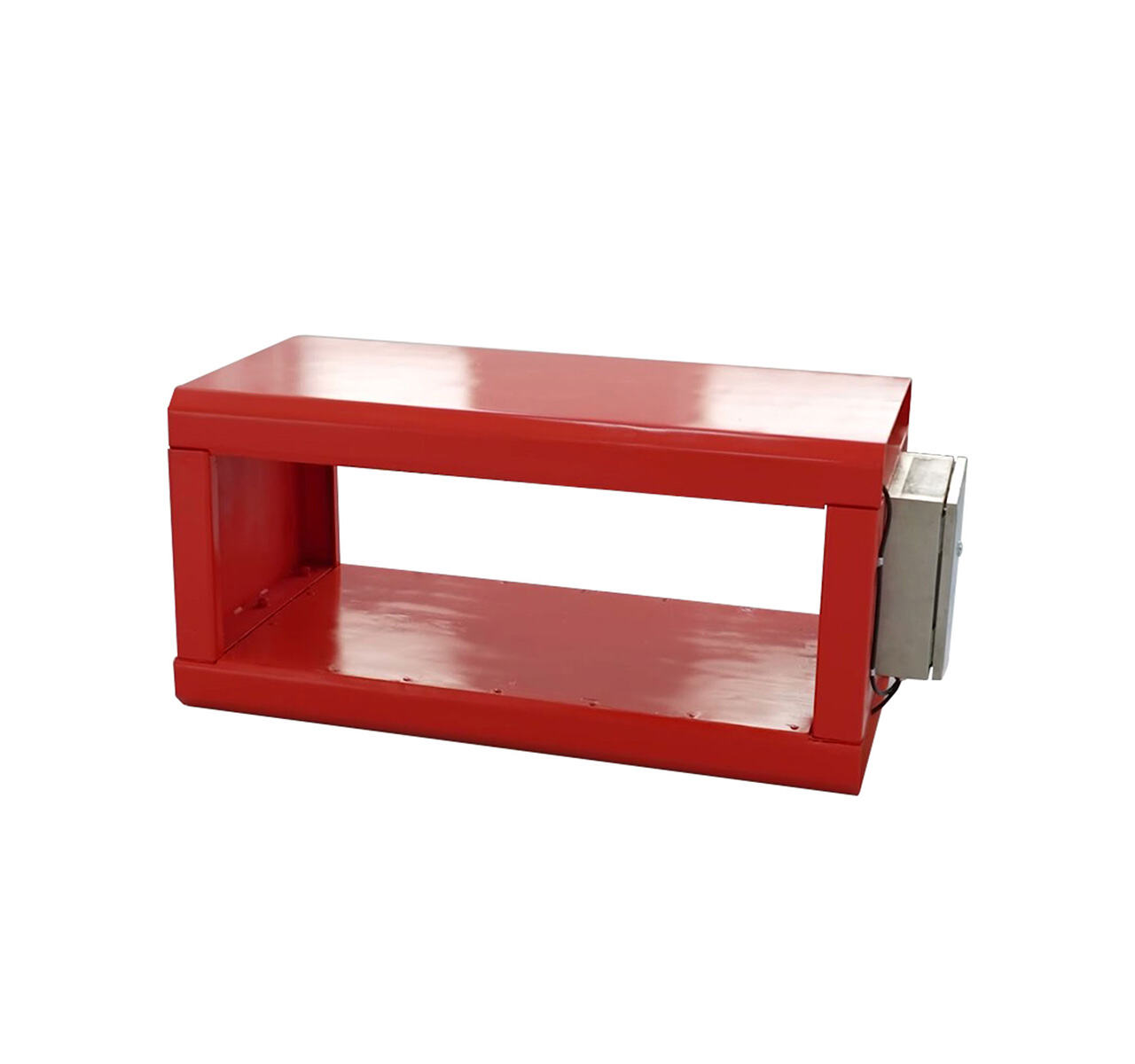
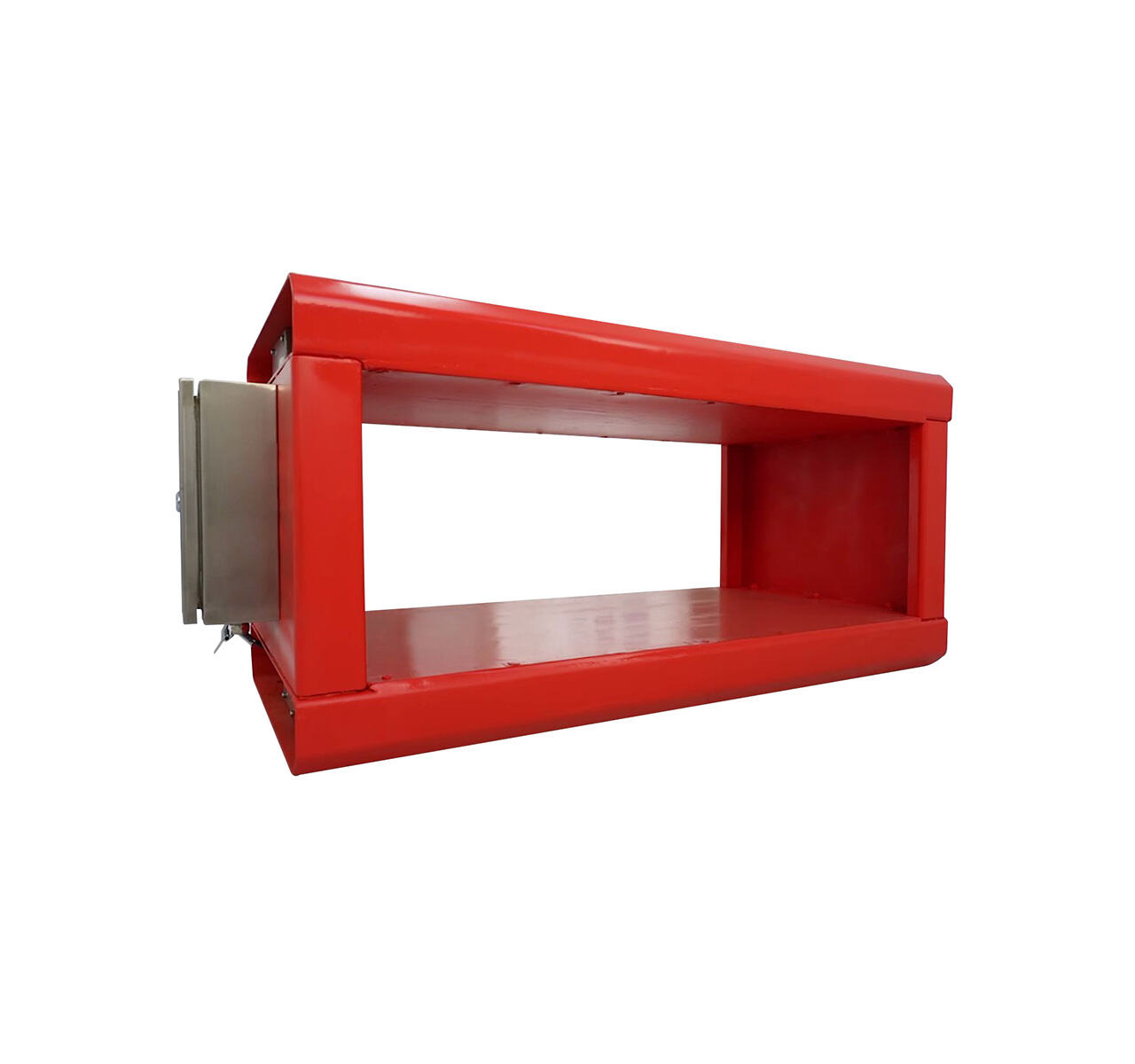
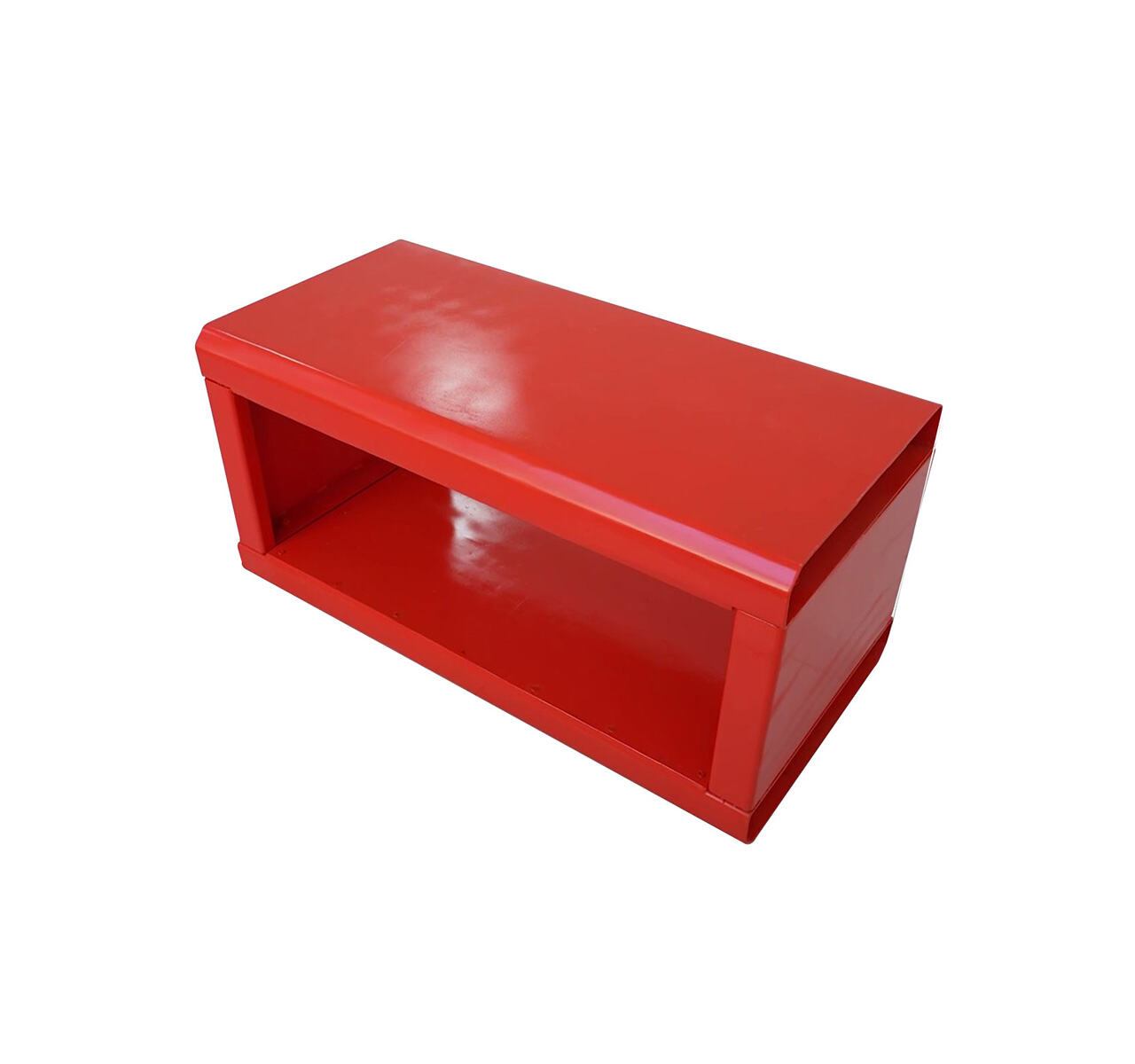
GMD200 Metal Detector
The GMD200 metal detector is a non-metallic mining metal detector that uses a DSP chip. It is another breakthrough of our company in the field of new metal detectors. It adopts a brand-new circuit structure and detection method, and has solved the problem that conventional metal detectors cannot detect non-magnetic metals such as stainless steel, heat-resistant steel, and high-chromium steel.
- Overview
- Recommended Products
Application
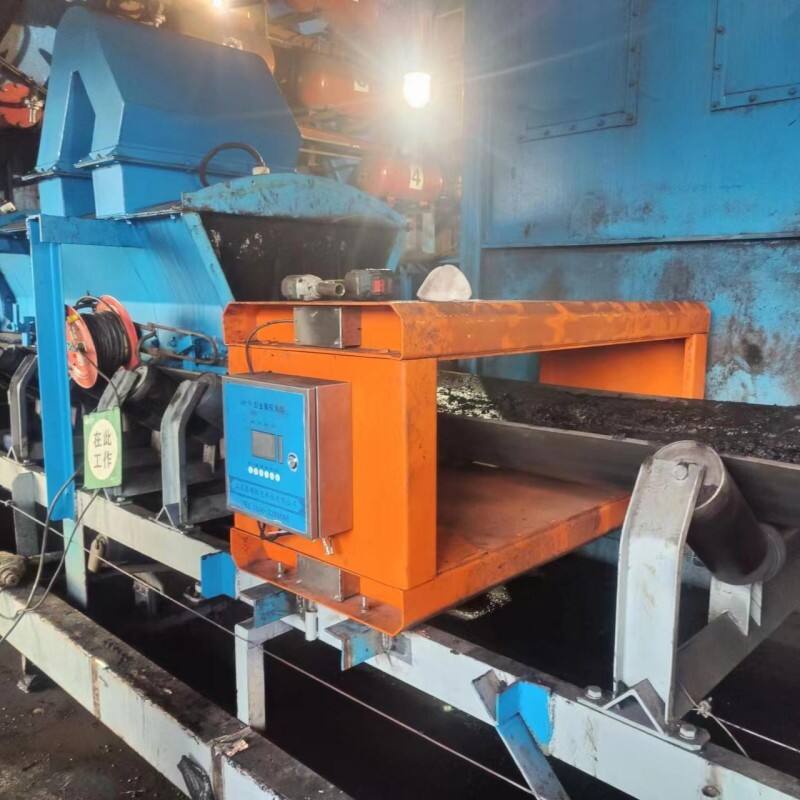
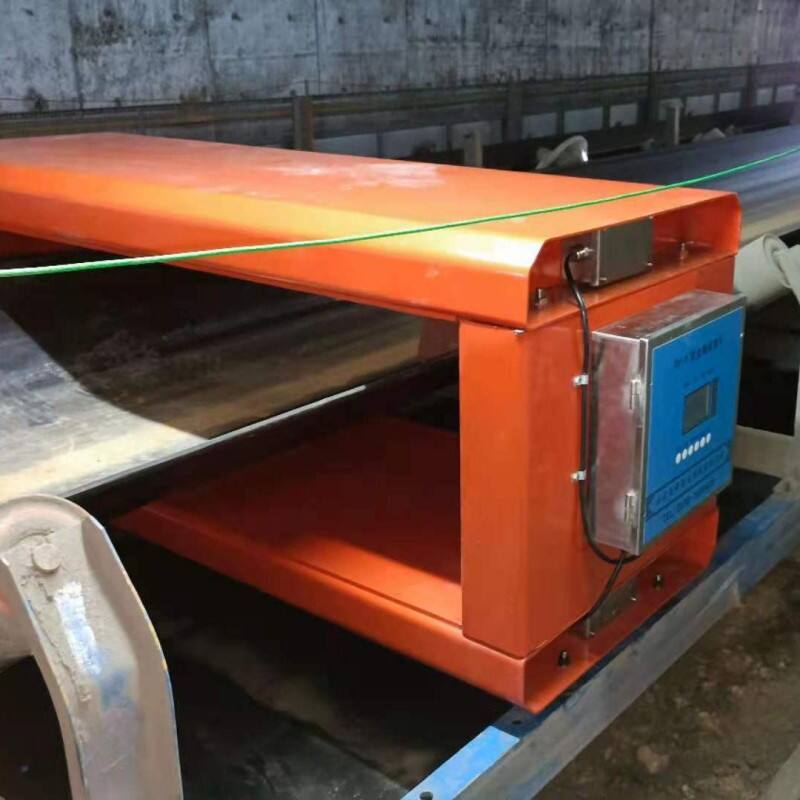
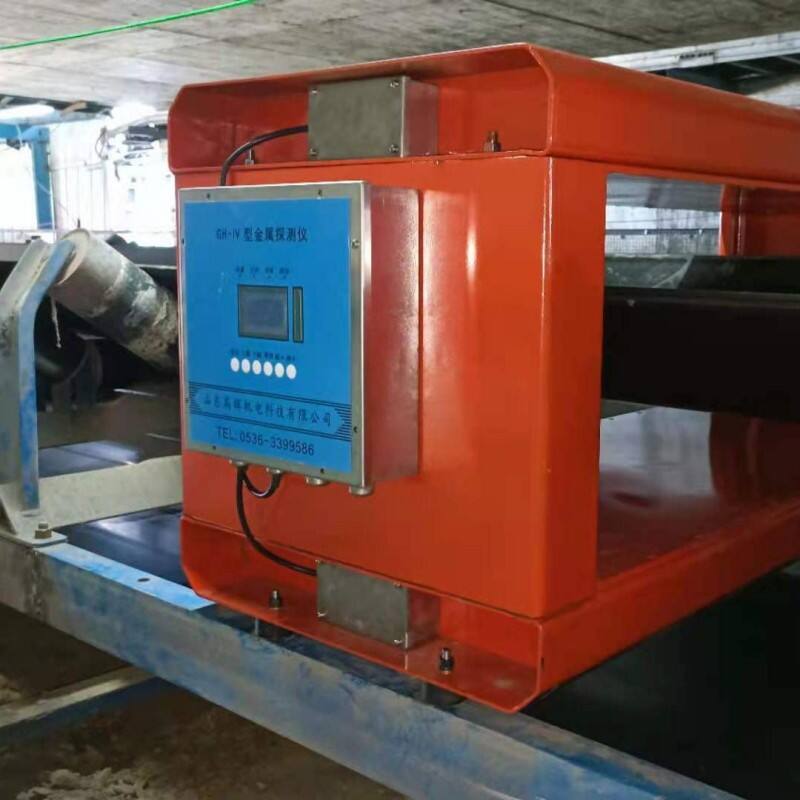
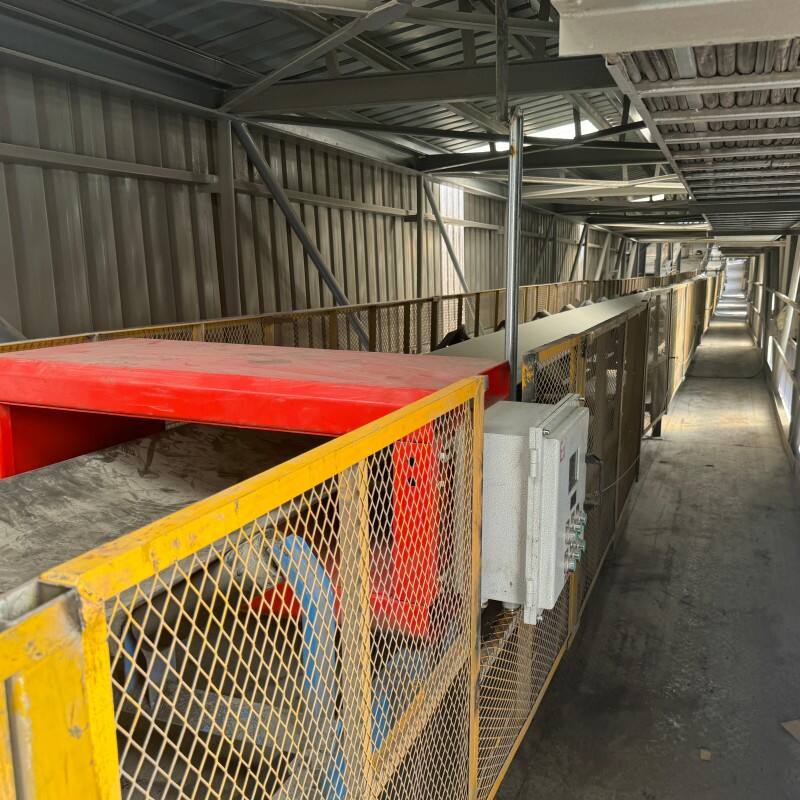
The applicable scope includes non-metallic minerals (coal mines, quartz mines, limestone mines, etc.) as well as corresponding steel mills, power plants, etc. It is mostly used in downstream equipment of mining production lines such as cone crushers, twin-roll crushers, hammer crushers, impact crushers, sand making machines, belt conveyors, vibrating screens, ultrafine grinding equipment, gravel mills, ball mills, high-pressure roller mills, etc., as well as core components for conveying equipment in related industries such as cement and power plant material processing equipment and steel wire core conveyor belts.
 |
 |
 |
 |
Parameters
| Parameter/Item/Model |
Available Belt Width (mm) |
Available Belt Speed (m/s) |
Overalll dimensions(mm) | |||
| Length | Inner length | Inner height | Width | |||
| GMD200-8 | 800 | 0.5-6.0 | 1200 | 1040 | 350 | 600 |
| GMD200-10 | 1000 | 1400 | 1240 | 450 | ||
| GMD100-12 | 1200 | 1600 | 1440 | 450 | ||
| GMD100-14 | 1400 | 1840 | 1680 | 500 | ||
| GMD100-16 | 1600 | 2040 | 1880 | 500 | ||
Packaging
1.All of the above products are standard models.
2.External dimensions can be customized.
3.The packaging size and weight shall be based on the actual measurement during shipment.
Performance Characteristics
1.With the DSP chip as the core processing unit, the recognition accuracy is high and the anti-interference ability is extremely strong. It has solved the false alarm phenomenon caused by electromagnetic interference.
2. It can detect non-magnetic metals such as 304 stainless steel, heat-resistant steel, and high-chromium steel.
3. It can automatically distinguish the metal joints of belts.
4. The sensitivity can be set, and it is suitable for non-magnetic materials.
5. It supports Modbus fieldbus communication, easily achieving data networking.
6. Multiple IO output interfaces, can be connected with the production line for use in conjunction, to realize automatic detection of the assembly line.
7. LCD display screen, with Chinese and English menu interface, operation is convenient and clear.
8.Zero-point automatic tracking, no drift.
Core advantages of GMD200:
1. Completely resolves the problems of metal detection in non-metallic mines;
2. Completely solves the issues of false alarms caused by steel wire belts and the inability to detect at joint points;
3. The false alarm and missed detection rates are low, below 2%;
4. It can detect non-magnetic metals such as high manganese steel, heat-resistant steel, and stainless steel.
RFQ
Why can high manganese steel be detected?
Because we use the electromagnetic detection principle. When a metal passes through an electromagnetic field, it will generate eddy currents. In the working frequency band of our equipment, the metal will produce both electrical and magnetic effects on the electromagnetic waves. The metal effect of high manganese steel is still within the sensitivity range of our detection equipment. The attenuation of the generated eddy currents will have a certain delay time. Our metal detector controller will capture this delay signal through calculation. Therefore, our metal detector can detect high manganese steel.
Why doesn't the metal detector give an alarm for metal ores?
When metal ores pass through an electromagnetic field, they also generate eddy currents. However, the decay time of the eddy currents formed by the ores is faster than that of the eddy currents formed by metal blocks. Therefore, we can suppress the eddy currents generated by the ores, also known as the material effect. Different material effect parameters can be set according to the type of ore. But for iron ores with a grade higher than 50% and a particle size larger than 350 millimeters, the decay time of the eddy currents generated by the ores is similar to that of the eddy currents generated by metals. The main controller can only distinguish metals by time, so it will give a false alarm.
Compared with other similar products, what are the unique features of our equipment?
Our equipment has the functions of detecting metal, large pieces of metal, and long rods of metal. Each type has its own separate alarm signal output, which makes it convenient for users to adopt different processing strategies according to production needs. For example: The metal alarm signal is linked with the electromagnetic iron remover. When metal is detected, the electromagnetic iron remover is powered on to complete the metal removal action. Usually, the electromagnetic iron remover does not consume electricity. When large pieces of metal are detected, the electromagnetic iron remover cannot remove the metal, and when long rods of metal are detected, there is a risk of damaging the belt. At this time, the corresponding output signal can be linked to the belt conveyor control system to perform a shutdown operation. Thus, while maintaining normal production, it not only reduces energy consumption but also ensures equipment safety.