 EN
EN

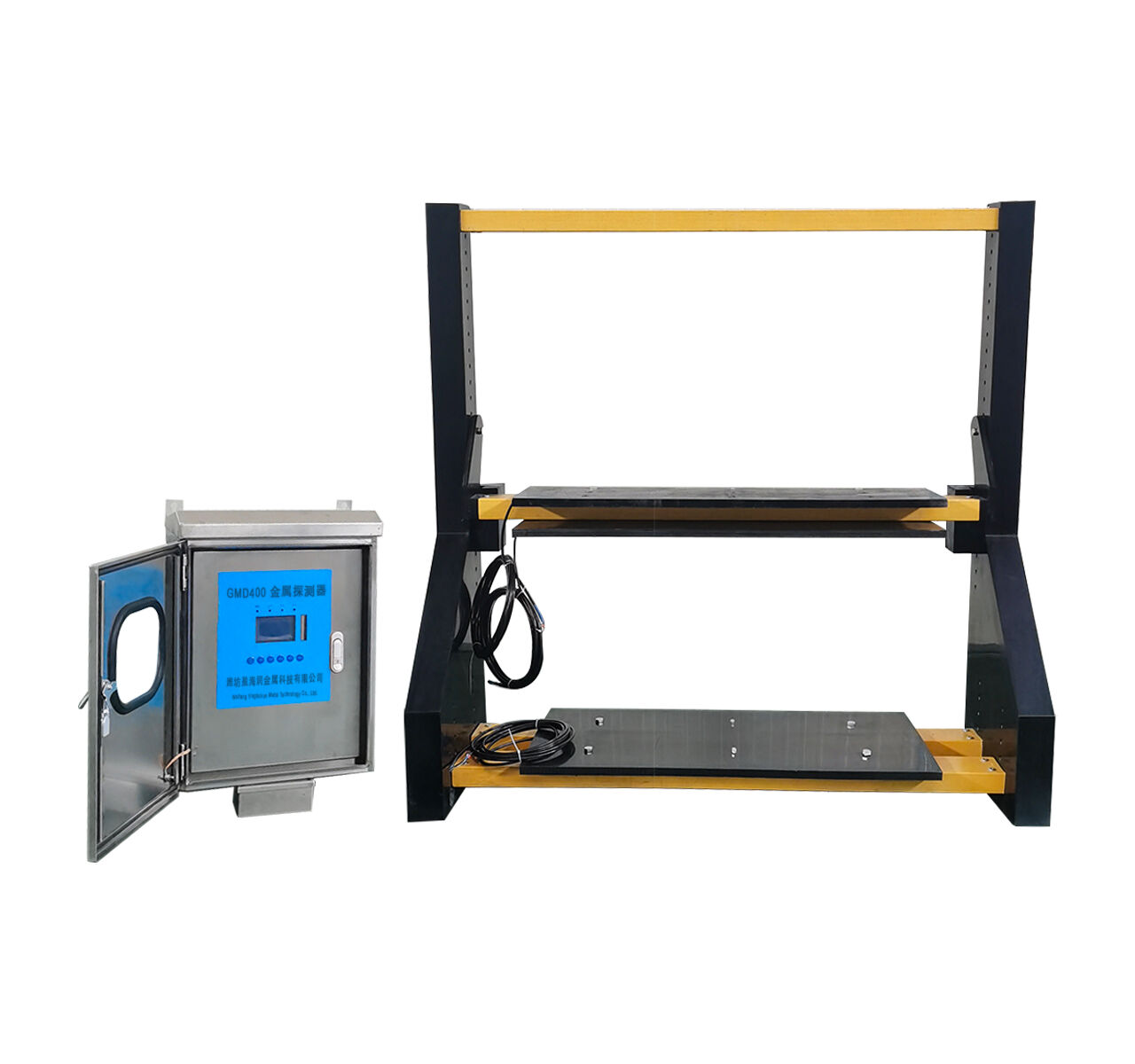
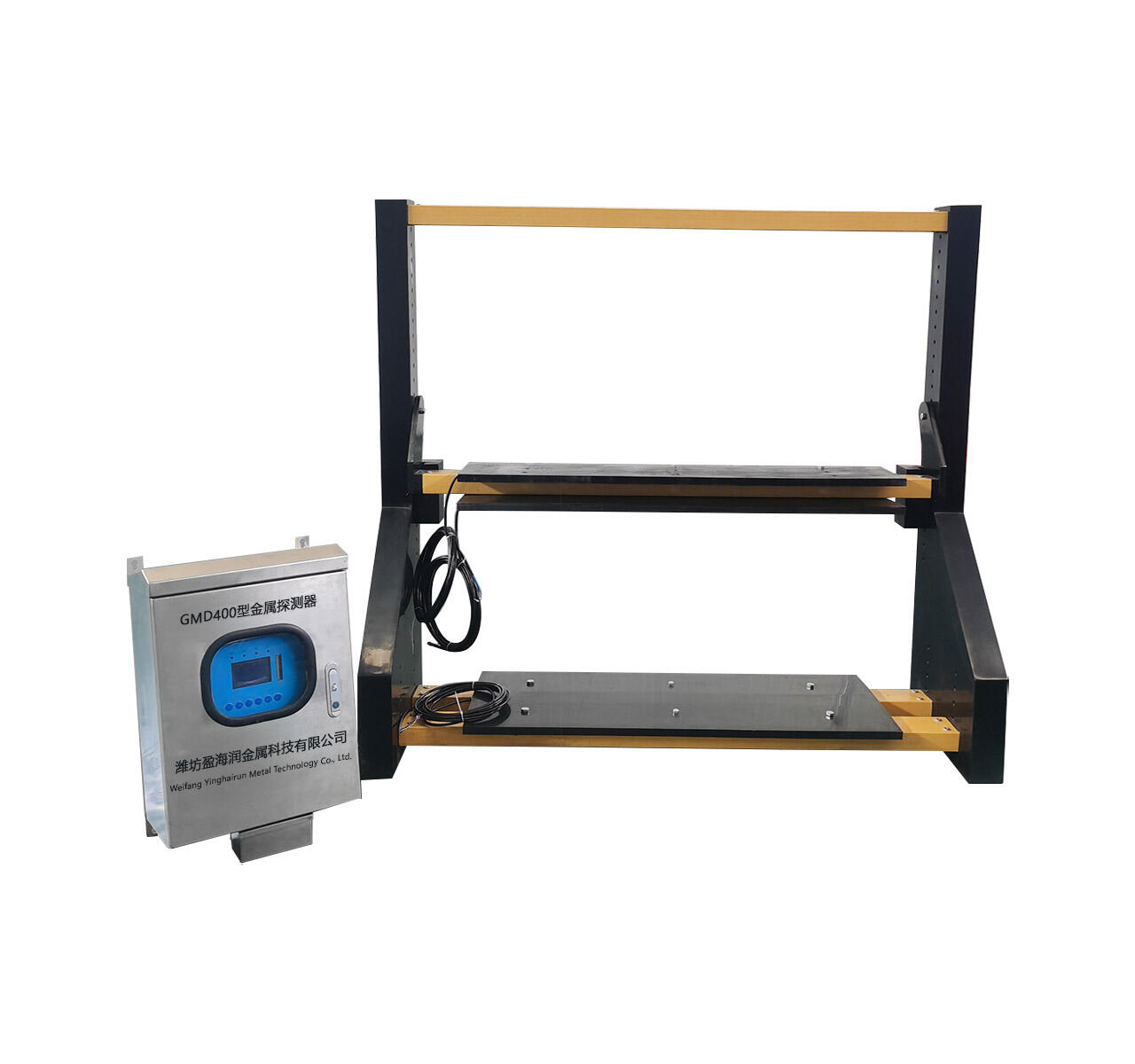
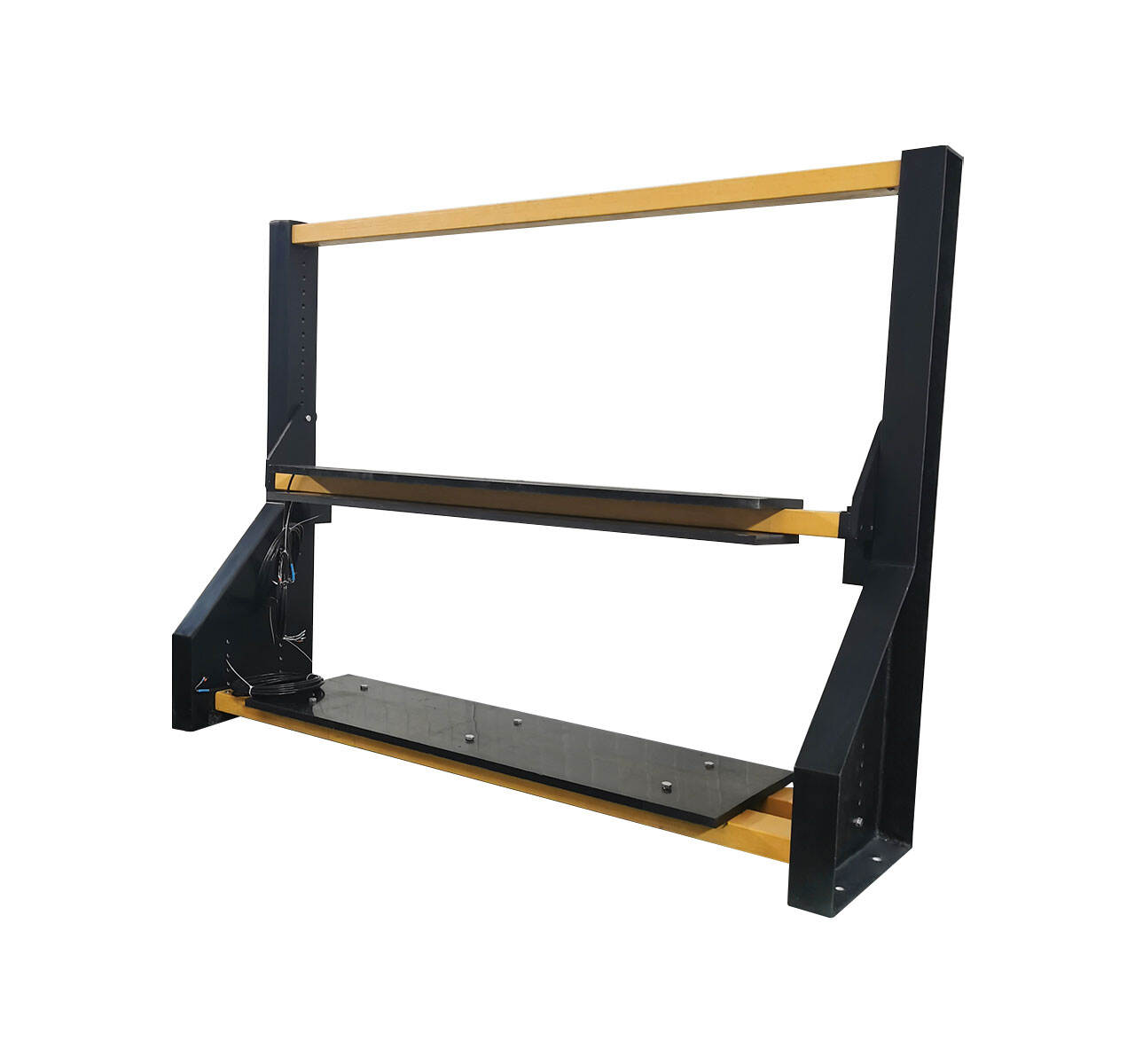
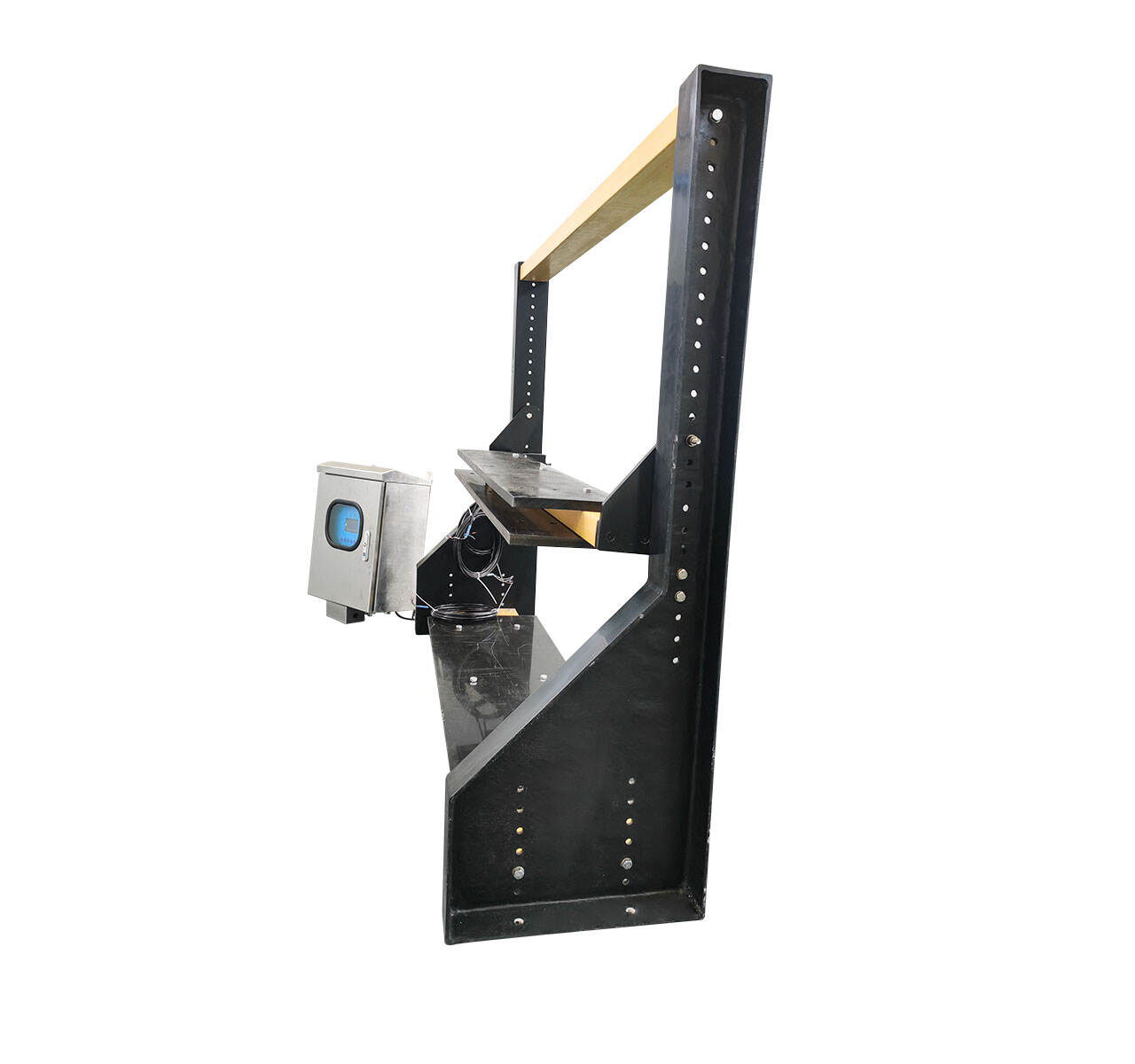
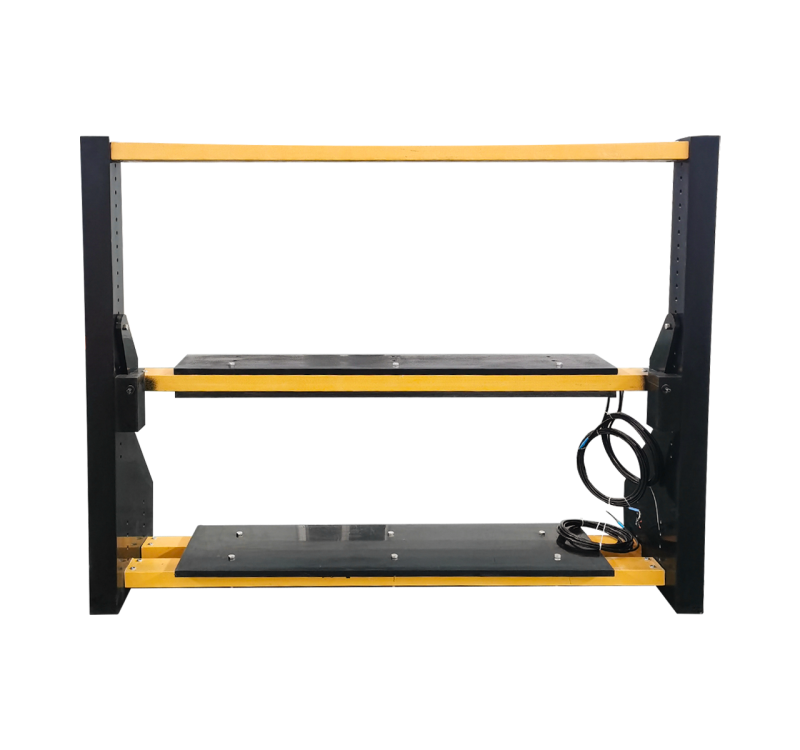
GMD400 Metal Detector
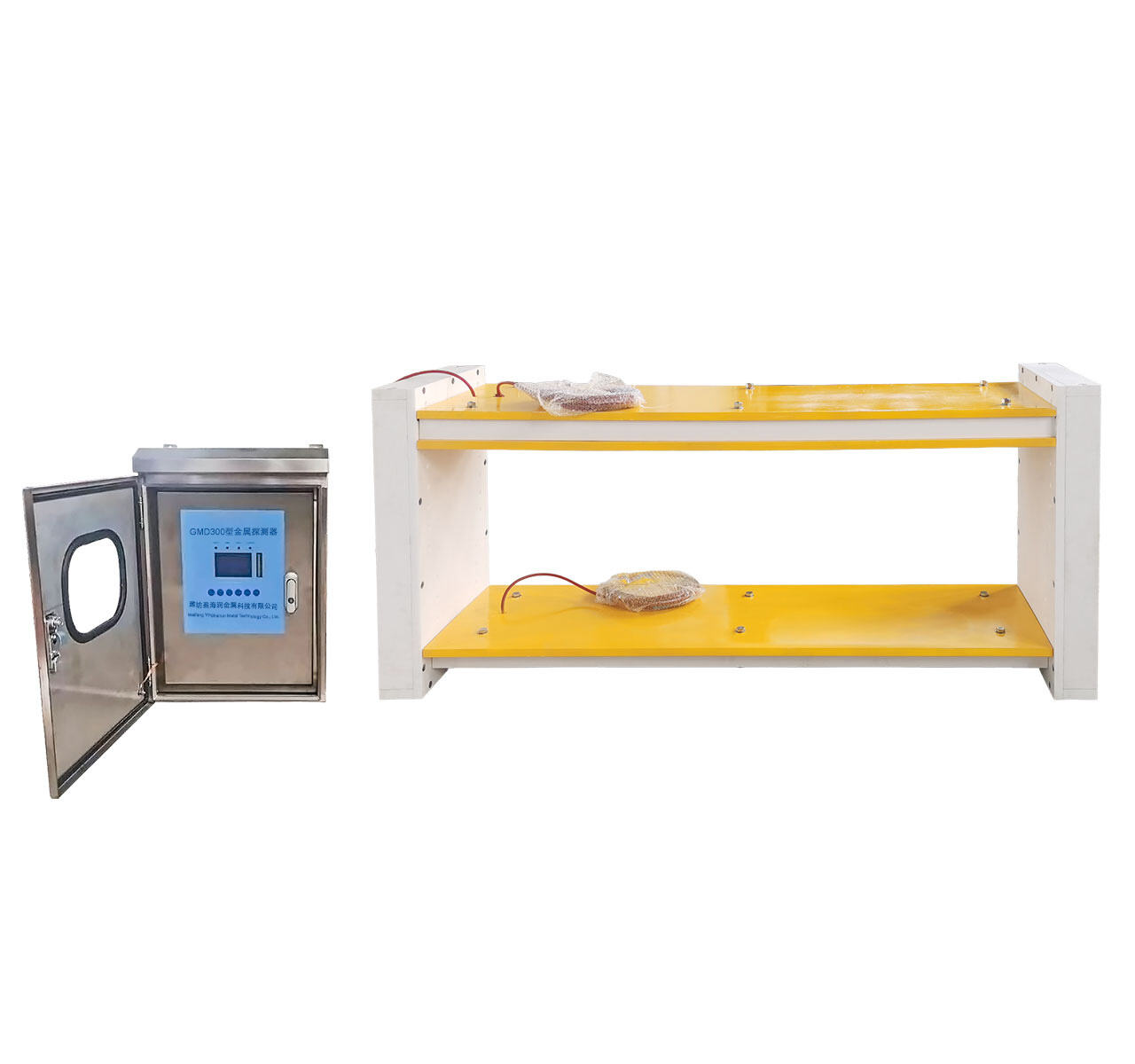
The GMD400 metal detector uses DSP chips, balanced coils, digital circuits, and pulse wave detection. It is suitable for steel wires and belts, with extremely low false alarm rate and missed detection rate, thereby improving the identification accuracy. It has a high anti-interference ability and stronger functions.
- Overview
- Recommended Products
Application
The applicable scope includes black metal mines (iron ore, manganese ore, chromium ore, etc.), non-ferrous metal mines (copper ore, bauxite, lead ore, zinc ore, tin ore, etc.), non-metallic mines (coal mine, quartz mine, limestone mine, etc.) as well as corresponding steel mills, power plants, etc. It is mainly used for protecting the downstream equipment of mining production lines such as cone crushers, double-roll crushers, hammer crushers, impact crushers, sand making machines, belt conveyors, vibrating screens, ultrafine grinding equipment, gravel mills, ball mills, high-pressure roller mills, etc., as well as core components of related industries' conveying equipment such as cement, power plant material processing equipment and wire rope core conveyor belts.
Parameters
| Model | GMD400-8 | GMD400-10 | GMD400-12 | GMD400-14 | GMD400-16 | GMD400-18 | GMD400-20 | |
| Adaptive bandwidth(mm) | 800 | 1000 | 1200 | 1400 | 1600 | 1800 | 2000 | |
| SensorWindow height(mm) | 400 | 400 | 450 | 500 | 500 | 550 | 600 | |
Detection sensitivity(mm) |
Non-magnetic minerals | 25×25 | 35×35 | 45×45 | 55×55 | 65×65 | 75×75 | 90×90 |
| Magnetic minerals | 35×35 | 45×45 | 55×55 | 65×65 | 75×75 | 90×90 | 110×110 | |
Dimensions of the shape(mm) |
1200*460*1395 | 1400*460*1395 | 1600*460*1395 | 1800*460*1395 | 2000*460*1395 | 2200*460*1395 | 2400*460*1395 | |
Packaging
1. All of the above products are standard models.
2. The size can be customized.
3. The packaging size and weight shall be based on the actual measurement during shipment.
Performance Characteristics
1.Applicable to steel wire conveyors and automatically distinguishes metal belt joints.
2. Applicable to metal ores.
3. Marking timing function with delayed output of marking action for accurate positioning of mixed metals.
4. Supports Modbus fieldbus communication for easy data networking.
5. Multiple IO output interfaces for connection to production lines and automated inspection.
6. LCD screen with Chinese (English) menu interface for easy and clear operation.
7. Password function.
8. Field or central control reset function.
9.Zero-point automatic tracking, no drift.
Core advantages of GMD400:
1. Completely solve the problem of false alarms from metal ores;
2. Completely solve the problem of missed alarms from metal detectors;
3. Completely solve the problem of difficulty in detecting high manganese steel and alloy steel;
4. Completely solve the problem of false alarms from steel wire belts.
RFQ
How does the wire joint identification device determine whether it is a joint?
It consists of a pre-magnetizer and an identifier. The more metal components there are, the higher the magnetic saturation degree will be. And the identifier uses the magnetic saturation degree to determine whether it is a metal joint.
Why does the metal detector have a low false alarm rate?
The metal detectors currently available on the market basically adopt the method of closed-loop coils, analog circuits, and continuous-wave detection. This technical mode was relatively reliable and convenient before when the production volume was low and the motor power was small. Without frequency inverters, it was quite reliable. However, with the development of technology in society, the production volume of industrial and mining enterprises has increased significantly, and the motors have become larger. Frequency inverters have been widely used, so its anti-interference ability fails to meet the requirements, resulting in a high false alarm rate. In contrast, our company's metal detector adopts a balanced coil structure, pulse wave detection method, and a fully digital control scheme. The main control chip uses an industrial-grade DSP (ARM) core chip with a hardware multiplier, which has strong computing capabilities and high anti-interference ability. At the same time, advanced algorithms such as digital filtering, speed feature matching, and shape feature matching are adopted in the detection algorithm. Therefore, the overall anti-interference ability of the system is extremely strong, and the false alarm rate is also low.