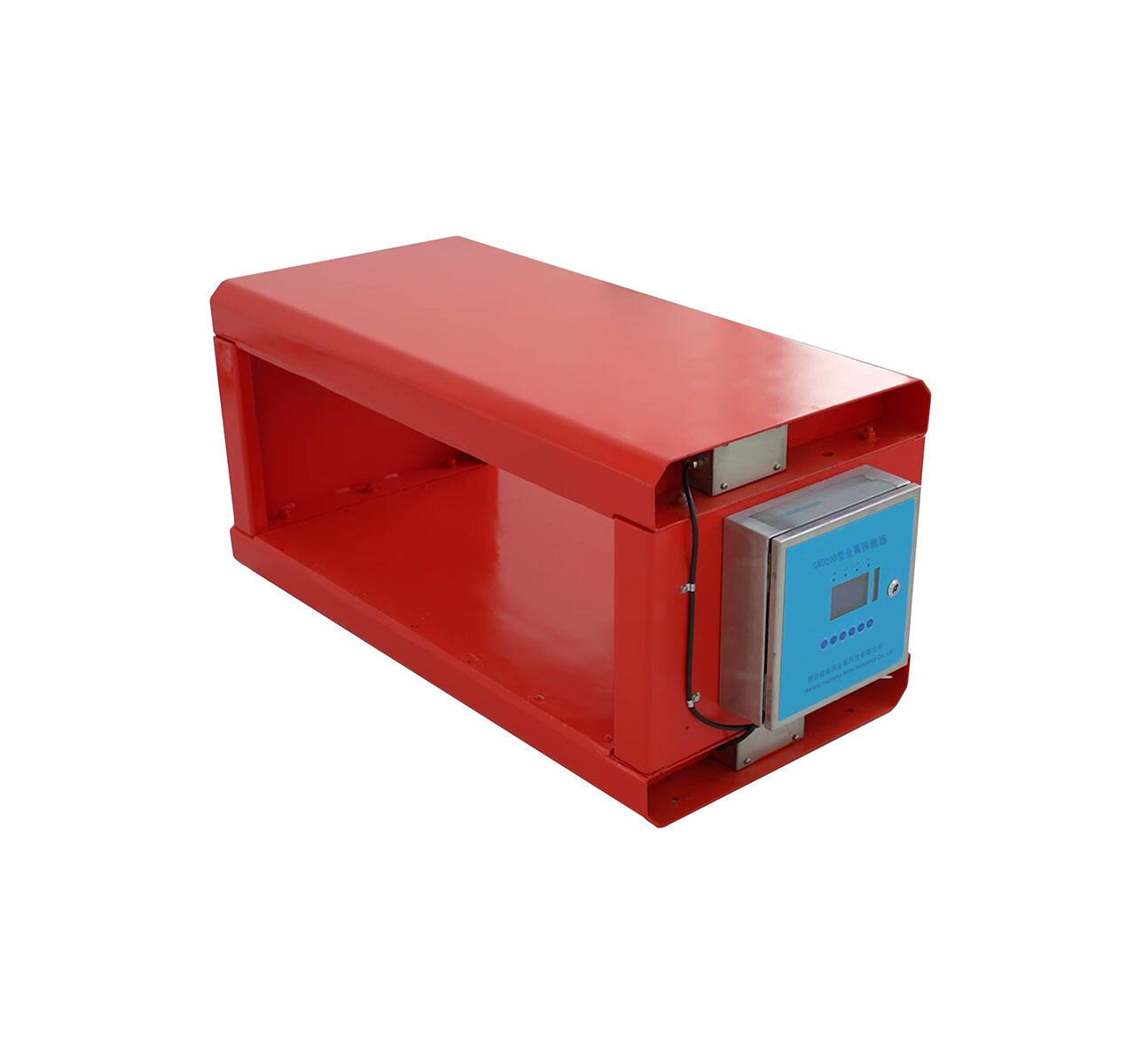
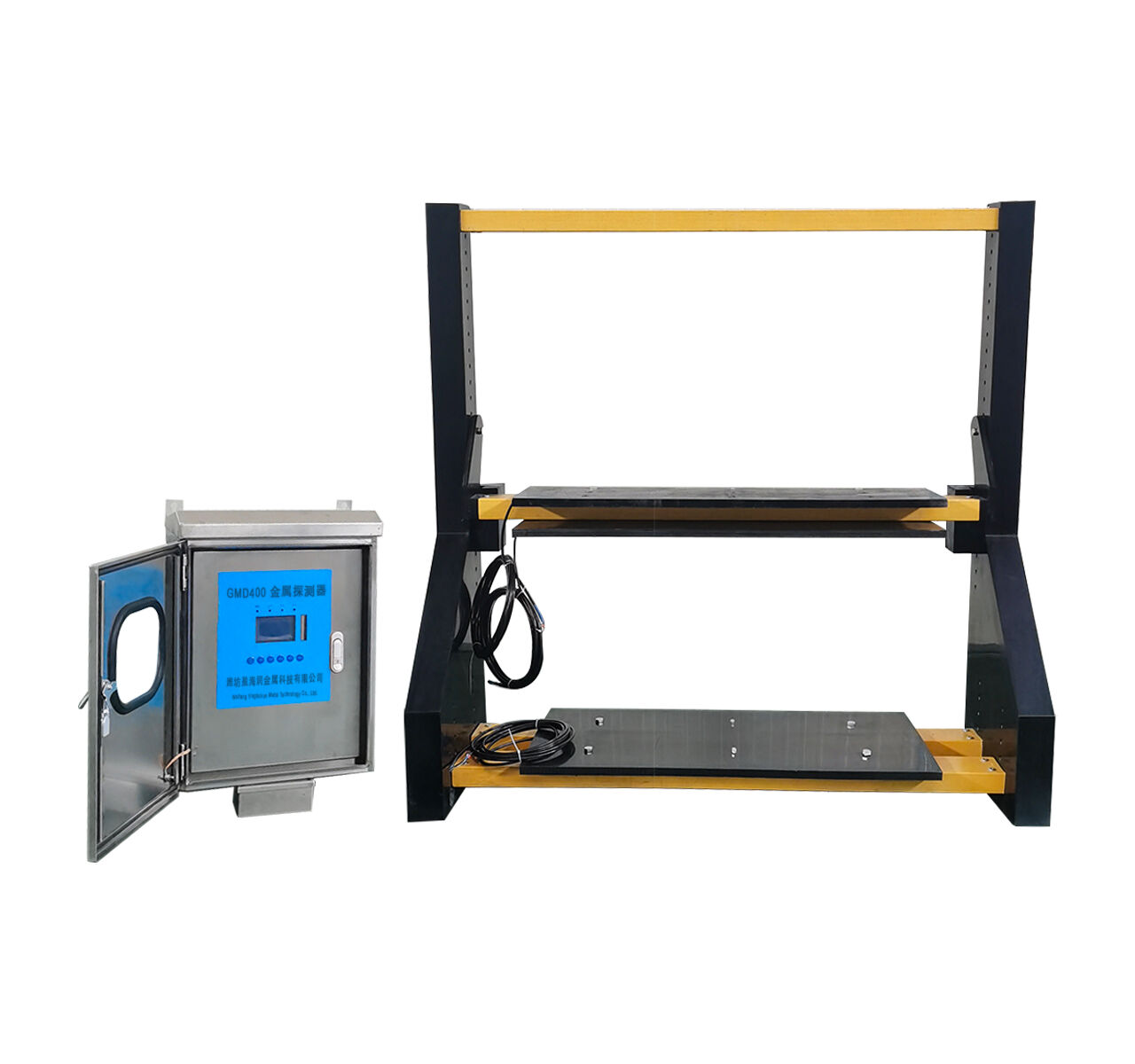
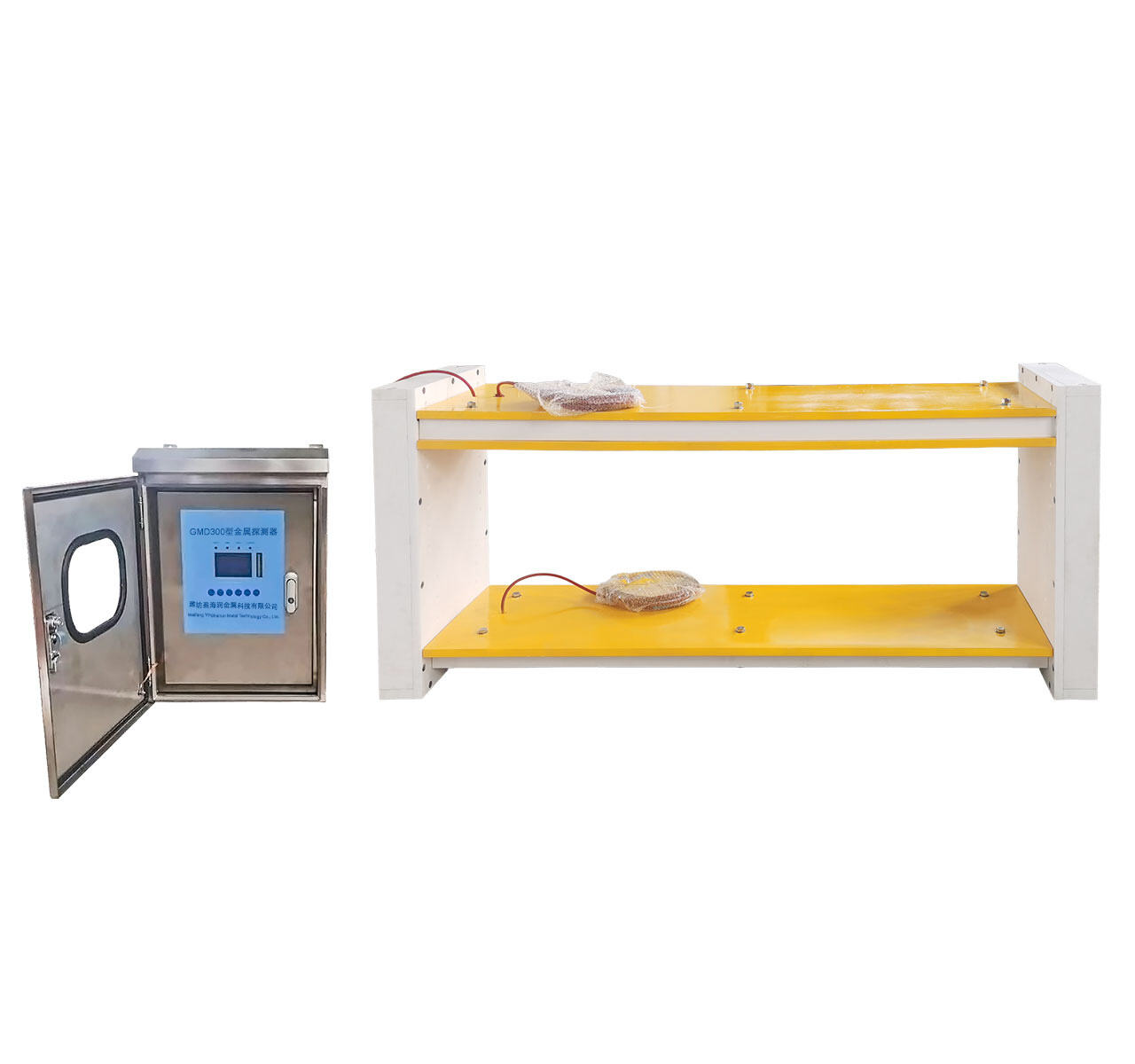
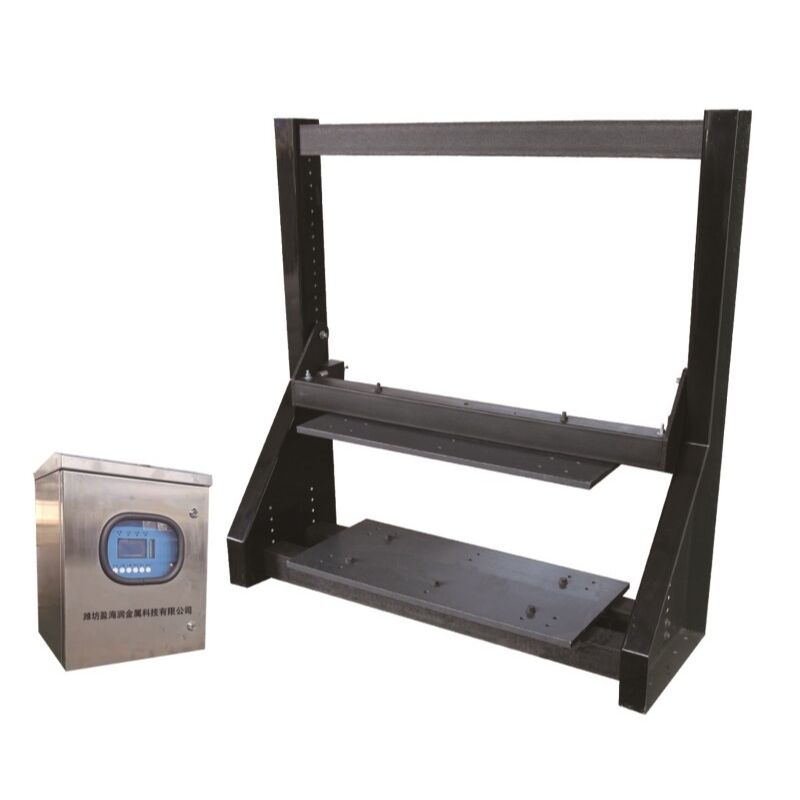
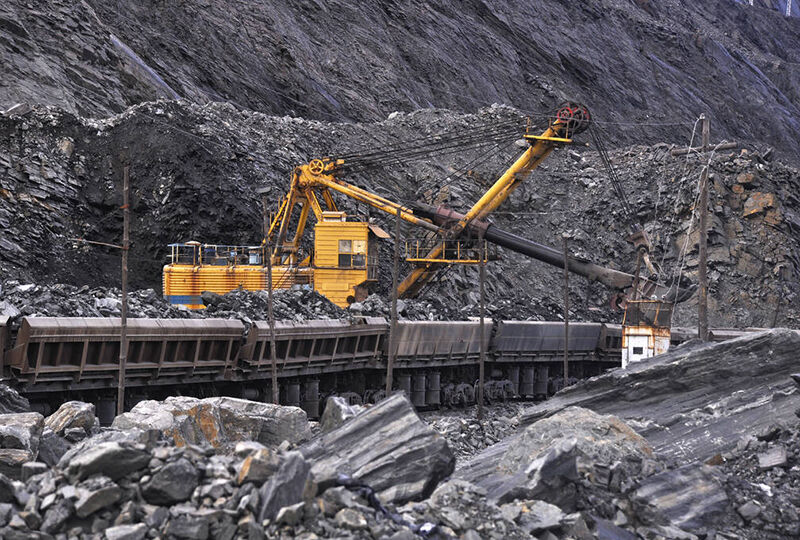
The cone crusher, as the main equipment in the mining crushing system, its stable and reliable operation has a significant impact on the safety production of the mine. Its working principle determines that only by preventing harmful metals from entering the cone crusher can the damage to the cone crusher be effectively avoided, and the cone crusher can be better protected, thereby ensuring the economic operation of the production line. However, the magnetic separator can only remove magnetic metals, and has no effect on the buried metals and non-magnetic metals in the materials. Ordinary detectors are affected by on-site interference, resulting in low detection accuracy and frequent false alarms and missed alarms. Considering all these factors, it will affect the production efficiency of the next process and cause the problem of iron entering the cone crusher, failing to provide good protection for the cone crusher. Therefore, in order to save energy and reduce costs, improve production efficiency, better utilize and protect the cone crusher, and reduce maintenance costs, it is very necessary to install a high-precision new type metal detector.
 |
 |
The Physics of Interference: Why Ore "Looks" Like Metal
To understand the solution, we must analyze the problem at an electromagnetic level. Metal detectors operate by generating an electromagnetic field. When a conductive object passes through this field, it induces Eddy Currents within the object. These currents generate their own secondary magnetic field, which is detected by the receiver coils.
The challenge lies in the decay time of these eddy currents.
Tramp Metal: Solid metal objects (like a steel bolt) sustain eddy currents for a specific duration after the field is removed.
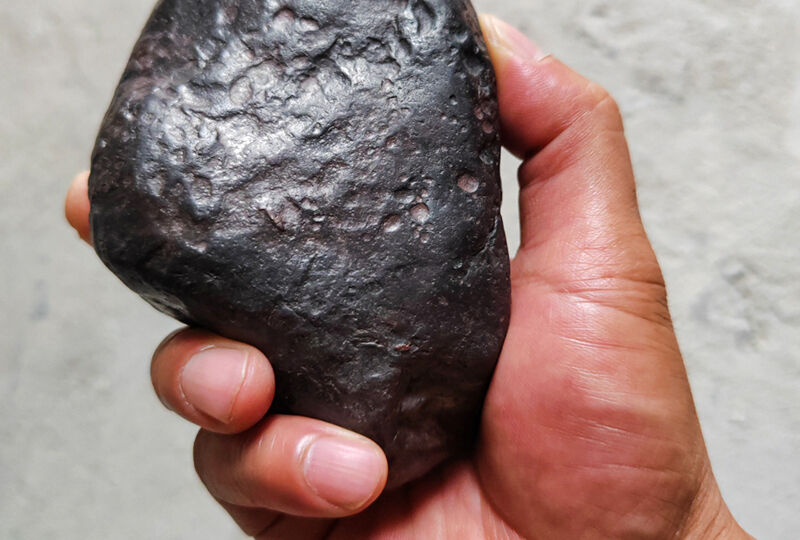
High-Grade Ore: Mineralized rock, particularly iron ore with high magnetite content or conductive copper ore, also generates eddy currents. However, these currents typically decay much faster than those in solid metal.
In traditional analog detectors using continuous wave technology, the system struggles to distinguish between the "noise" of the mineralized ore and the "signal" of the metal. The detector sees a massive change in the field and assumes it is metal. This is why high-grade mines often suffer from nuisance tripping.
The Solution: Advanced Circuitry and Pulse Wave Technology
Our company has engineered a solution to this complex problem through a complete redesign of the detector's internal architecture. We have moved away from traditional analog circuits to a sophisticated Full Digital Control Scheme powered by a high-performance industrial DSP (Digital Signal Processing) chip.
The core of this innovation is Pulse Wave Detection. Unlike continuous wave systems that constantly broadcast and receive—picking up all environmental noise—our system emits electromagnetic pulses at a fixed frequency and then "listens" during specific time windows.
This timing is critical. By utilizing the advanced computational power of the DSP chip (equipped with hardware multipliers), the system analyzes the decay curve of the signal. It can mathematically differentiate the rapid decay of the ore (the Material Effect) from the slower, lingering decay of a metal contaminant.
Algorithmic Precision: Filtering the Noise
Hardware is only half the battle; the intelligence lies in the software. Our system employs advanced filtering algorithms, including Digital Filtering and Velocity Feature Matching.
1. Automatic Zero Tracking: The "background" signal of the ore can fluctuate based on load height and moisture. Our system continuously tracks this zero point, adjusting the baseline in real-time to ensure that the ore's conductivity does not drift into the alarm zone.
2. Phase Discrimination: The system analyzes the phase angle of the signal. Mineralized ore and metal objects affect the electromagnetic field at different phase angles. By filtering out the specific phase associated with the ore, we effectively render the high-grade material "invisible" to the detector, while keeping the sensitivity high for metal.
Application in Extreme Environments
This technology has proven essential for processing plants handling Iron Ore (Fe 50%) and Copper Ore. In these environments, the conductivity of the material is exceptionally high.
For instance, in a high-grade iron ore application, the ore itself might generate a signal 100 times stronger than a small piece of stainless steel. A standard detector would be overwhelmed. However, our Pulse Wave system identifies the unique "signature" of the iron ore and suppresses it. This allows the detector to remain sensitive enough to catch non-magnetic metals like Manganese Steel and Stainless Steel—which are often used in mining equipment and are notoriously difficult to detect due to their low magnetic permeability.
Operational Impact: Reducing False Positives
The implementation of this new circuit structure delivers tangible operational benefits:
Elimination of Nuisance Trips: By accurately distinguishing between ore and metal, the system stops the constant false alarms that plague high-grade mines.
Increased Sensitivity: Because the "noise" is filtered out, operators can increase the gain (sensitivity) of the machine. This ensures that even small, dangerous metal fragments are detected.
Protection of Downstream Equipment: With the confidence that the detector is only alarming for actual metal, the protection of expensive downstream equipment—such as High-Pressure Grinding Rolls and Crusher—is guaranteed.
Conclusion
The "Material Effect" is no longer an insurmountable barrier to efficient mining. By combining a balanced coil structure with advanced Pulse Wave technology and DSP processing, we have turned the tables on high-conductivity ores. Our Metal Detector Machines can now see through the "noise" of rich ore to identify the true threat, ensuring that your production line remains efficient, safe, and profitable, regardless of the grade of the material you process.
 Hot News
 EN
EN