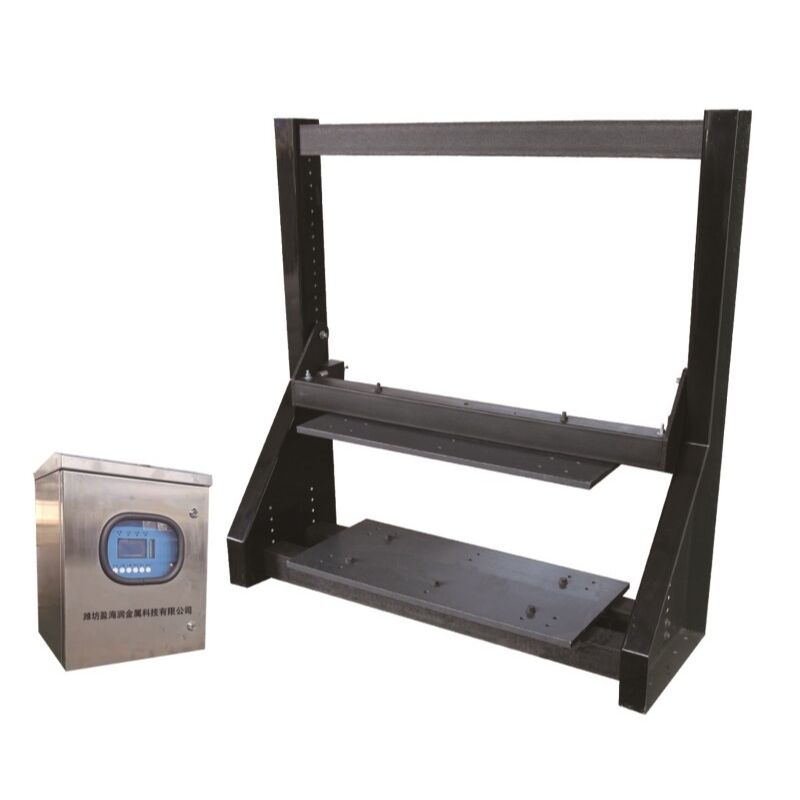
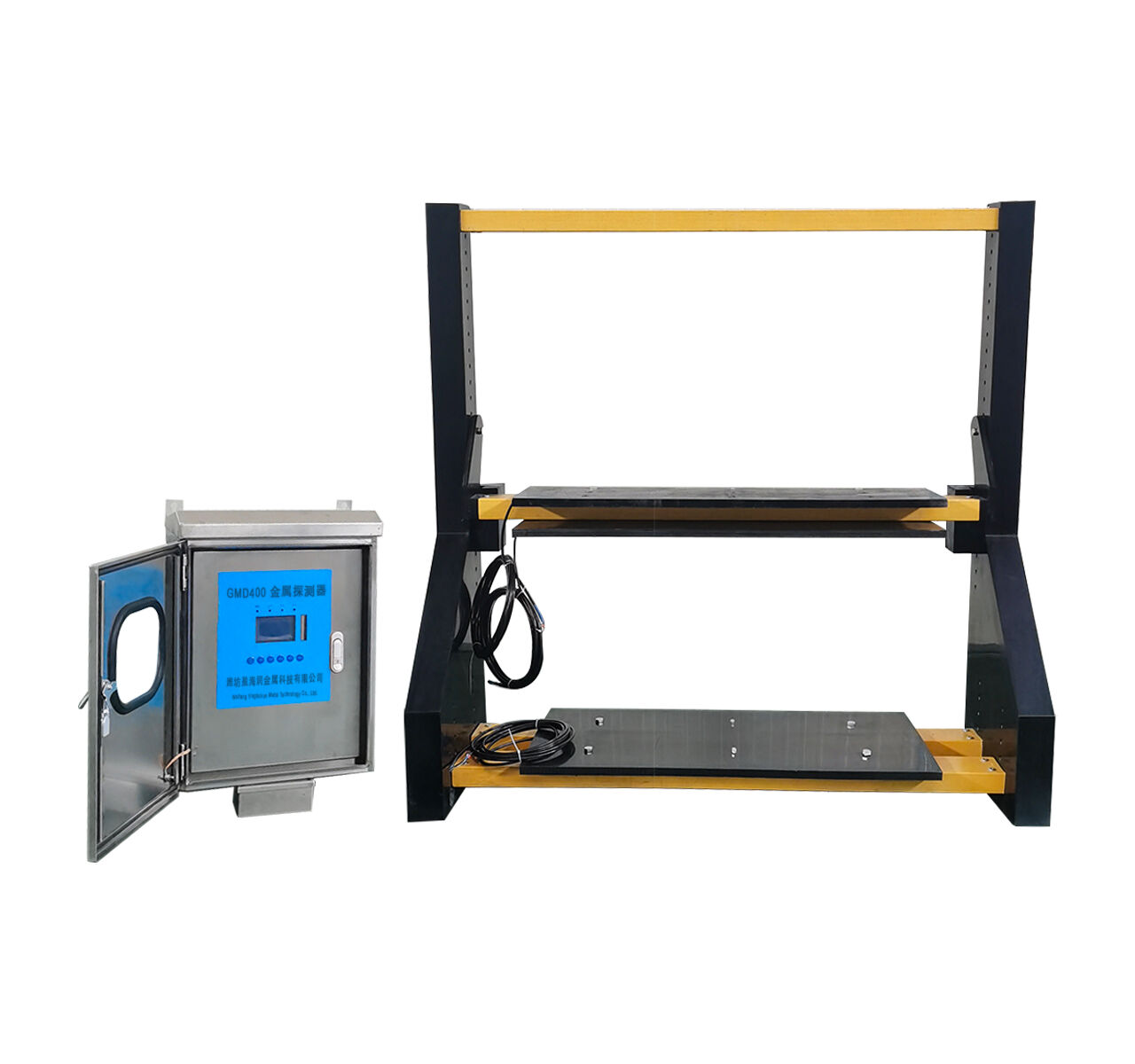
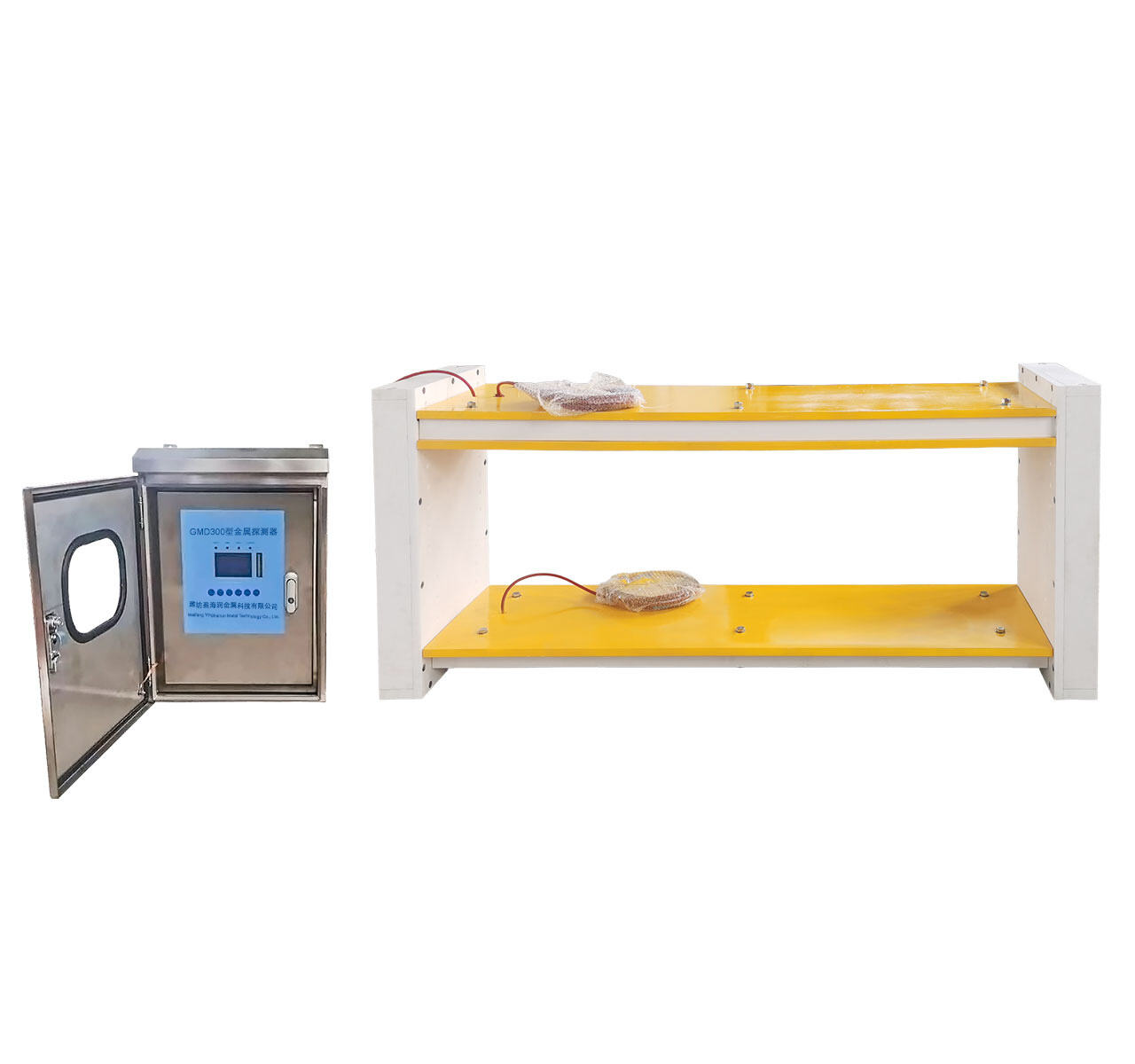
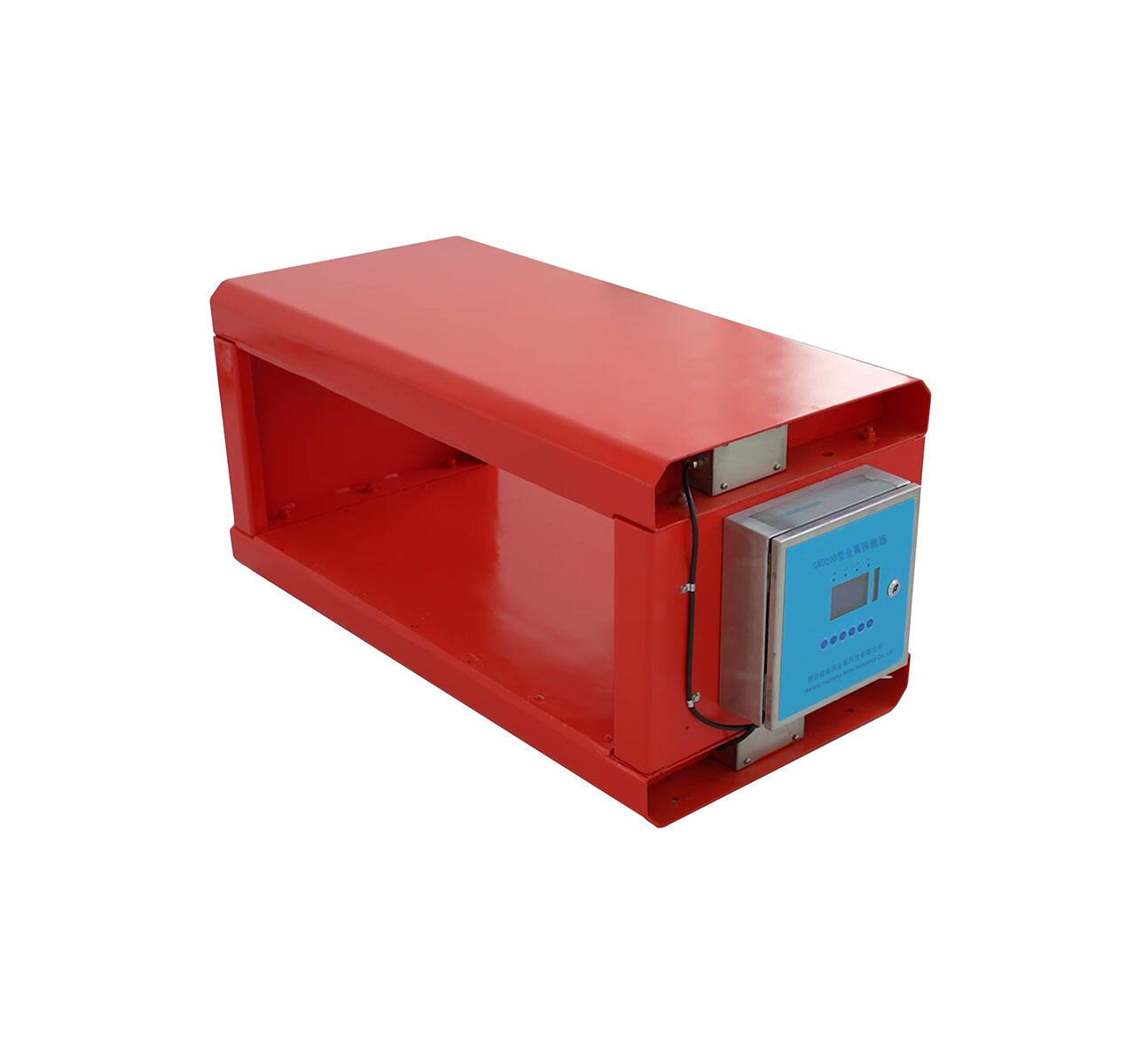
In the global mining and heavy industry sectors, equipment specifications are often written in the comfort of climate-controlled offices. However, the reality of operation takes place in some of the harshest environments on Earth. From the frozen open-pit mines of Inner Mongolia and Siberia, where winter temperatures plummet to -40°C, to the scorching clinker production lines in cement plants where ambient temperatures soar past 45°C, electronic equipment faces a battle for survival before it even begins to detect metal.
For plant managers and procurement officers, the "survival ability" of a Metal Detector Machine is not just a specification; it is a guarantee of continuous production. A detector that fails to start on a freezing morning or drifts out of calibration under the blistering sun represents a critical vulnerability in the production line. This article details the rigorous stability testing and engineering adaptations required to ensure our Metal Detector Machines operate flawlessly across a temperature range of -40°C to 45°C and humidity levels from 10% to 95%.
 |
 |
The Cryogenic Challenge: Operation at -40°C
In northern mining regions, such as the Hulunbuir coal fields, the primary challenge is not just detection, but basic functionality. Standard commercial electronics typically operate between 0°C and 50°C. When the temperature drops below -20°C, standard components begin to fail. LCD screens turn black and become unreadable, batteries lose their charge instantly, and plastic casings become brittle and shatter upon impact.
To survive -40°C, our engineering team implemented a "Cold Weather Survival Package."
1. Component Selection: We replaced standard capacitors and resistors with industrial-grade components rated for low temperatures. The core processing unit utilizes an industrial-grade DSP chip capable of functioning at -40°C, ensuring the logic board does not suffer from "cold solder" fractures or signal processing lag.
2. Material Science: The search coils and protective casings are manufactured from reinforced polymers that maintain their ductility and impact resistance even at extreme sub-zero temperatures. This prevents the coil housing from cracking if struck by falling ice or heavy ore.
3. Power Stability: Special low-temperature batteries and power regulation circuits are used to ensure the system receives stable voltage, preventing the "brownout" failures common in freezing conditions.
The Thermal Challenge: Stability at +45°C and Beyond
Conversely, the challenge in cement plants and thermal power stations is heat. High ambient temperatures can cause "thermal drift," where the electronic components expand and change resistance, leading the metal detector to false alarm or lose sensitivity. Furthermore, in clinker production lines, the equipment is often exposed to radiant heat that pushes the internal temperature of the control box well above the ambient air temperature.
Our stability tests in high-temperature environments focus on thermal management.
1. Heat Dissipation Design: The control box is designed with high-conductivity aluminum alloys and external heat sinks. This passive cooling system draws heat away from the sensitive DSP processor, preventing overheating.
2. Drift Compensation: Our digital signal processing algorithms include a "Temperature Drift Compensation" feature. The system continuously monitors its own internal temperature and mathematically adjusts the baseline zero point to counteract the effects of thermal expansion in the circuitry. This ensures that a detector calibrated at 20°C remains accurate at 45°C.
Humidity and Corrosion: The Silent Killer
Temperature is often accompanied by moisture. In open-pit mines, equipment is exposed to rain, snow, and fog. In coal washing plants, humidity levels can reach 95% RH, creating a corrosive environment that attacks circuit boards.
To combat this, our Metal Detector Machines are built to IP65 standards.
Sealing: The search coils are potted in waterproof epoxy, and the control box features double-layer silicone gaskets to prevent water ingress.
Circuit Protection: Internally, the PCBs are coated with a conformal coating (three-proof paint) that protects against moisture, salt spray, and mold. This is critical for coastal mines or high-humidity processing plants where corrosion can short-circuit standard electronics.
The Stability Test Report: Real-World Validation
Our confidence in these specifications comes from extensive field testing. In a recent validation trial at a large open-pit mine in Inner Mongolia, our SE-series Metal Detector was subjected to a "survival test" during a cold snap where temperatures dropped to -40°C.
Cold Start Test: The equipment, left powered off overnight, was required to boot up and reach operational stability within 5 minutes. It passed with no display lag or sensor errors.
Continuous Operation: The unit ran for over 1,000 hours in temperatures fluctuating between -30°C and -40°C, maintaining a false alarm rate of near zero.
Similarly, in a cement plant in southern China, the equipment withstood continuous exposure to 45°C ambient heat and high dust loads. The internal temperature monitoring showed that the heat sink design kept the processor within safe limits, and the "dust-proof" design prevented clogging of the ventilation systems.
Conclusion
For the modern mining and industrial operation, environmental resilience is not optional. Whether it is the biting cold of a northern winter or the relentless heat of a clinker line, the Metal Detector Machine must be the most reliable sentinel on the line. By integrating industrial-grade components, advanced thermal management, and robust waterproofing, we have ensured that our equipment does not just survive the elements—it thrives in them, providing unwavering protection for your crushers and conveyors, 365 days a year.
 Hot News
 EN
EN