In the high-volume world of mining and aggregate processing, the mantra is simple: move more material, faster. To achieve this, modern belt conveyors are designed to carry massive volumes of ore, coal, and stone, often creating deep, thick layers of burden on the belt. For a plant manager, this high flow rate is the key to profitability. However, for the safety systems tasked with protecting downstream crushers, this thickness presents a significant physics challenge: the "Distance vs. Sensitivity" paradox.
The core dilemma is this: as the layer of material gets thicker, the distance between the metal detector's coils and any potential tramp metal increases. Since the strength of an electromagnetic field decays rapidly with distance (following the inverse-square law), a piece of metal buried at the bottom of a deep pile of ore is exponentially harder to detect than one skimming the surface. Historically, operators faced a difficult choice: either reduce the material load to ensure safety (sacrificing efficiency) or raise the detection coils (sacrificing sensitivity).
 |
 |
The Physics of Deep Detection
To understand why deep detection is difficult, we must look at the electromagnetic field. A standard metal detector generates a magnetic field that penetrates the material on the belt. When a metal object passes through, it disturbs this field, inducing a voltage in the receiver coils.
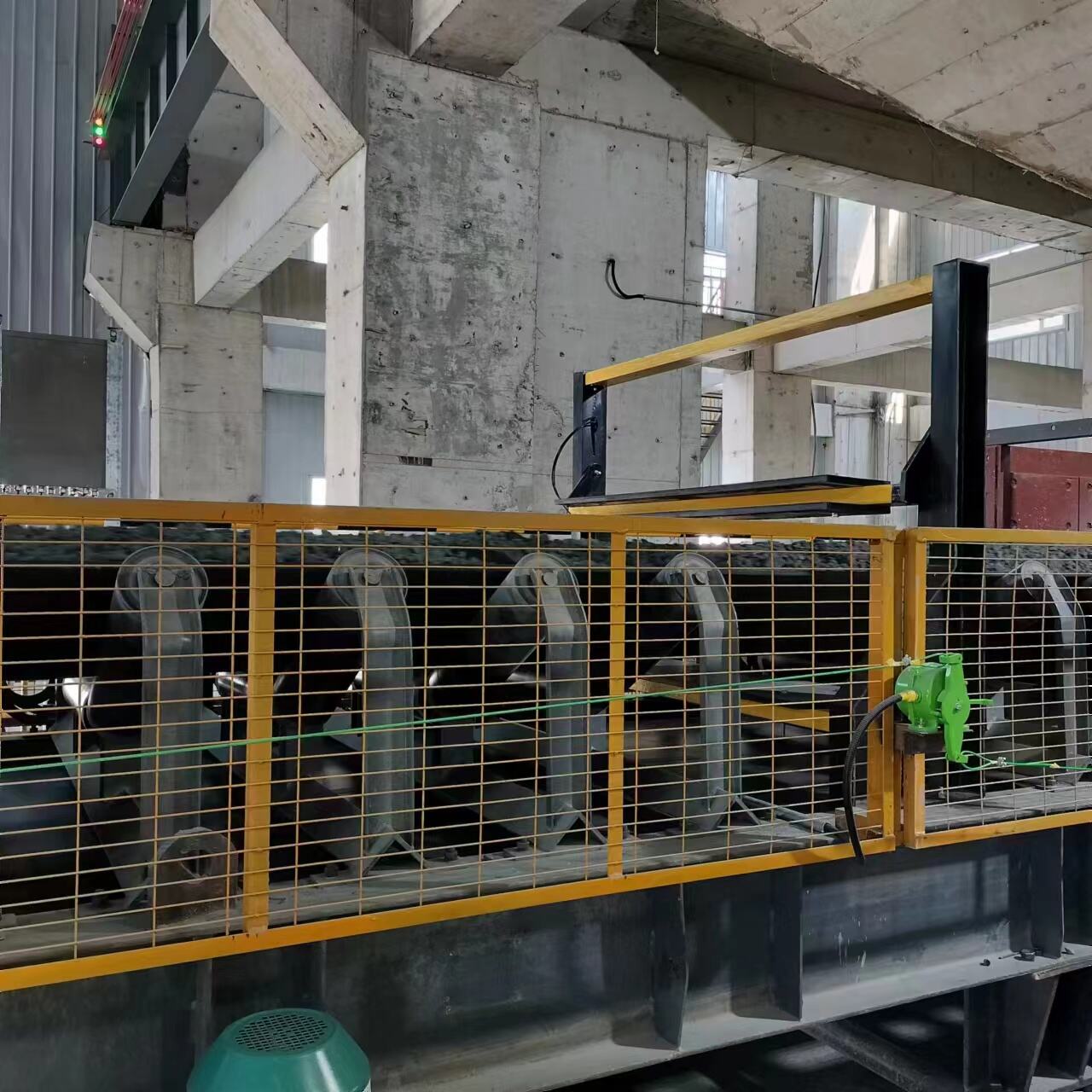
However, in high-flow applications—such as a primary conveyor carrying raw run-of-mine ore—the material layer can be several hundred millimeters thick. A piece of metal, such as a drill bit or a bucket tooth, often settles at the very bottom of this layer, closest to the belt and furthest from the detector's arch.
At this depth, the signal generated by the metal is incredibly weak. Furthermore, the sheer volume of material above it creates "noise" (the Material Effect), which can mask the faint signal of the metal. If the detector is not powerful enough, the metal passes through unnoticed, heading straight for the crusher.
Engineering the Solution: High-Power Transmission and Advanced Reception
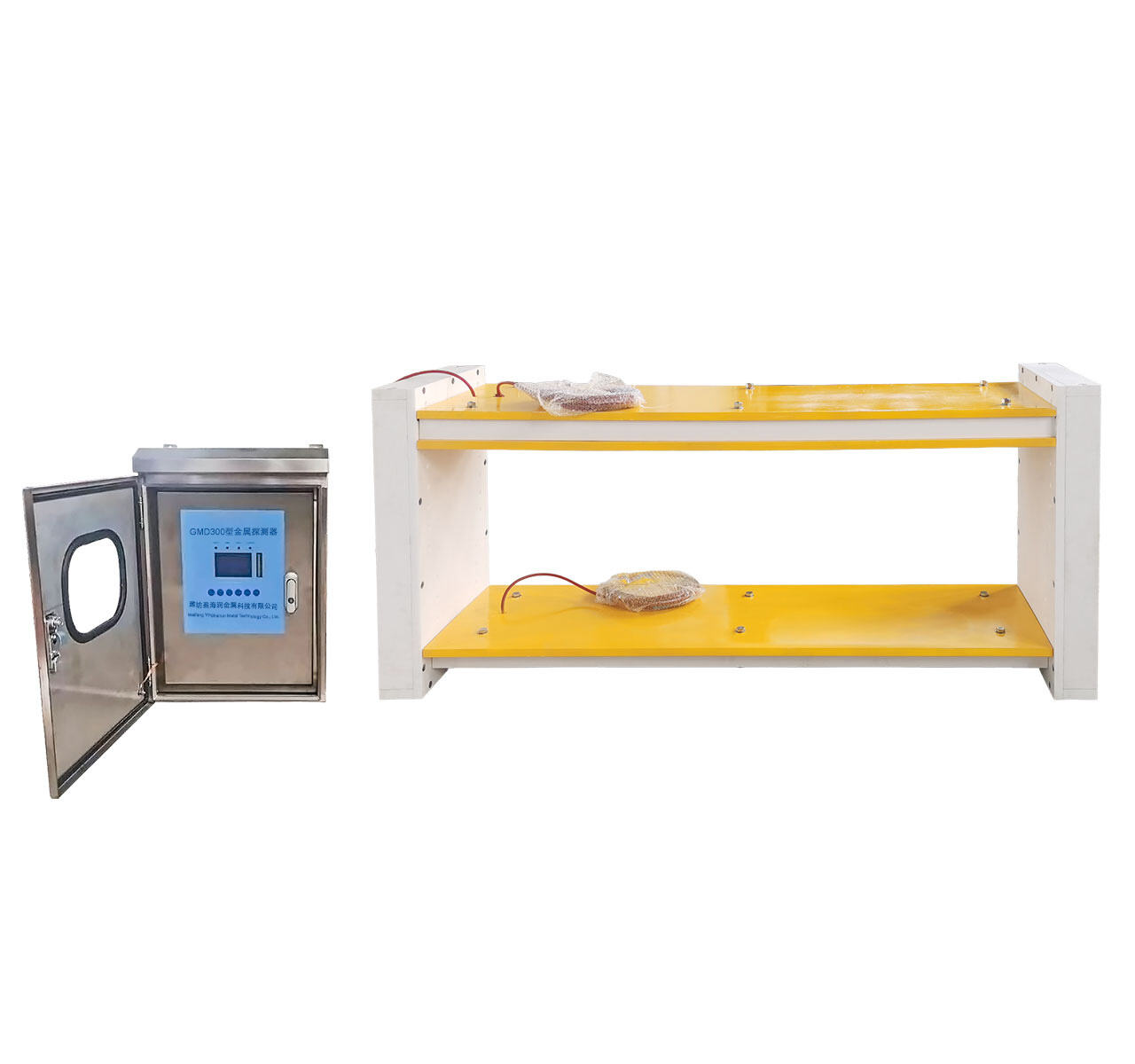
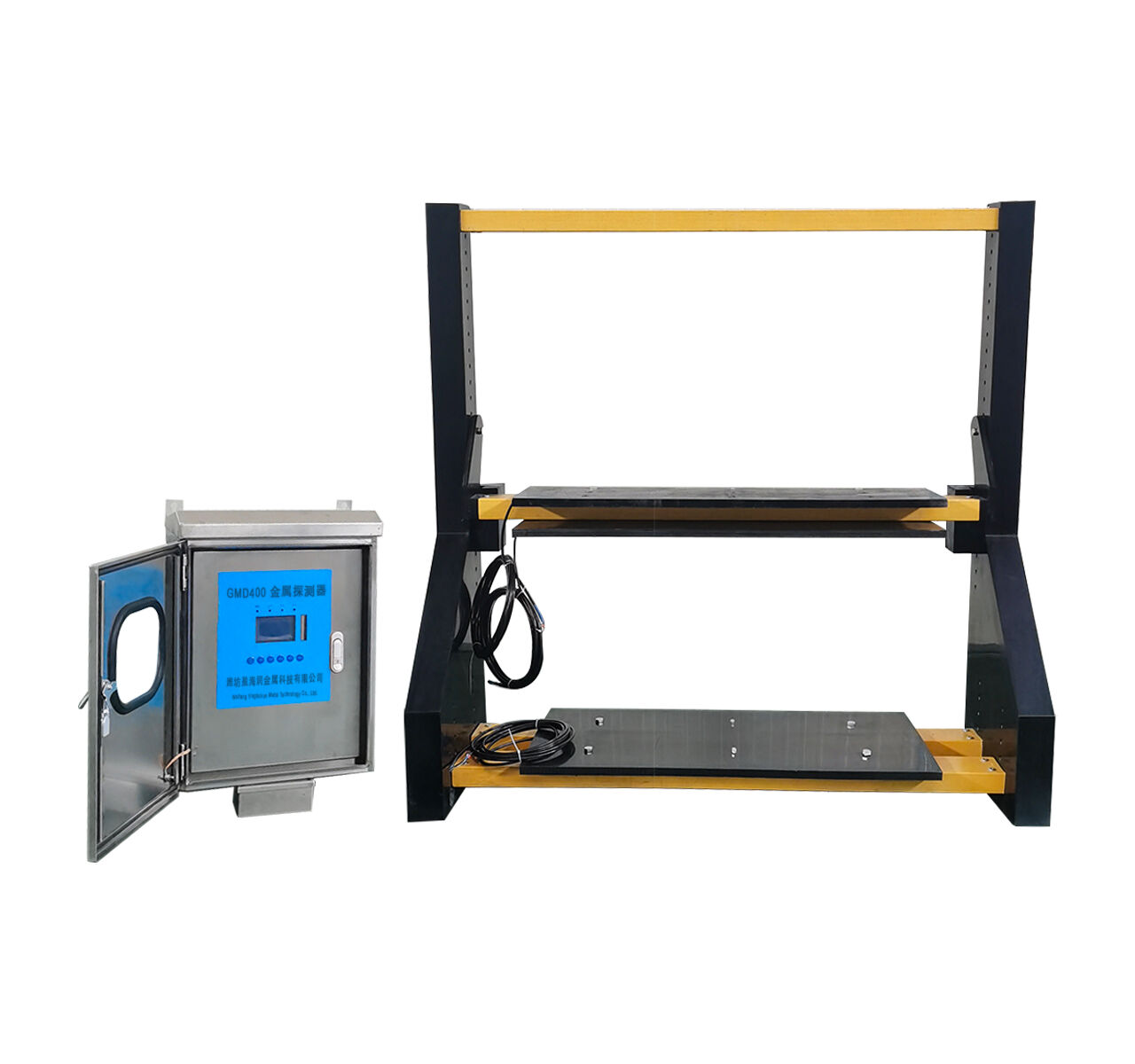
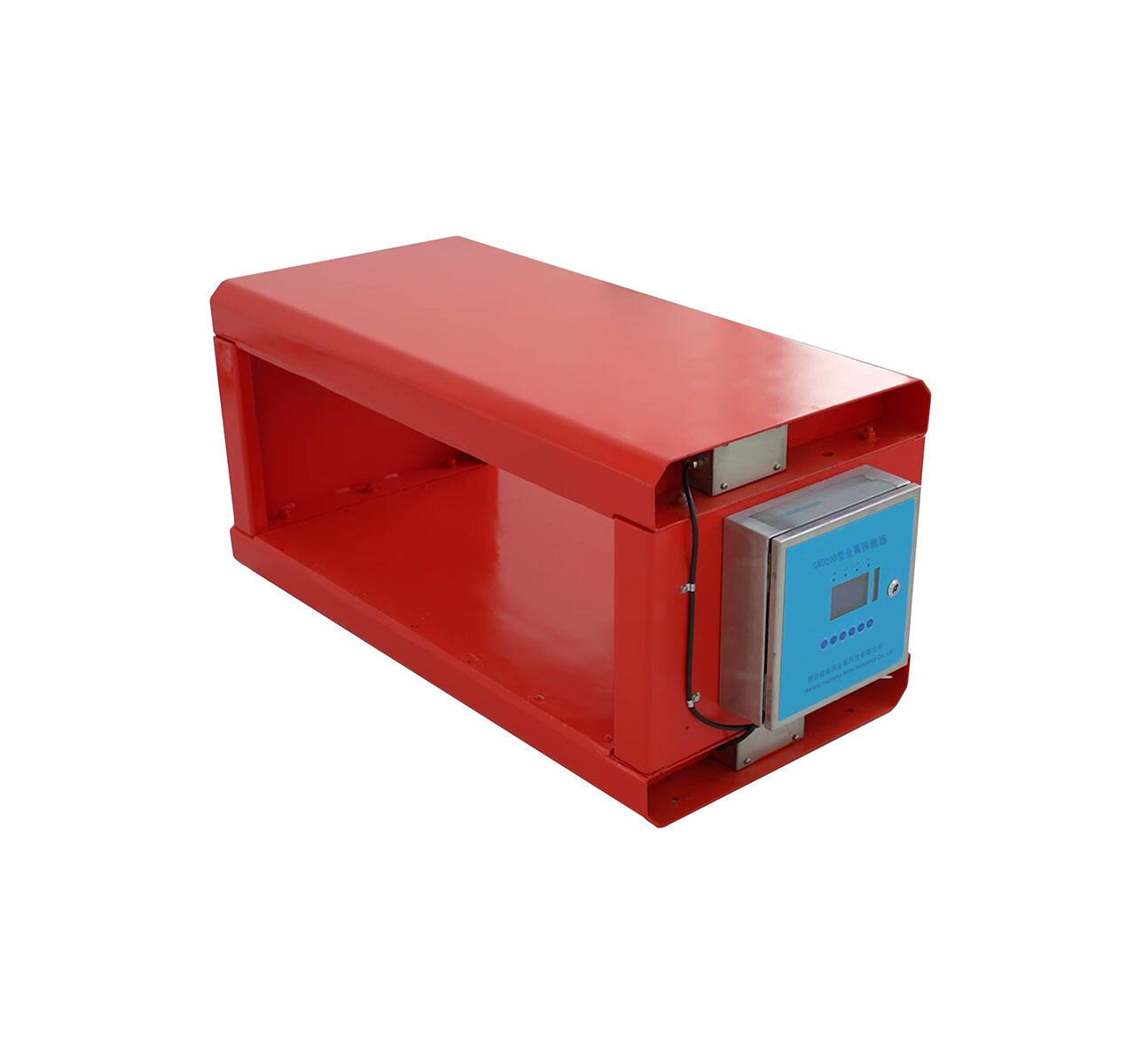
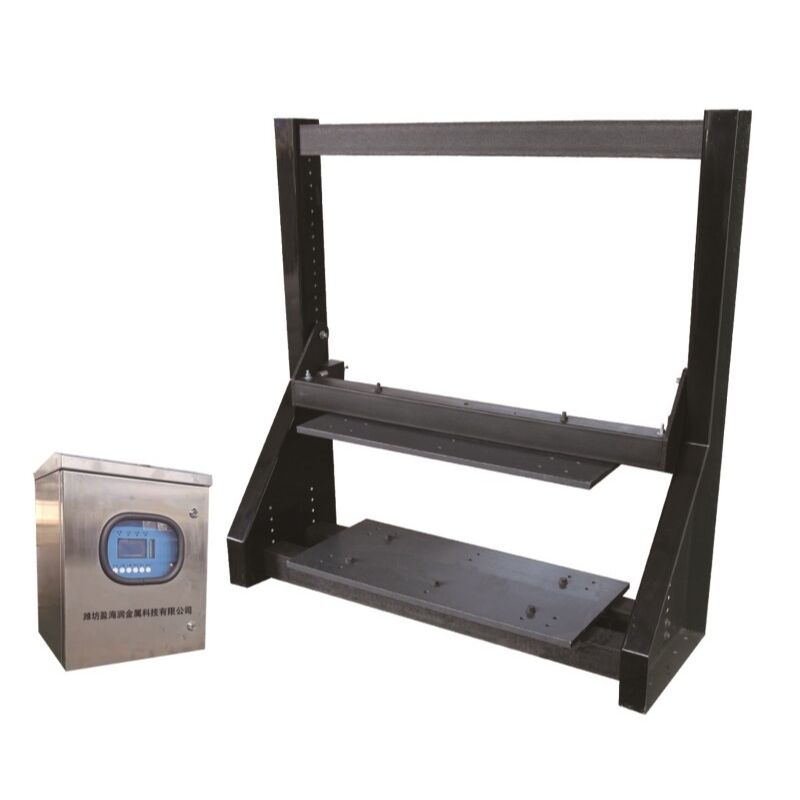
To solve this, our engineering team has redefined the capabilities of the Metal Detector Machine through a dual approach: increasing the "transmit" power and refining the "receive" sensitivity.
1. High-Energy Pulse Transmission Standard detectors often use continuous waves that lose energy quickly as they penetrate dense material. Our system utilizes a high-power Pulse Wave transmission. Think of this like a lighthouse beam versus a standard lightbulb. The pulse is a concentrated burst of electromagnetic energy capable of penetrating deep into the burden layer. This ensures that the magnetic field reaches the bottom of the pile, "illuminating" any metal hidden there.
2. The Balanced Coil Structure To detect the faint "echo" from deep metals, we employ a Balanced Coil structure. This consists of a central transmitter coil flanked by two receiver coils. The system is balanced so that the massive background signal from the ore cancels itself out (common-mode rejection). This leaves the receiver coils free to listen for the tiny, specific disturbance caused by the metal, even when it is buried under hundreds of kilograms of rock.
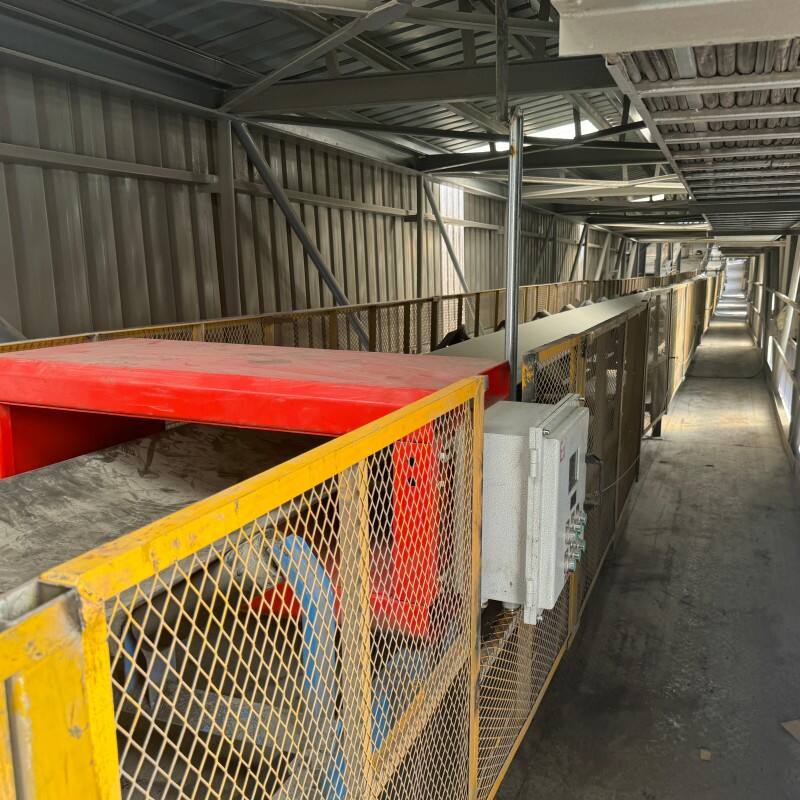
ps:The waterproof and dustproof level of our control box can be achieved from IP54 to IP68.
Digital Signal Processing: Finding the Needle in the Haystack
Hardware provides the reach, but software provides the clarity. Our Metal Detector Machines are equipped with an industrial-grade DSP (Digital Signal Processing) chip that analyzes the signals in real-time.
The system uses advanced algorithms to distinguish between the "noise" of the heavy material load and the "signal" of the metal.
Velocity Feature Matching: The system tracks the speed of the signal. Since the belt moves at a constant speed, the metal signal will have a specific time-duration profile as it passes through the coils. Random electrical noise or vibration will not match this profile and is ignored.
Phase Discrimination: By analyzing the phase angle of the return signal, the detector can mathematically filter out the conductive effects of the ore (Material Effect), leaving only the signature of the metal object.
This digital processing allows us to maintain high sensitivity (detecting small bolts or thin wires) even when the detector is mounted high above the belt to accommodate thick material layers.
Practical Application: No Blockages, No Blind Spots
The ultimate goal of this technology is to allow the conveyor to run at maximum capacity without fear.
In a typical installation, the detector arch is positioned at a height that clears the highest peak of the material pile. In the past, this height would have rendered the detector useless for small metals. However, with our high-power transmission and balanced coil reception, the "sweet spot" of the magnetic field is extended downwards.
This ensures that:
Deeply Buried Metals are Caught: Whether the metal is at the top, middle, or bottom of the ore stream, the field penetration ensures detection.
No Production Bottlenecks: Operators do not need to limit the feed rate to keep the material layer thin. The system handles the full flow.
Protection of Downstream Equipment: By catching the metal before it enters the crusher, we prevent the catastrophic damage that leads to weeks of downtime.
Conclusion
In the modern mine, you should not have to choose between production volume and equipment safety. Our Metal Detector Machines bridge this gap. By combining high-energy pulse transmission with sophisticated digital filtering, we have achieved a balance that allows for deep exploration of the material burden without compromising sensitivity. We ensure that no matter how thick the load, the protection remains absolute.
 Hot News
 EN
EN