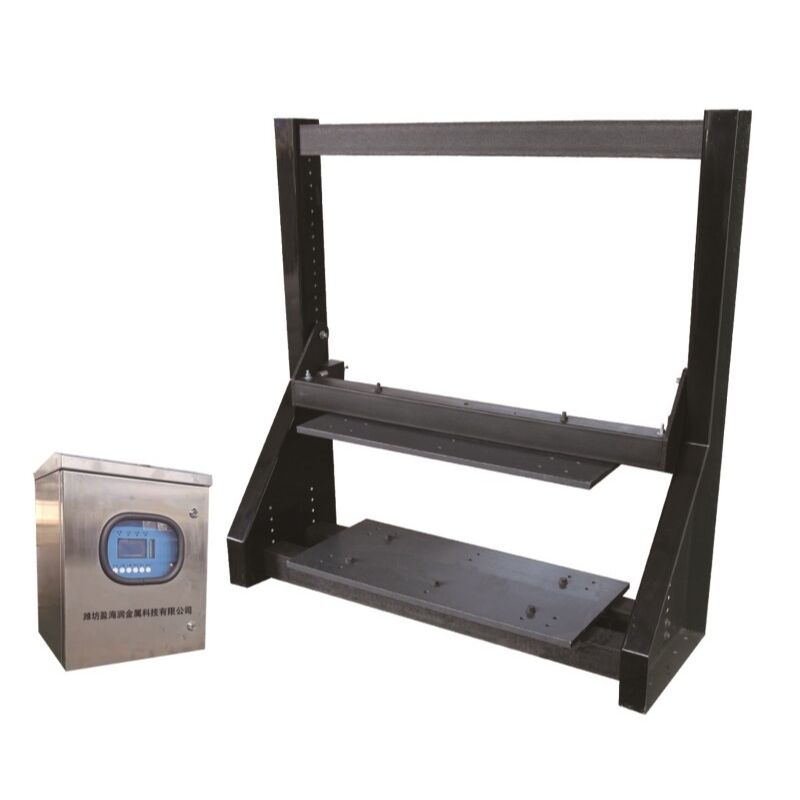
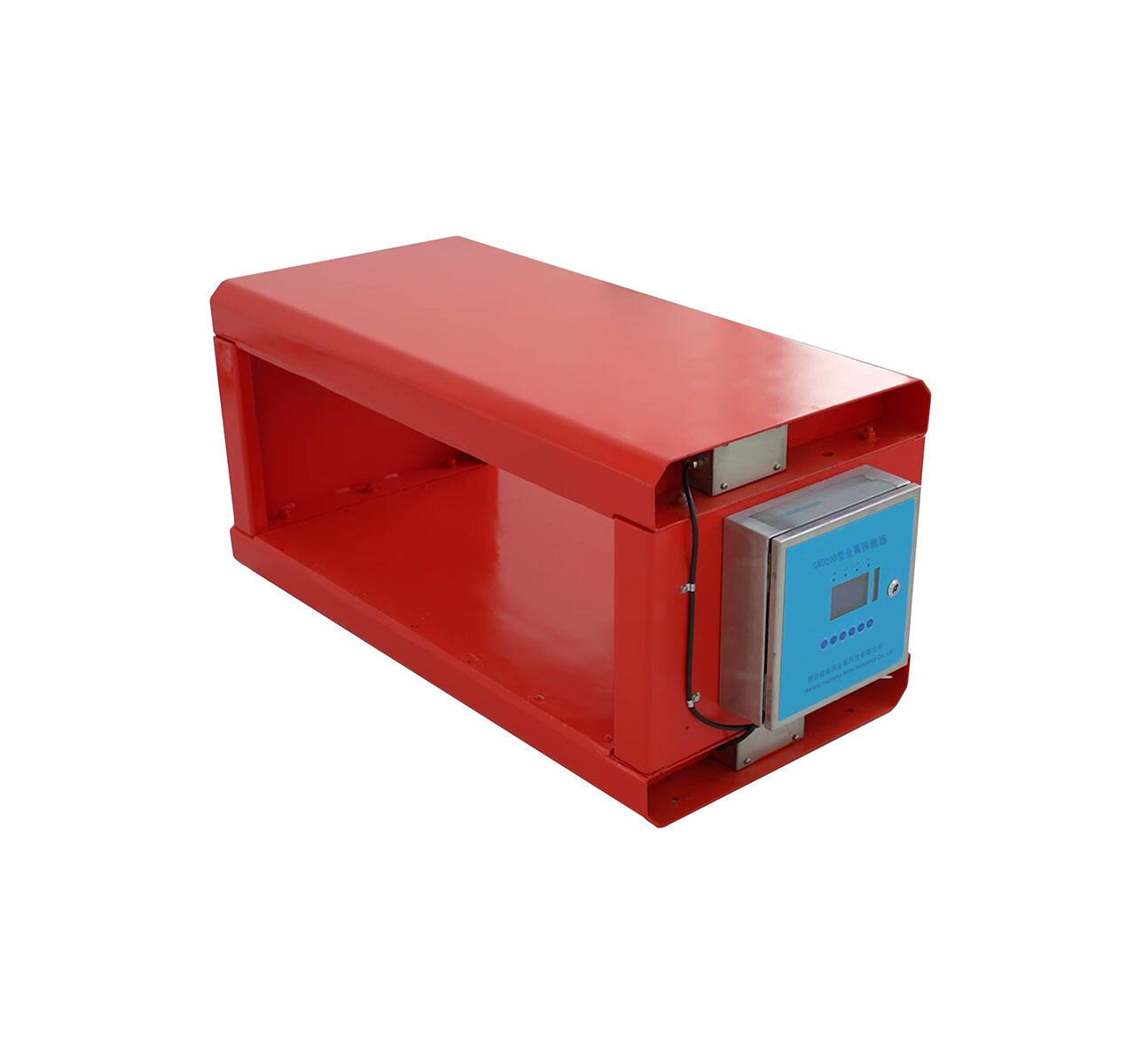
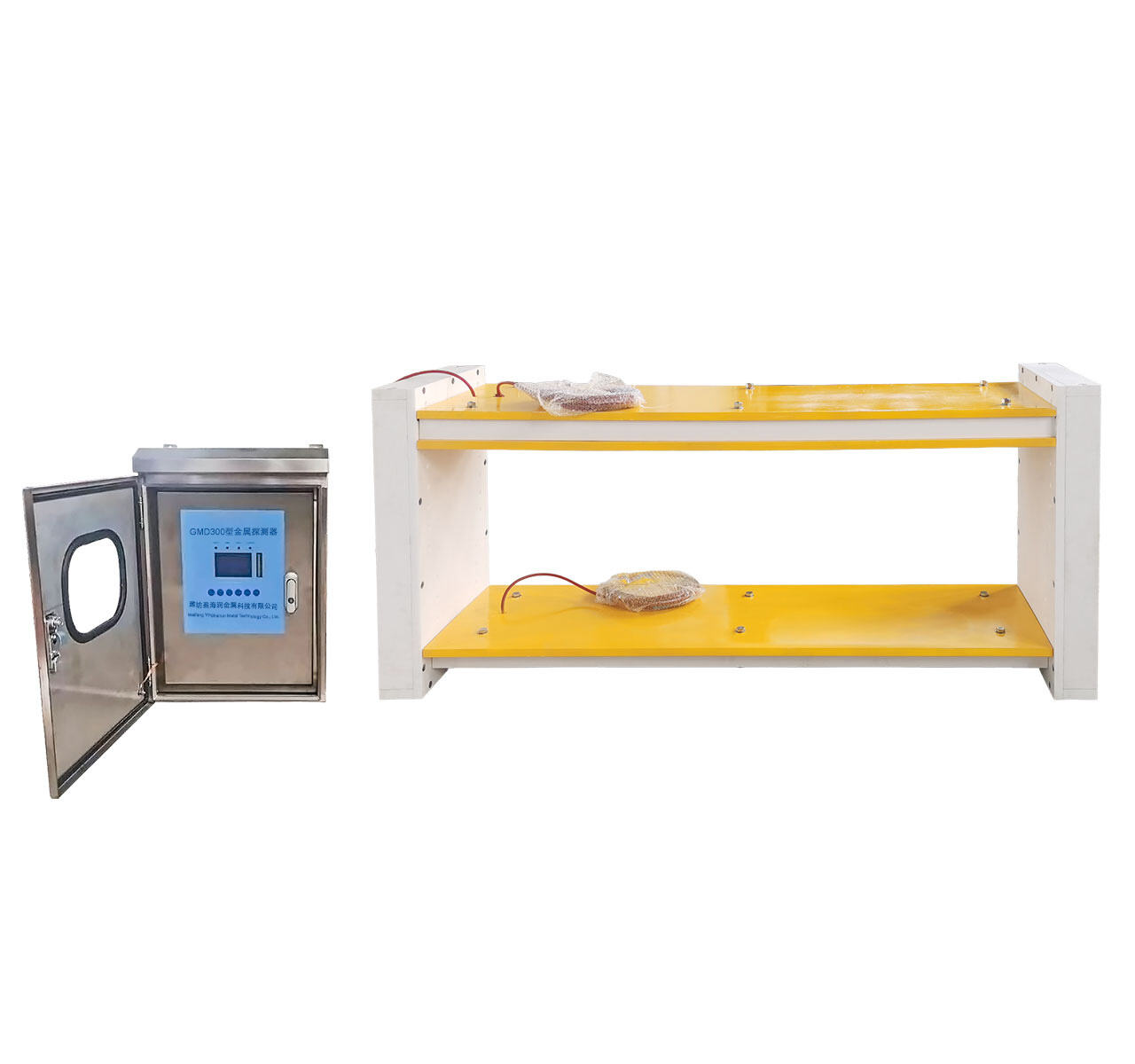
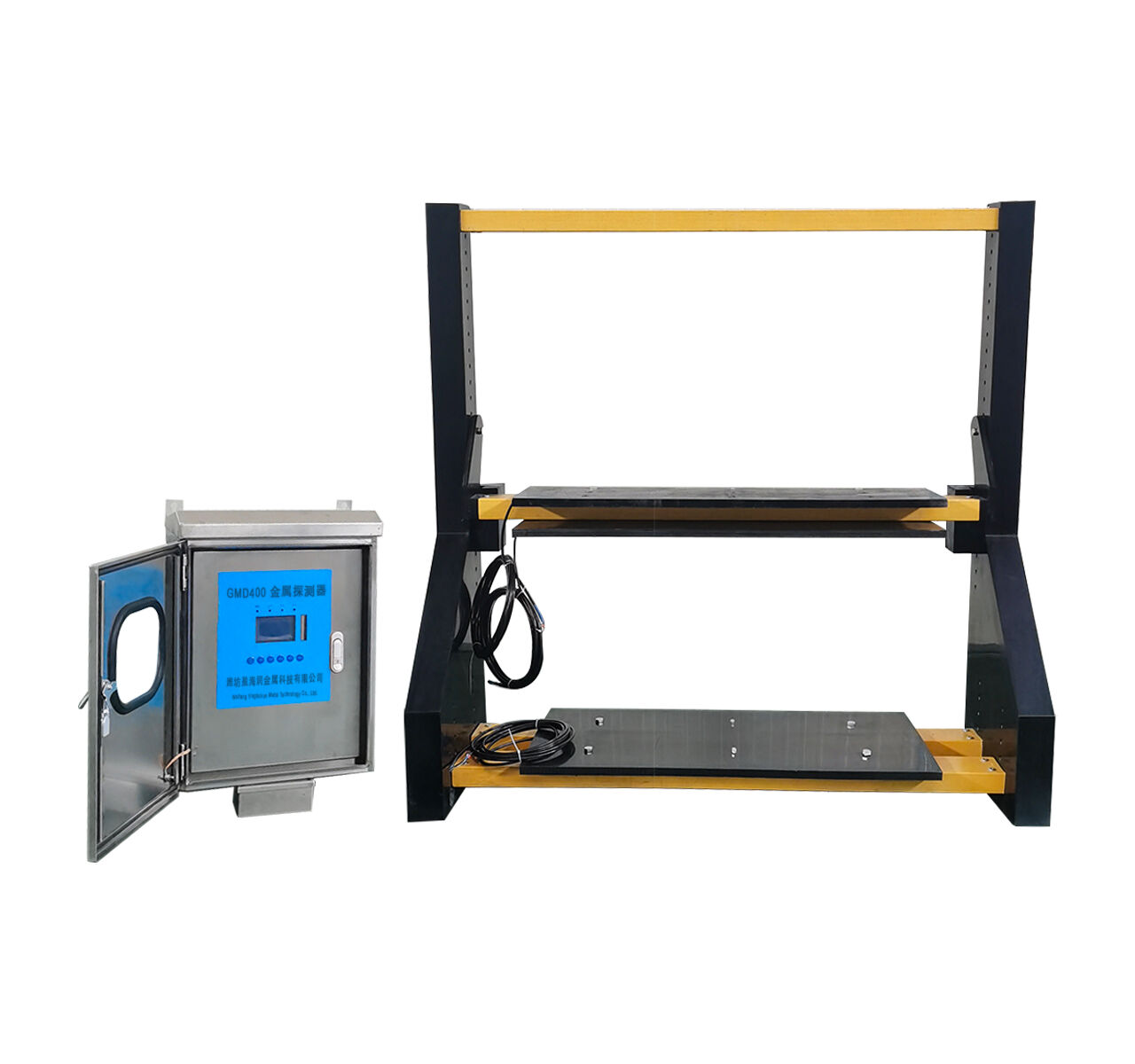
inline metal detector
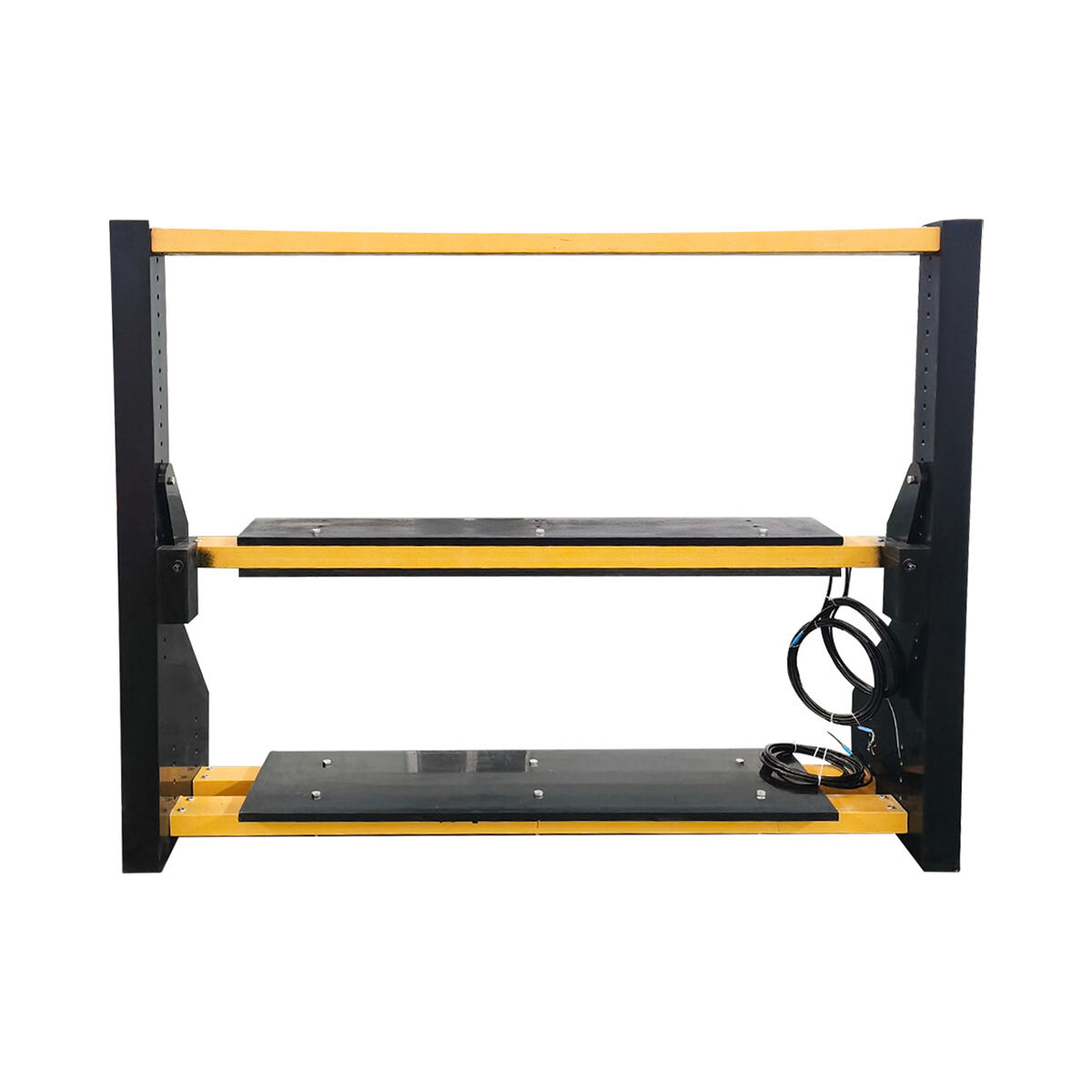
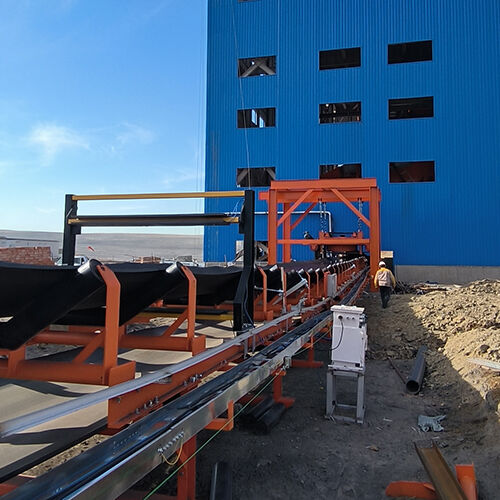
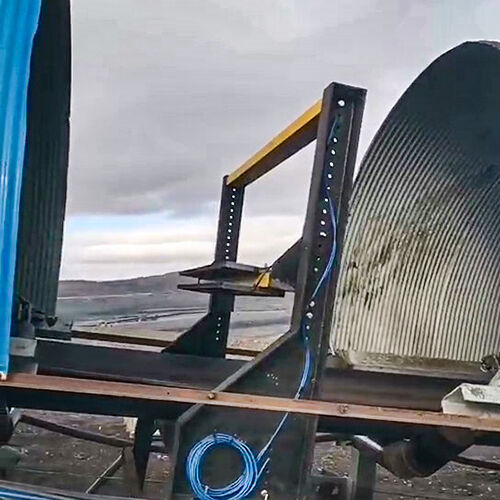
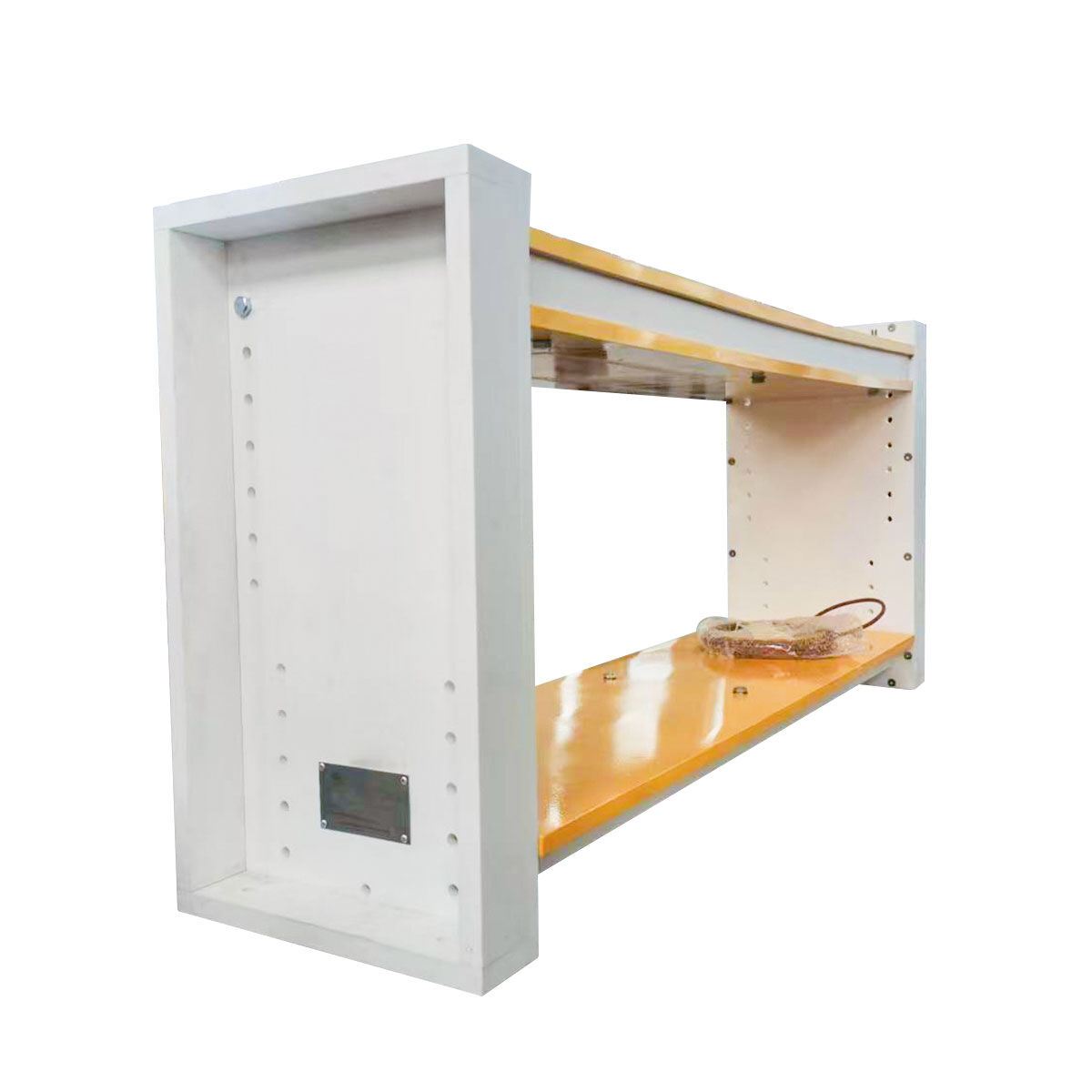
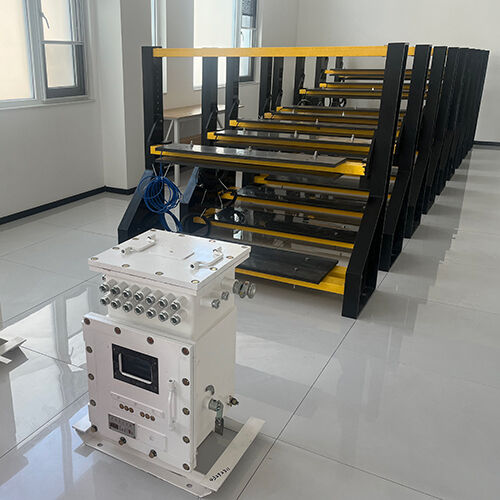
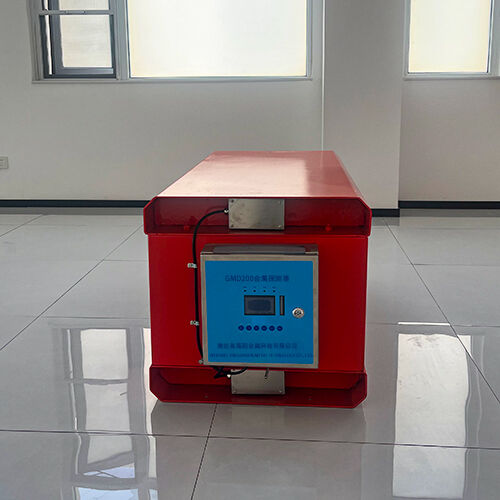
An inline metal detector represents a sophisticated industrial screening system designed to automatically identify and remove metallic contaminants from production lines in real-time. This essential quality control equipment operates continuously within manufacturing processes, ensuring product safety and regulatory compliance across multiple industries. The inline metal detector utilizes advanced electromagnetic field technology to detect ferrous, non-ferrous, and stainless steel particles that may compromise product integrity. Unlike standalone detection units, this system integrates seamlessly into existing conveyor systems, maintaining production flow while providing comprehensive contamination screening. The device features multiple detection coils that generate balanced electromagnetic fields, creating a sensitive detection zone through which products pass. When metallic objects disrupt these fields, the system immediately triggers rejection mechanisms, automatically removing contaminated items from the production stream. Modern inline metal detector systems incorporate digital signal processing algorithms that distinguish between actual contaminants and product effects, minimizing false rejections while maximizing detection accuracy. These units typically feature user-friendly touchscreen interfaces that allow operators to adjust sensitivity levels, configure rejection parameters, and monitor system performance through detailed reporting functions. The inline metal detector maintains consistent detection capabilities regardless of product variations, environmental conditions, or production speeds. Many systems include self-monitoring diagnostics that continuously verify detector performance, ensuring reliable operation throughout extended production runs. Advanced models offer multi-frequency detection capabilities, enabling simultaneous screening for different metal types with optimized sensitivity settings. The robust construction of these detectors ensures durability in demanding industrial environments, while sanitary designs meet strict food safety and pharmaceutical manufacturing standards. Integration capabilities allow seamless connectivity with existing production management systems, enabling centralized monitoring and data collection for comprehensive quality assurance programs.

 EN
EN