
 EN
EN
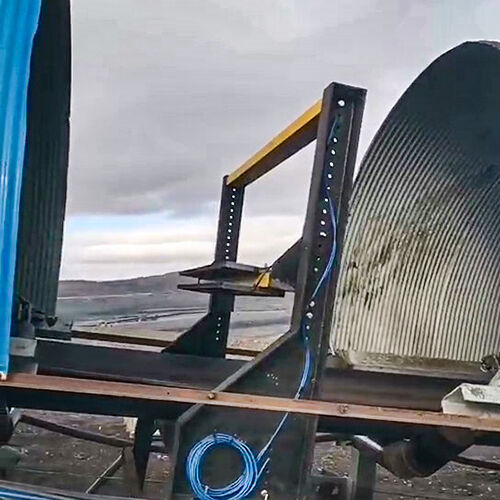
Designing an effective conveyor belt metal detector system requires careful consideration of multiple engineering factors that directly impact productivity in industrial operations. The integration of a conveyor belt metal detector into existing production lines demands precise planning to ensure optimal contamination detection while maintaining high throughput rates. Modern manufacturing environments rely heavily on automated conveyor belt metal detector systems to protect downstream equipment and maintain product quality standards without compromising operational efficiency.
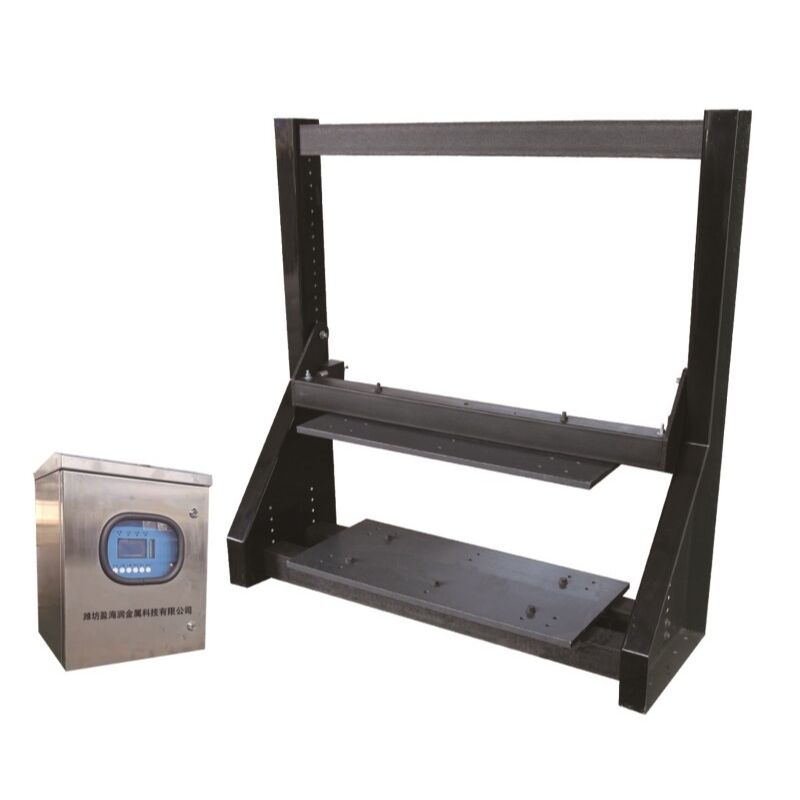
The strategic design of a conveyor belt metal detector system involves balancing detection sensitivity with production speed requirements to maximize overall facility productivity. Engineers must evaluate material flow characteristics, product dimensions, and contamination risk profiles when designing these critical safety systems. A well-designed conveyor belt metal detector system not only prevents metal contamination from entering the production stream but also minimizes false rejections that can disrupt continuous manufacturing processes and reduce overall equipment effectiveness.
Foundation Principles for Conveyor Belt Metal Detector Design
Detection Technology Integration Requirements
The core foundation of any effective conveyor belt metal detector system begins with proper electromagnetic field configuration that accommodates the specific characteristics of the production environment. Engineers must consider the aperture size requirements based on the largest product dimensions that will pass through the detection zone. The electromagnetic field strength and frequency selection directly influence the sensitivity levels achievable while maintaining stable operation in industrial environments with potential electromagnetic interference.
Advanced conveyor belt metal detector systems utilize multi-frequency technology to enhance detection capabilities across different metal types and sizes. This approach allows the system to distinguish between various metallic contaminants while reducing the impact of product effect caused by conductive or magnetic properties in legitimate products. The integration of digital signal processing algorithms enables real-time adjustment of detection parameters to maintain optimal performance as production conditions change throughout operational shifts.
The mechanical design of the detection head must provide adequate clearance for product flow while minimizing the detection aperture to maximize sensitivity. Proper shielding design prevents external electromagnetic interference from affecting detection accuracy, ensuring consistent performance in environments with heavy electrical equipment operation. The conveyor belt metal detector housing requires robust construction to withstand industrial cleaning procedures and environmental conditions typical in manufacturing facilities.
Conveyor Integration Specifications
Successful conveyor belt metal detector integration requires precise alignment with existing conveyor systems to ensure smooth product transition through the detection zone. The conveyor speed compatibility directly impacts detection performance, as higher speeds require shorter detection windows and more sensitive electronics to identify contaminants reliably. Engineers must calculate the optimal detection zone length based on conveyor speed and minimum detectable metal particle size requirements.
The conveyor belt selection plays a crucial role in system performance, as belt materials with metallic components can interfere with detection accuracy. Non-metallic conveyor belts designed specifically for conveyor belt metal detector applications ensure consistent electromagnetic field characteristics throughout the detection process. Belt tracking systems must maintain precise alignment to prevent belt edge interference with the electromagnetic field, which could cause false rejection signals.
The drive system configuration requires careful consideration to minimize electrical noise that could affect detection sensitivity. Variable frequency drives and motor controllers should be positioned away from the detection zone and properly shielded to prevent electromagnetic interference. The conveyor support structure must provide stable operation without vibration that could affect detection accuracy or cause mechanical wear on sensitive components.
Productivity Optimization Through Strategic System Layout
Throughput Maximization Strategies
Optimizing productivity in conveyor belt metal detector systems requires strategic positioning within the production line to minimize disruption while maximizing contamination detection effectiveness. The ideal placement occurs at critical control points where metal detection provides the greatest protection value without creating bottlenecks in material flow. Engineers must analyze production line capacity requirements and design the detection system to handle peak throughput rates without compromising sensitivity levels.
Advanced conveyor belt metal detector systems incorporate predictive algorithms that learn normal production patterns and adjust sensitivity parameters automatically to reduce false rejections during high-throughput periods. This intelligent adaptation maintains protection levels while allowing maximum material flow through the system. The integration of statistical process control monitoring enables operators to track detection performance metrics and identify trends that may indicate system optimization opportunities.
Multi-lane conveyor belt metal detector configurations can significantly increase throughput capacity by distributing product flow across multiple detection zones operating in parallel. This approach requires sophisticated control systems to coordinate product distribution and ensure balanced loading across all detection lanes. The rejection handling systems must be designed to accommodate the increased material flow while maintaining precise contaminated product removal capabilities.
Rejection System Efficiency Enhancement
The rejection mechanism design directly impacts overall system productivity by determining how quickly contaminated products are removed from the production stream and normal operation can resume. High-speed pneumatic rejection systems provide rapid response times that minimize the amount of good product rejected along with contaminated items. The rejection timing must be precisely calibrated based on conveyor speed and product characteristics to ensure accurate targeting of contaminated materials.
Intelligent rejection systems utilize product tracking algorithms to follow individual items through the detection zone and activate rejection mechanisms at precisely the right moment. This targeted approach reduces waste by minimizing the rejection of good products that happen to be adjacent to contaminated items. The conveyor belt metal detector control system must integrate seamlessly with rejection mechanisms to provide coordinated response to detection events.
Recovery and reprocessing capabilities allow non-contaminated products that were accidentally rejected to be returned to the production stream, further enhancing overall system efficiency. Automated sorting systems can segregate truly contaminated products from those that were rejected due to timing or positioning issues. This approach maximizes material utilization while maintaining strict contamination control standards throughout the production process.
Advanced Control Systems for Industrial Applications
Automation Integration Capabilities
Modern conveyor belt metal detector systems feature comprehensive automation integration that connects seamlessly with existing production control networks and enterprise resource planning systems. The communication protocols enable real-time data exchange between the metal detection system and central control systems, providing operators with immediate notification of detection events and system status information. This integration supports predictive maintenance programs by monitoring component performance and identifying potential issues before they impact production.
The control system architecture incorporates redundant safety features that ensure fail-safe operation even in the event of component failures or communication interruptions. Backup detection circuits and emergency stop capabilities prevent contaminated products from bypassing the detection system under any circumstances. The conveyor belt metal detector control logic includes self-diagnostic routines that continuously monitor system health and alert maintenance personnel to any conditions that could compromise detection performance.
Advanced user interfaces provide operators with intuitive access to system configuration parameters and performance monitoring data through graphical displays that simplify complex technical information. Remote access capabilities enable expert technical support and system optimization services that can be performed without interrupting production operations. The control system maintains comprehensive event logging that supports quality assurance documentation and regulatory compliance requirements.
Performance Monitoring and Analytics
Sophisticated analytics capabilities built into modern conveyor belt metal detector systems provide detailed insights into contamination patterns, system performance trends, and optimization opportunities that directly impact productivity levels. Real-time performance dashboards display key metrics including detection sensitivity, false rejection rates, and throughput efficiency to enable data-driven decision making. The analytics platform can identify correlations between production variables and detection performance to optimize system settings for specific operational conditions.
Predictive analytics algorithms analyze historical performance data to forecast maintenance requirements and identify opportunities for system upgrades that could enhance productivity. The trend analysis capabilities help operators understand how changes in production parameters affect conveyor belt metal detector performance over time. This information supports continuous improvement initiatives that maximize both contamination detection effectiveness and overall production efficiency.
The reporting capabilities generate comprehensive performance summaries that document system effectiveness for quality management and regulatory compliance purposes. Customizable alert thresholds enable proactive response to performance deviations before they impact production targets. The data export functionality supports integration with external quality management systems and business intelligence platforms for enterprise-wide visibility into contamination control performance.
Environmental Considerations and Durability Design
Harsh Environment Protection Features
Industrial conveyor belt metal detector systems must withstand challenging environmental conditions including temperature extremes, humidity variations, and exposure to cleaning chemicals commonly used in manufacturing facilities. The enclosure design incorporates appropriate ingress protection ratings to prevent contamination from dust, moisture, and cleaning solutions that could compromise sensitive electronic components. Stainless steel construction provides corrosion resistance while maintaining electromagnetic transparency required for optimal detection performance.
Temperature compensation algorithms automatically adjust detection parameters to maintain consistent sensitivity levels as ambient conditions change throughout production shifts. The thermal management system ensures stable operation of electronic components even in environments with significant temperature fluctuations. Moisture-resistant cable connections and sealed component housings prevent environmental contamination from affecting system reliability over extended operational periods.
Chemical resistance specifications ensure that the conveyor belt metal detector can withstand exposure to cleaning agents and sanitizing solutions required for food safety and pharmaceutical manufacturing applications. The surface finishes and material selections prevent chemical degradation that could compromise system integrity or create contamination sources. Proper drainage design prevents accumulation of cleaning solutions that could cause electrical issues or promote bacterial growth in sensitive applications.
Maintenance Accessibility and Serviceability
Strategic design of maintenance access points enables routine servicing and calibration procedures without requiring extensive disassembly of the conveyor belt metal detector system or disruption of surrounding production equipment. Modular component design allows for rapid replacement of individual system elements during scheduled maintenance windows to minimize production downtime. The maintenance documentation provides clear procedures for all routine service tasks that can be performed by facility maintenance personnel.
Self-diagnostic capabilities identify specific component issues and guide maintenance personnel to the exact source of problems through detailed diagnostic codes and troubleshooting procedures. The system design incorporates test functionality that enables verification of detection performance without stopping production operations. Remote diagnostic capabilities allow expert technical support to assist with complex troubleshooting procedures through secure communication links.
Preventive maintenance scheduling features track component operating hours and usage patterns to recommend optimal maintenance intervals based on actual system utilization rather than generic time-based schedules. The maintenance management system integrates with facility computerized maintenance management systems to coordinate service activities with production schedules. Component life cycle tracking helps predict replacement requirements and supports inventory management for critical spare parts.
FAQ
What factors determine the optimal sensitivity settings for a conveyor belt metal detector system?
The optimal sensitivity settings for a conveyor belt metal detector depend on the smallest metal contaminant that must be detected, the product characteristics including moisture content and conductivity, and the conveyor speed. Higher sensitivity levels increase detection capability but may also increase false rejections from product effect. The system should be calibrated using test samples that represent the actual production conditions to establish the maximum sensitivity that maintains acceptable false rejection rates while meeting contamination detection requirements.
How does conveyor speed affect metal detection performance and productivity?
Conveyor speed directly impacts the time available for the metal detection system to identify and respond to contaminants, with higher speeds requiring more sensitive electronics and faster signal processing. Increasing conveyor speed generally improves productivity but may reduce the minimum detectable metal size if the system cannot compensate adequately. Modern conveyor belt metal detector systems use advanced signal processing algorithms to maintain detection performance at higher speeds, but there are practical limits based on the physics of electromagnetic detection principles.
What integration challenges should be considered when installing a conveyor belt metal detector in existing production lines?
Integration challenges include ensuring adequate space for the detection aperture and rejection mechanisms, maintaining proper belt alignment through the detection zone, and preventing electromagnetic interference from nearby electrical equipment. The existing conveyor system may require modifications to accommodate the metal detector housing and associated control equipment. Power supply requirements, communication protocols for automation integration, and safety system coordination must be carefully planned to ensure seamless operation with existing facility infrastructure.
How can false rejections be minimized without compromising detection effectiveness?
False rejections can be minimized through proper calibration using representative product samples, implementing multi-frequency detection technology that reduces product effect sensitivity, and utilizing advanced signal processing algorithms that distinguish between legitimate products and actual contaminants. Environmental factors such as temperature stability and electromagnetic interference control also significantly impact false rejection rates. Regular system maintenance and calibration verification ensure optimal performance parameters are maintained over time to prevent gradual sensitivity drift that could increase false rejections.
Table of Contents
- Foundation Principles for Conveyor Belt Metal Detector Design
- Productivity Optimization Through Strategic System Layout
- Advanced Control Systems for Industrial Applications
- Environmental Considerations and Durability Design
-
FAQ
- What factors determine the optimal sensitivity settings for a conveyor belt metal detector system?
- How does conveyor speed affect metal detection performance and productivity?
- What integration challenges should be considered when installing a conveyor belt metal detector in existing production lines?
- How can false rejections be minimized without compromising detection effectiveness?