Inline Metal Detector - Advanced Industrial Contamination Detection Systems

All Categories

Get a Free Quote

Our representative will contact you soon.
Email
Mobile/WhatsApp
Name
Company Name
Message
0/1000

inline metal detector

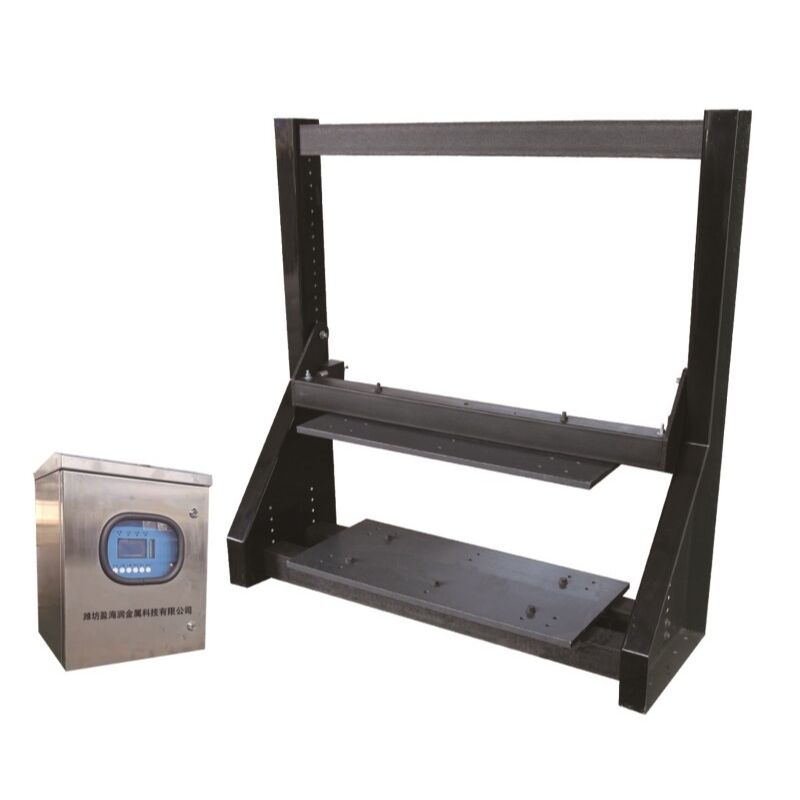
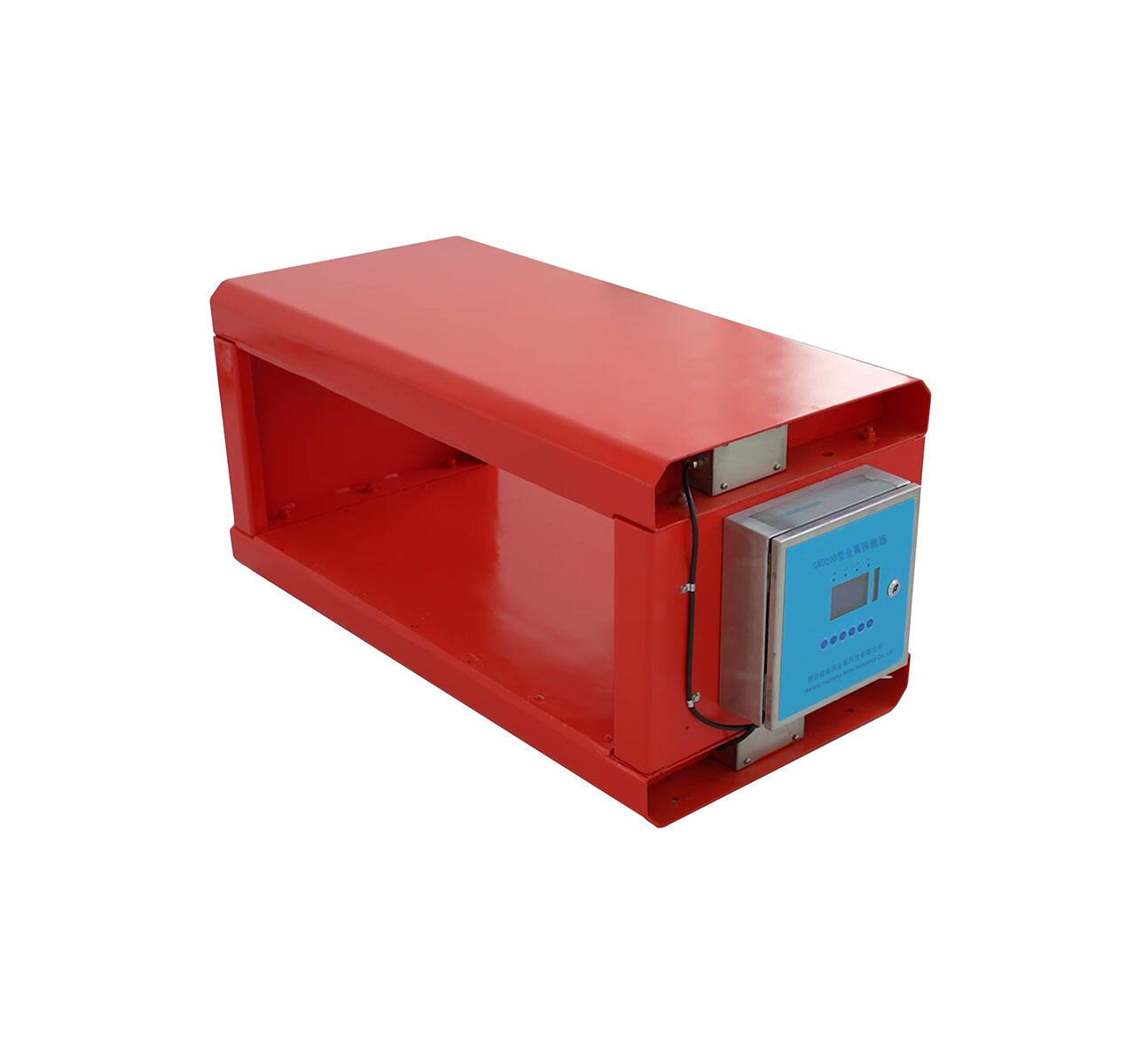
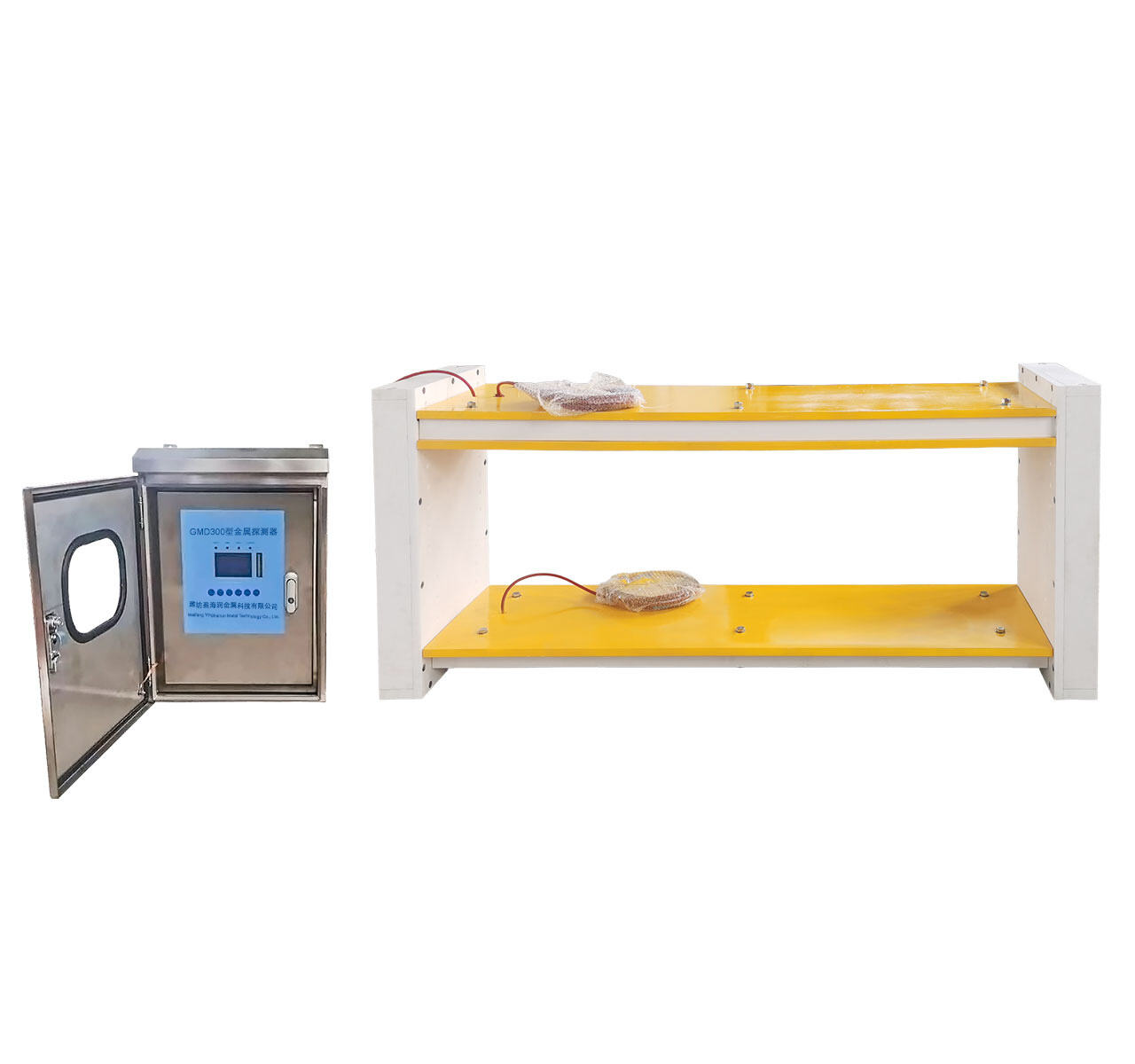
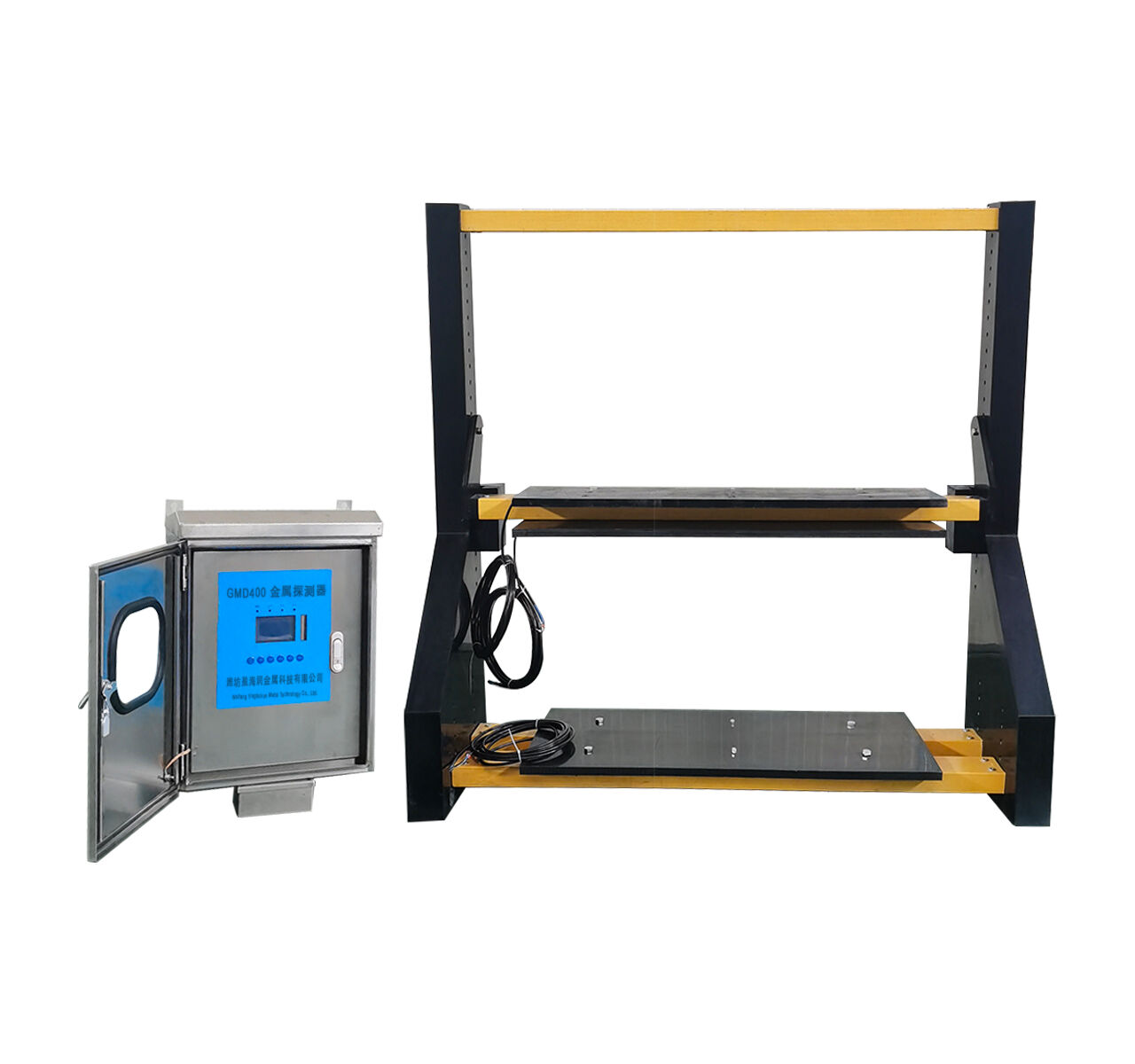
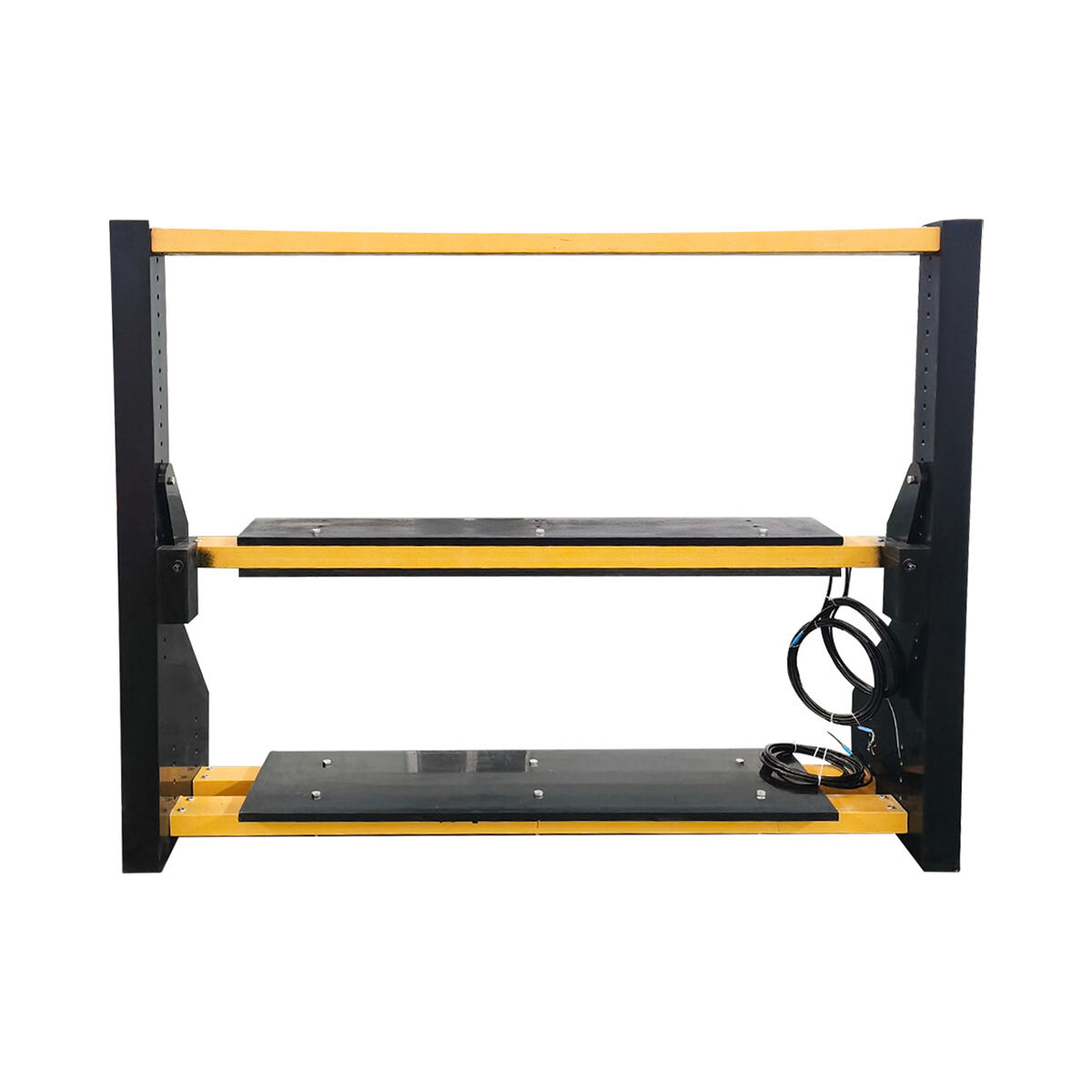
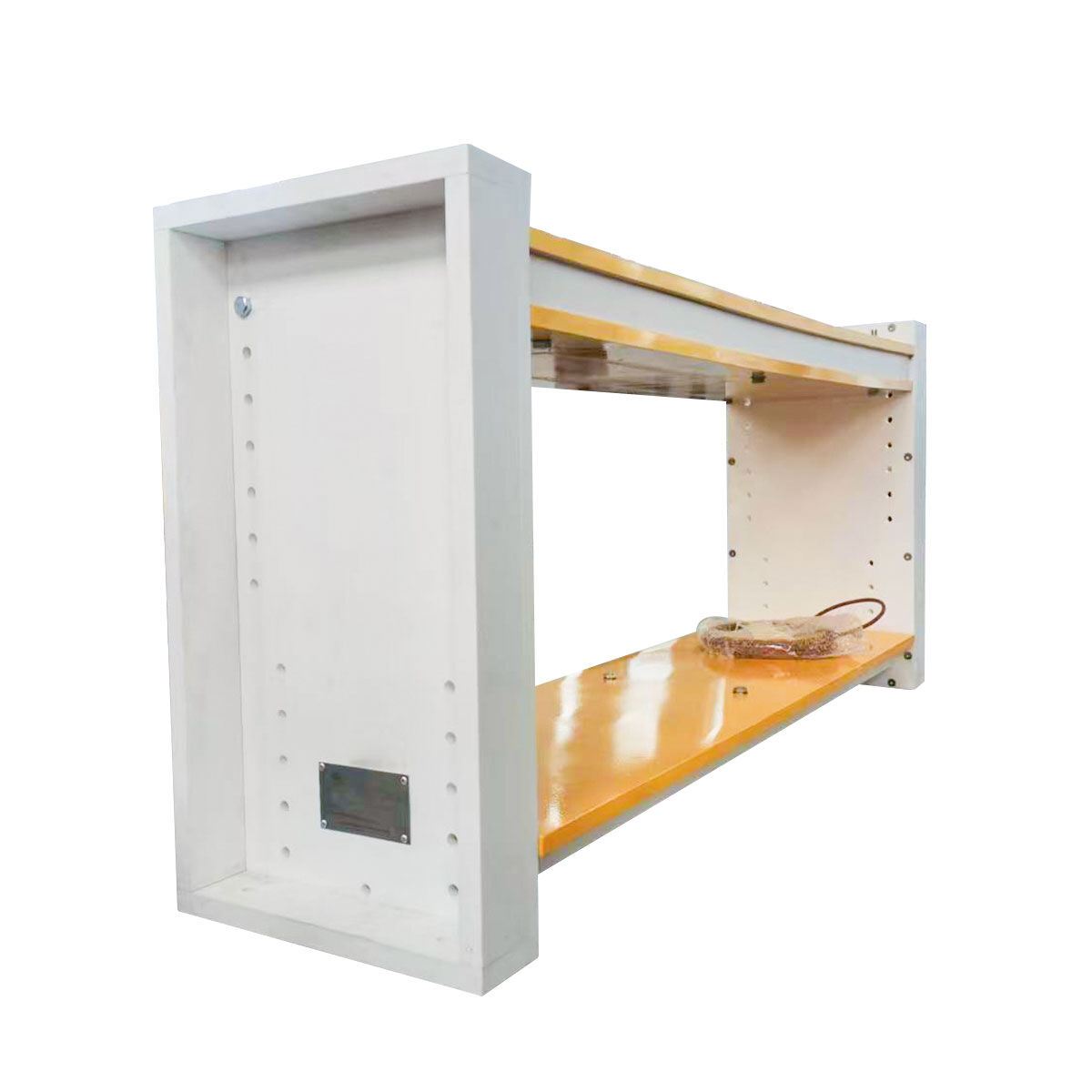
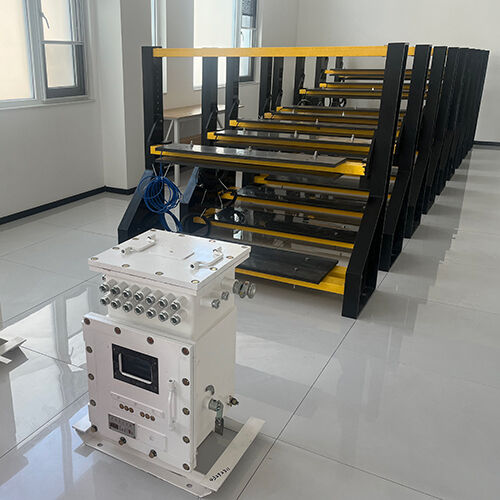
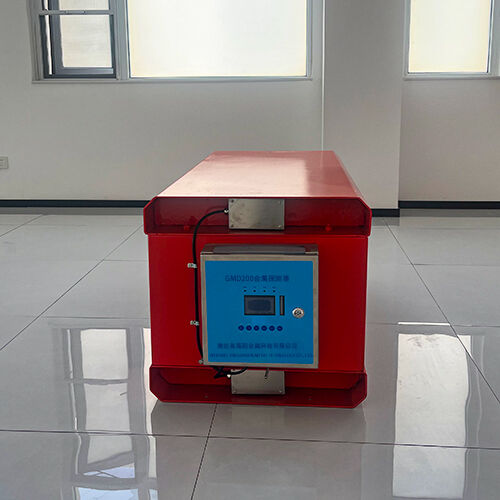
An inline metal detector represents a sophisticated industrial screening system designed to automatically identify and remove metallic contaminants from production lines in real-time. This essential quality control equipment operates continuously within manufacturing processes, ensuring product safety and regulatory compliance across multiple industries. The inline metal detector utilizes advanced electromagnetic field technology to detect ferrous, non-ferrous, and stainless steel particles that may compromise product integrity. Unlike standalone detection units, this system integrates seamlessly into existing conveyor systems, maintaining production flow while providing comprehensive contamination screening. The device features multiple detection coils that generate balanced electromagnetic fields, creating a sensitive detection zone through which products pass. When metallic objects disrupt these fields, the system immediately triggers rejection mechanisms, automatically removing contaminated items from the production stream. Modern inline metal detector systems incorporate digital signal processing algorithms that distinguish between actual contaminants and product effects, minimizing false rejections while maximizing detection accuracy. These units typically feature user-friendly touchscreen interfaces that allow operators to adjust sensitivity levels, configure rejection parameters, and monitor system performance through detailed reporting functions. The inline metal detector maintains consistent detection capabilities regardless of product variations, environmental conditions, or production speeds. Many systems include self-monitoring diagnostics that continuously verify detector performance, ensuring reliable operation throughout extended production runs. Advanced models offer multi-frequency detection capabilities, enabling simultaneous screening for different metal types with optimized sensitivity settings. The robust construction of these detectors ensures durability in demanding industrial environments, while sanitary designs meet strict food safety and pharmaceutical manufacturing standards. Integration capabilities allow seamless connectivity with existing production management systems, enabling centralized monitoring and data collection for comprehensive quality assurance programs.


New Products

The inline metal detector delivers substantial operational benefits that directly impact manufacturing efficiency, product safety, and regulatory compliance. Production facilities experience immediate improvements in quality control processes when implementing these automated screening systems. The continuous operation capability ensures every product receives thorough contamination screening without interrupting production flow, eliminating bottlenecks commonly associated with batch testing methods. This streamlined approach significantly reduces labor costs by eliminating manual inspection requirements while providing superior detection accuracy compared to human operators. The inline metal detector prevents costly product recalls by identifying contaminated items before they reach consumers, protecting brand reputation and avoiding expensive litigation risks. Real-time rejection capabilities minimize product waste by immediately removing only contaminated items rather than entire production batches, resulting in substantial cost savings over time. The system provides comprehensive documentation through automated reporting functions, creating detailed audit trails that satisfy regulatory requirements and support certification processes. Modern inline metal detector units offer exceptional sensitivity adjustments that accommodate diverse product types, from small pharmaceutical tablets to large food packages, ensuring optimal detection performance across varied applications. The robust construction and reliable operation of these systems minimize maintenance requirements and equipment downtime, maximizing production uptime and overall equipment effectiveness. Integration with existing production lines requires minimal infrastructure modifications, allowing manufacturers to enhance quality control capabilities without major capital investments or extended production interruptions. The inline metal detector operates effectively in challenging environments, including high-temperature, high-humidity, and washdown conditions commonly found in food processing and pharmaceutical manufacturing facilities. Advanced signal processing technology reduces false rejections caused by product effects, salt content, or moisture variations, maintaining high throughput rates while ensuring detection reliability. The system provides immediate return on investment through reduced labor costs, decreased product waste, improved regulatory compliance, and enhanced customer confidence in product safety standards.

Practical Tips

Cost-Benefit Analysis of High-End Tramp Metal Detectors

03

Apr

Cost-Benefit Analysis of High-End Tramp Metal Detectors

Investing in high-end tramp metal detector systems requires careful financial evaluation to justify the substantial upfront costs against long-term operational benefits. These sophisticated detection systems command premium prices due to their advanc...
View More
Evaluating Metal Detector Machine Suppliers in 2026

06

Apr

Evaluating Metal Detector Machine Suppliers in 2026

Selecting the right metal detector machine supplier has become increasingly complex in 2026, as businesses face evolving security requirements, technological advancements, and supply chain considerations. The metal detector machine market has expande...
View More
Designing a Conveyor Belt Metal Detector System for Productivity

11

Apr

Designing a Conveyor Belt Metal Detector System for Productivity

Designing an effective conveyor belt metal detector system requires careful consideration of multiple engineering factors that directly impact productivity in industrial operations. The integration of a conveyor belt metal detector into existing prod...
View More
Common Industrial Applications for Tramp Metal Detectors

13

Apr

Common Industrial Applications for Tramp Metal Detectors

Industrial facilities across manufacturing, mining, and processing sectors face constant challenges from unwanted metallic contamination that can damage equipment, compromise product quality, and create safety hazards. A tramp metal detector serves a...
View More

Get a Free Quote

Our representative will contact you soon.
Email
Mobile/WhatsApp
Name
Company Name
Message
0/1000

inline metal detector

Advanced Multi-Frequency Detection Technology

Advanced Multi-Frequency Detection Technology

The inline metal detector incorporates cutting-edge multi-frequency detection technology that revolutionizes contamination screening capabilities in modern manufacturing environments. This sophisticated system simultaneously operates multiple detection frequencies, each optimized for specific metal types and product characteristics, ensuring comprehensive coverage that traditional single-frequency detectors cannot achieve. The multi-frequency approach allows the inline metal detector to maintain exceptional sensitivity for ferrous metals while simultaneously detecting challenging non-ferrous contaminants like aluminum, copper, and brass that often evade conventional screening methods. This technology proves particularly valuable when processing products with high salt content, moisture variations, or conductive properties that typically interfere with standard detection systems. The intelligent frequency selection automatically adjusts based on product characteristics, optimizing detection performance for each specific application without requiring manual intervention. Advanced digital signal processing algorithms analyze multiple frequency responses simultaneously, creating a comprehensive contamination profile that eliminates false positives while maximizing detection accuracy. The inline metal detector system learns product signatures over time, continuously refining detection parameters to maintain consistent performance despite natural product variations. This adaptive capability ensures reliable operation across diverse product lines, from delicate pharmaceutical capsules to robust industrial components. The multi-frequency technology extends beyond basic detection, providing detailed contamination analysis that helps manufacturers identify potential sources of metal contamination and implement preventive measures. Real-time frequency optimization ensures the inline metal detector maintains peak sensitivity throughout extended production runs, automatically compensating for environmental changes, temperature fluctuations, and equipment aging. This technology represents a significant advancement in contamination detection, offering manufacturers unprecedented control over product safety while maintaining high production throughput rates.
Seamless Production Line Integration

Seamless Production Line Integration

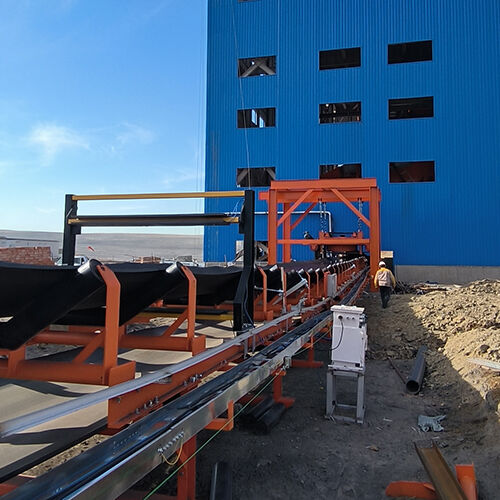
The inline metal detector excels in seamless production line integration, providing manufacturers with plug-and-play contamination screening that enhances existing operations without disrupting established workflows. This integration capability represents a crucial advantage for facilities seeking to upgrade quality control systems while maintaining continuous production schedules. The modular design of the inline metal detector accommodates various conveyor configurations, belt widths, and production speeds, ensuring compatibility with diverse manufacturing setups across multiple industries. Installation typically requires minimal downtime, as the system connects directly to existing conveyor infrastructure through standardized mounting systems and flexible connection options. The inline metal detector communicates effortlessly with upstream and downstream equipment through industry-standard protocols, enabling coordinated operation that maintains production synchronization. Advanced control systems allow the detector to receive product information from production management software, automatically adjusting sensitivity settings and rejection parameters based on specific product requirements. This intelligent integration eliminates manual setting changes between product runs, reducing operator workload while ensuring optimal detection performance for each manufactured item. The system provides real-time status updates to central monitoring stations, enabling supervisors to track detector performance, rejection rates, and maintenance requirements across multiple production lines simultaneously. Customizable integration options include emergency stop coordination, line clearance protocols, and batch tracking capabilities that support comprehensive quality assurance programs. The inline metal detector maintains production flow integrity through sophisticated timing controls that coordinate product handling with rejection mechanisms, ensuring contaminated items are removed without affecting subsequent products. Flexible installation configurations accommodate space constraints and layout requirements, allowing manufacturers to optimize detector placement for maximum coverage while preserving operational efficiency. This seamless integration capability enables manufacturers to enhance product safety standards while maintaining competitive production rates and operational flexibility.
Intelligent Rejection and Sorting Capabilities

Intelligent Rejection and Sorting Capabilities

The inline metal detector features sophisticated intelligent rejection and sorting capabilities that transform contamination detection into a comprehensive quality control solution. This advanced system goes beyond simple detection, implementing smart decision-making processes that optimize product handling while ensuring complete contamination removal from production streams. The intelligent rejection mechanism utilizes precise timing calculations and product tracking technology to target only contaminated items, minimizing product waste while maintaining high-speed production rates. Advanced sensors continuously monitor product positioning and movement, enabling the inline metal detector to calculate exact rejection timing that accounts for belt speed variations and product spacing irregularities. Multiple rejection options provide flexibility for different production requirements, including air blast systems for lightweight products, mechanical pushers for sturdy items, and diverter gates for fragile materials. The system incorporates machine learning algorithms that analyze rejection patterns over time, identifying trends that may indicate equipment issues or contamination sources upstream in the production process. Intelligent sorting capabilities extend beyond basic rejection, enabling the inline metal detector to categorize products based on contamination type, size, or location within the detection zone. This detailed analysis supports root cause investigation and helps manufacturers implement targeted corrective actions to reduce future contamination risks. The rejection system includes fail-safe mechanisms that ensure contaminated products cannot pass through the detection zone undetected, even during equipment malfunctions or power interruptions. Smart confirmation systems verify successful rejection of each detected item, triggering alerts when products are not properly removed from the production stream. The inline metal detector maintains detailed rejection logs that support quality assurance documentation and regulatory compliance requirements, providing traceability for every contamination event. Customizable rejection parameters allow operators to fine-tune system responses based on product value, contamination severity, and production priorities, optimizing the balance between safety and efficiency for each specific application.

Get a Free Quote

Our representative will contact you soon.
Email
Mobile/WhatsApp
Name
Company Name
Message
0/1000