
 EN
EN
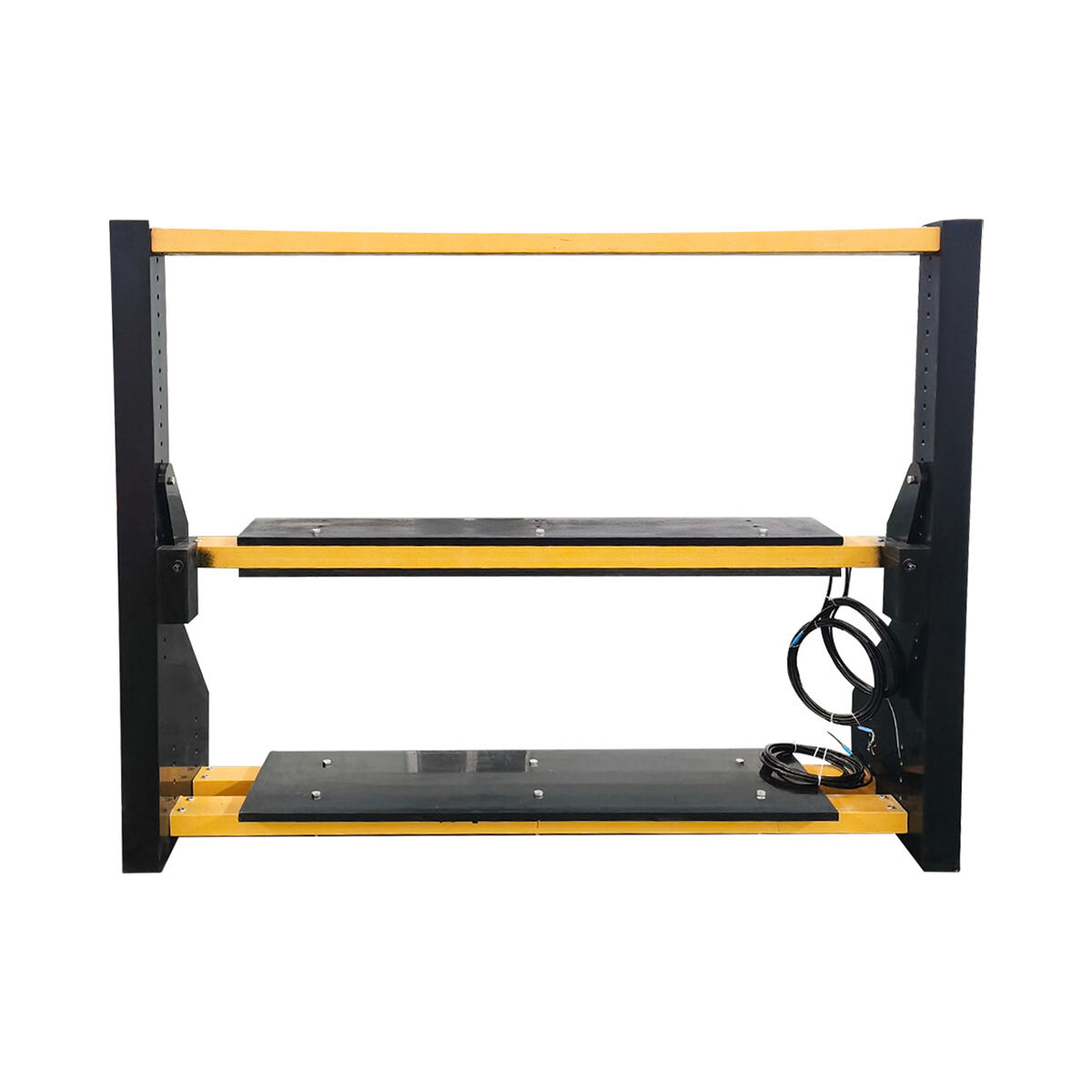
Investing in high-end tramp metal detector systems requires careful financial evaluation to justify the substantial upfront costs against long-term operational benefits. These sophisticated detection systems command premium prices due to their advanced technology, enhanced sensitivity, and robust construction designed for demanding industrial environments. Understanding the complete cost structure and quantifiable benefits helps decision-makers determine whether the investment in premium tramp metal detector technology delivers adequate return on investment for their specific operational requirements.

The economic justification for high-end tramp metal detector installations extends beyond simple equipment costs to encompass operational savings, equipment protection value, product quality improvements, and regulatory compliance benefits. Manufacturing facilities processing materials through crushers, mills, shredders, and conveyor systems face significant financial risks from undetected metal contamination that can cause catastrophic equipment damage, production downtime, and product liability issues. A comprehensive cost-benefit analysis must evaluate both the direct costs of the detection system and the potential savings from preventing costly operational disruptions and equipment failures.
Initial Investment Costs and Budget Considerations
Equipment Purchase and Installation Expenses
High-end tramp metal detector systems typically require initial investments ranging from $15,000 to $75,000 depending on detection head size, sensitivity requirements, and environmental protection features. Premium models designed for harsh industrial conditions include weatherproof enclosures, advanced signal processing capabilities, and specialized mounting hardware that increase upfront costs but provide superior long-term reliability. Installation expenses add another 15-25% to the equipment cost when considering electrical connections, conveyor modifications, control system integration, and professional commissioning services.
The tramp metal detector procurement process must account for customization requirements specific to each application, including belt width accommodations, mounting configuration modifications, and control system interface adaptations. Facilities with multiple detection points require careful consideration of centralized monitoring capabilities and networked control systems that can increase per-unit costs but provide operational efficiencies. Budget planning should include contingency allowances for unexpected installation challenges and potential conveyor system modifications required to accommodate the detection equipment properly.
Training and Operational Integration Costs
Successful implementation of sophisticated tramp metal detector technology requires comprehensive operator training programs that typically cost $2,000 to $5,000 per facility depending on crew size and complexity of the detection system. Advanced detection systems with programmable sensitivity settings, multiple detection zones, and data logging capabilities require more extensive training compared to basic models. Ongoing training expenses must be factored into the total cost of ownership, particularly in facilities with high operator turnover rates.
Integration with existing plant control systems often requires additional programming and interface development that can add $3,000 to $10,000 to the project cost depending on the complexity of the automation requirements. Modern tramp metal detector systems offer various communication protocols and monitoring capabilities that enable integration with plant-wide monitoring systems, but this connectivity requires specialized configuration and testing to ensure reliable operation. The investment in proper integration pays dividends through improved operational visibility and faster response times to detection events.
Operational Savings and Equipment Protection Value
Equipment Damage Prevention Benefits
The primary economic justification for high-end tramp metal detector installations lies in preventing catastrophic damage to downstream processing equipment. Crusher repairs from metal contamination typically cost $25,000 to $150,000 depending on the severity of damage and equipment size, while mill damage can require $50,000 to $300,000 in repairs and replacement parts. These repair costs exclude the value of production downtime, which often exceeds the direct repair expenses by a factor of two to five in high-volume operations.
High-end tramp metal detector systems provide superior sensitivity and reliability compared to entry-level alternatives, significantly reducing the risk of detection failures that lead to equipment damage. Advanced signal processing algorithms in premium systems can distinguish between harmless metallic objects and dangerous tramp metal pieces that pose genuine threats to processing equipment. This discrimination capability reduces false alarms while maintaining high detection reliability, resulting in more consistent equipment protection and fewer unnecessary production interruptions.
Production Downtime Reduction
Unplanned downtime from metal contamination damage costs manufacturing facilities an average of $50,000 to $500,000 per incident when considering lost production, emergency repair costs, and customer delivery impacts. High-end tramp metal detector systems operating with 99.5% or higher reliability prevent the majority of these costly downtime events, delivering measurable savings that often justify the equipment investment within the first year of operation. The superior construction and redundant design features of premium detection systems provide consistent performance in demanding industrial environments where equipment failures have severe economic consequences.
Advanced tramp metal detector technology enables proactive maintenance scheduling by detecting metal contamination trends and providing early warning of potential problems before they cause equipment damage. Data logging capabilities in high-end systems track detection frequency, object sizes, and system performance metrics that help maintenance teams optimize operational parameters and identify process improvements. This predictive capability transforms the tramp metal detector from a simple safety device into a valuable process optimization tool that contributes to overall operational efficiency.
Quality Control and Compliance Benefits
Product Quality Assurance Value
Manufacturing operations producing consumer goods, food products, or materials with strict purity requirements derive significant value from the enhanced detection capabilities of high-end tramp metal detector systems. Product recalls from metal contamination cost companies an average of $10 million when considering direct recall costs, legal liabilities, brand damage, and lost sales. Premium detection systems with superior sensitivity and false alarm discrimination help maintain consistent product quality while minimizing production disruptions from unnecessary reprocessing.
The advanced calibration capabilities and environmental compensation features of high-end tramp metal detector systems ensure consistent detection performance across varying operational conditions. Temperature fluctuations, electrical interference, and mechanical vibration can compromise the performance of basic detection systems, but premium models incorporate sophisticated compensation algorithms that maintain detection accuracy under challenging conditions. This consistent performance translates directly into improved product quality and reduced risk of contaminated products reaching customers.
Regulatory Compliance and Audit Requirements
Industries subject to strict regulatory oversight derive substantial compliance benefits from high-end tramp metal detector installations that provide comprehensive documentation and audit trail capabilities. Food processing facilities, pharmaceutical manufacturers, and other regulated industries face significant penalties for contamination incidents that can reach millions of dollars in fines and enforcement actions. Premium detection systems with data logging, calibration records, and performance monitoring capabilities help demonstrate due diligence and regulatory compliance to auditors and inspectors.
The validation and verification capabilities built into high-end tramp metal detector systems simplify compliance with quality management standards and regulatory requirements. Automated test routines, calibration reminders, and performance verification features reduce the administrative burden of maintaining compliance documentation while ensuring consistent system performance. These compliance benefits become increasingly valuable as regulatory requirements become more stringent and enforcement actions more costly for non-compliant facilities.
Return on Investment Analysis and Payback Periods
Financial Modeling and Break-Even Calculations
Calculating the return on investment for high-end tramp metal detector systems requires comprehensive modeling of both costs and benefits over the expected equipment lifecycle of 10-15 years. The analysis must include initial purchase costs, installation expenses, training investments, and ongoing maintenance costs balanced against equipment protection savings, downtime reduction benefits, quality improvement value, and compliance cost avoidance. Most facilities with significant downstream equipment investments achieve payback periods of 6-18 months when properly accounting for all cost categories.
The financial model should incorporate probability-weighted scenarios based on historical metal contamination frequency and typical damage costs for the specific facility and industry. Conservative calculations might assume one major contamination event prevented every two to three years, while facilities with higher contamination risks may experience more frequent incidents without proper detection. The superior reliability and sensitivity of premium tramp metal detector technology typically prevents 95-99% of potential contamination events compared to 85-95% prevention rates for basic systems.
Long-Term Value and Lifecycle Considerations
High-end tramp metal detector systems justify their premium pricing through superior durability, longer service life, and lower total cost of ownership compared to entry-level alternatives. Premium systems typically operate reliably for 12-15 years with minimal maintenance, while basic systems may require replacement after 6-8 years and suffer higher failure rates that increase operational risks. The extended service life and improved reliability of high-end systems provide better long-term value despite higher initial investments.
Advanced diagnostic capabilities and remote monitoring features in premium tramp metal detector systems reduce maintenance costs and improve operational efficiency over the equipment lifecycle. Predictive maintenance alerts, performance trending, and remote troubleshooting capabilities minimize service calls and reduce maintenance expenses while ensuring consistent detection performance. These operational advantages compound over time to deliver superior total cost of ownership compared to basic detection systems that require more frequent maintenance and replacement.
FAQ
What factors most significantly impact the cost-benefit analysis of high-end tramp metal detectors?
The value of downstream processing equipment and the cost of production downtime are the most critical factors in justifying high-end tramp metal detector investments. Facilities with expensive crushers, mills, or specialized processing equipment benefit most from premium detection technology because the cost of preventing even one major damage incident often exceeds the detector investment. Production downtime costs that can reach hundreds of thousands of dollars per incident make the superior reliability and sensitivity of high-end systems economically attractive for high-volume operations.
How do maintenance costs differ between high-end and basic tramp metal detector systems?
High-end tramp metal detector systems typically have 40-60% lower annual maintenance costs due to superior component quality, advanced diagnostics, and predictive maintenance capabilities. While basic systems may require frequent calibration adjustments, component replacements, and emergency service calls, premium systems operate more consistently with scheduled maintenance intervals and fewer unexpected failures. The advanced monitoring capabilities help identify potential issues before they cause system failures, reducing emergency repair costs and minimizing downtime.
What payback period can facilities expect from high-end tramp metal detector investments?
Most industrial facilities achieve payback periods of 6-18 months for high-end tramp metal detector investments when properly accounting for equipment protection, downtime prevention, and quality benefits. Facilities with valuable downstream equipment or high production volumes typically see faster payback times, while operations with lower contamination risks may require 12-24 months to recover the investment. The key is accurately quantifying the potential costs of contamination incidents and the value of preventing production disruptions through reliable detection.
How should facilities account for regulatory compliance benefits in their cost-benefit analysis?
Regulatory compliance benefits should be valued based on the potential costs of non-compliance, including fines, legal liabilities, recall costs, and operational restrictions that can result from contamination incidents. Industries subject to strict oversight, such as food processing and pharmaceuticals, face particularly high compliance costs that make the documentation and validation capabilities of high-end tramp metal detector systems extremely valuable. The ability to demonstrate due diligence and maintain comprehensive audit trails can prevent regulatory actions that cost millions of dollars in penalties and operational disruptions.
Table of Contents
- Initial Investment Costs and Budget Considerations
- Operational Savings and Equipment Protection Value
- Quality Control and Compliance Benefits
- Return on Investment Analysis and Payback Periods
-
FAQ
- What factors most significantly impact the cost-benefit analysis of high-end tramp metal detectors?
- How do maintenance costs differ between high-end and basic tramp metal detector systems?
- What payback period can facilities expect from high-end tramp metal detector investments?
- How should facilities account for regulatory compliance benefits in their cost-benefit analysis?