
 EN
EN
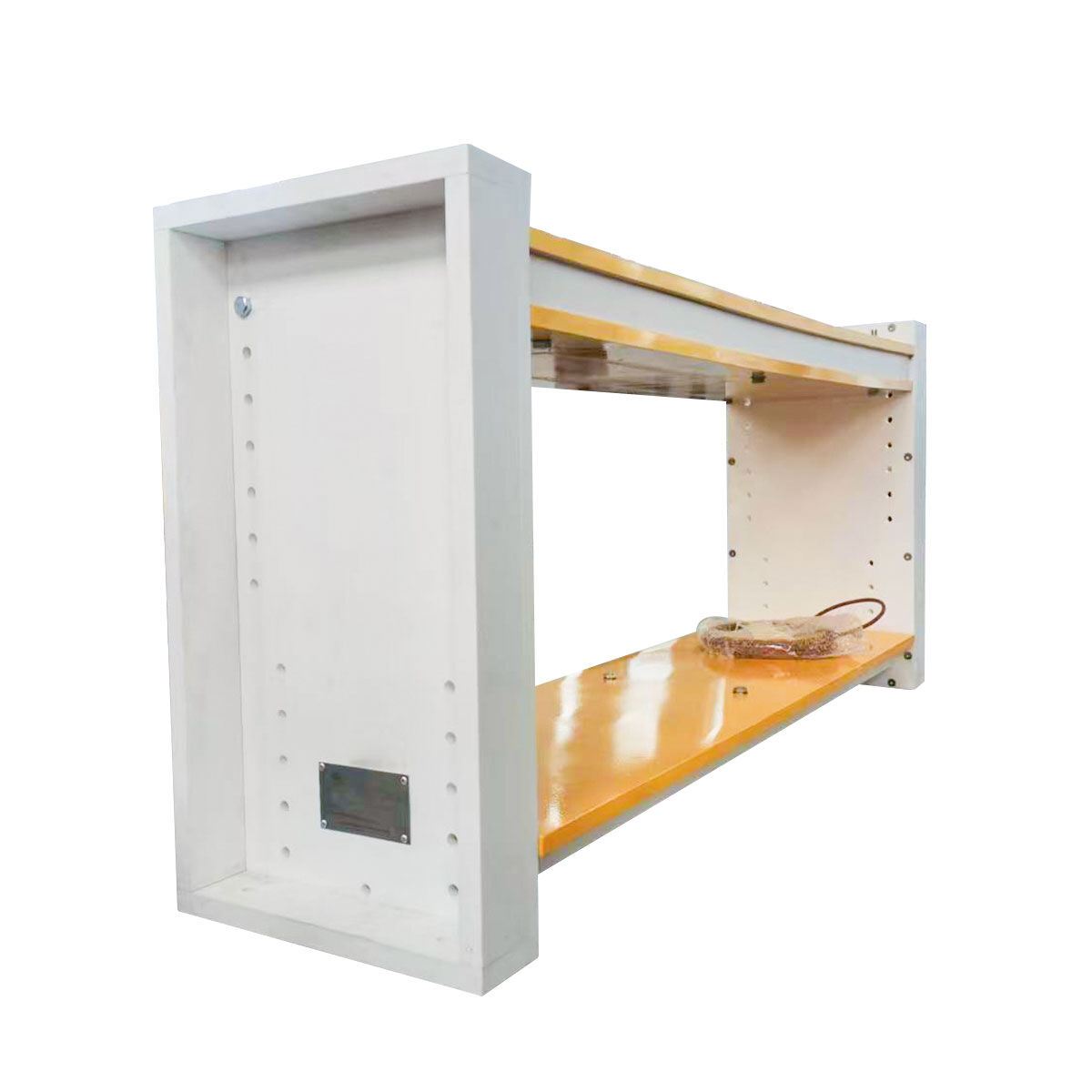
Industrial facilities across manufacturing, mining, and processing sectors face constant challenges from unwanted metallic contamination that can damage equipment, compromise product quality, and create safety hazards. A tramp metal detector serves as a critical safeguard in these environments, automatically identifying and alerting operators to the presence of ferrous and non-ferrous metal objects within material streams before they can cause costly damage to downstream processing equipment.
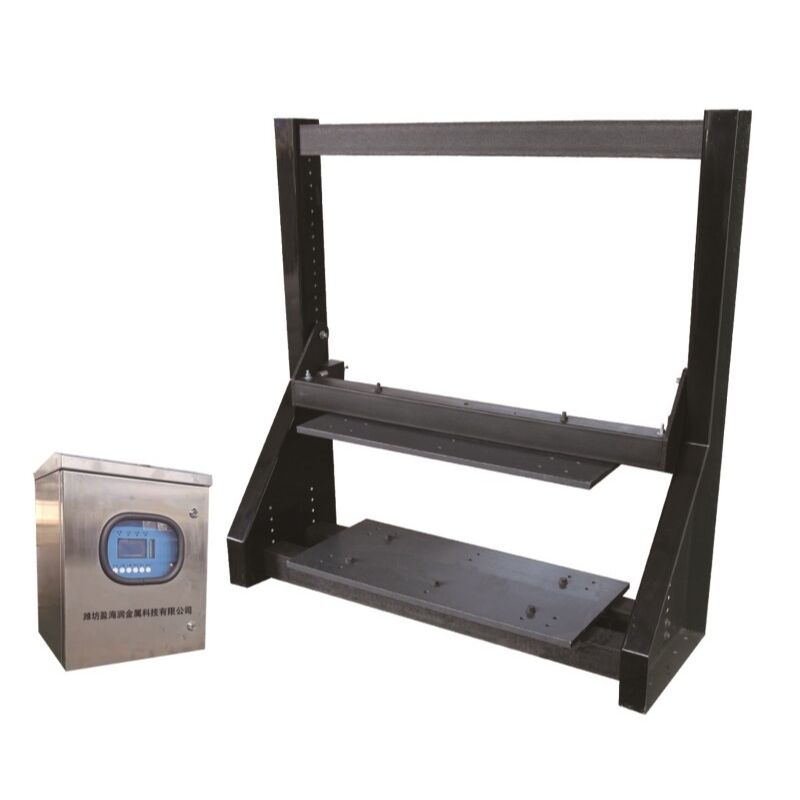
Understanding where and how tramp metal detectors provide maximum value requires examining the specific operational contexts where metallic contamination poses the greatest risks. From bulk material handling systems to automated production lines, these detection systems have evolved to address diverse industrial challenges while adapting to varying material characteristics, conveyor configurations, and environmental conditions that define modern industrial operations.
Mining and Mineral Processing Operations
Conveyor Belt Protection in Ore Handling
Mining operations rely heavily on extensive conveyor systems to transport raw materials from extraction points to processing facilities, making conveyor belt protection one of the most critical applications for tramp metal detectors. These systems must handle massive volumes of material while protecting expensive conveyor belts, pulleys, and transfer points from damage caused by metal debris such as drill bits, blasting wire, bolts, and equipment fragments that inevitably find their way into the material stream.
The harsh conditions typical of mining environments demand robust tramp metal detector designs capable of withstanding extreme temperatures, dust, moisture, and vibration while maintaining consistent detection accuracy. Modern units deployed in these applications feature weatherproof enclosures, enhanced signal processing algorithms, and adjustable sensitivity settings that accommodate the varying mineral content and particle sizes encountered in different ore types.
When a tramp metal detector identifies metallic contamination on a mining conveyor, it typically triggers an automated belt shutdown sequence that prevents the metal object from reaching critical equipment such as crushers, screens, or stockpile systems. This immediate response capability can prevent belt tears, pulley damage, and equipment downtime that would otherwise result in production losses measured in thousands of dollars per hour.
Crusher and Mill Feed Protection
Primary and secondary crushers represent significant capital investments in mining operations, and protecting these machines from tramp metal damage constitutes a essential application for detection systems. Metal objects entering crushers can cause catastrophic damage to crushing surfaces, hydraulic systems, and drive mechanisms, often requiring extended downtime for repairs and component replacement.
Tramp metal detectors positioned ahead of crusher feed points provide early warning systems that enable operators to remove metallic contamination before it reaches critical equipment. These installations typically incorporate automated material diversion systems that redirect contaminated material to bypass chutes or collection areas, allowing continued operation while isolating problematic material for manual inspection and cleaning.
Ball mills and SAG mills face similar risks from tramp metal contamination, as metal objects can damage grinding media, liner systems, and internal mechanisms. Detection systems in these applications must account for the magnetic properties of iron ore and other ferrous materials while maintaining sensitivity to smaller metal fragments that could cause cumulative damage over time.
Aggregate and Construction Material Production
Quality Control in Concrete Production
Concrete production facilities utilize tramp metal detectors to ensure the purity of aggregate materials used in high-quality concrete mixes, particularly for applications requiring specific strength, durability, or aesthetic properties. Metal contamination in concrete can cause structural weaknesses, corrosion problems, and surface defects that compromise the integrity and appearance of finished concrete products.
Sand and gravel processing operations typically install detection systems at multiple points throughout their processing trains, including after washing operations, before final screening, and prior to loading finished products. This multi-point detection strategy ensures comprehensive coverage while accommodating the different material characteristics and flow patterns encountered at various stages of processing.
Ready-mix concrete plants particularly benefit from tramp metal detector installations that prevent metal contamination from reaching batch plants and mixing equipment. These systems help maintain consistent product quality while protecting expensive mixing drums, conveyors, and automated batching systems from damage that could disrupt production schedules and increase maintenance costs.
Asphalt and Road Construction Materials
Asphalt production facilities face unique challenges related to tramp metal contamination, as metal objects can damage heating systems, mixing equipment, and paving machinery while potentially creating safety hazards during hot mix production. Tramp metal detectors in these applications must operate effectively in high-temperature environments while accommodating the varying material properties of different aggregate types and recycled asphalt materials.
Road construction projects increasingly utilize recycled materials that may contain embedded metal objects from previous construction activities, traffic incidents, or demolition processes. Detection systems help ensure these recycled materials meet quality standards while protecting processing equipment from damage during crushing, screening, and blending operations.
Mobile and portable tramp metal detector units provide flexibility for construction projects that require temporary material processing capabilities at remote job sites. These systems can be quickly deployed and relocated as project requirements change, providing consistent protection across diverse operational environments.
Food Processing and Agricultural Applications
Grain Handling and Storage Systems
Agricultural commodity handling facilities rely on tramp metal detectors to protect grain processing equipment while ensuring food safety standards throughout storage, cleaning, and transportation operations. Metal contamination in grain can originate from harvesting equipment, transportation vehicles, storage infrastructure, or foreign objects introduced during field operations.
Grain elevators and processing facilities typically install detection systems at receiving points, prior to cleaning equipment, and before final storage or shipment operations. These installations must accommodate the varying moisture content, particle size, and flow characteristics of different grain types while maintaining sensitivity to small metal fragments that could damage milling equipment or compromise food safety.
Modern tramp metal detector systems in agricultural applications often integrate with automated grain handling systems to provide seamless operation while minimizing manual intervention requirements. These systems can automatically divert contaminated material to inspection areas while allowing clean material to continue through normal processing channels.
Feed Manufacturing and Processing
Animal feed production facilities utilize tramp metal detectors to protect pelleting equipment, mixers, and grinding systems while ensuring the safety of finished feed products. Metal contamination in animal feed can cause equipment damage and pose serious health risks to livestock, making detection systems essential components of quality assurance programs.
Feed manufacturing operations often process a wide variety of raw materials with different physical and electrical properties, requiring detection systems with adjustable sensitivity settings and advanced signal processing capabilities. These systems must distinguish between actual metal contamination and naturally occurring minerals or additives that may exhibit similar electrical characteristics.
Pelleting operations present particular challenges for tramp metal detection due to the high-pressure, high-temperature conditions involved in the pelleting process. Detection systems in these applications must provide reliable operation while accommodating the compressed material characteristics and potential electromagnetic interference from pelleting equipment.
Recycling and Waste Processing Industries
Municipal Solid Waste Processing
Municipal solid waste processing facilities encounter diverse types of metallic contamination that can damage sorting equipment, shredders, and material recovery systems. Tramp metal detectors in these applications must handle extremely variable material characteristics while providing reliable detection of both ferrous and non-ferrous metal objects ranging from small hardware items to large appliances and structural components.
Waste-to-energy facilities utilize detection systems to protect combustion equipment and air pollution control systems from damage caused by metal objects in incoming waste streams. These installations typically incorporate automated material diversion systems that remove contaminated material before it reaches critical processing equipment.
Material recovery facilities processing mixed recyclables benefit from tramp metal detector installations that help separate valuable metal materials while protecting downstream sorting and processing equipment. These systems contribute to both equipment protection and material recovery optimization by enabling more efficient separation of different material types.
Industrial Waste and Byproduct Processing
Industrial facilities processing waste materials or byproducts from manufacturing operations utilize tramp metal detectors to ensure safe handling and processing of materials that may contain embedded or loose metal objects. These applications often involve materials with complex compositions and varying physical properties that require sophisticated detection capabilities.
Tire recycling operations face particular challenges from steel belting and bead wire embedded in waste tires, requiring detection systems capable of identifying both exposed and partially embedded metal components. These systems help protect shredding and granulating equipment while ensuring the quality of finished rubber products.
Electronic waste processing facilities utilize detection systems to protect shredding and separation equipment while facilitating the recovery of valuable metals from discarded electronic equipment. These applications require detection systems with high sensitivity and sophisticated signal processing capabilities to handle the complex electromagnetic environments created by electronic components.
FAQ
What types of metal objects can a tramp metal detector identify in industrial applications?
Industrial tramp metal detectors can identify both ferrous metals like iron and steel as well as non-ferrous metals including aluminum, copper, and brass. The detection capability extends to various forms of metal contamination such as nuts, bolts, wire fragments, tools, equipment parts, and structural components. Detection sensitivity varies based on the size, orientation, and composition of metal objects, with most systems capable of identifying objects as small as a few millimeters in favorable conditions.
How do environmental conditions affect tramp metal detector performance in industrial settings?
Environmental factors significantly impact detector performance, with temperature extremes, humidity, dust, and vibration all potentially affecting detection accuracy and system reliability. Modern industrial tramp metal detectors incorporate environmental compensation features, weatherproof enclosures, and robust signal processing algorithms to maintain consistent performance across varying conditions. Regular calibration and maintenance help ensure optimal performance in challenging industrial environments.
Can tramp metal detectors differentiate between valuable metals and unwanted contamination?
Advanced tramp metal detectors can distinguish between different types of metals based on their electrical conductivity and magnetic properties, enabling selective detection and material diversion strategies. This capability proves particularly valuable in recycling applications where valuable metals should be recovered rather than discarded. However, the ability to differentiate depends on factors such as object size, composition, and the specific detection technology employed.
What maintenance requirements are typical for industrial tramp metal detector installations?
Regular maintenance for industrial tramp metal detectors typically includes cleaning sensor surfaces, checking electrical connections, calibrating detection sensitivity, and testing alarm and diversion systems. Most installations benefit from scheduled inspections every few weeks, with more frequent checks in harsh environments or high-throughput applications. Proper maintenance helps ensure consistent detection performance while extending equipment service life and minimizing unexpected downtime.
Table of Contents
- Mining and Mineral Processing Operations
- Aggregate and Construction Material Production
- Food Processing and Agricultural Applications
- Recycling and Waste Processing Industries
-
FAQ
- What types of metal objects can a tramp metal detector identify in industrial applications?
- How do environmental conditions affect tramp metal detector performance in industrial settings?
- Can tramp metal detectors differentiate between valuable metals and unwanted contamination?
- What maintenance requirements are typical for industrial tramp metal detector installations?