
 EN
EN
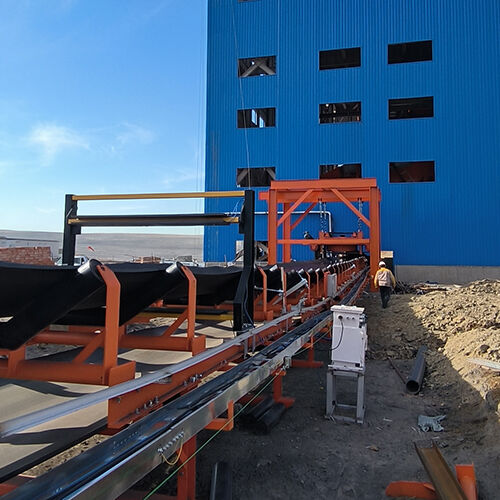
Selecting the right metal detector machine supplier has become increasingly complex in 2026, as businesses face evolving security requirements, technological advancements, and supply chain considerations. The metal detector machine market has expanded significantly, with numerous suppliers offering diverse solutions ranging from basic security screening to advanced industrial applications. Understanding how to properly evaluate these suppliers ensures your organization secures reliable equipment that meets operational demands while providing long-term value and support.
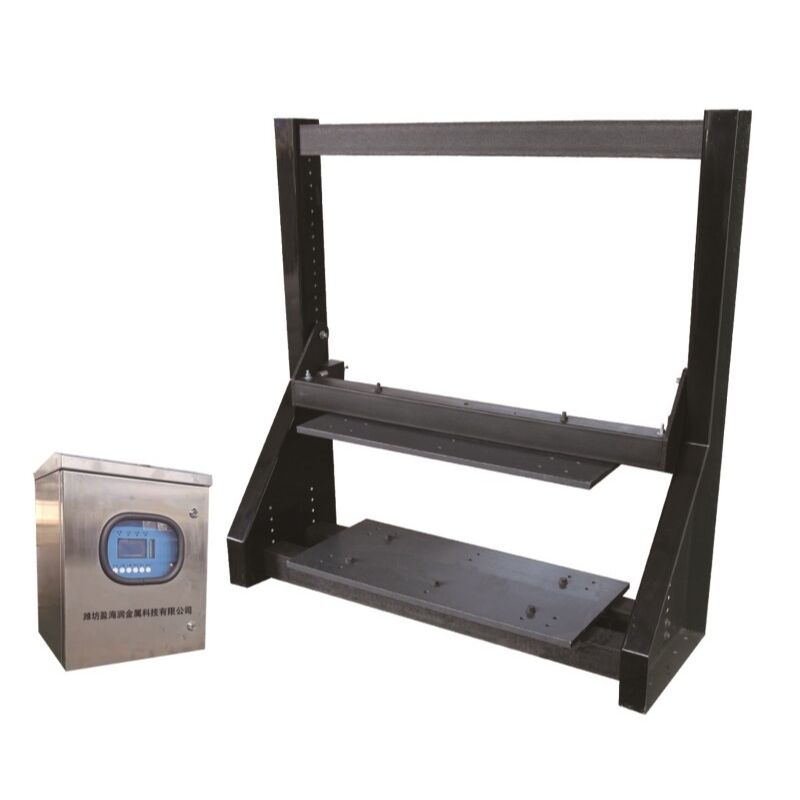
The process of evaluating metal detector machine suppliers requires a systematic approach that considers technical capabilities, service quality, compliance standards, and total cost of ownership. Modern procurement teams must assess suppliers across multiple dimensions to ensure they can deliver appropriate solutions for specific applications, whether for airport security, food processing, mining operations, or general access control. This comprehensive evaluation framework helps organizations make informed decisions that align with their operational requirements and budget constraints.
Technical Capabilities and Product Portfolio Assessment
Detection Technology and Performance Standards
When evaluating metal detector machine suppliers, technical capabilities form the foundation of supplier assessment. Leading suppliers typically offer multiple detection technologies including pulse induction, very low frequency, and multi-frequency systems. Each technology serves different applications, and suppliers should demonstrate expertise across various detection methods. Performance specifications such as sensitivity levels, detection depth, and discrimination capabilities directly impact operational effectiveness.
Advanced metal detector machine suppliers provide detailed technical documentation outlining detection capabilities for different metal types, sizes, and environmental conditions. They should offer clear performance metrics for ferrous, non-ferrous, and stainless steel detection, along with penetration depths for various soil conditions when applicable. Suppliers with robust technical capabilities often provide customizable sensitivity settings and advanced signal processing features that enhance detection accuracy while reducing false alarms.
Environmental resistance and durability specifications are crucial factors in supplier evaluation. Quality suppliers design their metal detector machine products to withstand harsh operating conditions including temperature extremes, moisture, dust, and electromagnetic interference. They should provide IP ratings, operating temperature ranges, and detailed environmental specifications that align with your intended application requirements.
Innovation and Technology Development
Progressive metal detector machine suppliers invest continuously in research and development to enhance product capabilities and address emerging market needs. They typically maintain active development programs focusing on improved detection algorithms, enhanced user interfaces, and integration capabilities with other security systems. Suppliers committed to innovation often hold patents, participate in industry standards development, and collaborate with research institutions.
Technology roadmaps and future product development plans indicate supplier commitment to long-term innovation. Leading suppliers should articulate clear visions for product evolution, including plans for artificial intelligence integration, enhanced connectivity features, and improved user experience design. They often provide regular firmware updates and software enhancements that extend product lifespan and improve functionality over time.
Digital integration capabilities represent increasingly important evaluation criteria as organizations modernize their security infrastructure. Advanced suppliers offer metal detector machine systems with network connectivity, remote monitoring capabilities, and integration with centralized security management platforms. These features enable real-time performance monitoring, automated reporting, and seamless coordination with other security systems.
Quality Standards and Certification Requirements
Industry Compliance and Standards Adherence
Reputable metal detector machine suppliers maintain comprehensive certification programs that demonstrate compliance with relevant industry standards and regulations. International standards such as ECAC, TSA, and IATA approval for aviation security applications, or FDA compliance for food industry applications, indicate supplier commitment to quality and regulatory adherence. Suppliers should provide complete documentation of all applicable certifications and maintain current compliance status.
Quality management systems certification, particularly ISO 9001, demonstrates structured approaches to product development, manufacturing, and customer service. Leading suppliers often maintain additional certifications such as ISO 14001 for environmental management and OHSAS 18001 for occupational health and safety. These certifications indicate systematic quality control processes and commitment to continuous improvement throughout the organization.
Testing and validation procedures should meet or exceed industry requirements for metal detector machine performance verification. Quality suppliers maintain accredited testing laboratories or work with recognized third-party testing facilities to validate product performance claims. They provide detailed test reports, calibration certificates, and performance verification documentation that support operational requirements and regulatory compliance.
Manufacturing and Production Capabilities
Manufacturing quality and production capacity directly impact metal detector machine reliability and availability. Established suppliers typically operate modern manufacturing facilities with advanced quality control systems, automated testing procedures, and comprehensive traceability systems. They should provide facility certifications, production capacity information, and quality control procedures that demonstrate capability to deliver consistent products within required timeframes.
Supply chain management practices affect product quality, delivery reliability, and cost stability. Leading suppliers maintain diversified supplier networks, implement supplier qualification programs, and monitor supply chain risks to ensure consistent component quality and availability. They often maintain strategic inventory levels and backup supplier relationships to minimize disruption risks.
Production scalability and customization capabilities enable suppliers to meet diverse customer requirements and volume fluctuations. Quality suppliers can accommodate custom specifications, special environmental requirements, and unique integration needs while maintaining standard product quality and delivery schedules. They typically offer flexible production scheduling and priority support for critical applications.
Service and Support Infrastructure Evaluation
Installation and Commissioning Services
Comprehensive installation and commissioning services significantly impact metal detector machine deployment success and operational effectiveness. Leading suppliers provide detailed installation procedures, site preparation requirements, and commissioning protocols that ensure optimal system performance. They typically offer on-site installation supervision, system calibration, and performance verification services performed by certified technicians.
Training programs for operators and maintenance personnel are essential components of supplier service offerings. Quality suppliers provide comprehensive training materials, hands-on instruction, and certification programs that ensure proper equipment operation and maintenance. They often offer multiple training formats including classroom instruction, online modules, and on-site practical sessions tailored to specific operational requirements.
Documentation and technical support materials should be comprehensive and accessible to support ongoing operations. Leading suppliers provide detailed user manuals, maintenance guides, troubleshooting procedures, and technical specifications in multiple languages when required. They maintain updated documentation libraries and provide easy access to technical resources through online portals or dedicated customer support systems.
Ongoing Maintenance and Technical Support
Preventive maintenance programs and technical support services directly impact metal detector machine uptime and operational costs. Established suppliers offer structured maintenance programs that include regular inspections, calibration services, software updates, and component replacement schedules. They typically provide predictive maintenance capabilities that identify potential issues before they impact operations.
Response time commitments and support availability are critical factors in supplier evaluation, particularly for mission-critical applications. Quality suppliers maintain dedicated support teams, establish clear response time commitments, and provide multiple support channels including phone, email, and remote assistance capabilities. They often offer 24/7 support for critical applications and maintain regional service centers to ensure rapid response times.
Spare parts availability and logistics support ensure minimal downtime during maintenance or repair activities. Leading suppliers maintain comprehensive spare parts inventories, provide clear parts identification and ordering procedures, and offer expedited delivery options for critical components. They typically guarantee parts availability for extended periods and provide advance notification of parts obsolescence with migration planning support.
Financial Stability and Commercial Considerations
Total Cost of Ownership Analysis
Comprehensive total cost of ownership evaluation extends beyond initial metal detector machine purchase price to include installation costs, training expenses, ongoing maintenance fees, and operational costs over the equipment lifecycle. Leading suppliers provide detailed cost breakdowns, lifecycle cost models, and value proposition analysis that support informed procurement decisions. They often offer cost-effective financing options and flexible payment terms that align with customer budget constraints.
Energy consumption and operational efficiency directly impact ongoing costs and environmental sustainability. Advanced metal detector machine designs incorporate energy-efficient components, power management features, and optimized operational modes that reduce electricity consumption. Suppliers should provide detailed power consumption specifications and efficiency ratings that enable accurate operational cost projections.
Warranty terms and service agreements significantly impact total ownership costs and risk allocation. Comprehensive warranty programs typically cover defects in materials and workmanship, while extended service agreements provide ongoing maintenance and support services. Quality suppliers offer flexible service packages that align with customer requirements and budget considerations, including options for full-service maintenance contracts.
Financial Strength and Business Continuity
Supplier financial stability and business continuity planning affect long-term product support and service availability. Established suppliers typically maintain strong financial positions, diversified revenue streams, and conservative business practices that ensure long-term viability. Financial strength indicators include credit ratings, annual revenue growth, profitability trends, and market position within the metal detector machine industry.
Business continuity planning and risk management practices protect customers from supply disruption and service interruption. Leading suppliers maintain documented business continuity plans, backup production capabilities, and emergency response procedures that ensure continued operations during adverse events. They often provide service level agreements that guarantee support availability and performance standards.
Market presence and customer base diversity indicate supplier stability and market acceptance. Established suppliers typically serve diverse markets, maintain long-term customer relationships, and demonstrate consistent growth patterns. Reference customers and case studies provide insights into supplier performance and customer satisfaction levels across different applications and industries.
FAQ
What specific certifications should I look for when evaluating metal detector machine suppliers?
Key certifications include ISO 9001 for quality management, relevant safety approvals such as CE marking, FCC compliance for electronic devices, and industry-specific certifications like ECAC approval for aviation security applications. Additionally, look for calibration laboratory accreditations and environmental management certifications that demonstrate comprehensive quality and compliance programs.
How can I assess the technical capabilities of different metal detector machine suppliers?
Evaluate technical capabilities by reviewing detailed product specifications, requesting performance demonstrations, examining test reports and validation documentation, and assessing the supplier's research and development investments. Consider factors such as detection sensitivity, discrimination capabilities, environmental resistance, and integration features that align with your specific application requirements.
What service and support considerations are most important for long-term metal detector machine operations?
Critical service considerations include comprehensive training programs, responsive technical support with guaranteed response times, preventive maintenance programs, spare parts availability, and software update services. Evaluate the supplier's local service presence, support infrastructure, and service level agreements to ensure adequate ongoing support for your operations.
How should I evaluate the total cost of ownership when comparing metal detector machine suppliers?
Total cost evaluation should include initial purchase price, installation and commissioning costs, training expenses, ongoing maintenance fees, energy consumption costs, and potential upgrade expenses over the equipment lifecycle. Request detailed cost breakdowns from suppliers and consider factors such as warranty terms, service agreements, and operational efficiency that impact long-term ownership costs.
Table of Contents
- Technical Capabilities and Product Portfolio Assessment
- Quality Standards and Certification Requirements
- Service and Support Infrastructure Evaluation
- Financial Stability and Commercial Considerations
-
FAQ
- What specific certifications should I look for when evaluating metal detector machine suppliers?
- How can I assess the technical capabilities of different metal detector machine suppliers?
- What service and support considerations are most important for long-term metal detector machine operations?
- How should I evaluate the total cost of ownership when comparing metal detector machine suppliers?