Industrial Conveyor Metal Detector Systems - Advanced Contamination Detection Solutions

All Categories

Get a Free Quote

Our representative will contact you soon.
Email
Mobile/WhatsApp
Name
Company Name
Message
0/1000

industrial conveyor metal detector

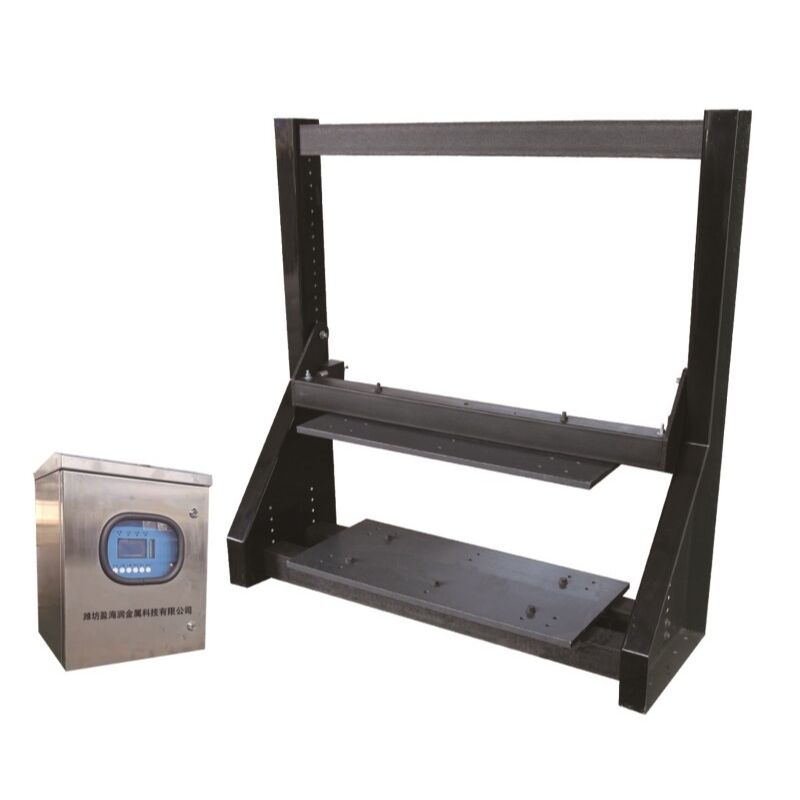
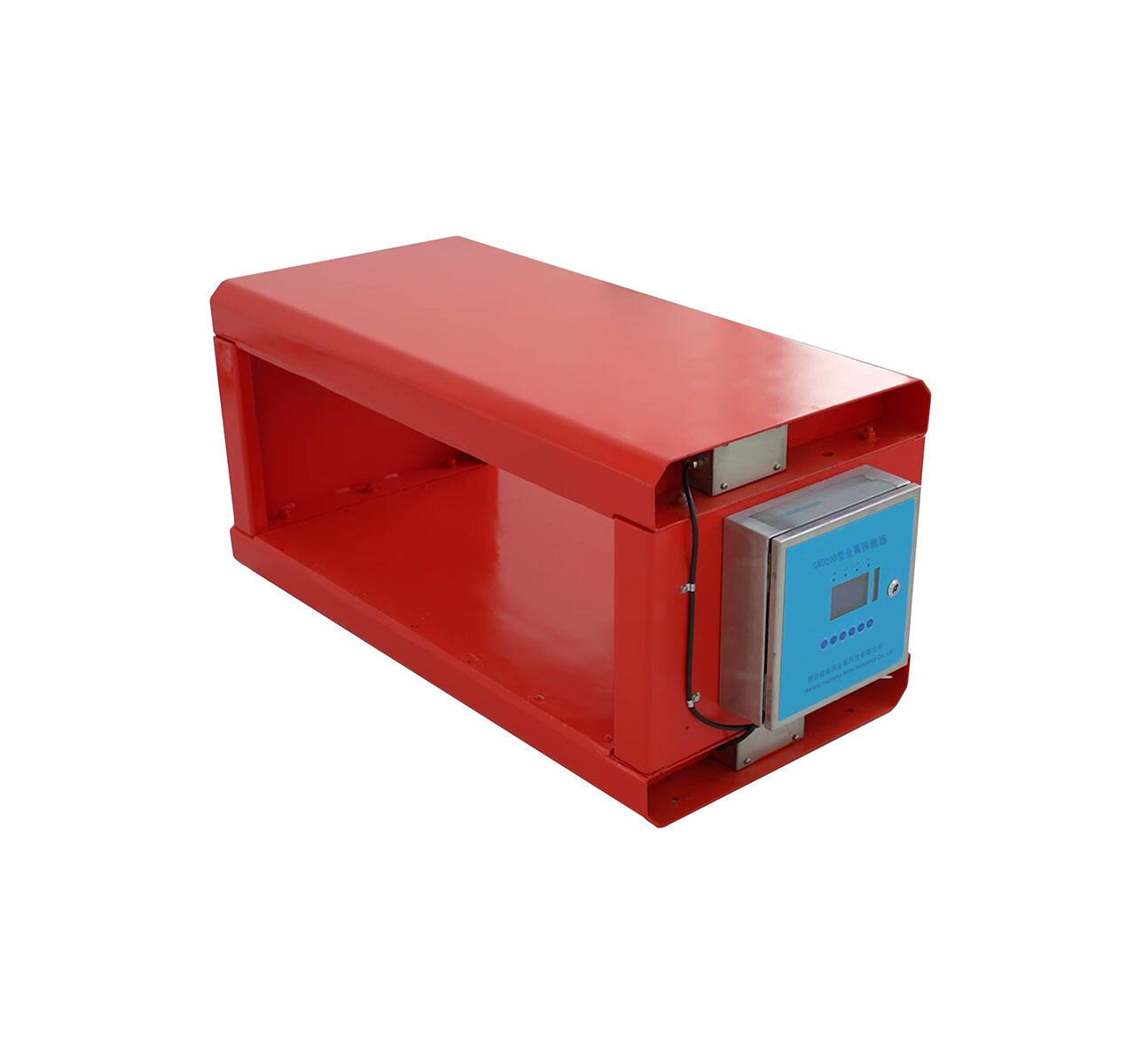
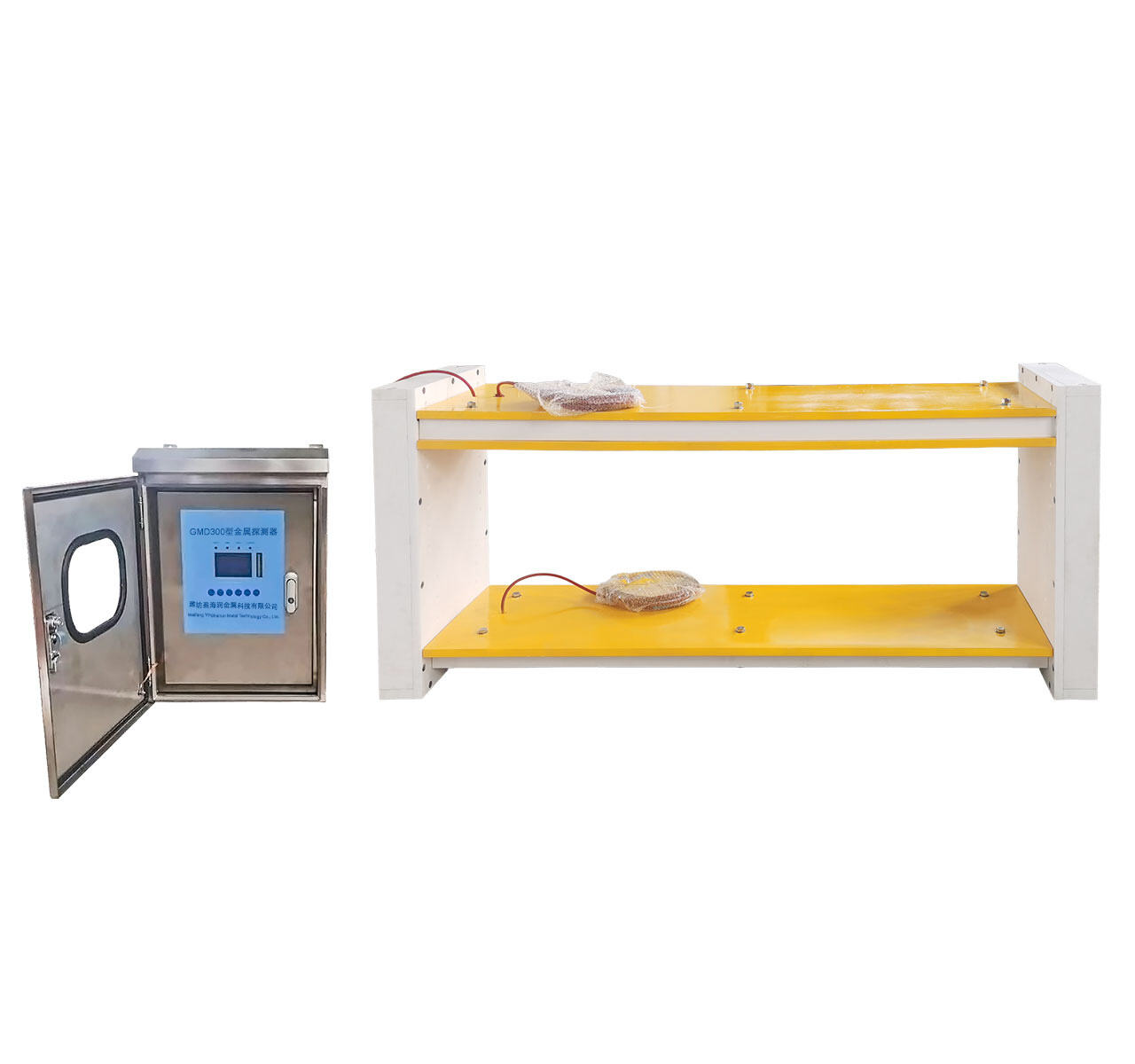
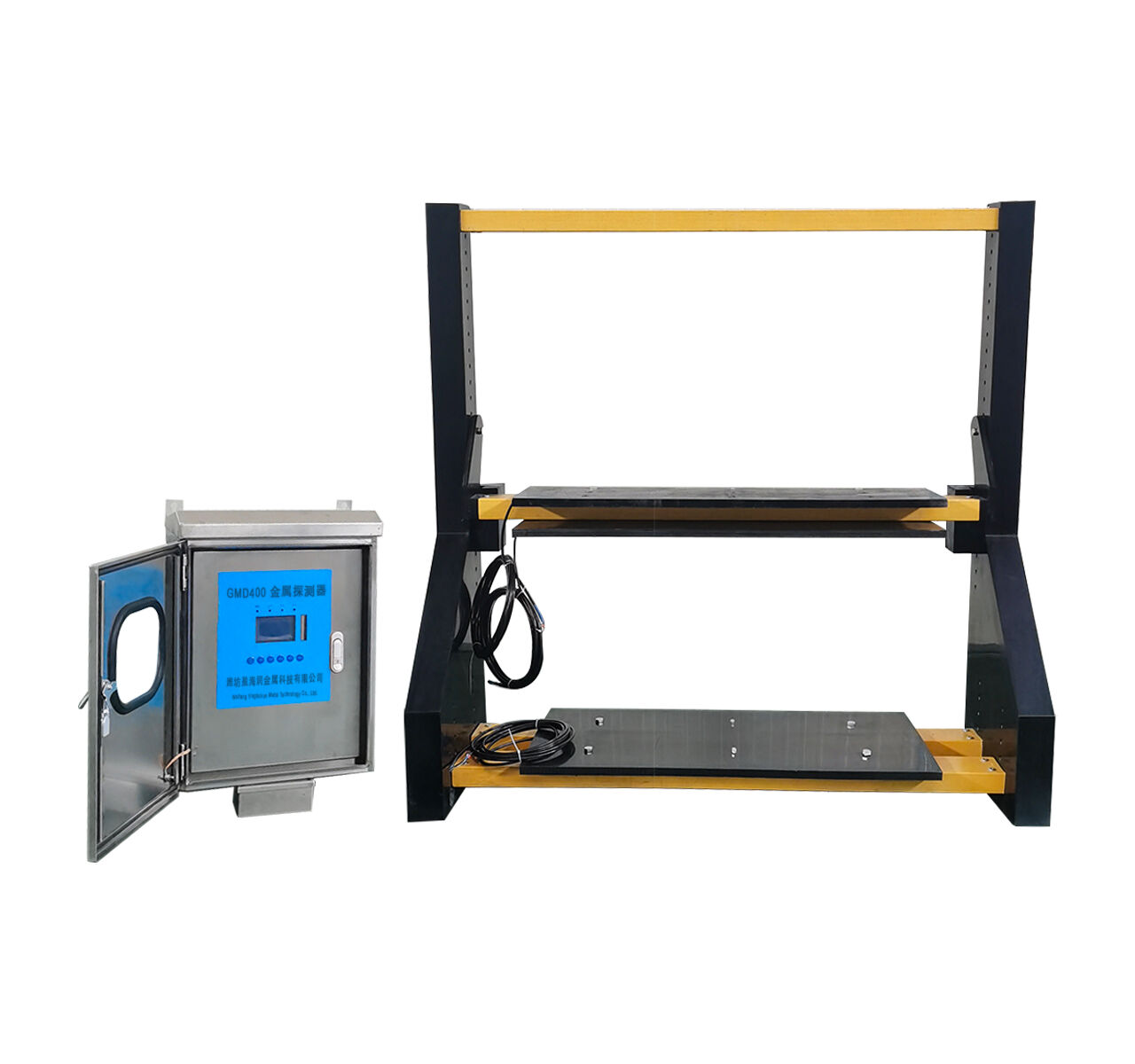
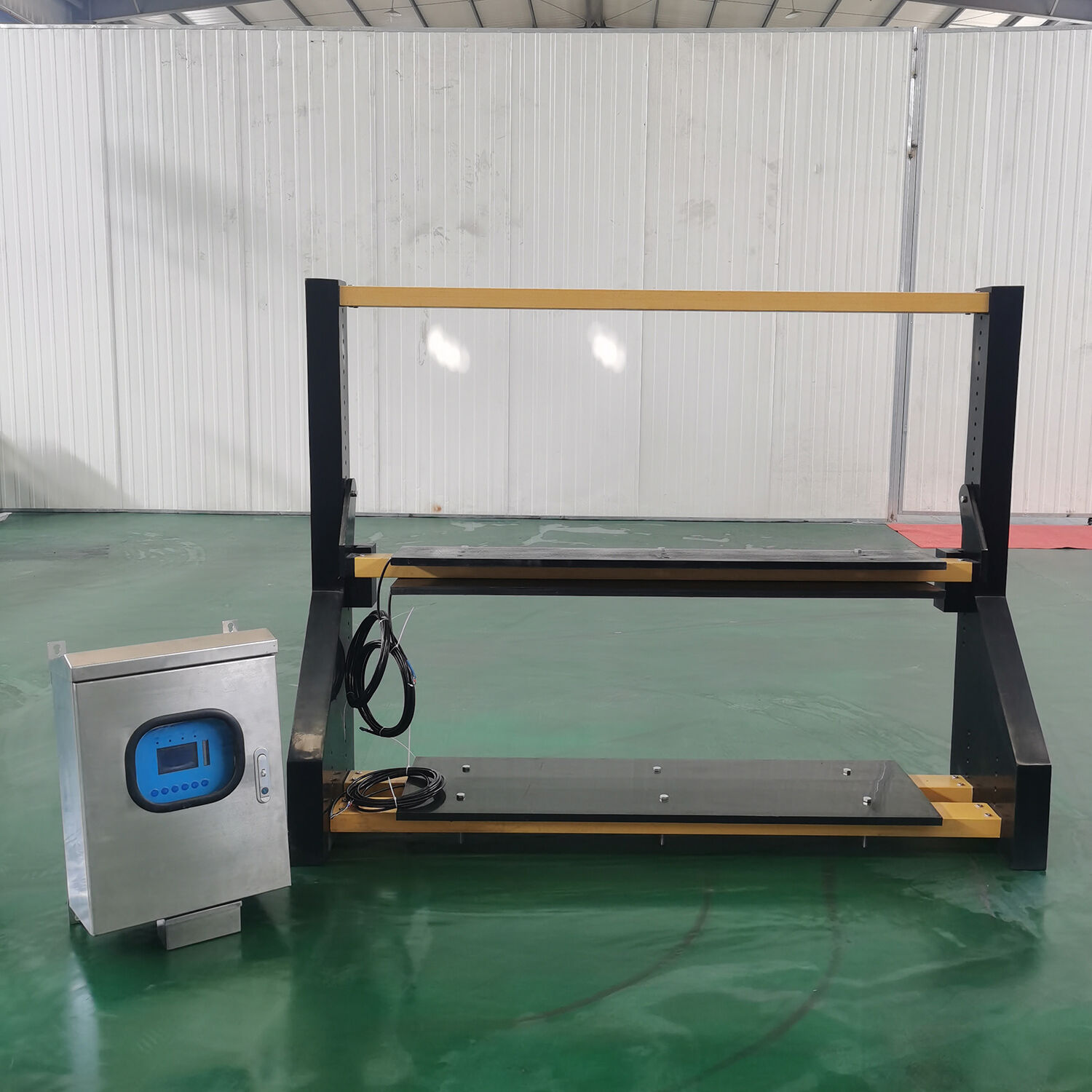
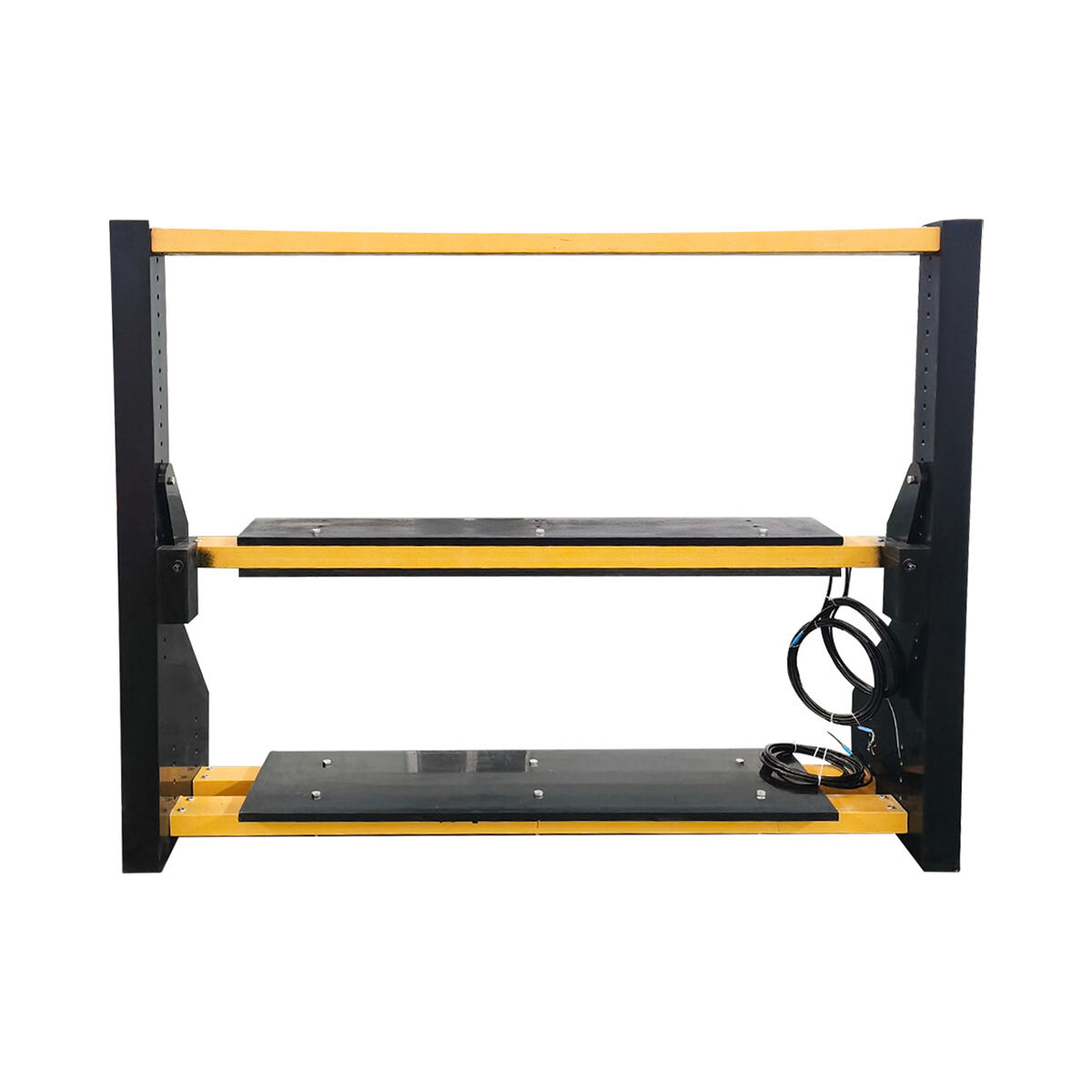
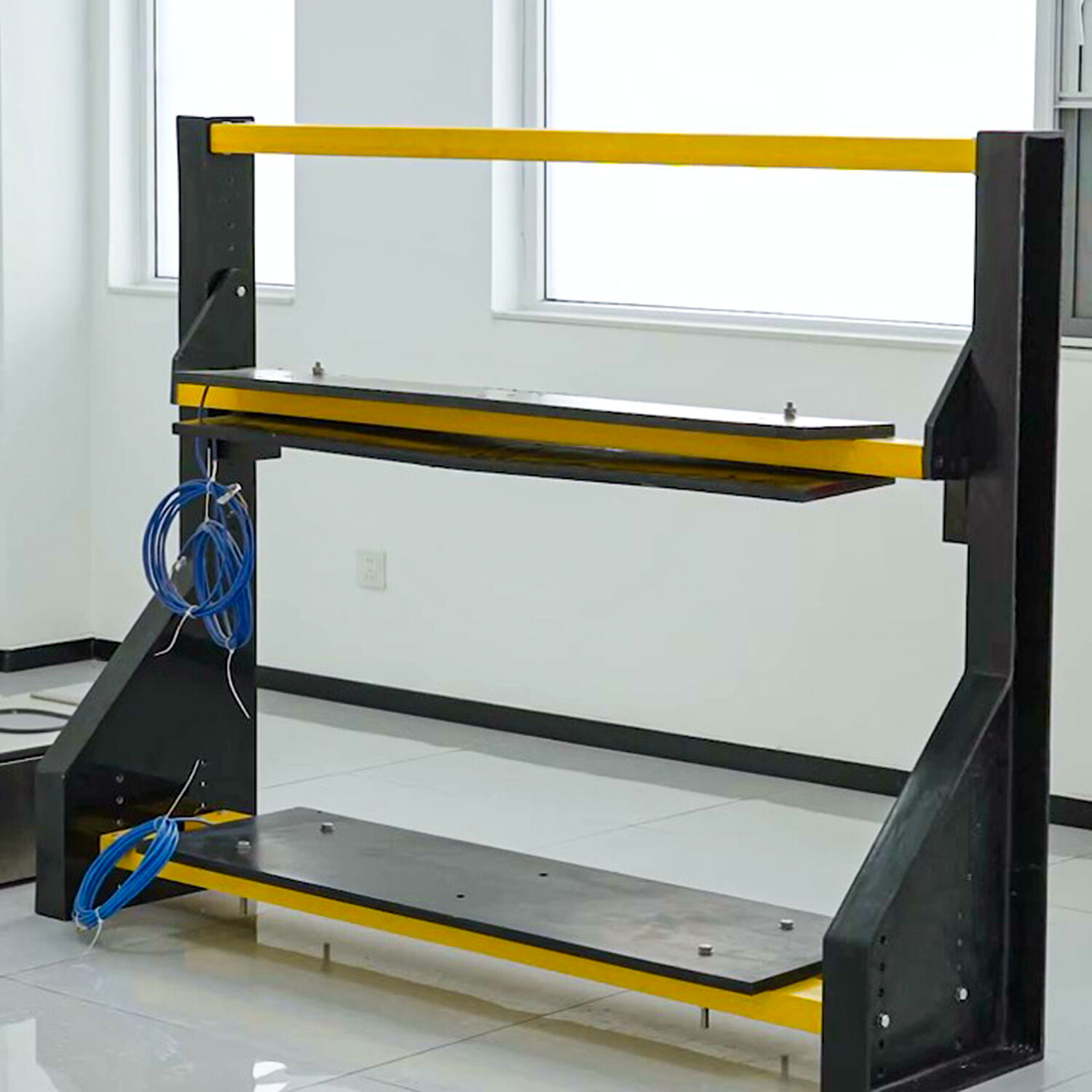
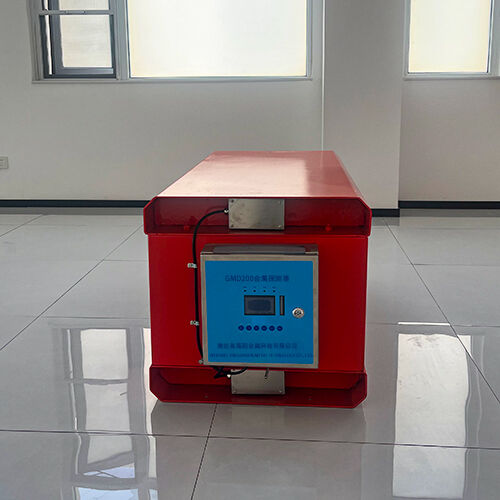
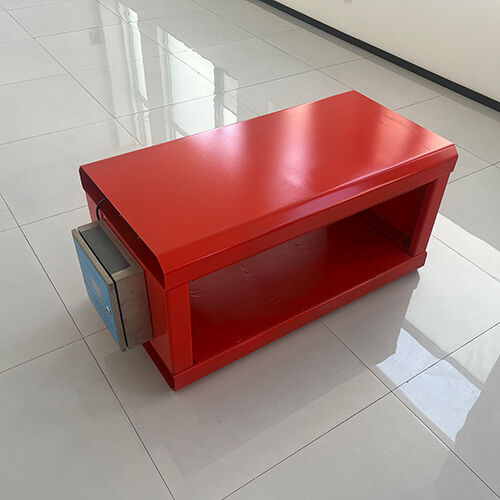
An industrial conveyor metal detector represents a critical piece of equipment designed to safeguard production lines across various manufacturing sectors. This sophisticated device operates by creating electromagnetic fields that detect the presence of metallic contaminants within products as they pass through the detection zone on a conveyor belt system. The primary function of an industrial conveyor metal detector revolves around quality control and consumer safety, ensuring that finished goods remain free from potentially harmful metal fragments that could compromise product integrity or pose health risks to end users. Modern industrial conveyor metal detector systems employ advanced multi-frequency technology, utilizing simultaneous detection capabilities across different frequency ranges to identify ferrous, non-ferrous, and stainless steel contaminants with exceptional precision. These systems feature automatic reject mechanisms that immediately remove contaminated products from the production line without interrupting the overall manufacturing process. The technological architecture includes digital signal processing units that analyze detection signals in real-time, minimizing false rejections while maintaining high sensitivity levels. Contemporary industrial conveyor metal detector units incorporate user-friendly touchscreen interfaces that allow operators to configure detection parameters, monitor system performance, and access comprehensive reporting functions. Environmental protection features ensure reliable operation in challenging industrial conditions, including exposure to dust, moisture, and temperature fluctuations. Integration capabilities enable seamless connection with existing production management systems, facilitating data collection and traceability requirements. The modular design of modern industrial conveyor metal detector systems allows for customization based on specific application requirements, including varying conveyor widths, detection aperture dimensions, and throughput capacities. These devices play an essential role in compliance with international food safety standards, pharmaceutical regulations, and industrial quality assurance protocols, making them indispensable components of modern manufacturing operations.

New Product Releases

Industrial conveyor metal detector systems deliver numerous practical advantages that directly impact operational efficiency and product quality. These systems provide continuous, automated inspection without requiring manual intervention, significantly reducing labor costs while maintaining consistent detection performance throughout extended production runs. The real-time detection capability ensures immediate identification and removal of contaminated products, preventing costly recalls and protecting brand reputation from potential safety incidents. Modern industrial conveyor metal detector technology offers exceptional sensitivity, capable of detecting metal particles as small as 0.5mm in various product types, including dry goods, liquids, and semi-solid materials. This high detection accuracy translates into superior product quality and enhanced consumer confidence. The automated reject systems integrated within industrial conveyor metal detector units operate with remarkable speed and precision, removing contaminated items without disrupting the overall production flow. This seamless operation maintains optimal throughput rates while ensuring comprehensive quality control. Cost-effectiveness represents another significant advantage, as these systems eliminate the need for extensive manual inspection processes and reduce product waste through early contamination detection. The robust construction of industrial conveyor metal detector equipment ensures minimal maintenance requirements and extended operational lifespan, providing excellent return on investment for manufacturing facilities. Energy efficiency features reduce operational costs while maintaining peak performance levels throughout continuous operation cycles. The comprehensive data logging capabilities of modern industrial conveyor metal detector systems support regulatory compliance efforts and provide valuable insights for process optimization. These systems adapt to various product characteristics through programmable settings, accommodating different packaging materials, product sizes, and production speeds without compromising detection accuracy. The fail-safe design principles incorporated in industrial conveyor metal detector technology ensure that system malfunctions result in product rejection rather than allowing contaminated items to pass through undetected. Environmental resilience enables reliable operation in challenging conditions, including high humidity, temperature variations, and dusty environments commonly found in industrial settings. The modular architecture facilitates easy integration into existing production lines without requiring extensive modifications to current equipment layouts. Remote monitoring capabilities allow supervisors to track system performance from centralized control rooms, enhancing operational oversight and enabling proactive maintenance scheduling. These practical advantages combine to deliver comprehensive contamination control solutions that protect both manufacturers and consumers while optimizing production efficiency and maintaining regulatory compliance standards.

Practical Tips

Mining Metal Detector Sensitivity vs. External Interference

01

Apr

Mining Metal Detector Sensitivity vs. External Interference

Mining metal detector sensitivity represents a critical balance between detection capability and operational reliability in challenging industrial environments. The relationship between sensitivity levels and external interference determines how effe...
View More
How Conveyor Belt Detectors Improve Food Safety Compliance

02

Apr

How Conveyor Belt Detectors Improve Food Safety Compliance

Food safety compliance has become increasingly critical in today's manufacturing environment, where contamination incidents can result in massive recalls, regulatory penalties, and permanent damage to brand reputation. The implementation of a conveyo...
View More
Cost-Benefit Analysis of High-End Tramp Metal Detectors

03

Apr

Cost-Benefit Analysis of High-End Tramp Metal Detectors

Investing in high-end tramp metal detector systems requires careful financial evaluation to justify the substantial upfront costs against long-term operational benefits. These sophisticated detection systems command premium prices due to their advanc...
View More
Understanding the Components of a Metal Detector Machine

08

Apr

Understanding the Components of a Metal Detector Machine

A metal detector machine consists of several interconnected components that work together to identify metallic objects beneath the surface or within materials. Understanding these fundamental components is essential for anyone working with metal dete...
View More

Get a Free Quote

Our representative will contact you soon.
Email
Mobile/WhatsApp
Name
Company Name
Message
0/1000

industrial conveyor metal detector

Advanced Multi-Frequency Detection Technology

Advanced Multi-Frequency Detection Technology

The sophisticated multi-frequency detection technology integrated within industrial conveyor metal detector systems represents a revolutionary advancement in contamination detection capabilities. This cutting-edge feature operates by simultaneously generating multiple electromagnetic frequencies, each optimized to detect specific types of metallic contaminants with unparalleled precision. Unlike traditional single-frequency systems, multi-frequency industrial conveyor metal detector technology can differentiate between various metal types, including ferrous materials like iron and steel, non-ferrous metals such as aluminum and copper, and challenging stainless steel contaminants that often prove difficult to detect using conventional methods. The importance of this technology extends beyond mere detection, as it significantly reduces false rejection rates that plague many manufacturing operations. By analyzing multiple frequency responses simultaneously, the system can distinguish between actual metal contaminants and natural product variations, such as moisture content fluctuations or density changes that might trigger false alarms in less sophisticated systems. This enhanced discrimination capability translates into substantial cost savings by minimizing product waste and reducing production interruptions caused by unnecessary rejections. The multi-frequency approach also enables superior detection sensitivity, allowing industrial conveyor metal detector systems to identify extremely small metal particles that could otherwise compromise product safety and quality. This is particularly valuable in industries such as food processing, pharmaceuticals, and consumer goods manufacturing, where even microscopic metal fragments pose significant health risks and regulatory compliance challenges. The technology adapts automatically to different product characteristics, adjusting frequency combinations and sensitivity levels based on the specific requirements of each application. This adaptive capability ensures optimal detection performance across diverse product ranges without requiring extensive manual reconfiguration. The real-time signal processing capabilities integrated within multi-frequency industrial conveyor metal detector systems provide immediate analysis and decision-making, enabling split-second contamination detection and product rejection. This rapid response time is crucial in high-speed production environments where delayed detection could result in multiple contaminated units passing through the system before corrective action can be taken. Furthermore, the advanced algorithms employed in multi-frequency detection technology continuously learn from production patterns, automatically optimizing detection parameters to maintain peak performance levels while minimizing false alarms. This self-optimization feature reduces the need for frequent manual adjustments and ensures consistent detection accuracy throughout extended production runs.
Seamless Production Line Integration

Seamless Production Line Integration

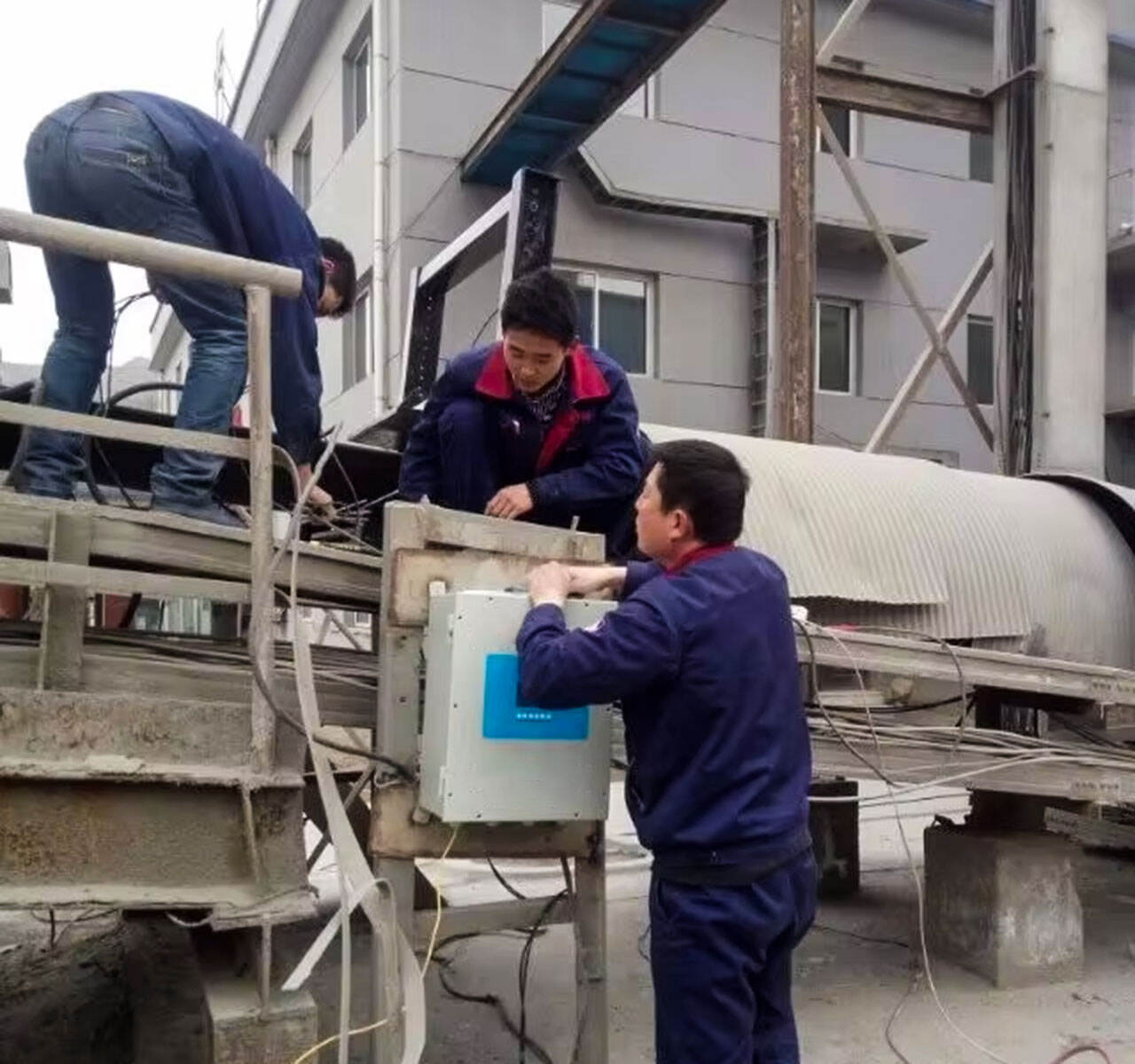
The seamless production line integration capability of modern industrial conveyor metal detector systems provides manufacturers with unprecedented flexibility and operational efficiency. This critical feature enables these detection systems to integrate effortlessly into existing manufacturing environments without requiring extensive modifications to current equipment layouts or production workflows. The modular design philosophy behind contemporary industrial conveyor metal detector technology allows for customized configurations that accommodate varying conveyor widths, heights, and throughput requirements, ensuring perfect compatibility with diverse production line specifications. The integration process begins with comprehensive system analysis, where engineers evaluate existing production parameters to determine optimal placement and configuration options for the industrial conveyor metal detector. This thorough assessment ensures that the detection system enhances rather than impedes production efficiency while maintaining the highest levels of contamination detection accuracy. The plug-and-play connectivity features enable rapid installation and commissioning, minimizing production downtime during system deployment. Advanced communication protocols built into industrial conveyor metal detector systems facilitate seamless data exchange with existing production management systems, quality control databases, and enterprise resource planning platforms. This connectivity enables comprehensive tracking of detection events, production statistics, and quality metrics, providing valuable insights for process optimization and regulatory compliance reporting. The integration extends beyond mere data communication, as modern industrial conveyor metal detector systems can receive production commands and adjust operational parameters automatically based on production schedules and product changeovers. This intelligent integration capability eliminates the need for manual system adjustments during product transitions, reducing the risk of human error and ensuring consistent detection performance across different product types. The mechanical integration aspects of industrial conveyor metal detector systems include adjustable mounting systems, flexible conveyor interfaces, and standardized connection points that accommodate various production line configurations. These features enable rapid reconfiguration when production requirements change, providing long-term flexibility and adaptability. The electrical integration incorporates safety interlocks and emergency stop functions that integrate seamlessly with existing production safety systems, ensuring comprehensive protection for both equipment and personnel. Environmental considerations are carefully addressed through sealed enclosures and protective features that maintain reliable operation in challenging industrial conditions while integrating harmoniously with existing facility infrastructure. The user interface integration provides operators with familiar control paradigms that complement existing system interfaces, reducing training requirements and minimizing operational complexity. Remote monitoring and control capabilities enable integration with centralized control rooms and supervisory systems, allowing comprehensive oversight of detection operations alongside other critical production processes.
Comprehensive Contamination Control Solutions

Comprehensive Contamination Control Solutions

Industrial conveyor metal detector systems deliver comprehensive contamination control solutions that address the full spectrum of metallic contamination challenges faced by modern manufacturing operations. These sophisticated systems provide multi-layered protection strategies that extend far beyond basic metal detection, incorporating advanced contamination prevention, identification, documentation, and remediation capabilities. The comprehensive approach begins with proactive contamination prevention through real-time monitoring of production environments and immediate detection of potential contamination sources before they can impact product quality. This preventive capability is particularly valuable in industrial conveyor metal detector applications where early intervention can prevent widespread contamination events that might otherwise affect large product batches. The detection component of these comprehensive solutions employs state-of-the-art sensing technologies that identify metallic contaminants across the entire electromagnetic spectrum, ensuring no metal type goes undetected regardless of size, composition, or orientation. This thorough detection capability is complemented by intelligent analysis systems that evaluate contamination patterns and identify potential sources of recurring contamination issues, enabling manufacturers to address root causes rather than merely responding to individual incidents. The immediate response mechanisms integrated within industrial conveyor metal detector systems ensure that contaminated products are automatically removed from production lines within milliseconds of detection, preventing further distribution and minimizing potential impact on consumers and brand reputation. The documentation and traceability features provide comprehensive records of all detection events, including detailed information about contamination types, locations, frequencies, and remediation actions taken. This extensive documentation supports regulatory compliance efforts while providing valuable data for continuous improvement initiatives. The comprehensive contamination control approach extends to post-detection analysis, where industrial conveyor metal detector systems can generate detailed reports and trend analyses that help identify patterns and implement preventive measures. These analytical capabilities enable manufacturers to optimize production processes, improve supplier quality standards, and enhance overall contamination control strategies. The integration with quality management systems ensures that contamination control data becomes part of broader quality assurance programs, supporting certification requirements and customer quality audits. Training and support components of comprehensive contamination control solutions ensure that personnel understand proper system operation, maintenance requirements, and emergency response procedures. This educational aspect is crucial for maintaining long-term system effectiveness and ensuring that contamination control measures remain robust throughout changing personnel and operational conditions. The scalability of comprehensive contamination control solutions allows manufacturers to expand protection as operations grow, adding additional detection points and enhanced monitoring capabilities without disrupting existing systems. Predictive maintenance features help prevent system failures that could compromise contamination control effectiveness, while remote diagnostics capabilities enable proactive support and optimization services.


Get a Free Quote

Our representative will contact you soon.
Email
Mobile/WhatsApp
Name
Company Name
Message
0/1000