Advanced Conveyor Metal Detector Reject System - Automated Contamination Detection & Removal Solutions

All Categories

Get a Free Quote

Our representative will contact you soon.
Email
Mobile/WhatsApp
Name
Company Name
Message
0/1000

conveyor metal detector reject system

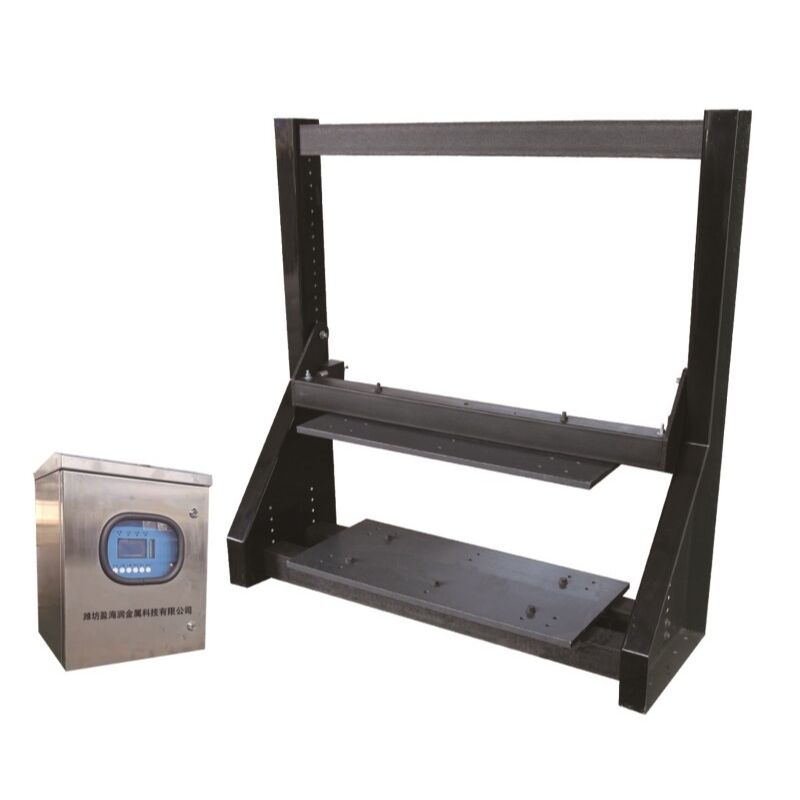
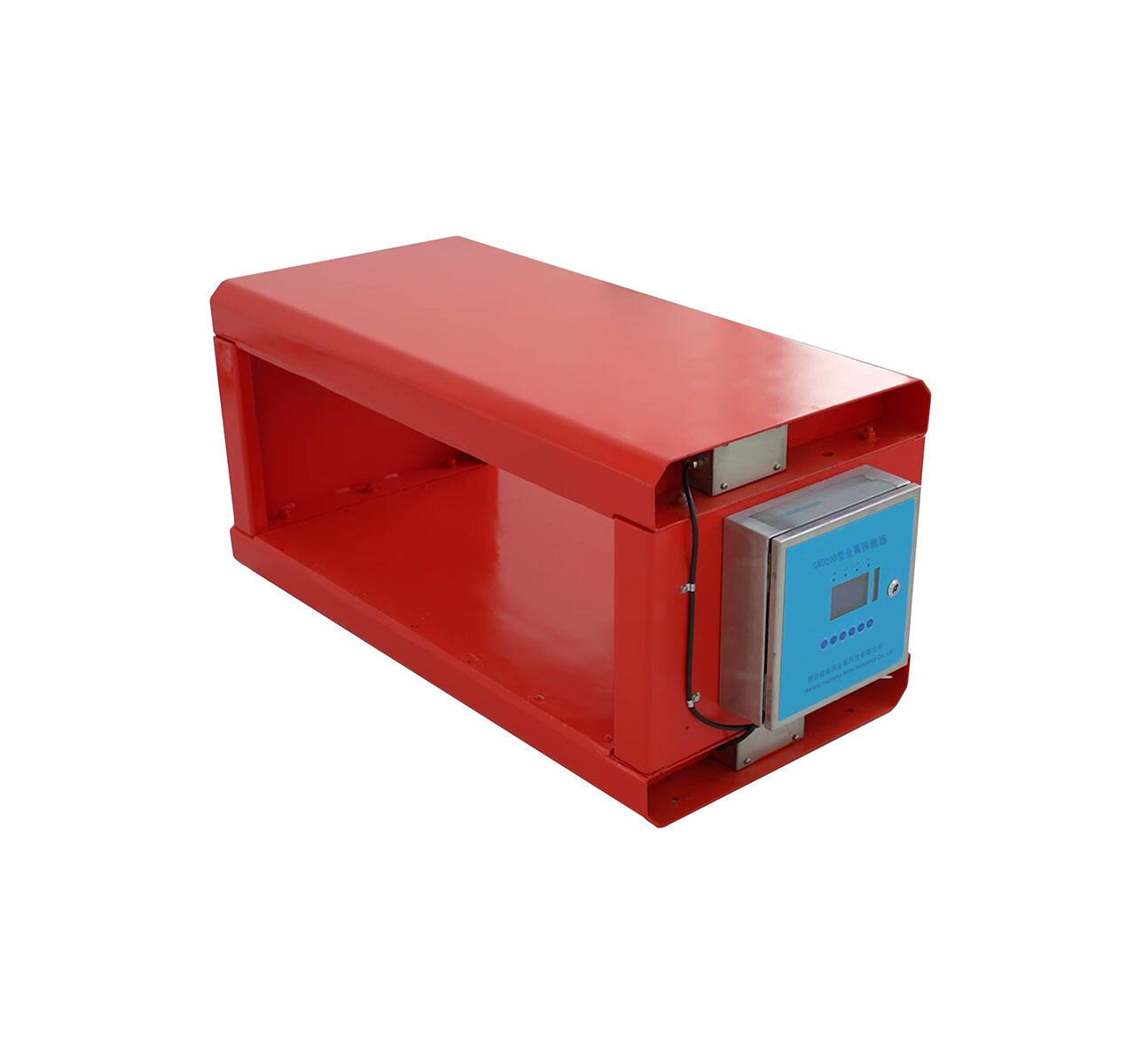
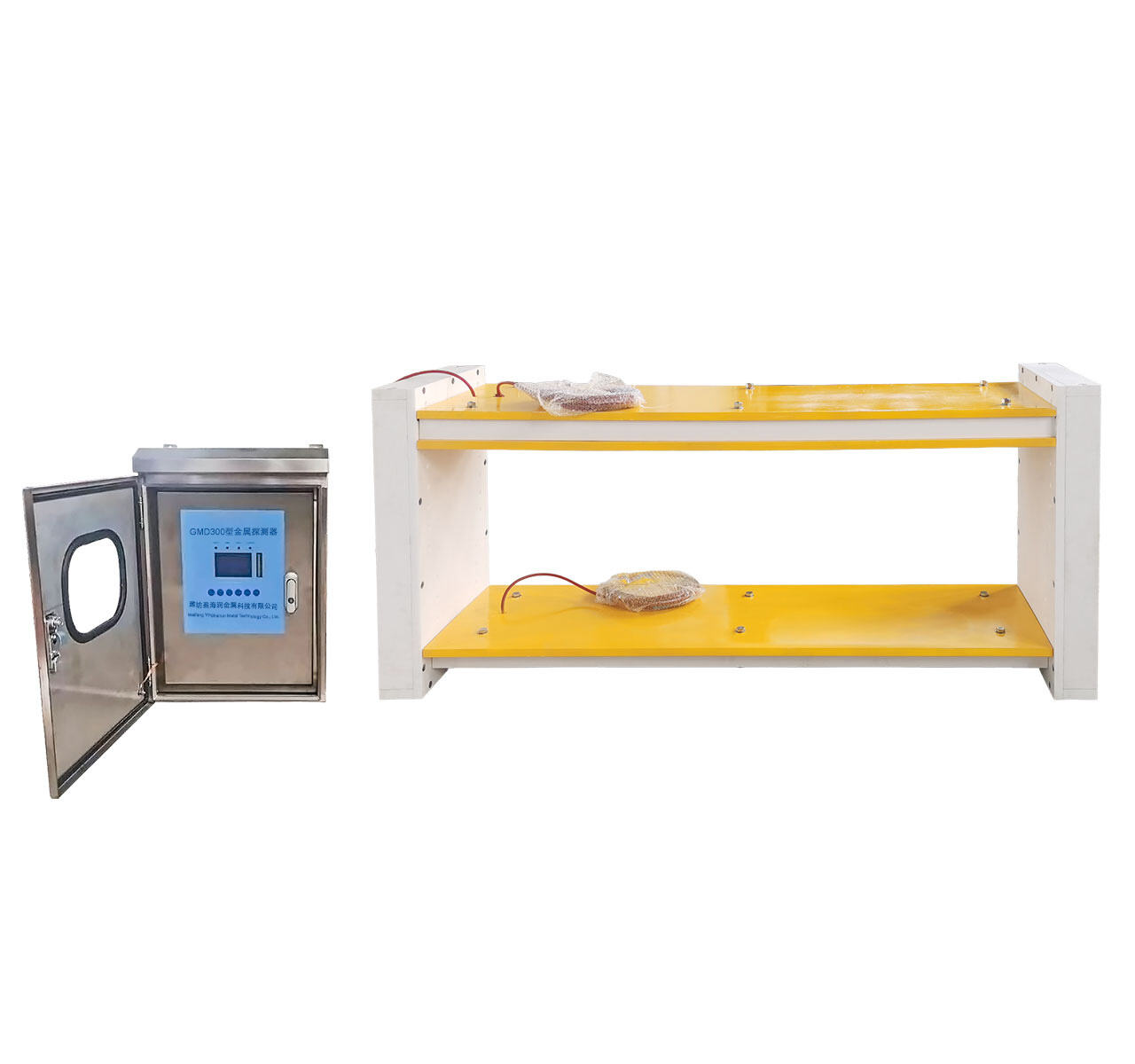
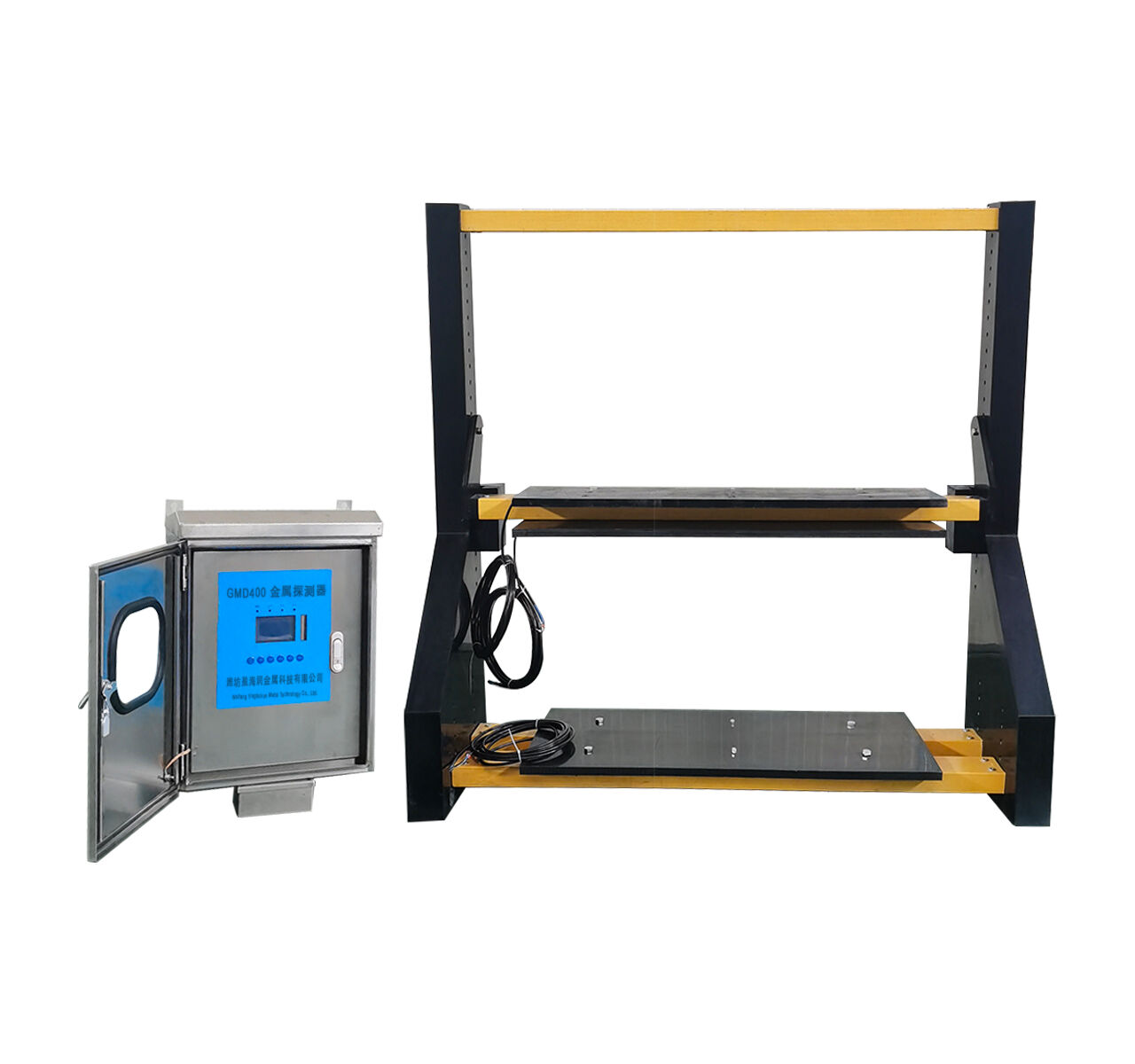
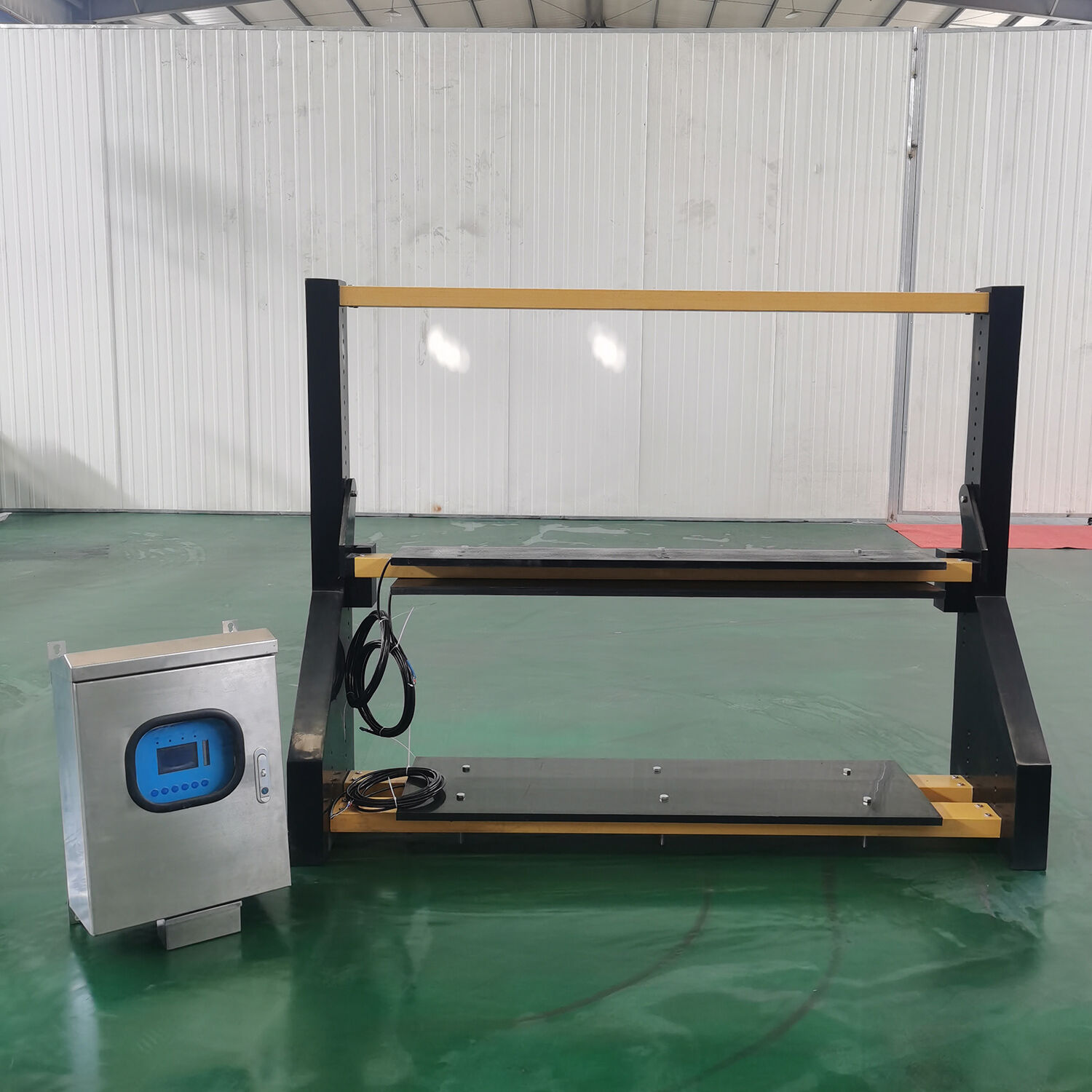
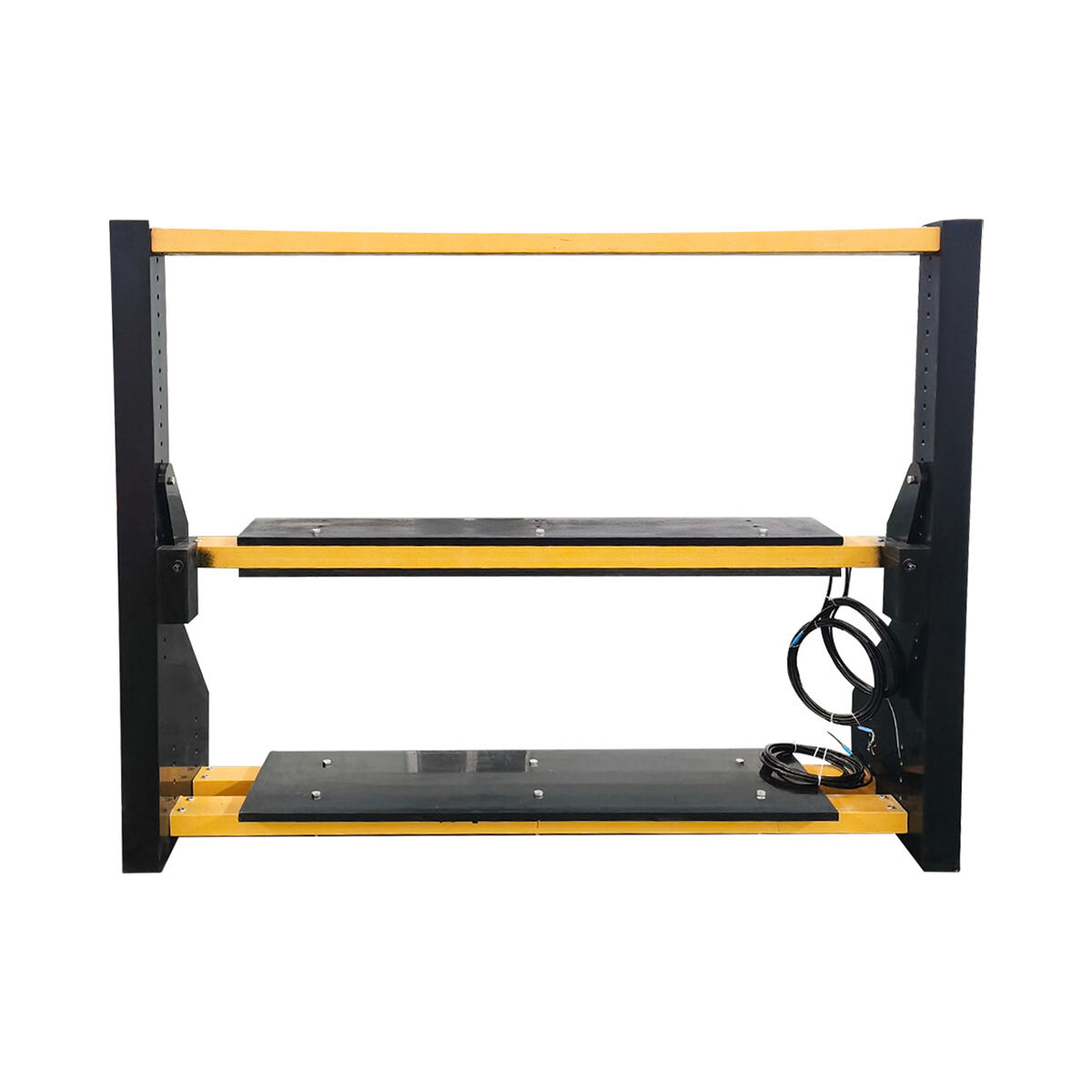
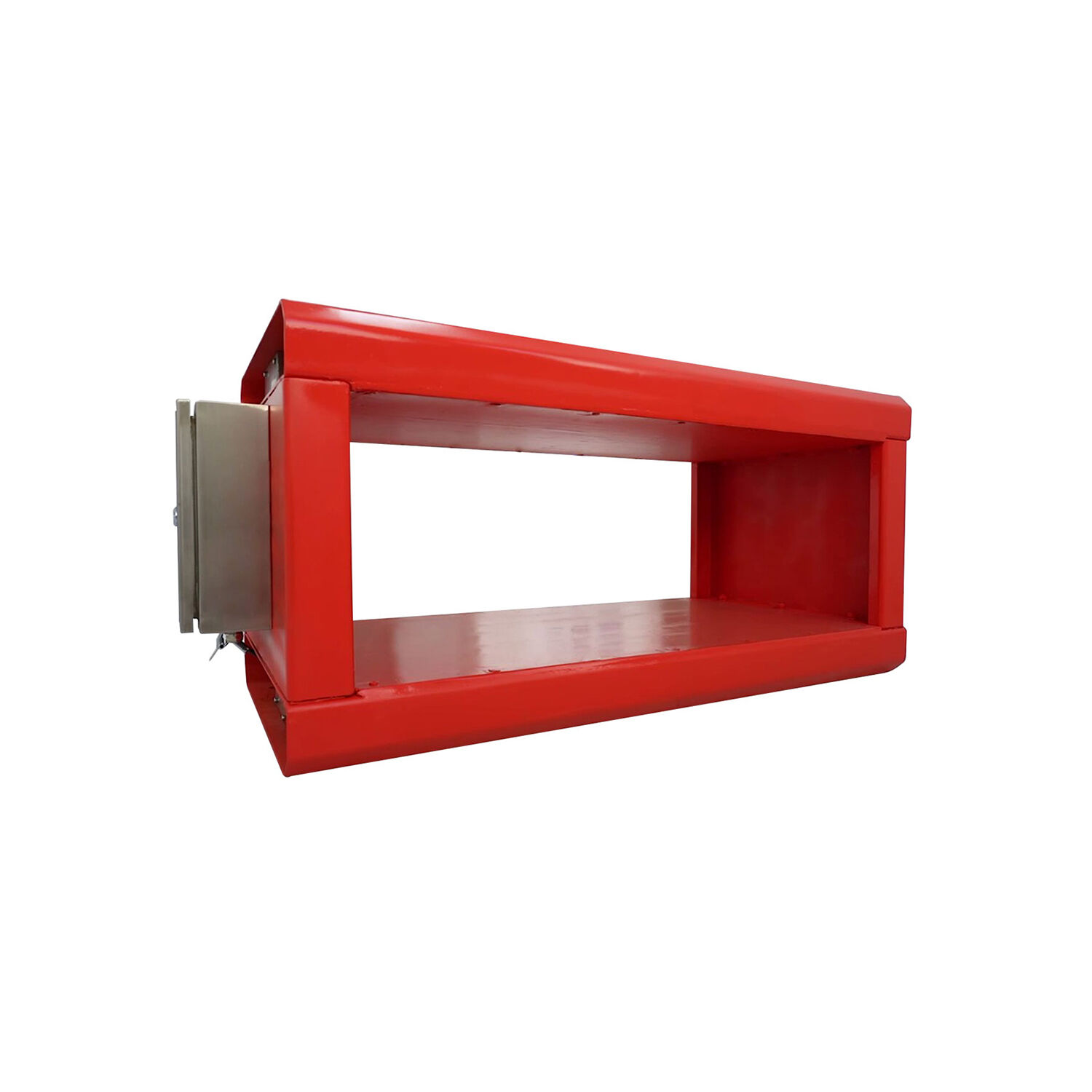
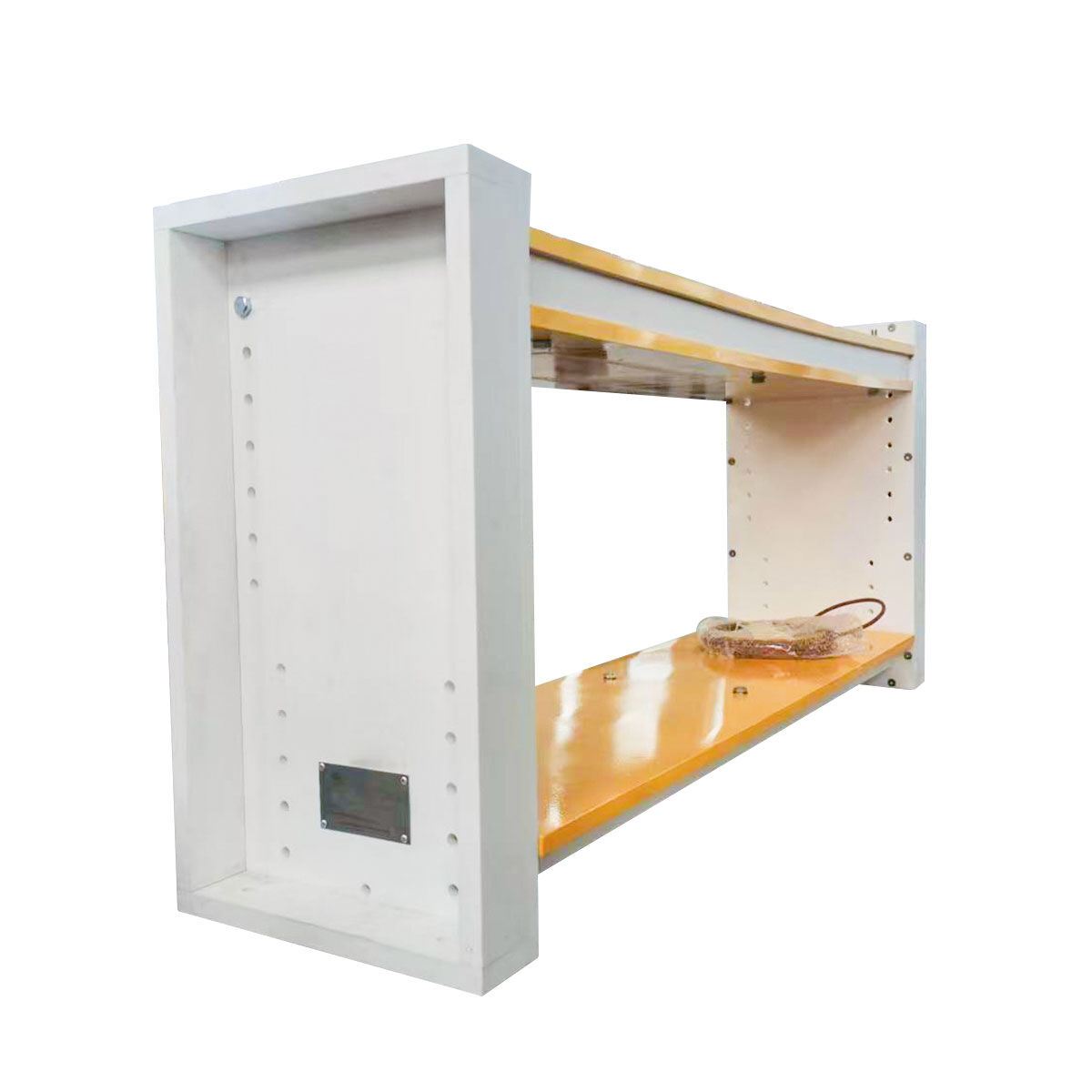
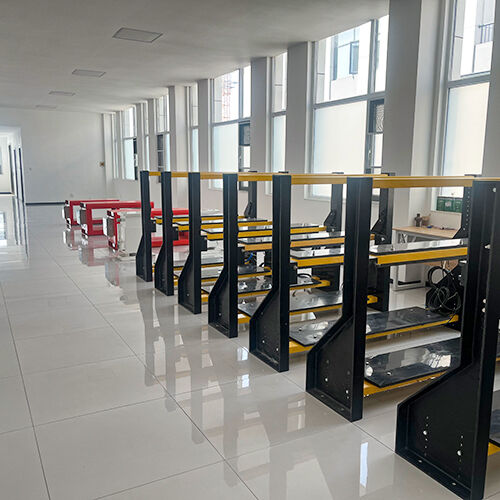
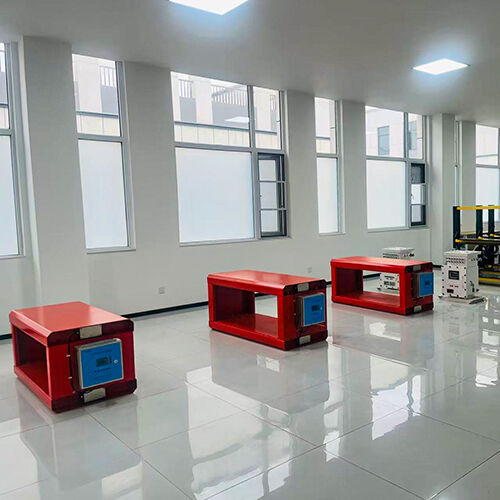
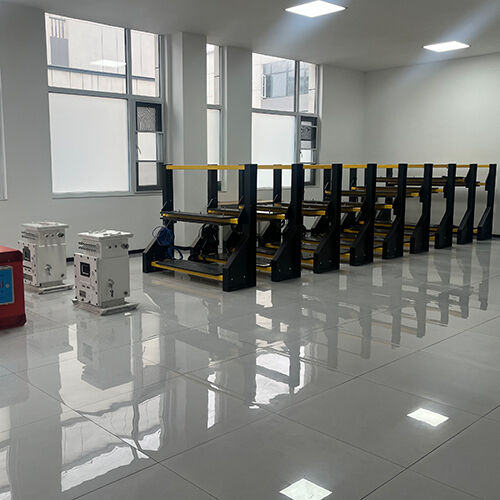
The conveyor metal detector reject system represents a sophisticated inspection solution designed to automatically identify and remove metallic contaminants from production lines across various manufacturing industries. This integrated technology combines high-sensitivity metal detection capabilities with automated rejection mechanisms, ensuring comprehensive quality control throughout the production process. The system operates by utilizing electromagnetic fields to detect even the smallest metallic particles, including ferrous, non-ferrous, and stainless steel contaminants that could compromise product integrity or pose safety risks to consumers. At its core, the conveyor metal detector reject system features advanced digital signal processing technology that minimizes false rejections while maintaining exceptional detection accuracy. The system incorporates multiple rejection methods, including pneumatic pushers, drop-through gates, and belt diverters, allowing manufacturers to select the most appropriate rejection mechanism for their specific product characteristics and production requirements. Modern conveyor metal detector reject systems feature user-friendly touchscreen interfaces that enable operators to easily configure detection parameters, monitor system performance, and access detailed reporting data. These systems are engineered with robust construction materials to withstand harsh industrial environments while maintaining consistent performance levels. The technology includes automatic product learning capabilities that optimize detection settings for different products, reducing setup time and improving operational efficiency. Integration capabilities allow seamless connection with existing production line equipment, including upstream and downstream machinery, creating a fully automated quality assurance workflow. The conveyor metal detector reject system supports various conveyor belt widths and speeds, accommodating diverse production line configurations and throughput requirements. Advanced models feature multi-frequency detection technology that enhances sensitivity while reducing interference from environmental factors, ensuring reliable operation in challenging industrial settings.


Popular Products

The conveyor metal detector reject system delivers substantial operational benefits that directly impact manufacturing efficiency and product quality standards. This technology significantly reduces labor costs by automating the inspection and rejection process, eliminating the need for manual sorting and reducing human error rates that can lead to contaminated products reaching consumers. Companies implementing this system experience improved production line efficiency as the automated process maintains consistent throughput speeds without interruption for manual inspections. The system provides enhanced food safety compliance by meeting stringent industry regulations and certification requirements, protecting manufacturers from costly recalls and reputation damage. Real-time monitoring capabilities enable immediate response to contamination events, preventing extensive production runs of compromised products and minimizing waste generation. The technology offers exceptional return on investment through reduced product recalls, decreased insurance premiums, and improved customer confidence in product quality. Advanced data logging features provide comprehensive traceability records that support quality management systems and regulatory compliance documentation requirements. The system operates continuously without fatigue, ensuring consistent detection performance throughout extended production shifts and maintaining quality standards regardless of production volume fluctuations. Installation versatility allows integration into existing production lines with minimal modification requirements, reducing implementation costs and production downtime during system deployment. The technology provides customizable sensitivity settings that accommodate various product types while maintaining optimal detection performance for each specific application. Preventive maintenance features and diagnostic capabilities minimize unplanned downtime by identifying potential issues before they impact production operations. The system supports multiple user access levels and security protocols, ensuring proper operation while protecting sensitive configuration settings from unauthorized modifications. Energy-efficient operation reduces utility costs while maintaining high performance standards, contributing to overall operational cost reduction. The conveyor metal detector reject system enhances brand protection by preventing contaminated products from reaching market channels, safeguarding company reputation and maintaining consumer trust in product quality and safety standards.

Tips And Tricks

Mining Metal Detector Sensitivity vs. External Interference

01

Apr

Mining Metal Detector Sensitivity vs. External Interference

Mining metal detector sensitivity represents a critical balance between detection capability and operational reliability in challenging industrial environments. The relationship between sensitivity levels and external interference determines how effe...
View More
Cost-Benefit Analysis of High-End Tramp Metal Detectors

03

Apr

Cost-Benefit Analysis of High-End Tramp Metal Detectors

Investing in high-end tramp metal detector systems requires careful financial evaluation to justify the substantial upfront costs against long-term operational benefits. These sophisticated detection systems command premium prices due to their advanc...
View More
How Tramp Metal Detectors Detect Non-Ferrous Contaminants

12

Apr

How Tramp Metal Detectors Detect Non-Ferrous Contaminants

Understanding how a tramp metal detector identifies non-ferrous contaminants requires examining the sophisticated electromagnetic principles behind modern detection technology. Unlike traditional metal detection systems that primarily focus on ferrou...
View More
Common Industrial Applications for Tramp Metal Detectors

13

Apr

Common Industrial Applications for Tramp Metal Detectors

Industrial facilities across manufacturing, mining, and processing sectors face constant challenges from unwanted metallic contamination that can damage equipment, compromise product quality, and create safety hazards. A tramp metal detector serves a...
View More

Get a Free Quote

Our representative will contact you soon.
Email
Mobile/WhatsApp
Name
Company Name
Message
0/1000

conveyor metal detector reject system

Advanced Multi-Frequency Detection Technology

Advanced Multi-Frequency Detection Technology

The conveyor metal detector reject system incorporates cutting-edge multi-frequency detection technology that revolutionizes contamination identification across diverse manufacturing environments. This sophisticated approach utilizes multiple electromagnetic frequencies simultaneously to enhance detection sensitivity while minimizing false rejection rates that can disrupt production efficiency. The technology operates by analyzing signal responses across different frequency ranges, enabling the system to distinguish between actual metallic contaminants and naturally occurring minerals or product characteristics that might trigger conventional single-frequency detectors. This advanced capability proves particularly valuable when processing products with challenging characteristics, such as high salt content, moisture variations, or conductive packaging materials that traditionally interfere with metal detection accuracy. The multi-frequency approach allows manufacturers to achieve superior detection performance for all metal types, including difficult-to-detect stainless steel particles that pose significant safety risks in food production environments. The system automatically adjusts frequency selection based on product characteristics and environmental conditions, optimizing detection parameters without requiring manual intervention from operators. This intelligent adaptation ensures consistent performance across varying production conditions while maintaining the highest sensitivity levels possible for each specific application. The technology includes advanced signal processing algorithms that analyze frequency response patterns to eliminate interference from external electromagnetic sources, vibration, and temperature fluctuations that commonly affect industrial metal detection systems. Real-time frequency monitoring provides operators with detailed performance data, enabling proactive maintenance scheduling and system optimization to maintain peak detection capabilities throughout extended production runs. The multi-frequency detection technology supports comprehensive reporting features that document detection events with precise timestamp information and frequency analysis data, supporting quality management systems and regulatory compliance requirements. This technological advancement represents a significant improvement over traditional metal detection methods, providing manufacturers with enhanced confidence in product safety while reducing operational costs associated with false rejections and production interruptions.
Intelligent Product Learning and Automatic Calibration

Intelligent Product Learning and Automatic Calibration

The conveyor metal detector reject system features revolutionary intelligent product learning capabilities that streamline operation while maximizing detection accuracy for diverse manufacturing applications. This advanced functionality automatically analyzes product characteristics during initial setup, creating optimized detection profiles that account for specific product signatures, packaging materials, and physical properties that influence electromagnetic field interactions. The system eliminates time-consuming manual calibration procedures by automatically determining optimal sensitivity settings, rejection timing parameters, and detection zone configurations based on real-time product analysis. This intelligent approach significantly reduces setup time when transitioning between different product lines, enabling manufacturers to maximize production efficiency while maintaining consistent quality control standards. The automatic calibration feature continuously monitors product characteristics throughout production runs, making real-time adjustments to maintain optimal detection performance as environmental conditions or product variations occur. This dynamic adaptation ensures consistent detection accuracy without requiring operator intervention, reducing the risk of human error and maintaining quality standards during extended production periods. The product learning system maintains extensive databases of product profiles that can be instantly recalled for repeat production runs, eliminating repetitive setup procedures and ensuring consistent detection parameters across multiple production sessions. Advanced memory capabilities store unlimited product profiles with detailed parameter settings, supporting manufacturers with diverse product portfolios who require frequent changeovers between different items. The system provides detailed analysis reports that document product learning results and calibration adjustments, supporting quality management documentation requirements and enabling process optimization based on historical performance data. Operators can review and modify learned parameters when necessary, providing flexibility to accommodate unique production requirements while maintaining the benefits of automated optimization. The intelligent learning capability includes advanced algorithms that recognize product variations and automatically compensate for acceptable tolerances while maintaining sensitivity to actual contamination events. This sophisticated approach minimizes false rejections caused by natural product variations while ensuring reliable detection of genuine metallic contaminants that pose safety risks.
Seamless Integration and Industry 4.0 Connectivity

Seamless Integration and Industry 4.0 Connectivity

The conveyor metal detector reject system delivers comprehensive integration capabilities that align with modern Industry 4.0 manufacturing principles, enabling seamless connectivity with existing production line equipment and enterprise management systems. This advanced connectivity framework supports multiple communication protocols, including Ethernet, Modbus, and wireless connectivity options that facilitate real-time data exchange with supervisory control systems, manufacturing execution systems, and enterprise resource planning platforms. The integration capabilities enable automatic synchronization with upstream and downstream equipment, creating coordinated production line operations that optimize efficiency while maintaining quality control standards throughout the manufacturing process. Real-time data transmission provides production managers with immediate access to detection events, system performance metrics, and operational statistics that support informed decision-making and proactive quality management strategies. The system supports remote monitoring capabilities that enable quality assurance personnel to oversee multiple production lines from centralized control rooms, reducing staffing requirements while maintaining comprehensive quality oversight. Cloud connectivity options facilitate remote diagnostics and technical support services, enabling rapid troubleshooting and system optimization without requiring on-site service visits. The integration framework includes comprehensive data logging capabilities that automatically generate detailed reports for regulatory compliance, quality management certification, and performance analysis requirements. Advanced analytics features process historical data to identify trends, optimize system performance, and predict maintenance requirements that support proactive operational planning. The system provides flexible API interfaces that support custom integration requirements, enabling manufacturers to develop specialized connections with proprietary equipment or unique production line configurations. Mobile device compatibility allows operators and supervisors to monitor system status and receive alerts through smartphones and tablets, providing flexibility for modern manufacturing environments where personnel mobility is essential. The connectivity features support automatic software updates and configuration backup services that ensure optimal system performance while protecting critical operational settings. Integration with existing quality management systems enables automatic documentation of detection events and rejection actions, supporting comprehensive traceability requirements and audit trail documentation that modern manufacturing standards demand for regulatory compliance and customer assurance programs.

Get a Free Quote

Our representative will contact you soon.
Email
Mobile/WhatsApp
Name
Company Name
Message
0/1000