Advanced Mine Site Metal Detection Equipment - Enhanced Security Solutions for Mining Operations

All Categories

Get a Free Quote

Our representative will contact you soon.
Email
Mobile/WhatsApp
Name
Company Name
Message
0/1000

mine site metal detection equipment

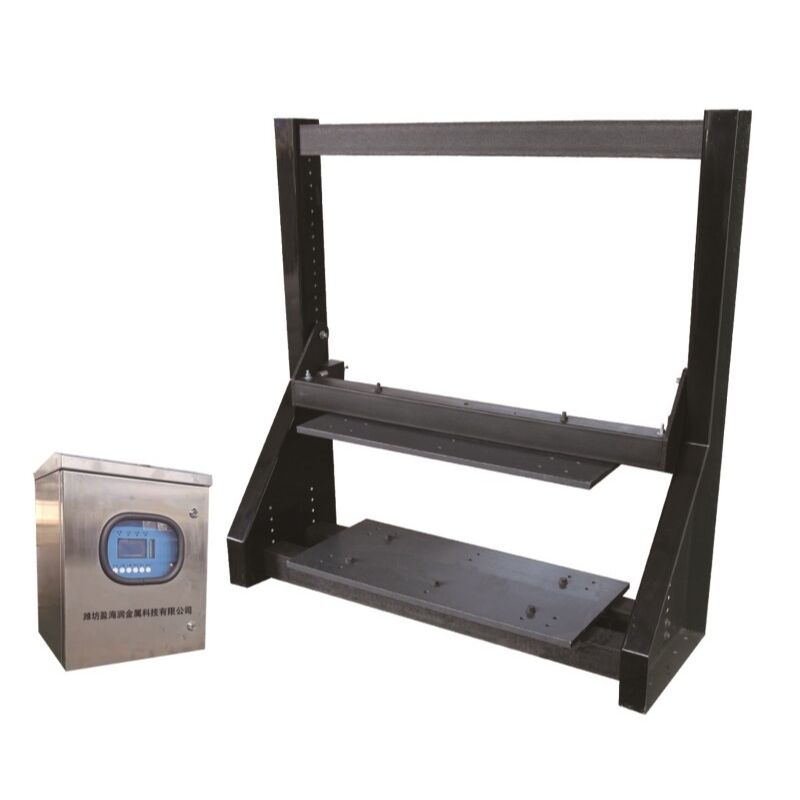
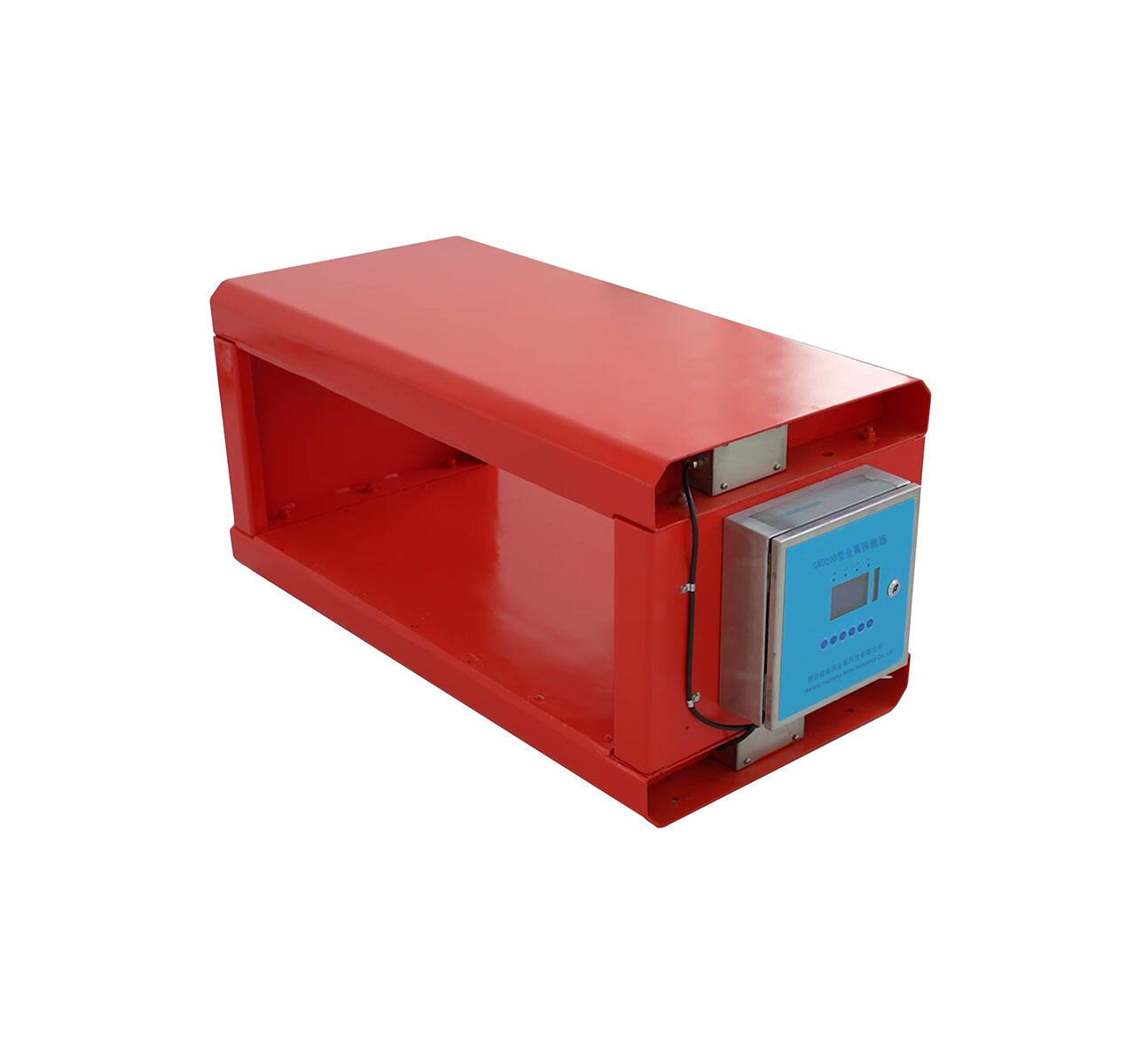
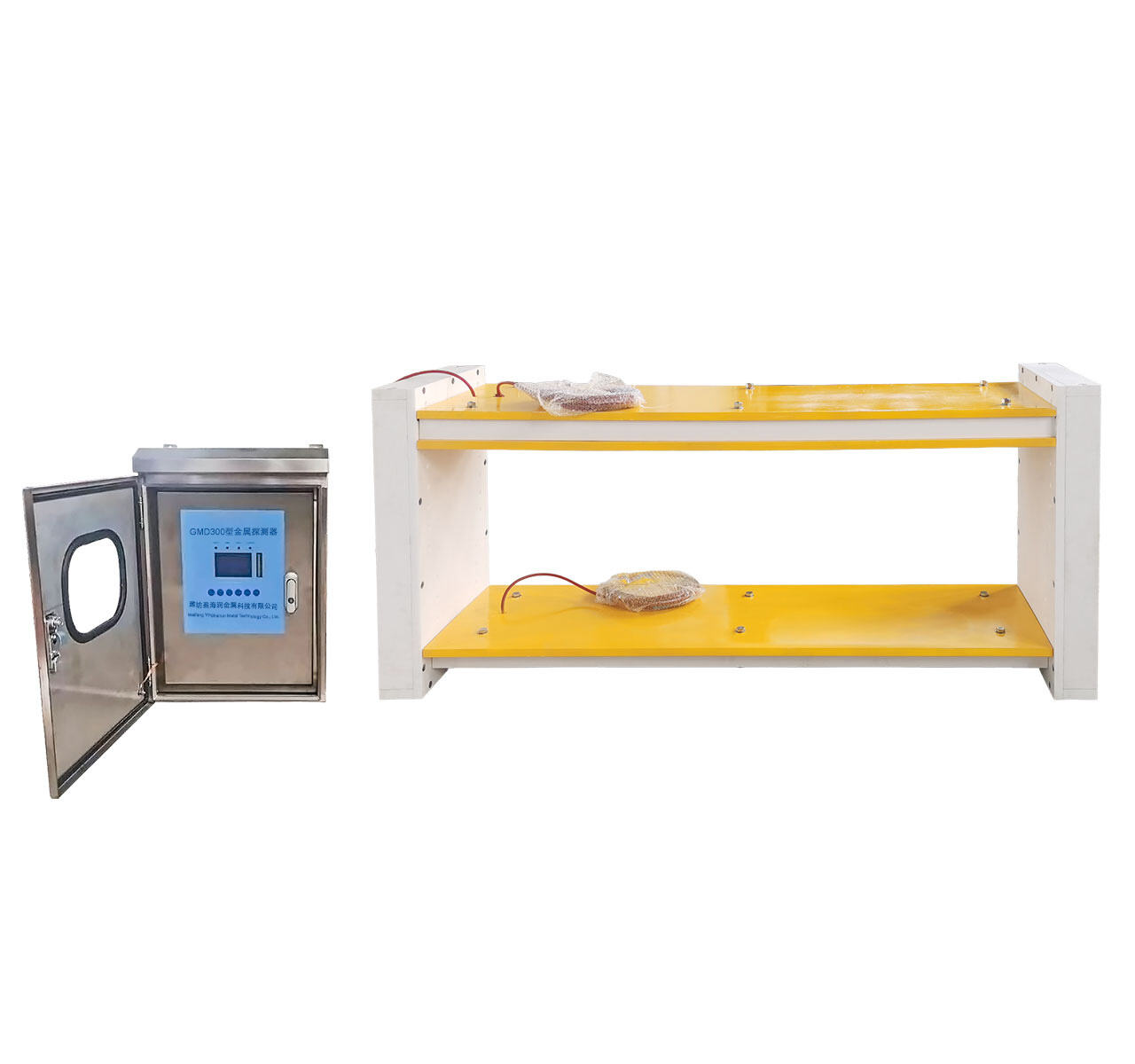
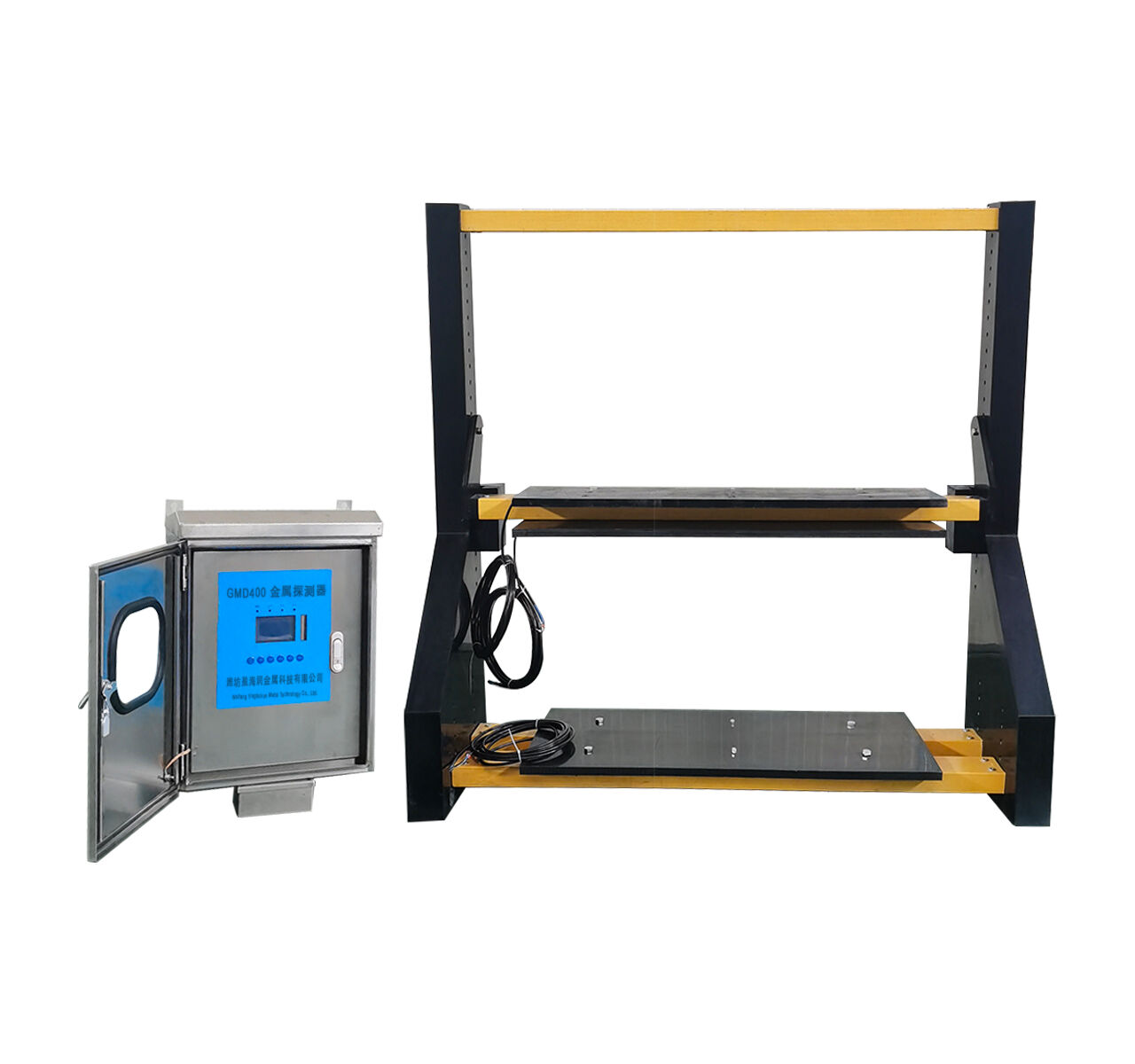
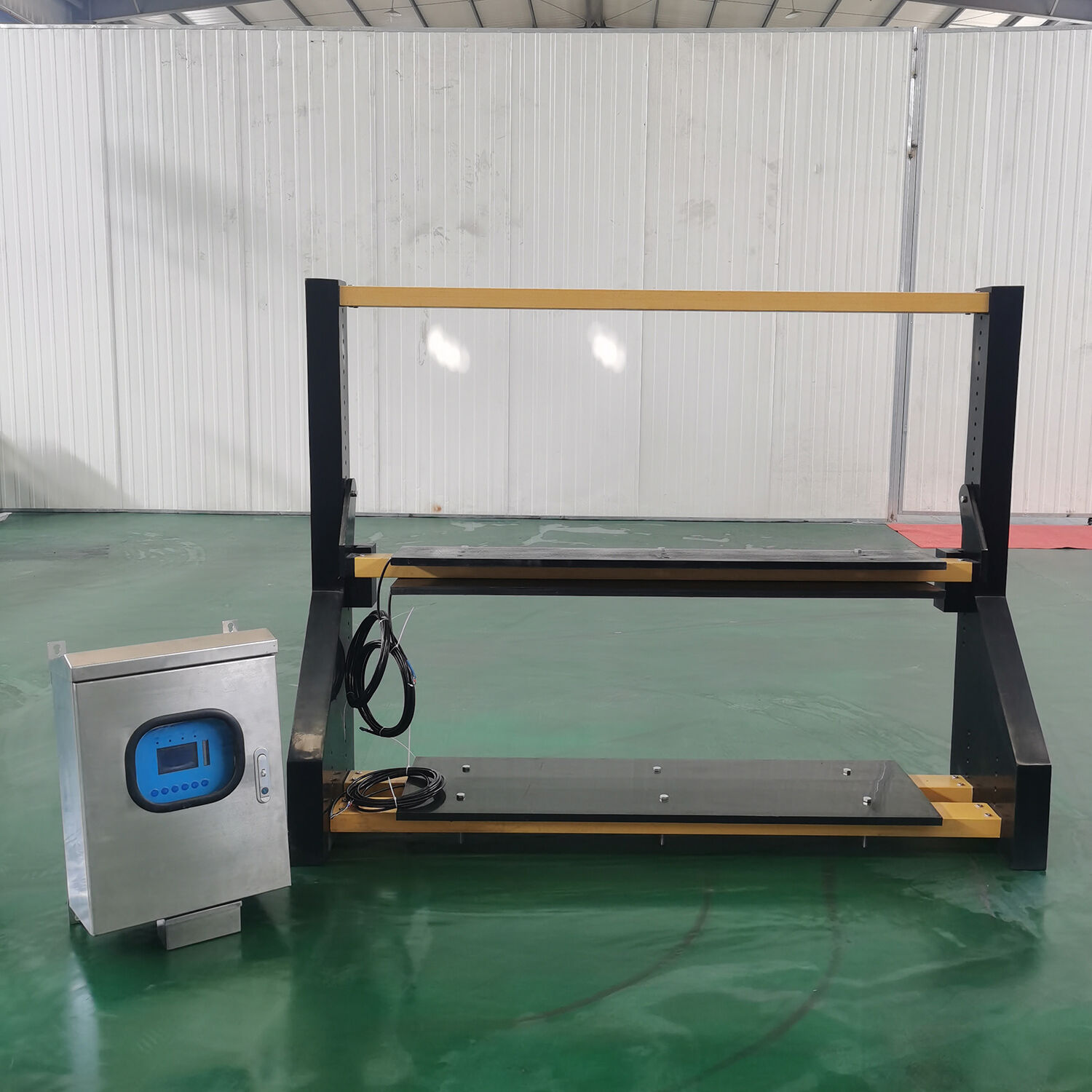
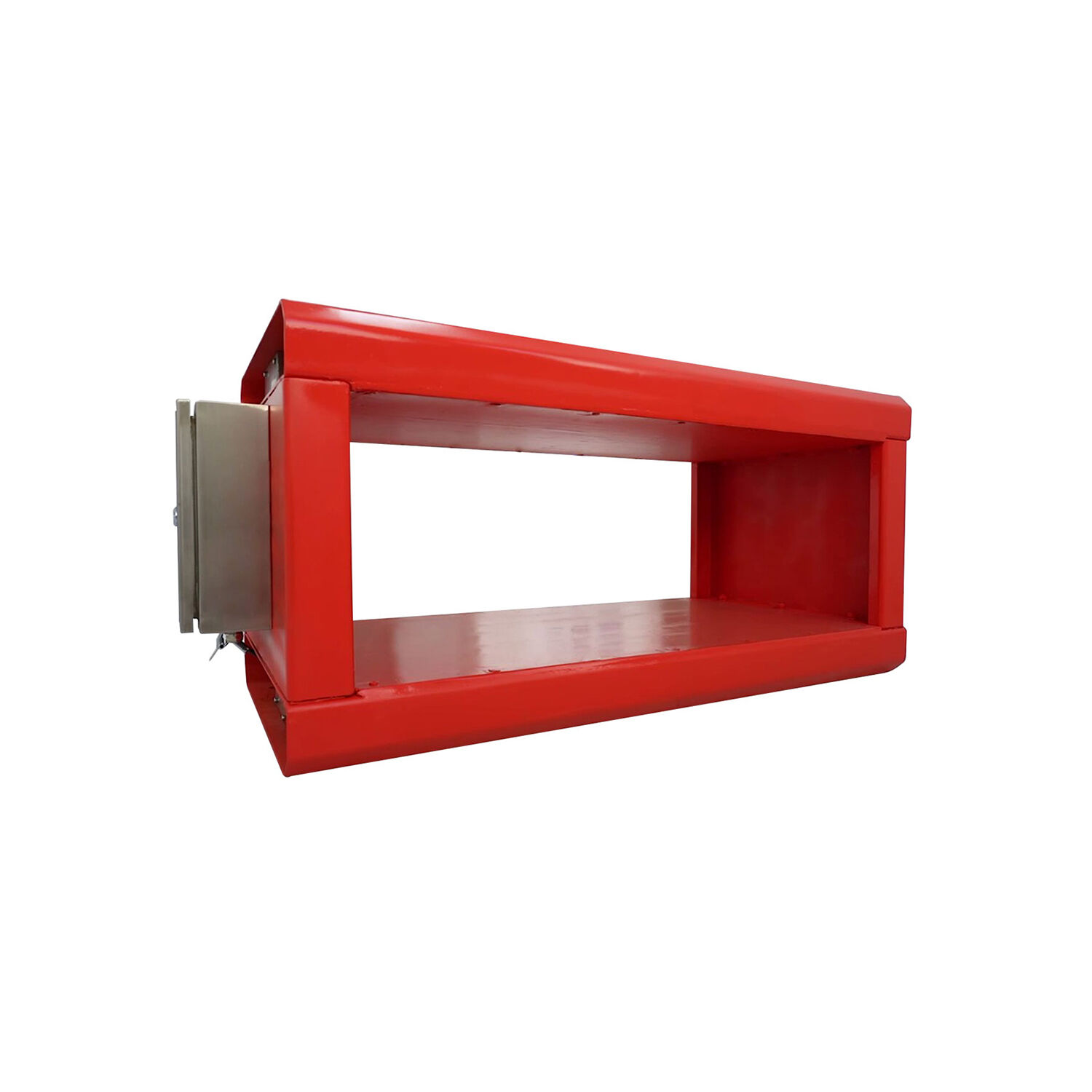
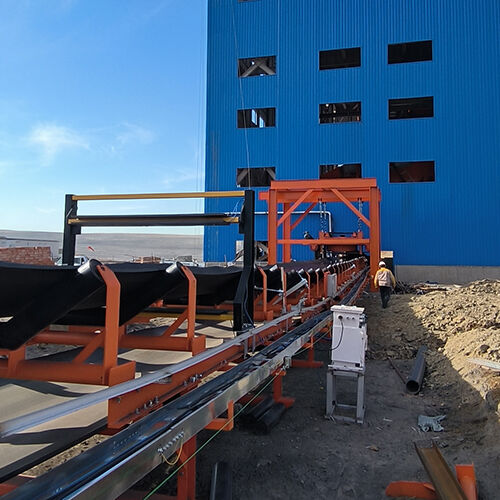
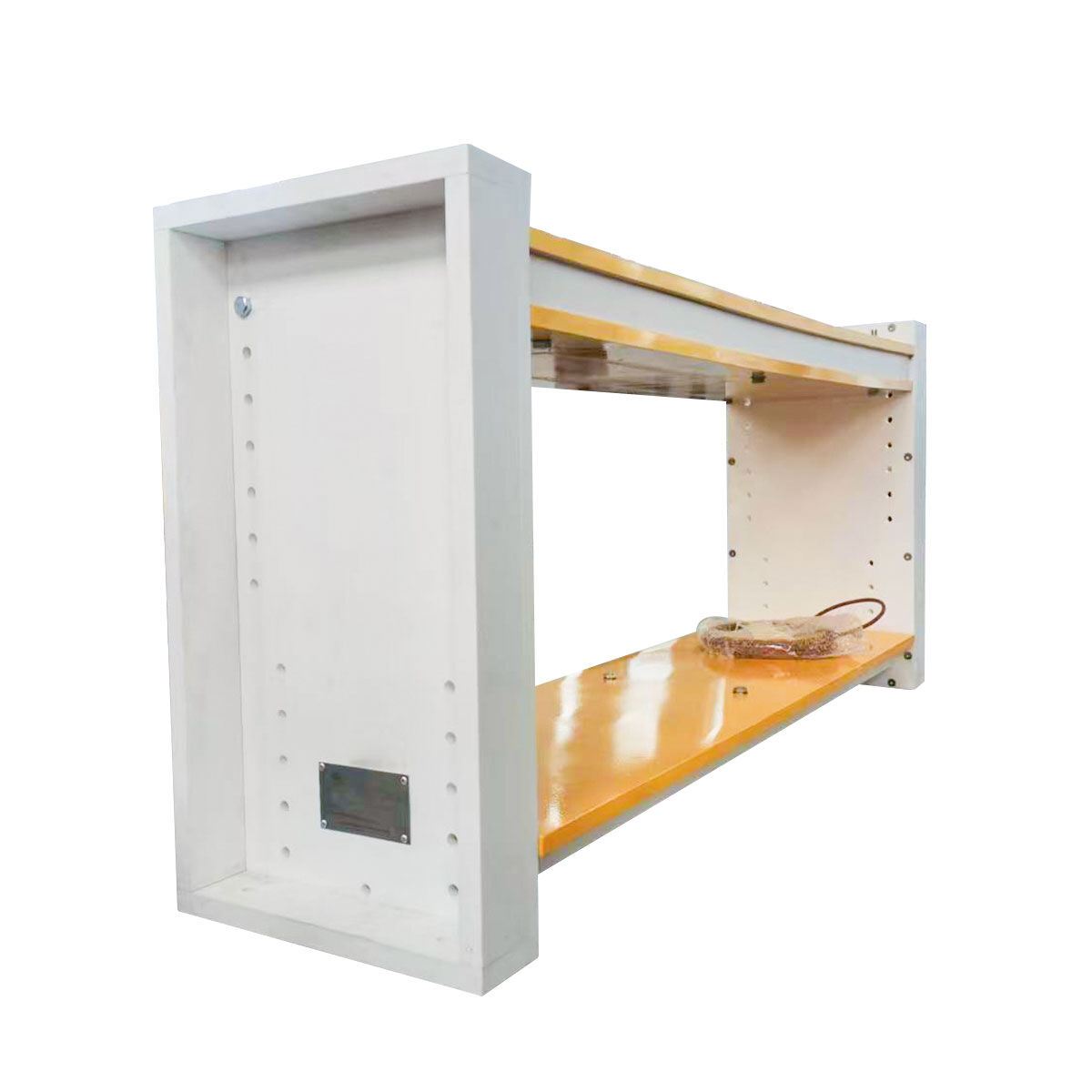
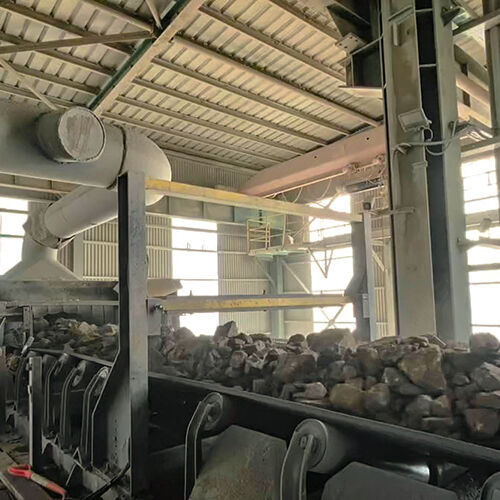
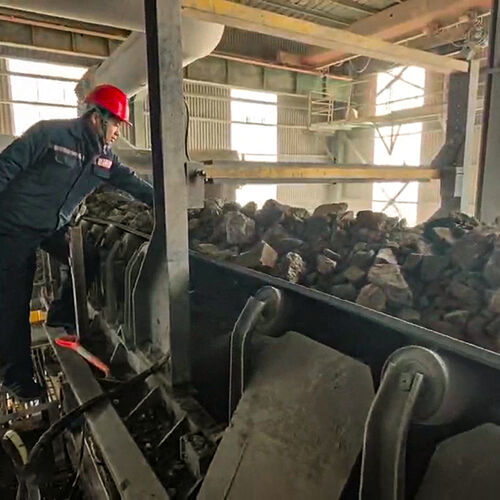
Mine site metal detection equipment represents cutting-edge technology designed to enhance safety, security, and operational efficiency in mining environments. These sophisticated systems serve multiple critical functions including personnel screening, material inspection, and contraband prevention. The primary purpose involves detecting metallic objects that could pose safety risks or security threats within mining operations. Modern mine site metal detection equipment incorporates advanced sensor technology, digital signal processing, and intelligent discrimination capabilities to accurately identify various metal types while minimizing false alarms. These systems typically feature walk-through portals for personnel screening, conveyor-mounted detectors for material inspection, and handheld units for spot checks. The technological framework includes multi-frequency detection capabilities, allowing operators to customize sensitivity levels based on specific operational requirements. Digital interfaces provide real-time monitoring, data logging, and remote management capabilities. Weather-resistant construction ensures reliable performance in harsh mining conditions, including extreme temperatures, dust, and moisture exposure. Integration capabilities allow seamless connection with existing security systems, access control platforms, and operational management software. The equipment supports various detection modes including ferrous, non-ferrous, and stainless steel identification with adjustable discrimination settings. Advanced models feature automatic calibration, self-diagnostic functions, and predictive maintenance alerts to ensure consistent performance. Power options include standard electrical connections, battery backup systems, and solar power compatibility for remote locations. User-friendly interfaces enable quick setup, operation, and maintenance by mining personnel with minimal technical training. Data storage capabilities allow comprehensive reporting and audit trail documentation for compliance purposes. The robust design withstands industrial environments while maintaining precise detection accuracy throughout extended operational periods.


New Product Releases

Mine site metal detection equipment delivers substantial operational benefits that directly impact mining safety, productivity, and cost management. Enhanced safety protocols represent the most significant advantage, as these systems prevent dangerous metallic objects from entering work areas where they could cause equipment damage, personnel injury, or operational disruptions. The equipment effectively screens workers, contractors, and visitors to ensure no prohibited items compromise workplace safety standards. Improved security measures protect valuable materials, equipment, and intellectual property from theft or unauthorized removal. Real-time detection capabilities enable immediate response to security breaches, reducing potential losses and maintaining operational integrity. Cost reduction benefits emerge through prevention of equipment damage caused by foreign metallic objects, eliminating expensive repairs and minimizing downtime. The systems reduce insurance premiums by demonstrating proactive risk management and compliance with industry safety standards. Increased operational efficiency results from streamlined security processes that maintain workflow continuity while ensuring thorough screening. Automated detection reduces reliance on manual inspection procedures, freeing personnel for more productive tasks and reducing labor costs. Compliance advantages help mining operations meet regulatory requirements and industry standards, avoiding penalties and maintaining operating licenses. Data collection capabilities provide valuable insights into security patterns, enabling optimization of safety protocols and resource allocation. Deterrent effects discourage theft attempts and safety violations, creating a more secure working environment. Quality control benefits extend to material processing, where detection equipment identifies contamination or foreign objects that could affect product quality. Maintenance advantages include predictive diagnostics that prevent unexpected failures and optimize service schedules. Training benefits emerge from user-friendly interfaces that reduce learning curves and minimize operational errors. Integration capabilities enhance existing security infrastructure without requiring complete system overhauls. Remote monitoring features enable centralized management of multiple detection points, improving oversight and response coordination. Environmental adaptability ensures consistent performance across diverse mining conditions, maintaining reliability regardless of weather or operational challenges.

Latest News

Mining Metal Detector Sensitivity vs. External Interference

01

Apr

Mining Metal Detector Sensitivity vs. External Interference

Mining metal detector sensitivity represents a critical balance between detection capability and operational reliability in challenging industrial environments. The relationship between sensitivity levels and external interference determines how effe...
View More
Digital Signal Processing in Modern Tramp Metal Detectors

04

Apr

Digital Signal Processing in Modern Tramp Metal Detectors

Digital signal processing has revolutionized the effectiveness and reliability of modern tramp metal detector systems across industrial applications. Unlike traditional analog detection methods, digital signal processing enables these safety devices ...
View More
Evaluating Metal Detector Machine Suppliers in 2026

06

Apr

Evaluating Metal Detector Machine Suppliers in 2026

Selecting the right metal detector machine supplier has become increasingly complex in 2026, as businesses face evolving security requirements, technological advancements, and supply chain considerations. The metal detector machine market has expande...
View More
Common Industrial Applications for Tramp Metal Detectors

13

Apr

Common Industrial Applications for Tramp Metal Detectors

Industrial facilities across manufacturing, mining, and processing sectors face constant challenges from unwanted metallic contamination that can damage equipment, compromise product quality, and create safety hazards. A tramp metal detector serves a...
View More

Get a Free Quote

Our representative will contact you soon.
Email
Mobile/WhatsApp
Name
Company Name
Message
0/1000

mine site metal detection equipment

Advanced Multi-Frequency Detection Technology

Advanced Multi-Frequency Detection Technology

The cornerstone of modern mine site metal detection equipment lies in its sophisticated multi-frequency detection technology, which revolutionizes how mining operations approach security and safety screening. This advanced system operates across multiple frequency ranges simultaneously, enabling unprecedented accuracy in metal identification and classification. Unlike traditional single-frequency detectors that often produce false alarms or miss certain metal types, multi-frequency technology analyzes target characteristics across various electromagnetic spectrums to provide precise identification. The system distinguishes between ferrous metals like iron and steel, non-ferrous metals such as aluminum and copper, and specialized alloys including stainless steel and titanium. This discrimination capability proves invaluable in mining environments where legitimate tools and equipment contain various metal types that should not trigger alarms. The technology employs digital signal processing algorithms that analyze frequency response patterns, enabling operators to customize detection parameters for specific operational requirements. Advanced filtering capabilities eliminate interference from environmental factors like mineralized ground, electrical equipment, and weather conditions that typically compromise detection accuracy. The multi-frequency approach also enables depth penetration optimization, adjusting detection sensitivity based on target size and composition. Real-time frequency analysis provides immediate feedback on detected objects, allowing security personnel to make informed decisions without unnecessary delays. The system's adaptive algorithms continuously learn from operational data, improving detection accuracy over time while reducing false positive rates. Integration with machine learning capabilities enables predictive analysis of security patterns and potential threats. The technology supports zone-specific configuration, allowing different detection parameters for various areas within the mining site based on security requirements and operational needs. Calibration procedures are automated and self-optimizing, ensuring consistent performance without requiring extensive technical expertise. This technological advancement significantly enhances mine site security while maintaining operational efficiency and reducing the burden on security personnel.
Ruggedized Construction for Extreme Mining Environments

Ruggedized Construction for Extreme Mining Environments

Mine site metal detection equipment features exceptional ruggedized construction specifically engineered to withstand the harsh and demanding conditions prevalent in mining operations. The robust design incorporates industrial-grade materials and components that maintain reliable performance despite exposure to extreme temperatures, corrosive chemicals, abrasive dust, and high humidity levels. Specialized enclosures utilize corrosion-resistant alloys and protective coatings that prevent deterioration from chemical exposure and environmental contamination common in mining environments. Sealed electronic compartments employ advanced gasket systems and weatherproofing technologies that maintain IP65 or higher protection ratings, ensuring internal components remain safe from moisture infiltration and particulate contamination. Vibration-resistant mounting systems and shock-absorbing materials protect sensitive detection circuits from damage caused by heavy machinery operation, blasting activities, and ground movement typical in mining sites. Temperature compensation mechanisms automatically adjust detection parameters to maintain accuracy across wide temperature ranges, from freezing conditions in underground operations to extreme heat in surface mining environments. Dust filtration systems and self-cleaning mechanisms prevent accumulation of particulates that could interfere with detection accuracy or cause mechanical failures. Impact-resistant housings protect against accidental damage from equipment contact, falling debris, or rough handling during relocation. Lightning protection systems and surge suppression components safeguard electronic systems from electrical damage during storms or power fluctuations. Modular construction enables field replacement of components without requiring complete system removal, minimizing downtime and maintenance costs. Extended operational temperature ranges accommodate diverse mining climates, from arctic conditions to desert environments, without performance degradation. Chemical-resistant finishes withstand exposure to acids, bases, and industrial solvents commonly encountered in mineral processing operations. Redundant system architectures ensure continued operation even if individual components fail, maintaining critical security functions during equipment failures. The construction methodology incorporates feedback from actual mining operations, addressing real-world challenges and operational requirements to deliver maximum reliability and longevity in demanding industrial environments.
Comprehensive Integration and Data Management Capabilities

Comprehensive Integration and Data Management Capabilities

Modern mine site metal detection equipment excels through comprehensive integration and sophisticated data management capabilities that transform security operations from reactive monitoring to proactive intelligence gathering and operational optimization. The system seamlessly connects with existing mining infrastructure including access control systems, surveillance networks, and operational management platforms through standardized communication protocols and APIs. Real-time data streaming capabilities provide instant notification of security events to control rooms, mobile devices, and management systems, enabling immediate response coordination and incident management. Advanced analytics engines process detection data to identify patterns, trends, and anomalies that might indicate security vulnerabilities or operational inefficiencies. Cloud-based data storage and processing capabilities enable centralized management of multiple detection points across extensive mining operations, providing unified oversight and control from remote locations. Integration with employee identification systems automatically correlates detection events with personnel records, streamlining investigation processes and maintaining detailed audit trails for compliance purposes. Customizable reporting features generate comprehensive security summaries, compliance documentation, and operational metrics tailored to specific management requirements and regulatory obligations. Machine learning algorithms analyze historical data to predict potential security risks and recommend preventive measures based on operational patterns and threat intelligence. Mobile application interfaces enable field personnel to access real-time system status, configure detection parameters, and receive instant alerts regardless of location within the mining site. Database integration capabilities synchronize detection logs with existing enterprise resource planning systems, maintaining comprehensive operational records and supporting business intelligence initiatives. Automated backup and disaster recovery systems ensure data preservation and system continuity even during equipment failures or natural disasters. Performance monitoring dashboards provide visual representations of system health, detection statistics, and operational metrics that support informed decision-making and resource allocation. Remote diagnostic capabilities enable technical support teams to troubleshoot issues, update software, and optimize performance without requiring on-site visits. The integration framework supports scalable expansion, allowing additional detection points and advanced features to be incorporated as mining operations grow and security requirements evolve.

Get a Free Quote

Our representative will contact you soon.
Email
Mobile/WhatsApp
Name
Company Name
Message
0/1000