
 EN
EN
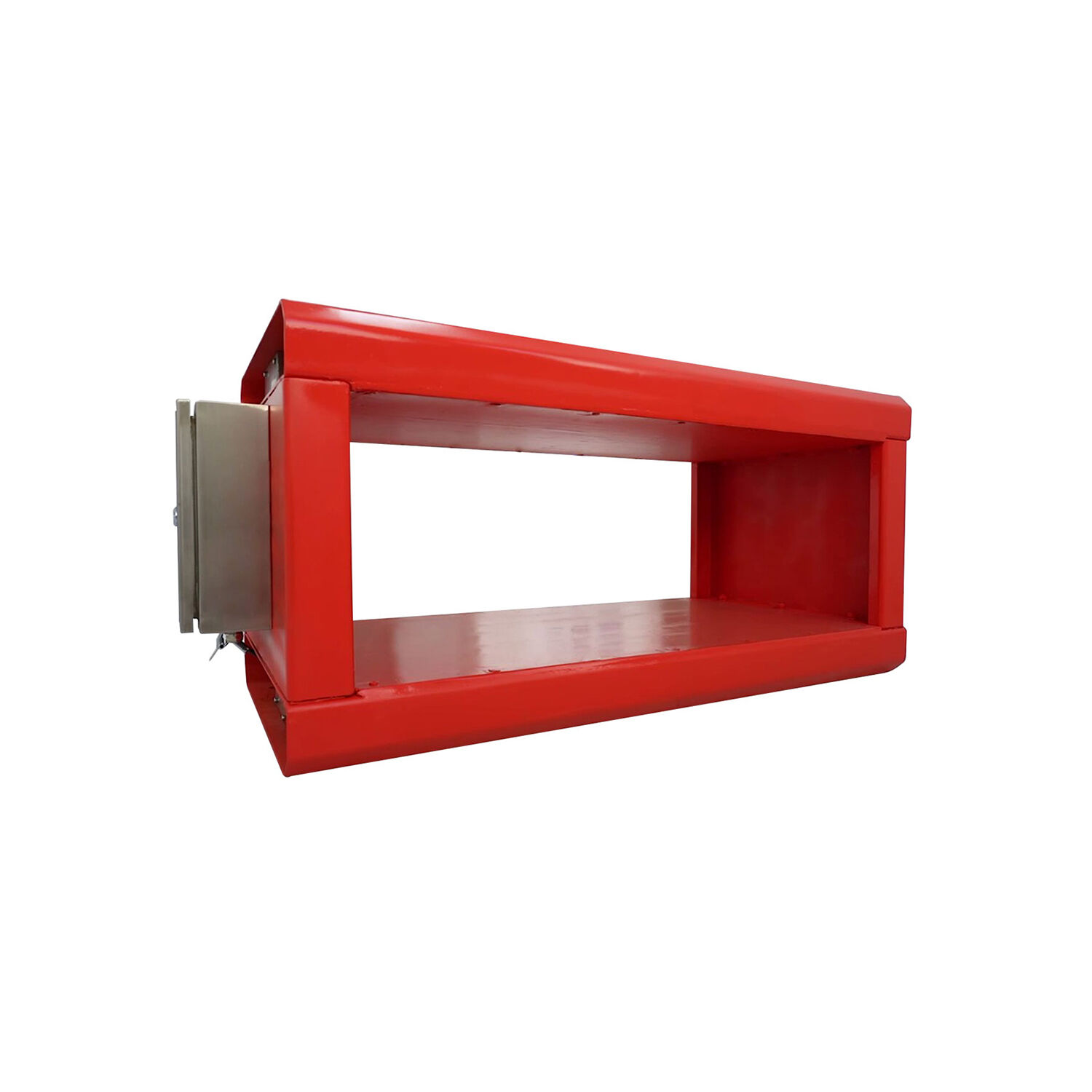
Digital signal processing has revolutionized the effectiveness and reliability of modern tramp metal detector systems across industrial applications. Unlike traditional analog detection methods, digital signal processing enables these safety devices to distinguish between genuine metal contamination and environmental interference with unprecedented accuracy. The integration of advanced algorithms and real-time data analysis has transformed how manufacturing facilities protect their equipment from costly damage caused by unwanted metallic objects in material streams.

The sophisticated digital processing capabilities in contemporary tramp metal detector technology have addressed long-standing challenges of false positives and detection inconsistencies that plagued earlier systems. Through continuous signal analysis and adaptive filtering techniques, these systems can maintain optimal performance even in electrically noisy industrial environments where conveyor systems, motors, and other electromagnetic sources would previously interfere with detection accuracy.
Core Digital Signal Processing Technologies
Advanced Filtering Algorithms
Modern tramp metal detector systems employ sophisticated digital filtering algorithms that process electromagnetic signals in real-time to eliminate background noise and environmental interference. These algorithms utilize fast Fourier transforms and digital signal conditioning to isolate the specific frequency signatures associated with metallic objects passing through the detection field. The filtering process involves multiple stages of signal conditioning that remove power line harmonics, mechanical vibrations, and electromagnetic interference from nearby industrial equipment.
The digital filtering capabilities enable the tramp metal detector to maintain consistent sensitivity levels across varying operational conditions. Adaptive filters automatically adjust their parameters based on the ambient electromagnetic environment, ensuring that genuine metal detection signals are not masked by industrial noise. This dynamic filtering approach significantly reduces false alarm rates while maintaining the detection sensitivity required for identifying even small metallic contaminants in high-speed material flows.
Pattern Recognition and Signal Classification
Contemporary digital signal processing in tramp metal detector systems incorporates pattern recognition algorithms that can differentiate between various types of metallic objects based on their electromagnetic signatures. These classification systems analyze signal characteristics such as amplitude, frequency response, and temporal patterns to distinguish between ferrous metals, non-ferrous metals, and non-metallic materials that might create similar electromagnetic disturbances.
The pattern recognition capabilities allow operators to configure the tramp metal detector for specific application requirements, such as detecting only ferrous materials in applications where non-ferrous metals are intentionally present in the material stream. This selective detection capability is particularly valuable in recycling operations and mineral processing applications where certain metals are desired products rather than contaminants.
Real-Time Processing and Response Systems
High-Speed Data Acquisition
The digital architecture of modern tramp metal detector systems enables high-speed data acquisition rates that can process thousands of signal samples per second. This rapid sampling capability ensures that even briefly present metallic objects are detected reliably, regardless of material flow speed or object size. The high-resolution analog-to-digital converters capture minute signal variations that indicate the presence of metal contamination in the detection zone.
Real-time processing requirements demand specialized digital signal processors that can execute complex algorithms within microsecond timeframes. The tramp metal detector must analyze incoming signals, apply filtering algorithms, perform pattern recognition, and trigger appropriate responses without introducing delays that could allow contaminated material to pass through the system undetected. This real-time performance is critical in high-throughput industrial applications where material flow rates can exceed several tons per hour.
Adaptive Threshold Management
Digital signal processing enables sophisticated threshold management systems that automatically adjust detection sensitivity based on material characteristics and environmental conditions. These adaptive systems continuously monitor baseline signal levels and automatically recalibrate detection parameters to maintain optimal performance as conditions change throughout operational periods. The digital processing capability allows the tramp metal detector to distinguish between gradual environmental changes and sudden metallic contamination events.
The adaptive threshold algorithms consider multiple factors including material conductivity, moisture content, temperature variations, and electromagnetic interference levels when determining appropriate detection sensitivity settings. This intelligent threshold management reduces both false alarms and missed detections, ensuring that the tramp metal detector operates reliably across diverse material types and environmental conditions without requiring constant manual adjustments.
Integration with Industrial Control Systems
Digital Communication Protocols
Modern tramp metal detector systems utilize standardized digital communication protocols to integrate seamlessly with plant automation and control systems. These communication interfaces enable real-time data exchange between the detection system and central monitoring platforms, providing operators with comprehensive visibility into system performance and detection events. Digital protocols such as Modbus, Profibus, and Ethernet-based communications facilitate integration with existing industrial networks.
The digital communication capabilities allow the tramp metal detector to transmit detailed event information including detection time stamps, signal characteristics, and system status parameters to supervisory control systems. This data integration enables predictive maintenance scheduling, performance trend analysis, and automated reporting functions that support comprehensive quality management programs in industrial facilities.
Remote Monitoring and Diagnostics
Digital signal processing architecture enables comprehensive remote monitoring and diagnostic capabilities that allow maintenance personnel to assess tramp metal detector performance from central control rooms or even off-site locations. The digital systems continuously monitor internal components, signal processing algorithms, and detection performance metrics to identify potential issues before they impact operational effectiveness.
Remote diagnostic capabilities include signal quality analysis, calibration drift monitoring, and component health assessment functions that provide early warning of maintenance requirements. The tramp metal detector can transmit diagnostic data through industrial networks, enabling maintenance teams to schedule preventive service activities during planned downtime rather than responding to unexpected system failures that could disrupt production operations.
Environmental Adaptation and Compensation
Temperature and Humidity Compensation
Digital signal processing enables sophisticated environmental compensation algorithms that maintain detection accuracy across varying temperature and humidity conditions. These compensation systems monitor environmental parameters and automatically adjust signal processing parameters to counteract the effects of thermal drift and moisture-related changes in electromagnetic field characteristics. The digital processing capability allows the tramp metal detector to maintain consistent performance throughout seasonal variations and different operating environments.
Temperature compensation algorithms account for changes in coil resistance, electronic component characteristics, and electromagnetic field propagation that occur as ambient conditions vary. The digital processing system continuously calculates correction factors and applies these adjustments to maintain calibrated detection sensitivity regardless of environmental fluctuations that would previously require manual recalibration procedures.
Electromagnetic Interference Rejection
Advanced digital signal processing techniques enable effective rejection of electromagnetic interference from variable frequency drives, welding equipment, radio transmissions, and other sources commonly found in industrial environments. The digital filtering algorithms can identify and suppress interference signals while preserving the detection capability for genuine metallic contamination. This interference rejection capability is essential for maintaining tramp metal detector reliability in electrically complex industrial facilities.
The digital processing system employs multiple interference rejection strategies including frequency domain filtering, time domain gating, and adaptive noise cancellation techniques. These sophisticated algorithms enable the tramp metal detector to operate effectively even in challenging electromagnetic environments where traditional analog systems would experience frequent false alarms or reduced detection sensitivity due to external interference sources.
Performance Optimization and Calibration
Automated Calibration Procedures
Digital signal processing enables automated calibration procedures that eliminate the subjective interpretation and manual adjustments required by traditional analog tramp metal detector systems. The digital calibration algorithms use standardized test samples and mathematical analysis to determine optimal detection parameters for specific application requirements. These automated procedures ensure consistent calibration results regardless of operator experience levels and reduce the time required for system setup and maintenance.
The automated calibration capability includes self-diagnostic functions that verify system performance against established benchmarks and identify potential degradation in detection capability before it impacts operational effectiveness. The tramp metal detector can perform routine self-checks and alert operators when recalibration or maintenance activities are required to maintain optimal performance standards.
Detection Sensitivity Optimization
Digital processing algorithms enable sophisticated sensitivity optimization that balances detection capability against false alarm rates for specific material characteristics and operational requirements. The optimization algorithms analyze material properties, flow characteristics, and environmental conditions to determine the maximum achievable detection sensitivity while maintaining acceptable false alarm rates. This optimization capability ensures that the tramp metal detector provides the best possible protection for downstream equipment without causing unnecessary production interruptions.
Sensitivity optimization includes adaptive learning capabilities that refine detection parameters based on operational experience and historical performance data. The digital processing system can identify patterns in detection events and environmental conditions to continuously improve detection accuracy and reduce false alarms through machine learning techniques that adapt to specific application characteristics over time.
FAQ
How does digital signal processing improve detection accuracy compared to analog systems?
Digital signal processing improves detection accuracy by eliminating analog circuit drift, reducing electromagnetic interference through advanced filtering algorithms, and enabling precise signal analysis that can distinguish between genuine metal contamination and environmental noise. Digital systems maintain consistent calibration over time and can adapt to changing environmental conditions automatically, resulting in significantly fewer false alarms and missed detections compared to traditional analog tramp metal detector systems.
What are the maintenance advantages of digital signal processing in tramp metal detectors?
Digital signal processing provides substantial maintenance advantages including automated self-diagnostics, remote monitoring capabilities, predictive maintenance alerts, and simplified calibration procedures. The digital architecture eliminates many analog components prone to drift and degradation, while providing comprehensive performance monitoring that enables maintenance teams to address issues proactively rather than reactively, ultimately reducing downtime and maintenance costs.
Can digital tramp metal detectors integrate with existing plant control systems?
Yes, modern digital tramp metal detectors are designed with standardized communication protocols that enable seamless integration with existing plant automation and control systems. They support common industrial communication standards such as Modbus, Profibus, and Ethernet-based protocols, allowing real-time data exchange with supervisory control systems, automated reporting functions, and centralized monitoring capabilities without requiring significant infrastructure modifications.
How do environmental conditions affect digital signal processing performance?
Digital signal processing systems include sophisticated environmental compensation algorithms that automatically adjust for temperature variations, humidity changes, and electromagnetic interference, maintaining consistent detection performance across diverse operating conditions. Unlike analog systems that may require manual recalibration when environmental conditions change, digital tramp metal detectors continuously monitor and compensate for environmental factors, ensuring reliable operation without operator intervention.
Table of Contents
- Core Digital Signal Processing Technologies
- Real-Time Processing and Response Systems
- Integration with Industrial Control Systems
- Environmental Adaptation and Compensation
- Performance Optimization and Calibration
-
FAQ
- How does digital signal processing improve detection accuracy compared to analog systems?
- What are the maintenance advantages of digital signal processing in tramp metal detectors?
- Can digital tramp metal detectors integrate with existing plant control systems?
- How do environmental conditions affect digital signal processing performance?