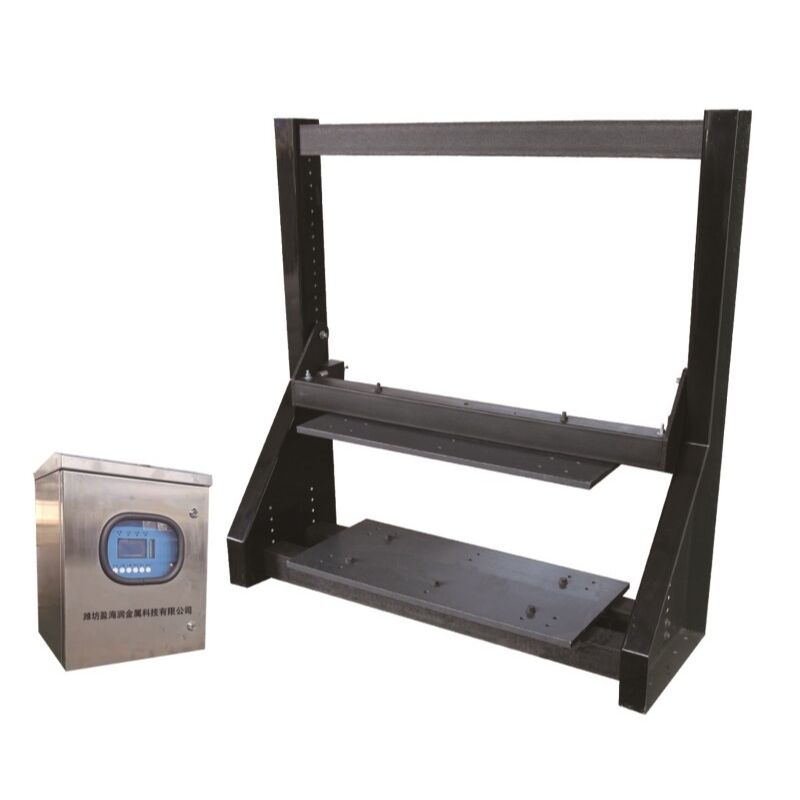
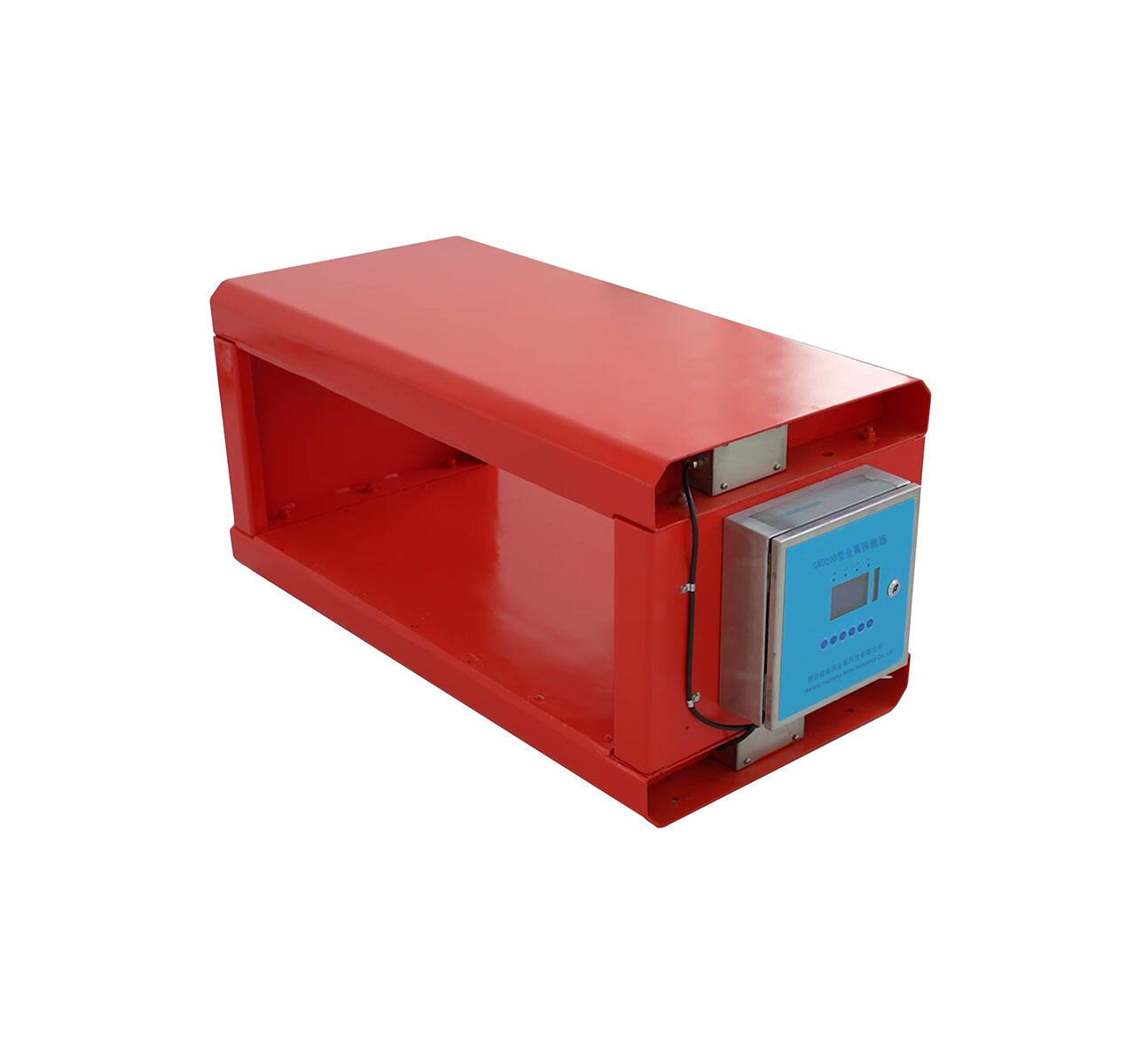
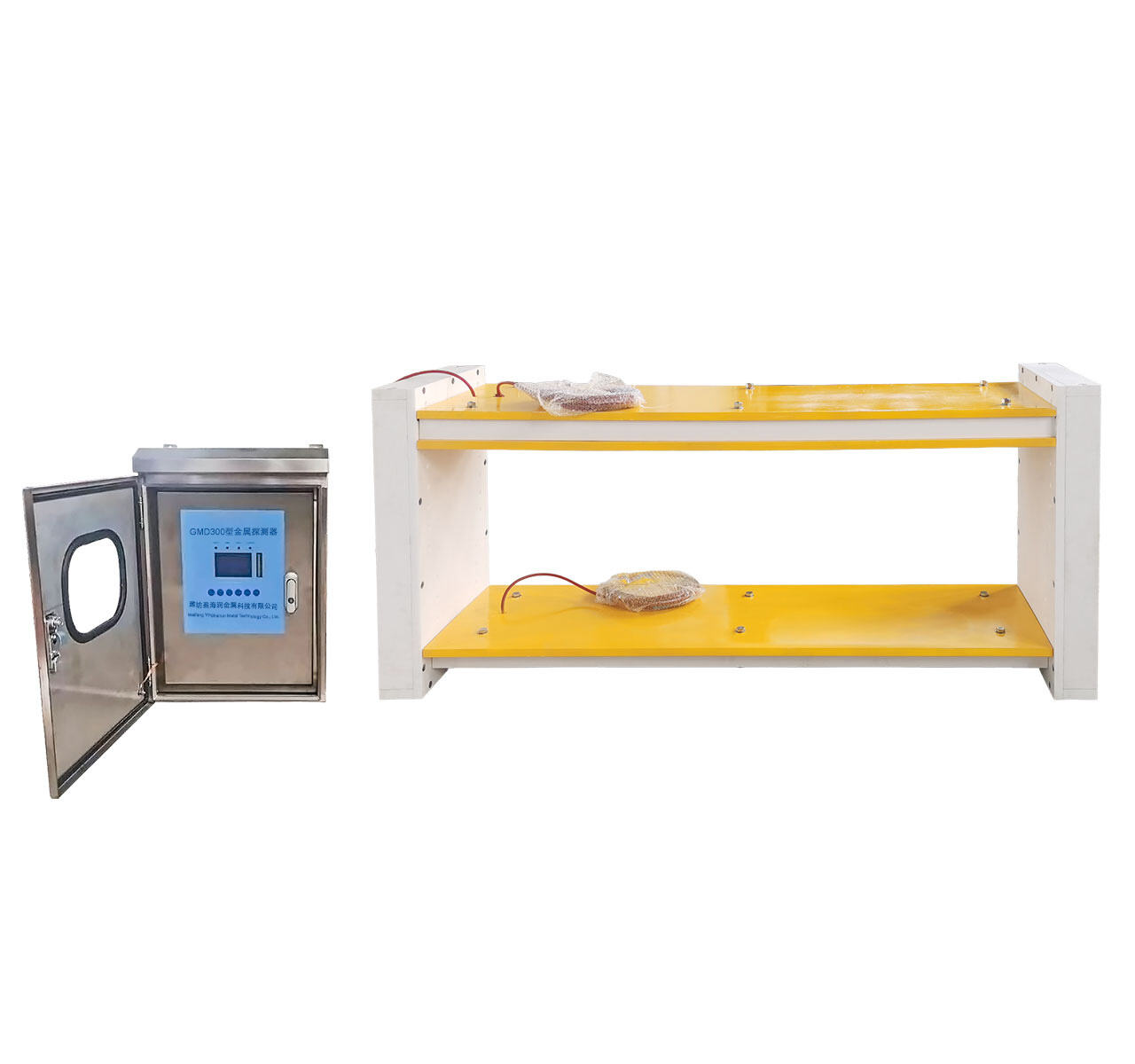
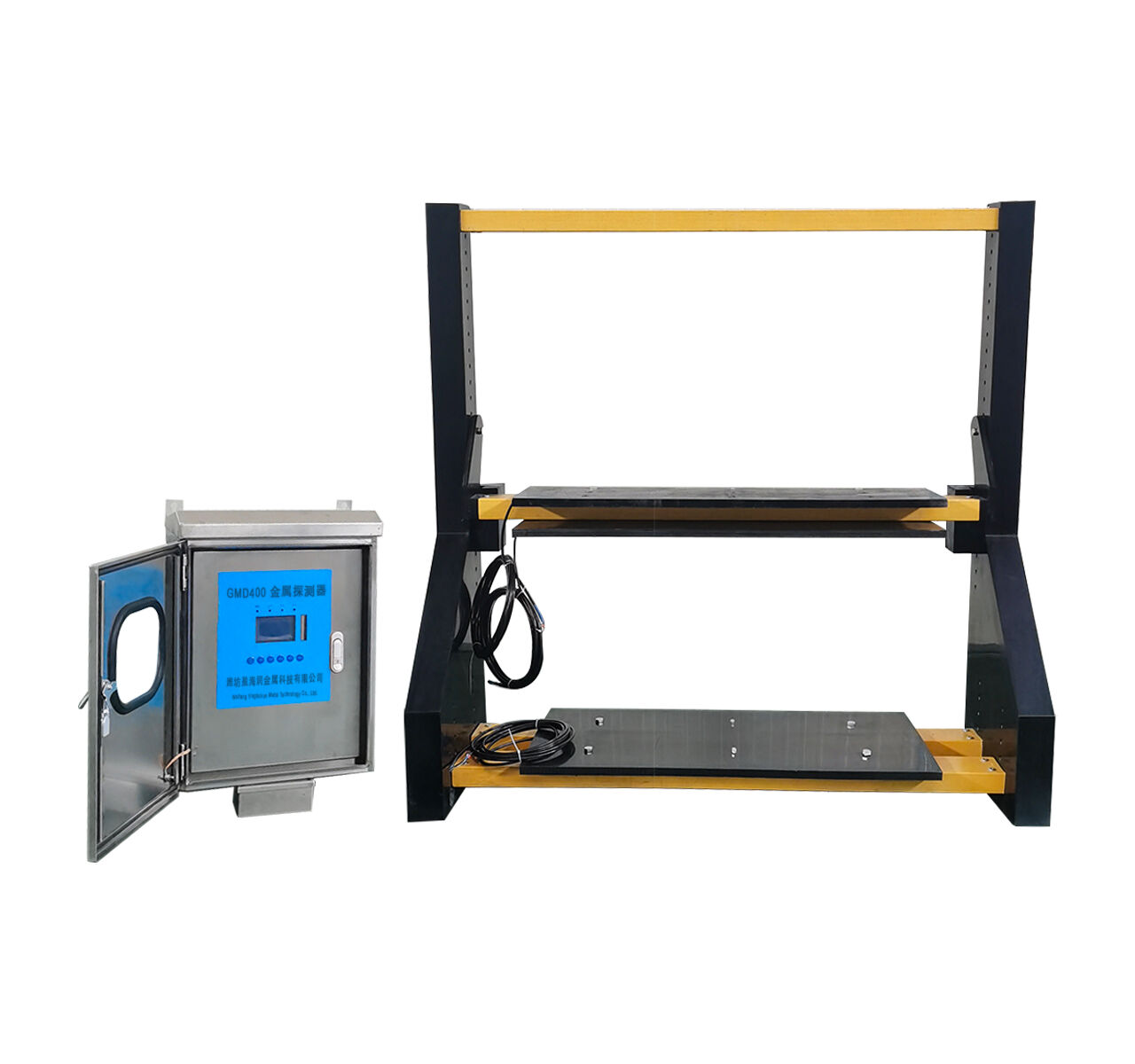
quarry equipment
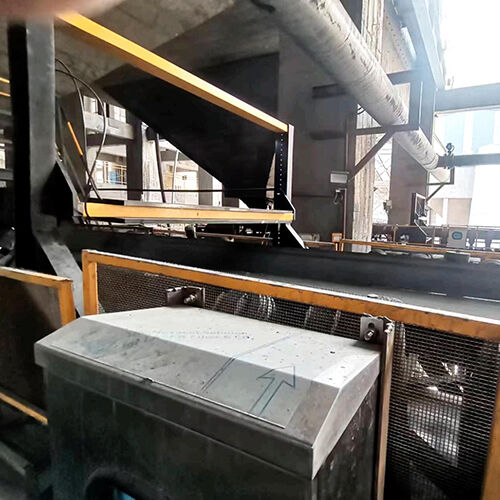
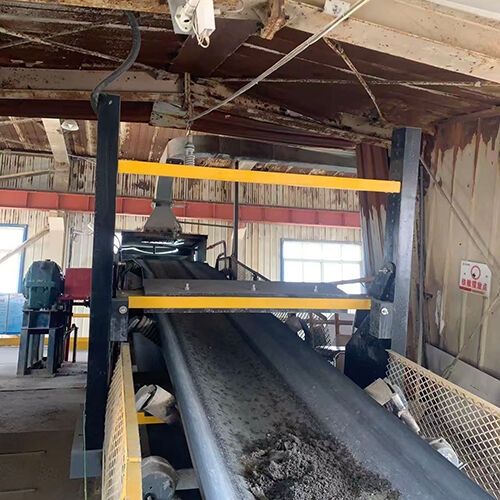
Quarry equipment represents the backbone of modern stone extraction and processing operations, encompassing a comprehensive range of heavy-duty machinery designed to extract, crush, screen, and transport various mineral materials from quarry sites. This specialized machinery includes primary crushers, secondary crushers, screening equipment, conveyor systems, drilling rigs, and loading equipment that work together to transform raw stone deposits into commercially viable products. The main functions of quarry equipment revolve around three critical phases: extraction, processing, and material handling. During extraction, drilling rigs and hydraulic hammers break apart solid rock formations, while excavators and loaders remove loose material. Processing involves multiple stages where crushers reduce large stones into smaller, uniform sizes, and screening equipment separates materials based on specific size requirements. Material handling systems, including conveyor belts and trucks, transport processed materials throughout the quarry site and to final destinations. Technological features of modern quarry equipment emphasize automation, efficiency, and environmental compliance. Advanced control systems monitor equipment performance, optimize fuel consumption, and reduce operational downtime. GPS tracking and fleet management software provide real-time location data and maintenance scheduling. Dust suppression systems minimize environmental impact while noise reduction technologies ensure compliance with local regulations. Applications of quarry equipment span multiple industries including construction, road building, concrete production, and landscaping. Construction companies rely on quarry equipment to produce aggregates for building foundations, while road construction projects require precisely graded materials for asphalt and base layers. Concrete manufacturers depend on consistent aggregate quality that only professional quarry equipment can deliver. The versatility of modern quarry equipment allows operators to switch between different product specifications rapidly, meeting diverse customer demands while maintaining operational efficiency and profitability across various market segments.

 EN
EN