
 EN
EN
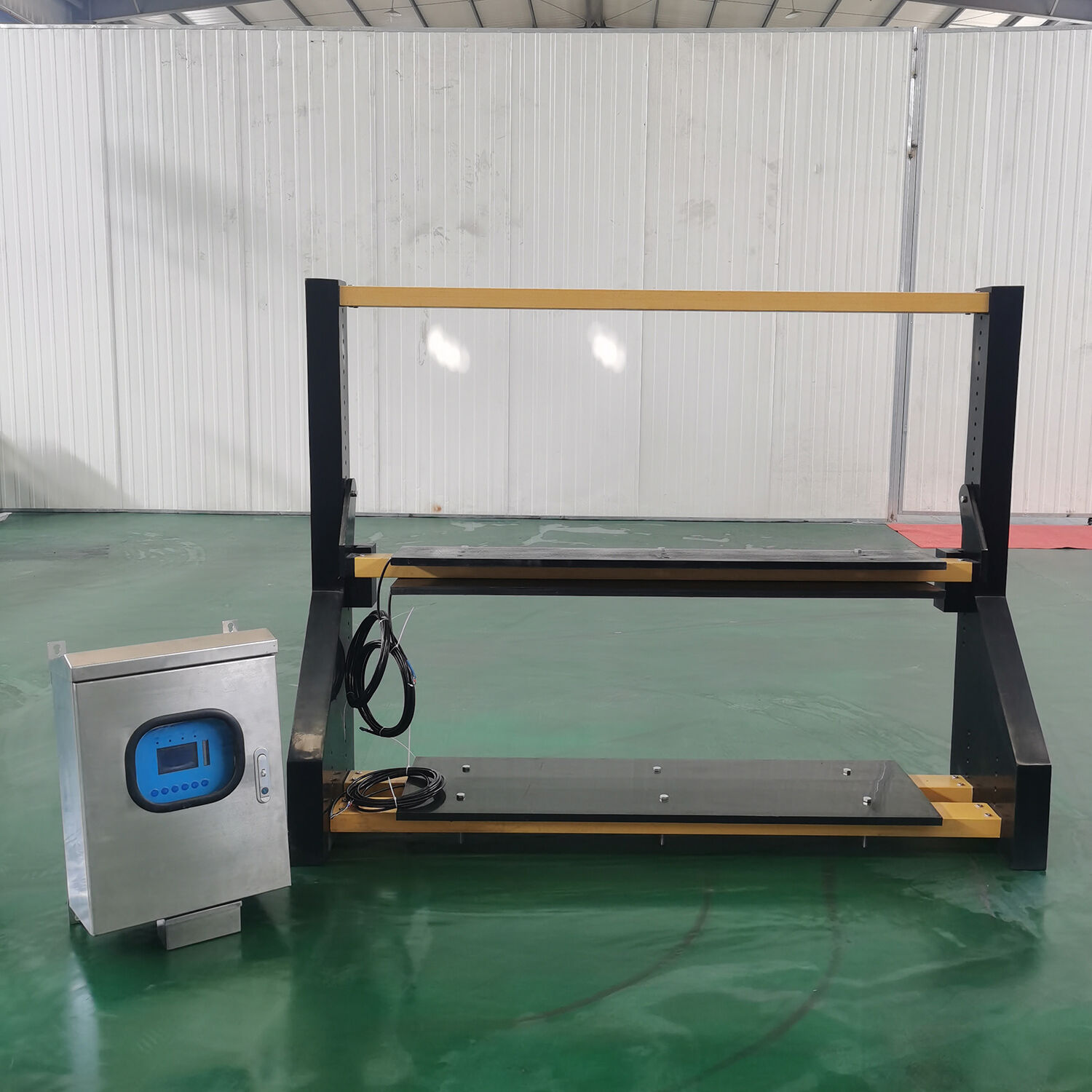
Mining metal detector sensitivity represents a critical balance between detection capability and operational reliability in challenging industrial environments. The relationship between sensitivity levels and external interference determines how effectively these specialized instruments can identify metallic contaminants while maintaining consistent performance across varying environmental conditions. Understanding this balance becomes essential for mining operations seeking to optimize their metal detection systems without compromising accuracy or experiencing excessive false alarms that disrupt production workflows.
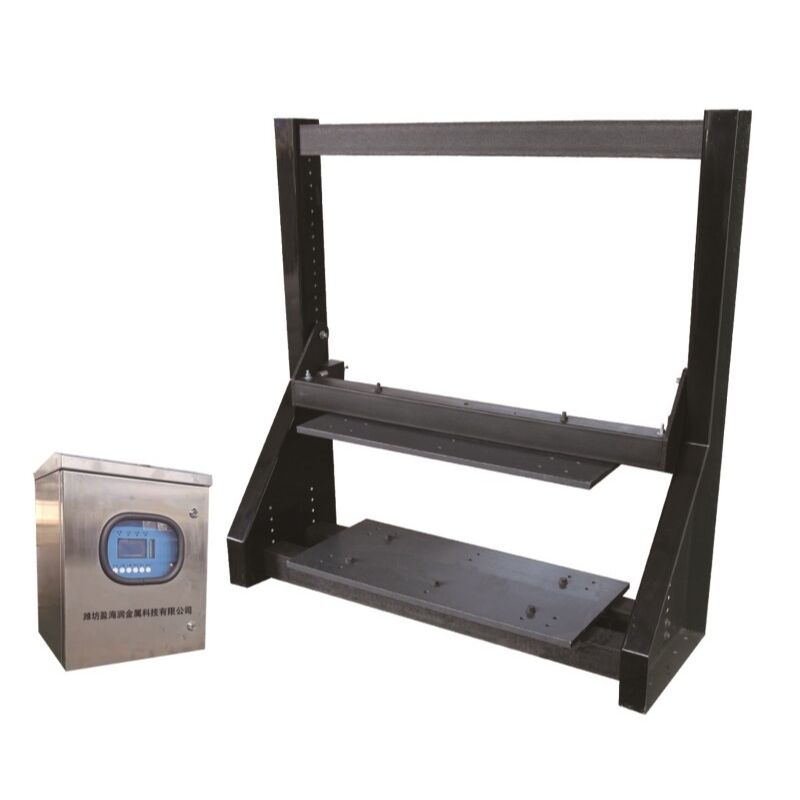
The inherent tension between maximizing sensitivity and minimizing interference responses creates complex operational challenges that mining facilities must address through careful system configuration and environmental management. Modern mining metal detector systems incorporate sophisticated signal processing technologies designed to distinguish between genuine metallic threats and environmental noise sources, yet the fundamental physics of electromagnetic detection means that higher sensitivity settings inevitably increase susceptibility to interference patterns that can compromise detection reliability and operational efficiency.
Electromagnetic Environment Impact on Detection Performance
Industrial Frequency Interference Sources
Mining operations generate numerous electromagnetic interference sources that directly affect mining metal detector performance through frequency overlap and signal contamination. Variable frequency drives controlling conveyor systems, crusher motors, and material handling equipment create electromagnetic fields that can interfere with detection circuits operating in similar frequency ranges. These industrial frequency sources often produce harmonics and electromagnetic noise that overlap with the operating frequencies of metal detection systems, creating challenging conditions for maintaining consistent sensitivity levels.
Power distribution systems within mining facilities contribute additional interference through electrical switching events, transformer operations, and power factor correction equipment. The electromagnetic signatures from these sources can create baseline signal variations that force mining metal detector systems to reduce sensitivity thresholds to avoid constant false triggering. Understanding the specific frequency characteristics of local interference sources becomes crucial for optimizing detector performance and maintaining reliable operation in complex electromagnetic environments.
Structural and Environmental Factors
The physical infrastructure of mining operations introduces structural interference that affects mining metal detector sensitivity through electromagnetic field distortion and signal reflection patterns. Large steel structures, conveyor frameworks, and processing equipment create conductive surfaces that can reflect and distort detection fields, leading to uneven sensitivity patterns across the detection zone. These structural elements can also act as electromagnetic shields or amplifiers, depending on their position relative to the detection coils and the frequency characteristics of the operating system.
Environmental conditions including moisture levels, temperature variations, and dust accumulation contribute to interference patterns that require sensitivity adjustments to maintain reliable detection performance. High humidity conditions can affect the dielectric properties of materials passing through the detection zone, while temperature fluctuations can cause thermal drift in electronic components that impacts detection accuracy. Dust and particulate matter can accumulate on detection equipment surfaces, creating capacitive effects that influence field patterns and require compensation through reduced sensitivity settings or enhanced signal processing algorithms.
Sensitivity Configuration Strategies
Adaptive Sensitivity Management
Effective mining metal detector operation requires dynamic sensitivity management that adapts to changing operational conditions while maintaining detection reliability. Advanced systems incorporate automatic sensitivity adjustment algorithms that monitor background interference levels and adjust detection thresholds in real-time to optimize performance. These adaptive systems analyze signal patterns to distinguish between interference sources and legitimate metallic targets, enabling higher average sensitivity levels while reducing false alarm rates that can disrupt production processes.
Manual sensitivity adjustment protocols provide operators with the flexibility to optimize detection performance based on specific operational requirements and environmental conditions. These protocols typically involve systematic testing procedures that establish baseline sensitivity levels for different operating conditions, material types, and interference environments. Operators can then adjust sensitivity settings based on real-time feedback and production requirements, ensuring that the mining metal detector maintains optimal performance while minimizing disruption from environmental interference sources.
Multi-Zone Detection Optimization
Modern mining metal detector systems utilize multi-zone detection architectures that enable independent sensitivity adjustment across different regions of the detection field. This approach allows operators to configure higher sensitivity levels in areas with minimal interference while reducing sensitivity in zones prone to environmental noise or structural interference. Multi-zone optimization strategies can significantly improve overall detection performance by tailoring sensitivity settings to the specific interference characteristics of different detection areas.
Zone-specific sensitivity configuration requires careful analysis of interference patterns and material flow characteristics to ensure comprehensive coverage without compromising detection reliability. Operators must balance the need for maximum sensitivity with the practical requirements of maintaining stable operation in challenging electromagnetic environments. This optimization process often involves detailed mapping of interference sources and systematic testing to establish optimal sensitivity profiles for each detection zone within the overall system architecture.
Signal Processing and Interference Mitigation
Digital Signal Processing Applications
Advanced digital signal processing techniques enable mining metal detector systems to maintain high sensitivity levels while effectively rejecting interference from environmental sources. Digital filters can be programmed to attenuate specific frequency ranges associated with known interference sources while preserving sensitivity to legitimate metallic targets. These sophisticated processing algorithms analyze signal characteristics in real-time, enabling the system to distinguish between interference patterns and genuine detection events based on frequency content, signal duration, and amplitude characteristics.
Machine learning algorithms integrated into modern mining metal detector systems can adapt to local interference patterns through continuous analysis of signal characteristics and operator feedback. These intelligent systems develop interference rejection profiles specific to individual installations, improving their ability to maintain high sensitivity while minimizing false alarms. The learning capability of these systems enables them to recognize and compensate for new interference sources as they develop, maintaining optimal performance throughout the operational lifecycle of the detection system.
Hardware-Based Interference Suppression
Physical shielding and grounding strategies provide fundamental interference suppression that enables higher sensitivity operation in challenging electromagnetic environments. Properly designed shielding systems can significantly reduce the impact of external electromagnetic fields on mining metal detector performance, allowing for higher sensitivity settings without increased false alarm rates. Effective shielding implementation requires careful attention to shield continuity, grounding practices, and the electromagnetic characteristics of shielding materials used in the specific installation environment.
Coil design and positioning strategies can minimize susceptibility to specific interference sources while maintaining detection sensitivity across the required coverage area. Advanced coil configurations incorporate compensation techniques that cancel common-mode interference while preserving sensitivity to metallic targets. These design approaches enable mining metal detector systems to operate effectively in high-interference environments by reducing the coupling between external electromagnetic fields and the detection circuitry, improving overall system performance and reliability.
Operational Balance Optimization
Production Integration Considerations
Balancing mining metal detector sensitivity with operational requirements involves careful consideration of production flow rates, material characteristics, and downstream process requirements. Higher sensitivity settings may detect smaller metallic contaminants but can also increase false alarm rates that interrupt material flow and reduce overall production efficiency. Operators must establish sensitivity levels that provide adequate protection for downstream equipment while maintaining acceptable production rates and minimizing unnecessary process interruptions.
Integration with automated material handling systems requires sensitivity settings that accommodate the response time requirements of rejection mechanisms and process control systems. The detection system must provide sufficient advance warning of metallic contaminants to enable effective removal without disrupting the continuous flow of material through the processing system. This integration challenge often requires compromise between maximum theoretical sensitivity and practical operational requirements that ensure reliable system performance in demanding production environments.
Maintenance and Calibration Protocols
Regular calibration procedures ensure that mining metal detector sensitivity settings remain optimized despite changing environmental conditions and equipment aging effects. Systematic calibration protocols involve testing with standardized test pieces to verify detection performance across different sensitivity settings and interference conditions. These procedures help operators identify gradual performance degradation and adjust sensitivity settings to maintain consistent detection capability throughout the operational lifecycle of the system.
Preventive maintenance programs address the physical factors that can affect the relationship between sensitivity and interference susceptibility in mining metal detector systems. Regular cleaning of detection equipment, verification of shielding integrity, and inspection of grounding systems help maintain optimal operating conditions that enable higher sensitivity operation. These maintenance activities directly support the ongoing optimization of sensitivity settings by ensuring that hardware performance remains consistent and interference sources are minimized through proper system maintenance practices.
FAQ
How does increasing mining metal detector sensitivity affect false alarm rates?
Increasing sensitivity in mining metal detector systems typically leads to higher false alarm rates because the system becomes more responsive to electromagnetic interference and non-metallic signal variations. Higher sensitivity settings detect smaller metallic objects but also amplify environmental noise, electrical interference, and material property variations that can trigger false alarms. The relationship between sensitivity and false alarm rates is not linear, and the optimal balance depends on the specific electromagnetic environment, material characteristics, and operational requirements of each mining facility.
What interference sources most commonly affect mining metal detector performance?
Variable frequency drives, electrical switching equipment, and wireless communication systems represent the most common interference sources affecting mining metal detector performance. These sources generate electromagnetic fields that can overlap with detection frequencies, creating background noise that reduces effective sensitivity. Power distribution systems, motor controllers, and electronic equipment within the facility can also contribute interference, particularly when they operate at frequencies close to the detection system's operating range or produce harmonic content that affects signal processing.
Can mining metal detectors maintain high sensitivity in high-interference environments?
Modern mining metal detector systems can maintain relatively high sensitivity in challenging electromagnetic environments through advanced signal processing, adaptive filtering, and intelligent interference rejection algorithms. However, some sensitivity reduction is typically necessary to maintain reliable operation and acceptable false alarm rates. The extent of sensitivity compromise depends on interference severity, system design sophistication, and the effectiveness of mitigation strategies including shielding, grounding, and digital signal processing capabilities.
How often should sensitivity settings be adjusted in mining operations?
Sensitivity settings for mining metal detector systems should be reviewed and potentially adjusted whenever operational conditions change, including modifications to nearby equipment, changes in material characteristics, or variations in environmental conditions. Regular weekly or monthly reviews of detection performance and false alarm rates help identify when sensitivity adjustments may be beneficial. More frequent adjustments may be necessary during commissioning periods, after equipment modifications, or when processing different material types that affect electromagnetic characteristics within the detection zone.
Table of Contents
- Electromagnetic Environment Impact on Detection Performance
- Sensitivity Configuration Strategies
- Signal Processing and Interference Mitigation
- Operational Balance Optimization
-
FAQ
- How does increasing mining metal detector sensitivity affect false alarm rates?
- What interference sources most commonly affect mining metal detector performance?
- Can mining metal detectors maintain high sensitivity in high-interference environments?
- How often should sensitivity settings be adjusted in mining operations?