Advanced Mining Metal Detection Systems - Professional Grade Exploration Equipment

All Categories

Get a Free Quote

Our representative will contact you soon.
Email
Mobile/WhatsApp
Name
Company Name
Message
0/1000

mining metal detection system

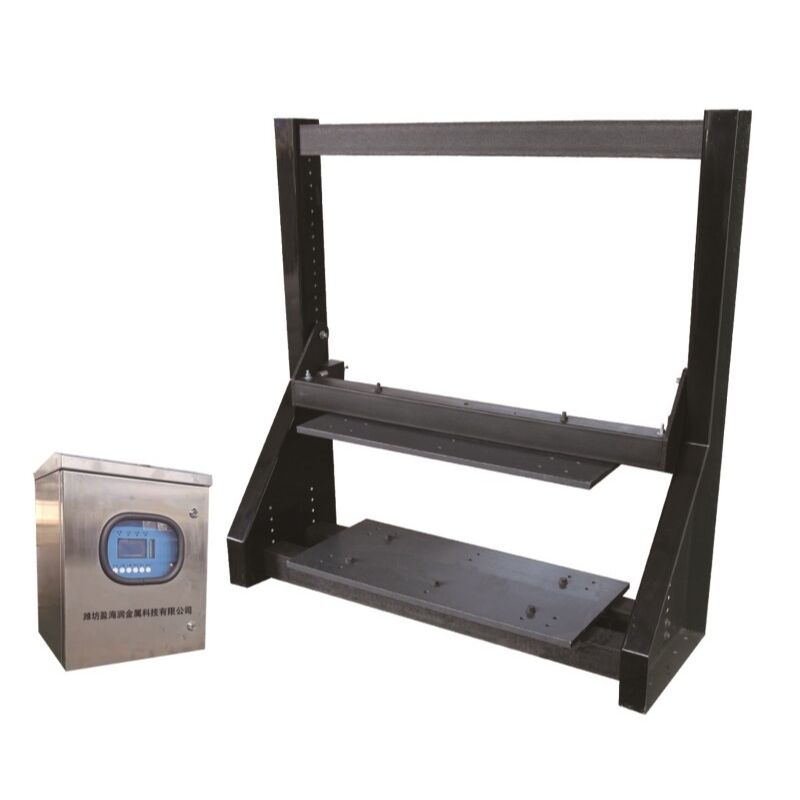
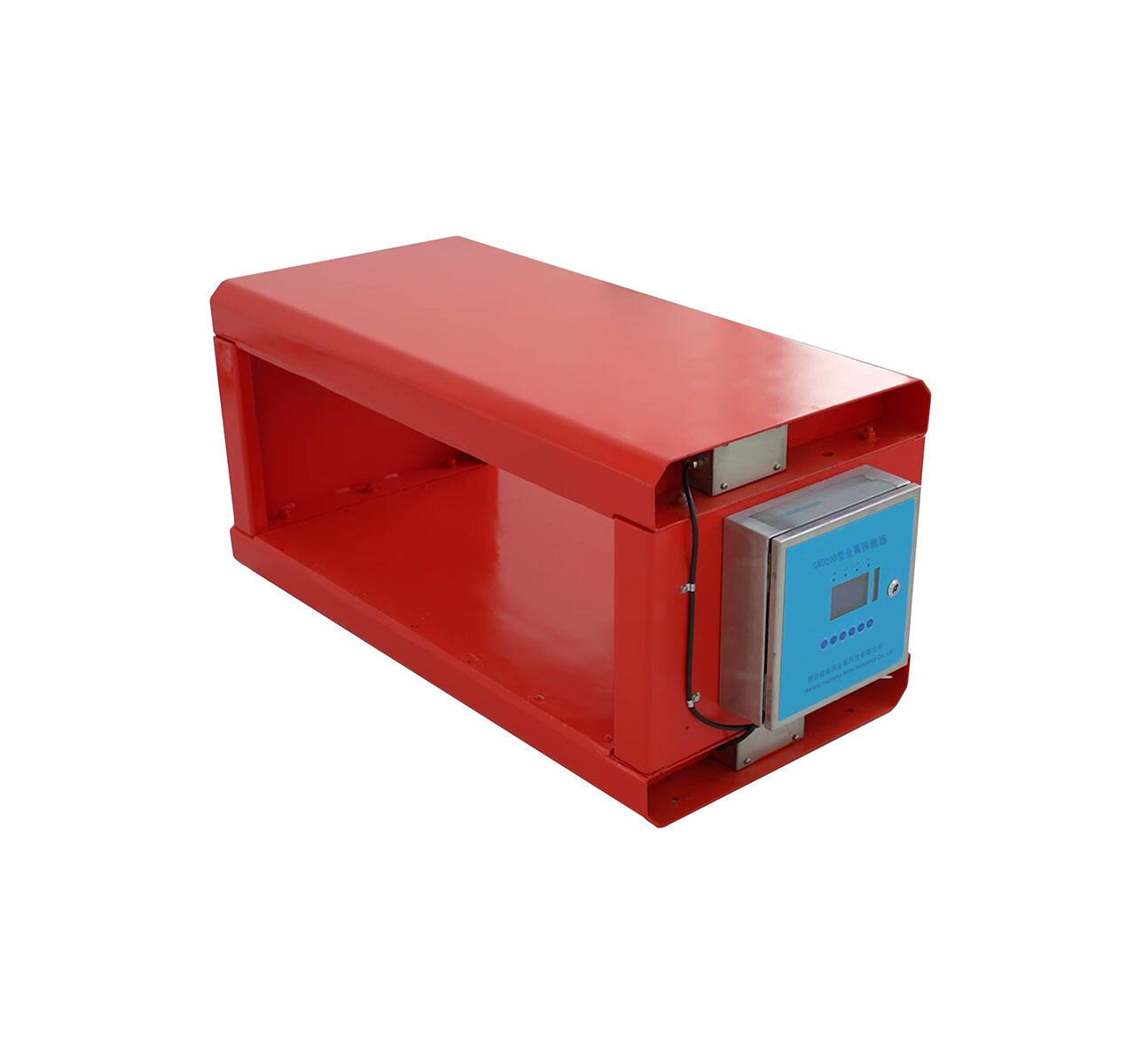
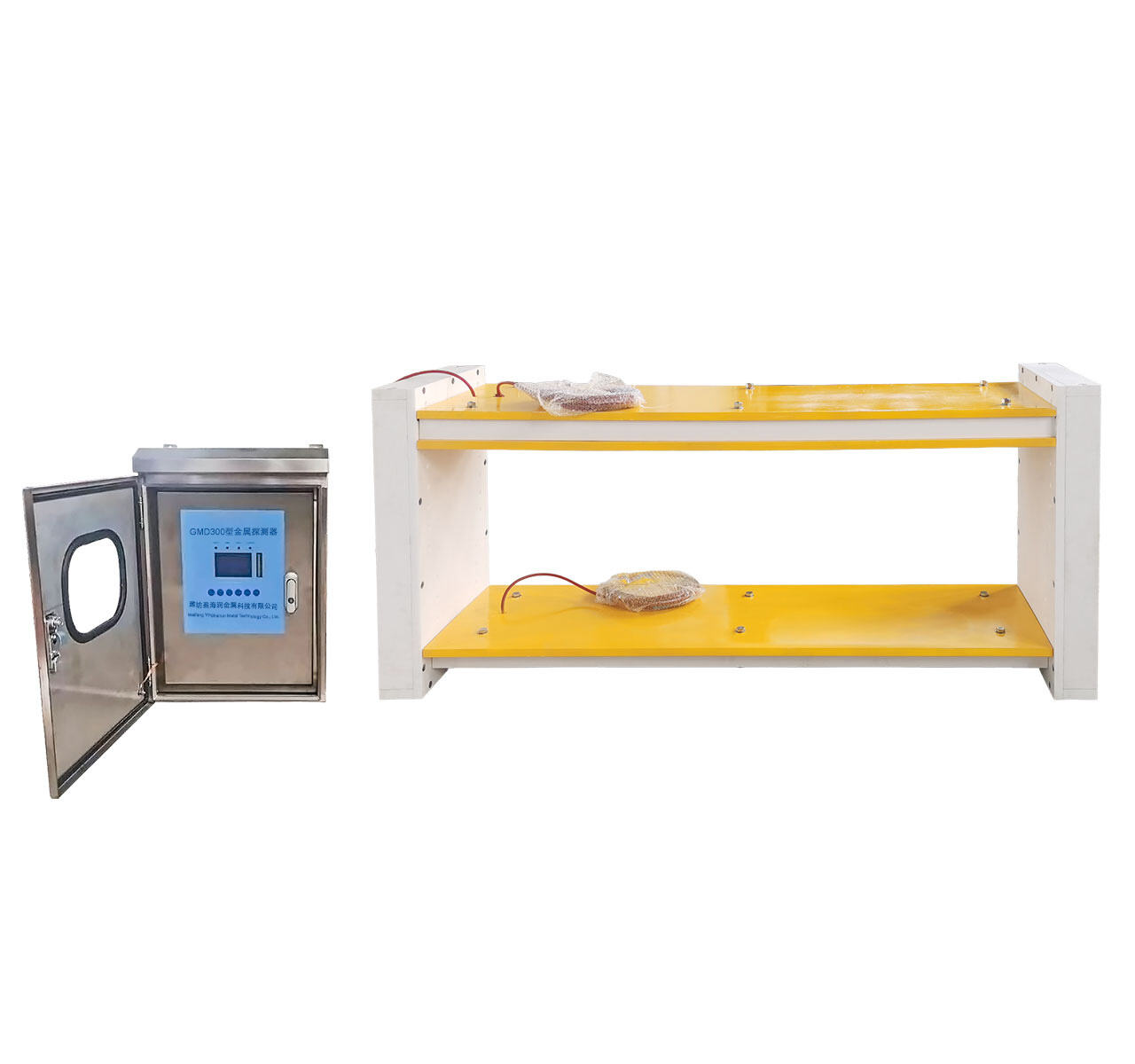
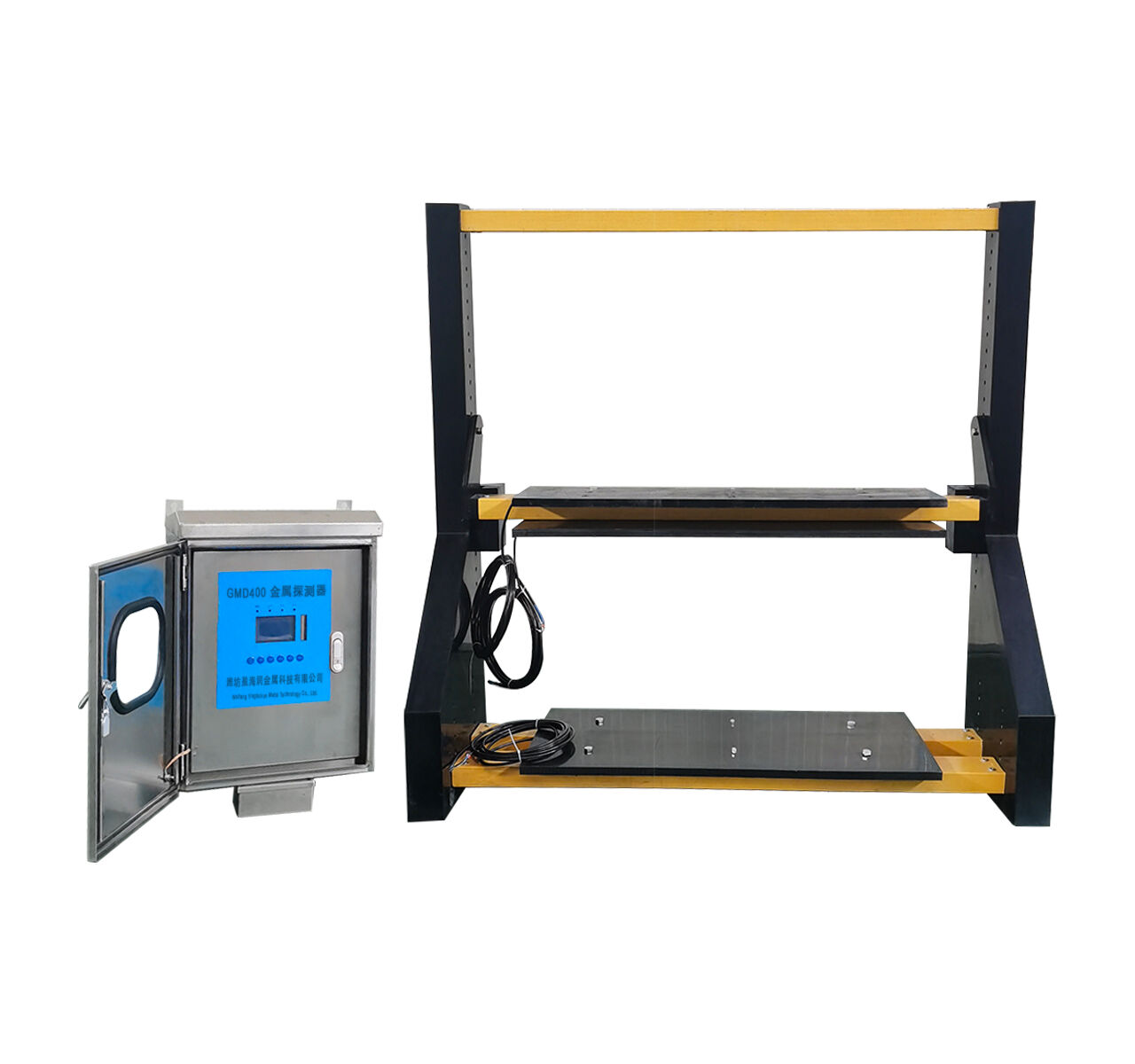
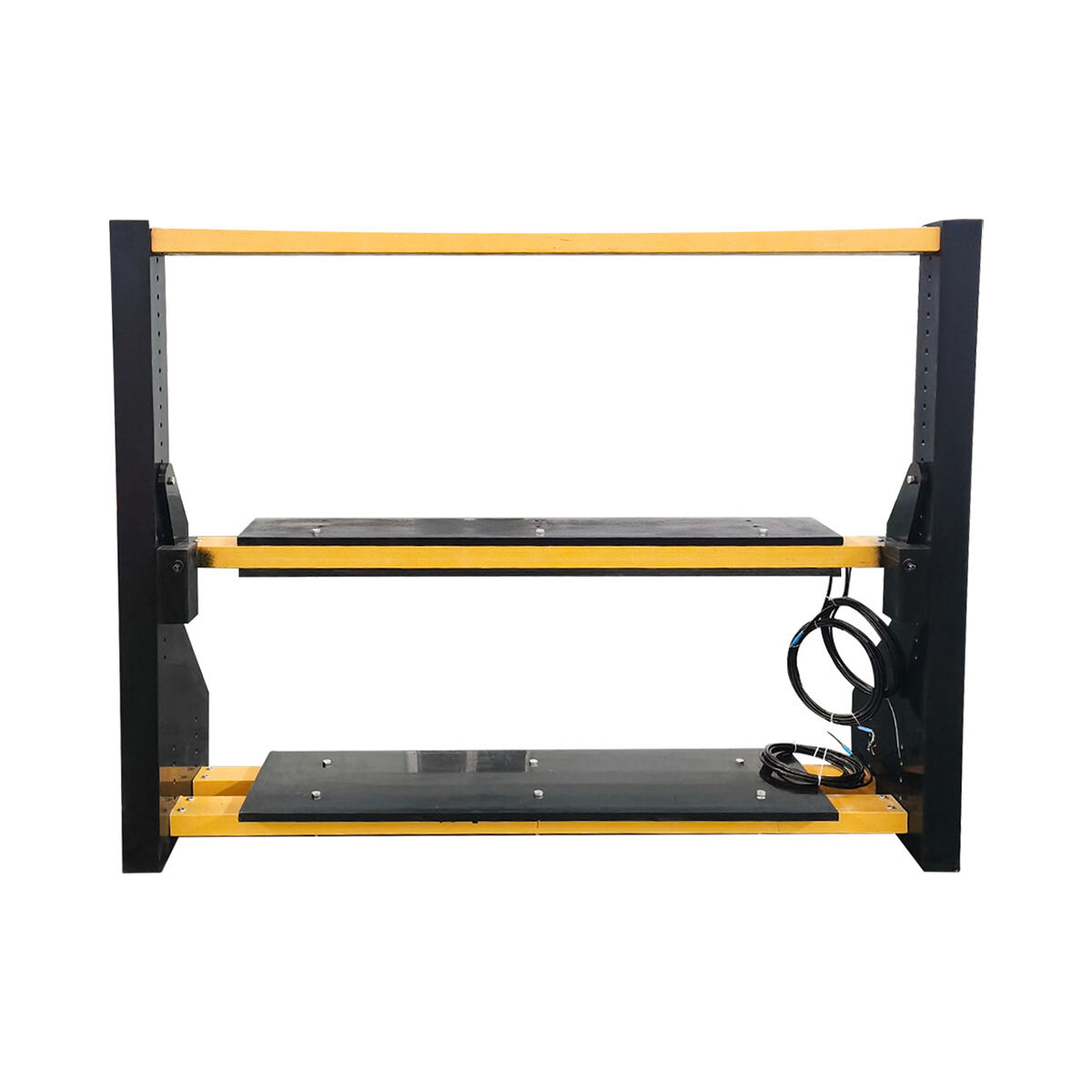
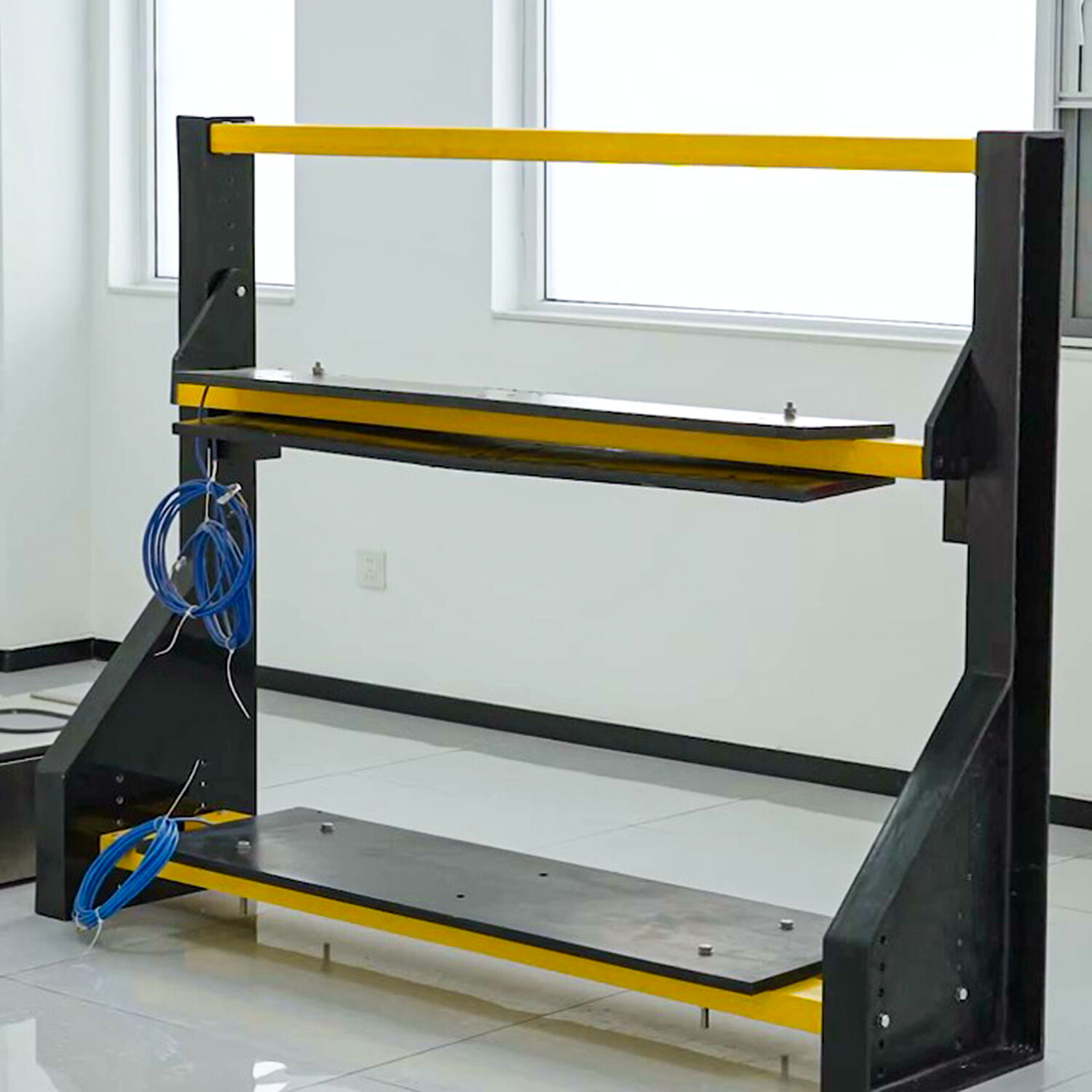
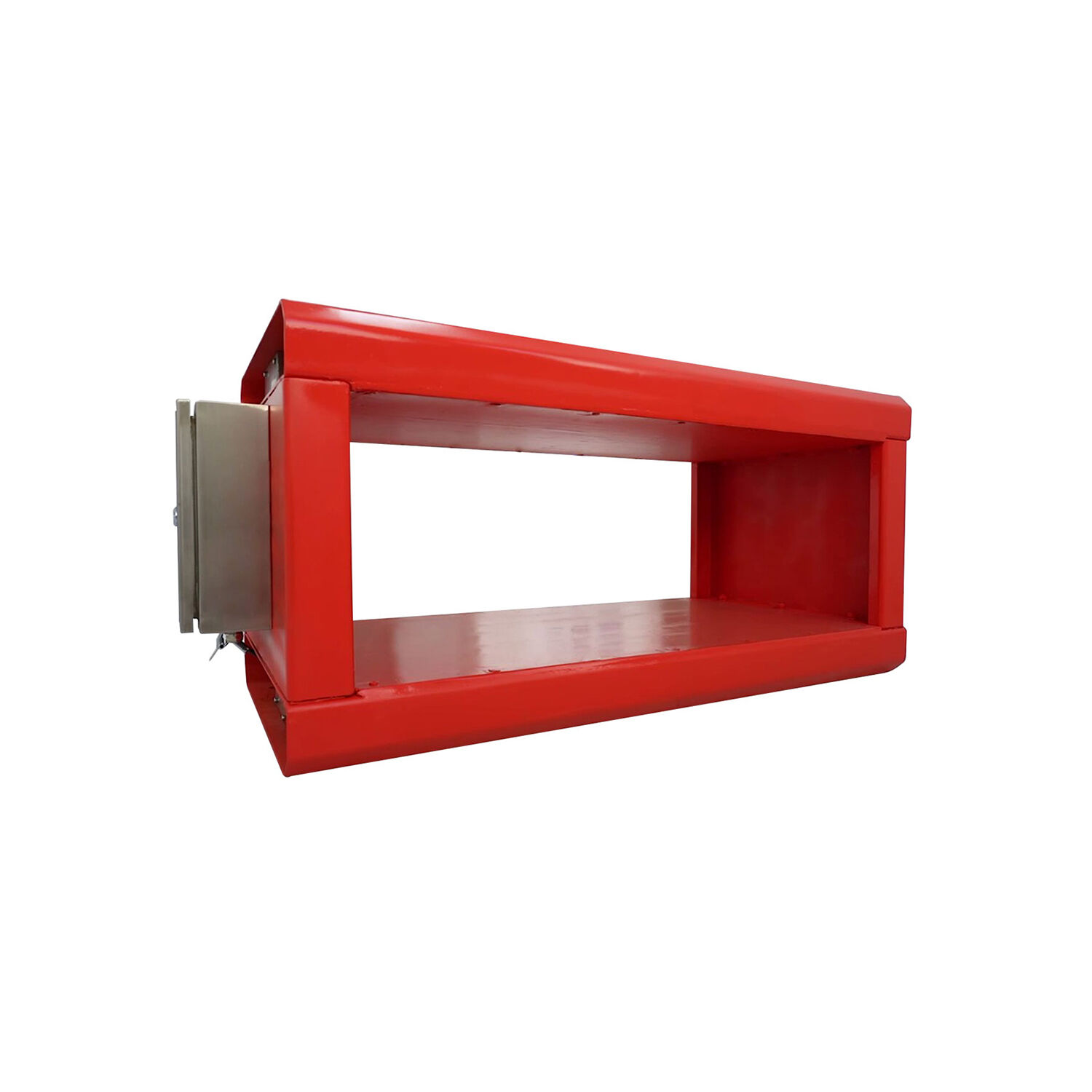
The mining metal detection system represents a revolutionary advancement in mineral exploration and extraction technology, designed to identify and locate metallic deposits with unprecedented accuracy and efficiency. This sophisticated equipment combines cutting-edge sensor technology, advanced signal processing algorithms, and robust construction to deliver reliable performance in the harsh environments typical of mining operations. The core functionality of a mining metal detection system centers around electromagnetic induction principles, where the device generates electromagnetic fields that interact with metallic objects buried beneath the surface. When these fields encounter metal deposits, they create distinctive signatures that the system's sensors capture and analyze. Modern mining metal detection systems incorporate multiple detection technologies, including very low frequency (VLF), pulse induction (PI), and multi-frequency detection methods. These technologies work synergistically to provide comprehensive coverage across different soil conditions and mineral types. The system's technological features include waterproof construction, temperature compensation, ground balancing capabilities, and digital signal processing that filters out interference from mineralized soil. Advanced models offer GPS integration for precise location mapping, wireless connectivity for data transmission, and customizable detection parameters that operators can adjust based on specific mining requirements. The applications of mining metal detection systems span various sectors within the mining industry. Gold prospecting operations utilize these systems to locate nuggets and veins in alluvial deposits and hard rock formations. Base metal mining companies deploy the technology to identify copper, lead, zinc, and other valuable metallic deposits. The systems prove invaluable in archaeological mining projects where historical metal artifacts require careful detection and preservation. Additionally, these detection systems support environmental remediation efforts by locating buried metal contaminants in former mining sites. Industrial mineral operations also benefit from this technology when searching for metallic inclusions that could affect product quality or processing efficiency.


New Product Recommendations

Mining metal detection systems deliver substantial operational benefits that directly impact productivity, cost-effectiveness, and exploration success rates for mining companies worldwide. The primary advantage lies in the dramatic reduction of exploration time and labor costs. Traditional prospecting methods require extensive manual sampling, core drilling, and geological surveys that consume weeks or months to complete. A mining metal detection system accomplishes preliminary surveys in days, allowing exploration teams to focus their detailed investigations on the most promising areas. This targeted approach reduces unnecessary drilling expenses and accelerates project timelines significantly. The precision accuracy of modern mining metal detection systems eliminates guesswork from exploration activities. These systems provide real-time feedback with depth estimates, target size approximations, and metal type identification that guide decision-making processes. Operators receive immediate confirmation when they locate potential deposits, enabling rapid assessment of commercial viability. This instant feedback mechanism prevents costly mistakes and ensures exploration budgets focus on genuinely productive areas. Enhanced safety represents another critical advantage of mining metal detection systems. The technology allows exploration teams to identify hazardous buried objects, including unexploded ordnance, abandoned equipment, and structural debris that pose safety risks to mining operations. Early detection prevents accidents and creates safer working environments for all personnel. Environmental protection benefits emerge through the precise targeting capabilities of mining metal detection systems. Companies can minimize surface disturbance by identifying exact deposit locations before commencing excavation activities. This precision reduces habitat destruction, limits soil erosion, and decreases the environmental footprint of mining operations. Regulatory compliance becomes easier when companies demonstrate responsible exploration practices through targeted detection methods. The versatility of mining metal detection systems provides operational flexibility across diverse terrains and conditions. These systems function effectively in desert environments, mountainous regions, coastal areas, and heavily mineralized soils where other exploration methods struggle. Weather resistance ensures continuous operation during adverse conditions, maintaining exploration schedules regardless of environmental challenges. Cost-effectiveness represents a compelling advantage for mining companies operating under tight budget constraints. The initial investment in a mining metal detection system pays for itself through reduced exploration costs, decreased drilling requirements, and improved success rates. Long-term operational savings compound as companies avoid unproductive exploration activities and focus resources on proven deposit areas. Training requirements remain minimal compared to complex geological survey equipment, allowing existing personnel to operate the systems effectively with basic instruction.

Tips And Tricks

Cost-Benefit Analysis of High-End Tramp Metal Detectors

03

Apr

Cost-Benefit Analysis of High-End Tramp Metal Detectors

Investing in high-end tramp metal detector systems requires careful financial evaluation to justify the substantial upfront costs against long-term operational benefits. These sophisticated detection systems command premium prices due to their advanc...
View More
Designing a Conveyor Belt Metal Detector System for Productivity

11

Apr

Designing a Conveyor Belt Metal Detector System for Productivity

Designing an effective conveyor belt metal detector system requires careful consideration of multiple engineering factors that directly impact productivity in industrial operations. The integration of a conveyor belt metal detector into existing prod...
View More
Understanding the Components of a Metal Detector Machine

08

Apr

Understanding the Components of a Metal Detector Machine

A metal detector machine consists of several interconnected components that work together to identify metallic objects beneath the surface or within materials. Understanding these fundamental components is essential for anyone working with metal dete...
View More
How Tramp Metal Detectors Detect Non-Ferrous Contaminants

12

Apr

How Tramp Metal Detectors Detect Non-Ferrous Contaminants

Understanding how a tramp metal detector identifies non-ferrous contaminants requires examining the sophisticated electromagnetic principles behind modern detection technology. Unlike traditional metal detection systems that primarily focus on ferrou...
View More

Get a Free Quote

Our representative will contact you soon.
Email
Mobile/WhatsApp
Name
Company Name
Message
0/1000

mining metal detection system

Advanced Multi-Frequency Detection Technology

Advanced Multi-Frequency Detection Technology

The cornerstone feature of modern mining metal detection systems lies in their sophisticated multi-frequency detection technology that revolutionizes how mining professionals identify and analyze metallic deposits beneath the surface. This advanced capability operates by transmitting multiple electromagnetic frequencies simultaneously, creating a comprehensive detection matrix that captures detailed information about buried targets. Unlike single-frequency systems that provide limited target discrimination, multi-frequency technology enables operators to distinguish between different metal types, estimate target sizes, and determine approximate burial depths with remarkable accuracy. The technological sophistication extends beyond basic frequency variation to include intelligent frequency optimization algorithms that automatically adjust transmission parameters based on soil conditions and mineralization levels. When the mining metal detection system encounters highly mineralized ground that typically interferes with detection capabilities, the multi-frequency technology compensates by selecting optimal frequency combinations that penetrate through mineral interference while maintaining target sensitivity. This adaptive functionality ensures consistent performance across diverse geological environments, from iron-rich laterite soils to salt-contaminated coastal deposits. The practical benefits of multi-frequency detection technology translate directly into improved exploration efficiency and reduced operational costs for mining companies. Exploration teams can rapidly assess large areas without compromising detection quality, as the system simultaneously searches for various metal types at different depths. This comprehensive approach eliminates the need for multiple detection passes with different equipment configurations, saving considerable time and labor expenses. The technology also reduces false positive readings that plague single-frequency systems, preventing unnecessary excavation of non-commercial targets. Professional mining operations particularly value the depth penetration capabilities that multi-frequency technology provides. The system can detect large metallic deposits at depths exceeding traditional detection limits, opening previously inaccessible areas for exploration consideration. This extended range capability proves especially valuable in areas where surface deposits have been exhausted, allowing companies to explore deeper geological formations that may contain significant mineral resources. The multi-frequency approach also enhances small target detection near the surface, ensuring that no valuable deposits are overlooked during systematic surveys.
Intelligent Ground Balance and Noise Rejection

Intelligent Ground Balance and Noise Rejection

The intelligent ground balance and noise rejection capabilities of mining metal detection systems represent a breakthrough in overcoming the most persistent challenges faced during mineral exploration activities. Traditional detection equipment often struggles with highly mineralized soils that create overwhelming background noise, masking legitimate target signals and rendering detection efforts ineffective. The advanced mining metal detection system addresses these limitations through sophisticated ground balancing algorithms that continuously monitor soil conditions and automatically adjust detection parameters to maintain optimal performance. This intelligent system learns the electromagnetic signature of the local geology and filters out interfering signals while preserving target responses. The ground balancing technology operates through multiple complementary mechanisms that work together to create clear, interpretable detection results. Automatic tracking ground balance continuously monitors soil changes as operators move across varied terrain, instantly adapting to different mineralization levels without manual intervention. Manual ground balance options allow experienced operators to fine-tune system response for specific geological conditions or target types. The preset ground balance feature provides optimized settings for common soil types encountered in mining environments, enabling rapid deployment without extensive calibration procedures. Noise rejection capabilities extend beyond ground interference to address electromagnetic interference from power lines, radio transmissions, and industrial equipment that commonly affect mining sites. The system employs advanced digital signal processing techniques that identify and eliminate interference patterns while preserving authentic target signals. This sophisticated filtering ensures reliable detection results even in electrically noisy environments typical of active mining operations. The practical implications of intelligent ground balance and noise rejection directly impact exploration success rates and operational efficiency. Mining teams can conduct surveys in previously unsuitable areas where soil conditions would have prevented effective detection using conventional equipment. Heavily mineralized ground that once required expensive geophysical surveys becomes accessible to systematic metal detection, expanding exploration opportunities and reducing survey costs. The technology also enables detection activities near operating machinery, power infrastructure, and communication equipment without compromising result accuracy. Professional mining operations benefit from the consistency and reliability that intelligent ground balance provides across extended survey campaigns. Exploration teams can maintain detection sensitivity and accuracy throughout long working days without frequent recalibration interruptions. This operational continuity translates into higher productivity, more comprehensive area coverage, and improved data quality for subsequent analysis and decision-making processes.
Ruggedized Construction and Environmental Durability

Ruggedized Construction and Environmental Durability

The ruggedized construction and environmental durability of mining metal detection systems ensure reliable performance under the extreme conditions commonly encountered in professional mining operations worldwide. These systems face harsh environmental challenges including temperature extremes, moisture exposure, dust infiltration, mechanical shock, and chemical exposure that would quickly disable conventional electronic equipment. Manufacturers address these demanding requirements through specialized engineering approaches that prioritize durability without compromising detection performance or operational functionality. The construction methodology incorporates military-grade materials and components specifically selected for their ability to withstand prolonged exposure to aggressive mining environments. Waterproof housing protects sensitive electronics from moisture infiltration during operations in wet conditions, stream beds, and high-humidity environments common in tropical mining regions. The sealed construction maintains IP67 or higher ingress protection ratings, ensuring complete protection against dust infiltration and temporary submersion. Temperature compensation systems maintain accurate detection performance across extreme temperature ranges, from arctic exploration conditions to desert mining operations where surface temperatures exceed human comfort zones. Shock-resistant design features protect internal components from the inevitable drops, impacts, and vibrations associated with field exploration activities. The mining metal detection system incorporates reinforced mounting points, shock-absorbing materials, and redundant component protection that prevents damage during transportation and operational handling. Professional-grade connectors resist corrosion from salt air, chemical exposure, and repeated connection cycles that characterize intensive field use. The display systems utilize high-contrast screens with LED backlighting that remains visible under direct sunlight while conserving battery power during extended operations. Long-term reliability represents a critical advantage for mining companies that depend on consistent equipment performance throughout extended exploration campaigns. The ruggedized mining metal detection system reduces maintenance requirements, minimizes downtime, and eliminates costly equipment replacements that plague operations using consumer-grade detection equipment. Professional service support networks ensure rapid repair capabilities and spare parts availability in remote mining locations worldwide. The environmental durability extends operational capabilities into challenging locations where conventional equipment fails, opening new exploration opportunities in previously inaccessible areas. Mining operations can confidently deploy these systems in coastal environments with salt spray exposure, underground workings with high humidity and chemical vapors, and remote wilderness areas where equipment failure would create significant logistical challenges. This expanded operational envelope allows comprehensive exploration programs that would otherwise require multiple equipment types or frequent equipment replacement cycles.

Get a Free Quote

Our representative will contact you soon.
Email
Mobile/WhatsApp
Name
Company Name
Message
0/1000