mining machinery
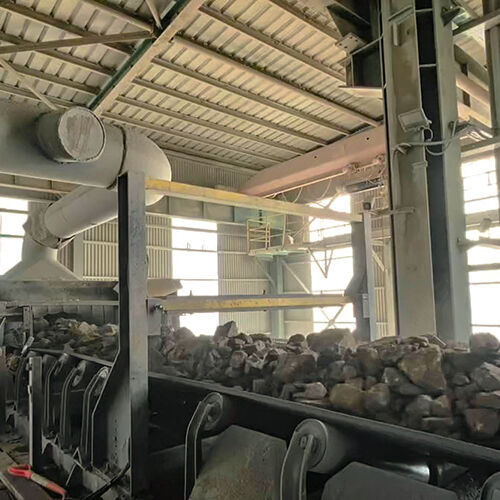
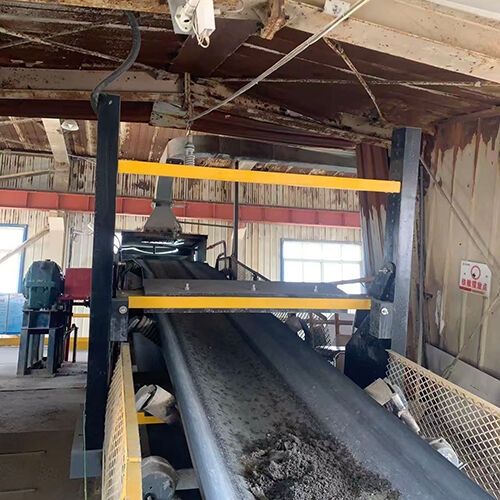
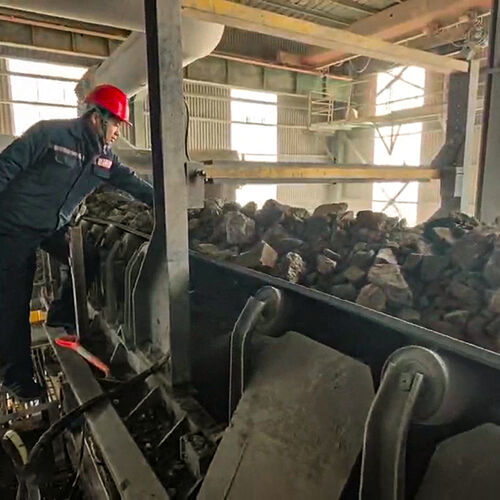
Mining machinery represents the backbone of modern extractive industries, encompassing a comprehensive range of sophisticated equipment designed to facilitate efficient mineral extraction, processing, and transportation operations. These specialized machines operate in some of the world's most challenging environments, from underground tunnels to massive open-pit mines, demonstrating remarkable durability and performance capabilities. The primary functions of mining machinery include excavation, material handling, crushing, grinding, separation, and transportation of various minerals and ores. Contemporary mining machinery integrates advanced hydraulic systems, computerized control mechanisms, and precision engineering to maximize operational efficiency while maintaining safety standards. Technological features of modern mining equipment include GPS tracking systems, automated operation capabilities, real-time monitoring sensors, and energy-efficient powertrains that reduce environmental impact. These machines utilize cutting-edge materials science innovations, incorporating high-strength steel alloys and wear-resistant components that extend operational lifespan significantly. Applications span across diverse sectors including coal mining, metal ore extraction, quarrying, and construction material production. Underground mining machinery includes continuous miners, longwall systems, roof bolters, and shuttle cars, while surface operations employ draglines, shovels, haul trucks, and bulldozers. Processing equipment encompasses crushers, mills, flotation cells, and screening apparatus that transform raw materials into marketable products. The integration of artificial intelligence and machine learning algorithms enables predictive maintenance scheduling, optimizing performance while minimizing costly downtime. Environmental considerations drive technological advancement, with newer mining machinery featuring reduced emissions, noise suppression systems, and improved fuel efficiency. Safety enhancements include collision avoidance systems, operator fatigue monitoring, and emergency shutdown protocols. Remote operation capabilities allow personnel to control equipment from secure locations, reducing exposure to hazardous conditions while maintaining productivity levels essential for competitive mining operations.

 EN
EN