Industrial Metal Detector Machine for Food Industry - Advanced Contamination Detection Solutions

All Categories

Get a Free Quote

Our representative will contact you soon.
Email
Mobile/WhatsApp
Name
Company Name
Message
0/1000

metal detector machine for food industry

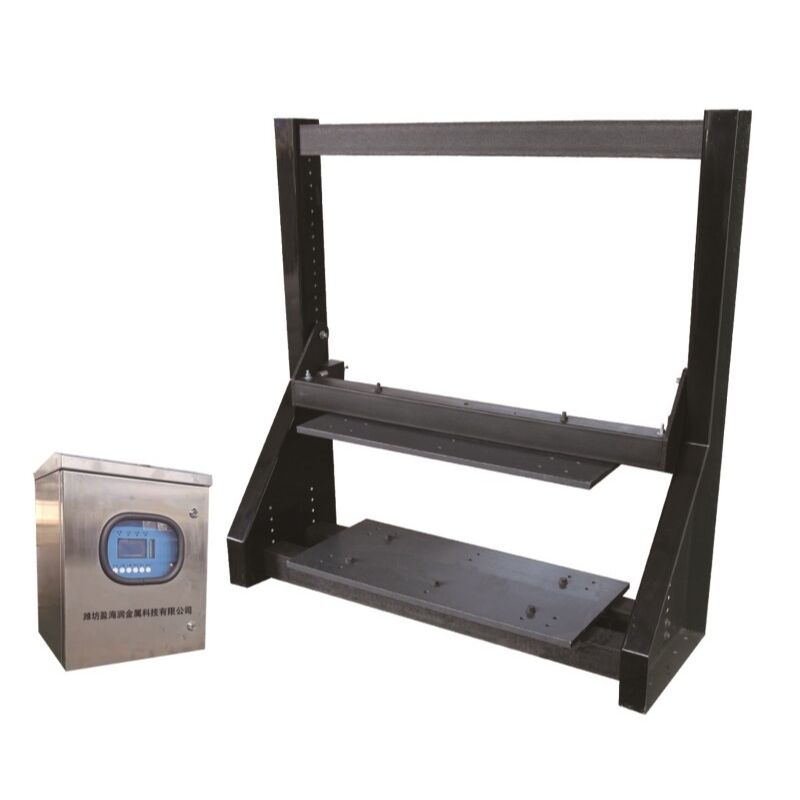
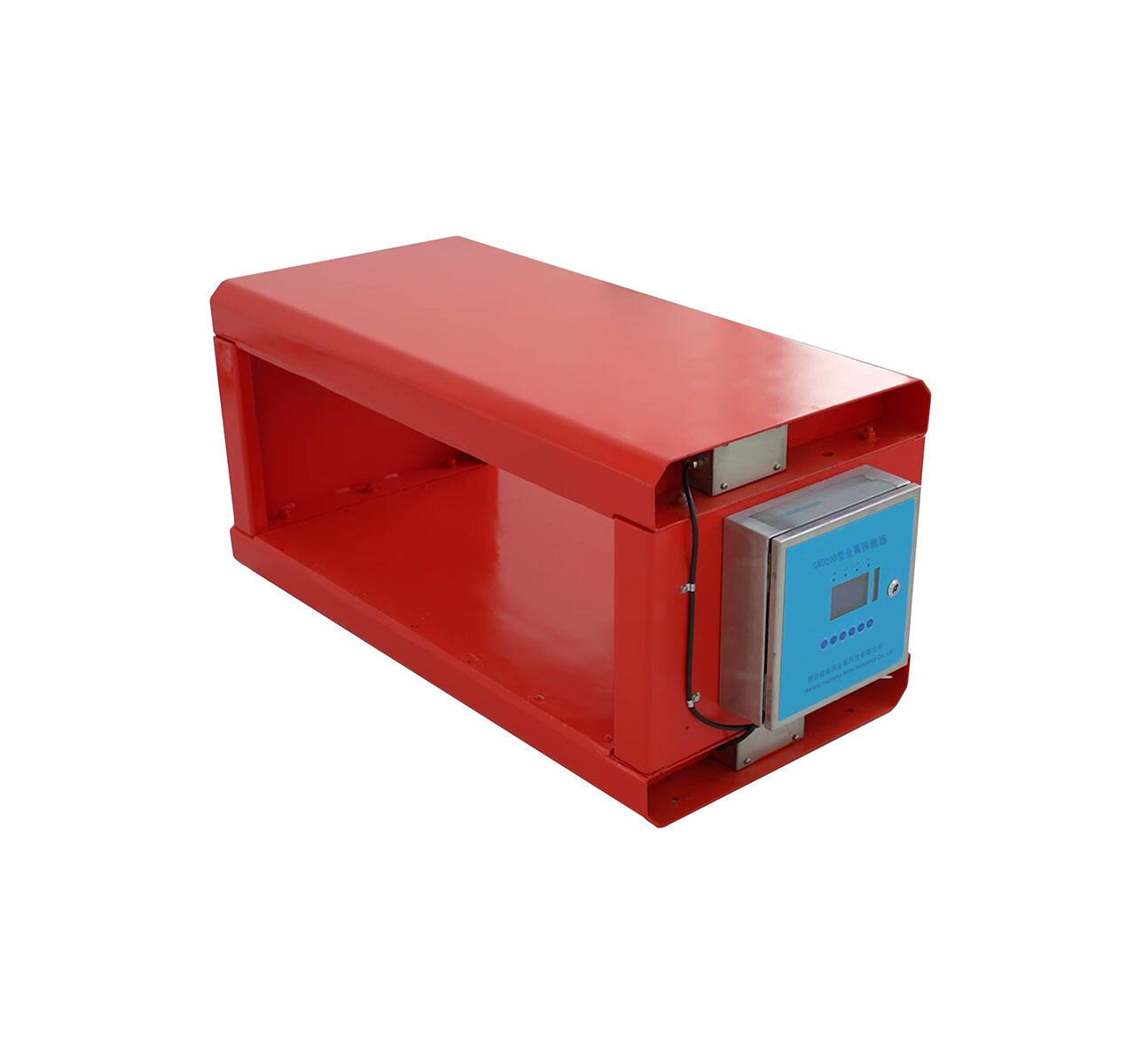
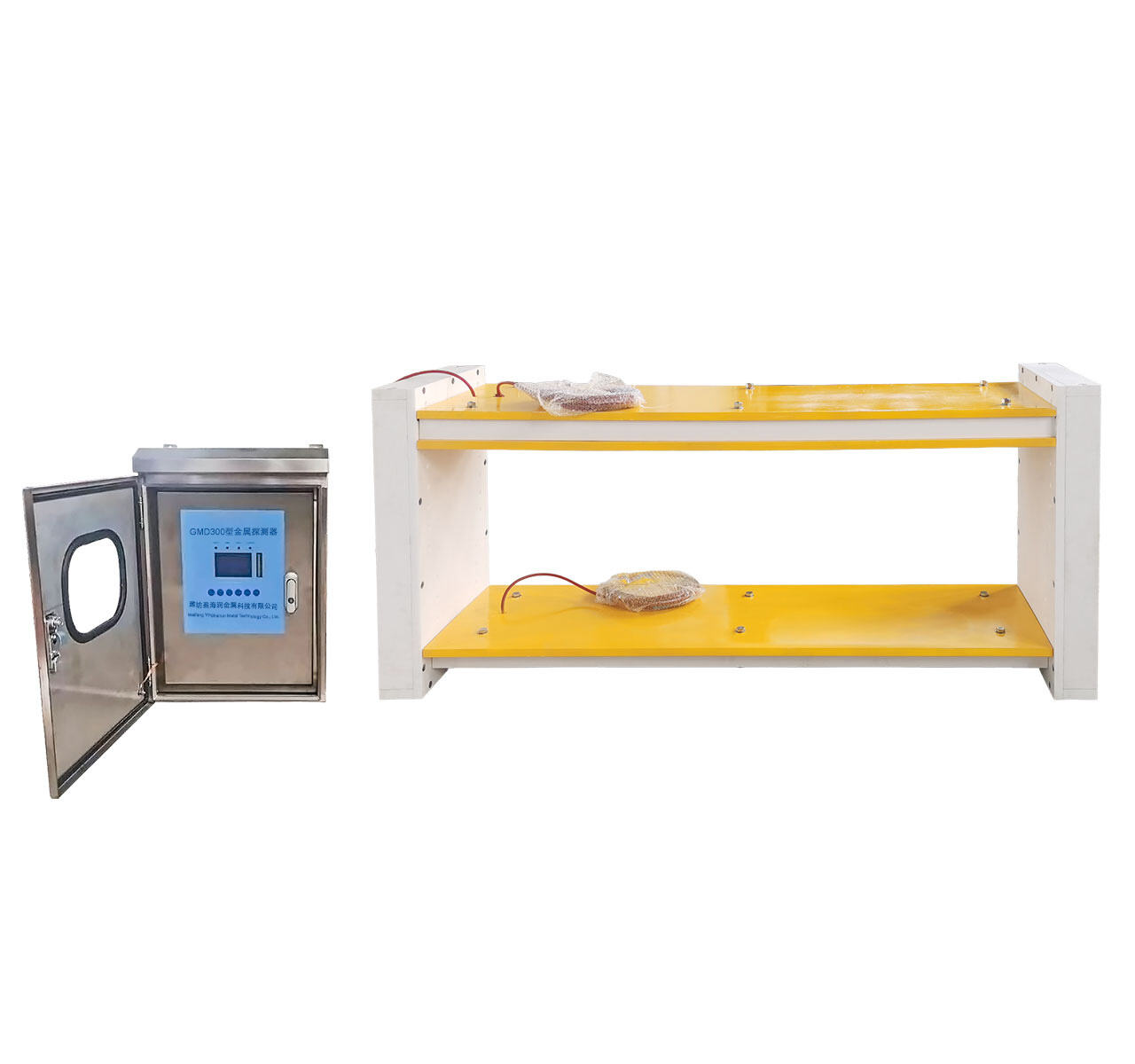
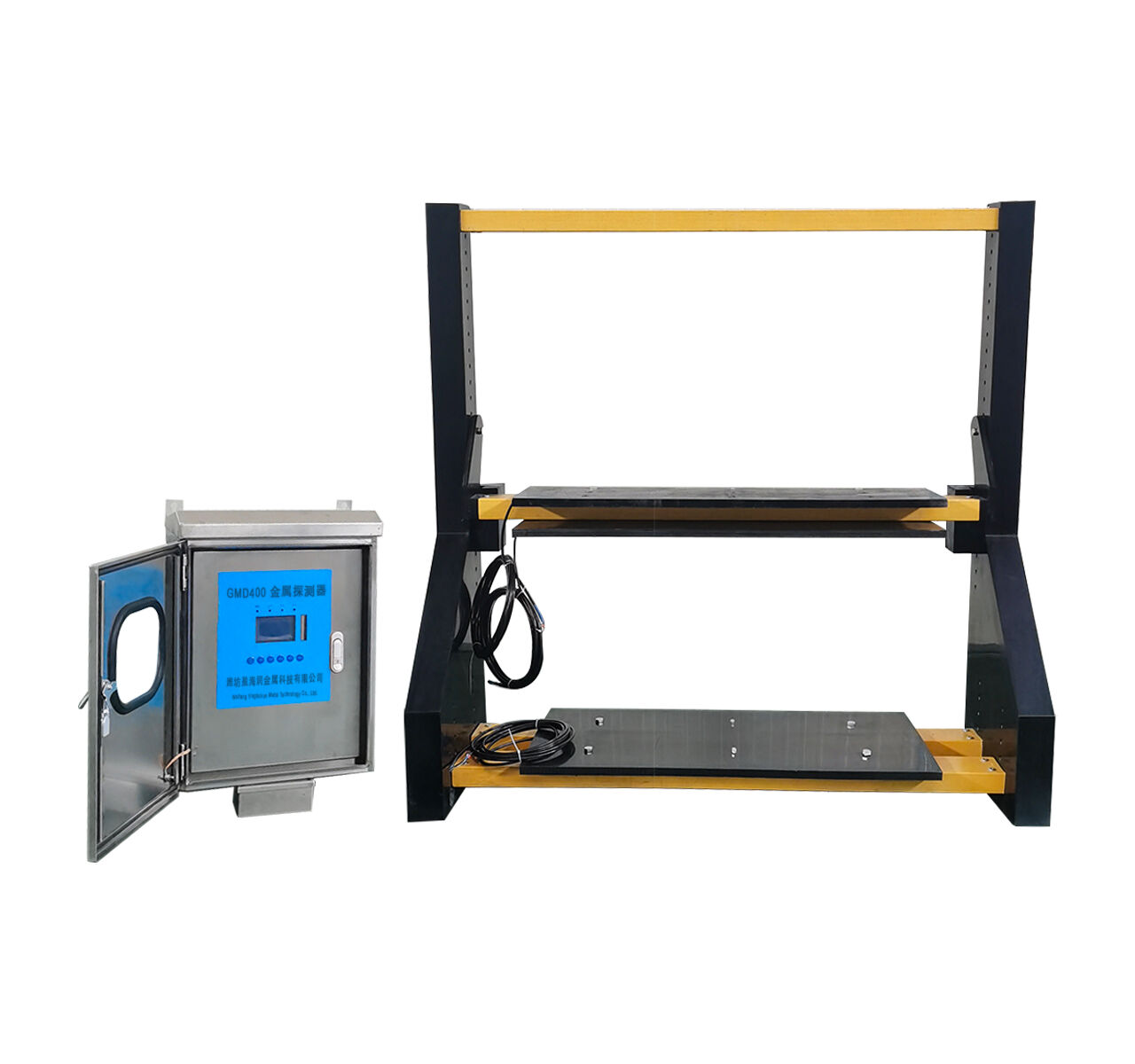
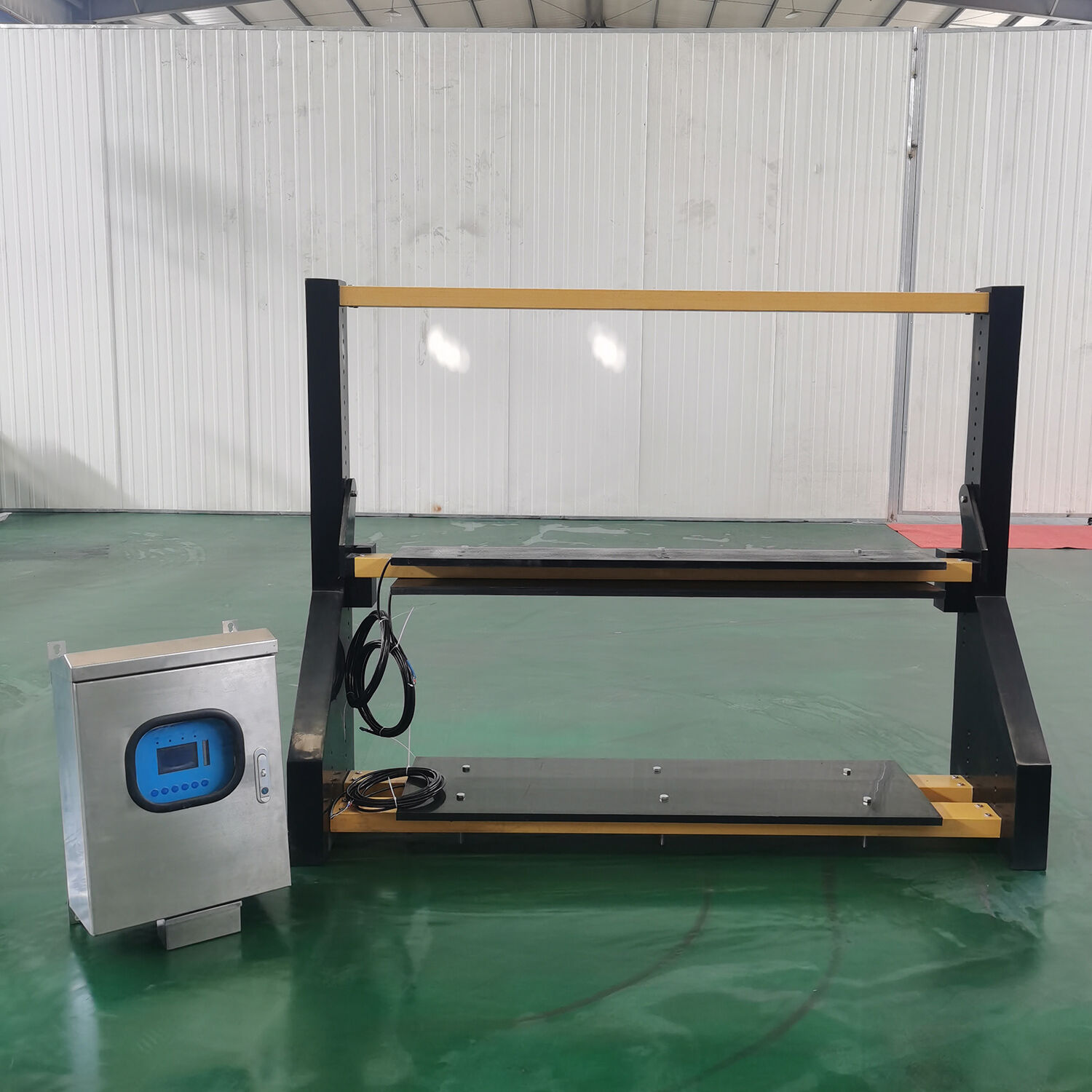
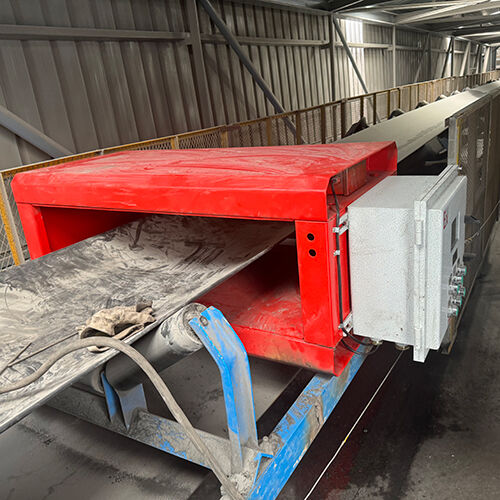
A metal detector machine for food industry represents a critical component in modern food processing and packaging operations, designed to identify and eliminate metallic contaminants that could potentially harm consumers or damage downstream processing equipment. These sophisticated systems utilize electromagnetic field technology to detect ferrous, non-ferrous, and stainless steel particles within food products, ensuring compliance with international food safety standards and protecting brand reputation. The metal detector machine for food industry operates through a balanced coil system that creates a stable electromagnetic field, which becomes disrupted when metallic objects pass through the detection zone. This disruption triggers an immediate rejection mechanism that removes contaminated products from the production line. Modern units feature advanced digital signal processing capabilities, allowing for precise sensitivity adjustments based on product characteristics and packaging materials. The technology incorporates multi-frequency detection systems that can simultaneously monitor different metal types while minimizing false rejections caused by product effect variations. These machines are engineered to handle diverse food products, from liquids and powders to solid items and packaged goods, with conveyor speeds reaching up to 60 meters per minute depending on application requirements. Integration capabilities allow seamless connection with existing production lines, featuring various rejection systems including air blast, pusher arms, and drop-through mechanisms. The metal detector machine for food industry typically includes user-friendly touchscreen interfaces that enable operators to monitor performance metrics, adjust sensitivity settings, and maintain comprehensive production records for traceability purposes. Advanced models incorporate statistical process control features that track detection performance over time, providing valuable insights for continuous improvement initiatives and regulatory compliance documentation.

New Product Releases

The metal detector machine for food industry delivers substantial operational benefits that directly impact production efficiency, product safety, and overall profitability for food manufacturers. These systems provide immediate detection and removal of metallic contaminants, preventing costly product recalls that could damage brand reputation and result in significant financial losses. By implementing a metal detector machine for food industry, manufacturers can demonstrate their commitment to consumer safety while meeting stringent regulatory requirements imposed by food safety authorities worldwide. The technology offers exceptional versatility in handling various product types, from wet and conductive items to dry goods and pre-packaged products, eliminating the need for multiple detection systems across different production lines. This adaptability translates into reduced capital investment and simplified maintenance procedures, as operators only need to manage a single type of detection equipment. The high-speed processing capabilities of modern metal detector machines ensure that production throughput remains uncompromised while maintaining rigorous safety standards, typically processing hundreds of products per minute without creating bottlenecks in manufacturing workflows. Advanced sensitivity settings allow manufacturers to detect extremely small metal particles, often as small as 0.3 millimeters in diameter, depending on the metal type and product characteristics. This precision detection capability provides comprehensive protection against various contamination sources, including broken machinery parts, metal fragments from processing equipment, and foreign objects introduced during raw material handling. The automated rejection systems minimize human intervention requirements, reducing labor costs while ensuring consistent contamination removal regardless of operator attention levels. Integration features enable seamless connection with existing quality management systems, automatically documenting detection events and maintaining detailed production records for regulatory compliance and traceability purposes. The robust construction of industrial-grade metal detector machines ensures reliable operation in challenging food processing environments, including high-temperature, high-humidity, and washdown conditions. Regular calibration and self-diagnostic capabilities provide continuous performance monitoring, alerting operators to potential issues before they compromise detection accuracy, thereby maintaining consistent food safety standards throughout production cycles.

Practical Tips

Mining Metal Detector Sensitivity vs. External Interference

01

Apr

Mining Metal Detector Sensitivity vs. External Interference

Mining metal detector sensitivity represents a critical balance between detection capability and operational reliability in challenging industrial environments. The relationship between sensitivity levels and external interference determines how effe...
View More
How Conveyor Belt Detectors Improve Food Safety Compliance

02

Apr

How Conveyor Belt Detectors Improve Food Safety Compliance

Food safety compliance has become increasingly critical in today's manufacturing environment, where contamination incidents can result in massive recalls, regulatory penalties, and permanent damage to brand reputation. The implementation of a conveyo...
View More
Reliable Mine Metal Detectors for Primary Crusher Protection

05

Apr

Reliable Mine Metal Detectors for Primary Crusher Protection

Primary crushers in mining operations face constant threats from metallic contaminants that can cause devastating equipment damage, costly downtime, and significant safety hazards. A reliable mine metal detector serves as the critical first line of d...
View More
Designing a Conveyor Belt Metal Detector System for Productivity

11

Apr

Designing a Conveyor Belt Metal Detector System for Productivity

Designing an effective conveyor belt metal detector system requires careful consideration of multiple engineering factors that directly impact productivity in industrial operations. The integration of a conveyor belt metal detector into existing prod...
View More

Get a Free Quote

Our representative will contact you soon.
Email
Mobile/WhatsApp
Name
Company Name
Message
0/1000

metal detector machine for food industry

Advanced Multi-Frequency Detection Technology

Advanced Multi-Frequency Detection Technology

The cornerstone of modern metal detector machine for food industry effectiveness lies in sophisticated multi-frequency detection technology that simultaneously operates on multiple electromagnetic frequencies to maximize contamination detection while minimizing false rejections. This innovative approach addresses one of the most significant challenges in food processing: distinguishing between actual metallic contaminants and product-related electromagnetic interference known as product effect. Traditional single-frequency systems often struggle with conductive or high-moisture food products that can mimic metallic signatures, leading to unnecessary product waste and production interruptions. The multi-frequency metal detector machine for food industry overcomes these limitations by analyzing signal responses across different frequency ranges, creating a comprehensive electromagnetic fingerprint that accurately differentiates between genuine metal contaminants and product characteristics. This technology employs digital signal processing algorithms that continuously compare frequency responses, automatically adjusting detection parameters to maintain optimal sensitivity levels for specific product types. The system can detect ferrous metals with exceptional accuracy due to their strong magnetic properties, while simultaneously identifying non-ferrous metals like aluminum, copper, and brass through their conductive characteristics. Most importantly, the technology excels at detecting stainless steel contaminants, which present the greatest detection challenge due to their minimal magnetic and conductive properties. The multi-frequency approach enables detection of stainless steel particles as small as 0.8 millimeters in most food applications, providing comprehensive protection against this common contamination source. Advanced calibration procedures automatically optimize frequency combinations for different product types, ensuring maximum detection sensitivity while maintaining production speeds up to 60 meters per minute. The technology incorporates sophisticated filtering mechanisms that eliminate environmental electromagnetic interference from nearby equipment, fluorescent lighting, and radio frequency sources that could compromise detection accuracy. Real-time frequency monitoring capabilities provide continuous performance feedback, alerting operators to any degradation in detection performance and facilitating predictive maintenance scheduling to prevent unexpected downtime.
Intelligent Product Learning and Adaptive Sensitivity

Intelligent Product Learning and Adaptive Sensitivity

Revolutionary product learning capabilities distinguish premium metal detector machine for food industry systems by enabling automatic adaptation to product variations and packaging changes without manual intervention. This intelligent functionality addresses the complex challenge of maintaining consistent detection sensitivity across diverse product portfolios while accommodating natural variations in size, moisture content, temperature, and packaging materials. The adaptive learning system continuously monitors product signatures during normal production runs, building comprehensive databases of acceptable product characteristics that serve as reference points for contamination detection algorithms. When the metal detector machine for food industry encounters a new product or detects variations in existing products, the system automatically adjusts detection parameters to maintain optimal sensitivity without increasing false rejection rates. This capability proves invaluable for manufacturers processing multiple product lines or seasonal variations that might otherwise require extensive manual recalibration procedures. The learning algorithm analyzes thousands of product samples to establish baseline electromagnetic signatures, identifying normal variation ranges and distinguishing them from anomalous readings that indicate potential contamination. Advanced pattern recognition software continuously refines these baseline parameters, improving detection accuracy over time while reducing the likelihood of rejecting acceptable products due to minor variations in product characteristics. The system maintains separate learning profiles for different product codes, automatically switching between optimized settings when production lines change from one product to another. This seamless transition capability eliminates the need for manual sensitivity adjustments and reduces the risk of detection errors during product changeovers. Temperature compensation features account for thermal variations that can affect electromagnetic properties of both products and detection equipment, ensuring consistent performance throughout production shifts and seasonal changes. The intelligent system also monitors long-term trends in product characteristics, providing early warning of gradual changes in raw material properties or processing conditions that might affect detection performance. Comprehensive data logging capabilities document all learning activities and sensitivity adjustments, creating detailed audit trails that support regulatory compliance requirements and continuous improvement initiatives. Remote monitoring capabilities enable quality assurance personnel to review system performance and learning progress from centralized locations, facilitating multi-site operations management and ensuring consistent detection standards across different production facilities.
Comprehensive Integration and Data Management Solutions

Comprehensive Integration and Data Management Solutions

Modern metal detector machine for food industry systems excel through comprehensive integration capabilities that seamlessly connect with existing production infrastructure, quality management systems, and enterprise resource planning platforms to create unified food safety monitoring environments. These sophisticated integration features transform standalone detection equipment into integral components of comprehensive quality assurance programs that provide real-time visibility into contamination risks and production performance metrics. The systems communicate through standard industrial protocols including Ethernet/IP, Modbus, and OPC-UA, enabling direct connection with programmable logic controllers, human-machine interfaces, and supervisory control systems without requiring complex custom programming or additional interface hardware. Advanced integration capabilities extend beyond basic communication to include bi-directional data exchange that allows upstream systems to automatically configure detection parameters based on production schedules and product specifications. This seamless integration eliminates manual setup procedures and reduces the risk of operator errors that could compromise detection effectiveness. The metal detector machine for food industry incorporates sophisticated data management capabilities that automatically capture, store, and analyze detection events, production statistics, and performance metrics in standardized formats compatible with quality management systems and regulatory reporting requirements. Real-time data streaming enables immediate notification of contamination events to quality assurance personnel, production supervisors, and maintenance teams through email alerts, text messages, and dashboard displays that facilitate rapid response to potential safety issues. Historical data analysis capabilities identify trends in contamination sources, detection performance, and false rejection rates, providing valuable insights for continuous improvement initiatives and preventive maintenance planning. The systems generate comprehensive reports that document detection activities, calibration procedures, and system performance metrics in formats required by various international food safety standards including SQF, BRC, and FSSC 22000. Traceability features automatically link detection events with product lot numbers, production times, and upstream process parameters, enabling rapid identification and isolation of potentially affected products in the event of contamination discoveries. Remote monitoring capabilities allow quality assurance personnel and service technicians to access system performance data, diagnostic information, and configuration settings from off-site locations, facilitating proactive maintenance and technical support services. Cloud-based data management options provide secure storage and analysis of detection data across multiple production facilities, enabling enterprise-level visibility into food safety performance and facilitating benchmarking between different operational sites.


Get a Free Quote

Our representative will contact you soon.
Email
Mobile/WhatsApp
Name
Company Name
Message
0/1000