
 EN
EN
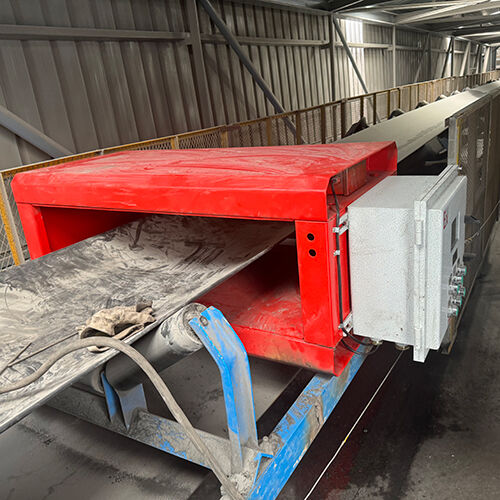
Primary crushers in mining operations face constant threats from metallic contaminants that can cause devastating equipment damage, costly downtime, and significant safety hazards. A reliable mine metal detector serves as the critical first line of defense, protecting these essential crushing systems from metal fragments, steel wire bands, bolts, and other foreign objects that inevitably enter the material stream during extraction and transport processes.
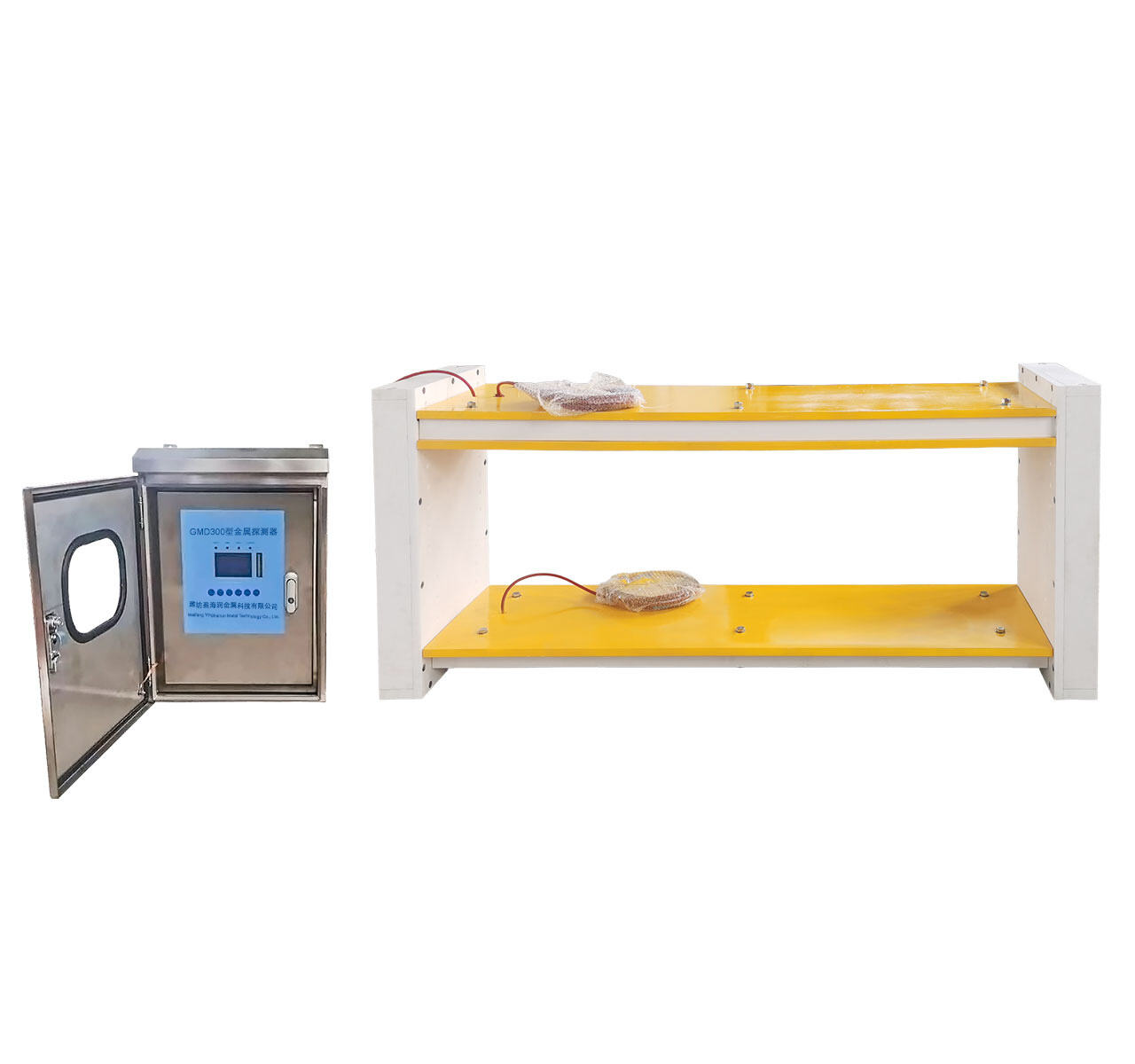
The investment in professional-grade mine metal detector technology has become indispensable for maintaining operational continuity and protecting valuable crushing equipment. These specialized detection systems must withstand harsh mining environments while delivering consistent performance across varying material compositions, moisture levels, and throughput demands. Understanding the specific requirements and capabilities of mine metal detectors enables mining operators to make informed decisions that safeguard both equipment and personnel.
Critical Protection Requirements for Primary Crusher Systems
Equipment Vulnerability and Cost Implications
Primary crushers represent substantial capital investments, often costing millions of dollars and requiring extended lead times for replacement parts. The crushing chambers, jaw plates, and drive mechanisms are particularly susceptible to damage from metallic contamination. When a mine metal detector fails to identify foreign objects, the resulting impact can shatter critical components, bend shafts, and damage bearings beyond repair.
The financial consequences extend far beyond immediate repair costs. Unplanned downtime in primary crushing operations typically halts the entire processing chain, resulting in lost production that can cost hundreds of thousands of dollars per day. Additionally, emergency repairs often require specialized technicians and expedited parts delivery, further amplifying the economic impact of detector system failures.
Modern mining operations demand reliability metrics that support continuous production schedules. A properly functioning mine metal detector system contributes directly to achieving target availability rates by preventing damage-induced shutdowns and reducing the frequency of scheduled maintenance interventions.
Common Metallic Contaminant Sources
Steel wire bands from tire reinforcement constitute one of the most prevalent threats in mining operations using wheeled equipment for material transport. These flexible metal components can wrap around crusher components, causing binding and potentially catastrophic mechanical failure. The mine metal detector must possess sufficient sensitivity to identify these wire bands despite their relatively small cross-sectional area.
Blasting operations introduce another category of metallic contamination through drill steel fragments, bolt remnants, and explosive container debris. These objects vary significantly in size and magnetic properties, requiring detection systems capable of identifying both ferrous and non-ferrous metals across a wide range of object dimensions.
Maintenance activities and equipment wear generate additional sources of metallic contamination, including loose bolts, wear plate fragments, and tool pieces inadvertently left in material streams. The cumulative effect of these contamination sources necessitates comprehensive detection coverage that addresses multiple threat categories simultaneously.
Essential Performance Characteristics for Mining Applications
Environmental Durability and Protection Standards
Mining environments subject detection equipment to extreme conditions including temperature fluctuations, moisture exposure, dust infiltration, and mechanical vibration. A robust mine metal detector must maintain detection accuracy despite these challenging operational parameters. Environmental protection ratings of IP65 or higher ensure adequate sealing against dust and water ingress that could compromise electronic components.
Temperature stability becomes particularly critical in operations experiencing seasonal variations or equipment heat generation. Quality detection systems incorporate compensation mechanisms that maintain sensitivity across temperature ranges from -40°C to +70°C without requiring constant recalibration or performance degradation.
Shock and vibration resistance protects sensitive detection circuitry from the constant mechanical stress inherent in crushing operations. Proper mounting systems and internal component protection ensure the mine metal detector continues functioning reliably despite the harsh mechanical environment surrounding primary crushers.
Detection Sensitivity and Discrimination Capabilities
Effective mine metal detector systems must balance high sensitivity for small metallic objects with discrimination capabilities that minimize false alarms from naturally occurring iron ore content. Advanced signal processing algorithms distinguish between target metals and background mineralization, reducing unnecessary production interruptions while maintaining protection effectiveness.
Multi-frequency detection technology enhances the ability to identify various metal types and sizes across different material conditions. This capability proves especially valuable in operations processing diverse ore types or dealing with varying moisture content that can affect detection performance.
Adjustable sensitivity settings allow operators to optimize detection parameters for specific material characteristics and operational requirements. This flexibility enables the mine metal detector to maintain effectiveness across changing ore compositions without compromising protection levels or generating excessive false alarms.
Integration Considerations for Conveyor Systems
Installation Configuration and Belt Compatibility
Successful mine metal detector integration requires careful consideration of conveyor belt specifications, material flow patterns, and available installation space. The detection head must achieve optimal positioning relative to the material stream while accommodating belt width variations and load distribution characteristics typical of mining conveyors.
Belt speed compatibility affects both detection accuracy and response time capabilities. High-speed conveyor operations demand rapid signal processing and immediate shutdown response to prevent contaminated material from reaching the crusher. The mine metal detector control system must coordinate seamlessly with conveyor drives and upstream material handling equipment.
Mounting hardware and support structures require robust engineering to withstand operational loads and environmental conditions. Proper installation ensures consistent detector positioning and prevents mechanical drift that could compromise detection zone coverage or sensitivity performance over time.
Control System Integration and Automation Features
Modern mine metal detector systems incorporate sophisticated control interfaces that integrate with plant automation systems and remote monitoring capabilities. These features enable centralized oversight of detection system status, alarm history, and performance metrics across multiple installation points.
Programmable logic controller compatibility allows seamless integration with existing plant control architecture, enabling coordinated responses that include conveyor shutdown, diverter activation, and upstream equipment notification. This integration capability maximizes the protective effectiveness of the mine metal detector while minimizing operational disruption.
Data logging and trending capabilities provide valuable insights into contamination patterns, system performance, and maintenance requirements. This information supports proactive maintenance scheduling and helps identify potential improvements in upstream processes that could reduce metallic contamination incidents.
Operational Benefits and Performance Optimization
Production Continuity and Equipment Longevity
Reliable mine metal detector operation directly contributes to improved equipment availability and extended component service life. By preventing metallic contamination from reaching crushing chambers, these systems reduce the frequency and severity of unplanned maintenance events that disrupt production schedules.
The protective effect extends beyond immediate damage prevention to include reduced wear rates on crusher components. Even small metallic particles can accelerate wear on jaw plates and other contact surfaces, leading to more frequent replacement requirements and higher maintenance costs over the equipment lifecycle.
Statistical analysis of operations using comprehensive mine metal detector protection typically shows measurable improvements in crusher availability metrics and reductions in maintenance-related production losses. These performance gains often justify the detector system investment within the first year of operation.
Safety Enhancement and Risk Mitigation
The safety implications of effective metal detection extend beyond equipment protection to include personnel safety considerations. Crusher failures resulting from metallic contamination can create hazardous conditions through flying debris, structural damage, and emergency shutdown scenarios that endanger nearby workers.
Comprehensive mine metal detector coverage reduces the likelihood of catastrophic equipment failures that could result in serious injuries or fatalities. This risk mitigation becomes particularly important in operations where personnel work in proximity to crushing equipment during routine maintenance or operational monitoring activities.
Emergency response procedures benefit from predictable detector system performance that provides reliable advance warning of potential contamination incidents. This capability enables controlled shutdown procedures rather than emergency stops that can create additional safety hazards through sudden equipment deceleration or material spillage.
Selection Criteria and Implementation Strategy
Performance Specification Development
Establishing appropriate performance specifications for mine metal detector systems requires thorough analysis of material characteristics, contamination history, and operational requirements specific to each installation location. Sensitivity requirements must account for the smallest metallic objects that pose crusher damage risks while considering background mineralization effects.
Throughput capacity specifications ensure the detection system can accommodate peak material flow rates without compromising detection accuracy or creating operational bottlenecks. The mine metal detector must maintain consistent performance across the full range of production rates typical for the application.
Response time requirements depend on conveyor speed and distance between the detector and crusher inlet. Faster response times provide greater protection but may require more sophisticated control systems and higher-performance shutdown mechanisms to achieve reliable contamination prevention.
Vendor Evaluation and System Validation
Comprehensive vendor evaluation should include assessment of manufacturing quality standards, application experience in similar mining environments, and long-term technical support capabilities. Proven performance in comparable operations provides confidence in system reliability and vendor understanding of mining-specific requirements.
Factory acceptance testing validates that the mine metal detector meets specified performance criteria under controlled conditions before field installation. This testing should include sensitivity verification across various metal types and sizes, environmental condition simulation, and control system functionality confirmation.
Field commissioning procedures ensure proper integration with existing equipment and validate performance under actual operating conditions. Comprehensive testing during commissioning identifies any adjustment requirements and confirms that detection sensitivity remains appropriate for the specific material and environmental conditions encountered.
FAQ
What size metallic objects can a mine metal detector reliably identify in ore streams?
A quality mine metal detector can typically identify ferrous objects as small as 25-50mm in diameter and non-ferrous metals starting around 50-75mm, depending on the specific material conditions and detector sensitivity settings. Performance varies based on ore mineralization, moisture content, and belt loading characteristics. Regular calibration and sensitivity adjustment optimize detection capabilities for specific operational conditions.
How does ore mineralization affect mine metal detector performance?
High iron content in ore can reduce detection sensitivity by creating background signals that mask smaller metallic objects. Modern mine metal detector systems use advanced signal processing and multi-frequency technology to distinguish between natural mineralization and foreign metal contamination. Proper ground balance adjustment and discrimination settings minimize false alarms while maintaining adequate protection levels.
What maintenance requirements are typical for mine metal detector systems?
Routine maintenance includes daily visual inspections, weekly sensitivity testing with standard test pieces, monthly cleaning of detection heads and control cabinets, and quarterly calibration verification. Annual maintenance typically involves detailed inspection of mounting hardware, cable connections, and control system components. Proper maintenance schedules ensure consistent performance and maximize system reliability in demanding mining environments.
Can mine metal detectors operate effectively in extreme weather conditions?
Professional-grade mine metal detector systems are designed for continuous operation in temperature ranges from -40°C to +70°C with appropriate environmental protection ratings. Heated enclosures and temperature compensation features maintain detection accuracy despite extreme conditions. Proper installation with adequate ventilation and weather protection ensures reliable operation in challenging outdoor mining environments year-round.
Table of Contents
- Critical Protection Requirements for Primary Crusher Systems
- Essential Performance Characteristics for Mining Applications
- Integration Considerations for Conveyor Systems
- Operational Benefits and Performance Optimization
- Selection Criteria and Implementation Strategy
-
FAQ
- What size metallic objects can a mine metal detector reliably identify in ore streams?
- How does ore mineralization affect mine metal detector performance?
- What maintenance requirements are typical for mine metal detector systems?
- Can mine metal detectors operate effectively in extreme weather conditions?