
 EN
EN

Food safety compliance has become increasingly critical in today's manufacturing environment, where contamination incidents can result in massive recalls, regulatory penalties, and permanent damage to brand reputation. The implementation of a conveyor belt metal detector represents one of the most effective solutions for preventing metal contamination in food processing operations, directly supporting compliance with stringent safety regulations and quality standards.
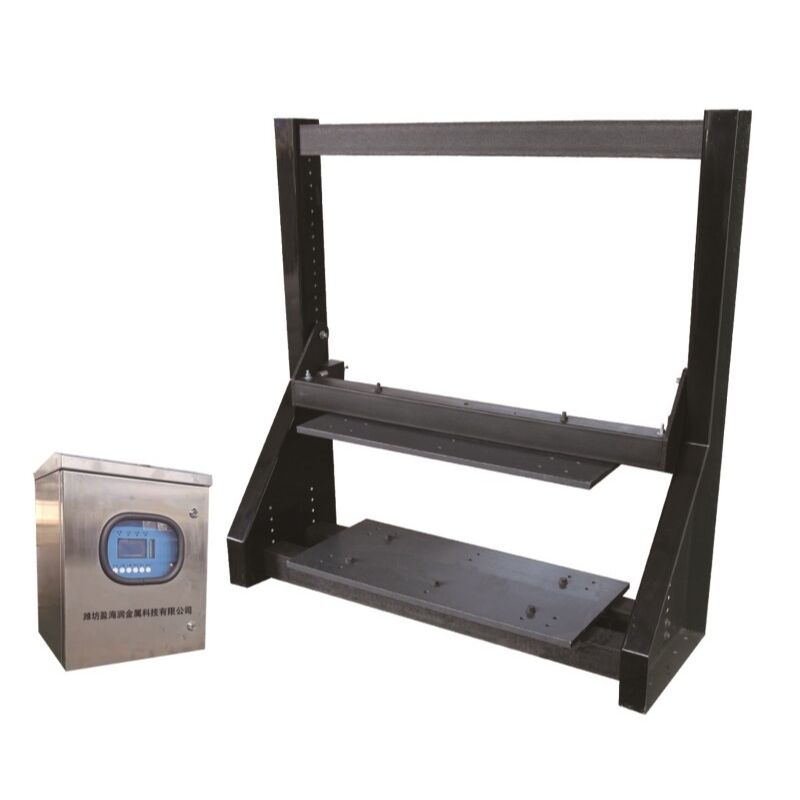
The integration of metal detection technology into conveyor systems transforms passive transport mechanisms into active safety checkpoints, ensuring that every product undergoes thorough inspection before reaching consumers. This systematic approach to contamination prevention addresses both regulatory requirements and consumer protection concerns, making the conveyor belt metal detector an essential component of comprehensive food safety management systems.
Automated Contamination Prevention Through Continuous Monitoring
Real-Time Detection Capabilities
Modern conveyor belt metal detector systems operate continuously during production runs, providing uninterrupted monitoring of all products passing through the processing line. This real-time detection capability ensures that metal contaminants are identified immediately upon contact with the detection field, preventing contaminated products from advancing further in the production process. The automated nature of this monitoring eliminates the potential for human oversight errors that could compromise food safety compliance.
The detection technology integrated into conveyor systems utilizes advanced electromagnetic field generation to identify even minute metal particles that could pose safety risks. These systems maintain consistent sensitivity levels throughout extended operation periods, ensuring reliable performance that supports compliance with food safety regulations. The continuous monitoring approach means that every single product receives the same level of inspection, creating uniform safety standards across entire production batches.
Immediate Response Mechanisms
When a conveyor belt metal detector identifies contamination, automated response mechanisms immediately activate to remove affected products from the production line. These response systems typically include reject mechanisms that divert contaminated items into quarantine areas, preventing their progression toward packaging and distribution. The immediate response capability ensures that contamination incidents are contained at the earliest possible stage of the production process.
The integration of alarm systems with detection technology provides immediate notification to production personnel when contamination events occur. This notification system enables rapid investigation of contamination sources and implementation of corrective measures to prevent recurrence. The documentation of these events through integrated logging systems supports compliance reporting requirements and provides valuable data for continuous improvement initiatives.
Regulatory Compliance Support Through Documentation and Traceability
Audit Trail Generation
Conveyor belt metal detector systems generate comprehensive audit trails that document all detection events, system performance parameters, and maintenance activities. These detailed records provide the documentation necessary to demonstrate compliance with food safety regulations during regulatory inspections and third-party audits. The automated generation of these records eliminates the potential for incomplete or inaccurate documentation that could compromise compliance status.
The audit trail capabilities of modern metal detection systems include timestamped records of all products inspected, contamination events detected, and corrective actions taken. This level of documentation supports traceability requirements and enables rapid response to potential contamination incidents throughout the supply chain. The electronic format of these records facilitates easy retrieval and analysis during compliance verification processes.
Performance Verification Protocols
Regular performance verification of conveyor belt metal detector systems ensures consistent operation within specified parameters required for food safety compliance. These verification protocols include standardized test procedures using known metal samples to confirm detection sensitivity and accuracy. The systematic execution of verification testing provides documented evidence of system reliability and effectiveness.
The implementation of automated verification testing capabilities enables regular system checks without disrupting production schedules. These automated protocols can execute preset test sequences and generate verification reports that demonstrate ongoing compliance with detection performance requirements. The integration of verification results into quality management systems supports continuous monitoring of food safety control effectiveness.
Integration with Quality Management Systems for Enhanced Compliance
HACCP Implementation Support
The conveyor belt metal detector serves as a critical control point within Hazard Analysis and Critical Control Points (HACCP) systems, providing measurable control over metal contamination risks. The integration of metal detection technology into HACCP protocols establishes clear monitoring procedures and corrective action requirements that support systematic food safety management. This integration ensures that metal contamination prevention receives appropriate priority within overall food safety strategies.
The data collection capabilities of modern metal detection systems provide the monitoring information necessary for HACCP verification requirements. These systems can generate reports that demonstrate the effectiveness of metal contamination control measures and provide evidence of continuous monitoring activities. The systematic approach to data collection and analysis supports the scientific foundation required for effective HACCP implementation.
Quality Assurance Integration
Conveyor belt metal detector systems integrate seamlessly with existing quality assurance protocols, providing additional verification of product safety and quality. The integration of detection data with quality management systems enables comprehensive analysis of contamination trends and identification of potential process improvements. This holistic approach to quality assurance strengthens overall food safety compliance programs.
The real-time data generated by metal detection systems can trigger quality control alerts and initiate investigation procedures when contamination patterns indicate potential system issues. This proactive approach to quality management supports continuous improvement initiatives and helps prevent minor issues from developing into major compliance problems. The integration of detection technology with quality systems creates multiple layers of protection against food safety risks.
Risk Mitigation and Prevention of Contamination Incidents
Source Identification and Control
The implementation of conveyor belt metal detector technology enables systematic identification of contamination sources within production environments. By analyzing detection patterns and contamination characteristics, production teams can identify equipment wear patterns, maintenance requirements, and process modifications needed to prevent future contamination incidents. This proactive approach to contamination control reduces the likelihood of repeated safety violations.
The detailed contamination data provided by metal detection systems supports root cause analysis procedures that identify underlying factors contributing to contamination risks. This analytical capability enables targeted interventions that address contamination sources rather than simply responding to detection events. The systematic approach to contamination prevention supports long-term improvement in food safety compliance performance.
Process Optimization for Safety Enhancement
The continuous monitoring capabilities of conveyor belt metal detector systems provide insights into production processes that can be optimized to reduce contamination risks. Analysis of detection data can reveal process variations that correlate with increased contamination incidents, enabling targeted process improvements that enhance overall food safety performance. This data-driven approach to process optimization supports sustainable improvement in compliance outcomes.
The integration of detection technology with process control systems enables automated adjustments that minimize contamination risks during production operations. These automated controls can modify processing parameters when contamination patterns indicate increased risk levels, providing proactive protection against safety violations. The systematic approach to process optimization creates multiple opportunities for enhanced food safety compliance.
Cost-Effective Compliance Through Prevention-Based Strategies
Recall Prevention and Cost Avoidance
The implementation of conveyor belt metal detector systems provides substantial cost benefits through the prevention of product recalls and associated regulatory penalties. The early detection and removal of contaminated products prevents these items from reaching consumers, eliminating the need for costly recall procedures and protecting brand reputation. The prevention-based approach to food safety compliance offers significant economic advantages compared to reactive contamination management strategies.
The cost-effectiveness of metal detection technology extends beyond immediate contamination prevention to include reduced insurance premiums, lower regulatory compliance costs, and enhanced market access opportunities. The documented effectiveness of detection systems in preventing contamination incidents provides evidence of proactive safety management that supports favorable risk assessments and regulatory relationships. The long-term economic benefits of prevention-based safety strategies justify the investment in detection technology.
Operational Efficiency and Compliance Integration
Modern conveyor belt metal detector systems operate with minimal impact on production efficiency while providing maximum safety compliance benefits. The integration of detection technology into existing conveyor systems maintains production throughput while adding essential safety verification capabilities. This efficient approach to compliance support ensures that food safety requirements can be met without compromising operational productivity.
The automated operation of detection systems reduces the labor requirements associated with manual safety inspections while providing superior contamination detection capabilities. This automation enables production teams to focus on value-added activities while maintaining confidence in food safety compliance. The combination of improved safety outcomes with operational efficiency makes conveyor belt metal detector technology an essential component of competitive food production operations.
FAQ
How does a conveyor belt metal detector integrate with existing food safety protocols?
A conveyor belt metal detector integrates seamlessly into existing food safety protocols by serving as a critical control point within HACCP systems. The detection system provides continuous monitoring capabilities that complement manual inspection procedures and generates documented evidence of contamination control effectiveness. This integration supports systematic food safety management while enhancing the reliability of existing safety protocols through automated verification and documentation capabilities.
What types of metal contamination can conveyor belt detectors identify in food processing?
Conveyor belt metal detectors can identify various types of metal contamination including ferrous metals like steel and iron, non-ferrous metals such as aluminum and copper, and stainless steel particles. The detection sensitivity can be adjusted to identify contaminants as small as 0.5mm depending on the product characteristics and processing requirements. The advanced electromagnetic technology used in these systems provides reliable detection across different metal types and sizes commonly encountered in food processing environments.
How do conveyor belt metal detectors support regulatory compliance documentation?
Conveyor belt metal detectors support regulatory compliance documentation through automated generation of comprehensive audit trails that record all detection events, system performance parameters, and verification test results. These electronic records include timestamps, product information, and corrective action details that provide evidence of systematic contamination control. The documentation capabilities satisfy regulatory requirements for traceability and support compliance verification during inspections and third-party audits.
What maintenance requirements ensure optimal performance of conveyor belt metal detectors for food safety compliance?
Optimal performance of conveyor belt metal detectors for food safety compliance requires regular calibration verification, cleaning protocols that prevent product buildup, and periodic sensitivity testing using standardized metal samples. Maintenance schedules typically include daily performance checks, weekly sensitivity verification, and monthly comprehensive system evaluations. The systematic execution of maintenance procedures ensures consistent detection performance and provides documented evidence of proactive system management that supports ongoing compliance requirements.
Table of Contents
- Automated Contamination Prevention Through Continuous Monitoring
- Regulatory Compliance Support Through Documentation and Traceability
- Integration with Quality Management Systems for Enhanced Compliance
- Risk Mitigation and Prevention of Contamination Incidents
- Cost-Effective Compliance Through Prevention-Based Strategies
-
FAQ
- How does a conveyor belt metal detector integrate with existing food safety protocols?
- What types of metal contamination can conveyor belt detectors identify in food processing?
- How do conveyor belt metal detectors support regulatory compliance documentation?
- What maintenance requirements ensure optimal performance of conveyor belt metal detectors for food safety compliance?