metal detector food industry
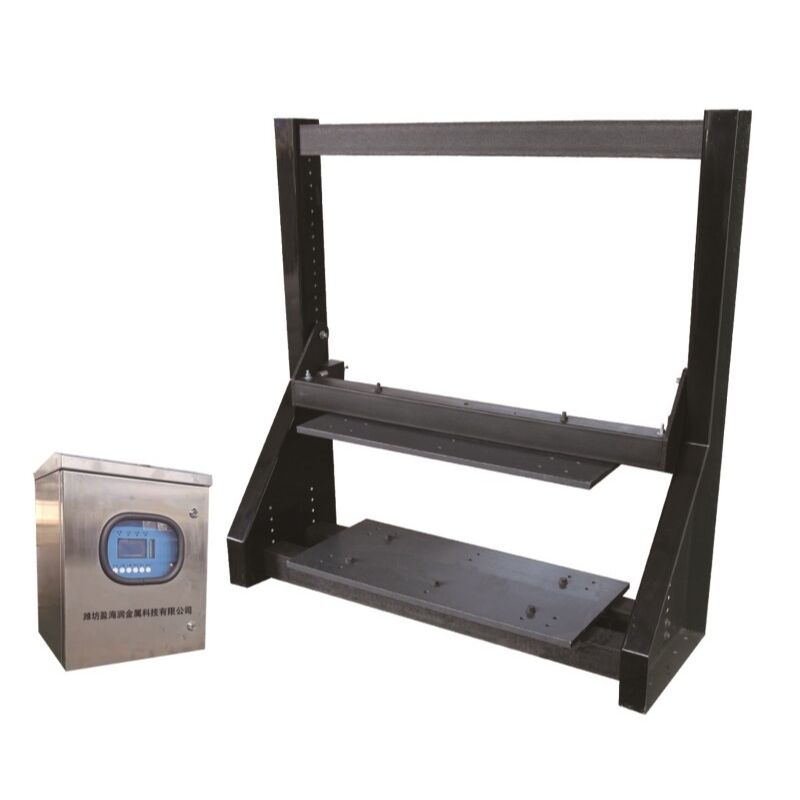
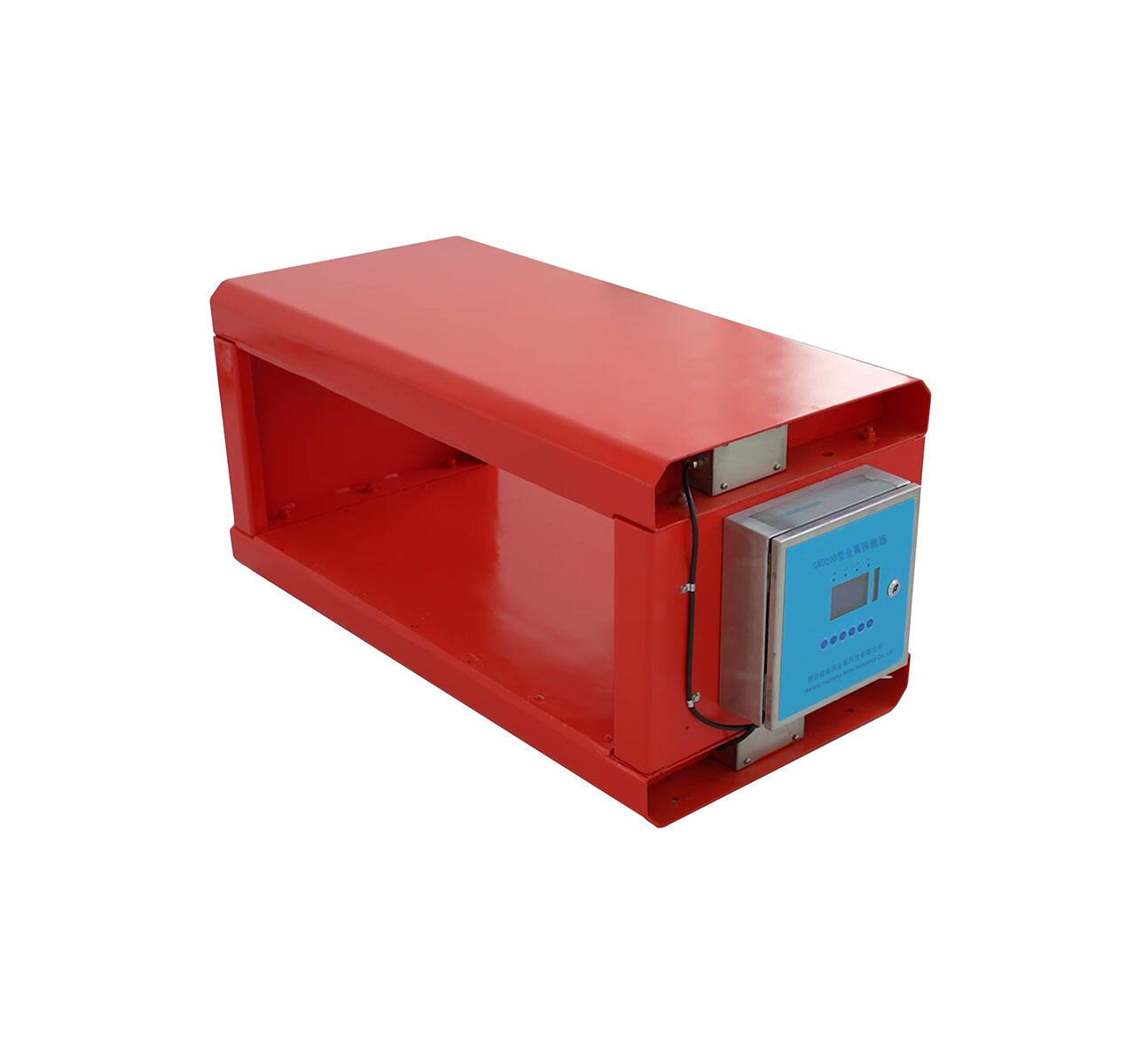
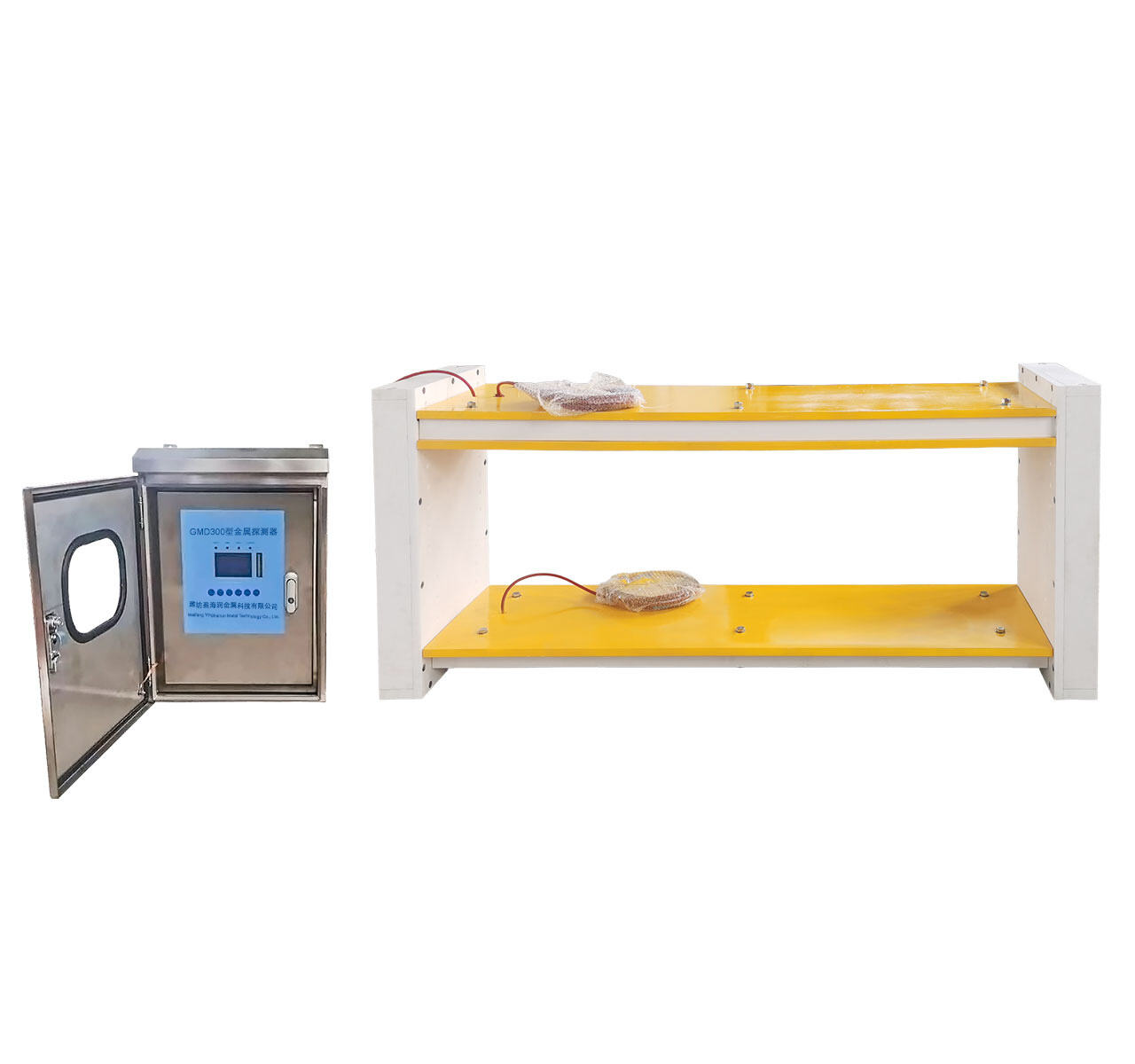
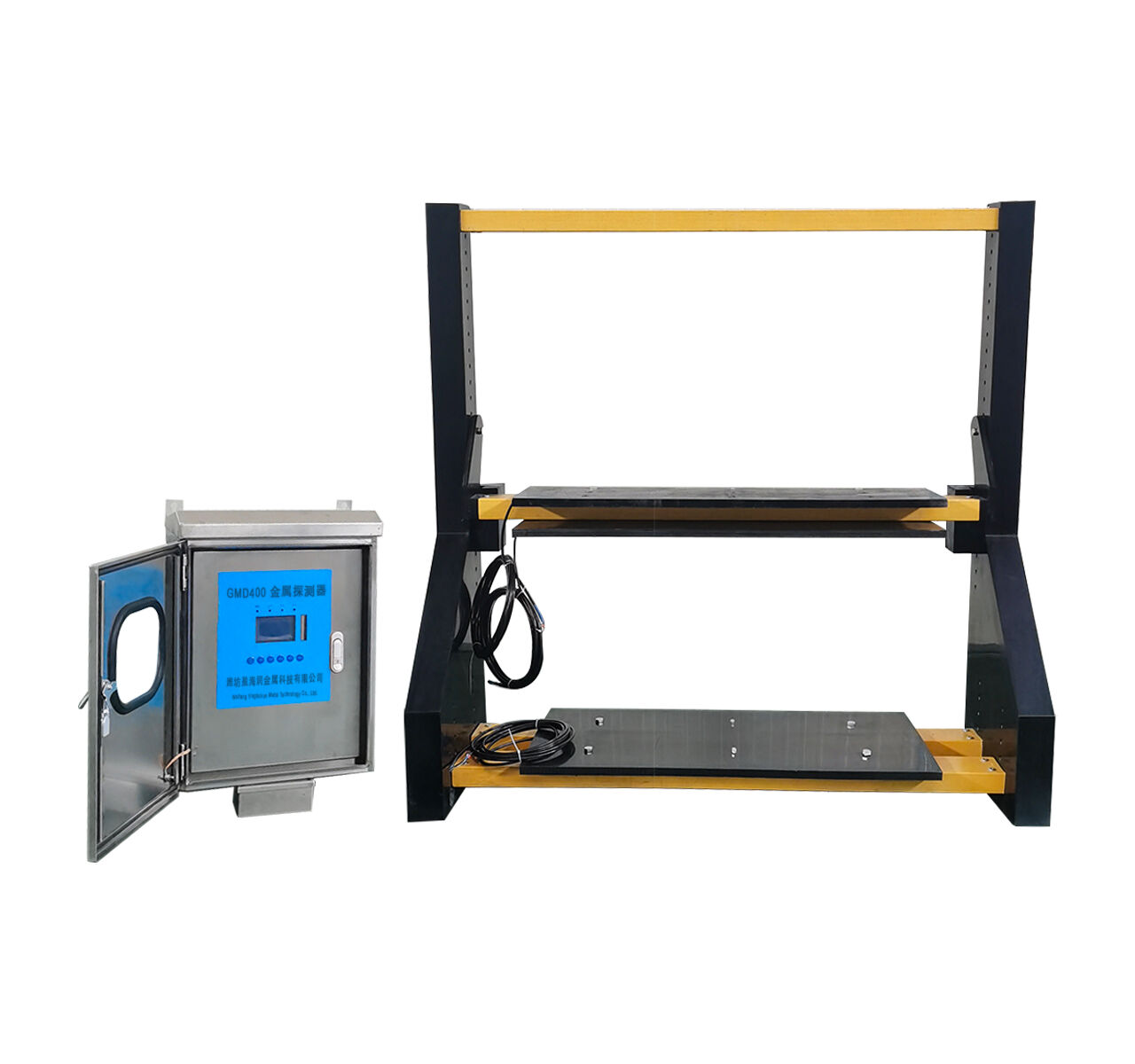
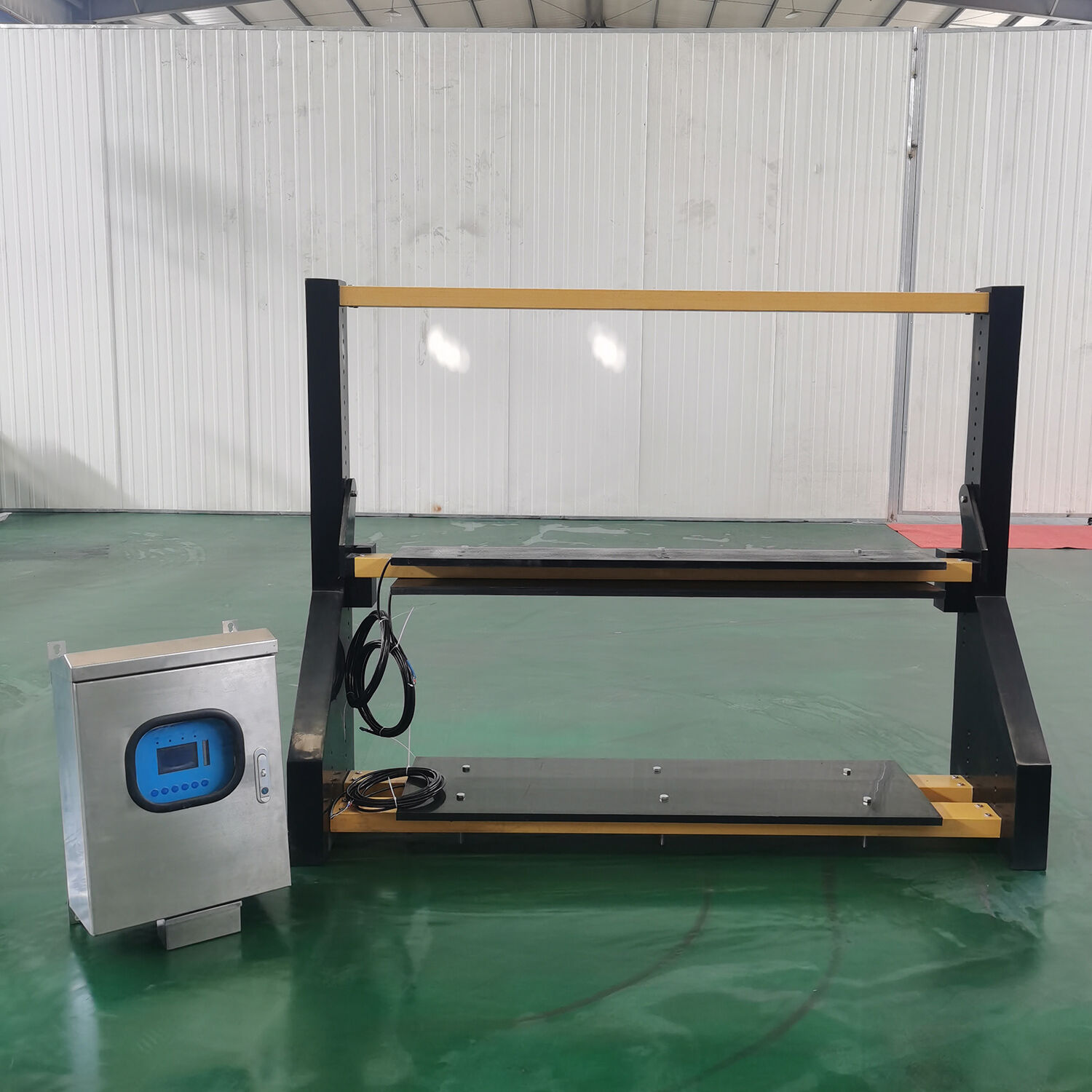
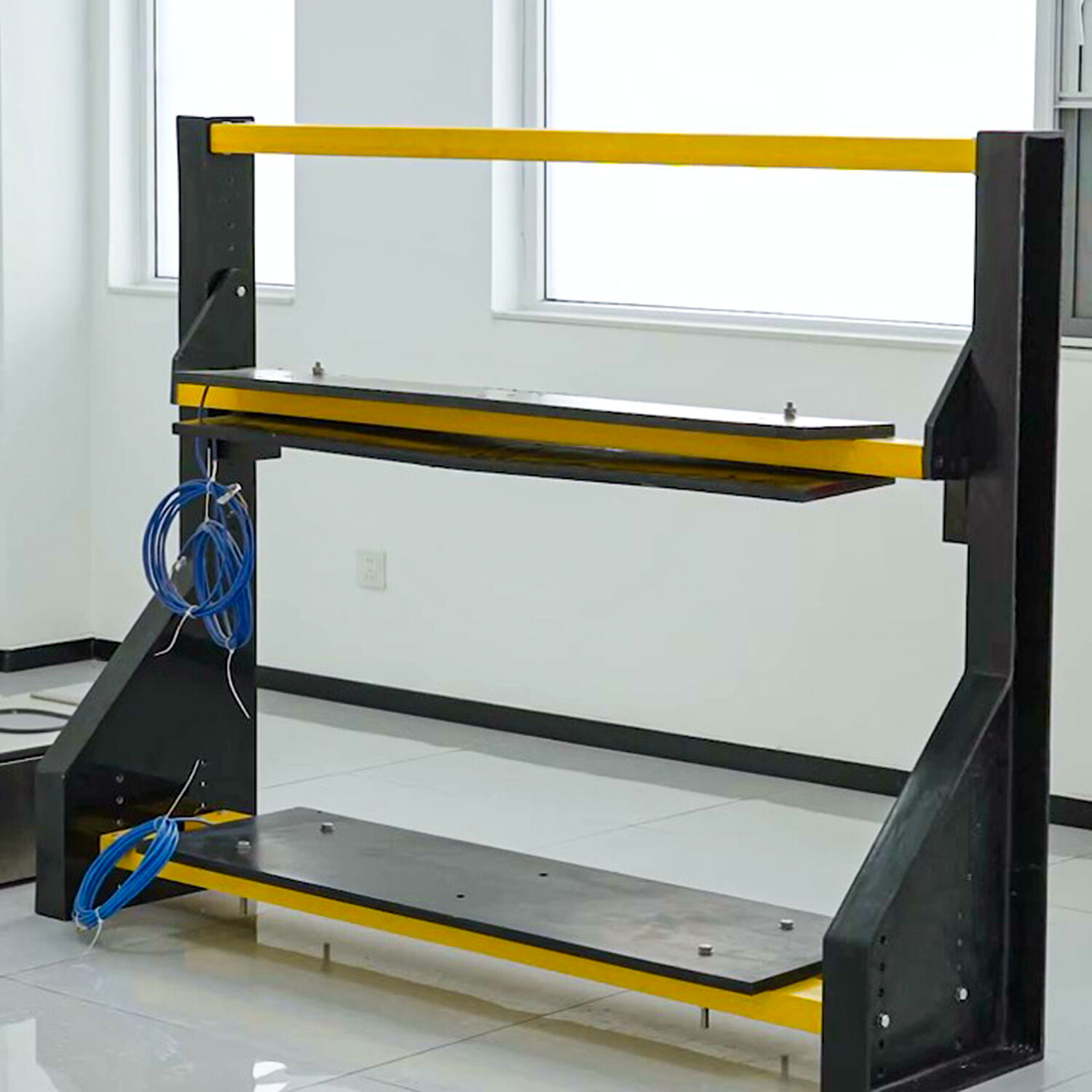
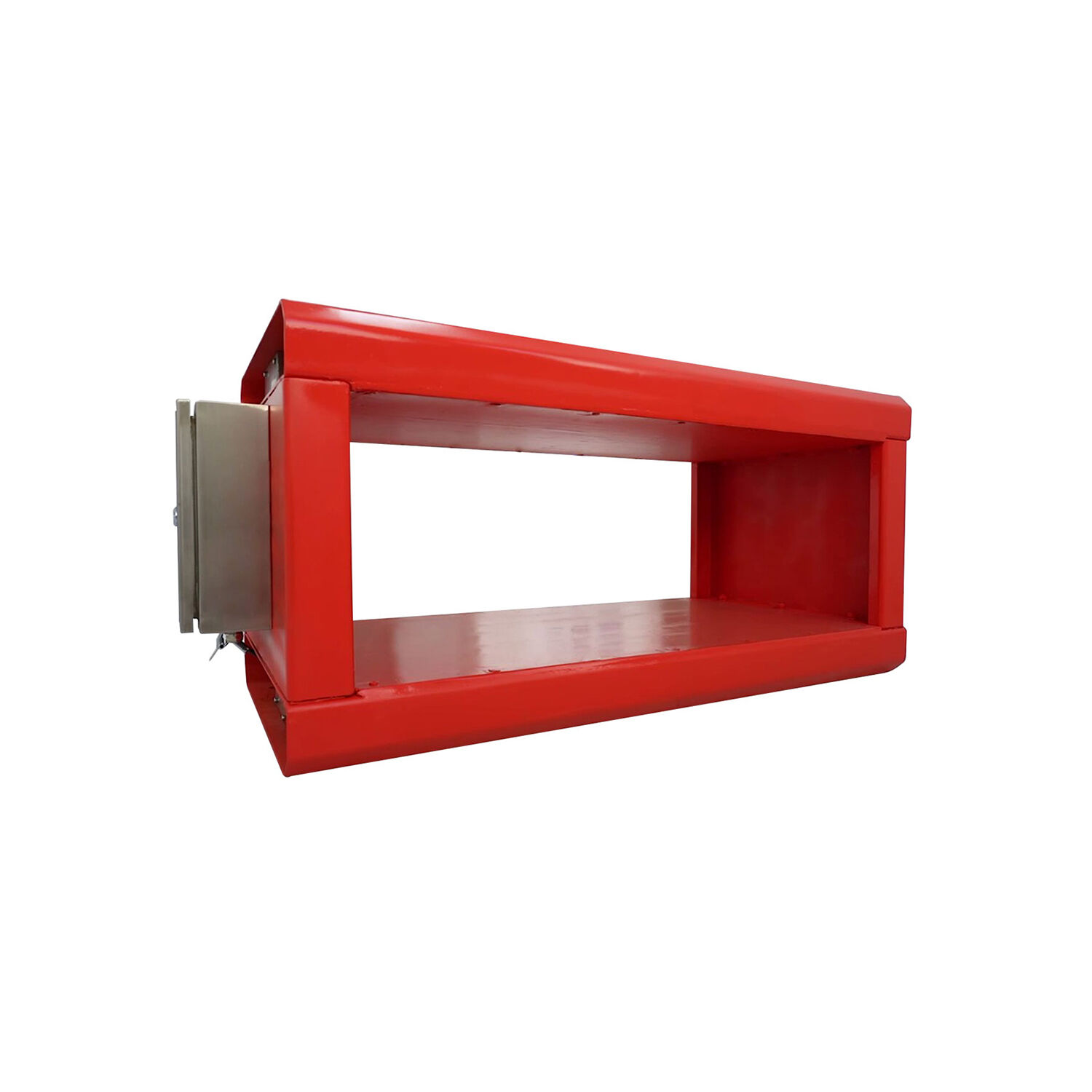
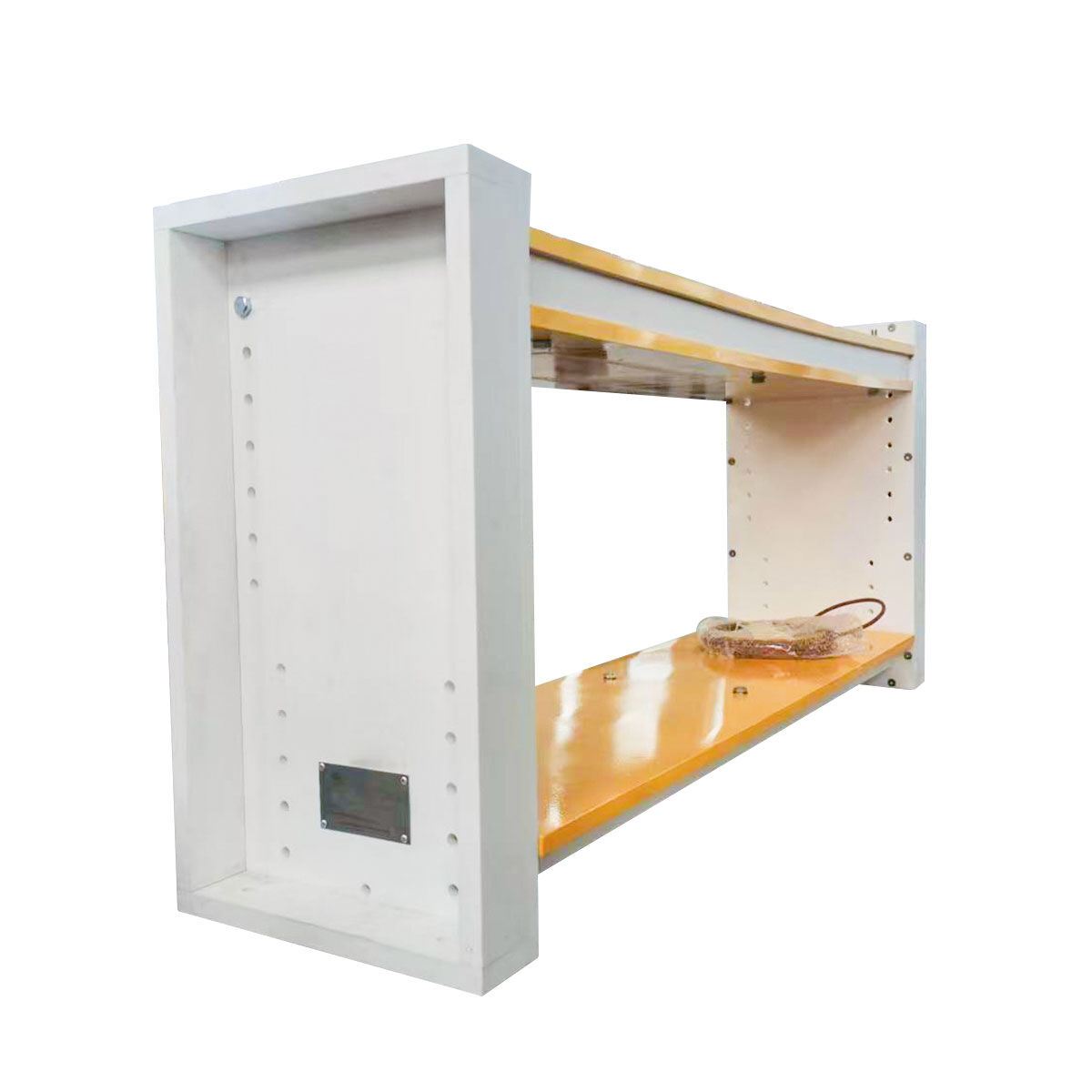
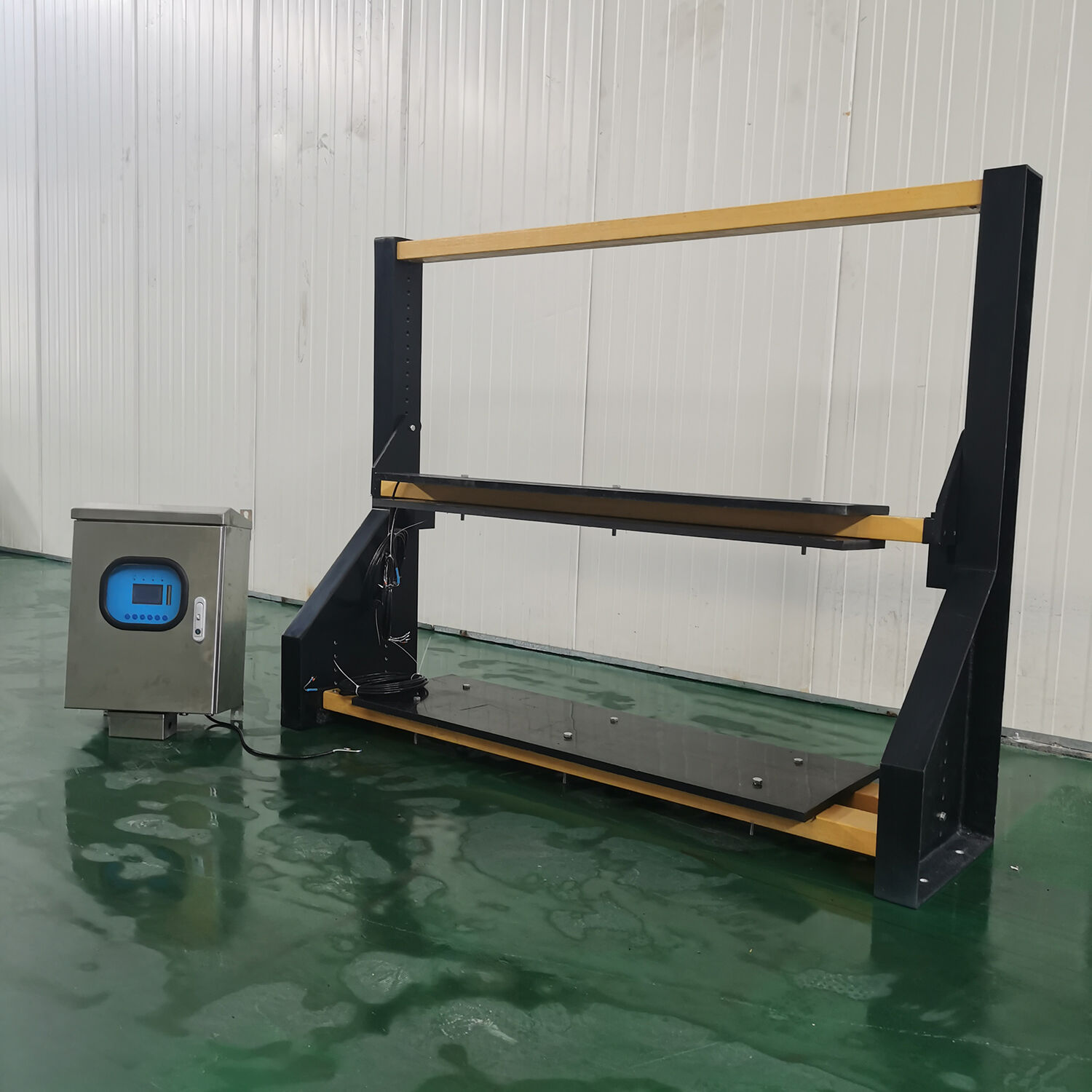
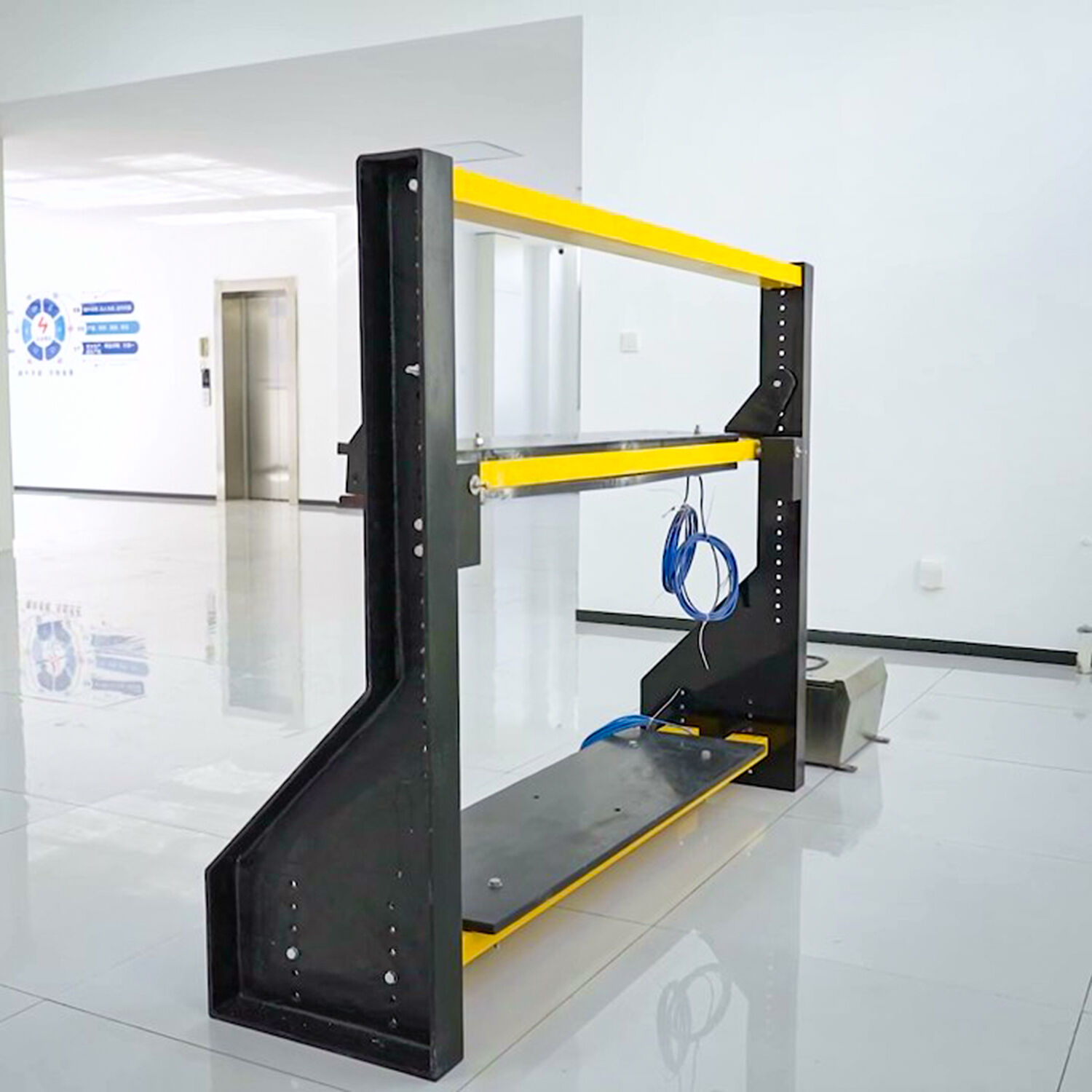
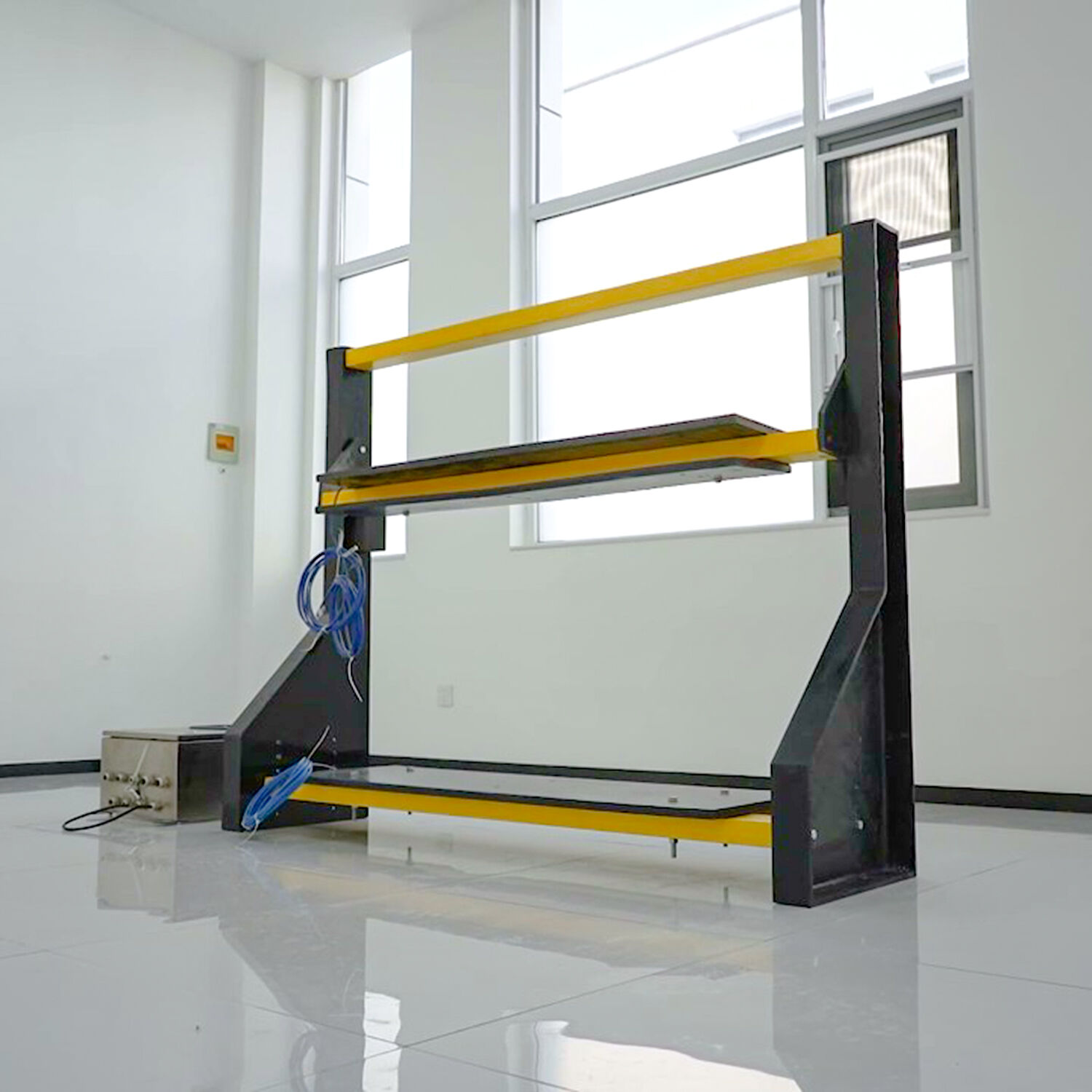
The metal detector food industry represents a critical sector within food safety and quality control systems, serving as an essential safeguard for consumer protection and regulatory compliance. This specialized industry encompasses the design, manufacturing, and implementation of sophisticated detection equipment specifically engineered to identify metallic contaminants in food products throughout the production and packaging processes. Modern metal detector food industry solutions utilize advanced electromagnetic field technology to scan products continuously, ensuring that even the smallest metal particles are detected and removed before reaching consumers. The core functionality of these systems revolves around creating electromagnetic fields that generate eddy currents when metal objects pass through the detection zone. This process enables manufacturers to identify various types of metallic contamination, including ferrous metals like iron and steel, non-ferrous metals such as aluminum and copper, and stainless steel particles that might originate from processing equipment wear, broken machinery components, or external sources. The technological framework of the metal detector food industry incorporates multiple frequency operations, allowing simultaneous detection of different metal types while minimizing false rejections caused by product effects. Advanced signal processing algorithms enhance detection sensitivity and accuracy, while sophisticated rejection systems automatically remove contaminated products from production lines. These systems feature customizable sensitivity settings that can be adjusted according to specific product requirements and contamination risk levels. Integration capabilities allow seamless incorporation into existing production environments, supporting various conveyor speeds and product configurations. The metal detector food industry serves diverse applications across food manufacturing, including bakery products, dairy processing, meat and poultry operations, confectionery production, and packaged goods manufacturing. These systems protect brand reputation, ensure regulatory compliance with food safety standards, and provide comprehensive contamination prevention throughout the supply chain.

 EN
EN