Professional Metal Detector for Food - Advanced Contamination Detection Systems

All Categories

Get a Free Quote

Our representative will contact you soon.
Email
Mobile/WhatsApp
Name
Company Name
Message
0/1000

metal detector for food

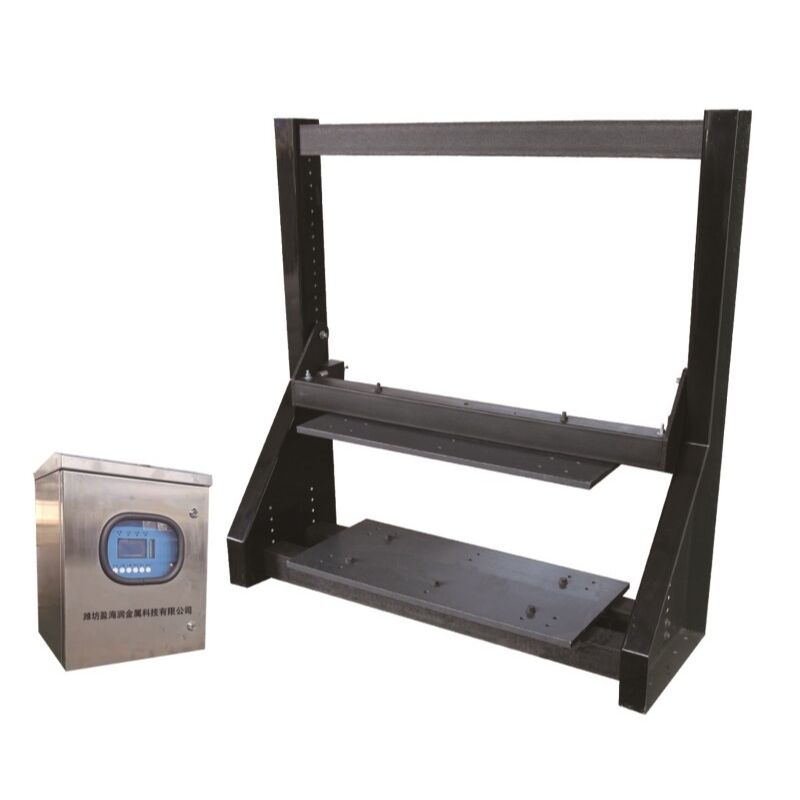
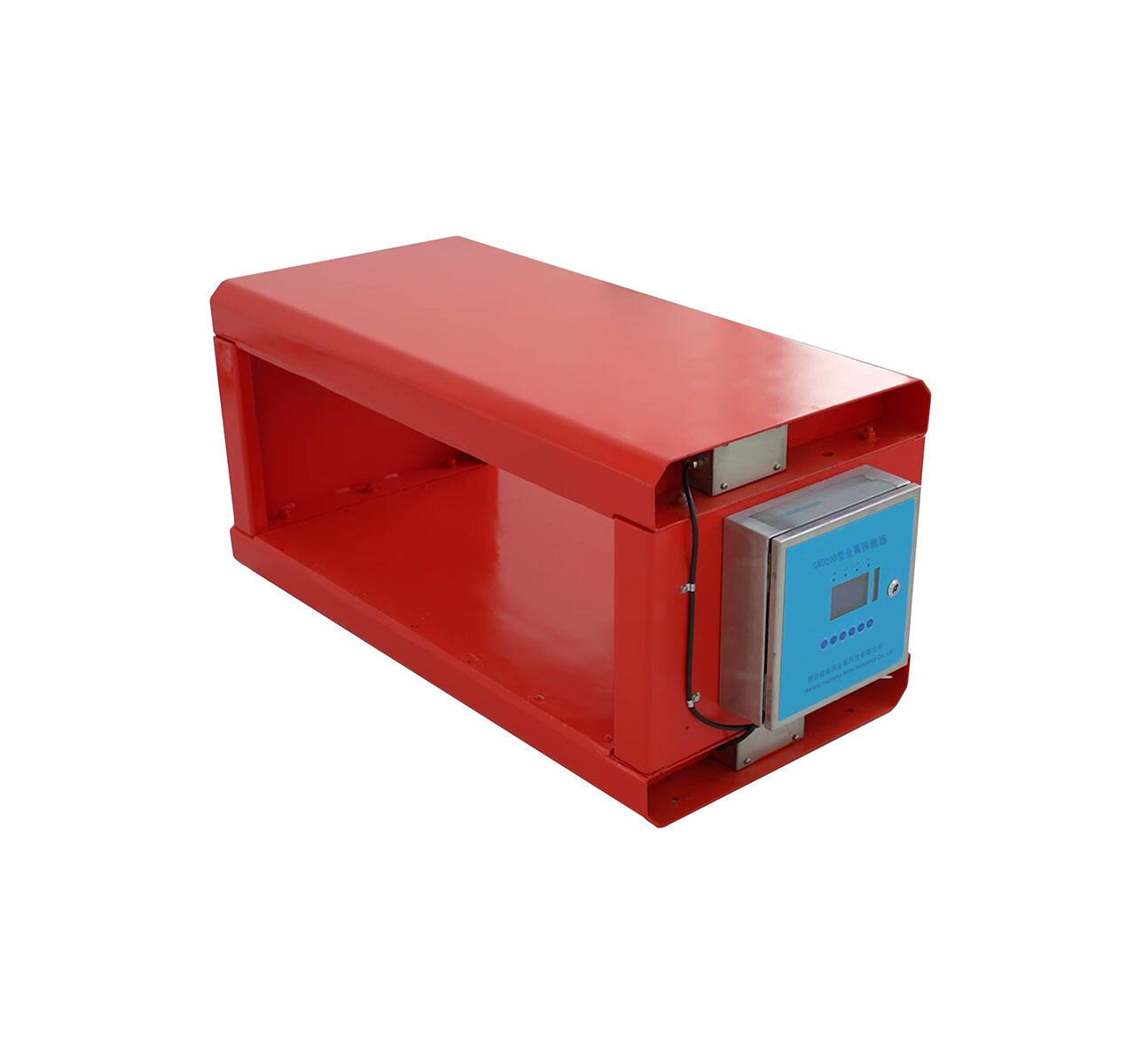
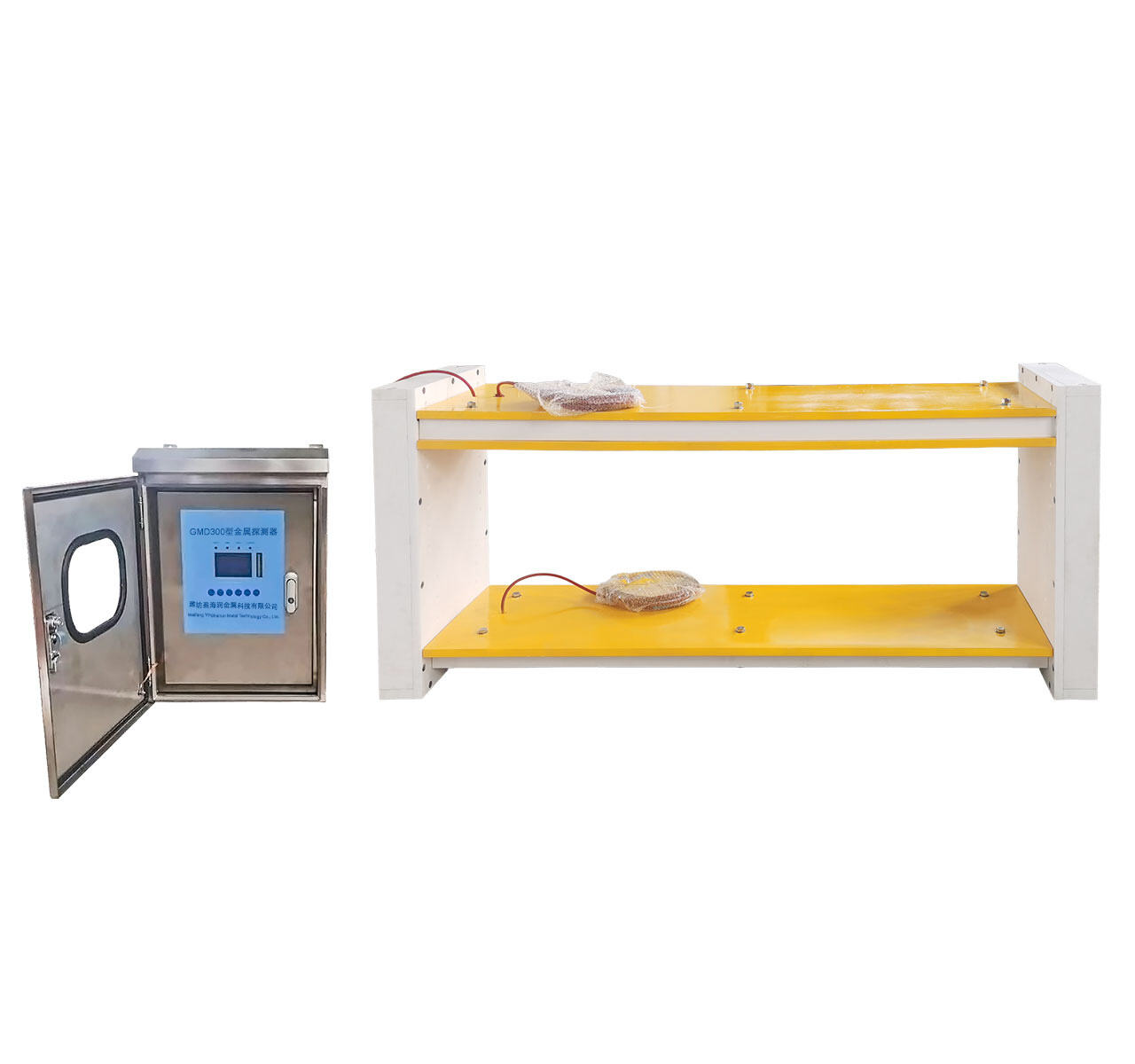
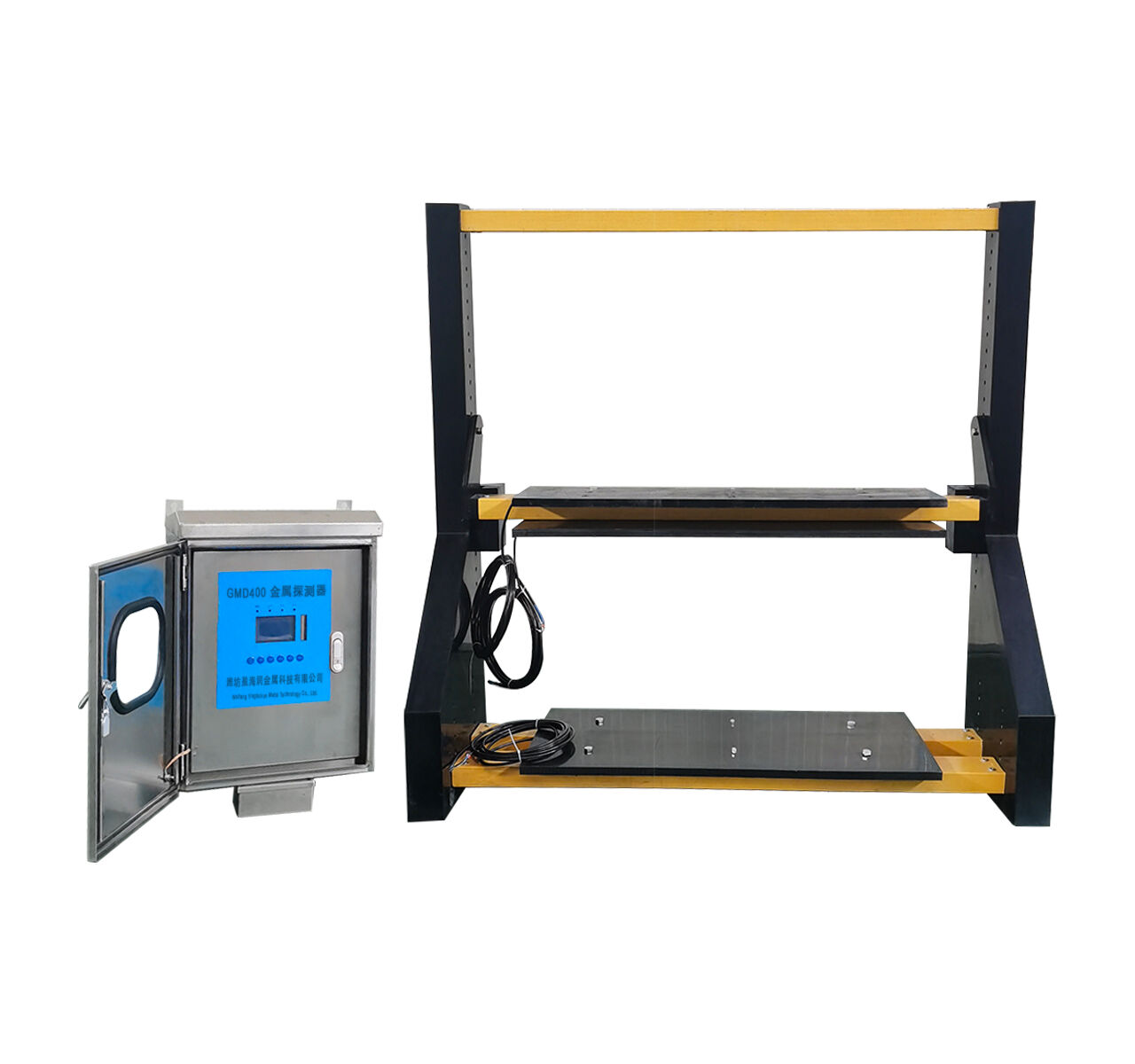
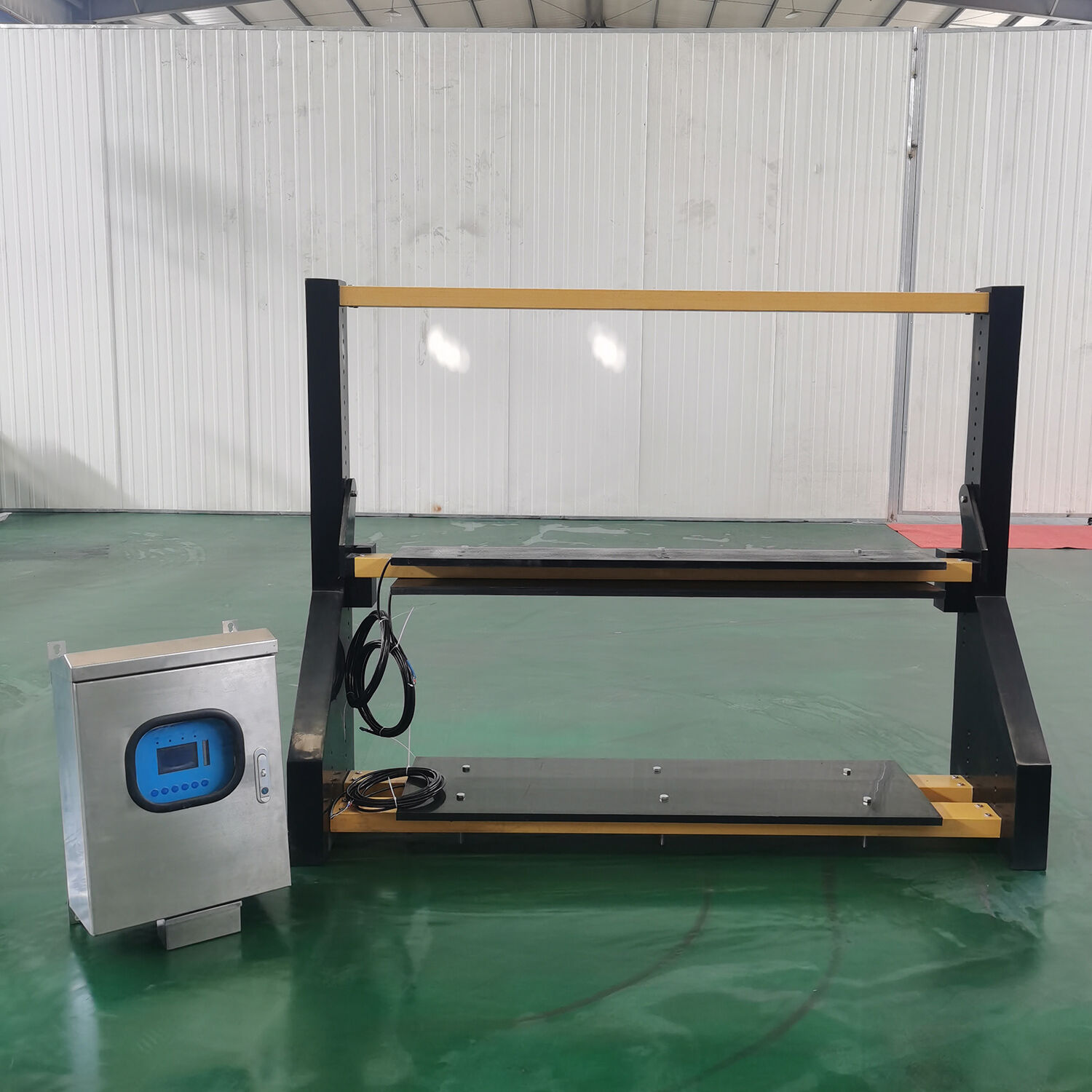
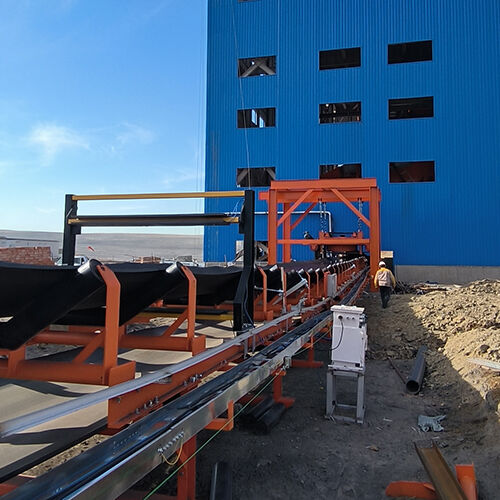
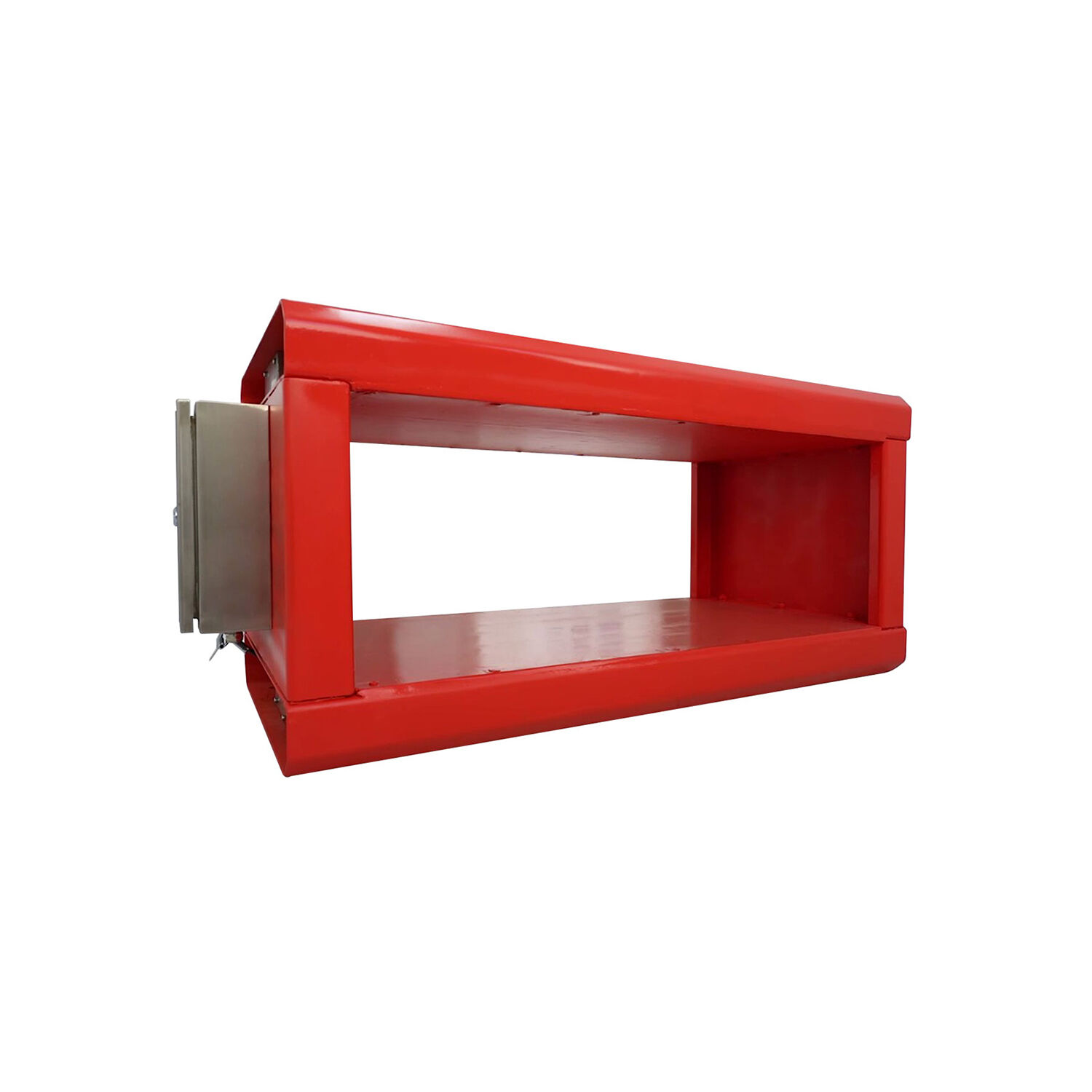
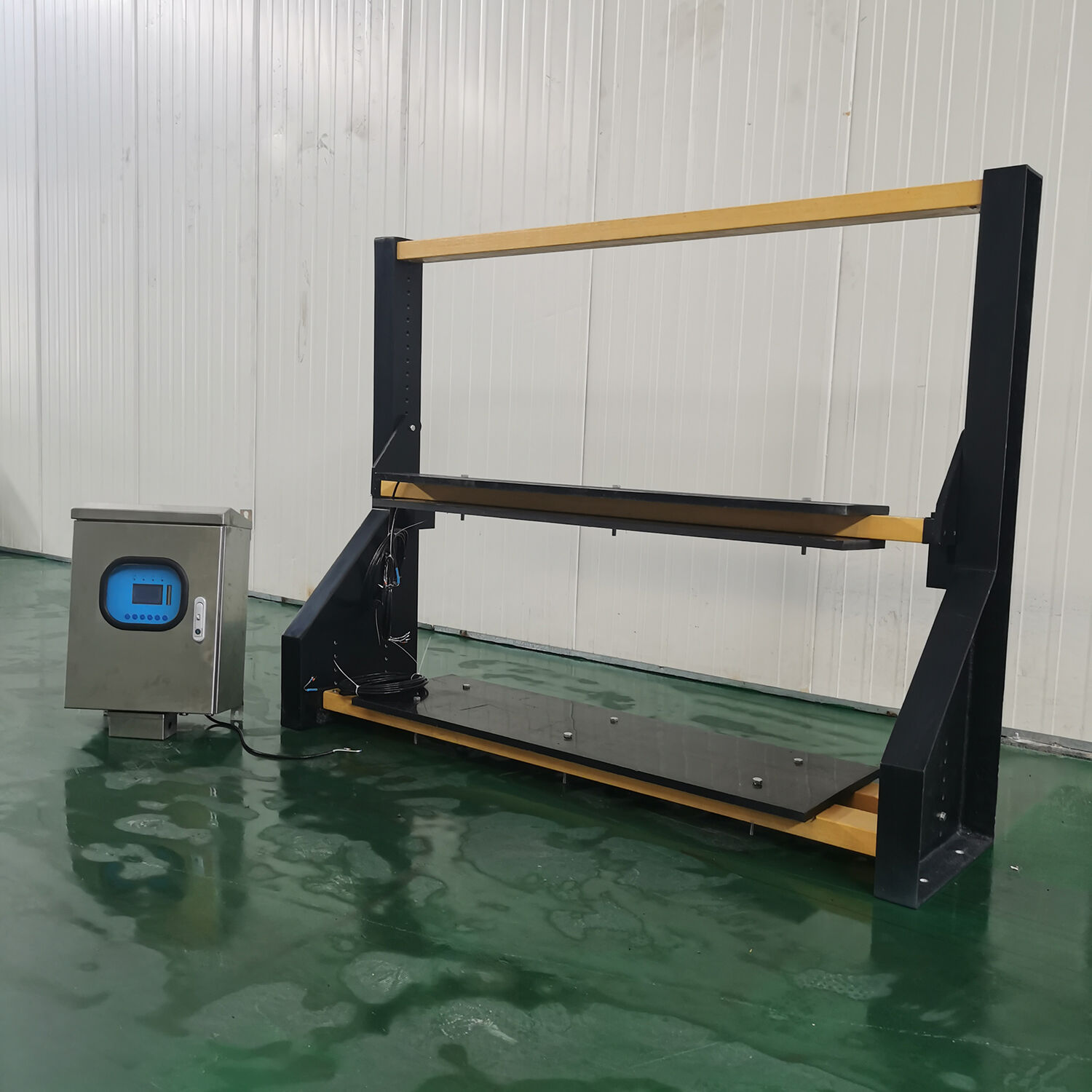
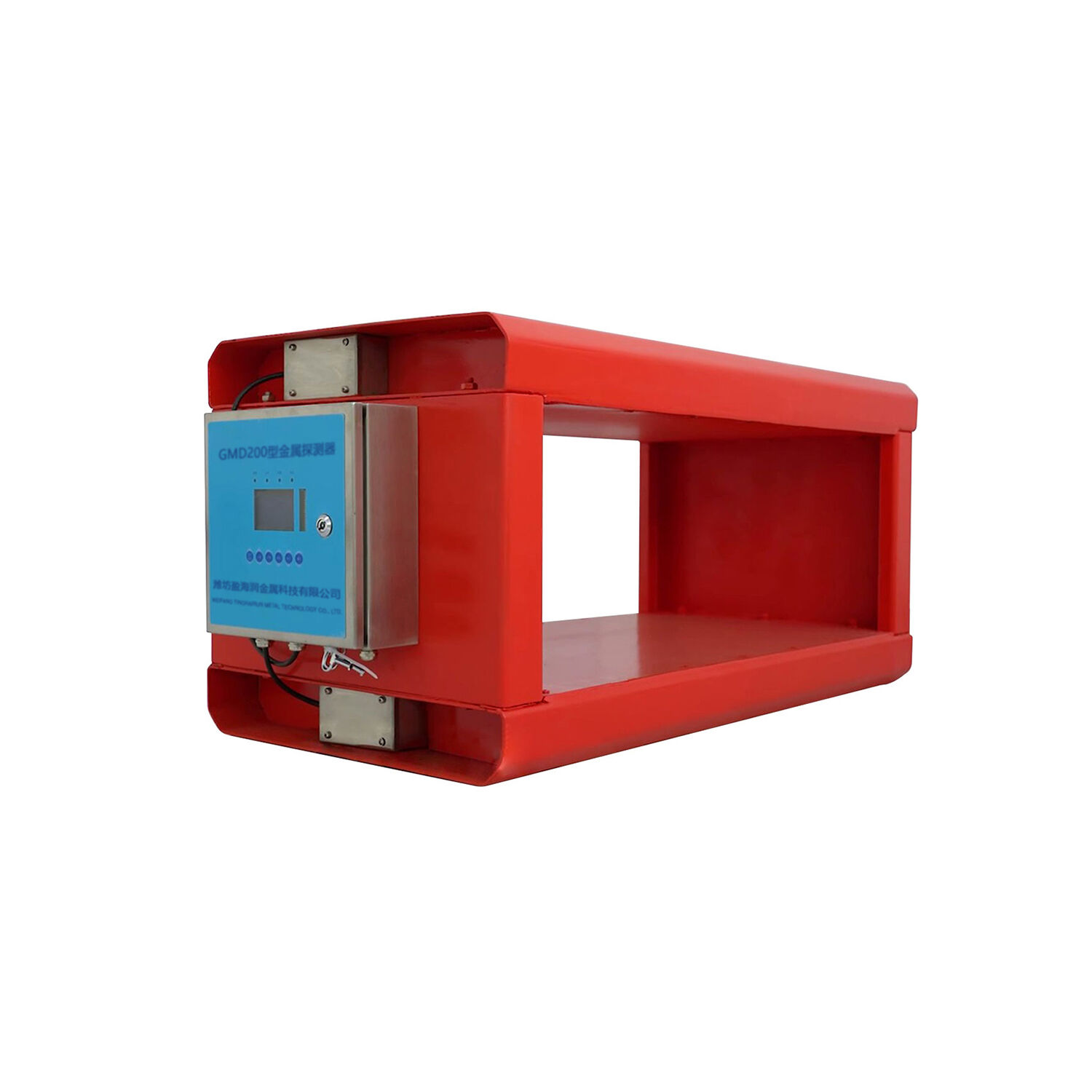
A metal detector for food represents an essential quality control instrument designed to identify and eliminate metallic contaminants from food products during manufacturing processes. This sophisticated equipment serves as a critical safety barrier, protecting consumers from potentially harmful metal fragments while helping food manufacturers maintain strict quality standards and regulatory compliance. The primary function of a metal detector for food involves scanning products as they pass through a detection aperture, utilizing electromagnetic fields to identify ferrous, non-ferrous, and stainless steel contaminants regardless of their size or orientation. Modern food metal detectors incorporate advanced digital signal processing technology, enabling them to distinguish between actual metal contaminants and natural product variations such as moisture, salt content, or temperature fluctuations. These systems feature adjustable sensitivity settings that can be calibrated according to specific product requirements, ensuring optimal detection performance without excessive false alarms. The technological foundation of a metal detector for food relies on balanced coil technology, where transmitter coils generate electromagnetic fields while receiver coils monitor for disturbances caused by metallic objects. When metal passes through the detection zone, it disrupts the electromagnetic field, triggering an immediate response from the control system. Contemporary models integrate sophisticated rejection mechanisms, including pneumatic pushers, belt stops, or diverter flaps, which automatically remove contaminated products from the production line. Many food metal detectors now feature touchscreen interfaces, data logging capabilities, and network connectivity for seamless integration into existing quality management systems. Applications span across diverse food processing environments, from bakeries and confectionery production to meat processing facilities and packaged goods manufacturing, where these devices protect brand reputation and ensure consumer safety.

Popular Products

The implementation of a metal detector for food delivers substantial operational benefits that directly impact both product safety and business profitability. First and foremost, these systems provide unparalleled protection against costly product recalls, which can devastate brand reputation and result in millions of dollars in losses. By detecting metal contaminants before products reach consumers, manufacturers avoid potential legal liabilities, regulatory fines, and the extensive costs associated with recall management. The advanced detection capabilities of modern food metal detectors ensure comprehensive contamination prevention, identifying even the smallest metal fragments that could cause serious injury to consumers or damage to downstream processing equipment. Enhanced productivity represents another significant advantage, as automated detection and rejection systems eliminate the need for manual inspection processes, reducing labor costs while increasing throughput speeds. The precision engineering of contemporary metal detector for food systems minimizes false rejections, ensuring that good products continue through production while only genuinely contaminated items are removed. This accuracy directly translates to reduced waste and improved profit margins. Regulatory compliance becomes effortless with integrated documentation features that automatically generate inspection records, audit trails, and statistical reports required by food safety standards such as HACCP, BRC, and SQF. The versatility of modern systems allows for easy adaptation to various product types, packaging formats, and production speeds without requiring extensive reconfiguration or downtime. Real-time monitoring capabilities enable immediate response to detection events, preventing contaminated products from progressing further in the production process. The robust construction of industrial-grade metal detectors ensures reliable operation in challenging food processing environments, withstanding washdown procedures, temperature variations, and continuous operation demands. Investment return typically occurs within months through reduced waste, improved efficiency, and avoided recall costs. Additionally, the presence of certified metal detection systems often reduces insurance premiums and facilitates easier market access, particularly for export markets with stringent food safety requirements.

Practical Tips

Mining Metal Detector Sensitivity vs. External Interference

01

Apr

Mining Metal Detector Sensitivity vs. External Interference

Mining metal detector sensitivity represents a critical balance between detection capability and operational reliability in challenging industrial environments. The relationship between sensitivity levels and external interference determines how effe...
View More
How Conveyor Belt Detectors Improve Food Safety Compliance

02

Apr

How Conveyor Belt Detectors Improve Food Safety Compliance

Food safety compliance has become increasingly critical in today's manufacturing environment, where contamination incidents can result in massive recalls, regulatory penalties, and permanent damage to brand reputation. The implementation of a conveyo...
View More
Evaluating Metal Detector Machine Suppliers in 2026

06

Apr

Evaluating Metal Detector Machine Suppliers in 2026

Selecting the right metal detector machine supplier has become increasingly complex in 2026, as businesses face evolving security requirements, technological advancements, and supply chain considerations. The metal detector machine market has expande...
View More
How Tramp Metal Detectors Detect Non-Ferrous Contaminants

12

Apr

How Tramp Metal Detectors Detect Non-Ferrous Contaminants

Understanding how a tramp metal detector identifies non-ferrous contaminants requires examining the sophisticated electromagnetic principles behind modern detection technology. Unlike traditional metal detection systems that primarily focus on ferrou...
View More

Get a Free Quote

Our representative will contact you soon.
Email
Mobile/WhatsApp
Name
Company Name
Message
0/1000

metal detector for food

Advanced Multi-Frequency Detection Technology

Advanced Multi-Frequency Detection Technology

The cornerstone of modern metal detector for food systems lies in their sophisticated multi-frequency detection technology, which represents a revolutionary advancement over traditional single-frequency devices. This cutting-edge technology employs multiple electromagnetic frequencies simultaneously, typically ranging from low-frequency signals that excel at detecting ferrous metals to high-frequency signals optimized for non-ferrous and stainless steel detection. The multi-frequency approach dramatically enhances detection sensitivity while significantly reducing false alarms caused by product effects such as moisture variation, temperature changes, or natural mineral content. This technology proves particularly valuable when processing challenging products like frozen foods, wet products, or items with high salt content, which traditionally interfered with detection accuracy. The intelligent signal processing algorithms analyze multiple frequency responses in real-time, creating a comprehensive contamination profile that distinguishes between genuine metal threats and harmless product characteristics. This sophisticated analysis enables the metal detector for food to maintain consistent performance across diverse product types without requiring frequent recalibration or sensitivity adjustments. The system automatically adapts to product variations, ensuring reliable detection throughout extended production runs. Furthermore, the multi-frequency technology extends detection capabilities to identify extremely small metal fragments, including wire strands, metal shavings, and broken needle points that pose serious safety risks to consumers. The enhanced sensitivity doesn't compromise production speed, as the rapid signal processing maintains high throughput rates essential for commercial food production. This technology also supports future-proofing investments, as manufacturers can easily adapt to new product lines or regulatory requirements without replacing entire systems. The diagnostic capabilities inherent in multi-frequency systems provide valuable insights into detection performance, enabling predictive maintenance and optimal system tuning for maximum effectiveness.
Intelligent Product Learning and Automatic Compensation

Intelligent Product Learning and Automatic Compensation

The intelligent product learning capability integrated into advanced metal detector for food systems represents a paradigm shift from manual setup procedures to fully automated optimization processes. This sophisticated feature employs artificial intelligence algorithms to automatically analyze product characteristics, learning the unique electromagnetic signature of each food item as it passes through the detection zone. The system continuously monitors product behavior, identifying patterns in moisture content, density variations, temperature fluctuations, and other factors that could potentially interfere with metal detection accuracy. Through this intelligent learning process, the metal detector for food automatically adjusts its sensitivity parameters and compensation settings to maintain optimal detection performance while minimizing false rejections. The learning algorithm creates detailed product profiles that are stored in the system memory, enabling instant recognition and appropriate settings when switching between different products or packaging formats. This automation eliminates the time-consuming manual setup procedures traditionally required when changing production runs, significantly reducing downtime and improving overall equipment effectiveness. The system's ability to distinguish between legitimate product variations and actual metal contamination becomes increasingly refined over time, as the machine learning algorithms accumulate more data about normal product behavior. This continuous improvement process ensures that detection sensitivity remains at peak levels while false alarm rates decrease substantially. The automatic compensation feature proves particularly valuable in environments where product characteristics change throughout production shifts due to ingredient variations, processing conditions, or environmental factors. Additionally, the intelligent system provides predictive analytics, alerting operators to potential issues before they impact production quality. The learning capability extends to environmental factors, automatically compensating for electrical interference, vibration effects, or temperature changes that could affect detection performance. This comprehensive automation reduces the skill level required for operation while ensuring consistent, reliable contamination detection regardless of operator experience or external conditions.
Comprehensive Data Integration and Traceability Solutions

Comprehensive Data Integration and Traceability Solutions

Modern metal detector for food systems incorporate comprehensive data integration and traceability solutions that transform contamination detection from a simple pass-fail process into a sophisticated quality management tool. These advanced systems generate detailed operational data, including detection events, product statistics, system performance metrics, and maintenance schedules, all seamlessly integrated with existing manufacturing execution systems and enterprise resource planning platforms. The comprehensive data capture enables complete product traceability, recording every item that passes through the detection zone with timestamps, batch information, and detection results. This detailed documentation proves invaluable during quality audits, regulatory inspections, and potential investigation procedures. The real-time data transmission capabilities allow quality managers to monitor detection performance remotely, receiving instant notifications of contamination events or system anomalies through email alerts, SMS messages, or mobile applications. Statistical analysis tools within the system identify trends in contamination sources, enabling proactive measures to address root causes rather than simply reacting to detection events. The data integration extends to predictive maintenance capabilities, monitoring component performance and alerting maintenance teams when calibration or service intervals approach. This proactive approach minimizes unexpected downtime while ensuring optimal detection performance throughout the equipment lifecycle. The traceability solutions support recall management procedures by providing rapid identification of affected products and precise timing of contamination events. Integration with packaging systems enables automatic lot coding and batch tracking, creating comprehensive audit trails that satisfy the most stringent regulatory requirements. The system's reporting capabilities generate customizable documentation for quality certifications, customer audits, and regulatory compliance demonstrations. Furthermore, the data analytics identify optimization opportunities, such as production line efficiency improvements or contamination prevention strategies. The cloud-based data storage options ensure secure, accessible information management while supporting multi-site operations with centralized monitoring and reporting capabilities. This comprehensive approach to data management transforms the metal detector for food from a safety device into a strategic business intelligence tool that drives continuous improvement in food safety and operational efficiency.


Get a Free Quote

Our representative will contact you soon.
Email
Mobile/WhatsApp
Name
Company Name
Message
0/1000