Advanced Metal Detectors for Food Processing - Superior Contamination Detection Systems

All Categories

Get a Free Quote

Our representative will contact you soon.
Email
Mobile/WhatsApp
Name
Company Name
Message
0/1000

metal detectors for food processing

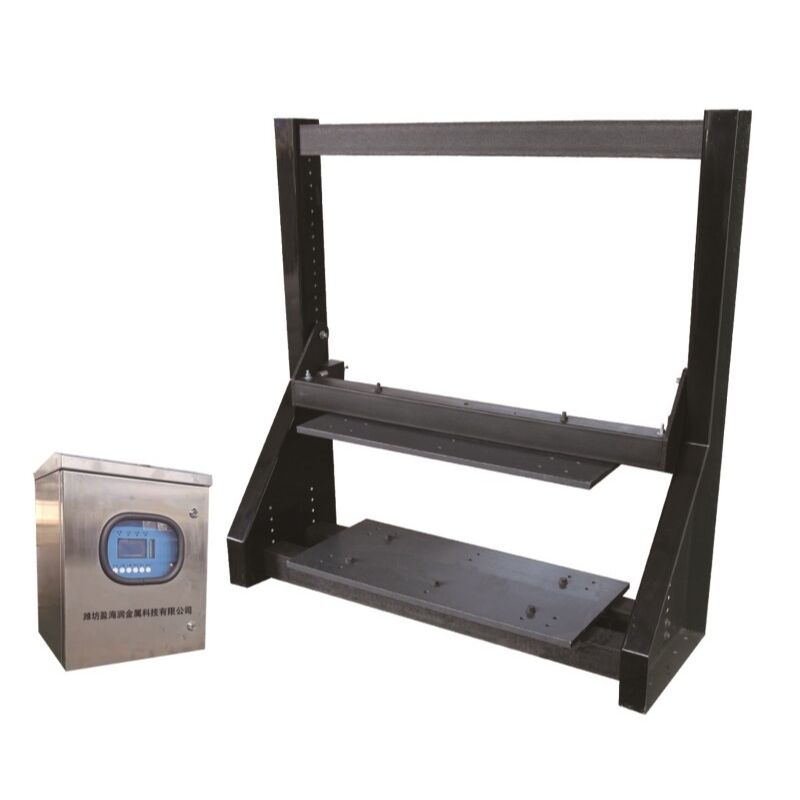
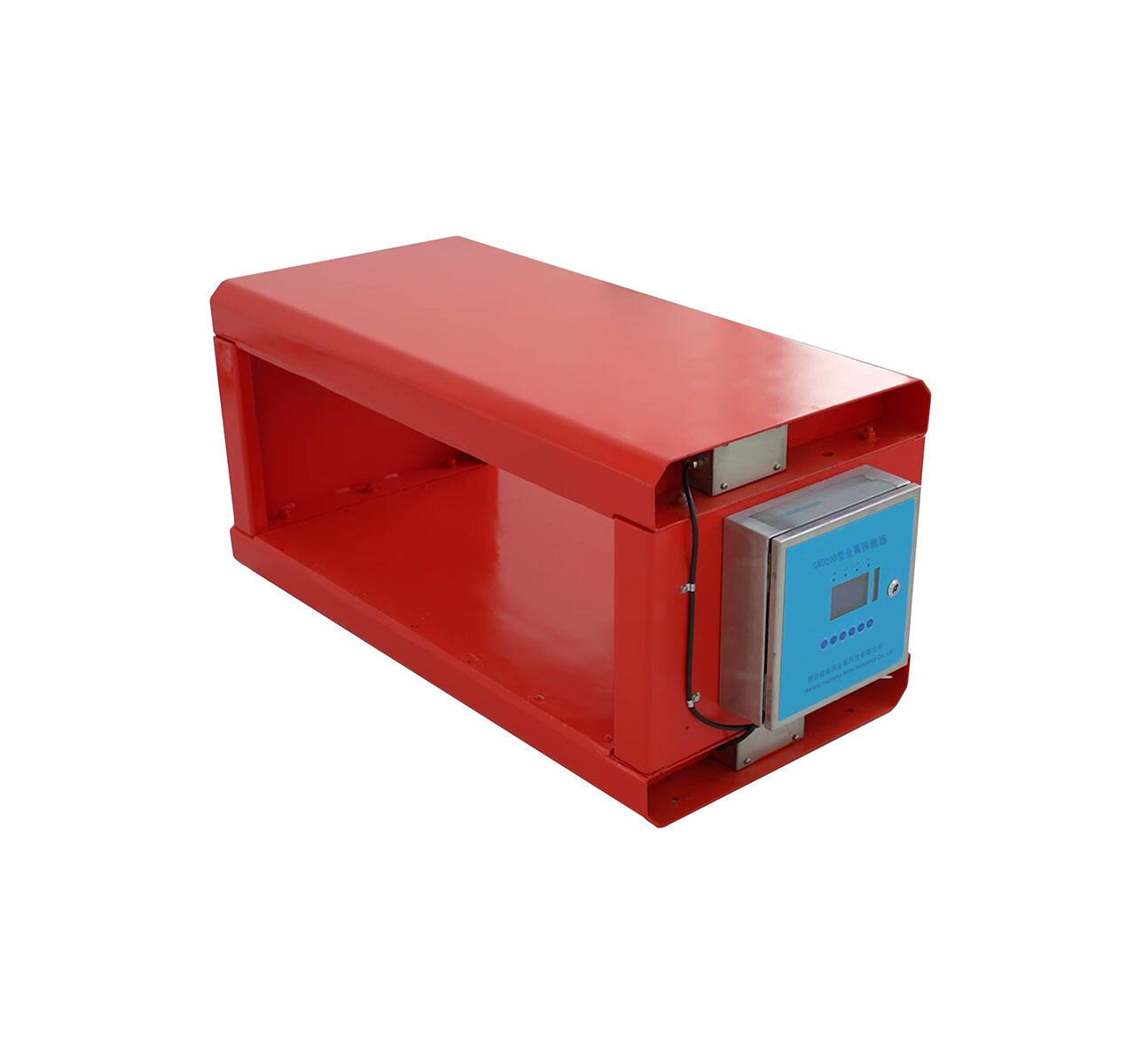
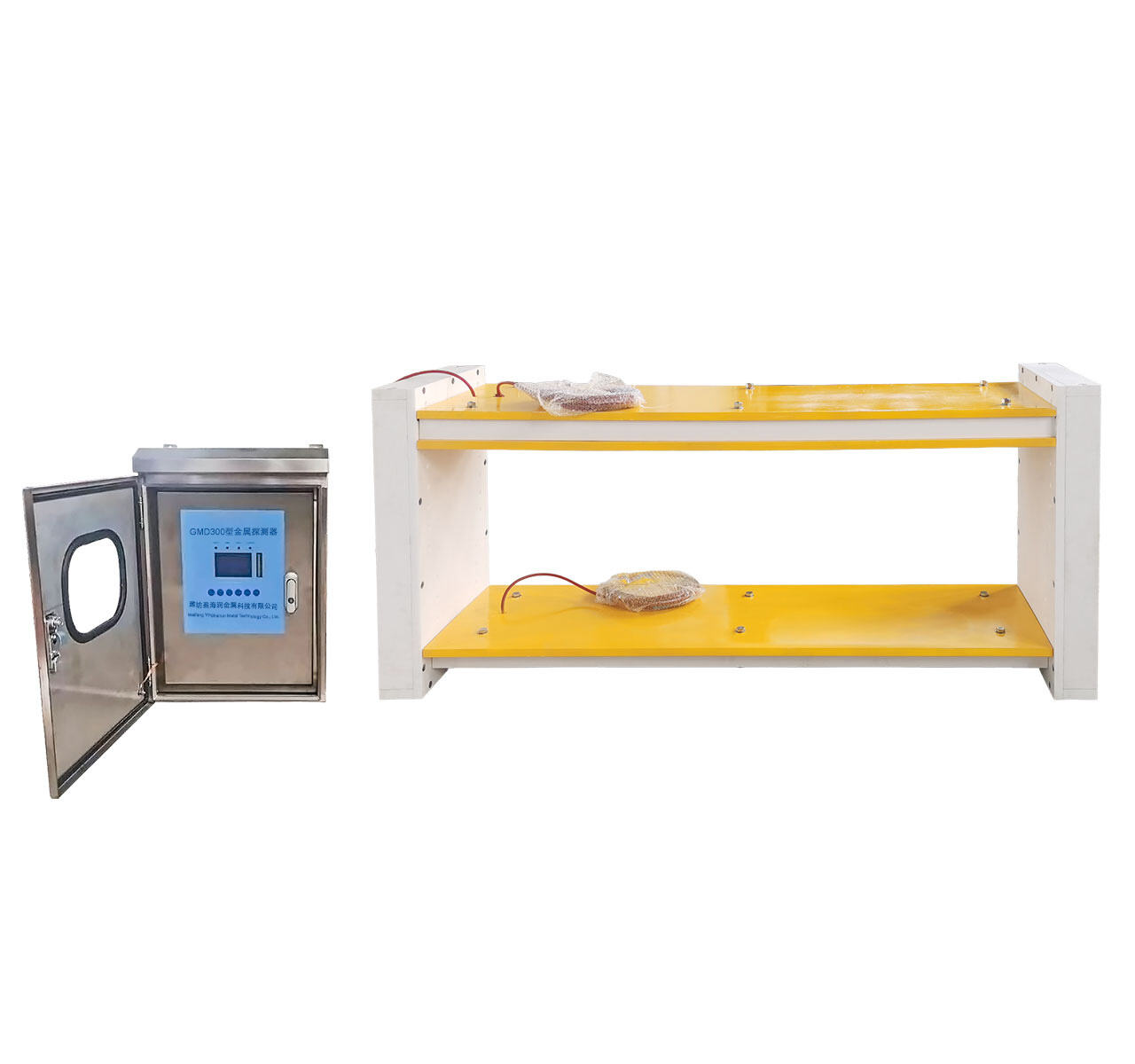
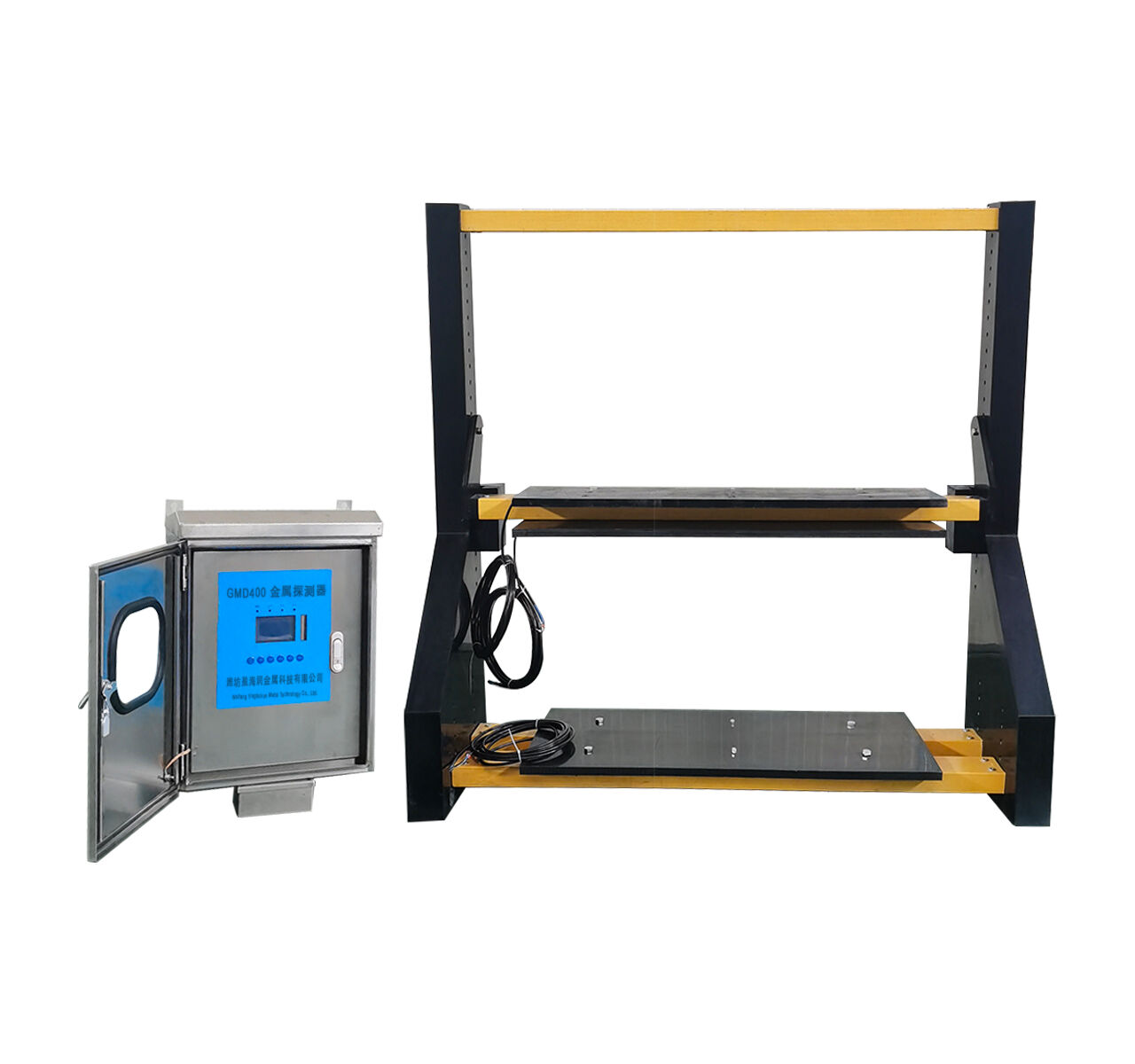
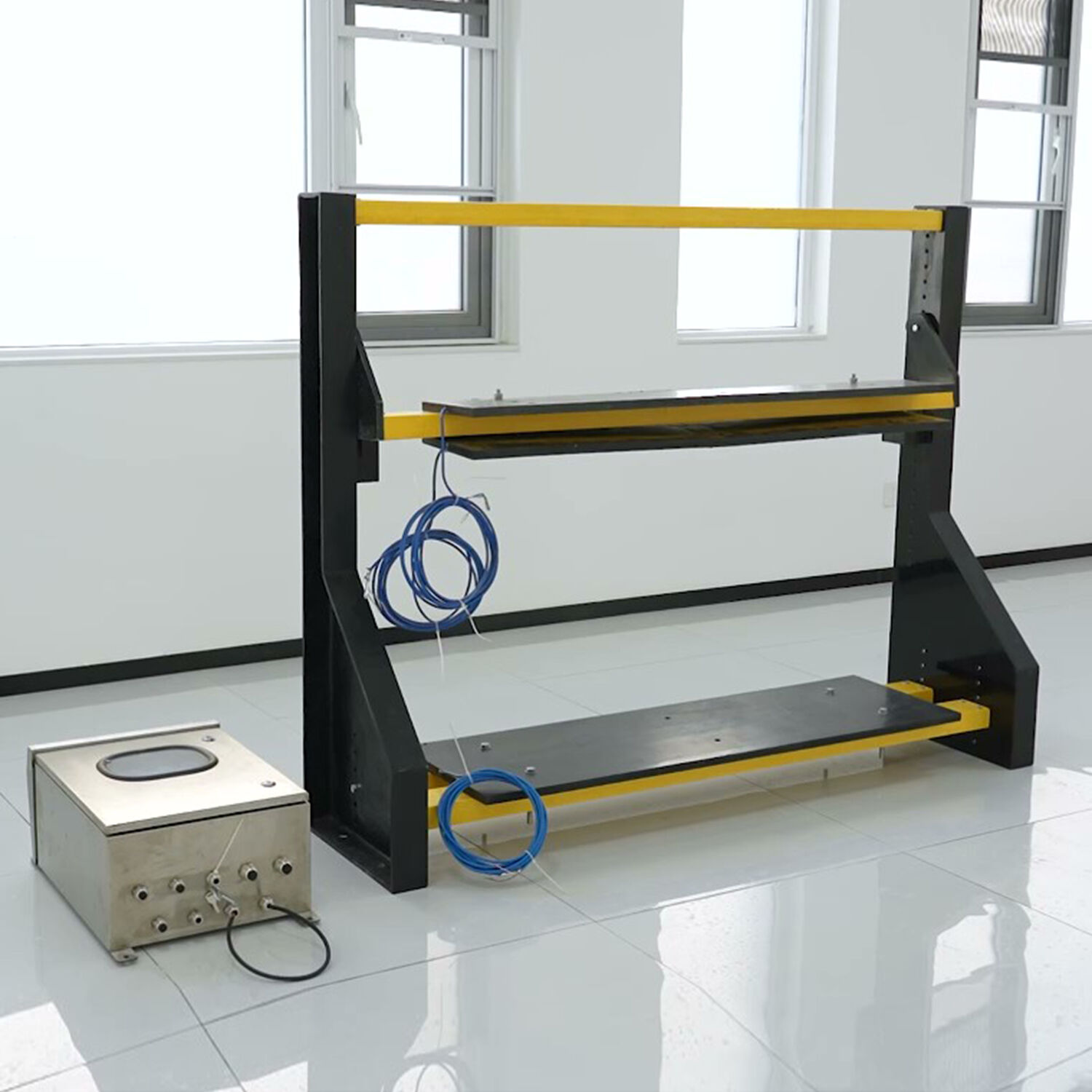
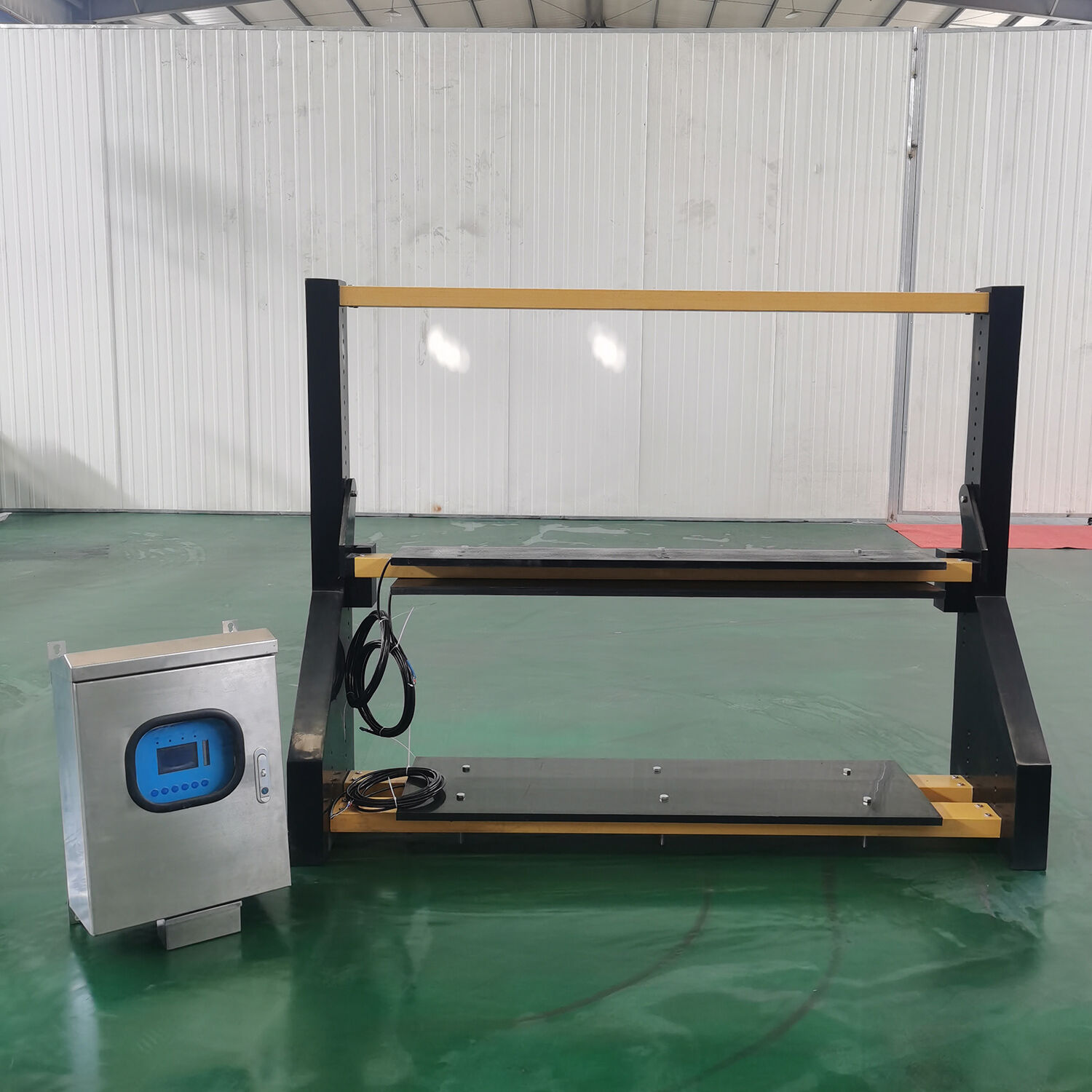
Metal detectors for food processing represent essential quality control equipment designed to identify and eliminate metallic contaminants from food products throughout manufacturing operations. These sophisticated detection systems utilize electromagnetic technology to scan products continuously, ensuring consumer safety and regulatory compliance across diverse food production environments. The primary function of metal detectors for food processing involves creating electromagnetic fields that detect ferrous, non-ferrous, and stainless steel particles within food items. When metallic contaminants enter the detection zone, the system immediately alerts operators and triggers automatic rejection mechanisms to remove contaminated products from production lines. Modern metal detectors for food processing incorporate advanced digital signal processing capabilities, enabling precise discrimination between actual metal contamination and product effects caused by moisture, salt content, or temperature variations. These systems feature multi-frequency technology that simultaneously operates at different frequencies, optimizing detection sensitivity while minimizing false rejections. The technological architecture includes sophisticated coil configurations, typically consisting of transmitter and receiver coils arranged in balanced arrangements. This configuration generates stable electromagnetic fields that remain undisturbed until metallic objects disrupt the field balance, triggering immediate detection responses. Contemporary metal detectors for food processing integrate intelligent software algorithms that learn product characteristics over time, automatically adjusting sensitivity parameters to maintain optimal performance across varying production conditions. Applications span across numerous food processing sectors, including bakery operations, meat processing facilities, dairy production plants, confectionery manufacturing, and packaged food assembly lines. These versatile systems accommodate various product formats, from loose bulk materials and liquids to individually wrapped items and large packaging configurations. Installation flexibility allows integration into existing conveyor systems, gravity-fed applications, and pipeline installations, making metal detectors for food processing adaptable to diverse operational requirements and spatial constraints within manufacturing facilities.


New Products

Metal detectors for food processing deliver substantial operational benefits that directly impact production efficiency, product quality, and regulatory compliance across manufacturing environments. These systems provide immediate contamination detection capabilities, allowing operators to identify and remove compromised products before they reach consumer markets, thereby protecting brand reputation and preventing costly product recalls. The implementation of metal detectors for food processing significantly reduces liability exposure by demonstrating proactive commitment to food safety standards and regulatory requirements established by organizations such as the FDA, USDA, and international quality certification bodies. Advanced detection algorithms minimize false rejection rates, ensuring legitimate products continue through production lines without unnecessary interruptions or material waste. This precision translates into improved operational efficiency and reduced production costs associated with product loss and line downtime. Metal detectors for food processing feature robust construction designed to withstand harsh manufacturing environments, including exposure to moisture, temperature fluctuations, cleaning chemicals, and continuous operational demands. Stainless steel housing and IP-rated enclosures ensure long-term durability and compliance with sanitary requirements essential in food production facilities. User-friendly interfaces simplify operator training and daily operations, reducing the learning curve for personnel and minimizing the potential for operational errors. Comprehensive data logging capabilities enable manufacturers to maintain detailed records of detection events, system performance metrics, and production statistics required for quality audits and regulatory inspections. Integration capabilities allow seamless connection with existing production management systems, enabling real-time monitoring and automated reporting functions that enhance overall facility oversight. The modular design of modern metal detectors for food processing facilitates easy maintenance procedures and component replacement, minimizing service interruptions and extending equipment lifespan. Customizable sensitivity settings accommodate diverse product characteristics while maintaining consistent detection performance across different food types and packaging materials. Remote monitoring capabilities enable supervisory personnel to oversee multiple production lines simultaneously, optimizing resource allocation and response times. Energy-efficient operation reduces utility costs while maintaining continuous protection throughout production shifts. The versatility of metal detectors for food processing supports multiple product formats and production speeds, allowing manufacturers to adapt systems to changing operational requirements without significant equipment modifications or replacements.

Latest News

How Conveyor Belt Detectors Improve Food Safety Compliance

02

Apr

How Conveyor Belt Detectors Improve Food Safety Compliance

Food safety compliance has become increasingly critical in today's manufacturing environment, where contamination incidents can result in massive recalls, regulatory penalties, and permanent damage to brand reputation. The implementation of a conveyo...
View More
Cost-Benefit Analysis of High-End Tramp Metal Detectors

03

Apr

Cost-Benefit Analysis of High-End Tramp Metal Detectors

Investing in high-end tramp metal detector systems requires careful financial evaluation to justify the substantial upfront costs against long-term operational benefits. These sophisticated detection systems command premium prices due to their advanc...
View More
Reliable Mine Metal Detectors for Primary Crusher Protection

05

Apr

Reliable Mine Metal Detectors for Primary Crusher Protection

Primary crushers in mining operations face constant threats from metallic contaminants that can cause devastating equipment damage, costly downtime, and significant safety hazards. A reliable mine metal detector serves as the critical first line of d...
View More
Understanding the Components of a Metal Detector Machine

08

Apr

Understanding the Components of a Metal Detector Machine

A metal detector machine consists of several interconnected components that work together to identify metallic objects beneath the surface or within materials. Understanding these fundamental components is essential for anyone working with metal dete...
View More

Get a Free Quote

Our representative will contact you soon.
Email
Mobile/WhatsApp
Name
Company Name
Message
0/1000

metal detectors for food processing

Advanced Multi-Frequency Detection Technology

Advanced Multi-Frequency Detection Technology

The cornerstone of superior metal detectors for food processing lies in their advanced multi-frequency detection technology, which represents a significant leap forward from traditional single-frequency systems. This innovative approach simultaneously operates at multiple frequencies, typically ranging from low-frequency signals for detecting ferrous materials to high-frequency signals optimized for non-ferrous and stainless steel contaminants. The multi-frequency capability enables metal detectors for food processing to maintain exceptional sensitivity across all metal types while effectively managing product effects that commonly cause false rejections in food applications. Product effects occur when food characteristics such as moisture content, salt concentration, temperature, or density variations create electromagnetic signatures that can mimic metal contamination in conventional detection systems. The sophisticated algorithms within modern metal detectors for food processing analyze multiple frequency responses simultaneously, creating detailed electromagnetic fingerprints that distinguish between genuine metal contamination and product-related interference. This technological advancement is particularly crucial for challenging food products such as processed meats with high salt content, baked goods with varying moisture levels, or frozen products that undergo temperature transitions during processing. The system continuously adapts its detection parameters based on real-time product analysis, ensuring consistent performance across varying production conditions and product batches. Furthermore, the multi-frequency technology incorporates automatic frequency selection capabilities that optimize detection settings for specific product types, eliminating the need for manual adjustments and reducing operator intervention requirements. This automation extends to product changeover situations where different food items require distinct detection parameters, allowing the system to seamlessly transition between products while maintaining optimal sensitivity levels. The enhanced discrimination capabilities provided by multi-frequency technology significantly reduce false rejection rates, directly impacting production efficiency and material waste reduction. Manufacturers benefit from improved throughput rates and reduced operational costs while maintaining the highest levels of contamination detection accuracy required for consumer safety and regulatory compliance standards.
Intelligent Product Learning and Adaptive Algorithms

Intelligent Product Learning and Adaptive Algorithms

Metal detectors for food processing equipped with intelligent product learning capabilities represent the cutting edge of contamination detection technology, offering unprecedented accuracy and operational efficiency through adaptive algorithms that continuously evolve with production requirements. These sophisticated systems utilize machine learning principles to analyze product characteristics over extended periods, building comprehensive databases of electromagnetic signatures that enable precise contamination detection while minimizing false rejections. The intelligent learning process begins during initial product setup, where metal detectors for food processing conduct extensive baseline measurements to establish normal product signatures across various operational parameters including production speed, product orientation, and environmental conditions. As production continues, the system continuously refines its understanding of product behavior, automatically adjusting detection thresholds and sensitivity parameters to accommodate natural variations in product characteristics while maintaining unwavering vigilance against metal contamination. This adaptive approach is particularly valuable in food processing environments where products exhibit inherent variability due to natural ingredient fluctuations, seasonal changes, or supplier variations that can affect electromagnetic properties. The learning algorithms within metal detectors for food processing employ statistical analysis techniques to identify patterns and trends in product behavior, enabling predictive adjustments that anticipate and compensate for expected variations before they impact detection performance. Advanced memory capabilities store multiple product profiles simultaneously, allowing rapid switching between different food items without compromising detection accuracy or requiring extensive recalibration procedures. The system intelligence extends to environmental adaptation, where metal detectors for food processing automatically compensate for external factors such as electromagnetic interference from nearby equipment, temperature fluctuations, or humidity changes that could otherwise affect detection stability. Operators benefit from simplified system management through intuitive interfaces that provide real-time feedback on system learning progress and performance optimization recommendations. The adaptive algorithms also incorporate failure prediction capabilities that monitor system components and performance trends, providing early warnings for preventive maintenance requirements that ensure continuous operational reliability and minimize unexpected downtime.
Comprehensive Integration and Data Management Capabilities

Comprehensive Integration and Data Management Capabilities

Modern metal detectors for food processing excel in their comprehensive integration and data management capabilities, offering seamless connectivity with existing production systems while providing detailed analytics that enhance operational oversight and regulatory compliance. These advanced systems feature multiple communication protocols including Ethernet, serial connections, and wireless interfaces that enable real-time data exchange with plant management systems, quality control databases, and enterprise resource planning platforms. The integration capabilities of metal detectors for food processing extend beyond simple communication to include sophisticated data logging functions that capture comprehensive information about each detection event, including product identification, contamination type, detection sensitivity levels, and rejection actions taken. This detailed documentation creates audit trails essential for quality certification processes and regulatory inspections while providing valuable insights into production trends and system performance patterns. Advanced data visualization tools present information through intuitive dashboards that enable operators and management personnel to monitor multiple production lines simultaneously, track key performance indicators, and identify optimization opportunities across manufacturing operations. The centralized data management approach allows metal detectors for food processing to contribute to broader quality management initiatives by correlating detection data with other production parameters such as ingredient sourcing, processing conditions, and environmental factors. Remote monitoring capabilities enable off-site supervision and troubleshooting, reducing response times for technical issues and enabling expert support without physical presence at production facilities. The systems also support predictive analytics that analyze historical performance data to forecast maintenance requirements, optimize detection parameters, and prevent potential system failures before they impact production schedules. Integration with existing conveyor control systems enables sophisticated product handling scenarios where metal detectors for food processing can automatically adjust line speeds, coordinate with upstream and downstream equipment, and manage product flow to maximize efficiency while maintaining detection accuracy. The comprehensive data management extends to reporting functions that generate automated compliance reports, performance summaries, and trend analyses required for quality certifications and regulatory submissions, significantly reducing administrative overhead while ensuring consistent documentation standards across all production activities.

Get a Free Quote

Our representative will contact you soon.
Email
Mobile/WhatsApp
Name
Company Name
Message
0/1000