
 EN
EN
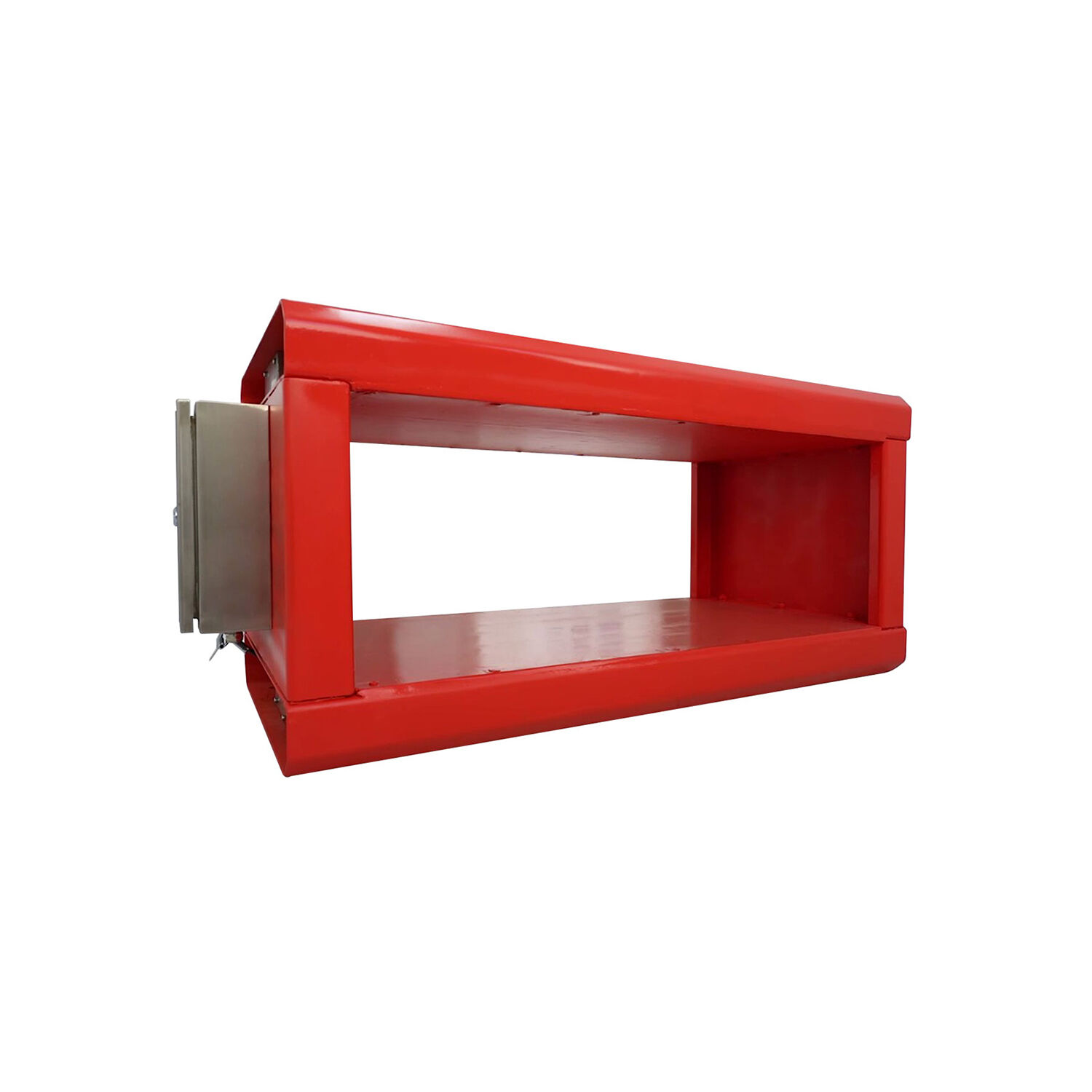
Understanding how a tramp metal detector identifies non-ferrous contaminants requires examining the sophisticated electromagnetic principles behind modern detection technology. Unlike traditional metal detection systems that primarily focus on ferrous materials, advanced tramp metal detector systems utilize multi-frequency electromagnetic field generation to distinguish between different metal types, including aluminum, copper, brass, and other non-ferrous materials that can contaminate industrial processes. The detection mechanism involves creating controlled electromagnetic fields that interact differently with various metal compositions, enabling precise identification and separation of non-ferrous contaminants from product streams.
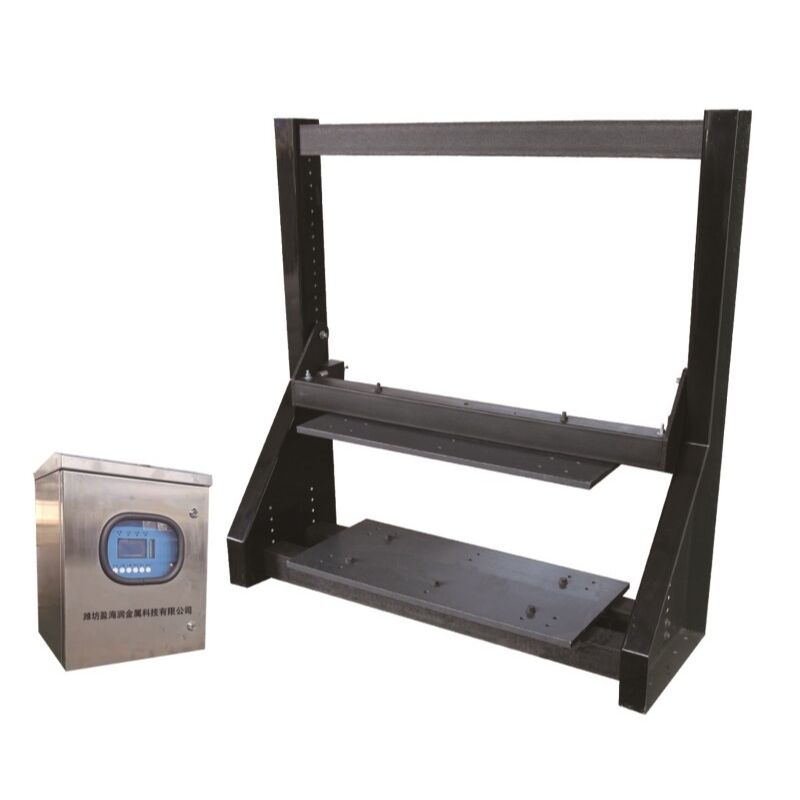
The fundamental operating principle centers on electromagnetic induction and eddy current formation within non-ferrous metals when exposed to alternating magnetic fields. A tramp metal detector generates specific frequency ranges that penetrate conveyed materials and create electromagnetic responses unique to different metal types. When non-ferrous contaminants pass through the detection zone, they generate characteristic electromagnetic signatures that sophisticated processing circuits can identify, analyze, and trigger appropriate removal mechanisms. This technology represents a significant advancement over simple magnetic separation methods, which cannot detect non-magnetic metals that pose serious contamination risks in food processing, pharmaceutical manufacturing, and other sensitive industrial applications.
Electromagnetic Field Generation and Non-Ferrous Detection Principles
Multi-Frequency Electromagnetic Technology
A modern tramp metal detector employs multiple electromagnetic frequencies simultaneously to maximize non-ferrous detection capabilities. The system generates primary electromagnetic fields at carefully calibrated frequencies, typically ranging from low-frequency bands for larger contaminants to high-frequency ranges for detecting smaller non-ferrous particles. Each frequency penetrates materials differently and produces distinct interaction patterns with non-ferrous metals, creating a comprehensive detection matrix that identifies aluminum fragments, copper particles, brass components, and other non-magnetic contaminants.
The electromagnetic field configuration involves transmitter coils positioned around the product conveyor path, creating uniform field distribution throughout the detection zone. When non-ferrous materials enter this electromagnetic environment, they experience induced electrical currents that generate secondary magnetic fields opposing the original field. The tramp metal detector measures these electromagnetic disturbances through sensitive receiver circuits that analyze signal amplitude, phase shift, and frequency response characteristics unique to different non-ferrous metal types.
Advanced digital signal processing algorithms within the tramp metal detector system continuously monitor electromagnetic field variations and apply sophisticated filtering techniques to distinguish genuine non-ferrous contaminants from environmental interference. The system maintains baseline electromagnetic signatures for normal product flow conditions and triggers detection alerts when electromagnetic disturbances exceed predetermined thresholds indicating non-ferrous contamination presence.
Eddy Current Formation and Detection Mechanisms
The detection of non-ferrous contaminants relies heavily on eddy current formation within conducting materials exposed to changing magnetic fields. When a tramp metal detector generates alternating electromagnetic fields, non-ferrous metals develop circular electrical currents called eddy currents that flow within the metal structure. These eddy currents create their own magnetic fields that oppose the original electromagnetic field, producing measurable disturbances that detection circuits can identify and analyze.
Different non-ferrous metals exhibit varying electrical conductivity properties that influence eddy current intensity and distribution patterns. Aluminum generates strong eddy currents due to high electrical conductivity, making it relatively easy for a tramp metal detector to identify even small aluminum fragments. Copper produces even stronger electromagnetic responses, while other non-ferrous alloys create characteristic electromagnetic signatures based on their specific conductivity and magnetic permeability properties.
The detection sensitivity for non-ferrous contaminants depends on multiple factors including metal size, electrical conductivity, detection frequency, and proximity to electromagnetic field sources. A well-calibrated tramp metal detector can identify non-ferrous particles as small as 1-2 millimeters in optimal conditions, though detection capabilities vary based on product characteristics, conveyor speed, and environmental electromagnetic interference levels.
Signal Processing and Non-Ferrous Identification Algorithms
Digital Signal Analysis Techniques
Modern tramp metal detector systems incorporate sophisticated digital signal processing capabilities that analyze electromagnetic responses in real-time to identify non-ferrous contaminants accurately. The detection process involves continuous sampling of electromagnetic field conditions at high frequencies, creating detailed signal profiles that reveal the presence and characteristics of metallic contaminants. Advanced algorithms compare incoming electromagnetic signatures against extensive databases of known non-ferrous metal responses, enabling precise identification of specific contaminant types.
The signal processing architecture includes multiple filtering stages that eliminate electromagnetic noise from external sources while preserving genuine contamination signals. A tramp metal detector employs adaptive filtering techniques that automatically adjust sensitivity parameters based on product flow characteristics and environmental conditions. The system maintains dynamic baseline references that account for normal product variations and environmental electromagnetic fluctuations, ensuring consistent detection performance across different operating conditions.
Machine learning algorithms enhance the detection capabilities by continuously analyzing electromagnetic patterns and refining detection parameters based on operational experience. The tramp metal detector system learns to distinguish between different non-ferrous metal types and can provide detailed contamination analysis including estimated metal composition, size parameters, and location within the product stream. This intelligence enables more effective contamination prevention strategies and process optimization.
Frequency Domain Analysis and Pattern Recognition
Non-ferrous contaminant detection relies on detailed frequency domain analysis of electromagnetic responses across multiple frequency bands. A tramp metal detector performs fast Fourier transform operations on received electromagnetic signals to identify characteristic frequency components associated with different non-ferrous metals. Each metal type produces unique spectral signatures that trained algorithms can recognize and classify with high accuracy levels.
The pattern recognition system analyzes electromagnetic response characteristics including signal amplitude, phase relationships, frequency distribution, and temporal variations to build comprehensive contamination profiles. Advanced tramp metal detector systems maintain extensive libraries of non-ferrous metal signatures collected under various operating conditions, enabling accurate identification even when contaminants are partially obscured by product materials or environmental interference.
Artificial intelligence algorithms enhance pattern recognition capabilities by continuously updating detection parameters based on new contamination encounters and changing operational conditions. The system adapts to product variations, environmental changes, and equipment aging factors that could affect electromagnetic field characteristics, maintaining optimal detection sensitivity for non-ferrous contaminants throughout extended operational periods.
Detection Zone Configuration and Non-Ferrous Sensitivity Optimization
Electromagnetic Field Distribution and Coverage
Effective non-ferrous contaminant detection requires careful optimization of electromagnetic field distribution throughout the detection zone. A tramp metal detector uses precisely positioned transmitter and receiver coils to create uniform electromagnetic fields that provide comprehensive coverage of the product path. The field configuration ensures consistent detection sensitivity across the entire conveyor width and height, preventing contaminated materials from passing through areas with reduced electromagnetic field strength.
The electromagnetic field geometry involves multiple coil arrangements that generate overlapping fields at different frequencies and orientations. This multi-dimensional approach enables detection of non-ferrous contaminants regardless of their orientation, shape, or position within the product stream. A properly configured tramp metal detector maintains electromagnetic field uniformity within ±5% across the detection zone, ensuring reliable contamination detection performance.
Advanced field shaping techniques use computational electromagnetic modeling to optimize coil placement and field distribution for specific application requirements. The detection system can adapt field characteristics based on product properties, conveyor dimensions, and contamination risk profiles, maximizing sensitivity for target non-ferrous materials while minimizing false detection rates from product effects or environmental interference.
Sensitivity Calibration and Performance Validation
Calibrating a tramp metal detector for optimal non-ferrous detection requires systematic testing with standard contamination samples under representative operating conditions. The calibration process involves exposing the detection system to various non-ferrous metal samples of known sizes and compositions, adjusting electromagnetic field parameters and signal processing settings to achieve consistent detection performance. Regular calibration ensures the system maintains specified detection sensitivity levels throughout extended operational periods.
Performance validation procedures verify that the tramp metal detector consistently identifies target non-ferrous contaminants while avoiding false detections from product variations or environmental factors. The validation process includes testing with product samples containing known contaminants, measuring detection rates across different contamination scenarios, and documenting system performance under various operating conditions. Comprehensive validation ensures reliable contamination prevention in critical applications.
Automated calibration systems monitor detection performance continuously and adjust operational parameters to maintain optimal sensitivity levels. The tramp metal detector can perform self-diagnostic routines that verify electromagnetic field integrity, signal processing accuracy, and detection threshold settings, alerting operators to any performance degradation that could compromise contamination detection capabilities.
Integration with Automated Contamination Removal Systems
Real-Time Detection and Response Coordination
A tramp metal detector system integrates seamlessly with automated contamination removal mechanisms to provide complete contamination prevention solutions. When the detection system identifies non-ferrous contaminants, it immediately triggers removal equipment such as pneumatic rejection systems, diverter gates, or electromagnetic separators positioned downstream from the detection zone. The timing coordination ensures contaminated materials are removed precisely when they reach the rejection mechanism location.
The integration involves sophisticated control algorithms that calculate contaminant travel time from detection point to removal mechanism, accounting for conveyor speed, product flow characteristics, and mechanical response delays. Advanced tramp metal detector systems provide multiple output signals that can control different removal mechanisms simultaneously, enabling multi-stage contamination prevention strategies for complex processing applications.
Communication protocols between the detection system and removal mechanisms include detailed contamination information such as metal type identification, size estimation, and precise location data. This intelligence enables selective removal strategies that minimize product waste while ensuring complete contamination elimination. The integrated system maintains detailed logging of contamination events and removal actions for quality control and process optimization purposes.
Process Integration and Quality Assurance
Modern tramp metal detector installations integrate with broader quality management systems to provide comprehensive contamination monitoring and prevention capabilities. The detection system communicates with plant control systems, quality databases, and process monitoring equipment to maintain detailed records of contamination incidents and system performance metrics. This integration enables proactive contamination prevention strategies based on trending analysis and predictive maintenance approaches.
Quality assurance protocols incorporate tramp metal detector data into statistical process control systems that monitor contamination rates, detection performance trends, and system reliability metrics. The integrated approach enables early identification of potential contamination sources, equipment performance issues, or process variations that could compromise product quality. Comprehensive quality management ensures consistent contamination prevention performance across extended production periods.
Advanced integration capabilities include remote monitoring systems that provide real-time access to tramp metal detector performance data, contamination statistics, and system status information. Plant operators can monitor multiple detection systems from centralized control rooms, enabling rapid response to contamination events and coordinated contamination prevention strategies across complex processing facilities.
FAQ
Can a tramp metal detector distinguish between different types of non-ferrous metals?
Yes, advanced tramp metal detector systems can distinguish between different non-ferrous metal types using multi-frequency electromagnetic analysis and sophisticated signal processing algorithms. The system analyzes electromagnetic response characteristics unique to each metal type, including electrical conductivity properties, magnetic permeability, and frequency-specific reaction patterns. This capability enables identification of aluminum, copper, brass, and other non-ferrous materials based on their distinct electromagnetic signatures.
What factors affect the sensitivity of non-ferrous detection in a tramp metal detector system?
Non-ferrous detection sensitivity depends on several key factors including contaminant size and electrical conductivity, electromagnetic field frequency and strength, product characteristics and moisture content, conveyor speed and material flow rate, environmental electromagnetic interference levels, and detection zone configuration. Optimal sensitivity requires balancing these factors through careful system calibration and regular performance validation to maintain consistent detection capabilities across varying operational conditions.
How does product moisture content affect non-ferrous contaminant detection performance?
Product moisture content significantly impacts non-ferrous detection performance because water affects electromagnetic field propagation and can create electrical conductivity changes that interfere with contaminant signals. High moisture levels may reduce detection sensitivity for smaller non-ferrous particles, while extremely dry products can generate static electricity that creates electromagnetic interference. Modern tramp metal detector systems compensate for moisture effects through adaptive signal processing and automatic sensitivity adjustment based on product characteristics.
What maintenance procedures are required to ensure reliable non-ferrous detection performance?
Reliable non-ferrous detection requires regular calibration with standard contamination samples, cleaning of electromagnetic coils and detection surfaces, verification of electromagnetic field uniformity and strength, testing of signal processing circuits and detection algorithms, inspection of mechanical components and conveyor systems, and documentation of performance metrics and contamination statistics. Preventive maintenance schedules should include daily performance checks, weekly calibration verification, and monthly comprehensive system inspections to maintain optimal detection capabilities.
Table of Contents
- Electromagnetic Field Generation and Non-Ferrous Detection Principles
- Signal Processing and Non-Ferrous Identification Algorithms
- Detection Zone Configuration and Non-Ferrous Sensitivity Optimization
- Integration with Automated Contamination Removal Systems
-
FAQ
- Can a tramp metal detector distinguish between different types of non-ferrous metals?
- What factors affect the sensitivity of non-ferrous detection in a tramp metal detector system?
- How does product moisture content affect non-ferrous contaminant detection performance?
- What maintenance procedures are required to ensure reliable non-ferrous detection performance?