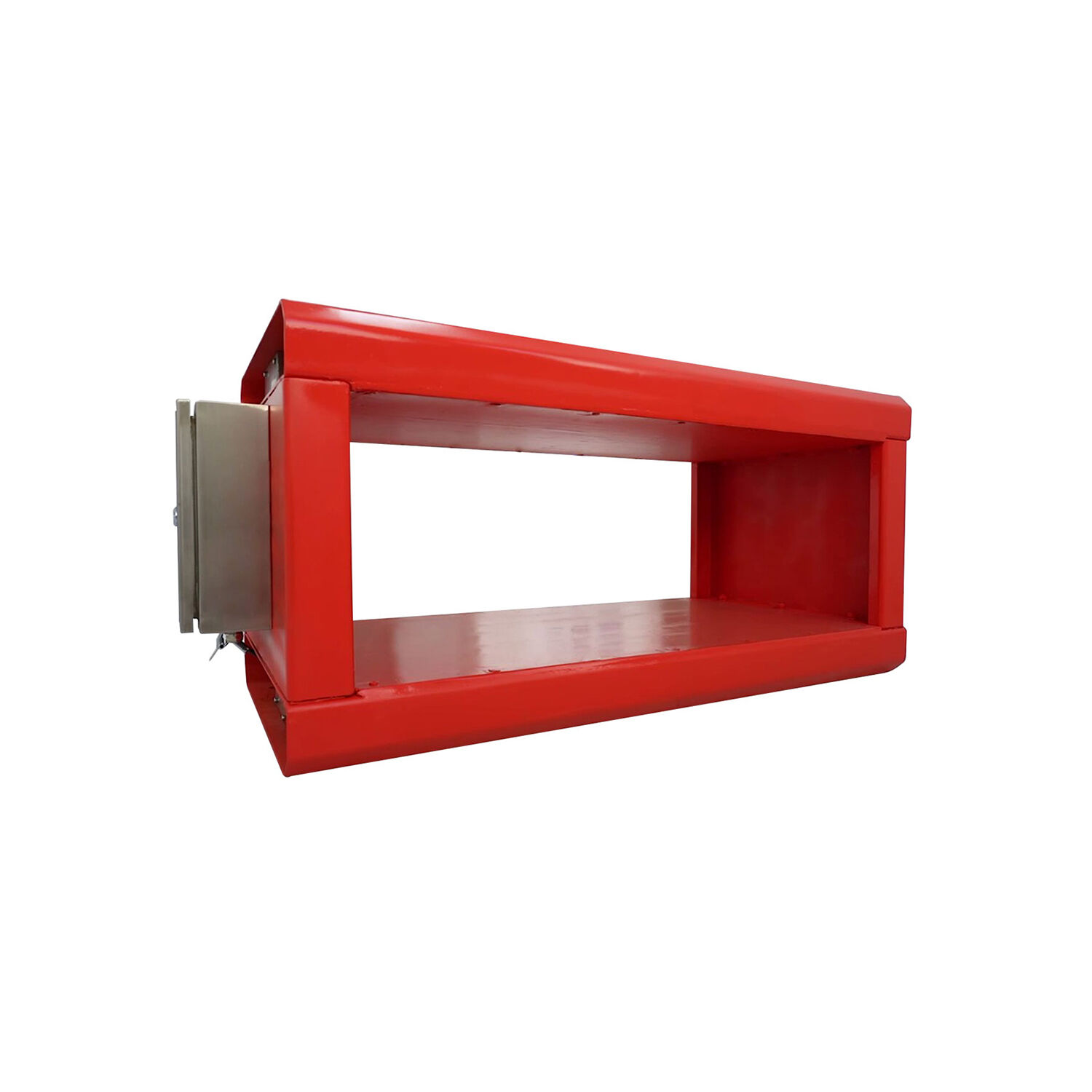
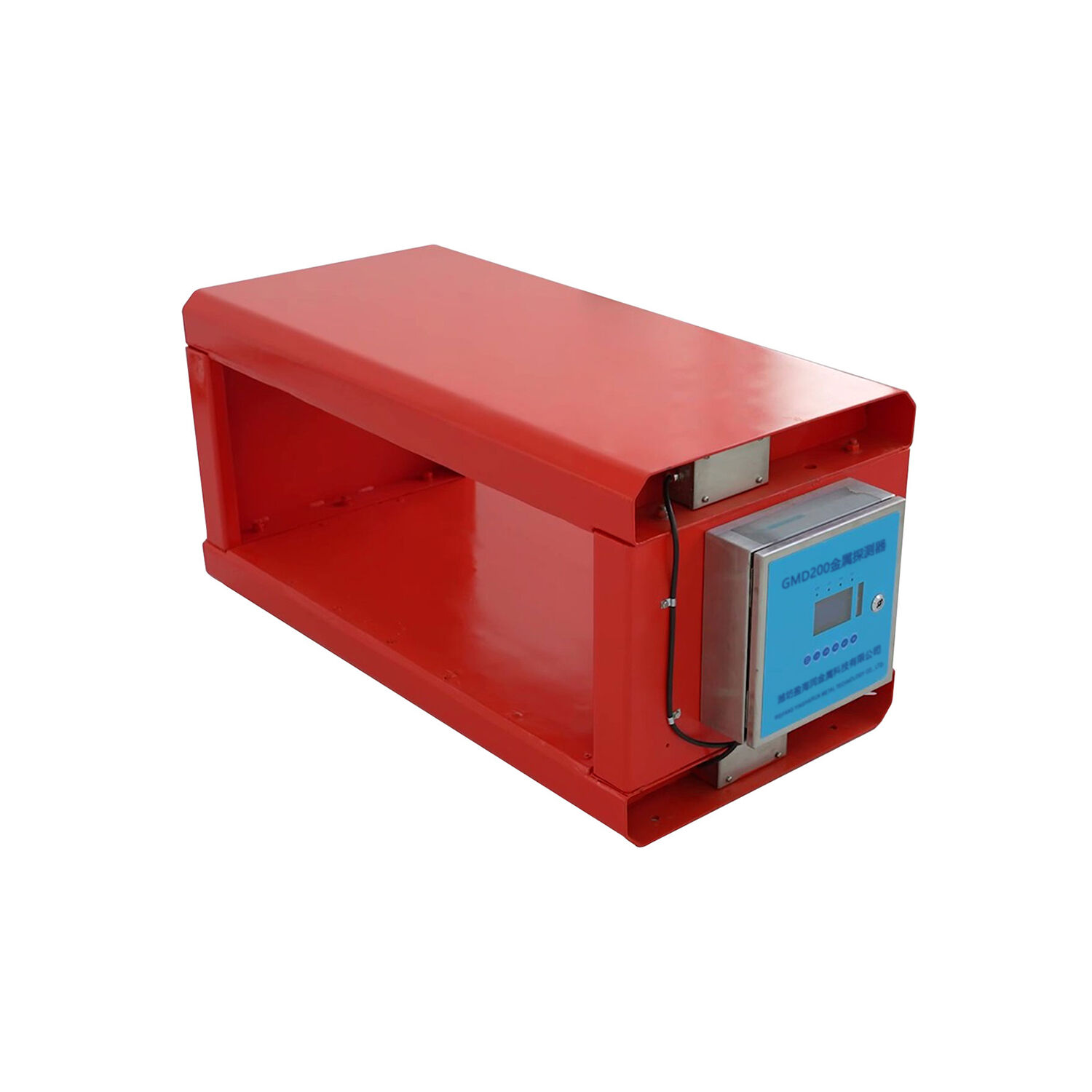
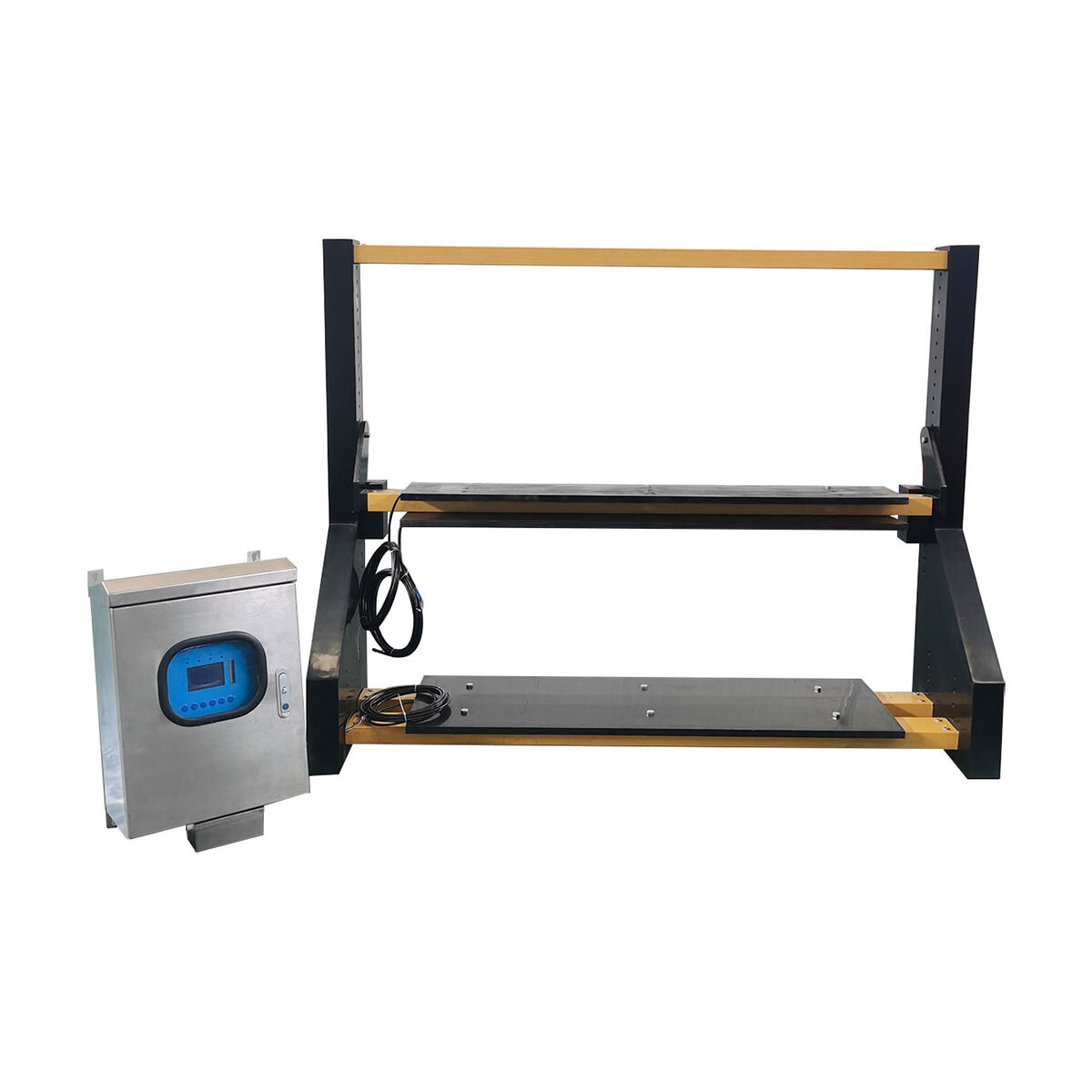
stone crusher metal detector
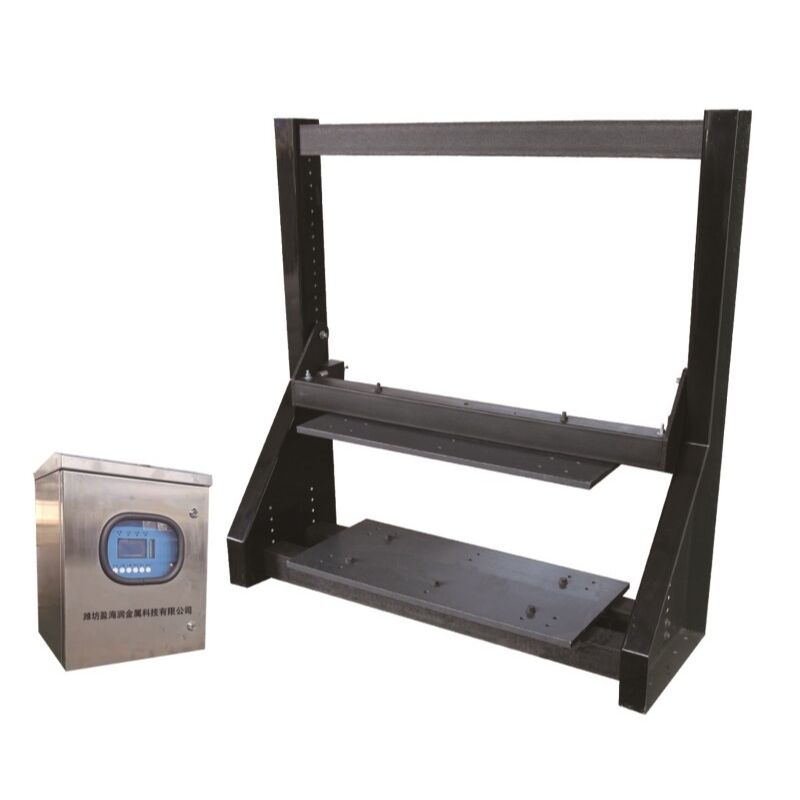
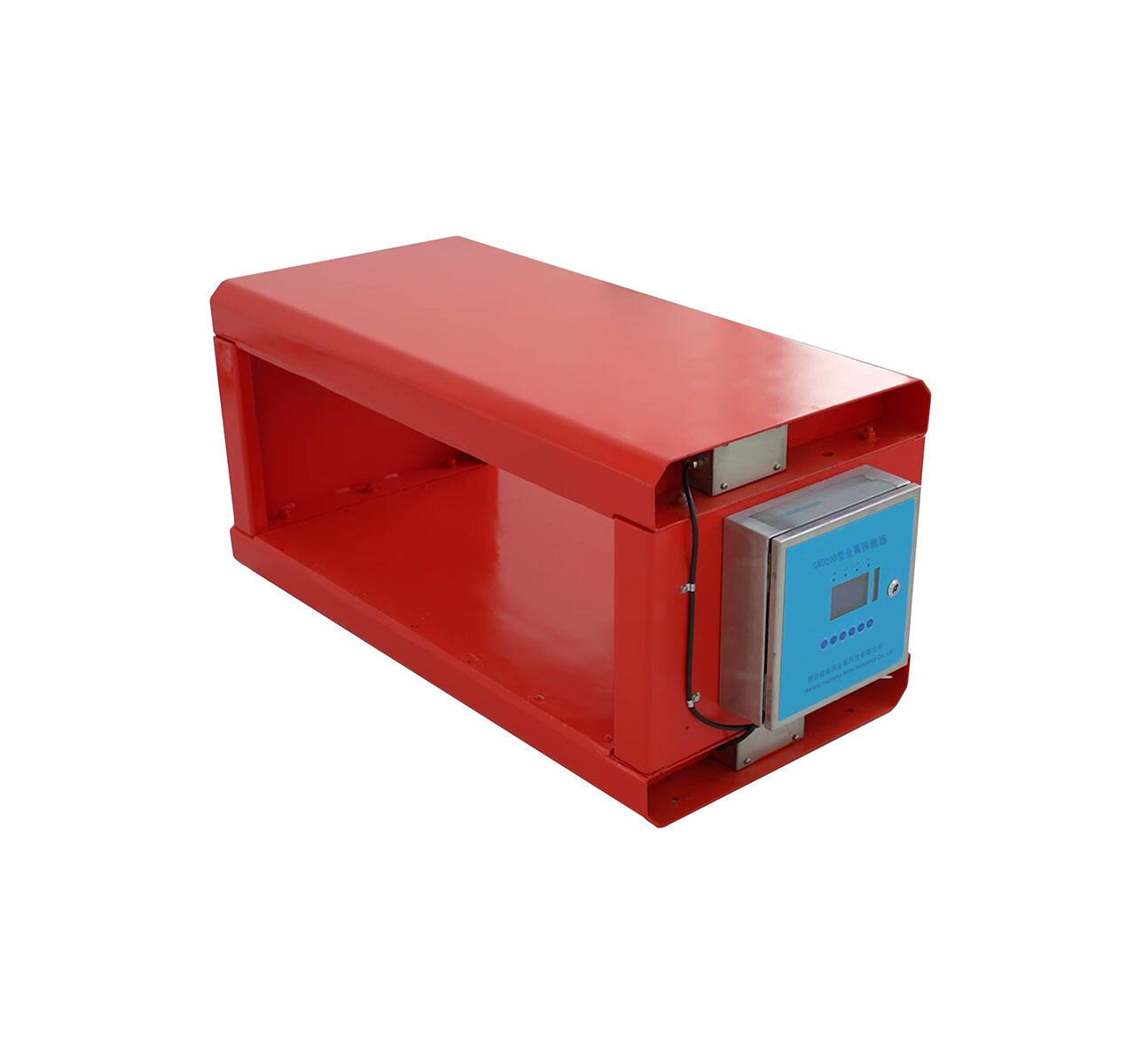
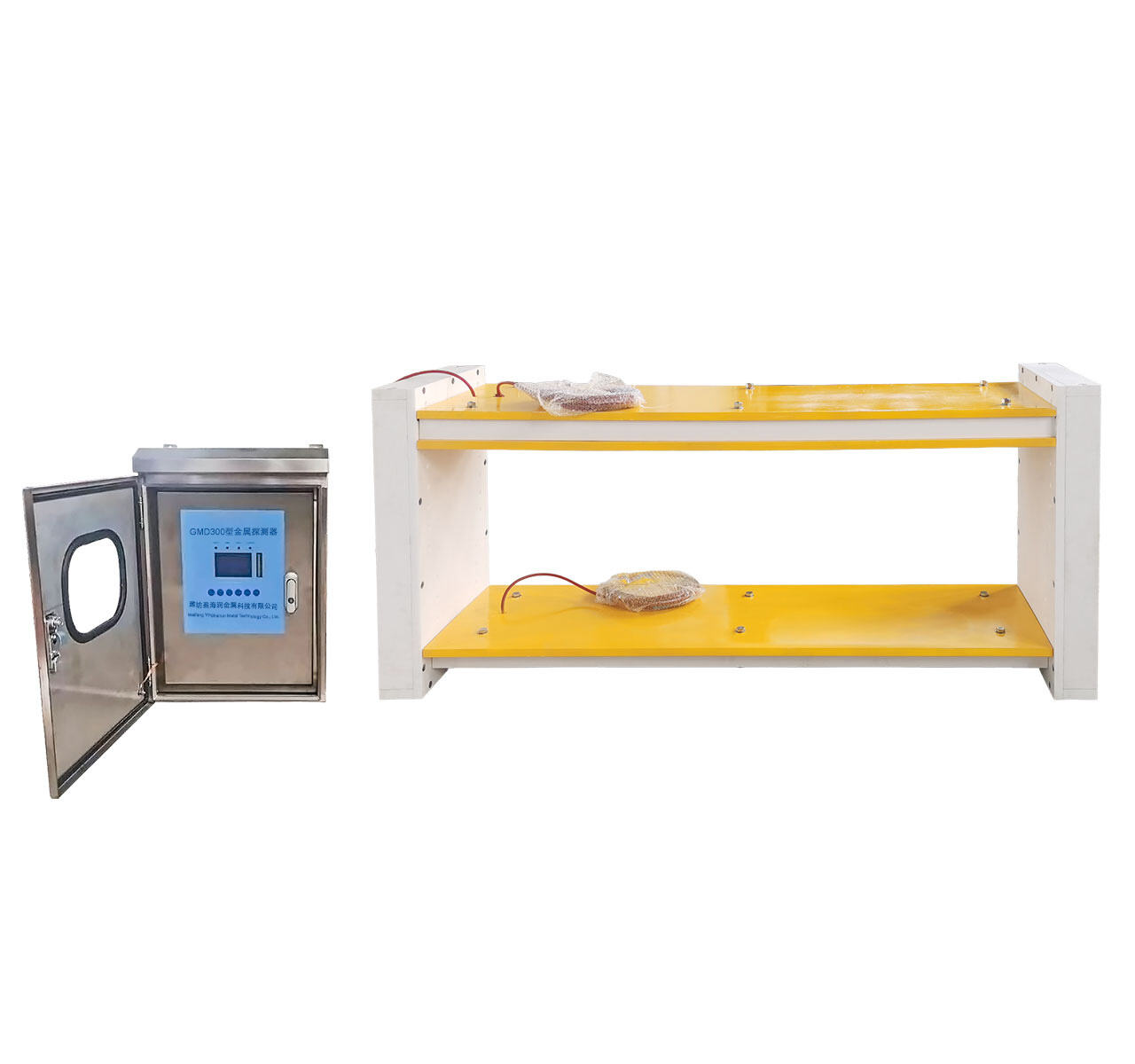
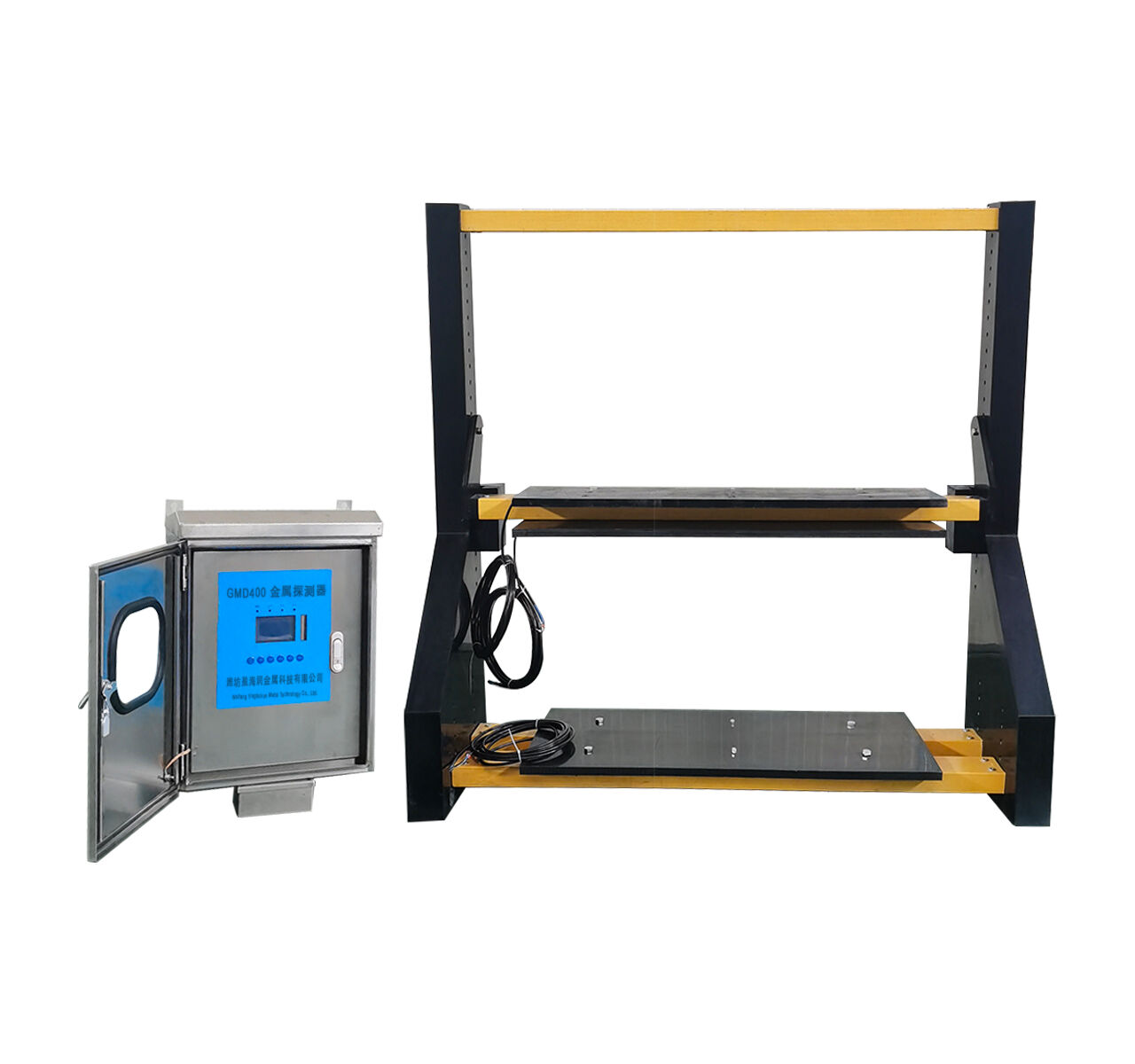
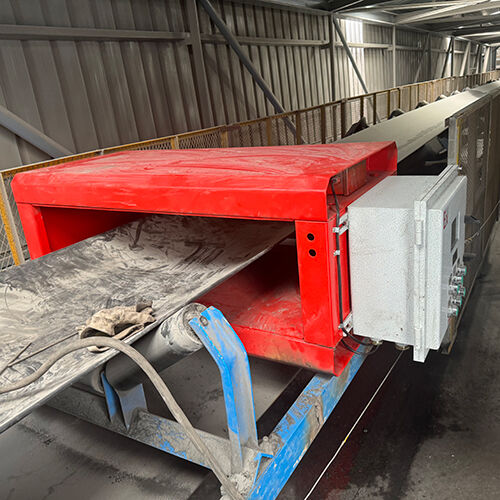
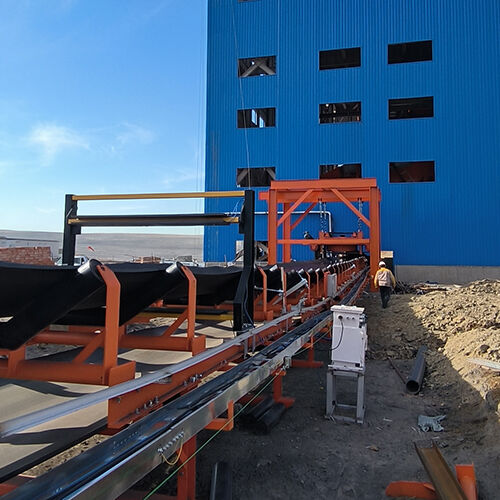
The stone crusher metal detector represents a critical safety and quality control system designed specifically for mining, quarrying, and aggregate processing operations. This sophisticated detection equipment serves as an essential protective mechanism that identifies metallic contaminants within crushing circuits before they can cause catastrophic damage to expensive machinery. Modern stone crusher metal detectors utilize advanced electromagnetic field technology to scan material streams continuously, ensuring operational safety and equipment longevity. The primary function of these detection systems involves monitoring conveyor belts, chutes, and material flows for unwanted metallic objects such as steel reinforcement bars, machinery parts, tools, or any ferrous and non-ferrous metal fragments that could severely damage crusher components. The technological foundation relies on high-frequency electromagnetic detection circuits that generate stable magnetic fields capable of identifying even small metal particles within dense material flows. These systems feature adjustable sensitivity settings that allow operators to customize detection parameters based on specific material characteristics and operational requirements. The stone crusher metal detector integrates seamlessly with existing plant automation systems, providing real-time alerts and automatic shutdown capabilities when metal contamination is detected. Applications span across various industries including construction aggregate production, road building materials processing, concrete manufacturing, and industrial mineral processing facilities. The detection equipment proves invaluable in protecting jaw crushers, cone crushers, impact crushers, and other expensive comminution equipment from premature wear and catastrophic failure. Advanced models incorporate digital signal processing technology that minimizes false alarms while maximizing detection accuracy, even in challenging environmental conditions with high moisture content or varying material densities. Installation flexibility allows these systems to be mounted at multiple points throughout the processing circuit, including feed conveyors, discharge points, and intermediate transfer locations for comprehensive protection coverage.

 EN
EN