Professional Conveyor Metal Detector Systems - Advanced Contamination Detection Solutions

All Categories

Get a Free Quote

Our representative will contact you soon.
Email
Mobile/WhatsApp
Name
Company Name
Message
0/1000

conveyor metal detector

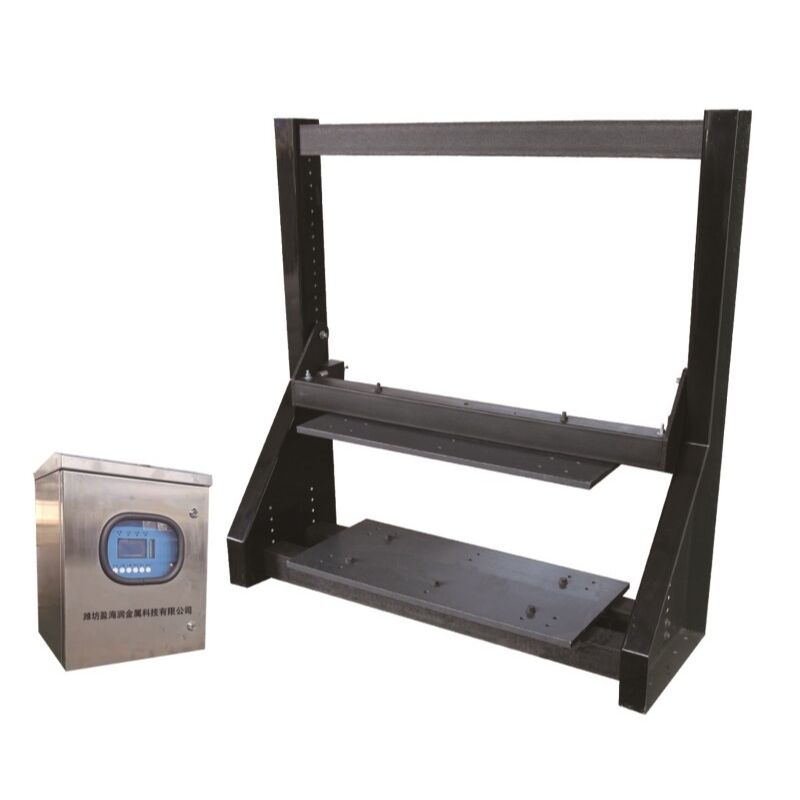
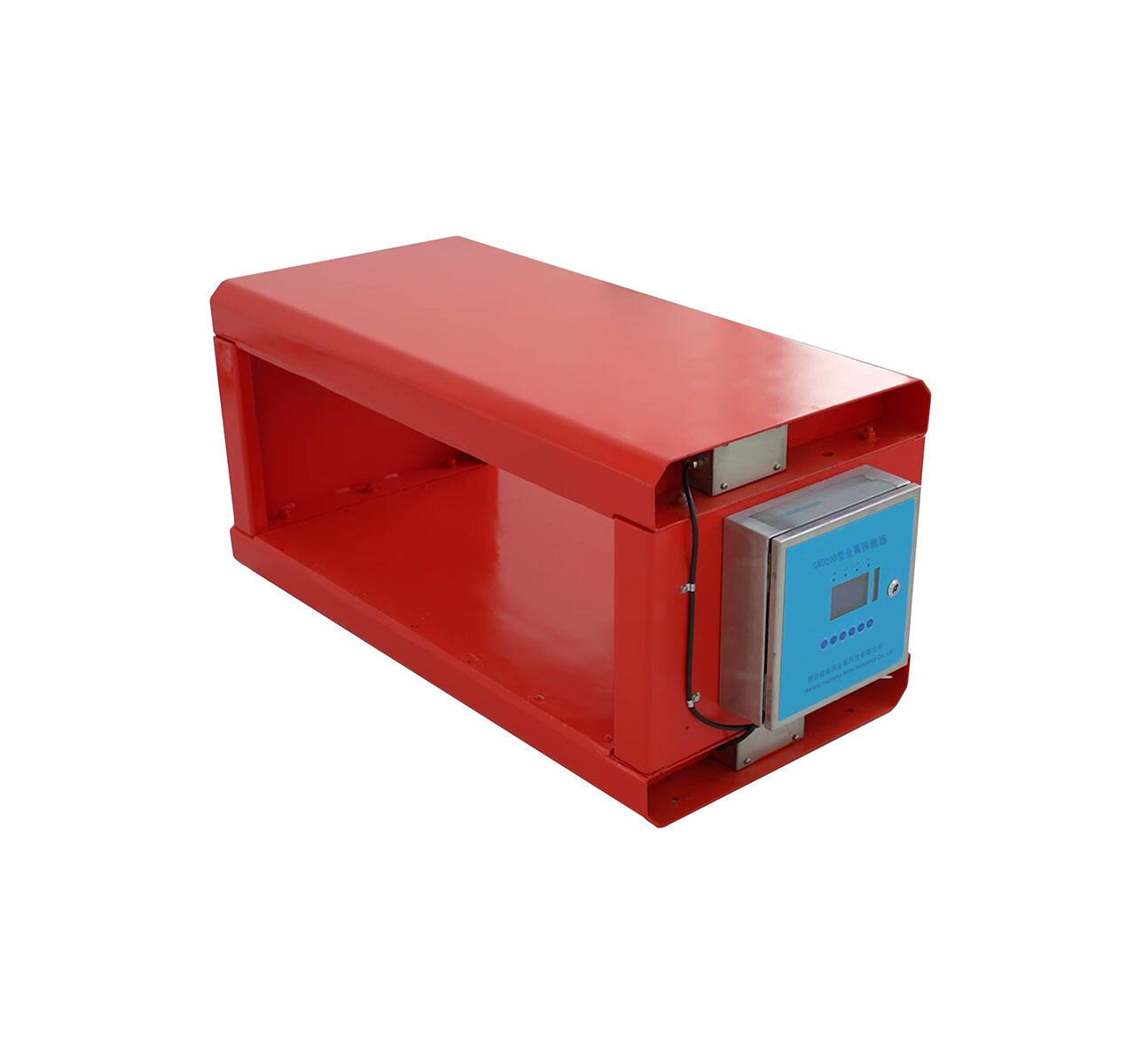
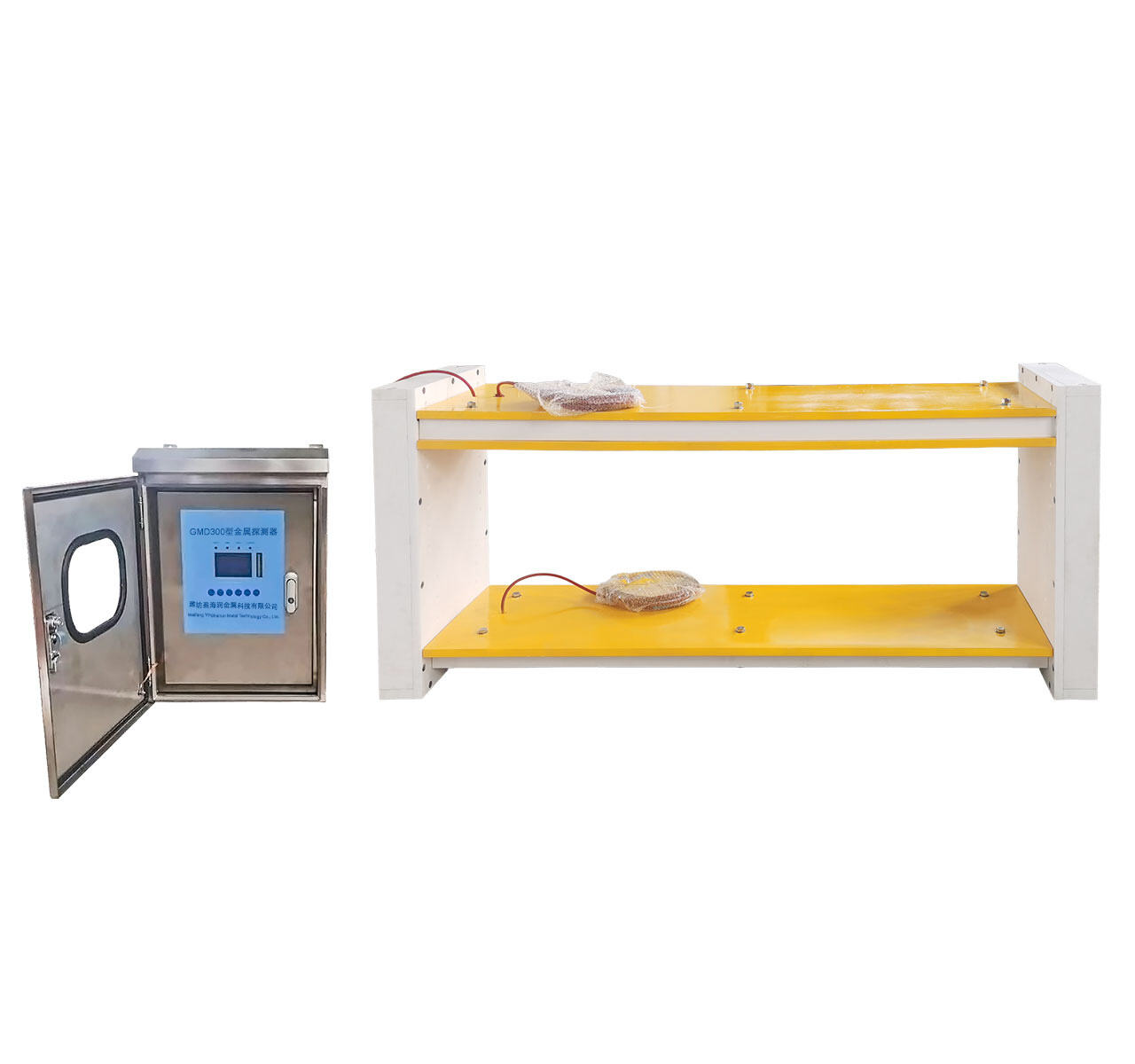
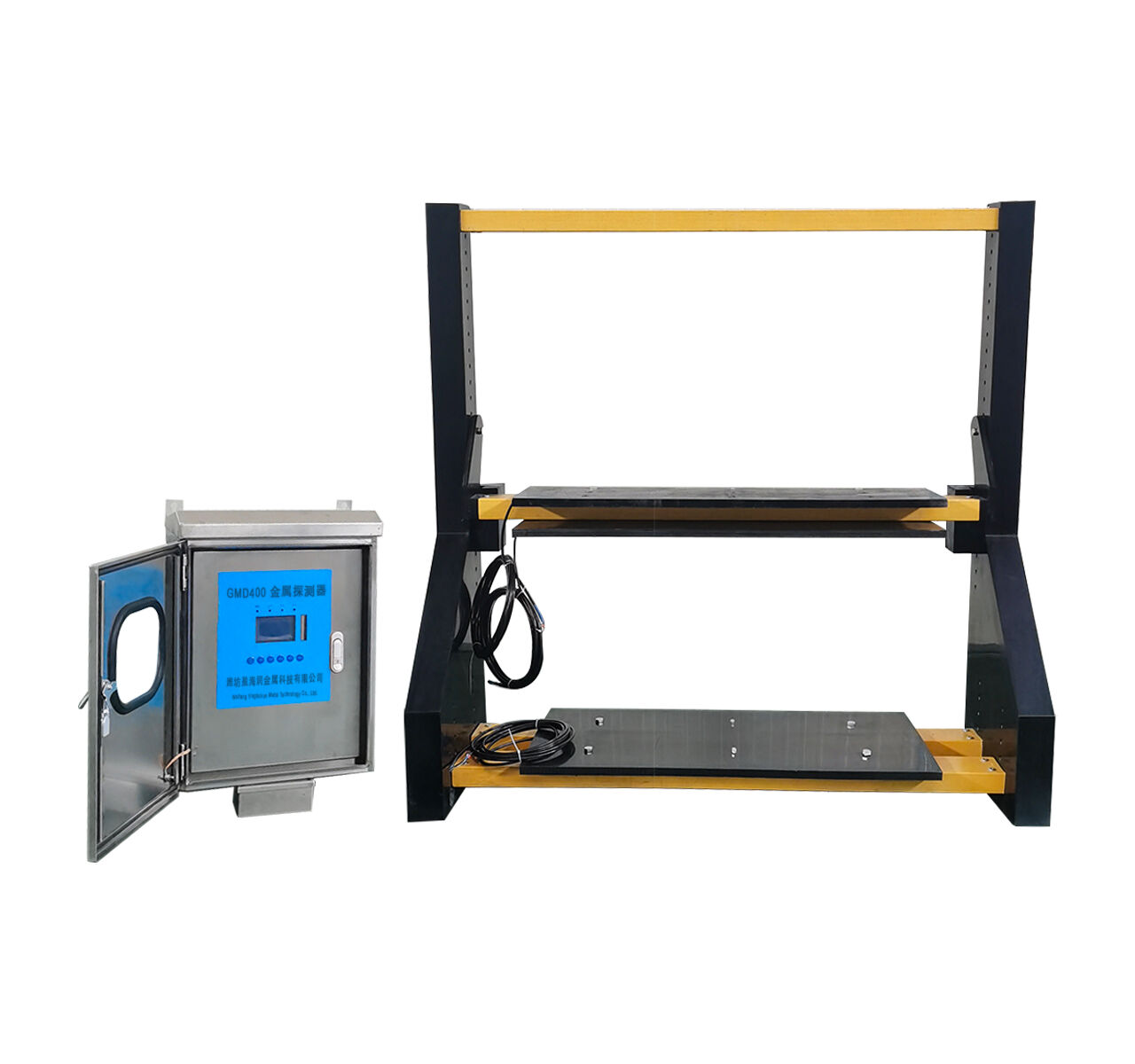
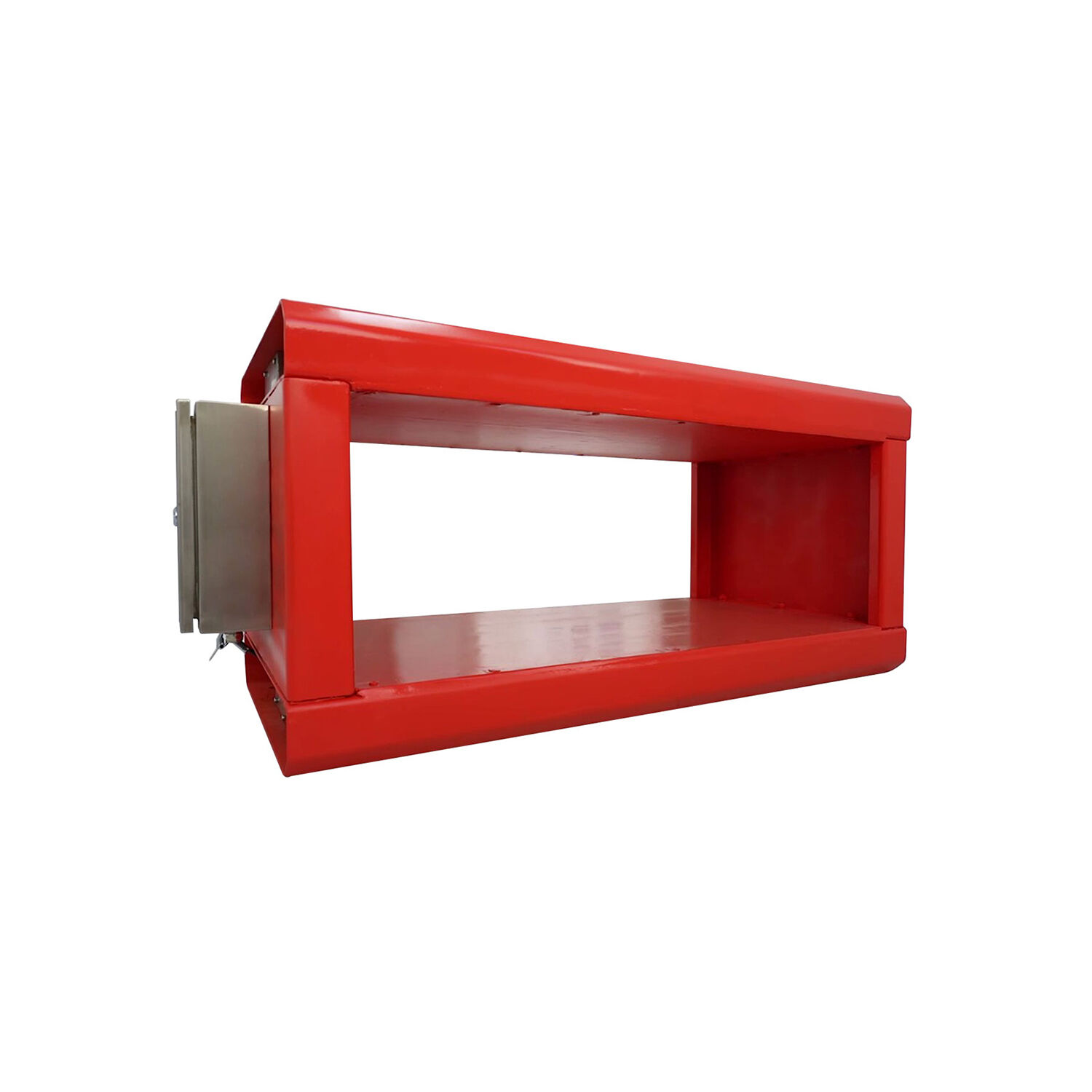
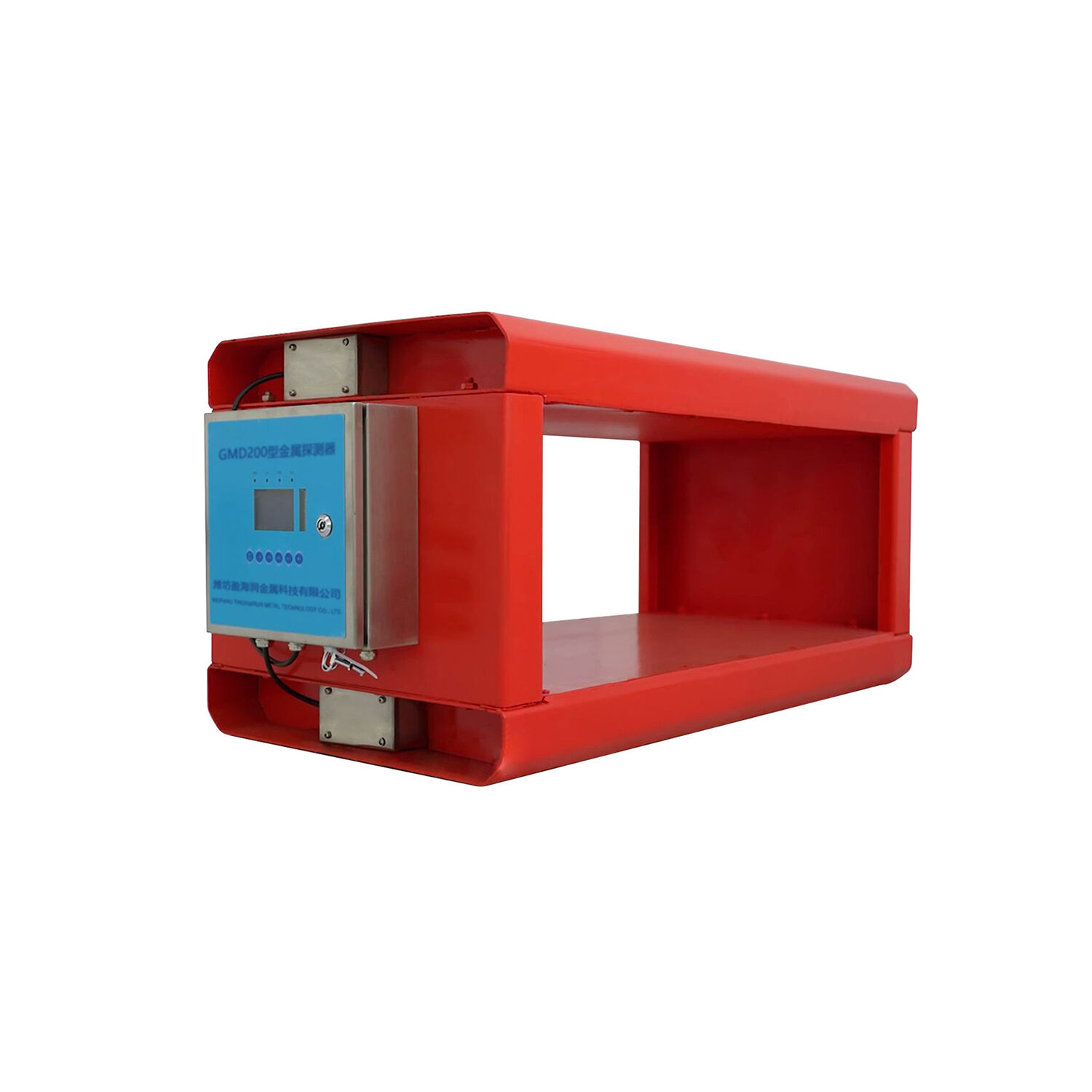
A conveyor metal detector represents a sophisticated inspection system designed to identify metallic contaminants within products transported on conveyor belts across various industrial applications. This advanced detection equipment utilizes electromagnetic field technology to scan items continuously as they pass through the detection aperture, ensuring comprehensive quality control without interrupting production workflows. The conveyor metal detector operates through a balanced coil system that generates electromagnetic fields capable of detecting ferrous, non-ferrous, and stainless steel contaminants with exceptional precision. Modern conveyor metal detectors incorporate digital signal processing technology that enhances detection sensitivity while minimizing false alarms caused by product effects or environmental interference. These systems feature adjustable sensitivity settings that accommodate different product types and contamination detection requirements. The technology includes automatic product compensation capabilities that learn and adapt to various product characteristics, ensuring consistent performance across diverse manufacturing environments. Integration capabilities allow conveyor metal detectors to connect seamlessly with existing production lines, reject systems, and data management platforms. The detection process involves transmitting electromagnetic pulses through the inspection zone, monitoring field disturbances caused by metallic objects, and triggering immediate rejection mechanisms when contamination is detected. Advanced conveyor metal detectors feature multi-frequency operation that optimizes detection performance for specific applications while maintaining high throughput rates. The equipment includes comprehensive user interfaces with touchscreen controls, data logging capabilities, and remote monitoring options. Safety features ensure operator protection and compliance with industrial standards. Environmental protection ratings enable operation in challenging conditions including washdown environments, extreme temperatures, and dusty atmospheres. The conveyor metal detector technology continues evolving with artificial intelligence integration, predictive maintenance capabilities, and enhanced connectivity options for Industry 4.0 applications.

Popular Products

Conveyor metal detectors deliver exceptional contamination prevention that protects consumer safety and brand reputation by identifying metallic foreign objects before products reach market distribution. These systems provide continuous automated inspection that eliminates human error while maintaining consistent detection standards throughout production cycles. The technology reduces operational costs by preventing expensive product recalls, legal liabilities, and regulatory penalties associated with contaminated products reaching consumers. Integration with existing production lines occurs seamlessly without requiring significant infrastructure modifications or production interruptions. Real-time detection capabilities enable immediate contamination removal, minimizing product waste and maximizing manufacturing efficiency. The equipment operates with minimal maintenance requirements while delivering reliable long-term performance that reduces total ownership costs. Advanced sensitivity settings accommodate various product types and packaging configurations, ensuring versatility across diverse manufacturing environments. Automated reject mechanisms remove contaminated products instantly, preventing contamination spread and maintaining production flow continuity. Data logging features provide comprehensive inspection records that support quality management systems and regulatory compliance requirements. The conveyor metal detector technology offers rapid payback through contamination prevention savings and operational efficiency improvements. Multi-frequency detection capabilities optimize performance for specific applications while accommodating challenging product effects such as moisture, salt content, and packaging materials. User-friendly interfaces simplify operation training and reduce skill requirements for production personnel. Remote monitoring capabilities enable centralized quality control management and proactive maintenance scheduling. Environmental durability ensures consistent performance in demanding industrial conditions including food processing, pharmaceutical manufacturing, and packaging operations. The systems provide scalable solutions that adapt to changing production requirements and facility expansions. Integration with reject systems, checkweighers, and x-ray inspection equipment creates comprehensive quality control networks. Statistical reporting functions support continuous improvement initiatives and quality certification processes. The technology delivers immediate return on investment through contamination risk reduction and operational efficiency enhancements.

Latest News

How Conveyor Belt Detectors Improve Food Safety Compliance

02

Apr

How Conveyor Belt Detectors Improve Food Safety Compliance

Food safety compliance has become increasingly critical in today's manufacturing environment, where contamination incidents can result in massive recalls, regulatory penalties, and permanent damage to brand reputation. The implementation of a conveyo...
View More
Evaluating Metal Detector Machine Suppliers in 2026

06

Apr

Evaluating Metal Detector Machine Suppliers in 2026

Selecting the right metal detector machine supplier has become increasingly complex in 2026, as businesses face evolving security requirements, technological advancements, and supply chain considerations. The metal detector machine market has expande...
View More
Designing a Conveyor Belt Metal Detector System for Productivity

11

Apr

Designing a Conveyor Belt Metal Detector System for Productivity

Designing an effective conveyor belt metal detector system requires careful consideration of multiple engineering factors that directly impact productivity in industrial operations. The integration of a conveyor belt metal detector into existing prod...
View More
Understanding the Components of a Metal Detector Machine

08

Apr

Understanding the Components of a Metal Detector Machine

A metal detector machine consists of several interconnected components that work together to identify metallic objects beneath the surface or within materials. Understanding these fundamental components is essential for anyone working with metal dete...
View More

Get a Free Quote

Our representative will contact you soon.
Email
Mobile/WhatsApp
Name
Company Name
Message
0/1000

conveyor metal detector

Advanced Multi-Frequency Detection Technology

Advanced Multi-Frequency Detection Technology

The conveyor metal detector employs sophisticated multi-frequency detection technology that represents a significant advancement in contamination identification capabilities. This innovative approach utilizes multiple electromagnetic frequencies simultaneously to optimize detection performance across various product types and contamination scenarios. Unlike traditional single-frequency systems, multi-frequency technology adapts automatically to product characteristics including moisture content, temperature variations, and packaging materials that historically created detection challenges. The system generates electromagnetic fields at different frequencies, analyzing signal responses to distinguish between actual metallic contamination and product effects that could trigger false alarms. This technological sophistication enables detection of extremely small metallic particles while maintaining high production throughput rates essential for modern manufacturing operations. The multi-frequency capability proves particularly valuable when processing products with high moisture content, salt concentrations, or conductive packaging materials that traditionally interfered with detection accuracy. Advanced signal processing algorithms analyze frequency responses in real-time, creating detection profiles that continuously adapt to changing product conditions. This adaptability ensures consistent contamination detection regardless of product variations or environmental factors that might affect electromagnetic field stability. The technology incorporates machine learning elements that improve detection accuracy over time by analyzing patterns and refining sensitivity parameters automatically. Frequency selection occurs dynamically based on product characteristics and contamination types, optimizing detection sensitivity for specific applications. The system maintains excellent detection capability for all metallic contaminant categories including ferrous metals, non-ferrous materials like aluminum and copper, and challenging stainless steel particles. Environmental compensation features ensure stable performance despite temperature fluctuations, humidity variations, and electromagnetic interference from nearby equipment. The multi-frequency technology supports regulatory compliance requirements across industries including food processing, pharmaceuticals, and consumer goods manufacturing. Calibration procedures utilize standard test pieces to verify detection performance across all frequency ranges, ensuring consistent quality control standards.

Intelligent Product Compensation System

Intelligent Product Compensation System

The intelligent product compensation system within modern conveyor metal detectors revolutionizes contamination detection by automatically adapting to diverse product characteristics without compromising sensitivity or throughput efficiency. This advanced feature eliminates the traditional challenges associated with products that naturally affect electromagnetic fields, such as wet or conductive items that previously required manual adjustments or reduced sensitivity settings. The compensation technology employs sophisticated algorithms that learn product signatures during initial setup phases, creating unique profiles for different items processed through the detection zone. These profiles enable the system to distinguish between natural product effects and actual metallic contamination with remarkable precision. The learning process occurs continuously, allowing the conveyor metal detector to adapt to product variations, seasonal changes in raw materials, and manufacturing process modifications without requiring operator intervention. Machine learning capabilities analyze thousands of product passes to establish baseline signatures that serve as reference points for contamination detection. The system maintains separate compensation profiles for different products, automatically switching between settings when product changeovers occur. This automation eliminates setup time and reduces the risk of human error during product transitions. Advanced digital filtering techniques remove product-related signals while preserving contamination indicators, ensuring reliable detection performance across diverse applications. The compensation system proves particularly valuable for challenging products including fresh meat with varying moisture content, bakery items with different densities, and processed foods containing natural minerals. Temperature compensation features account for thermal effects on both products and detection equipment, maintaining consistent performance throughout production cycles. The technology supports rapid product changeovers common in flexible manufacturing environments without requiring recalibration or sensitivity adjustments. Statistical analysis functions monitor compensation effectiveness and provide alerts when product characteristics exceed established parameters. Integration with production management systems enables automatic profile selection based on production schedules and product identification codes. The intelligent compensation system reduces false alarm rates significantly while maintaining maximum detection sensitivity for actual contamination events.
Seamless Integration and Connectivity Solutions

Seamless Integration and Connectivity Solutions

Modern conveyor metal detectors feature comprehensive integration and connectivity solutions that transform these inspection systems into integral components of smart manufacturing ecosystems. The advanced connectivity capabilities enable seamless communication with existing production line equipment, quality management systems, and enterprise resource planning platforms. Ethernet connectivity provides high-speed data transmission for real-time monitoring, statistical reporting, and remote system management across multiple production locations. The integration architecture supports various communication protocols including Modbus, Profibus, and Ethernet/IP, ensuring compatibility with diverse automation systems and legacy equipment. Web-based interfaces allow authorized personnel to monitor detector performance, adjust settings, and access historical data from any location using standard internet browsers. Mobile applications extend monitoring capabilities to smartphones and tablets, enabling production managers to receive immediate alerts and review system status while away from production floors. The conveyor metal detector integration includes automatic reject system coordination that ensures contaminated products are removed immediately without manual intervention. Checkweigher integration creates comprehensive inspection stations that verify both weight accuracy and metal contamination simultaneously, maximizing quality control efficiency. X-ray system coordination provides complementary inspection capabilities for detecting non-metallic contaminants while maintaining unified data management and reporting functions. Production line integration enables automatic speed matching, ensuring optimal detection performance regardless of conveyor speed variations. The connectivity solutions support predictive maintenance programs that analyze performance data to identify potential issues before equipment failures occur. Cloud-based data storage and analytics provide unlimited historical data retention and advanced reporting capabilities for quality trend analysis and regulatory compliance documentation. API integration enables custom software development for specialized applications and unique production requirements. The systems support multiple user access levels with secure authentication protocols that maintain data integrity while enabling appropriate operational access. Integration with warehouse management systems provides lot tracking and product genealogy documentation for comprehensive quality assurance programs. Real-time data streaming capabilities support statistical process control initiatives and continuous improvement programs that drive operational excellence throughout manufacturing organizations.

Get a Free Quote

Our representative will contact you soon.
Email
Mobile/WhatsApp
Name
Company Name
Message
0/1000