Intelligent Contamination Management System
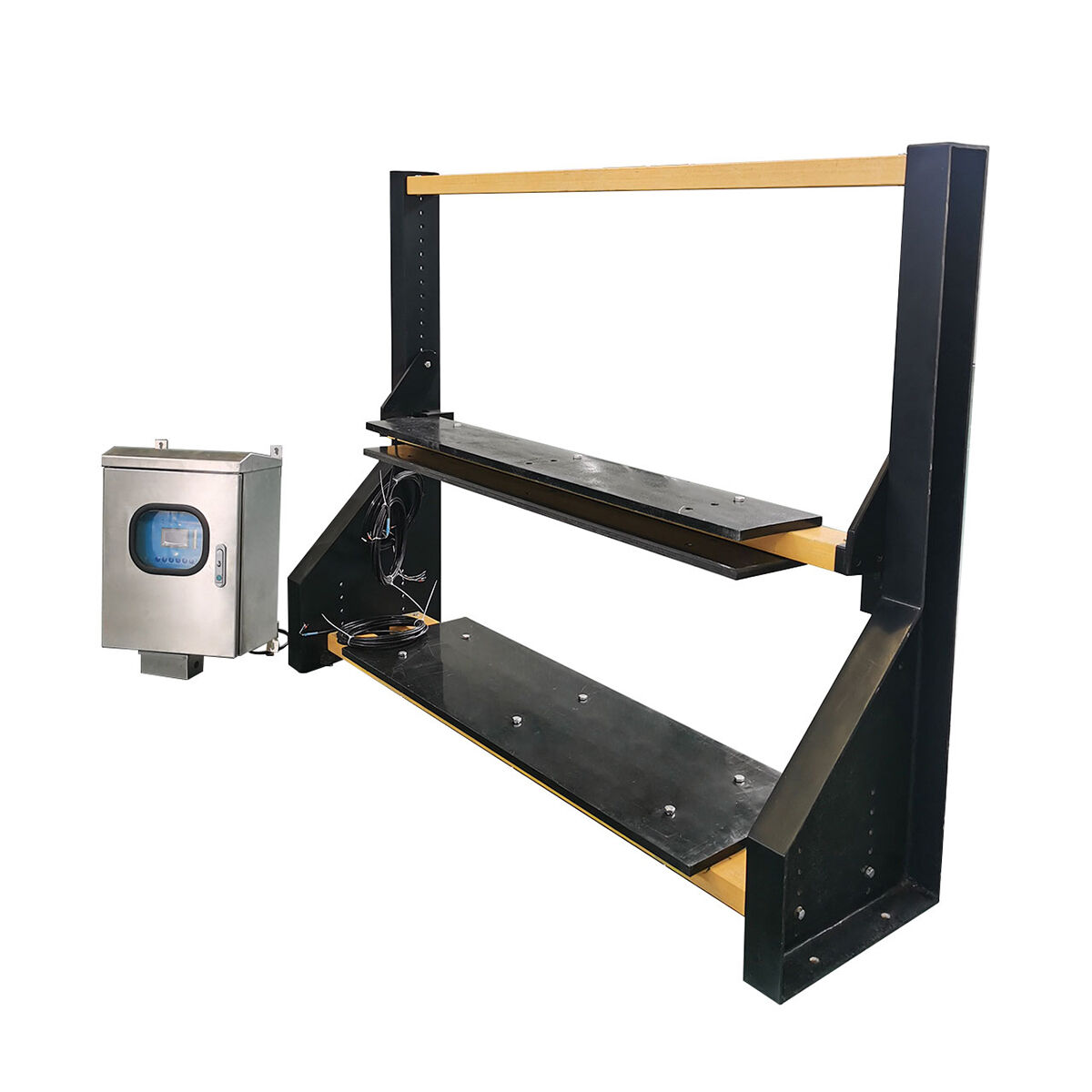
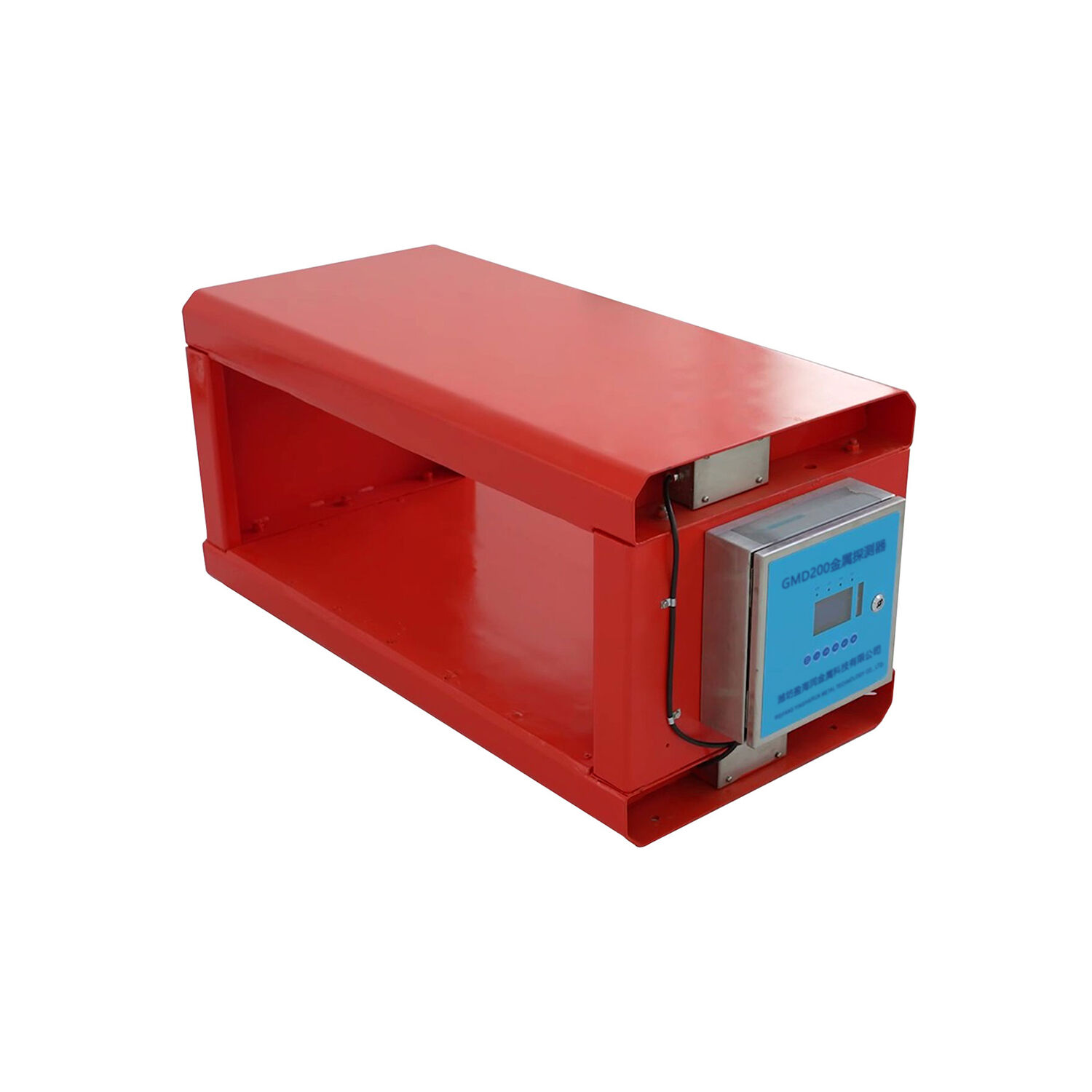
The tramp metal fragment detector features an intelligent contamination management system that transforms how facilities handle detected contaminants through automated processes and sophisticated decision-making capabilities. This comprehensive system goes beyond simple detection by implementing smart rejection mechanisms that minimize product loss while ensuring complete contamination removal. The intelligent management system analyzes detection data in real-time, making instantaneous decisions about appropriate response actions based on predetermined criteria and current operational parameters. Advanced algorithms consider factors such as contaminant size, location, material type, and production requirements when determining optimal rejection strategies. The system can implement graduated response protocols, applying different rejection techniques depending on contamination severity and product value. For high-value products, the system may trigger gentle rejection methods that preserve product integrity while removing contaminants, whereas bulk materials may undergo more aggressive separation processes. The contamination management system maintains detailed logs of all detection events, creating valuable data for trend analysis and process optimization. This information helps facility managers identify contamination sources, implement preventive measures, and optimize detection parameters for improved performance. The system supports multiple rejection technologies, including pneumatic ejection, mechanical diverters, and gravity separation methods, allowing customization based on specific application requirements. Intelligent timing controls ensure that rejection mechanisms activate at precisely the right moment to remove contaminants while minimizing product waste. The system can coordinate with upstream and downstream equipment to optimize overall process efficiency, temporarily adjusting conveyor speeds or processing parameters to accommodate rejection events. Advanced user interfaces provide operators with comprehensive control over contamination management parameters, enabling fine-tuning of system responses based on changing production requirements. The intelligent system also supports remote monitoring capabilities, allowing quality control personnel to oversee contamination management processes from centralized locations. Predictive maintenance features analyze system performance data to anticipate maintenance needs and prevent unexpected downtime, ensuring continuous protection against metallic contamination.

 EN
EN