Industrial Metal Detectors - Advanced Contamination Detection Systems for Manufacturing Quality Control

All Categories

Get a Free Quote

Our representative will contact you soon.
Email
Mobile/WhatsApp
Name
Company Name
Message
0/1000

metal detector for industrial use

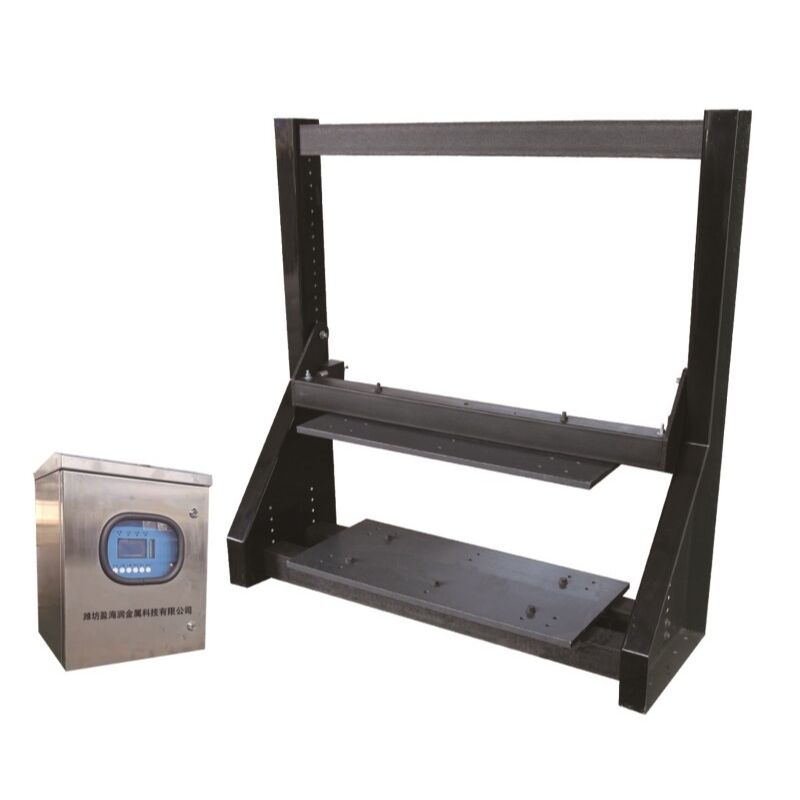
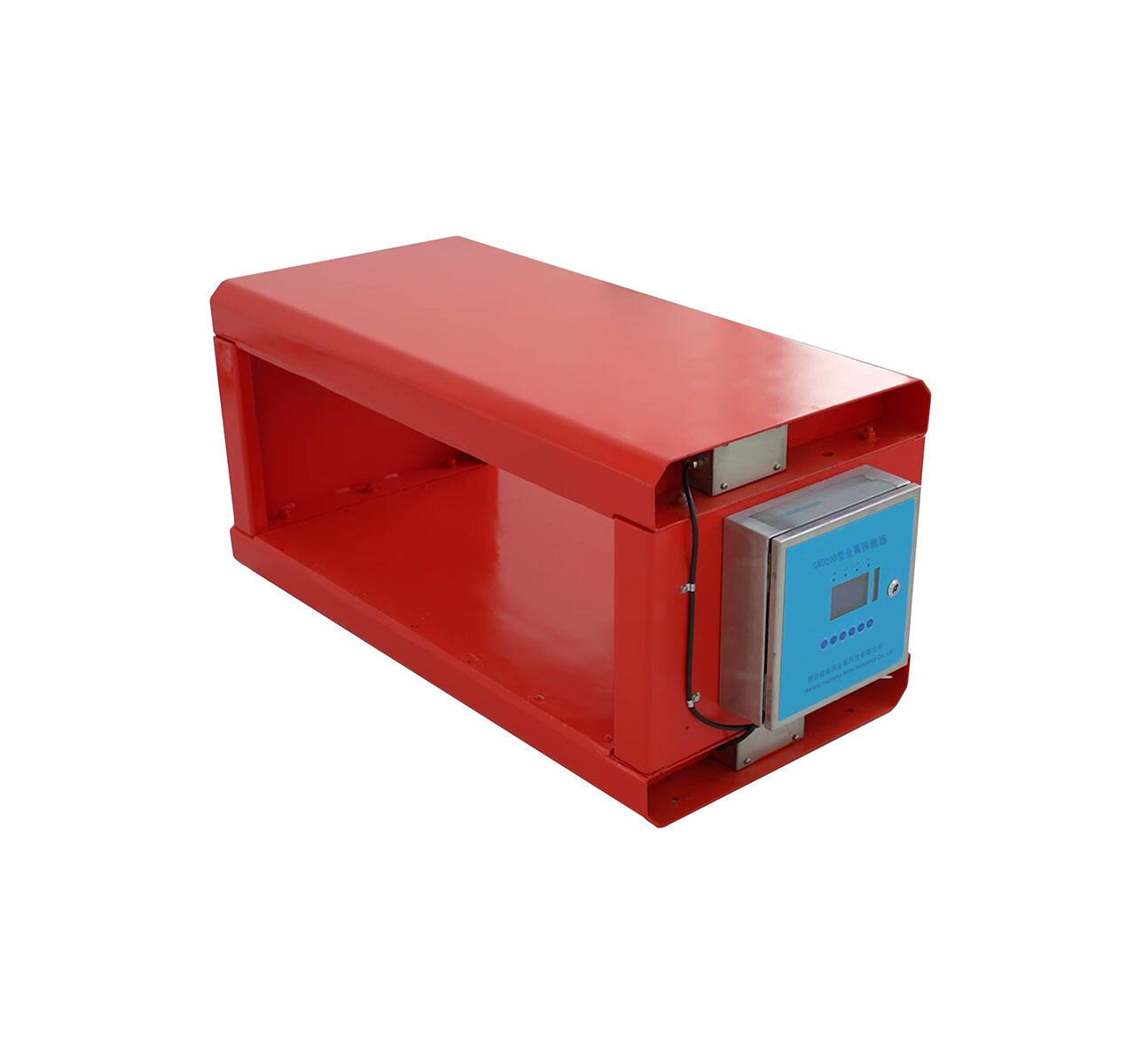
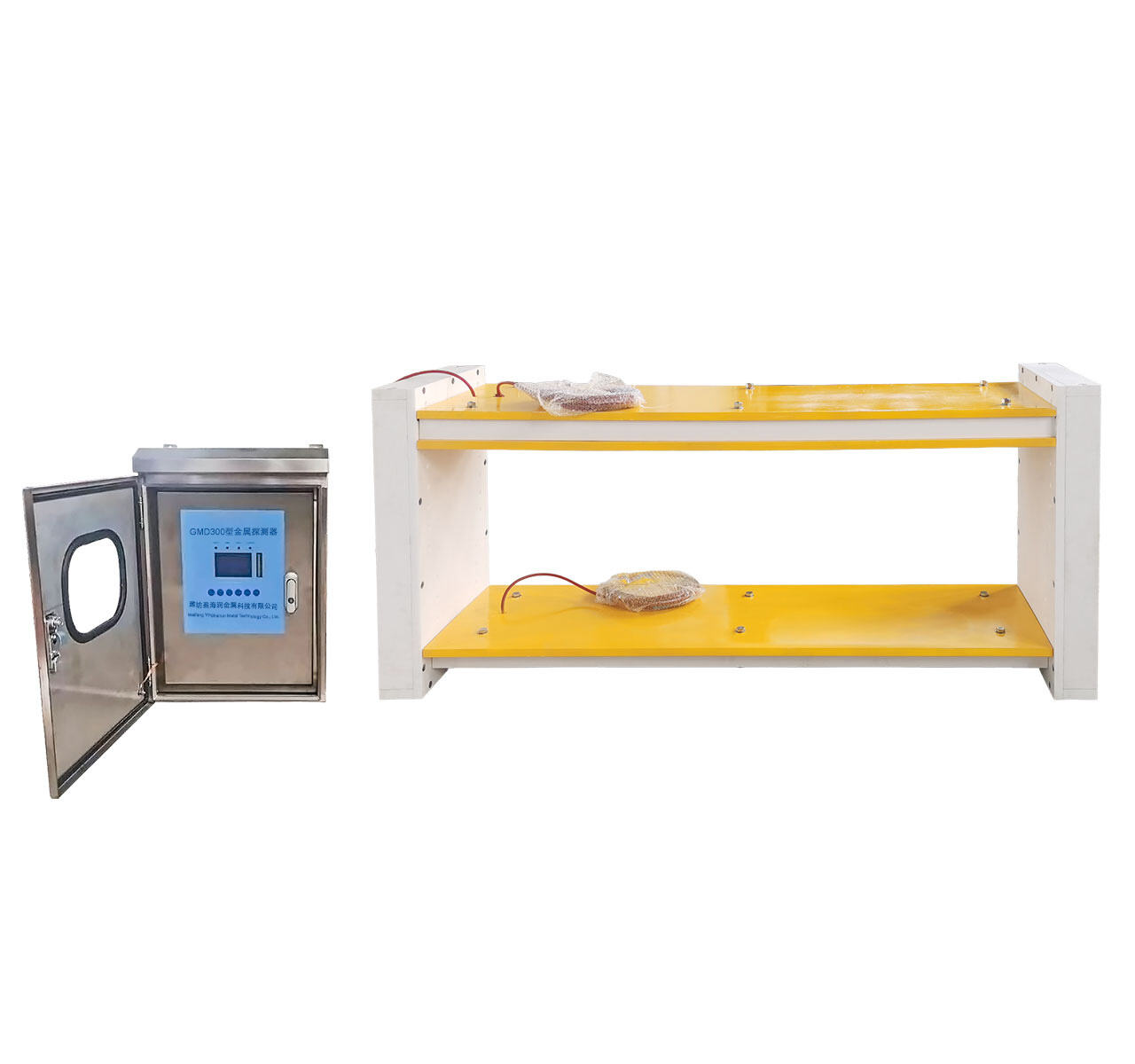
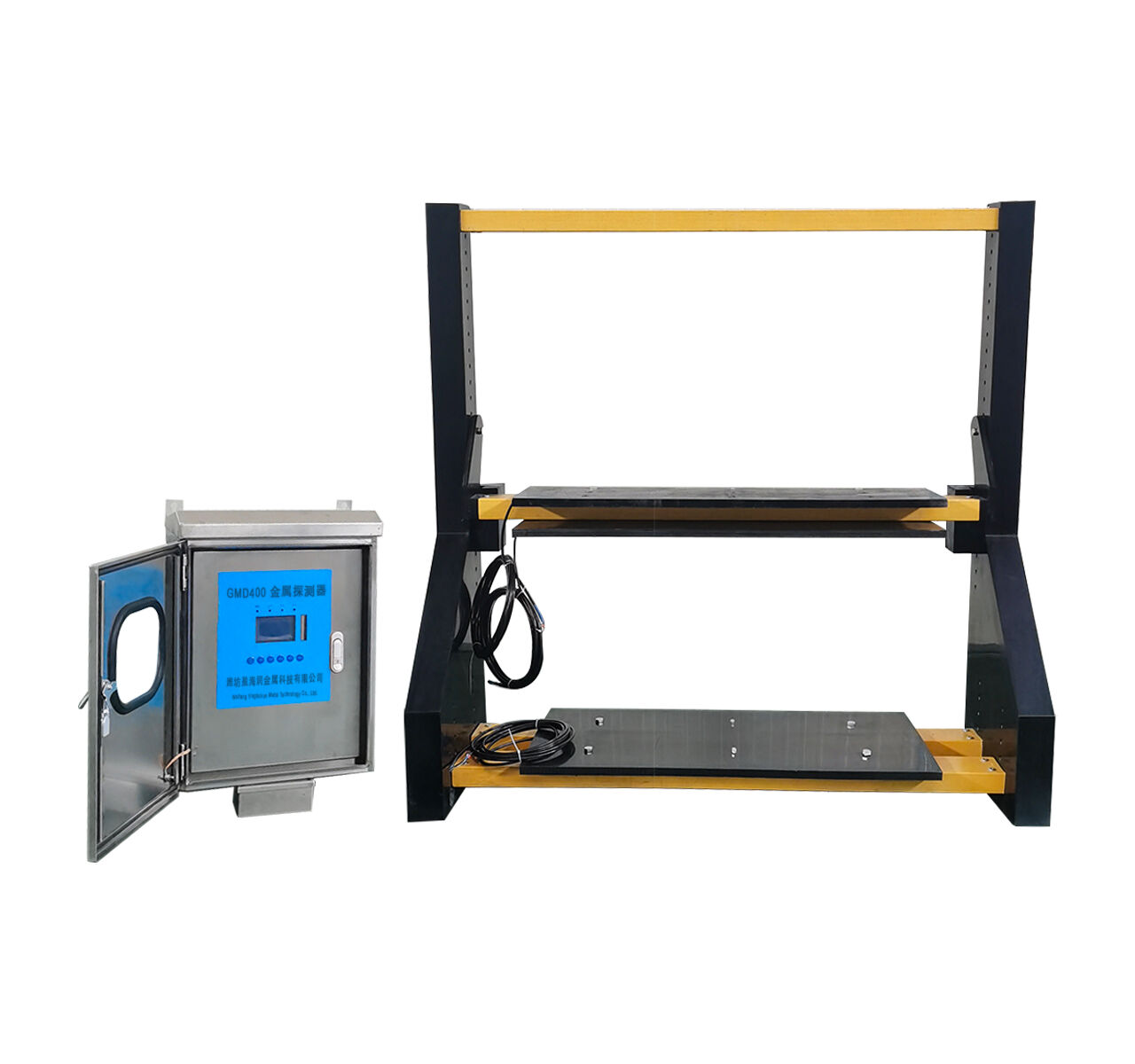
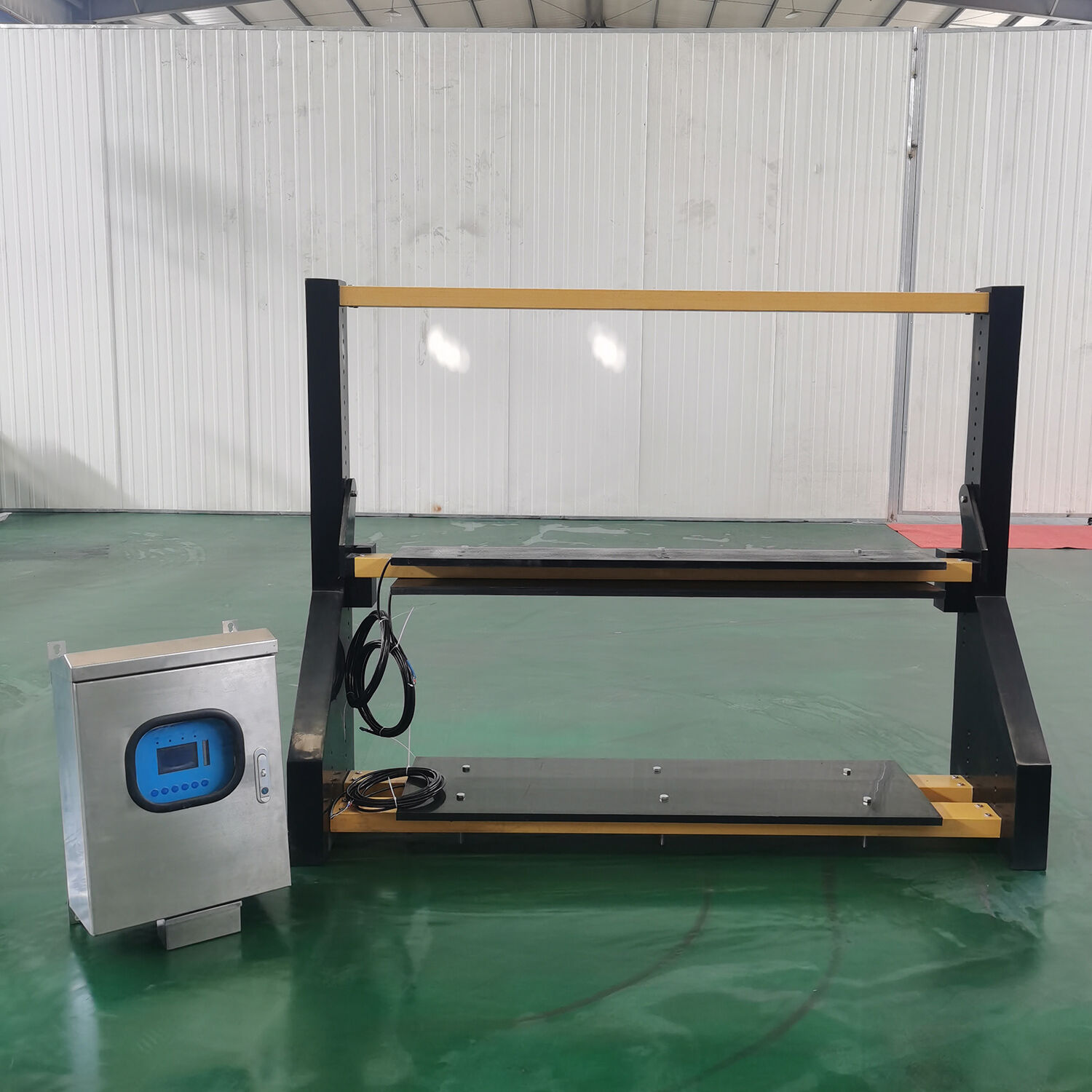
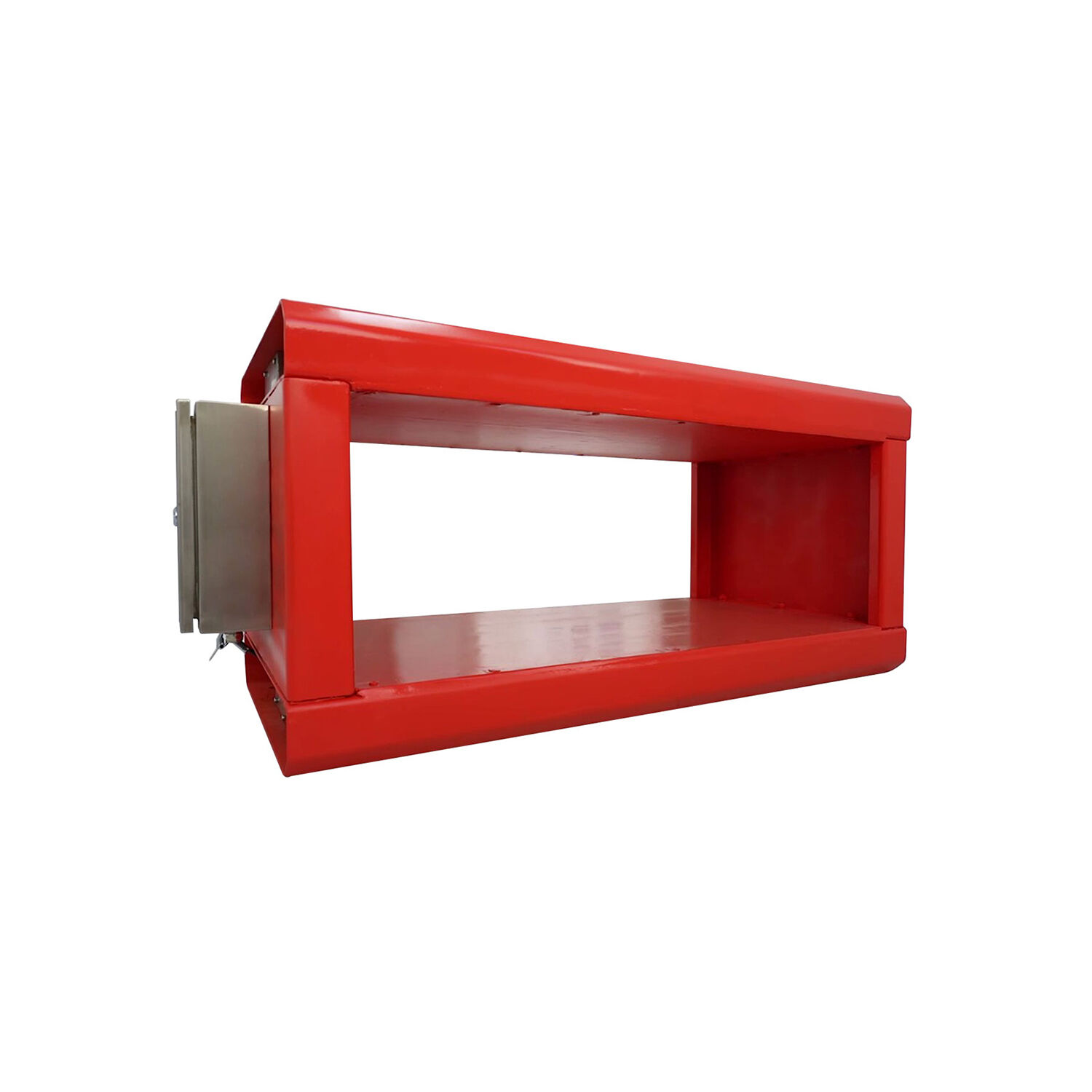
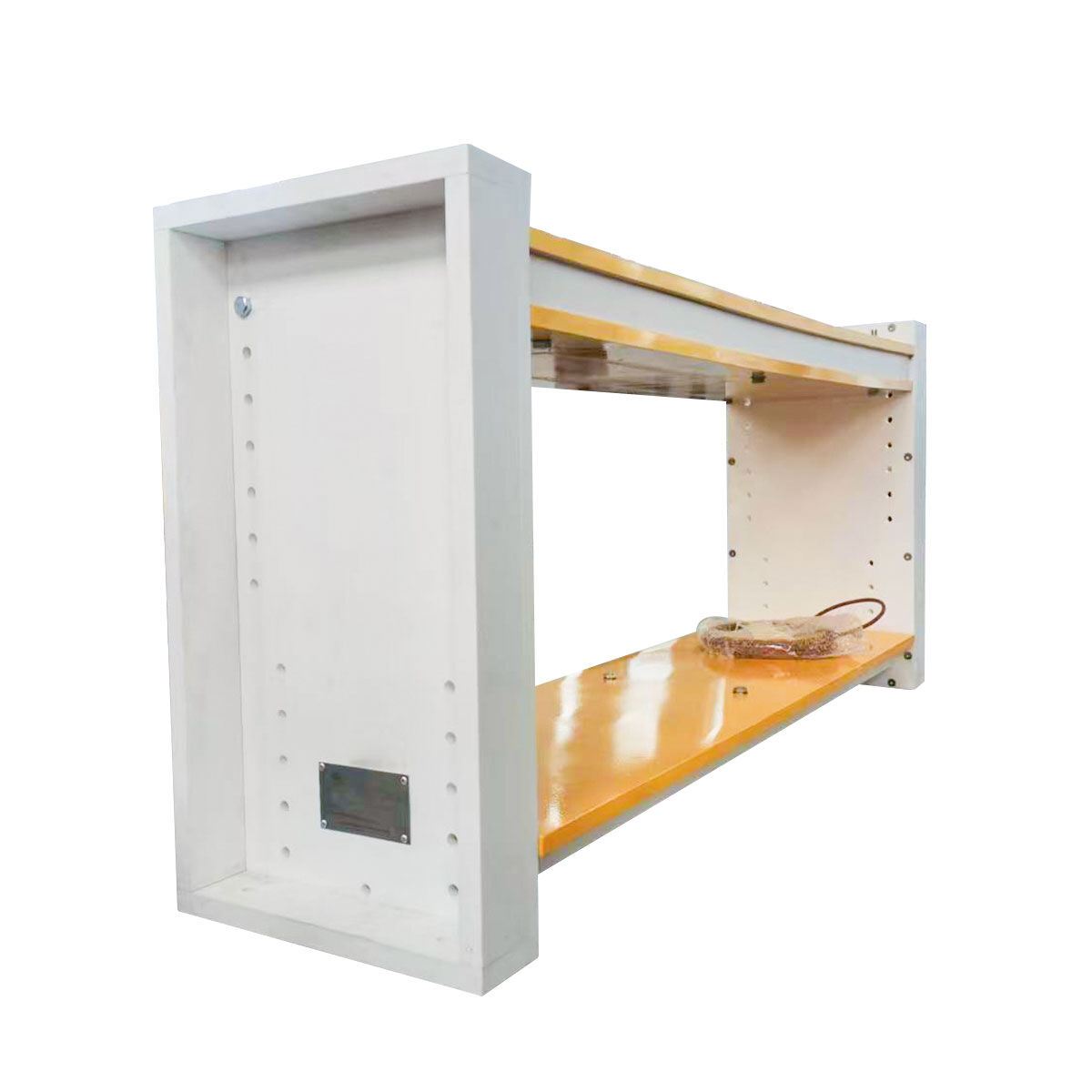
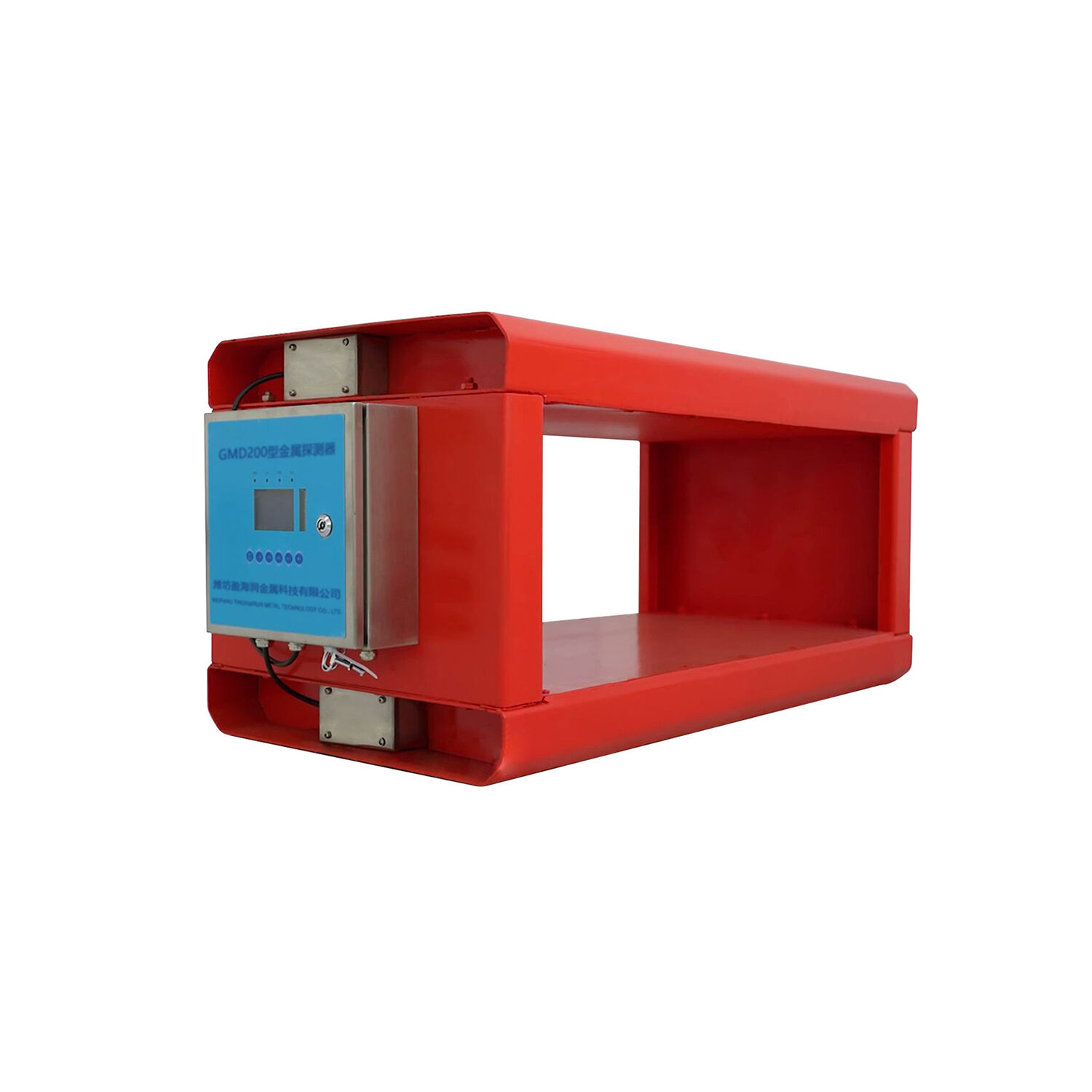
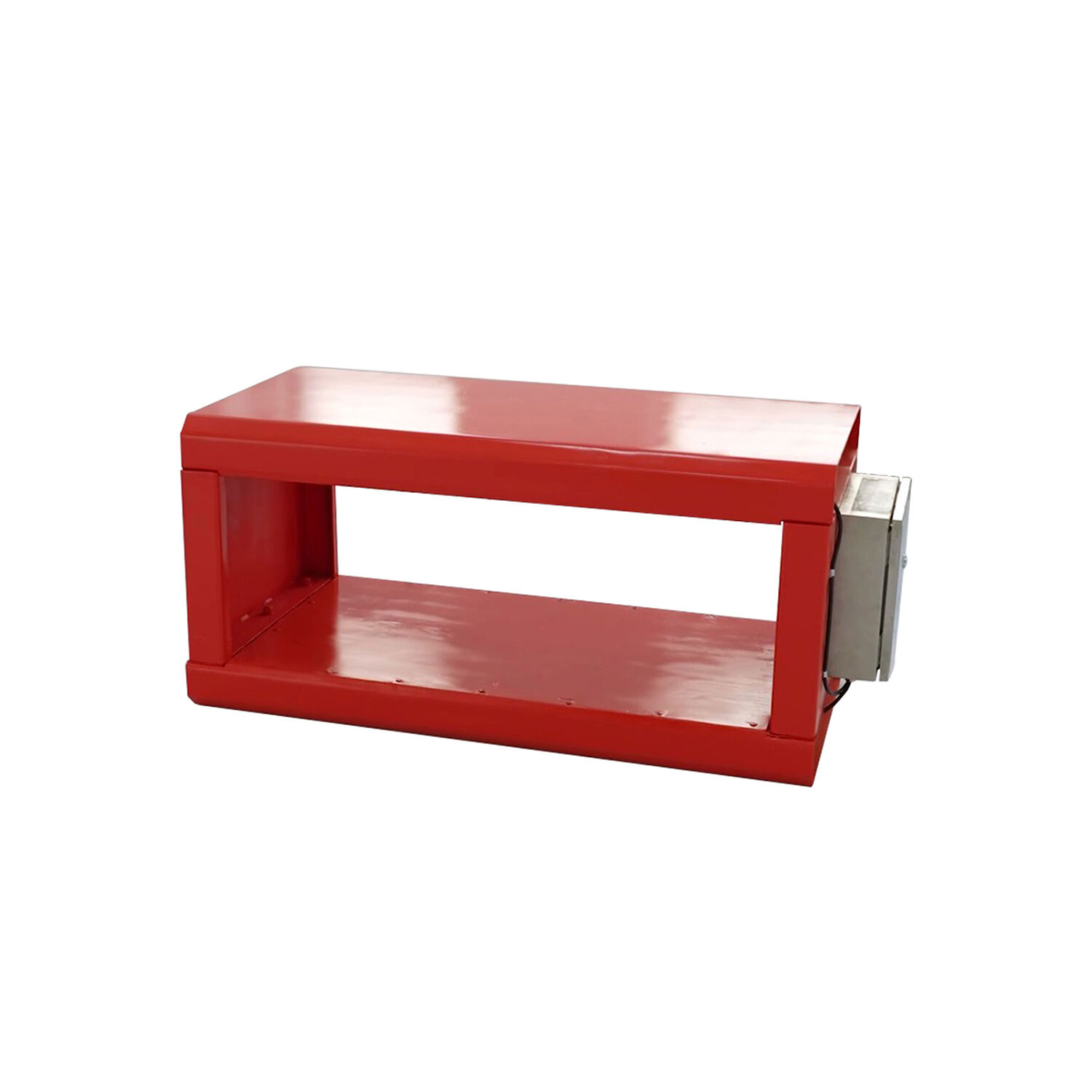
A metal detector for industrial use represents a crucial piece of equipment designed to identify and locate metallic contaminants in manufacturing processes, ensuring product quality and consumer safety. These sophisticated devices operate on electromagnetic principles, transmitting alternating magnetic fields that detect metallic objects passing through their scanning area. Industrial metal detectors serve as essential quality control instruments across numerous sectors including food processing, pharmaceuticals, textiles, plastics, and packaging industries. The primary function of a metal detector for industrial use involves continuous monitoring of production lines to identify ferrous, non-ferrous, and stainless steel contaminants that could compromise product integrity. These systems feature advanced signal processing technology that distinguishes between different metal types while minimizing false rejections. Modern industrial metal detectors incorporate digital signal processing capabilities, allowing for precise sensitivity adjustments and enhanced detection performance even in challenging environmental conditions. The technological framework includes sophisticated coil configurations, typically featuring balanced coil systems that provide uniform detection fields across the entire aperture. These devices offer multiple frequency operations, enabling operators to optimize detection performance for specific product types and contamination risks. Integration capabilities allow seamless connection with existing production line equipment, including automatic rejection systems, conveyor controls, and data logging mechanisms. Applications span across diverse industrial environments where product purity is paramount. Food manufacturers utilize these systems to detect metal fragments from processing equipment, ensuring compliance with safety regulations and protecting consumer health. Pharmaceutical companies employ industrial metal detectors to maintain sterile production environments and prevent metallic contamination in sensitive drug formulations. The versatility of a metal detector for industrial use extends to inspection of packaged goods, raw materials, and finished products, providing comprehensive contamination detection throughout the manufacturing process.


New Products

The implementation of a metal detector for industrial use delivers substantial operational benefits that directly impact productivity, safety, and profitability. These systems provide real-time contamination detection, enabling immediate response to potential quality issues before products reach consumers. This proactive approach significantly reduces costly product recalls, protecting brand reputation and avoiding regulatory penalties. The automated operation of industrial metal detectors eliminates human error in contamination detection, ensuring consistent quality control standards across all production shifts. These devices operate continuously without fatigue, maintaining peak detection performance throughout extended manufacturing runs. Cost savings emerge from reduced waste and rework, as contaminated products are identified and removed before additional processing investment occurs. The precision calibration capabilities allow manufacturers to establish optimal sensitivity levels that balance contamination detection with minimal false rejections, maximizing throughput efficiency. Integration with existing production lines requires minimal disruption, allowing companies to enhance quality control without significant operational changes. Modern industrial metal detectors feature user-friendly interfaces that simplify operator training and reduce the learning curve for production staff. The robust construction ensures reliable performance in harsh industrial environments, including areas with temperature variations, humidity, and mechanical vibration. Maintenance requirements are minimal, with self-diagnostic features that monitor system performance and alert operators to potential issues before they affect production. Data logging capabilities provide comprehensive documentation for quality audits and regulatory compliance, creating detailed records of inspection activities. The versatility of a metal detector for industrial use accommodates various product sizes, shapes, and packaging types, making it suitable for diverse manufacturing applications. Remote monitoring capabilities enable supervisors to oversee multiple detection stations from centralized control points, improving operational efficiency. The quick changeover features allow rapid adjustment between different product lines, supporting flexible manufacturing operations. These systems contribute to overall equipment effectiveness by minimizing unplanned downtime and maintaining consistent production flow. The investment in industrial metal detection technology typically generates positive returns through improved quality control, reduced liability risks, and enhanced customer satisfaction.

Latest News

Mining Metal Detector Sensitivity vs. External Interference

01

Apr

Mining Metal Detector Sensitivity vs. External Interference

Mining metal detector sensitivity represents a critical balance between detection capability and operational reliability in challenging industrial environments. The relationship between sensitivity levels and external interference determines how effe...
View More
Digital Signal Processing in Modern Tramp Metal Detectors

04

Apr

Digital Signal Processing in Modern Tramp Metal Detectors

Digital signal processing has revolutionized the effectiveness and reliability of modern tramp metal detector systems across industrial applications. Unlike traditional analog detection methods, digital signal processing enables these safety devices ...
View More
Evaluating Metal Detector Machine Suppliers in 2026

06

Apr

Evaluating Metal Detector Machine Suppliers in 2026

Selecting the right metal detector machine supplier has become increasingly complex in 2026, as businesses face evolving security requirements, technological advancements, and supply chain considerations. The metal detector machine market has expande...
View More
Common Industrial Applications for Tramp Metal Detectors

13

Apr

Common Industrial Applications for Tramp Metal Detectors

Industrial facilities across manufacturing, mining, and processing sectors face constant challenges from unwanted metallic contamination that can damage equipment, compromise product quality, and create safety hazards. A tramp metal detector serves a...
View More

Get a Free Quote

Our representative will contact you soon.
Email
Mobile/WhatsApp
Name
Company Name
Message
0/1000

metal detector for industrial use

Advanced Multi-Frequency Detection Technology

Advanced Multi-Frequency Detection Technology

The sophisticated multi-frequency detection technology represents the cornerstone advantage of modern metal detector for industrial use systems, delivering unparalleled contamination identification capabilities across diverse manufacturing environments. This innovative technology employs multiple electromagnetic frequencies simultaneously, enabling precise detection of various metallic contaminants including ferrous, non-ferrous, and stainless steel particles that traditional single-frequency systems might miss. The multi-frequency approach significantly enhances detection sensitivity while dramatically reducing false rejection rates, particularly when inspecting products with challenging characteristics such as high moisture content, salt concentrations, or conductive packaging materials. This technology automatically adjusts frequency parameters based on product characteristics, ensuring optimal performance without requiring manual intervention from operators. The intelligent signal processing algorithms analyze multiple frequency responses in real-time, creating a comprehensive contamination profile that distinguishes between actual metal contaminants and product effects that could trigger false alarms. This capability proves especially valuable in food processing applications where products contain natural minerals or are packaged in metallized films that can interfere with detection systems. The multi-frequency technology also provides superior performance in detecting small metal fragments that pose significant safety risks but are often challenging to identify using conventional detection methods. Manufacturing facilities benefit from the enhanced reliability and consistency that this technology provides, ensuring that quality control standards remain uncompromised regardless of product variations or environmental conditions. The adaptive nature of multi-frequency detection allows a single metal detector for industrial use to handle multiple product types without requiring extensive recalibration, supporting flexible manufacturing operations and reducing changeover times between production runs. This technological advancement represents a significant evolution in contamination detection, providing manufacturers with the confidence that their quality control processes meet the highest industry standards while maintaining optimal production efficiency.
Seamless Production Line Integration

Seamless Production Line Integration

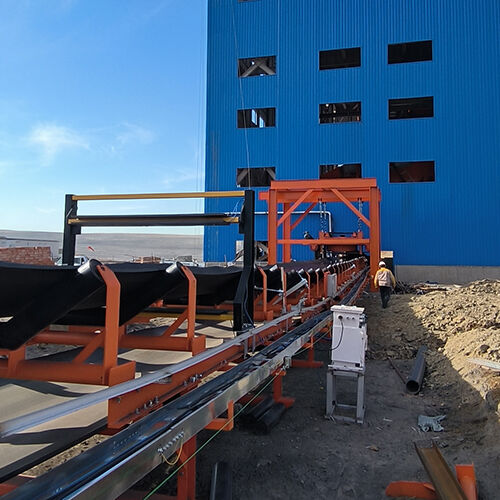
The seamless production line integration capability of a metal detector for industrial use transforms quality control from a bottleneck into a streamlined component of efficient manufacturing operations. This integration encompasses both mechanical and software connectivity that allows the detection system to communicate effectively with upstream and downstream equipment, creating a cohesive automated inspection process. The mechanical integration features precision-engineered conveyor interfaces that maintain product flow continuity while ensuring accurate positioning within the detection zone. Variable speed controls automatically synchronize with production line speeds, maintaining optimal detection performance regardless of throughput variations. The software integration capabilities enable real-time communication with production management systems, providing instant feedback on inspection results and automatically initiating rejection procedures when contamination is detected. This connectivity extends to enterprise resource planning systems, allowing for comprehensive production monitoring and quality documentation that supports regulatory compliance requirements. The integration also includes sophisticated rejection mechanisms that can be customized based on contamination type and severity, enabling manufacturers to implement graduated response protocols that maximize product recovery while ensuring safety standards. Remote monitoring capabilities allow quality control supervisors to oversee multiple detection stations from centralized locations, providing real-time visibility into inspection performance across entire manufacturing facilities. The modular design approach facilitates easy installation and modification, allowing manufacturers to adapt the system as production requirements evolve without significant infrastructure changes. This integration capability significantly reduces the total cost of ownership by minimizing the need for additional personnel, reducing training requirements, and eliminating manual inspection processes that are prone to human error. The data collection and analysis features provide valuable insights into contamination patterns and production trends, enabling proactive maintenance scheduling and process optimization. A metal detector for industrial use with comprehensive integration capabilities becomes an integral component of smart manufacturing systems, contributing to overall operational excellence and supporting continuous improvement initiatives that drive competitive advantage.
Robust Environmental Durability

Robust Environmental Durability

The exceptional environmental durability of a metal detector for industrial use ensures reliable contamination detection performance in the most demanding manufacturing conditions, providing manufacturers with a dependable quality control solution that withstands harsh operational environments. This durability encompasses comprehensive protection against temperature extremes, humidity variations, chemical exposure, and mechanical stress that are common in industrial settings. The construction utilizes premium-grade stainless steel and specialized coatings that resist corrosion from cleaning chemicals, food acids, and environmental contaminants that could compromise system performance or create hygiene issues. The sealed electronic components prevent moisture intrusion and particulate contamination that could cause system failures or detection accuracy degradation. Temperature stability features ensure consistent detection performance across wide operating ranges, from refrigerated environments to high-temperature processing areas, without requiring frequent recalibration or sensitivity adjustments. The vibration-resistant design maintains detection accuracy even when installed near heavy machinery or high-speed production equipment that generates significant mechanical disturbance. This robust construction significantly extends equipment lifespan, reducing replacement costs and minimizing production disruptions associated with equipment failures. The washdown capability allows thorough cleaning using high-pressure water and sanitizing chemicals without compromising electronic integrity, supporting stringent hygiene requirements in food and pharmaceutical manufacturing. The impact-resistant housing protects critical components from accidental damage during maintenance activities or material handling operations. Environmental durability also encompasses electromagnetic interference resistance, ensuring that a metal detector for industrial use maintains detection accuracy even in environments with multiple electronic systems, motors, and wireless communication devices. The weatherproof design enables outdoor installation when necessary, expanding application possibilities for manufacturers with diverse facility requirements. This durability translates into reduced maintenance costs, minimized unplanned downtime, and consistent quality control performance that manufacturers can depend upon for long-term operations. The investment protection provided by robust environmental durability ensures that the metal detection system continues delivering value throughout its extended operational life, supporting sustainable manufacturing practices and maximizing return on investment for quality control infrastructure.

Get a Free Quote

Our representative will contact you soon.
Email
Mobile/WhatsApp
Name
Company Name
Message
0/1000