Industrial Tramp Metal Removal Detector - Advanced Contamination Protection Systems

All Categories

Get a Free Quote

Our representative will contact you soon.
Email
Mobile/WhatsApp
Name
Company Name
Message
0/1000

tramp metal removal detector

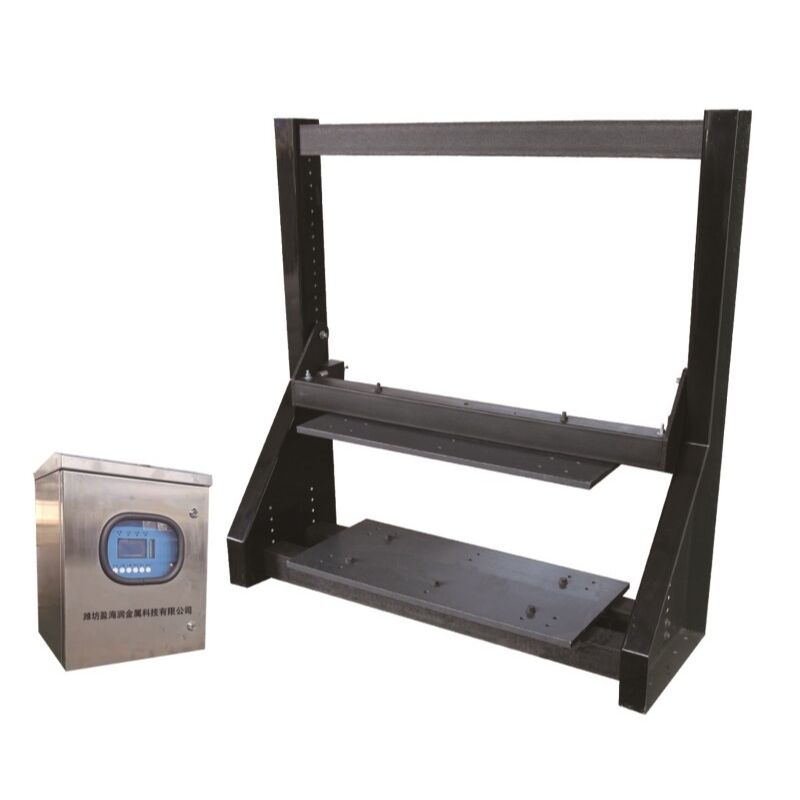
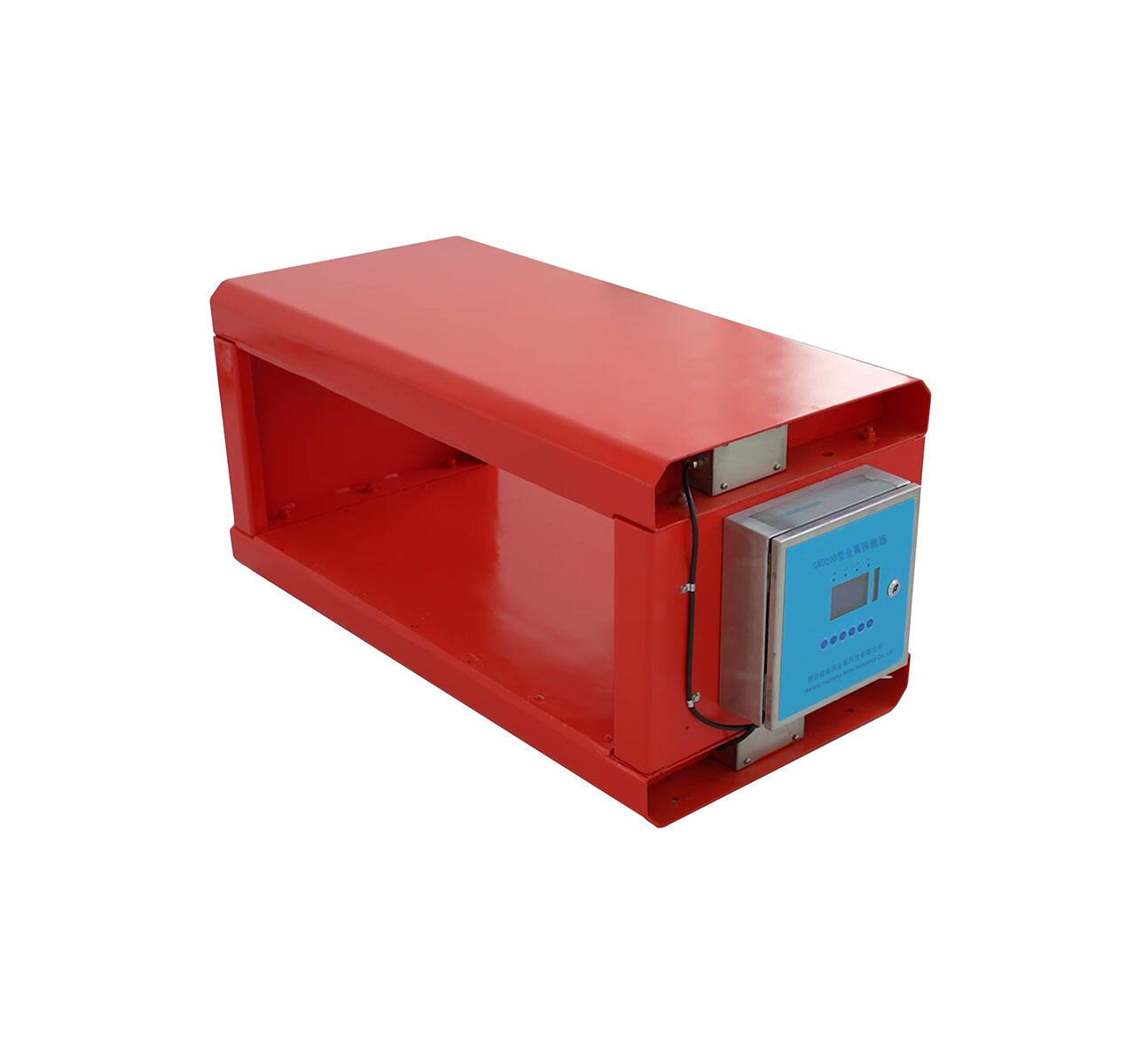
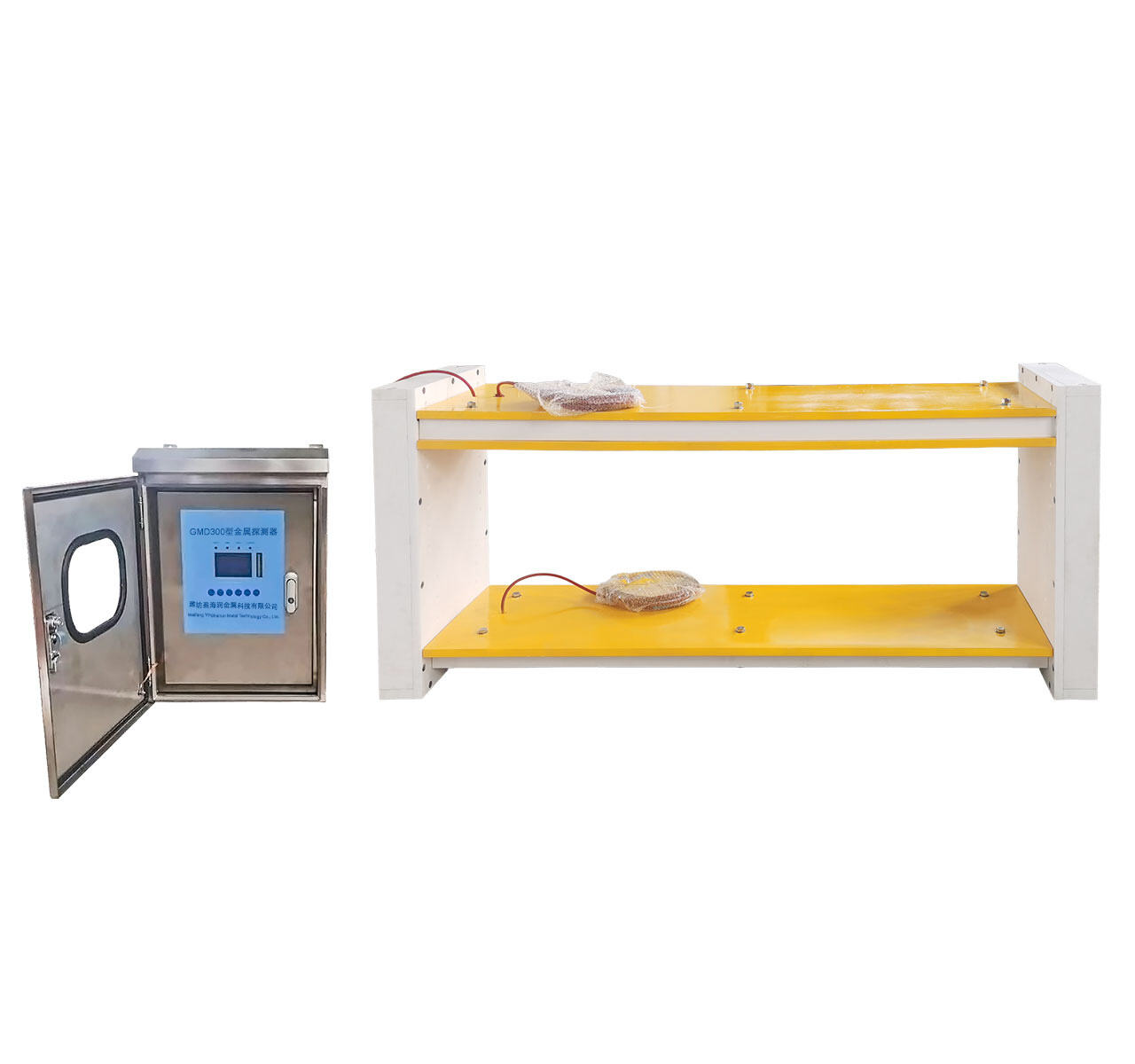
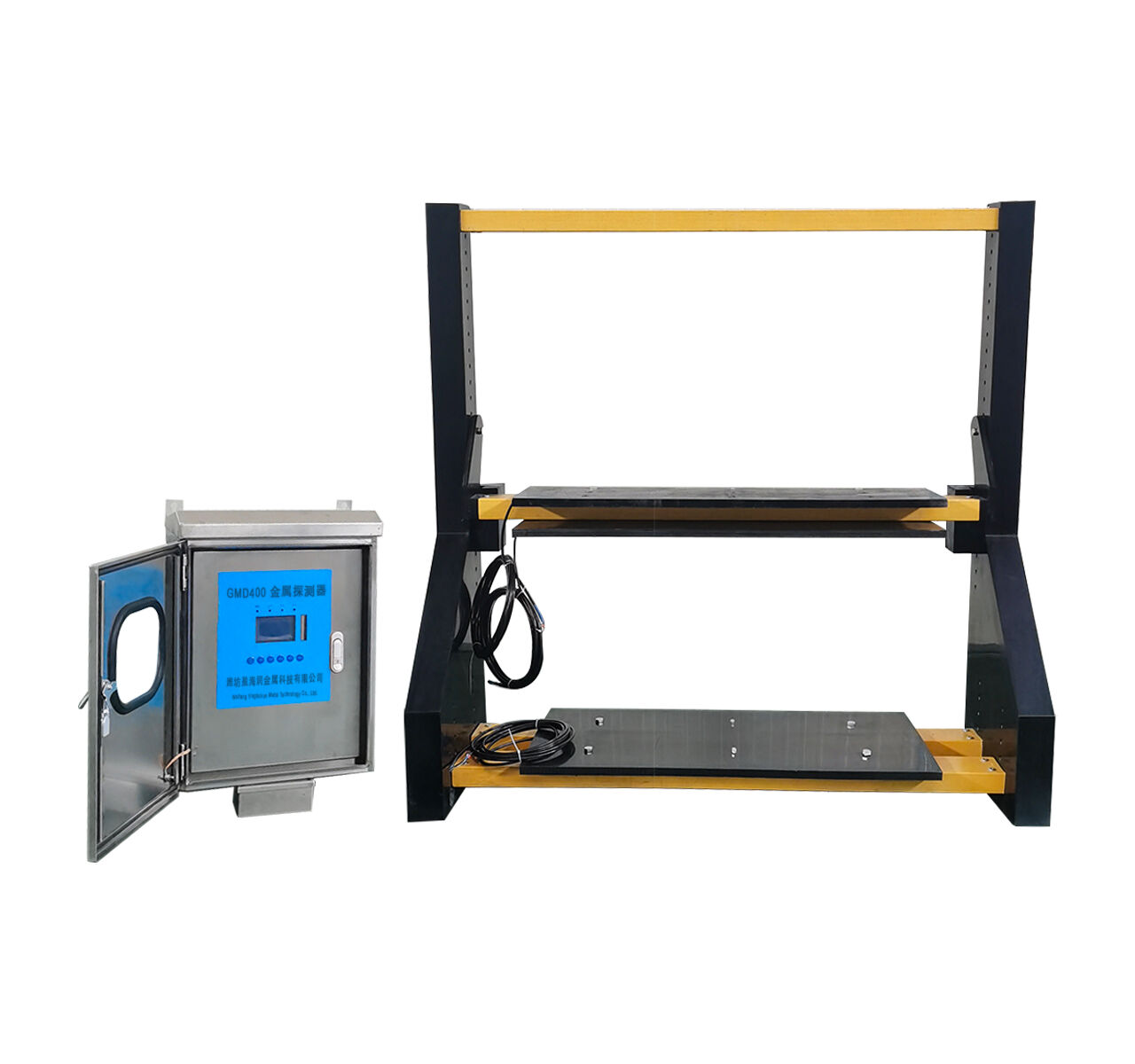
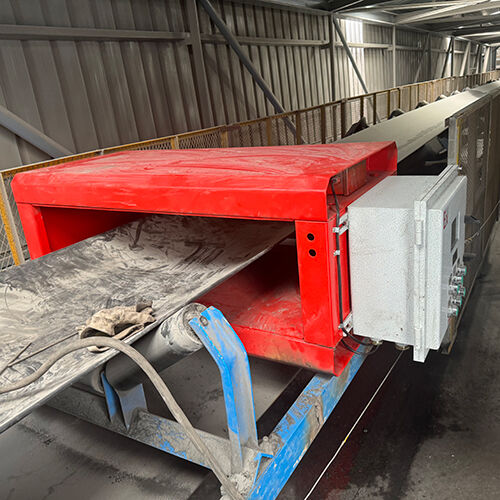
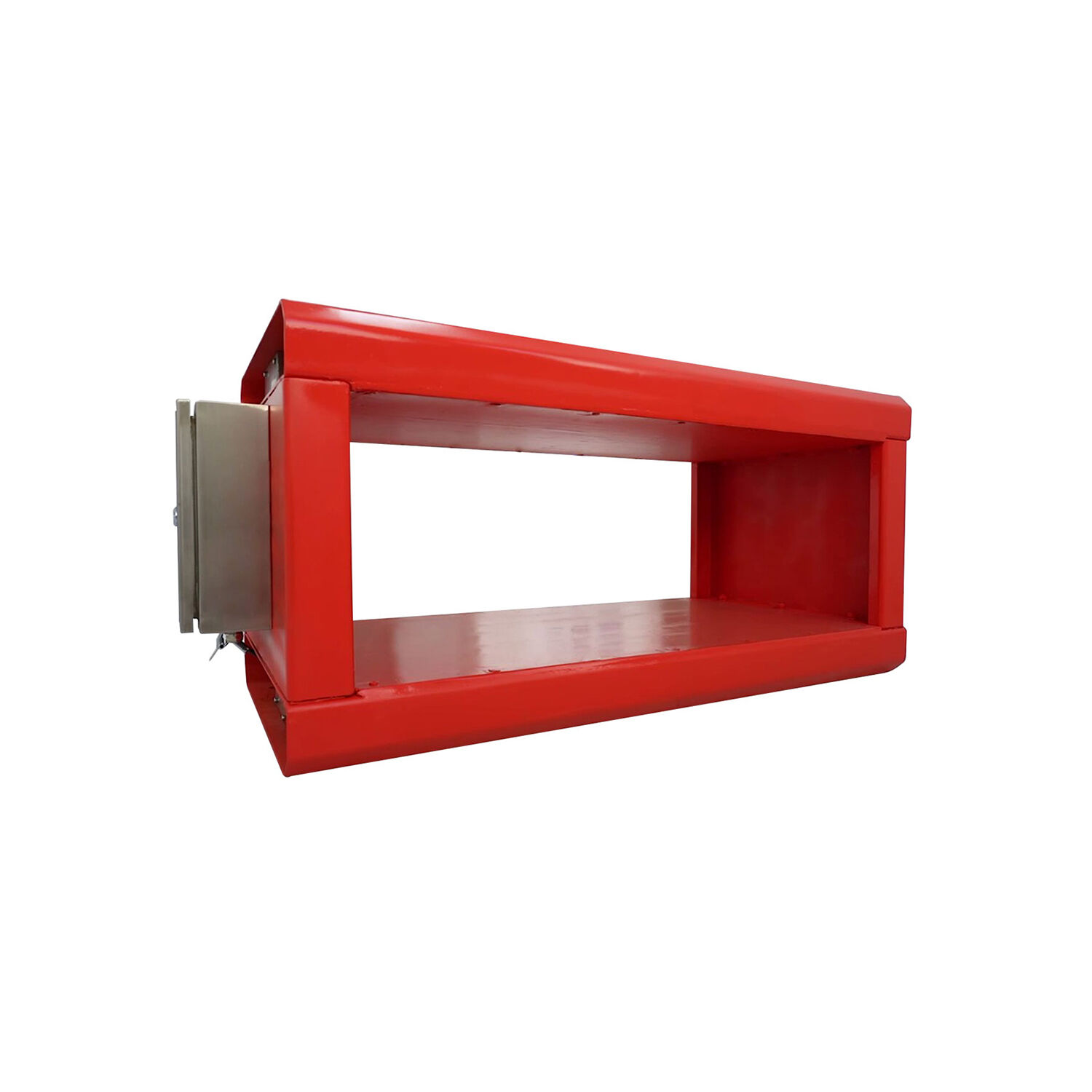
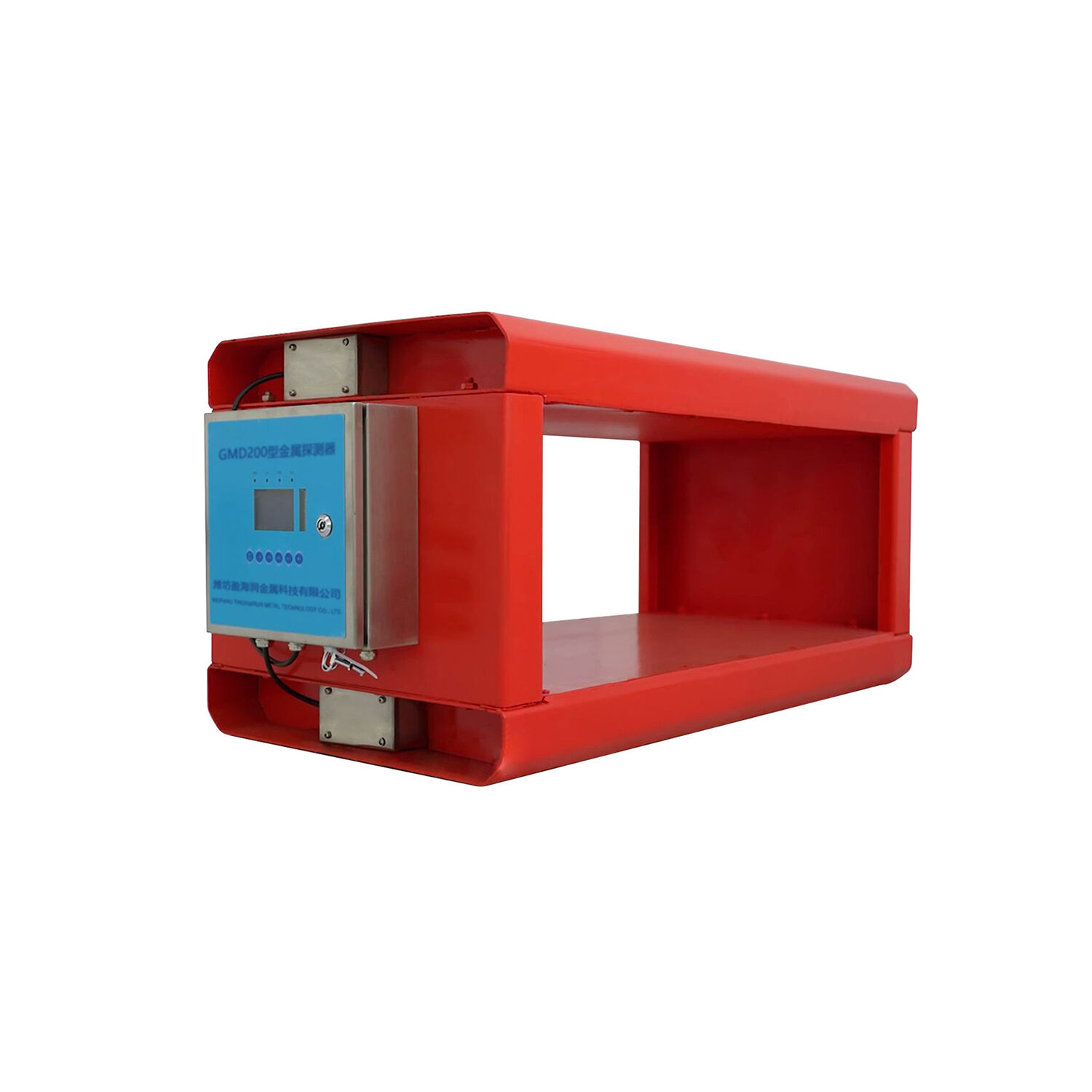
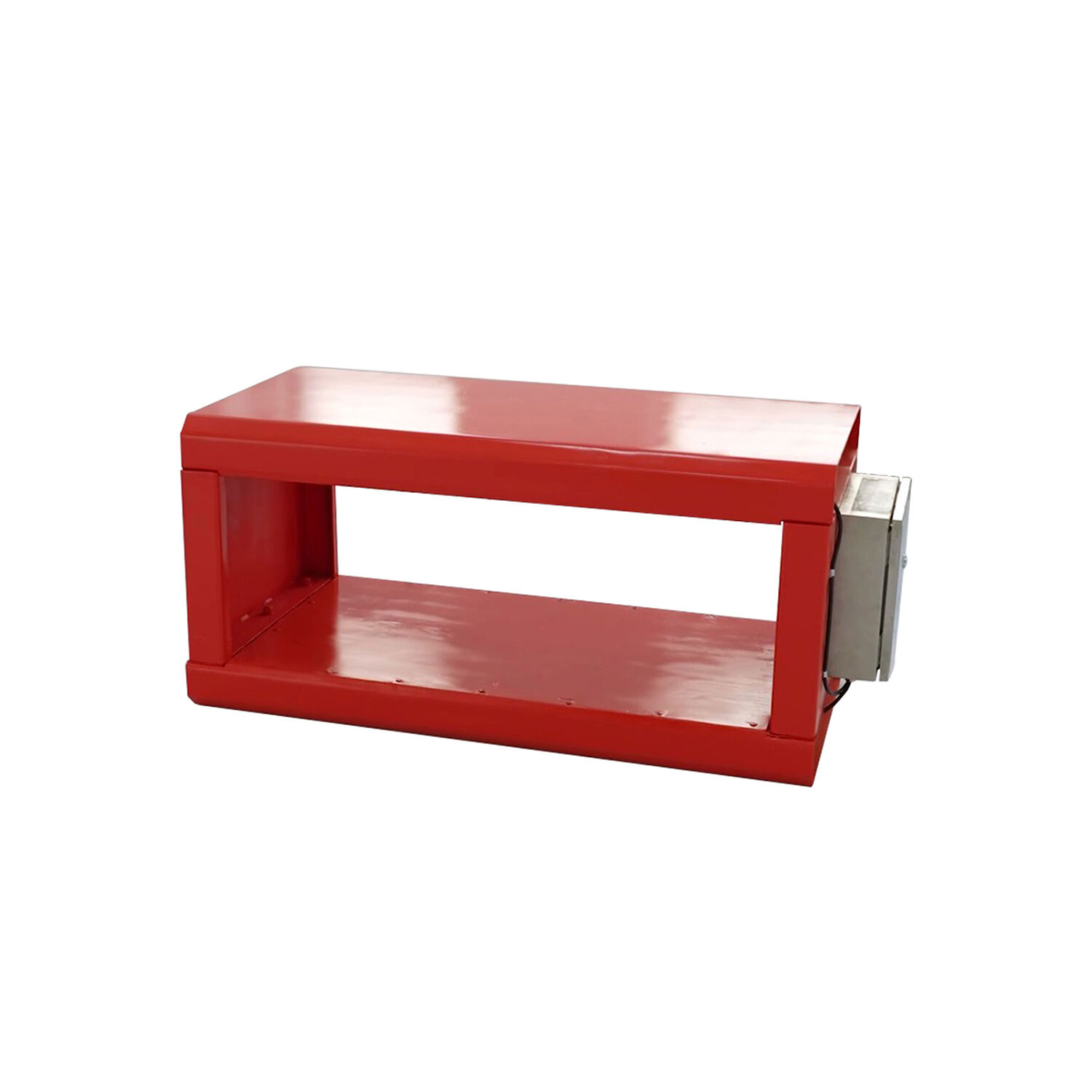
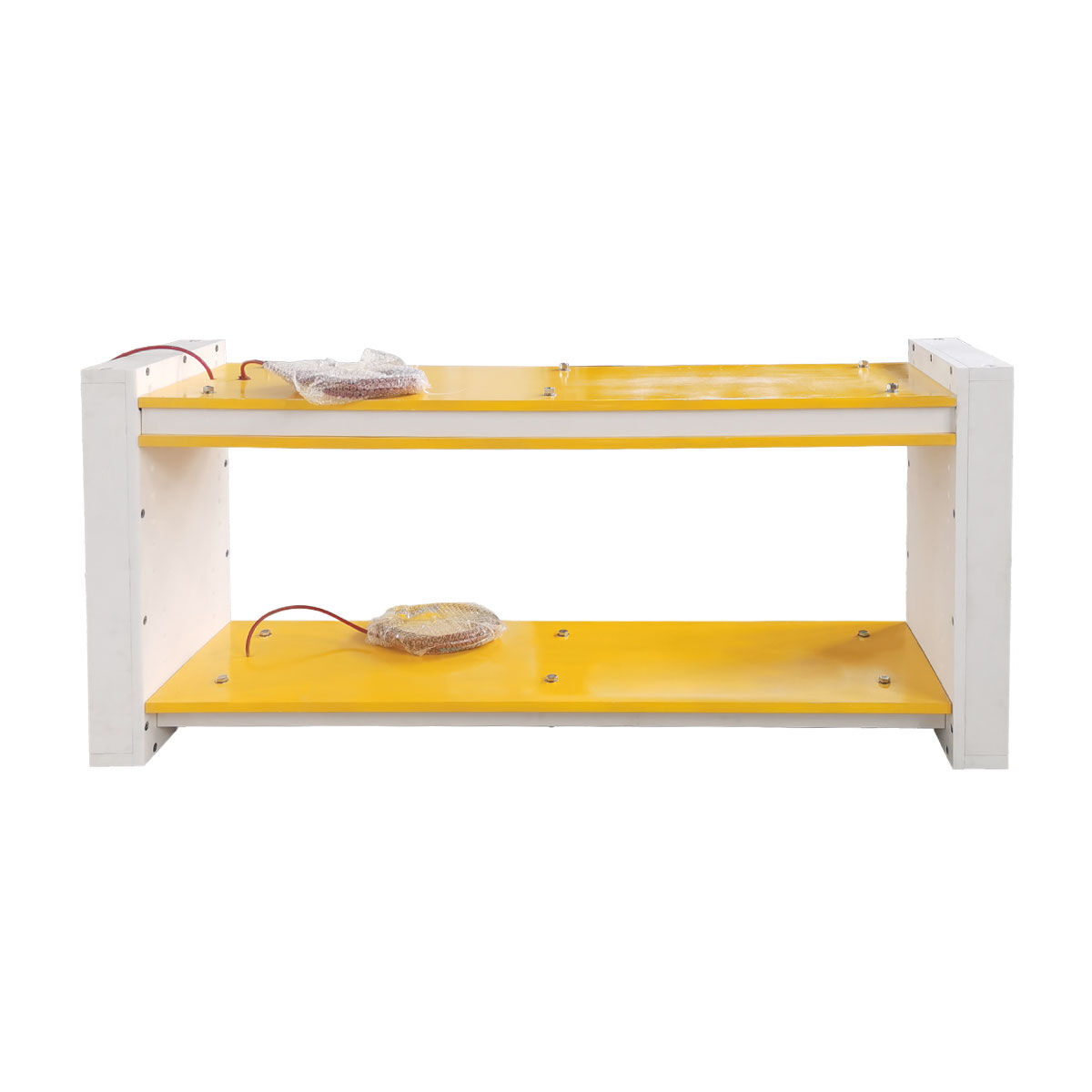
A tramp metal removal detector represents cutting-edge technology designed to identify and locate unwanted metallic contaminants in bulk material handling systems. This sophisticated detection equipment serves as a critical safety component in industrial processing operations, protecting expensive machinery from catastrophic damage caused by foreign metal objects. The tramp metal removal detector operates through advanced electromagnetic sensing technology that continuously monitors material flow streams for the presence of metallic debris, including iron, steel, and other ferrous materials that could cause significant operational disruptions. These detection systems integrate seamlessly with existing conveyor belts, chutes, and material handling equipment to provide real-time monitoring capabilities. The detector utilizes high-frequency electromagnetic fields to scan materials as they pass through designated detection zones, immediately alerting operators when tramp metal is identified. Modern tramp metal removal detector units feature adjustable sensitivity settings that allow operators to customize detection parameters based on specific material characteristics and operational requirements. The technology incorporates digital signal processing algorithms that filter out false alarms while maintaining exceptional detection accuracy for genuine metallic threats. Installation flexibility makes the tramp metal removal detector suitable for various industrial environments, from mining operations to recycling facilities and manufacturing plants. The system typically includes visual and audible alarm systems that provide immediate notification when metal contamination is detected, enabling rapid response to prevent equipment damage. Advanced models offer data logging capabilities that track detection events over time, providing valuable insights into contamination patterns and system performance. The robust construction of these detectors ensures reliable operation in harsh industrial environments, withstanding exposure to dust, moisture, and temperature extremes commonly encountered in material processing applications.

New Products

The tramp metal removal detector delivers substantial cost savings by preventing expensive equipment failures that result from metal contamination in processing systems. Equipment protection stands as the primary advantage, as even small metal objects can cause thousands of dollars in damage to crushers, mills, conveyors, and other processing machinery. Early detection capabilities allow operators to remove contaminated materials before they reach critical processing equipment, eliminating costly downtime and repair expenses. The detector provides continuous monitoring without interrupting normal production flow, maintaining operational efficiency while ensuring comprehensive protection against metallic contaminants. Installation simplicity makes the tramp metal removal detector accessible to facilities of all sizes, with mounting options that accommodate existing infrastructure without requiring major modifications. The system operates with minimal maintenance requirements, reducing ongoing operational costs while delivering consistent performance over extended periods. Real-time detection capabilities enable immediate response to contamination events, preventing damage escalation that could result in extended production shutdowns. The detector enhances workplace safety by identifying potentially dangerous metal objects before they can cause equipment malfunctions or create hazardous conditions for personnel. Customizable sensitivity settings allow operators to optimize detection parameters for specific materials and applications, reducing false alarms while maintaining thorough contamination screening. The technology supports predictive maintenance strategies by providing data on contamination frequency and sources, helping facilities improve material handling processes and supplier quality control. Energy efficiency characterizes modern detector designs, consuming minimal power while delivering maximum protection benefits. The system integrates effectively with automated material handling equipment, enabling seamless operation within existing production workflows. Regulatory compliance benefits emerge from implementing comprehensive contamination control measures that meet industry safety standards and environmental regulations. Return on investment typically occurs within months of installation, as prevented damage incidents quickly offset initial equipment costs. The detector extends equipment lifespan by eliminating wear and tear caused by metal contamination, reducing replacement frequency and associated capital expenditures.

Tips And Tricks

How Conveyor Belt Detectors Improve Food Safety Compliance

02

Apr

How Conveyor Belt Detectors Improve Food Safety Compliance

Food safety compliance has become increasingly critical in today's manufacturing environment, where contamination incidents can result in massive recalls, regulatory penalties, and permanent damage to brand reputation. The implementation of a conveyo...
View More
Reliable Mine Metal Detectors for Primary Crusher Protection

05

Apr

Reliable Mine Metal Detectors for Primary Crusher Protection

Primary crushers in mining operations face constant threats from metallic contaminants that can cause devastating equipment damage, costly downtime, and significant safety hazards. A reliable mine metal detector serves as the critical first line of d...
View More
Understanding the Components of a Metal Detector Machine

08

Apr

Understanding the Components of a Metal Detector Machine

A metal detector machine consists of several interconnected components that work together to identify metallic objects beneath the surface or within materials. Understanding these fundamental components is essential for anyone working with metal dete...
View More
How Tramp Metal Detectors Detect Non-Ferrous Contaminants

12

Apr

How Tramp Metal Detectors Detect Non-Ferrous Contaminants

Understanding how a tramp metal detector identifies non-ferrous contaminants requires examining the sophisticated electromagnetic principles behind modern detection technology. Unlike traditional metal detection systems that primarily focus on ferrou...
View More

Get a Free Quote

Our representative will contact you soon.
Email
Mobile/WhatsApp
Name
Company Name
Message
0/1000

tramp metal removal detector

Advanced Electromagnetic Detection Technology

Advanced Electromagnetic Detection Technology

The tramp metal removal detector employs sophisticated electromagnetic field generation and sensing technology that represents the pinnacle of contamination detection innovation. This advanced system creates precisely controlled electromagnetic fields that penetrate material streams with exceptional accuracy, identifying even minute metallic particles that could potentially damage downstream equipment. The technology utilizes multiple frequency ranges simultaneously, ensuring comprehensive detection across various metal types and sizes while minimizing interference from environmental factors. Digital signal processing algorithms analyze electromagnetic field disturbances in real-time, distinguishing between genuine metallic threats and benign environmental variations that could trigger false alarms. The detector features adaptive sensitivity controls that automatically adjust detection parameters based on material characteristics, conveyor speed, and operational conditions, optimizing performance for diverse applications. High-resolution sensors provide precise location information for detected metal objects, enabling targeted removal strategies that minimize material waste and processing delays. The electromagnetic detection system operates independently of material moisture content, density variations, and temperature fluctuations, ensuring consistent performance across changing operational conditions. Advanced filtering capabilities eliminate interference from nearby electrical equipment, structural steel, and other metallic infrastructure components that could compromise detection accuracy. The technology incorporates redundant sensing elements that provide fail-safe operation, ensuring continuous protection even if individual components experience temporary malfunctions. Calibration procedures can be completed quickly without specialized technical expertise, allowing operators to maintain optimal system performance with minimal training requirements. The electromagnetic field strength automatically adjusts to accommodate different material types and flow rates, providing consistent detection sensitivity regardless of throughput variations. This technological sophistication translates directly into superior protection capabilities that significantly exceed traditional detection methods, offering facilities comprehensive contamination control solutions that adapt to evolving operational requirements while maintaining exceptional reliability standards.
Seamless Integration with Existing Equipment

Seamless Integration with Existing Equipment

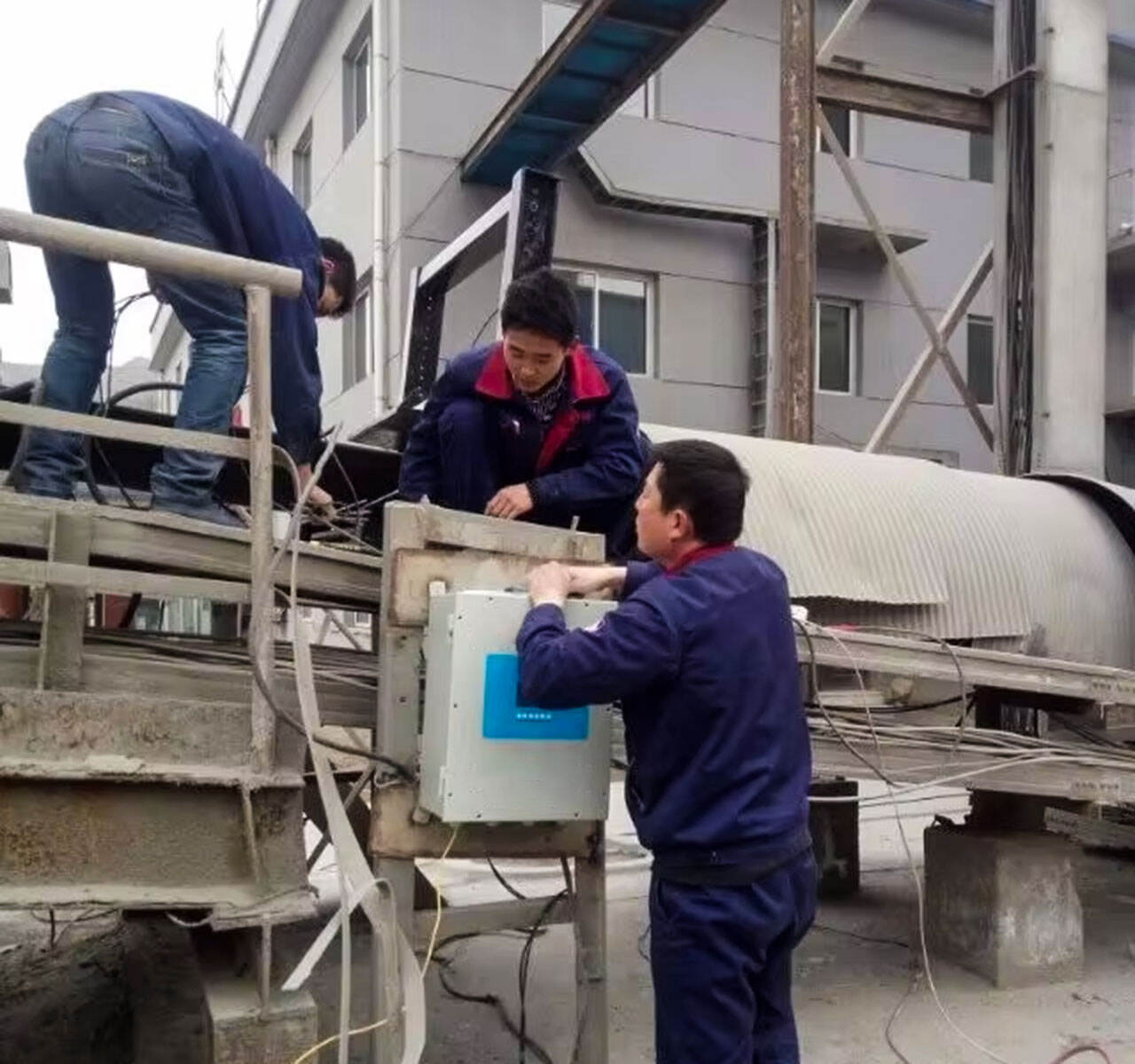
The tramp metal removal detector demonstrates exceptional versatility through its ability to integrate seamlessly with diverse material handling systems and existing industrial infrastructure without requiring extensive modifications or costly downtime during installation. This integration capability represents a significant advantage for facilities seeking to enhance contamination protection without disrupting established production processes or incurring major capital expenditures for system overhauls. The detector accommodates various conveyor belt widths, speeds, and configurations, making it suitable for applications ranging from narrow specialty conveyors to wide high-capacity material transport systems commonly found in mining and bulk material processing operations. Flexible mounting options include overhead suspension systems, side-mounted configurations, and integrated installations that blend seamlessly with existing conveyor structures while maintaining full access for maintenance and calibration activities. The system connects easily to existing control systems and automation networks through standard communication protocols, enabling centralized monitoring and control capabilities that align with established operational procedures. Power requirements remain minimal and compatible with standard industrial electrical systems, eliminating the need for specialized electrical infrastructure upgrades or dedicated power supplies that could complicate installation processes. The detector interfaces effectively with material diversion systems, automatic belt stops, and other contamination response equipment, creating comprehensive protection systems that respond automatically to detection events without requiring constant operator attention. Retrofit applications benefit from the detector's compact design and flexible installation requirements, allowing facilities to add advanced contamination protection to existing systems without significant structural modifications or production interruptions. The technology supports various communication methods including discrete outputs, analog signals, and digital networking protocols that facilitate integration with supervisory control systems, data acquisition networks, and remote monitoring platforms. Installation procedures typically require minimal downtime, often completed during scheduled maintenance periods without affecting normal production schedules, making the implementation process highly attractive to facilities operating under demanding production requirements.
Comprehensive Contamination Prevention and Monitoring

Comprehensive Contamination Prevention and Monitoring

The tramp metal removal detector provides comprehensive contamination prevention capabilities that extend far beyond simple metal detection, offering facilities complete contamination management solutions that protect equipment, enhance safety, and optimize operational efficiency through continuous monitoring and detailed reporting functions. This comprehensive approach encompasses real-time detection, automatic response coordination, detailed event logging, and predictive analysis capabilities that transform basic contamination control into sophisticated operational intelligence systems. The detector maintains continuous vigilance over material streams, providing 24/7 protection against metallic contaminants regardless of operational schedules, shift changes, or varying production demands that might affect manual inspection procedures. Advanced data logging capabilities capture detailed information about each detection event, including contamination location, size estimates, time stamps, and operational conditions at the time of detection, creating valuable databases for trend analysis and process improvement initiatives. The system generates comprehensive reports that help facilities identify contamination sources, evaluate supplier quality standards, and implement targeted improvements in material handling procedures that reduce future contamination risks. Preventive maintenance scheduling benefits from the detector's ability to track system performance over time, identifying optimal maintenance intervals and potential component replacement needs before they affect detection capabilities or system reliability. Integration with facility management systems enables automatic notification of maintenance personnel, quality control staff, and production managers when contamination events occur, ensuring rapid response and appropriate corrective actions. The detector supports multiple alarm configurations including visual indicators, audible alarms, and remote notifications that can be customized to match facility communication protocols and emergency response procedures. Historical data analysis reveals patterns in contamination occurrence that help facilities optimize material sourcing, improve handling procedures, and implement quality control measures that address root causes rather than simply responding to detection events. The comprehensive monitoring capabilities extend to system self-diagnostics that continuously evaluate detector performance, sensor functionality, and calibration accuracy, providing early warning of potential maintenance needs or performance degradation that could compromise contamination protection effectiveness.


Get a Free Quote

Our representative will contact you soon.
Email
Mobile/WhatsApp
Name
Company Name
Message
0/1000