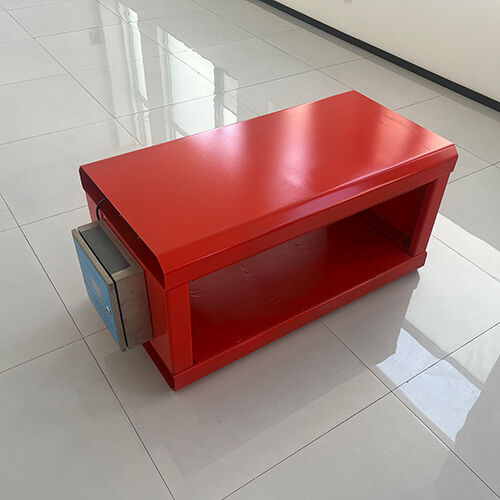
Metal Detector Conveyor Systems - Advanced Contamination Detection for Industrial Production

All Categories

Get a Free Quote

Our representative will contact you soon.
Email
Mobile/WhatsApp
Name
Company Name
Message
0/1000

metal detector conveyor

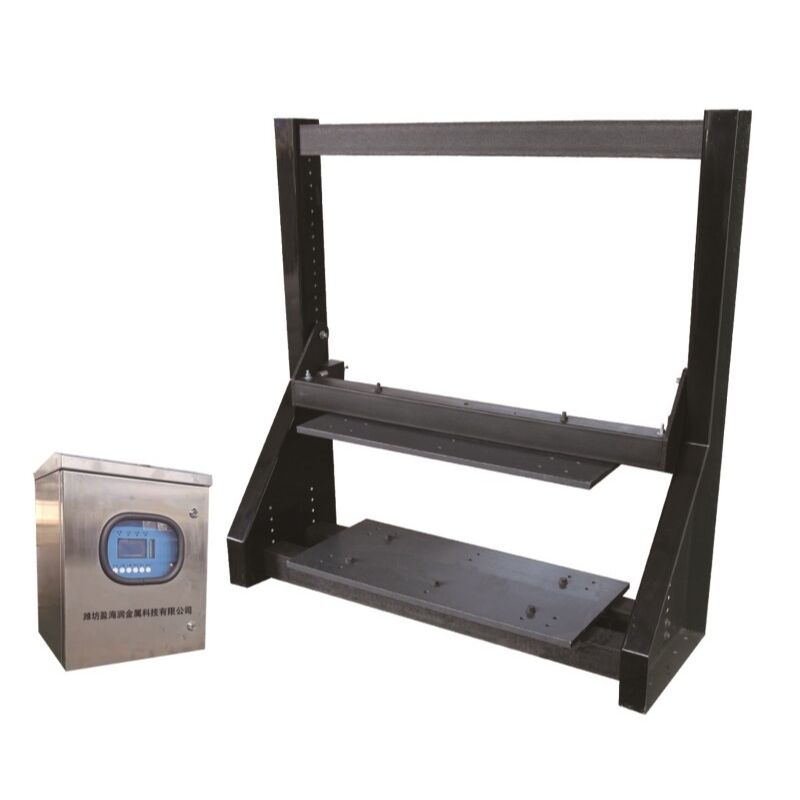
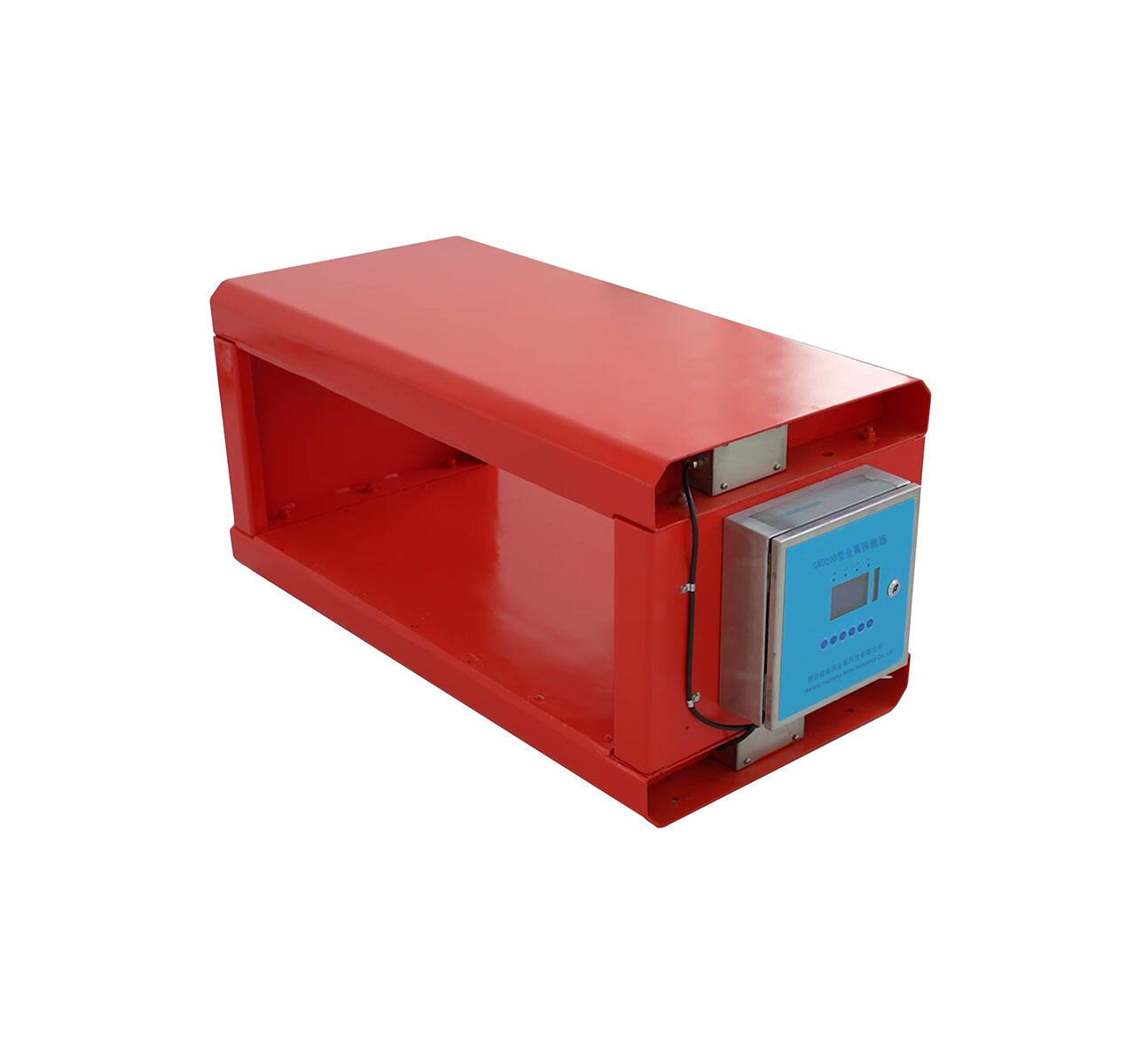
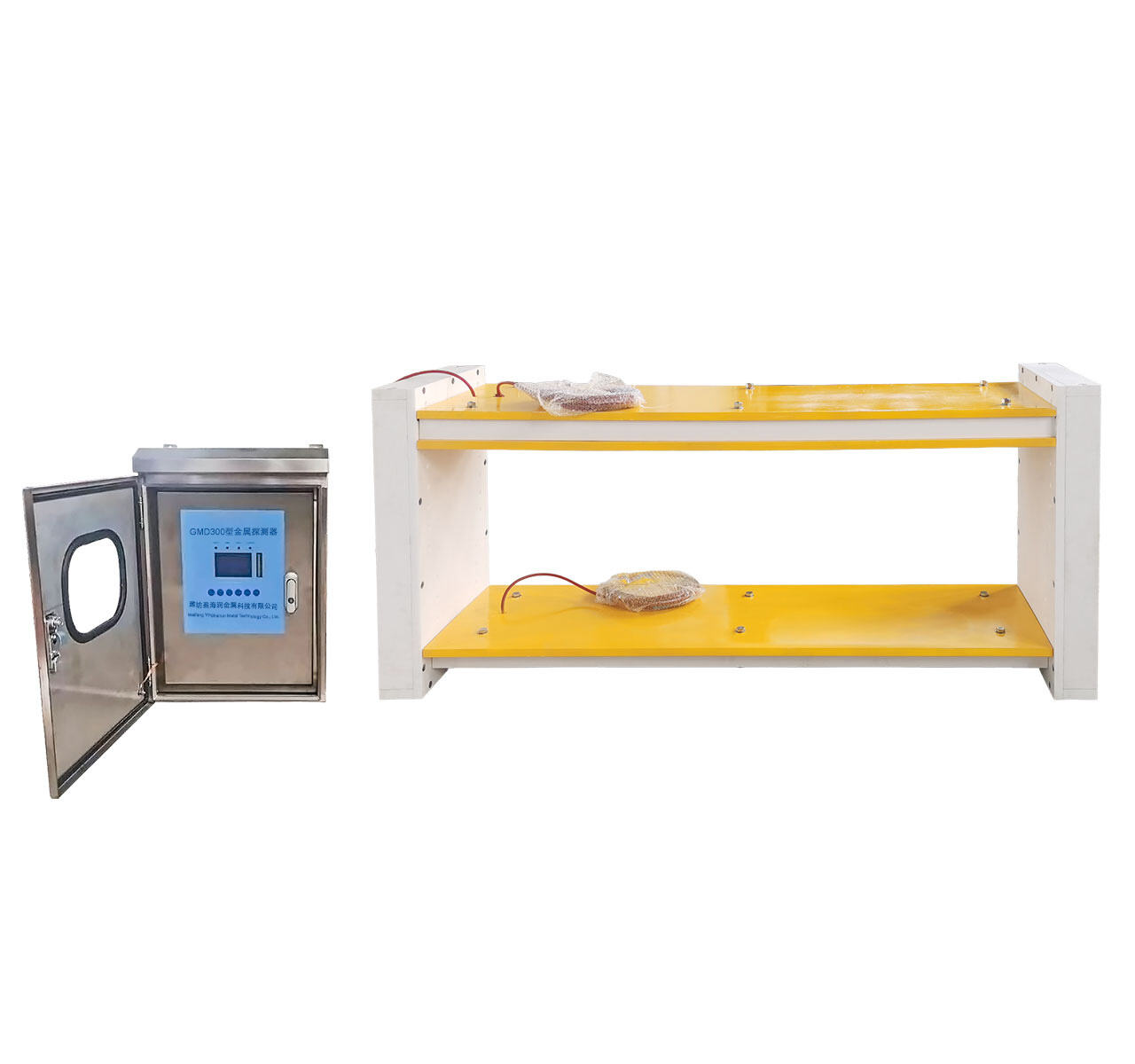
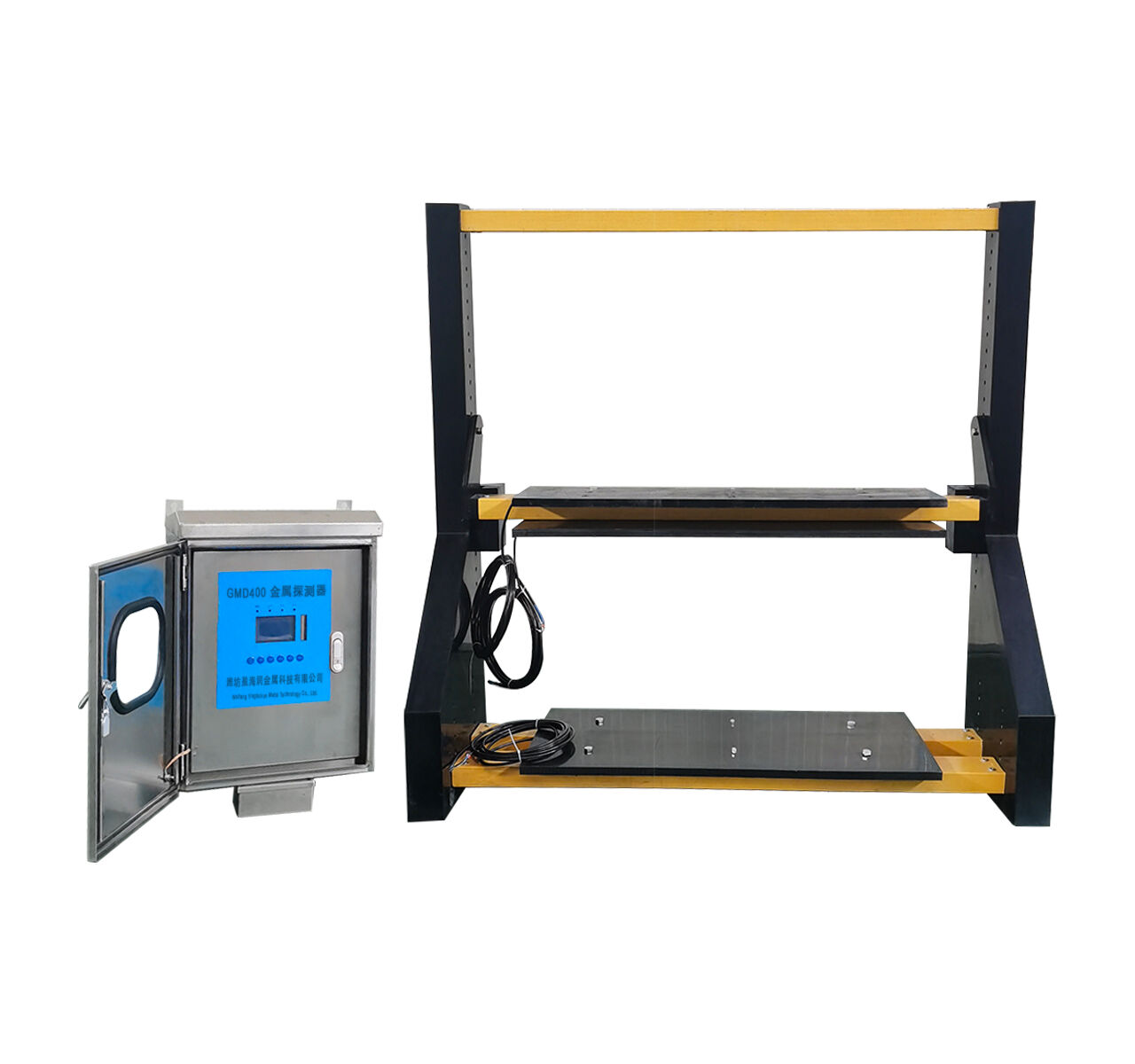
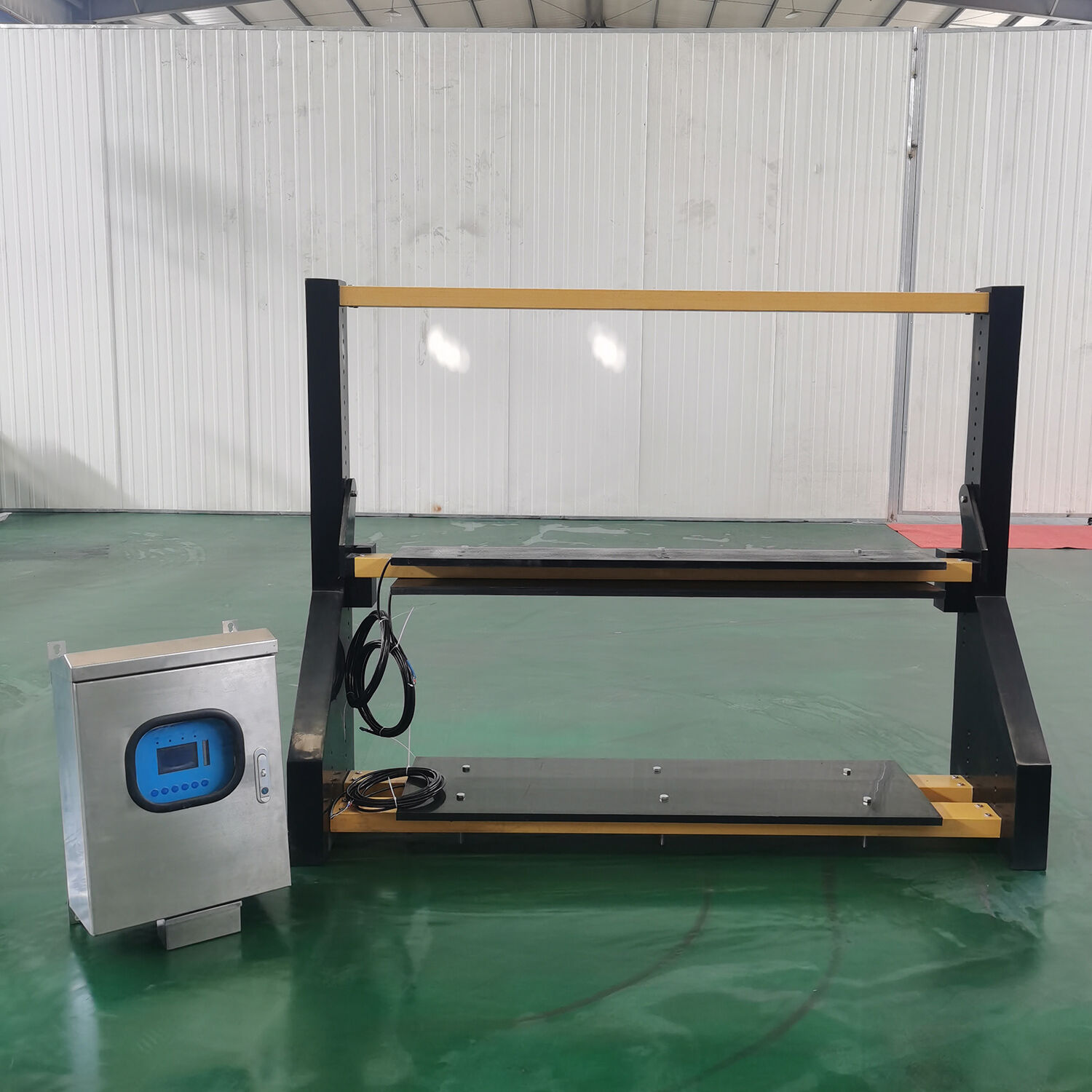
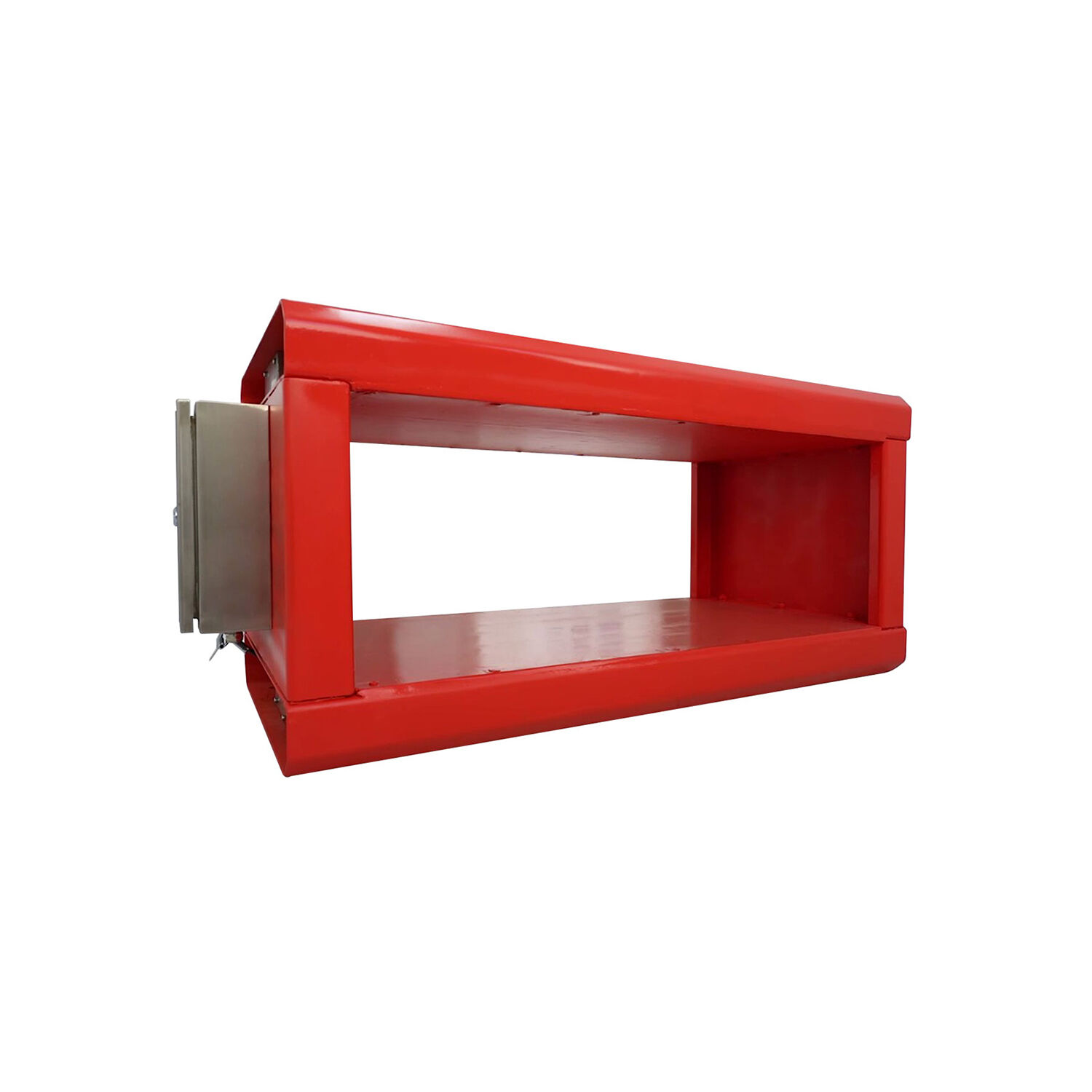
A metal detector conveyor represents a sophisticated industrial solution that seamlessly integrates contamination detection capabilities with automated material handling systems. This advanced equipment combines a high-performance conveyor belt mechanism with precision metal detection technology to ensure continuous monitoring of products throughout the production process. The metal detector conveyor operates by transporting items across a detection zone where electromagnetic fields identify metallic contaminants including ferrous, non-ferrous, and stainless steel particles. The system features adjustable sensitivity settings that accommodate various product types while maintaining optimal detection accuracy. Modern metal detector conveyor systems incorporate digital signal processing technology that minimizes false rejections caused by product effects such as moisture content, salt levels, or packaging materials. The conveyor component typically features food-grade belting materials that comply with industry hygiene standards and facilitate easy cleaning procedures. Speed control mechanisms allow operators to adjust throughput rates based on production requirements while maintaining detection reliability. The detection head utilizes balanced coil technology that creates a stable electromagnetic field capable of identifying minute metal fragments down to sub-millimeter sizes. Integration capabilities enable the metal detector conveyor to communicate with upstream and downstream equipment through various communication protocols including Ethernet, RS-232, and industrial fieldbus systems. Reject mechanisms automatically remove contaminated products from the production line using pneumatic pushers, drop-through systems, or conveyor diversions. The user interface typically features touchscreen controls that provide real-time monitoring data, statistical reporting, and maintenance scheduling information. Environmental protection ratings ensure reliable operation in demanding industrial conditions including temperature variations, humidity, and washdown environments. Modular design principles facilitate easy installation and maintenance while allowing customization for specific application requirements.

New Product Releases

Metal detector conveyor systems deliver exceptional operational efficiency by automatically screening products without interrupting production flow, eliminating the need for manual inspection procedures that slow down manufacturing processes. This continuous monitoring capability significantly reduces labor costs while improving product safety standards through consistent contamination detection performance. The automated rejection system immediately removes contaminated items, preventing costly recalls and protecting brand reputation by ensuring only safe products reach consumers. Installation flexibility allows these systems to integrate seamlessly into existing production lines without requiring extensive modifications to current equipment layouts. The compact footprint design maximizes floor space utilization while providing comprehensive contamination detection coverage across the entire product stream. Advanced sensitivity adjustment features enable operators to optimize detection parameters for different product types, reducing false rejections that waste materials and decrease productivity. Real-time monitoring capabilities provide instant feedback on system performance, allowing immediate responses to detection events and maintaining production quality standards. The robust construction using stainless steel components ensures long-term durability in harsh industrial environments while meeting strict hygiene requirements for food processing applications. Easy cleaning procedures minimize downtime during sanitation cycles, supporting efficient production scheduling and compliance with health regulations. Data logging functions automatically record detection events, providing valuable information for quality control analysis and regulatory documentation requirements. The system's ability to detect multiple metal types including aluminum, copper, and steel provides comprehensive protection against various contamination sources that could enter the production process. Remote monitoring capabilities allow quality managers to oversee multiple production lines simultaneously, improving oversight efficiency and enabling rapid response to potential issues. Cost-effective operation results from reduced product waste, decreased inspection labor requirements, and improved overall equipment effectiveness. The system's reliability minimizes false alarms that disrupt production flow while maintaining high detection sensitivity for genuine contamination threats. Training requirements are minimal due to intuitive control interfaces, enabling quick operator certification and reducing implementation costs for manufacturing facilities.

Practical Tips

Mining Metal Detector Sensitivity vs. External Interference

01

Apr

Mining Metal Detector Sensitivity vs. External Interference

Mining metal detector sensitivity represents a critical balance between detection capability and operational reliability in challenging industrial environments. The relationship between sensitivity levels and external interference determines how effe...
View More
Digital Signal Processing in Modern Tramp Metal Detectors

04

Apr

Digital Signal Processing in Modern Tramp Metal Detectors

Digital signal processing has revolutionized the effectiveness and reliability of modern tramp metal detector systems across industrial applications. Unlike traditional analog detection methods, digital signal processing enables these safety devices ...
View More
Evaluating Metal Detector Machine Suppliers in 2026

06

Apr

Evaluating Metal Detector Machine Suppliers in 2026

Selecting the right metal detector machine supplier has become increasingly complex in 2026, as businesses face evolving security requirements, technological advancements, and supply chain considerations. The metal detector machine market has expande...
View More
How Tramp Metal Detectors Detect Non-Ferrous Contaminants

12

Apr

How Tramp Metal Detectors Detect Non-Ferrous Contaminants

Understanding how a tramp metal detector identifies non-ferrous contaminants requires examining the sophisticated electromagnetic principles behind modern detection technology. Unlike traditional metal detection systems that primarily focus on ferrou...
View More

Get a Free Quote

Our representative will contact you soon.
Email
Mobile/WhatsApp
Name
Company Name
Message
0/1000

metal detector conveyor

Advanced Multi-Frequency Detection Technology

Advanced Multi-Frequency Detection Technology

The metal detector conveyor incorporates cutting-edge multi-frequency detection technology that revolutionizes contamination identification capabilities in industrial production environments. This sophisticated system simultaneously operates across multiple frequency ranges, typically including low, medium, and high frequencies that each excel at detecting specific types of metallic contaminants. Low-frequency signals penetrate deep into products with high moisture content or conductive properties, effectively identifying large ferrous metals that might otherwise be masked by product effects. Medium-frequency operations provide balanced detection performance across a wide range of product types, offering optimal sensitivity for most common contamination scenarios encountered in food processing and manufacturing applications. High-frequency capabilities excel at detecting small non-ferrous metals such as aluminum fragments, copper particles, and thin stainless steel pieces that pose significant safety risks but challenge single-frequency systems. The intelligent signal processing algorithms analyze responses across all frequencies simultaneously, comparing patterns to distinguish between actual metal contaminants and product characteristics that might trigger false rejections. This multi-dimensional analysis approach dramatically improves detection reliability while maintaining high sensitivity levels, ensuring that even minute metal particles cannot escape identification. The system automatically adjusts frequency emphasis based on product characteristics learned during setup procedures, optimizing performance for specific applications without requiring extensive manual calibration. Advanced filtering mechanisms eliminate interference from external electromagnetic sources such as motors, lighting, and radio transmissions that commonly affect industrial environments. The technology compensates for product effect variations caused by temperature changes, moisture fluctuations, and density differences that occur during normal production processes. Real-time frequency optimization ensures consistent performance throughout extended production runs, adapting to gradual changes in product characteristics or environmental conditions. This technological advancement translates directly into improved product safety, reduced false rejection rates, and enhanced production efficiency for manufacturing operations that demand the highest levels of contamination detection reliability.
Intelligent Rejection and Sorting Mechanisms

Intelligent Rejection and Sorting Mechanisms

The metal detector conveyor features sophisticated rejection and sorting mechanisms that automatically respond to contamination detection events with precision timing and reliable operation. When the detection system identifies metallic contamination, multiple rejection options activate based on pre-configured parameters that match specific production requirements and facility layouts. Pneumatic rejection systems utilize compressed air to forcefully remove contaminated products from the conveyor stream, directing them into designated collection bins or quarantine areas for further investigation. The timing precision of these pneumatic systems ensures accurate targeting of contaminated items while minimizing the removal of uncontaminated products adjacent to the detected contamination. Drop-through rejection mechanisms create openings in the conveyor surface that allow contaminated products to fall into collection areas below the main production line, providing a gentle removal method suitable for fragile items that might be damaged by pneumatic systems. Conveyor diversion systems redirect contaminated products onto secondary conveyor paths that transport rejected items to inspection stations where operators can examine the contamination source and implement corrective measures. The intelligent control system calculates optimal rejection timing based on conveyor speed, product dimensions, and detection zone position to ensure accurate contamination removal regardless of production rate variations. Multiple rejection zones can be configured to handle different contamination levels or product types within a single system, providing flexibility for complex production scenarios involving mixed product streams. Backup rejection mechanisms activate automatically if primary systems experience operational issues, ensuring continuous contamination removal capability and preventing contaminated products from advancing through the production process. Gentle handling features minimize product damage during rejection procedures, preserving the integrity of uncontaminated items and reducing waste associated with overly aggressive removal methods. Statistical tracking of rejection events provides valuable data for identifying contamination sources, optimizing prevention measures, and demonstrating compliance with food safety regulations. The modular design of rejection systems facilitates maintenance procedures and allows upgrades to newer technologies without replacing entire metal detector conveyor installations. Integration with facility management systems enables automatic alerts to quality control personnel when rejection rates exceed predetermined thresholds, supporting proactive quality management and continuous improvement initiatives.
Comprehensive Data Management and Connectivity Features

Comprehensive Data Management and Connectivity Features

Modern metal detector conveyor systems incorporate advanced data management and connectivity features that transform contamination detection from a simple screening process into a comprehensive quality control and production optimization tool. The integrated data logging system automatically records detailed information about every detection event, including timestamp, product identification, contamination type, signal strength, and rejection status, creating a permanent record for quality assurance and regulatory compliance purposes. Real-time statistical analysis provides immediate insights into detection trends, false rejection rates, and system performance metrics that enable proactive maintenance scheduling and production optimization decisions. The user-friendly interface displays customizable dashboards that present key performance indicators in easily understood formats, allowing operators and managers to quickly assess system status and identify potential issues before they impact production efficiency. Network connectivity through Ethernet and wireless protocols enables remote monitoring capabilities that allow quality managers to oversee multiple metal detector conveyor systems from centralized control rooms or mobile devices. Integration with enterprise resource planning systems facilitates automatic updates to production records, quality databases, and inventory management systems based on detection and rejection events. The system generates automated reports in various formats including PDF, Excel, and XML that support regulatory submissions, customer audits, and internal quality reviews without requiring manual data compilation. Cloud connectivity options enable secure data backup, remote diagnostics, and software updates that maintain system performance while minimizing maintenance downtime. Predictive maintenance algorithms analyze operational data to identify patterns that indicate potential component failures, enabling scheduled maintenance that prevents unexpected equipment failures and production disruptions. User access controls ensure that only authorized personnel can modify system settings or access sensitive production data, supporting cybersecurity requirements and regulatory compliance obligations. The system maintains detailed audit trails of all configuration changes, calibration procedures, and maintenance activities, providing complete documentation of system integrity for regulatory inspections and quality certifications. Mobile app integration allows supervisors to receive immediate notifications of detection events, system alarms, or performance deviations regardless of their location within the facility. Data export capabilities support integration with third-party quality management systems, statistical process control software, and business intelligence platforms that provide deeper insights into production performance and contamination prevention strategies.


Get a Free Quote

Our representative will contact you soon.
Email
Mobile/WhatsApp
Name
Company Name
Message
0/1000