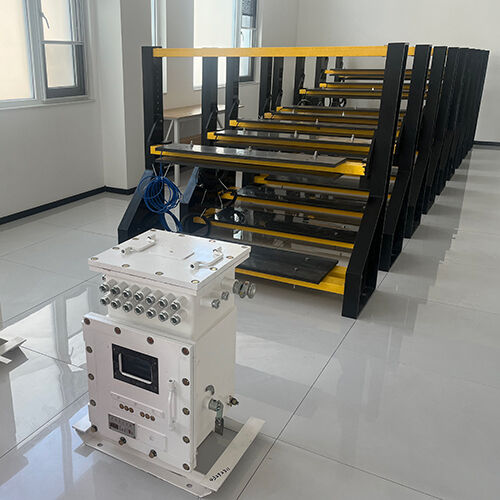
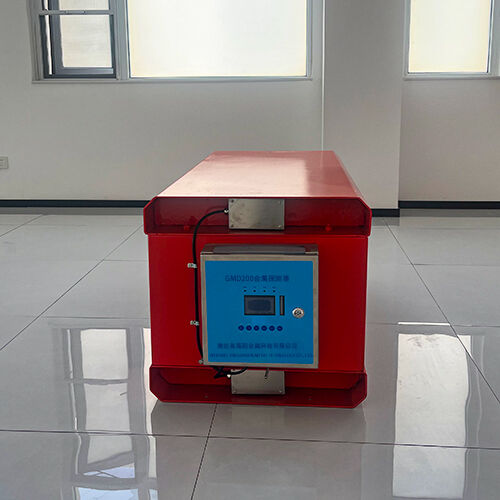
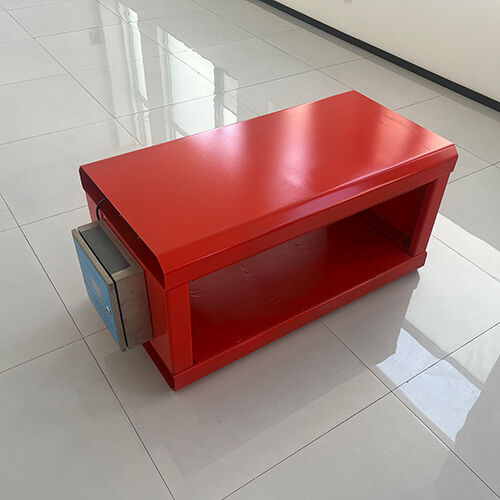
Advanced Conveyorized Metal Detector Systems - Industrial Contamination Detection Solutions

All Categories

Get a Free Quote

Our representative will contact you soon.
Email
Mobile/WhatsApp
Name
Company Name
Message
0/1000

conveyorized metal detector

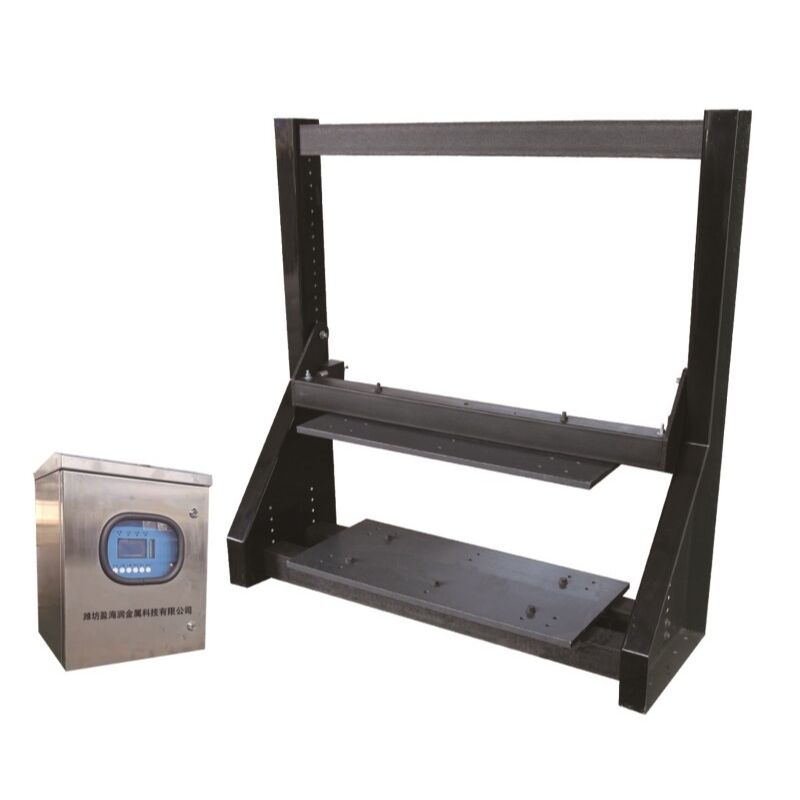
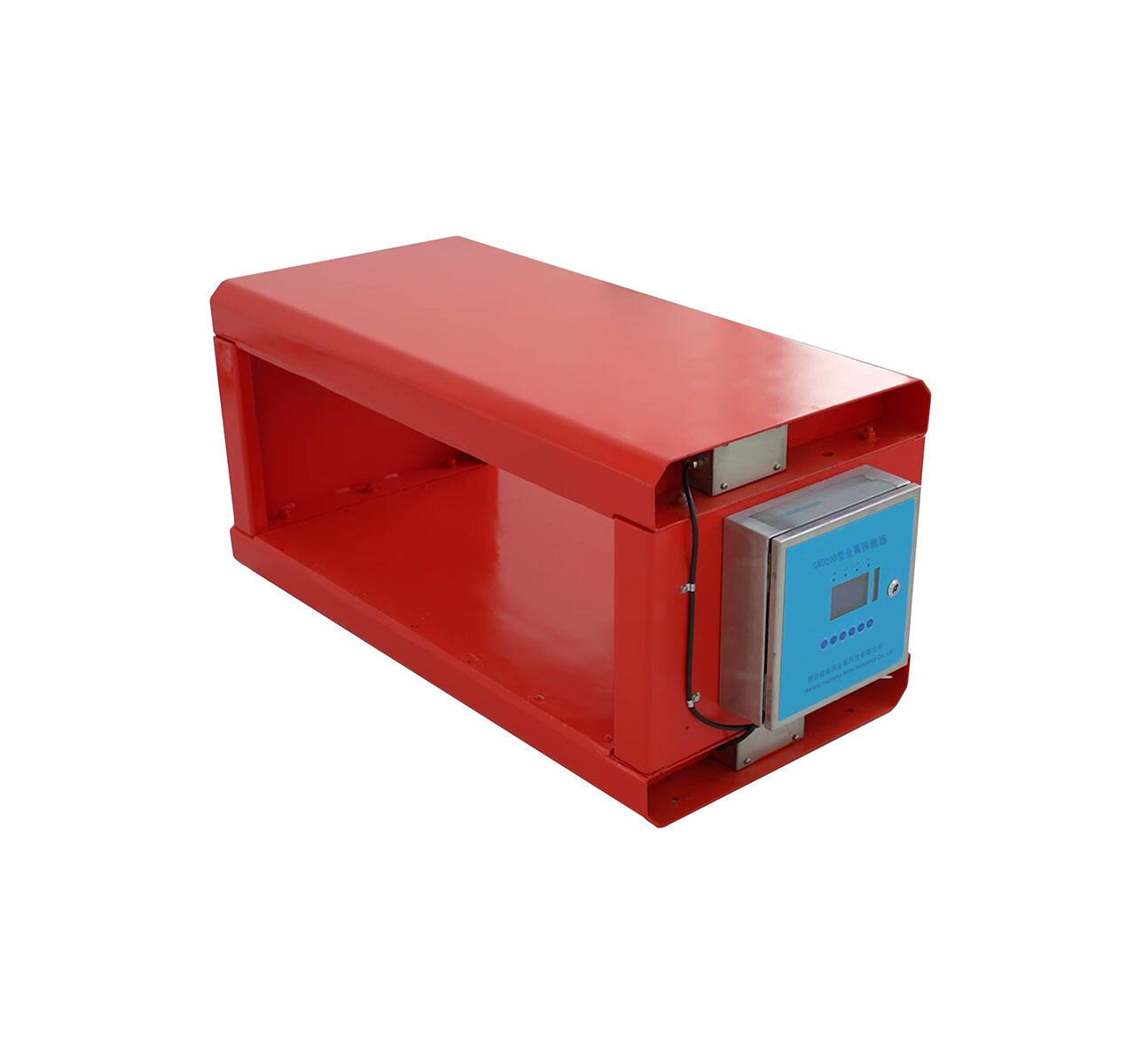
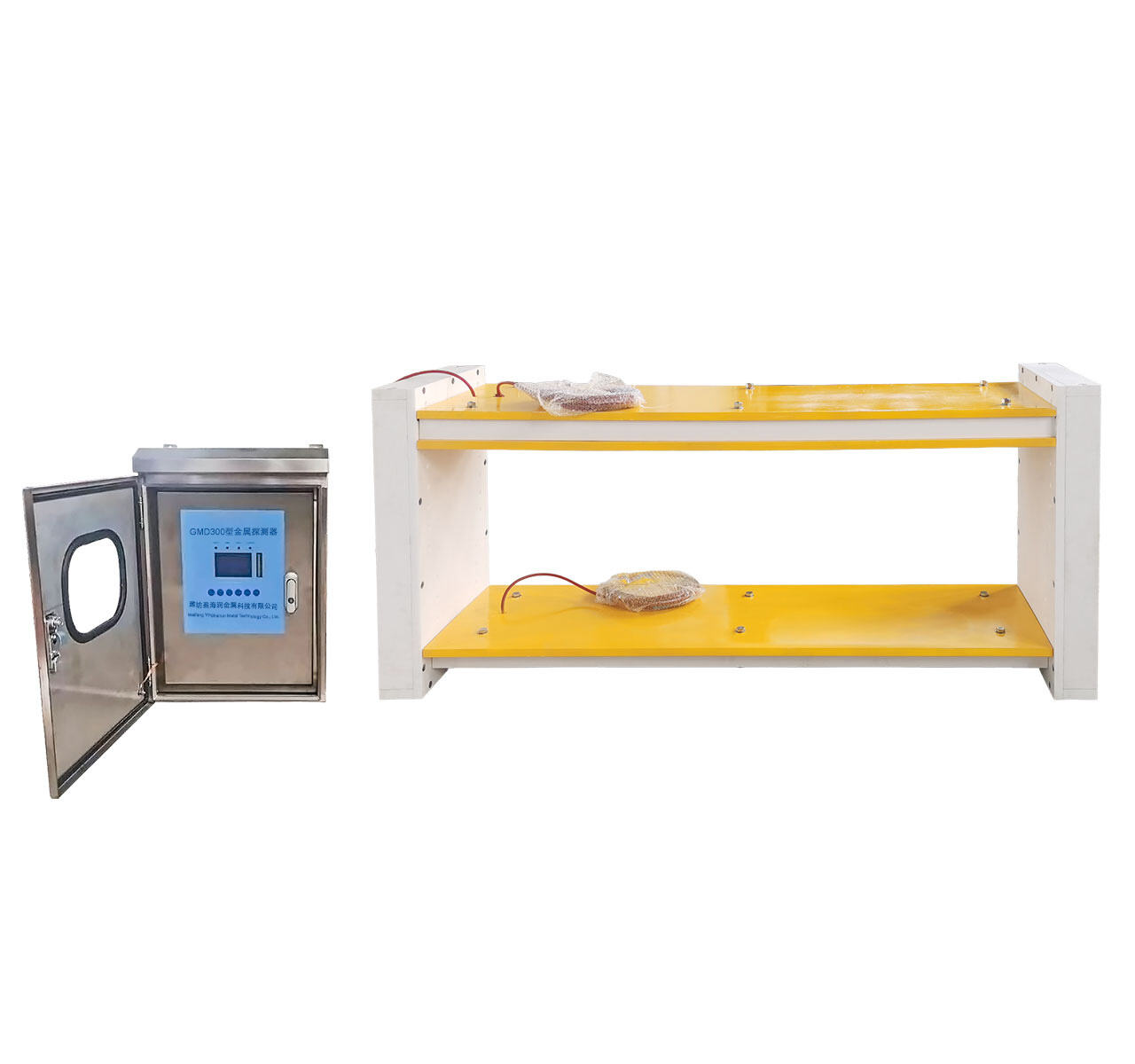
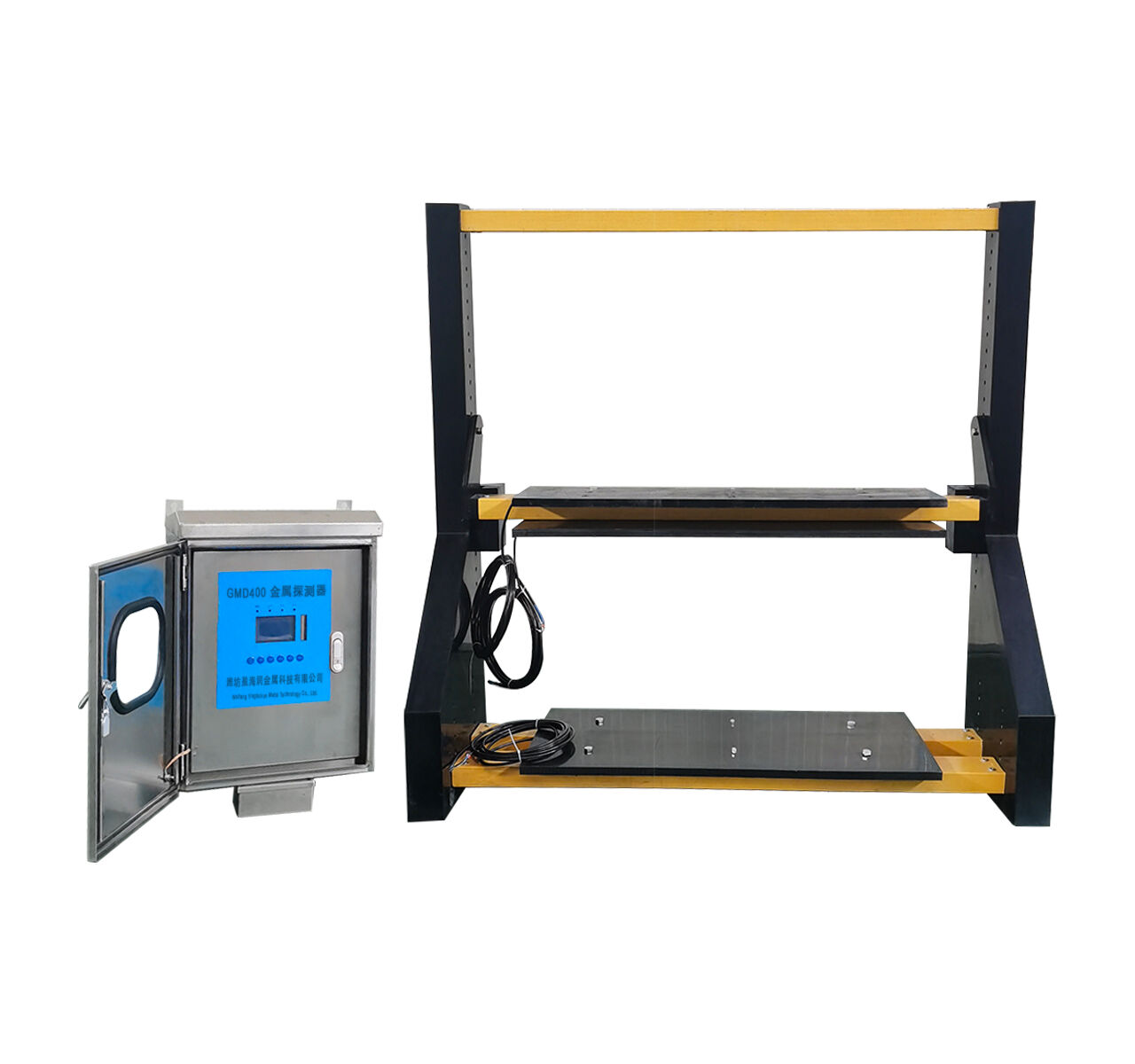
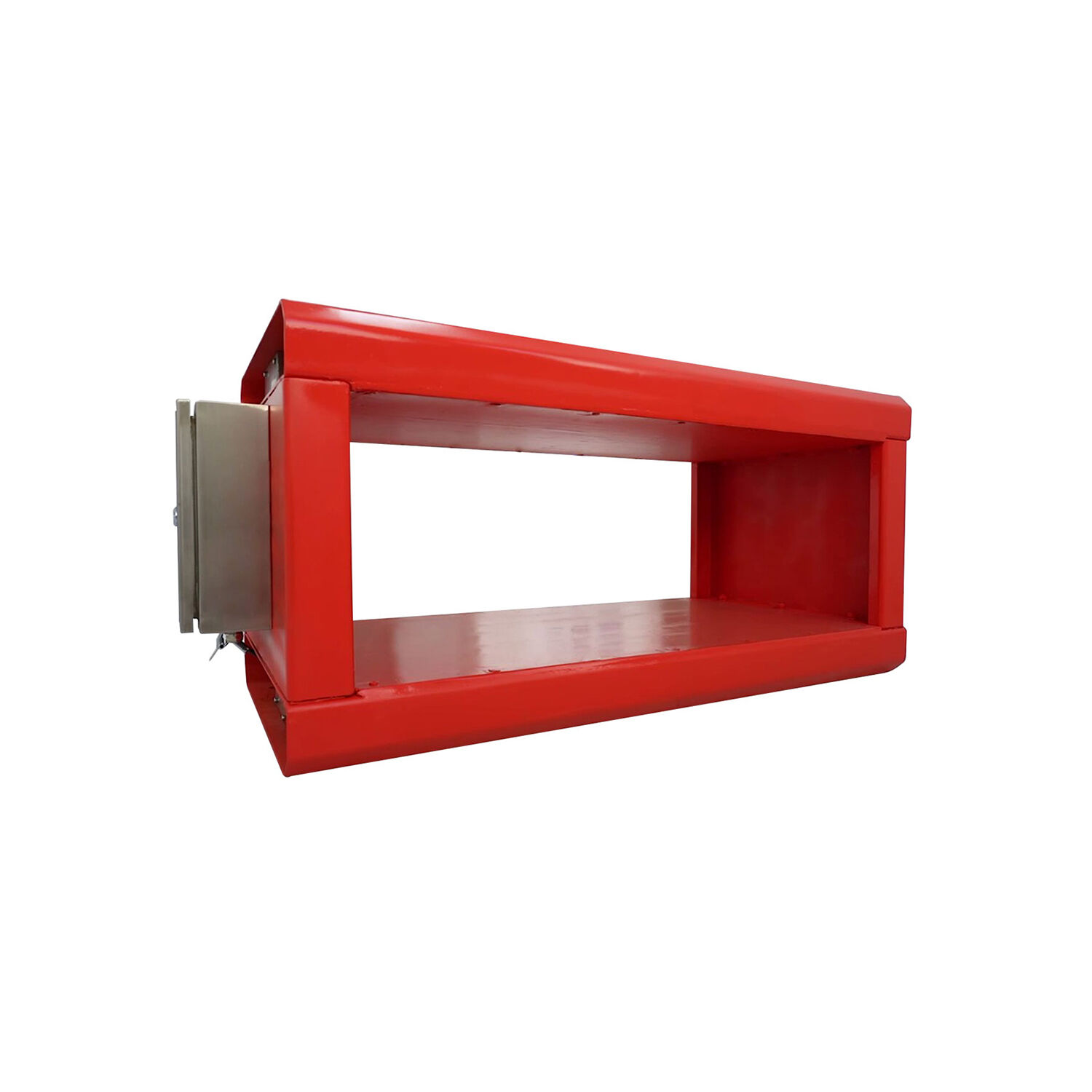
A conveyorized metal detector represents a sophisticated industrial inspection system designed to automatically identify metallic contaminants within products as they move along production lines. This advanced detection equipment integrates seamlessly into manufacturing processes, providing continuous monitoring without interrupting workflow efficiency. The conveyorized metal detector consists of a conveyor belt mechanism combined with electromagnetic detection technology, creating a comprehensive solution for quality control in various industries. The system operates through electromagnetic field generation, where products pass through a detection tunnel equipped with transmitter and receiver coils. When metallic objects enter this electromagnetic field, they create disturbances that the conveyorized metal detector immediately identifies and processes. Modern units feature digital signal processing capabilities that enhance detection sensitivity while minimizing false alarms caused by product effects or environmental interference. The technological framework of a conveyorized metal detector includes multi-frequency operation, allowing simultaneous detection of ferrous, non-ferrous, and stainless steel contaminants. Advanced models incorporate automatic product learning functions that adapt to different product characteristics, ensuring optimal detection performance across diverse applications. The rejection system works in conjunction with the detection mechanism, automatically removing contaminated products from the production line through pneumatic pushers, air blasts, or diverter gates. Integration capabilities allow the conveyorized metal detector to communicate with existing factory automation systems, providing real-time data logging, statistical reporting, and remote monitoring functions. Applications span across food processing, pharmaceuticals, textiles, plastics, chemicals, and packaging industries, where product safety and quality assurance remain paramount. The conveyorized metal detector serves as a critical checkpoint in HACCP compliance programs, helping manufacturers meet stringent safety regulations while maintaining production efficiency and protecting brand reputation through consistent contamination prevention.

New Products

The conveyorized metal detector delivers exceptional operational benefits that directly impact manufacturing efficiency and product quality standards. Primary advantages include automated contamination detection that operates continuously during production runs, eliminating the need for manual inspection processes that consume valuable labor resources and introduce human error possibilities. This automation capability allows manufacturers to achieve consistent detection performance regardless of production volumes or shift changes, ensuring uniform quality control across all manufacturing periods. Speed represents another significant advantage, as the conveyorized metal detector processes products at high throughput rates without creating bottlenecks in production lines. Modern systems handle speeds exceeding 100 meters per minute while maintaining detection accuracy, enabling manufacturers to meet demanding production schedules without compromising safety standards. The rejection accuracy of contemporary conveyorized metal detector systems minimizes product waste by precisely identifying and removing only contaminated items, preserving good products that would otherwise be discarded in batch rejection scenarios. Cost-effectiveness emerges through reduced labor requirements, decreased product recalls, and lower insurance premiums associated with enhanced safety protocols. The conveyorized metal detector investment typically pays for itself within months through operational savings and risk mitigation benefits. Versatility allows these systems to handle diverse product types, from loose bulk materials to packaged goods, accommodating various shapes, sizes, and packaging formats without requiring extensive reconfiguration. Advanced sensitivity settings enable detection of extremely small metal particles, often measuring less than 1mm in diameter, providing superior protection against even microscopic contamination threats. Integration flexibility ensures the conveyorized metal detector adapts to existing production environments, whether retrofitting older lines or incorporating into new facility designs. Data collection capabilities provide valuable insights into production trends, contamination sources, and system performance metrics, enabling continuous improvement initiatives and predictive maintenance scheduling. Regulatory compliance becomes streamlined as the conveyorized metal detector helps manufacturers meet FDA, USDA, BRC, and other international safety standards, simplifying audit processes and maintaining certification requirements. The reliability of modern units reduces downtime through robust construction and predictive maintenance features, ensuring consistent operation in demanding industrial environments while providing excellent return on investment through enhanced operational efficiency and risk management.

Tips And Tricks

Digital Signal Processing in Modern Tramp Metal Detectors

04

Apr

Digital Signal Processing in Modern Tramp Metal Detectors

Digital signal processing has revolutionized the effectiveness and reliability of modern tramp metal detector systems across industrial applications. Unlike traditional analog detection methods, digital signal processing enables these safety devices ...
View More
Designing a Conveyor Belt Metal Detector System for Productivity

11

Apr

Designing a Conveyor Belt Metal Detector System for Productivity

Designing an effective conveyor belt metal detector system requires careful consideration of multiple engineering factors that directly impact productivity in industrial operations. The integration of a conveyor belt metal detector into existing prod...
View More
Understanding the Components of a Metal Detector Machine

08

Apr

Understanding the Components of a Metal Detector Machine

A metal detector machine consists of several interconnected components that work together to identify metallic objects beneath the surface or within materials. Understanding these fundamental components is essential for anyone working with metal dete...
View More
Common Industrial Applications for Tramp Metal Detectors

13

Apr

Common Industrial Applications for Tramp Metal Detectors

Industrial facilities across manufacturing, mining, and processing sectors face constant challenges from unwanted metallic contamination that can damage equipment, compromise product quality, and create safety hazards. A tramp metal detector serves a...
View More

Get a Free Quote

Our representative will contact you soon.
Email
Mobile/WhatsApp
Name
Company Name
Message
0/1000

conveyorized metal detector

Advanced Multi-Frequency Detection Technology

Advanced Multi-Frequency Detection Technology

The sophisticated multi-frequency detection technology incorporated in modern conveyorized metal detector systems represents a revolutionary advancement in contamination identification capabilities. This innovative approach utilizes multiple electromagnetic frequencies simultaneously, typically operating across low, medium, and high frequency ranges to optimize detection performance for different metal types and product characteristics. Unlike traditional single-frequency systems, the multi-frequency conveyorized metal detector can distinguish between various metal compositions with exceptional precision, detecting ferrous metals like iron and steel, non-ferrous metals such as aluminum and copper, and challenging stainless steel contaminants that often prove difficult for conventional detection methods. The technology works by analyzing how different metals respond to various electromagnetic frequencies, creating unique signatures that the system learns to recognize and differentiate from product effects. This capability proves particularly valuable when inspecting products with high moisture content, salt levels, or temperature variations that might interfere with detection accuracy in standard systems. The multi-frequency approach also enables the conveyorized metal detector to maintain consistent sensitivity levels across diverse product types without requiring extensive recalibration between production runs. Advanced signal processing algorithms continuously analyze frequency responses in real-time, automatically adjusting detection parameters to maintain optimal performance while minimizing false rejection rates that can impact production efficiency. The system's ability to operate across multiple frequencies simultaneously provides redundancy that enhances reliability, ensuring that even if one frequency band experiences interference, alternative frequencies maintain detection capability. This technology particularly benefits food processing applications where products may contain natural minerals or added ingredients that could interfere with single-frequency detection systems. The sophisticated filtering capabilities of multi-frequency conveyorized metal detector systems effectively separate genuine metal contamination signals from product-related interference, resulting in superior detection accuracy and reduced operational disruptions. Additionally, this technology supports future-proofing investments as manufacturers can easily adapt sensitivity settings and frequency combinations to accommodate new product types or evolving safety requirements without requiring complete system replacement, providing excellent long-term value and operational flexibility.
Intelligent Automatic Product Learning and Adaptation

Intelligent Automatic Product Learning and Adaptation

The intelligent automatic product learning feature represents one of the most valuable innovations in contemporary conveyorized metal detector technology, providing unprecedented adaptability and ease of operation for diverse manufacturing environments. This sophisticated capability eliminates the complex manual setup procedures traditionally required when transitioning between different product types, instead allowing the system to automatically analyze and learn the electromagnetic characteristics of each unique product passing through the detection zone. The learning process involves the conveyorized metal detector collecting and analyzing electromagnetic signature data from clean product samples, creating detailed baseline profiles that serve as reference points for contamination detection. This automated approach significantly reduces setup time from hours to minutes, enabling quick production changeovers that enhance overall manufacturing flexibility and efficiency. The system stores multiple product profiles in its memory, allowing instant recall and activation when switching between familiar products, while also maintaining the capability to learn new product characteristics on demand. Advanced algorithms continuously refine these learned profiles based on ongoing production data, ensuring detection sensitivity remains optimized even as natural product variations occur due to seasonal changes, supplier differences, or formulation modifications. The automatic learning capability proves particularly beneficial for manufacturers handling diverse product portfolios, as the conveyorized metal detector adapts to varying moisture levels, density differences, salt content, and temperature fluctuations without requiring manual intervention or expert technical knowledge. This intelligence extends to automatic compensation for product effects that might otherwise cause false alarms, such as the electromagnetic interference created by metallic packaging materials, wet products, or items containing natural minerals. The system can distinguish between legitimate product characteristics and actual contamination threats with remarkable accuracy, maintaining high detection sensitivity while minimizing disruptions to production flow. Furthermore, the learning algorithms incorporate statistical analysis to identify trends and patterns in product behavior, providing valuable insights that help optimize production processes beyond contamination detection. The conveyorized metal detector's ability to automatically adapt to new products or product variations ensures consistent performance across changing production requirements, reducing the need for specialized operator training and minimizing the potential for human error in system configuration, ultimately delivering superior operational reliability and cost-effectiveness.
Comprehensive Integration and Data Management Capabilities

Comprehensive Integration and Data Management Capabilities

The comprehensive integration and data management capabilities of modern conveyorized metal detector systems transform these units from simple detection devices into powerful components of intelligent manufacturing ecosystems. These advanced systems feature robust connectivity options including Ethernet, USB, wireless protocols, and industrial fieldbus communications that enable seamless integration with existing factory automation infrastructure, quality management systems, and enterprise resource planning platforms. The conveyorized metal detector continuously collects and processes vast amounts of operational data, including detection events, system performance metrics, production statistics, and maintenance indicators, presenting this information through intuitive interfaces that support informed decision-making processes. Real-time data transmission capabilities allow immediate notification of contamination events to multiple stakeholders simultaneously, enabling rapid response protocols that minimize potential impacts on product safety and production efficiency. Historical data logging provides comprehensive audit trails that support regulatory compliance requirements while offering valuable insights into contamination patterns, system performance trends, and production optimization opportunities. The data management system typically includes customizable reporting functions that automatically generate daily, weekly, monthly, and annual summaries tailored to specific operational requirements and regulatory documentation needs. Advanced analytics capabilities within the conveyorized metal detector system can identify correlations between contamination events and various production parameters, helping manufacturers pinpoint potential sources of metal contamination and implement preventive measures. Remote monitoring functionality enables off-site supervision and support, allowing technical experts to diagnose issues, adjust parameters, and provide assistance without requiring physical presence at the production facility, reducing downtime and maintenance costs. The system's ability to interface with other quality control equipment creates comprehensive inspection networks where the conveyorized metal detector shares detection results with checkweighers, vision systems, and other inspection devices, providing holistic product quality verification. Integration with existing plant management systems enables automatic production line control, where detection events can trigger upstream equipment shutdowns, downstream product isolation, or alternative routing procedures. The data architecture supports scalability, accommodating growing data volumes and additional connected devices as manufacturing operations expand. Cloud connectivity options enable centralized monitoring of multiple conveyorized metal detector installations across different facilities, providing corporate oversight and standardized reporting capabilities that support multi-site quality management initiatives and continuous improvement programs throughout the organization.


Get a Free Quote

Our representative will contact you soon.
Email
Mobile/WhatsApp
Name
Company Name
Message
0/1000