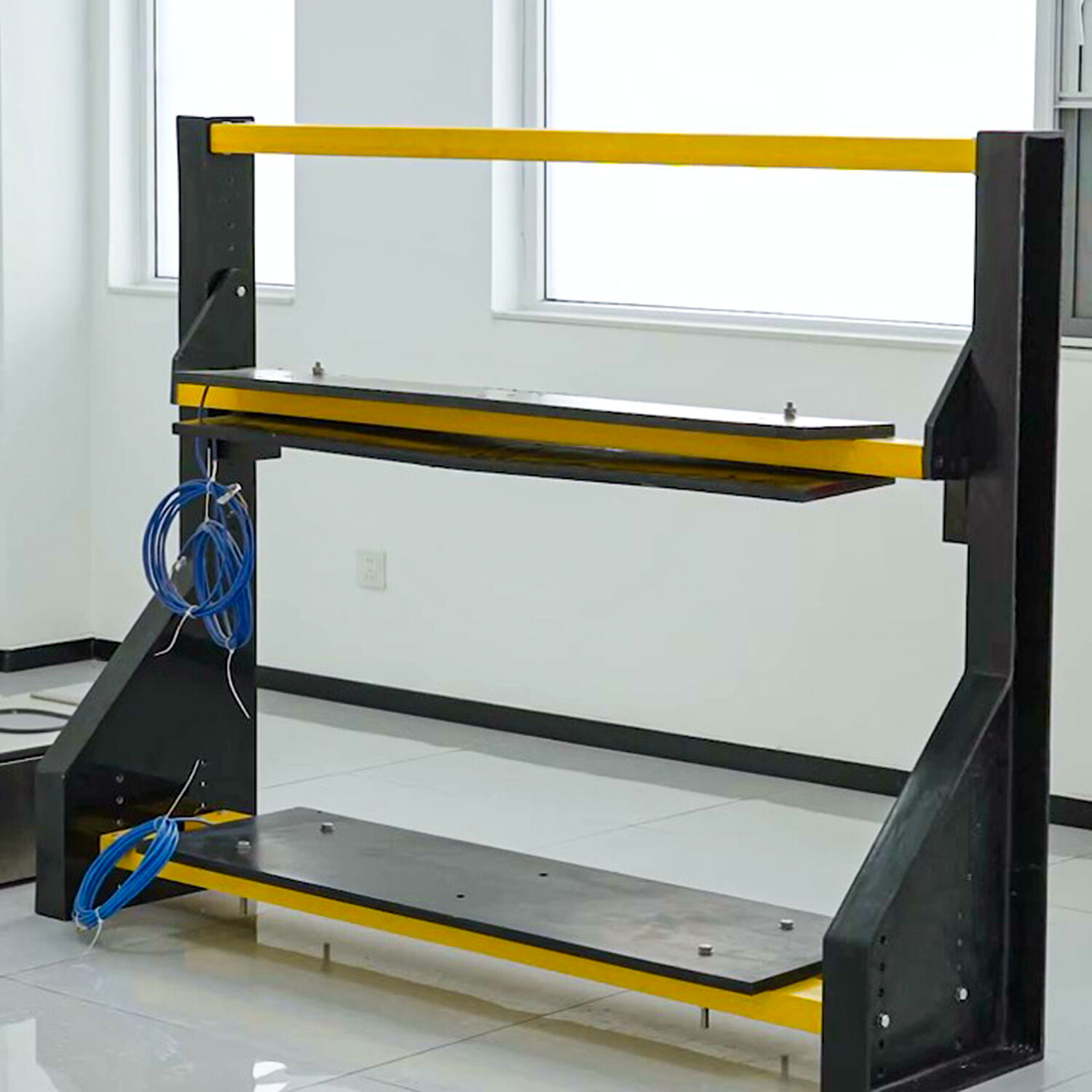
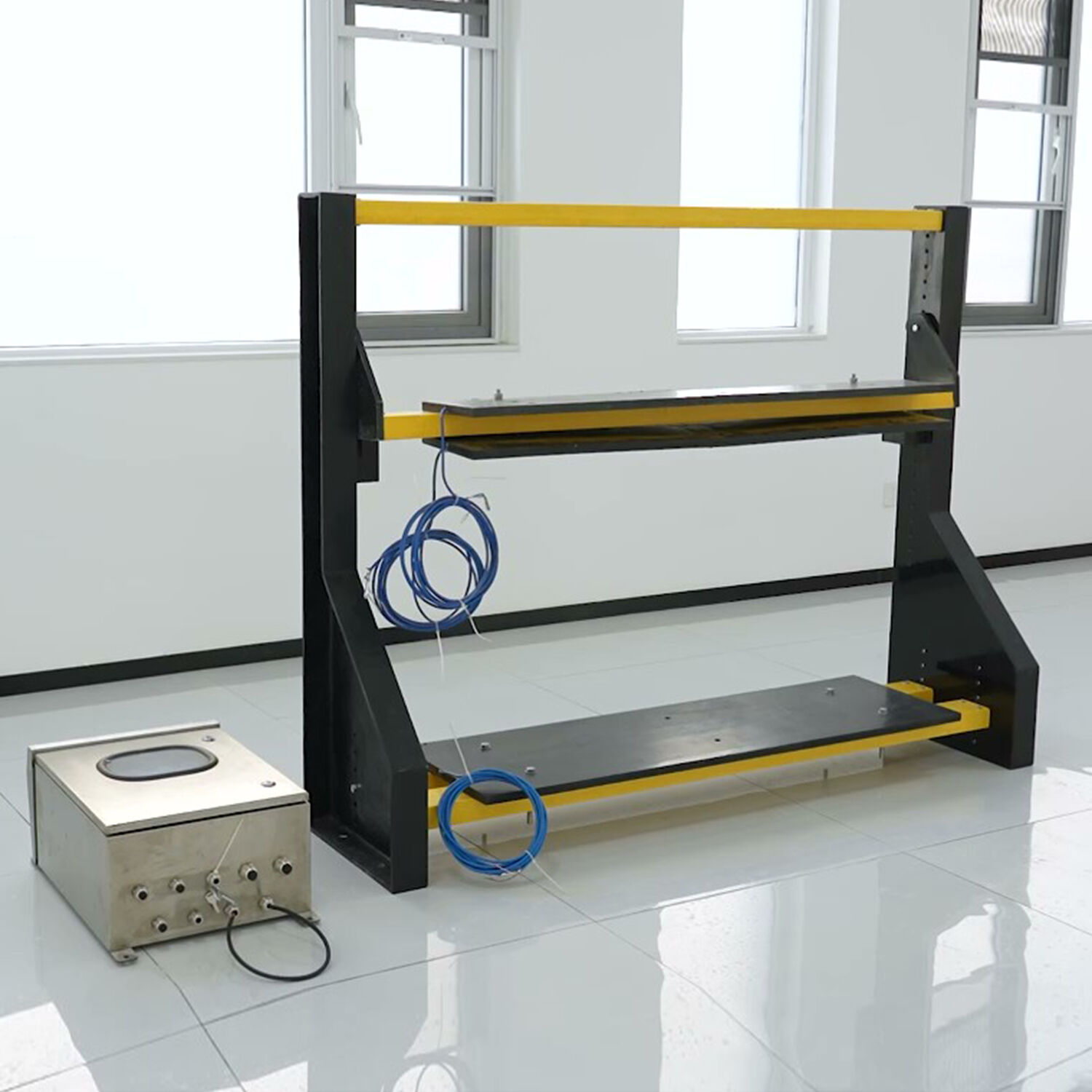
Metal Detector Belt Conveyor System - Advanced Contamination Detection Solutions

All Categories

Get a Free Quote

Our representative will contact you soon.
Email
Mobile/WhatsApp
Name
Company Name
Message
0/1000

metal detector belt conveyor system

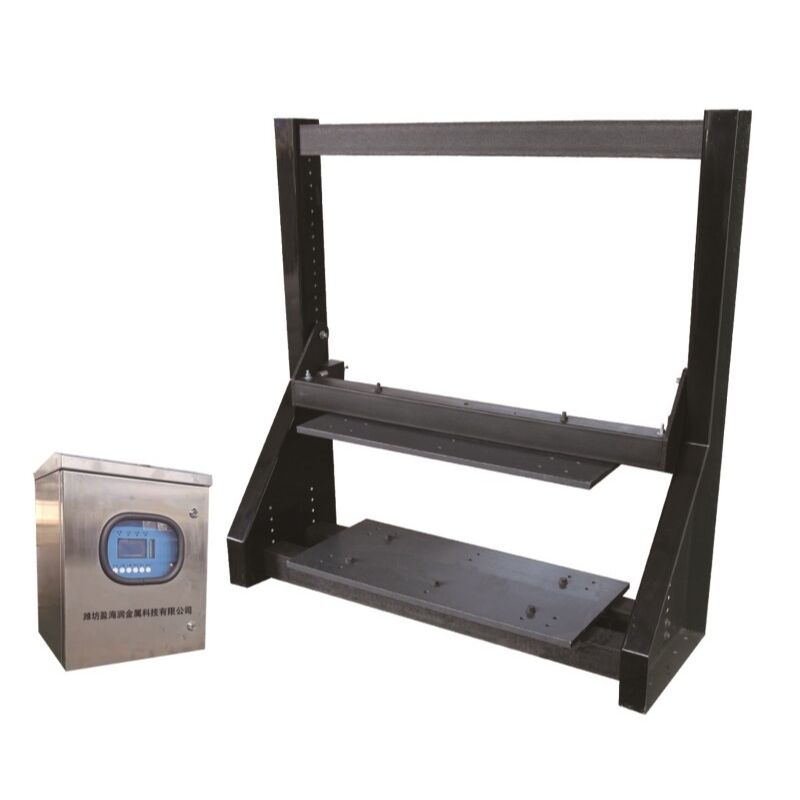
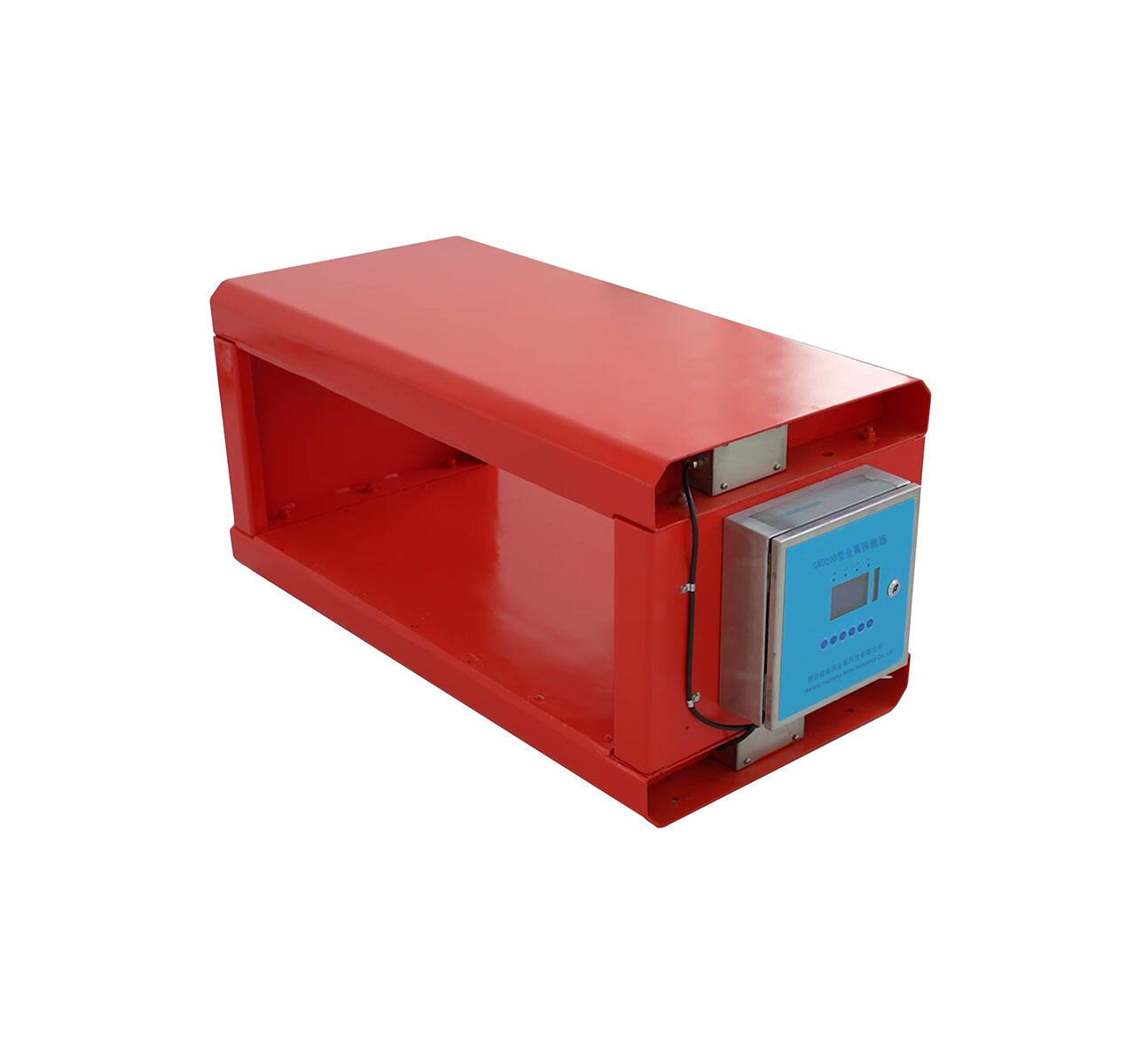
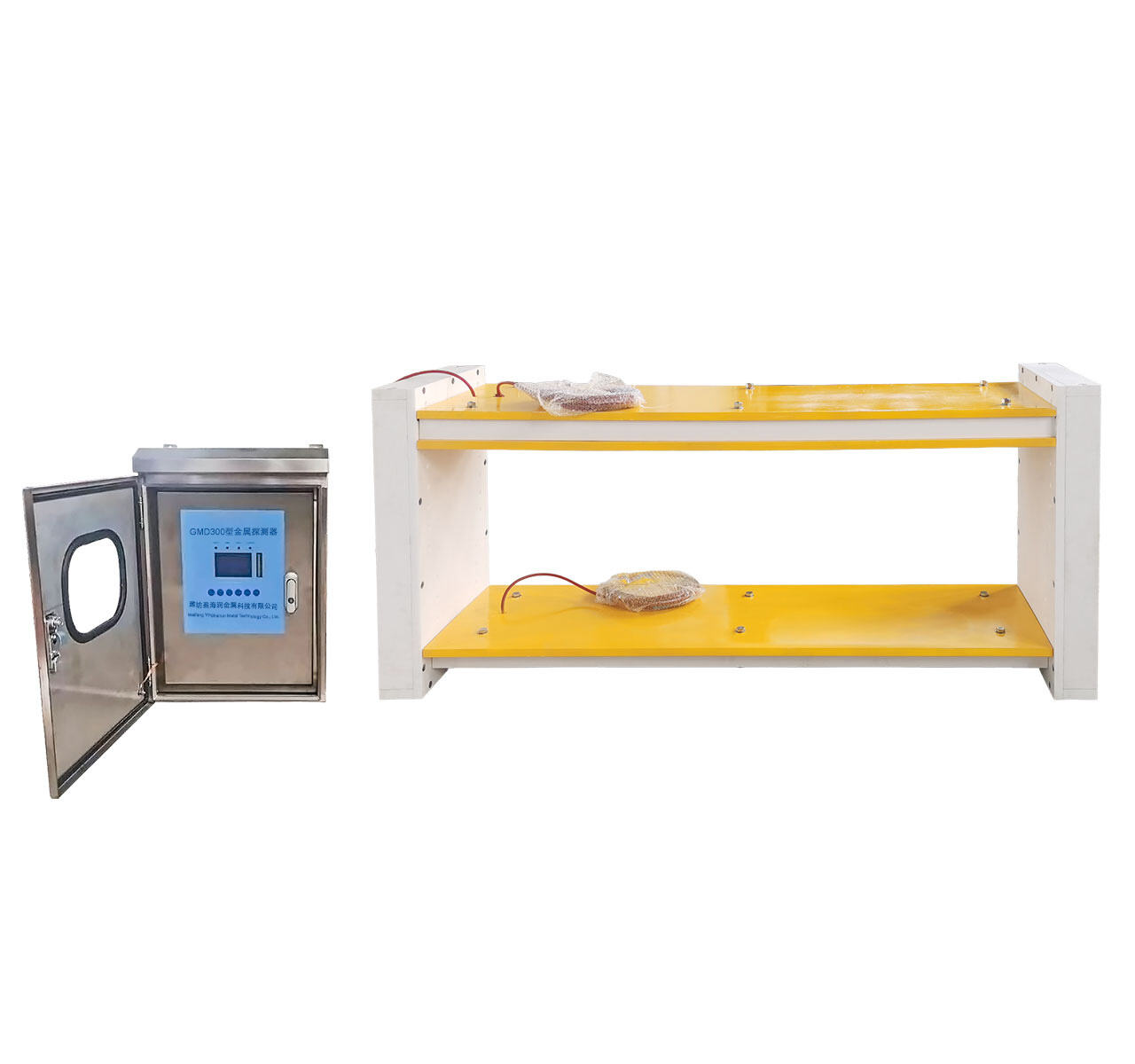
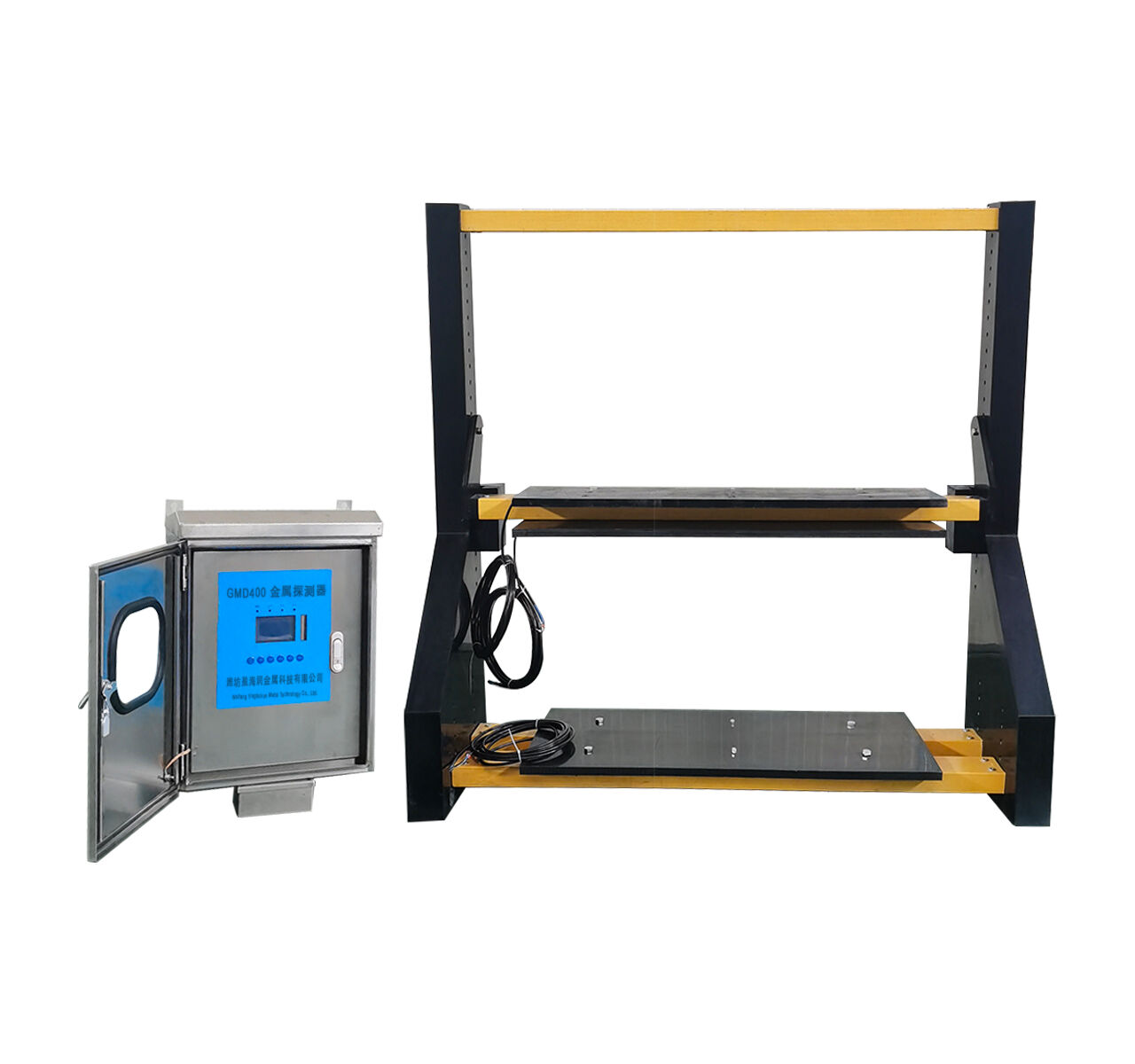
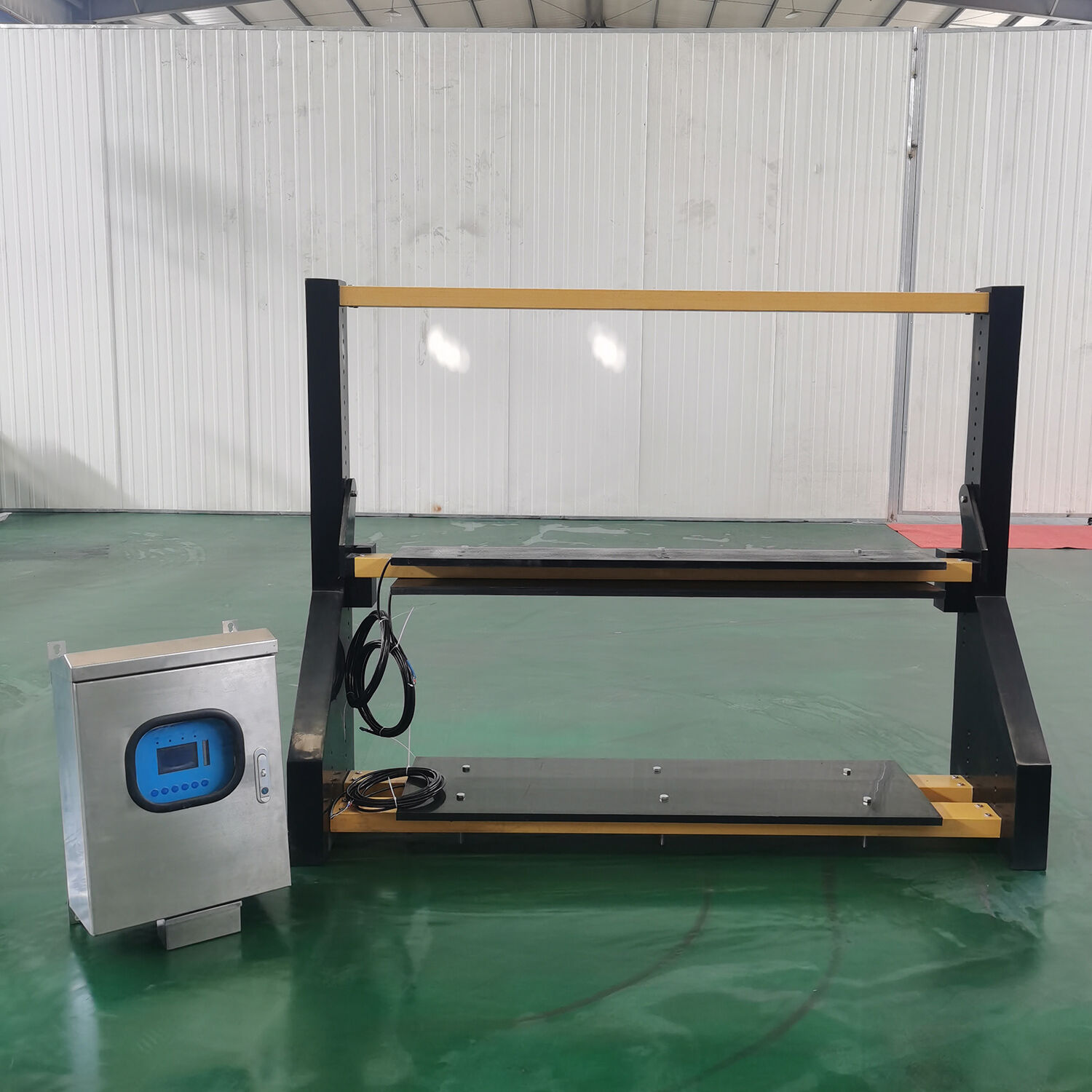
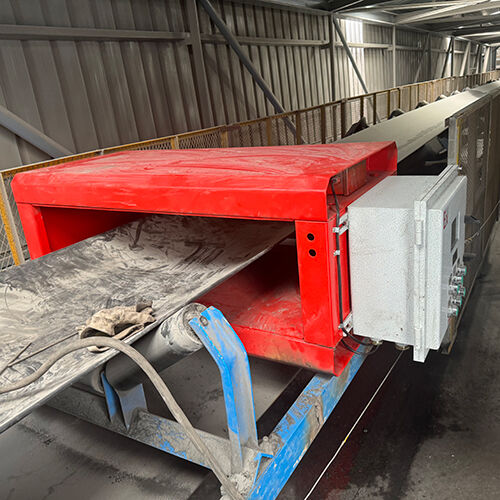
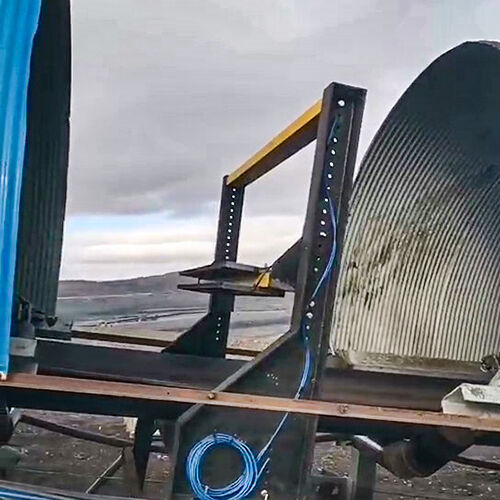
The metal detector belt conveyor system represents a sophisticated integration of material handling and quality control technology, designed to streamline production processes while ensuring product safety and integrity. This advanced system combines the efficiency of belt conveyor transportation with the precision of metal detection capabilities, creating a comprehensive solution for modern manufacturing environments. The primary function of a metal detector belt conveyor system involves the continuous movement of products along a motorized belt while simultaneously scanning for metallic contaminants. The system operates through electromagnetic field technology, generating balanced magnetic fields that detect even minute metal particles within products as they pass through the detection zone. When metal contamination is identified, the system immediately triggers rejection mechanisms, automatically removing compromised products from the production line. Key technological features include adjustable sensitivity settings that accommodate various product types and sizes, multi-frequency detection capabilities for enhanced accuracy, and sophisticated signal processing algorithms that minimize false rejections. The conveyor component features variable speed control, allowing operators to optimize throughput based on production requirements while maintaining detection accuracy. Modern systems incorporate user-friendly touchscreen interfaces that provide real-time monitoring, statistical reporting, and diagnostic information. The applications for metal detector belt conveyor systems span numerous industries, including food processing, pharmaceuticals, textiles, packaging, and chemical manufacturing. In food production facilities, these systems ensure consumer safety by detecting metal fragments from processing equipment, packaging materials, or foreign objects. Pharmaceutical manufacturers rely on these systems to maintain product purity and comply with strict regulatory standards. The textile industry utilizes metal detector belt conveyor systems to identify broken needles, metal clips, or hardware components that could damage downstream equipment or compromise product quality. These versatile systems adapt to various product characteristics, from dry goods and liquids to packaged items and bulk materials, making them indispensable tools for comprehensive quality assurance programs across diverse manufacturing sectors.

New Product Recommendations

The metal detector belt conveyor system delivers substantial operational benefits that directly impact productivity, safety, and profitability for businesses across various industries. The primary advantage lies in its ability to provide continuous, automated inspection without interrupting production flow. Unlike manual inspection methods or batch testing procedures, this system examines every single product that passes through the production line, ensuring comprehensive coverage and eliminating the risk of contaminated items reaching consumers. This continuous monitoring capability significantly reduces liability exposure and protects brand reputation by preventing costly product recalls and regulatory penalties. The system enhances operational efficiency by integrating seamlessly into existing production lines, eliminating the need for separate inspection stations or additional handling steps. Workers no longer need to manually sort through products or operate standalone detection equipment, freeing them to focus on other critical tasks. The automated rejection mechanism immediately removes contaminated items without human intervention, reducing labor costs while maintaining consistent quality standards. Speed and throughput optimization represent another significant advantage, as modern systems can inspect hundreds of products per minute while maintaining exceptional detection accuracy. The variable speed controls allow manufacturers to balance inspection thoroughness with production demands, ensuring optimal performance across different operational scenarios. Real-time monitoring capabilities provide immediate feedback on system performance and product quality trends, enabling proactive maintenance and quality control adjustments. The comprehensive data logging features generate detailed reports for regulatory compliance, quality audits, and process improvement initiatives. Cost savings extend beyond labor reduction to include decreased waste, improved yield, and enhanced customer satisfaction. By catching contamination early in the production process, manufacturers avoid costly downstream processing of compromised materials. The system prevents damage to expensive packaging equipment that might occur from metal fragments, reducing maintenance costs and equipment downtime. Additionally, the precise detection capabilities minimize false rejections, ensuring that good products remain in the production stream rather than being unnecessarily discarded. The robust construction and reliable operation of these systems provide long-term value through minimal maintenance requirements and extended service life, delivering excellent return on investment for quality-conscious manufacturers seeking to improve their operational standards.

Tips And Tricks

Mining Metal Detector Sensitivity vs. External Interference

01

Apr

Mining Metal Detector Sensitivity vs. External Interference

Mining metal detector sensitivity represents a critical balance between detection capability and operational reliability in challenging industrial environments. The relationship between sensitivity levels and external interference determines how effe...
View More
How Conveyor Belt Detectors Improve Food Safety Compliance

02

Apr

How Conveyor Belt Detectors Improve Food Safety Compliance

Food safety compliance has become increasingly critical in today's manufacturing environment, where contamination incidents can result in massive recalls, regulatory penalties, and permanent damage to brand reputation. The implementation of a conveyo...
View More
Reliable Mine Metal Detectors for Primary Crusher Protection

05

Apr

Reliable Mine Metal Detectors for Primary Crusher Protection

Primary crushers in mining operations face constant threats from metallic contaminants that can cause devastating equipment damage, costly downtime, and significant safety hazards. A reliable mine metal detector serves as the critical first line of d...
View More
Designing a Conveyor Belt Metal Detector System for Productivity

11

Apr

Designing a Conveyor Belt Metal Detector System for Productivity

Designing an effective conveyor belt metal detector system requires careful consideration of multiple engineering factors that directly impact productivity in industrial operations. The integration of a conveyor belt metal detector into existing prod...
View More

Get a Free Quote

Our representative will contact you soon.
Email
Mobile/WhatsApp
Name
Company Name
Message
0/1000

metal detector belt conveyor system

Advanced Multi-Frequency Detection Technology

Advanced Multi-Frequency Detection Technology

The cornerstone of superior metal detector belt conveyor system performance lies in its sophisticated multi-frequency detection technology, which revolutionizes how manufacturers identify and eliminate metallic contaminants from their products. This cutting-edge feature utilizes multiple electromagnetic frequencies simultaneously, creating a comprehensive detection matrix that significantly enhances sensitivity and accuracy compared to traditional single-frequency systems. The multi-frequency approach excels at detecting various metal types, including ferrous, non-ferrous, and stainless steel materials, regardless of their size, shape, or orientation within the product stream. Each frequency operates at different electromagnetic characteristics, with lower frequencies proving highly effective for detecting ferrous metals like iron and steel, while higher frequencies excel at identifying non-ferrous metals such as aluminum, copper, and brass. The system intelligently combines signals from all frequencies, using advanced digital signal processing algorithms to analyze and interpret detection patterns. This sophisticated analysis eliminates false positives caused by product characteristics, environmental interference, or packaging materials, ensuring that only genuine metal contaminants trigger rejection mechanisms. The technology adapts automatically to different product types through preset programs and learning algorithms that optimize detection parameters based on product characteristics and production conditions. Manufacturers benefit from enhanced detection sensitivity that can identify metal particles as small as 0.5mm in diameter, depending on the metal type and product characteristics. The multi-frequency capability proves particularly valuable when processing products with challenging characteristics, such as wet or conductive items that might interfere with single-frequency systems. The technology maintains consistent performance across varying production speeds and environmental conditions, ensuring reliable operation throughout extended production runs. Additionally, the system provides detailed diagnostic information about detection events, including metal type identification and approximate contamination levels, enabling quality control teams to investigate contamination sources and implement preventive measures. This advanced detection technology represents a significant competitive advantage for manufacturers committed to delivering the highest quality products while maintaining efficient production operations and regulatory compliance.
Intelligent Rejection and Sorting Mechanism

Intelligent Rejection and Sorting Mechanism

The intelligent rejection and sorting mechanism integrated within the metal detector belt conveyor system represents a breakthrough in automated quality control, providing manufacturers with precise, reliable, and efficient contamination removal capabilities. This sophisticated system responds instantaneously to metal detection signals, executing predetermined rejection protocols without disrupting the continuous flow of acceptable products. The mechanism employs various rejection methods, including pneumatic pushers, retractable belts, flap gates, and air blasts, each optimized for specific product types and production environments. The selection of rejection method depends on factors such as product weight, size, fragility, and production speed, ensuring gentle handling of acceptable products while effectively removing contaminated items. Advanced timing controls coordinate the rejection sequence with conveyor speed and product positioning, guaranteeing accurate removal of targeted items while preventing accidental rejection of good products. The system features programmable rejection delays that account for the distance between the detection zone and rejection point, automatically calculating optimal timing based on belt speed and product characteristics. Multiple rejection zones can be configured to handle different contamination scenarios or product streams, providing flexibility for complex production lines with varying requirements. The intelligent sorting capability extends beyond simple rejection to include product classification and routing functions. Some configurations can sort products into multiple streams based on contamination type, severity, or other quality parameters, enabling manufacturers to implement sophisticated quality management strategies. The mechanism includes fail-safe features that ensure contaminated products are always removed, even in the event of minor system malfunctions or power fluctuations. Backup rejection methods activate automatically if primary systems experience issues, maintaining production safety and quality standards. The system provides comprehensive monitoring and reporting of rejection events, tracking contamination rates, rejection accuracy, and system performance metrics. This data proves invaluable for identifying contamination sources, optimizing production processes, and demonstrating compliance with quality standards. Maintenance requirements remain minimal due to robust construction and self-monitoring capabilities that alert operators to potential issues before they impact performance. The intelligent design reduces waste by ensuring precise rejection timing and minimizing the removal of uncontaminated products adjacent to contaminated items.

Seamless Integration and User-Friendly Operation

Seamless Integration and User-Friendly Operation

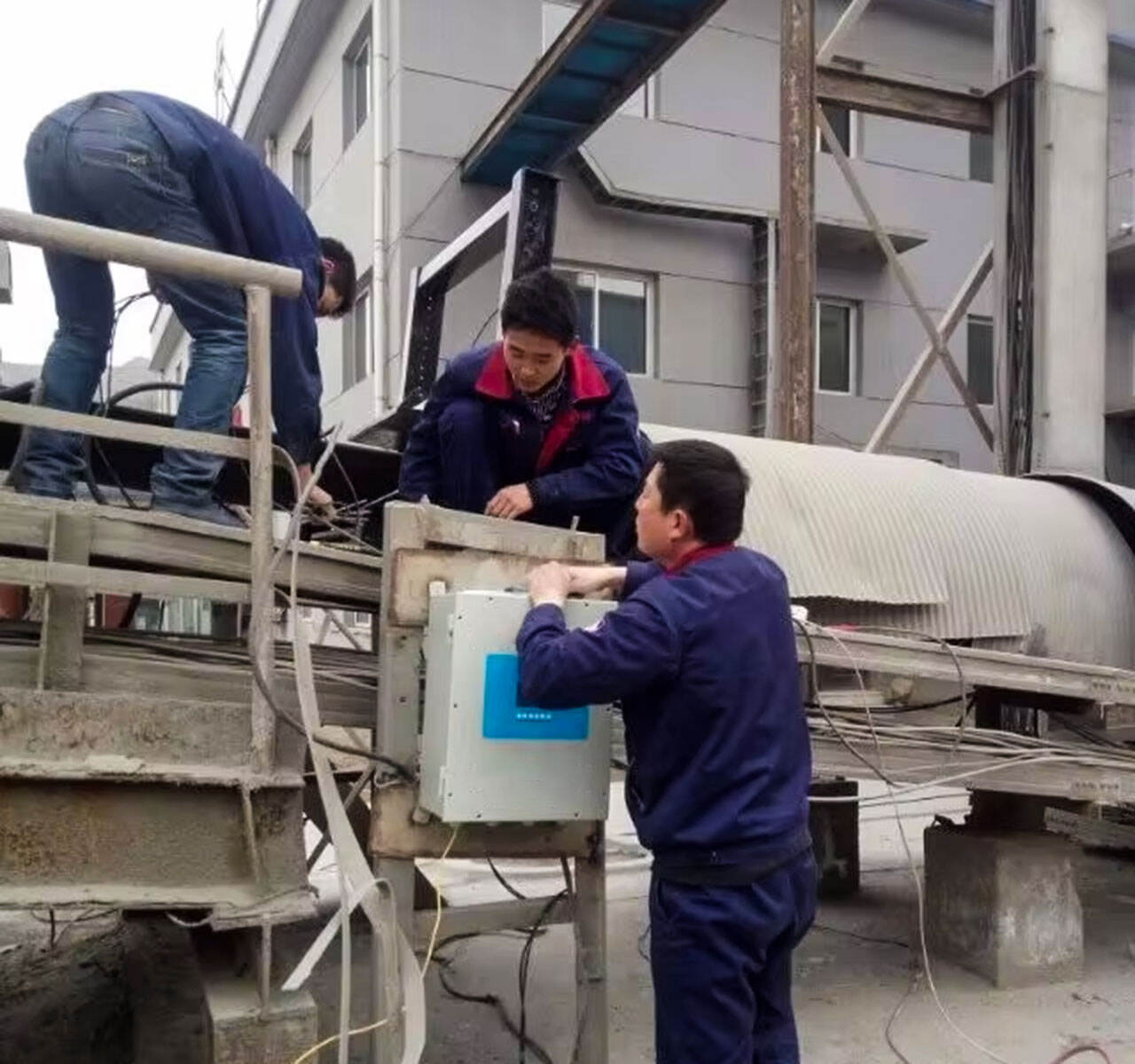
The seamless integration and user-friendly operation capabilities of the metal detector belt conveyor system establish it as an indispensable component of modern manufacturing environments, delivering exceptional value through simplified implementation and intuitive management. This comprehensive system design prioritizes compatibility with existing production lines, minimizing installation complexity and reducing implementation costs for manufacturers across diverse industries. The modular construction allows for easy customization to accommodate specific production requirements, facility layouts, and space constraints without compromising detection performance or operational efficiency. Integration specialists work closely with manufacturers to ensure optimal positioning within production flows, maintaining product handling integrity while maximizing detection effectiveness. The system communicates seamlessly with upstream and downstream equipment through standardized industrial protocols, enabling coordinated operation with packaging machines, filling equipment, labeling systems, and warehouse management software. This connectivity facilitates comprehensive production monitoring and quality control tracking throughout the entire manufacturing process. The user interface represents a pinnacle of intuitive design, featuring large touchscreen displays with graphical representations of system status, detection events, and performance metrics. Operators can quickly access all essential functions through clearly labeled menus and icons, reducing training requirements and minimizing operational errors. Multi-language support accommodates international operations and diverse workforces, while role-based access controls ensure that sensitive settings remain protected while allowing appropriate personnel to perform necessary adjustments. Automated setup procedures guide users through initial configuration and product-specific optimization, utilizing built-in product libraries and learning algorithms to establish optimal detection parameters. The system maintains detailed logs of all operational events, configuration changes, and maintenance activities, supporting regulatory compliance requirements and quality audit procedures. Remote monitoring capabilities enable quality managers and technical support personnel to access system status and diagnostic information from anywhere within the facility network, facilitating proactive maintenance and rapid troubleshooting. Predictive maintenance features analyze operational data to identify potential issues before they impact production, scheduling maintenance activities during planned downtime to minimize disruption. The comprehensive training and support programs ensure that operators and maintenance personnel develop the expertise necessary to maximize system performance and longevity, creating long-term value for manufacturing organizations committed to operational excellence and quality leadership.

Get a Free Quote

Our representative will contact you soon.
Email
Mobile/WhatsApp
Name
Company Name
Message
0/1000