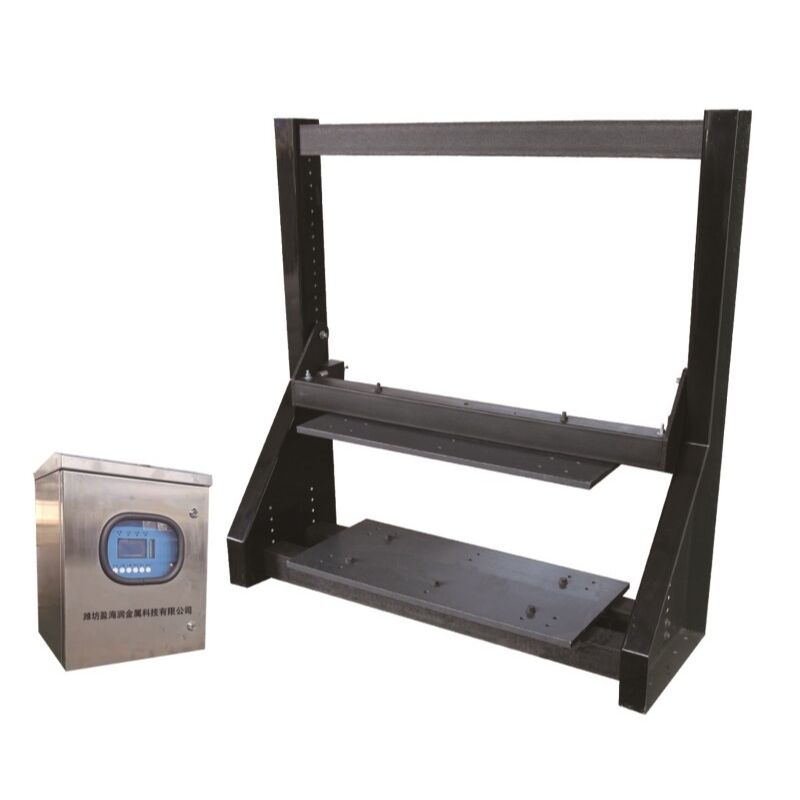
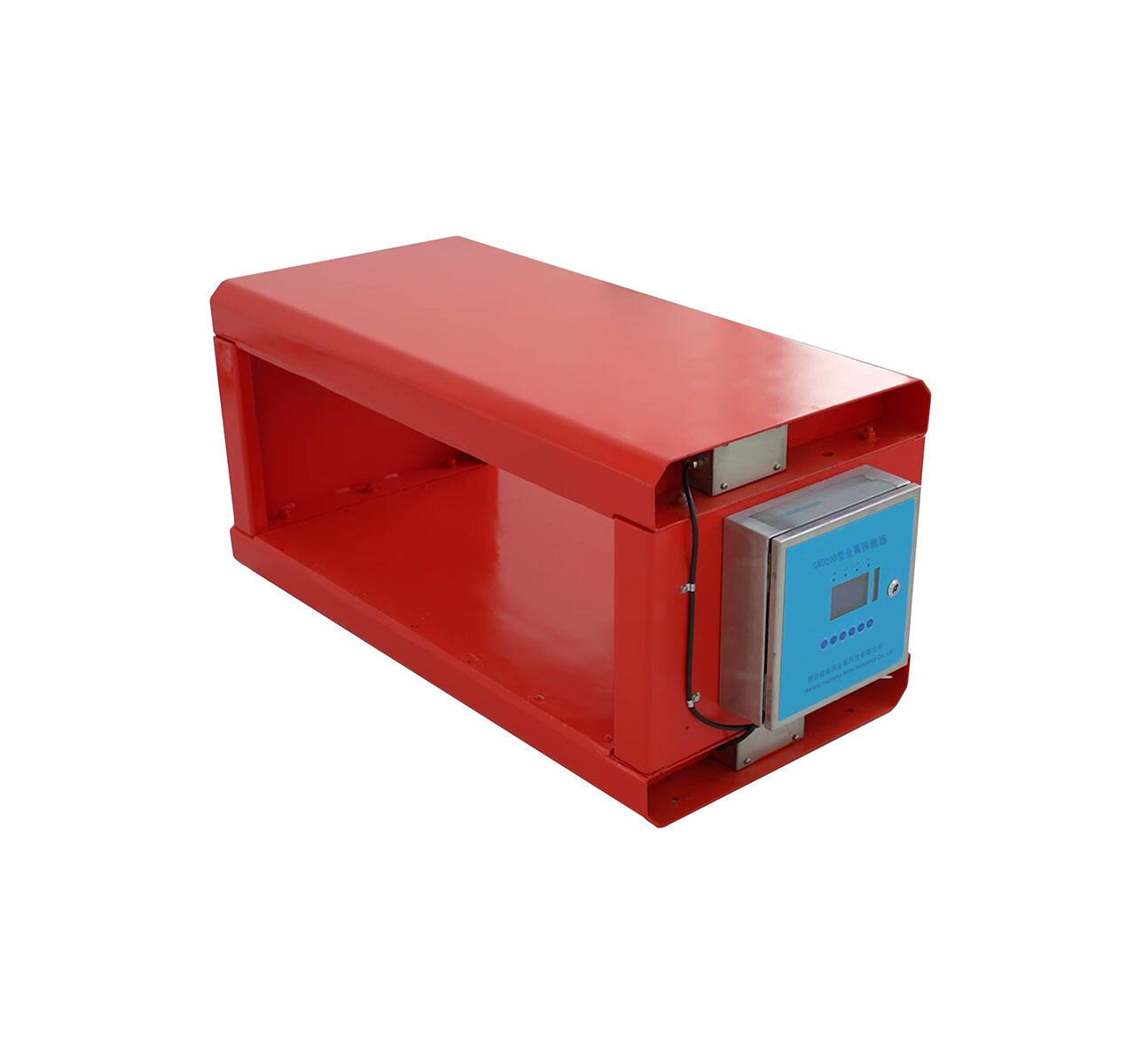
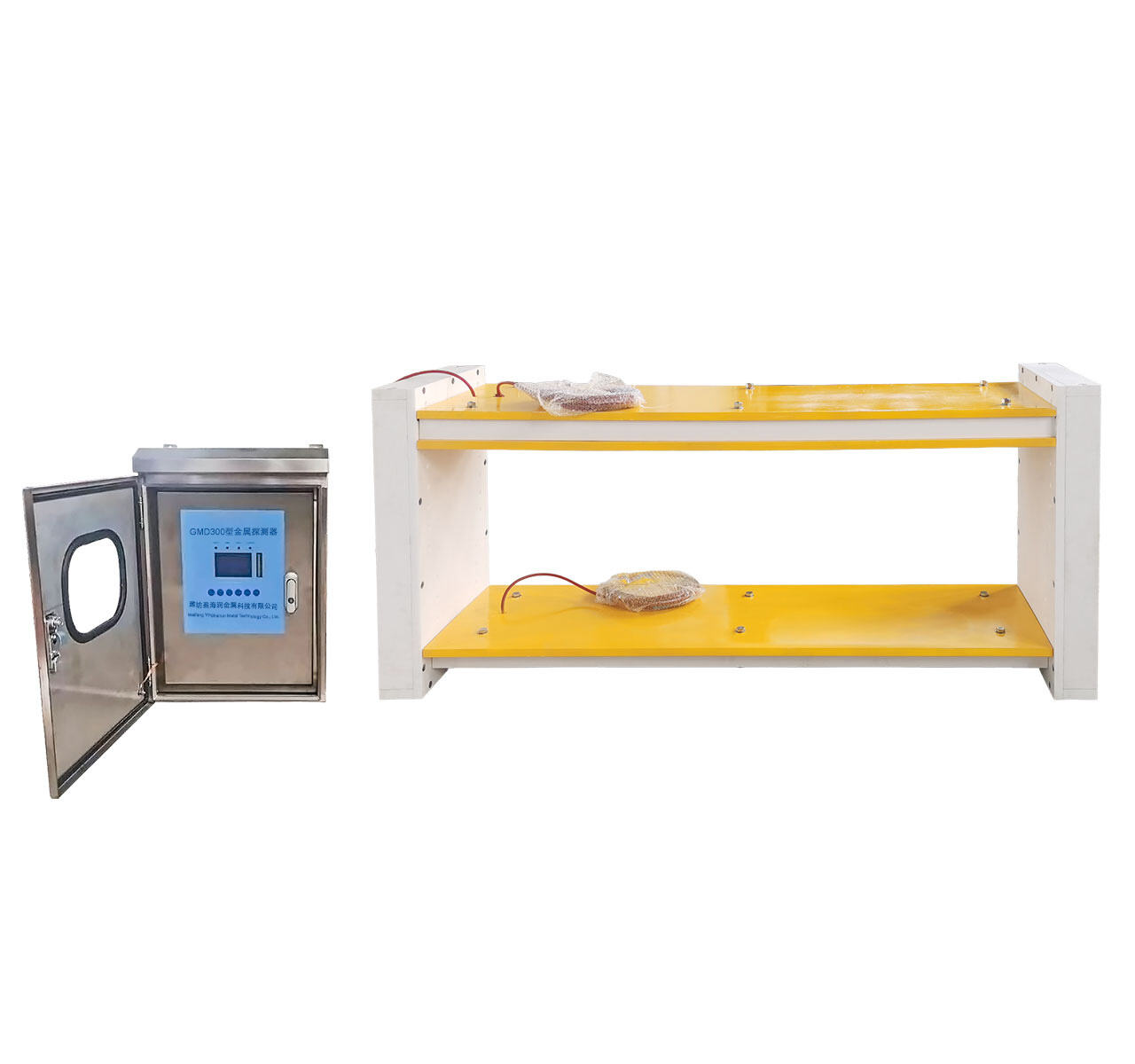
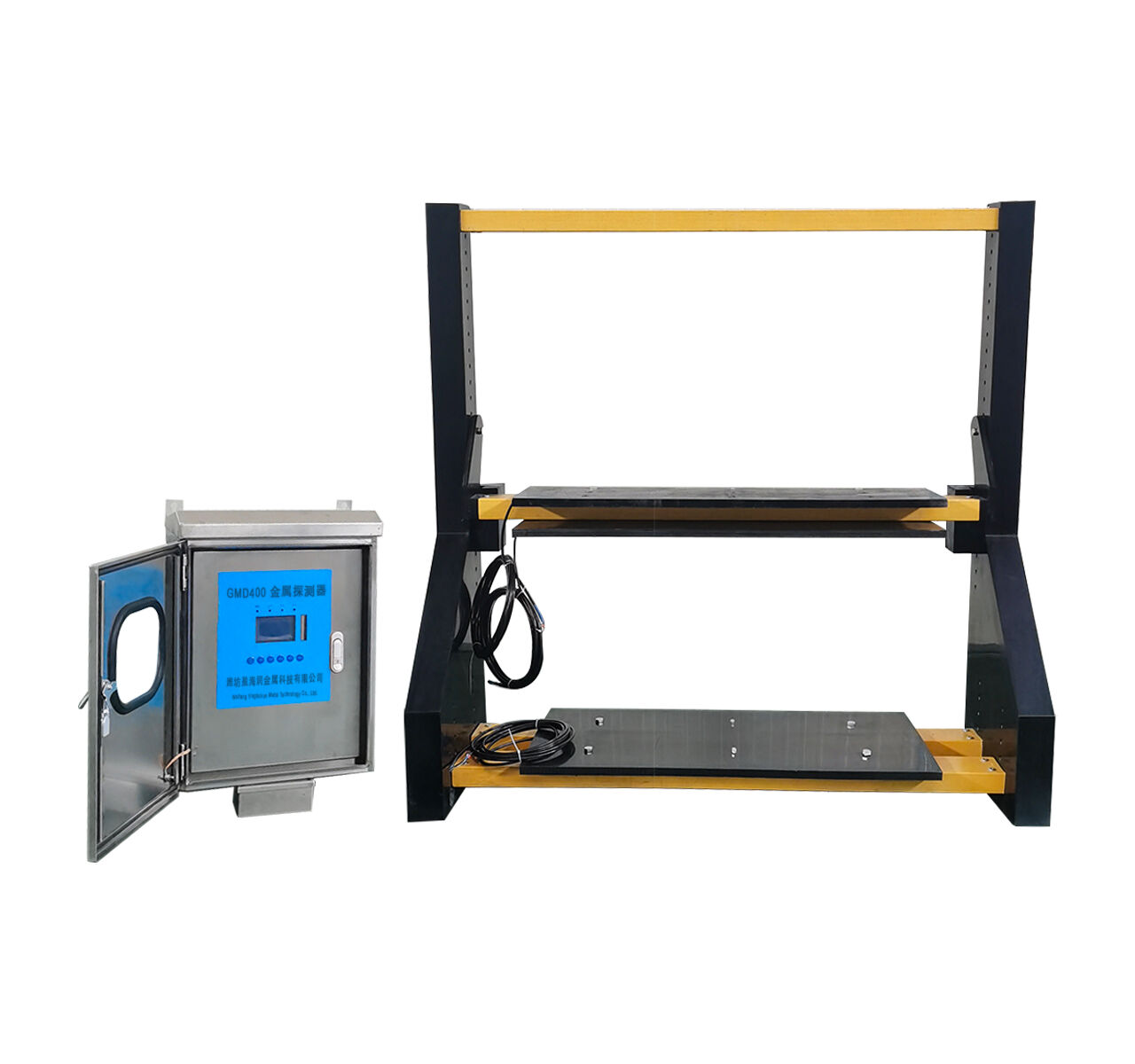
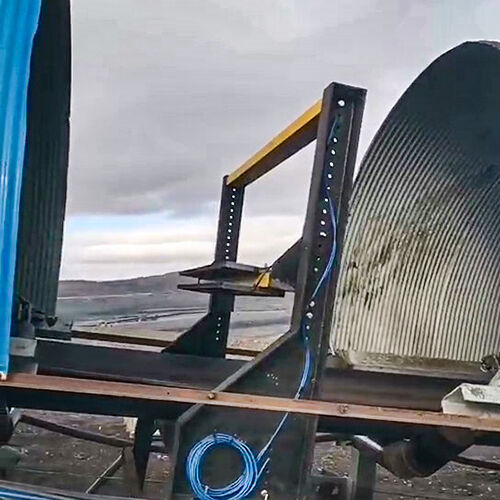
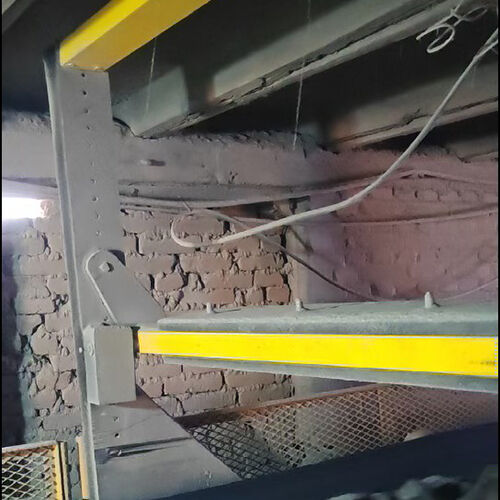
Advanced Metal Detector Conveyor Systems - Precision Contamination Detection Solutions

All Categories

Get a Free Quote

Our representative will contact you soon.
Email
Mobile/WhatsApp
Name
Company Name
Message
0/1000

metal detector conveyor system

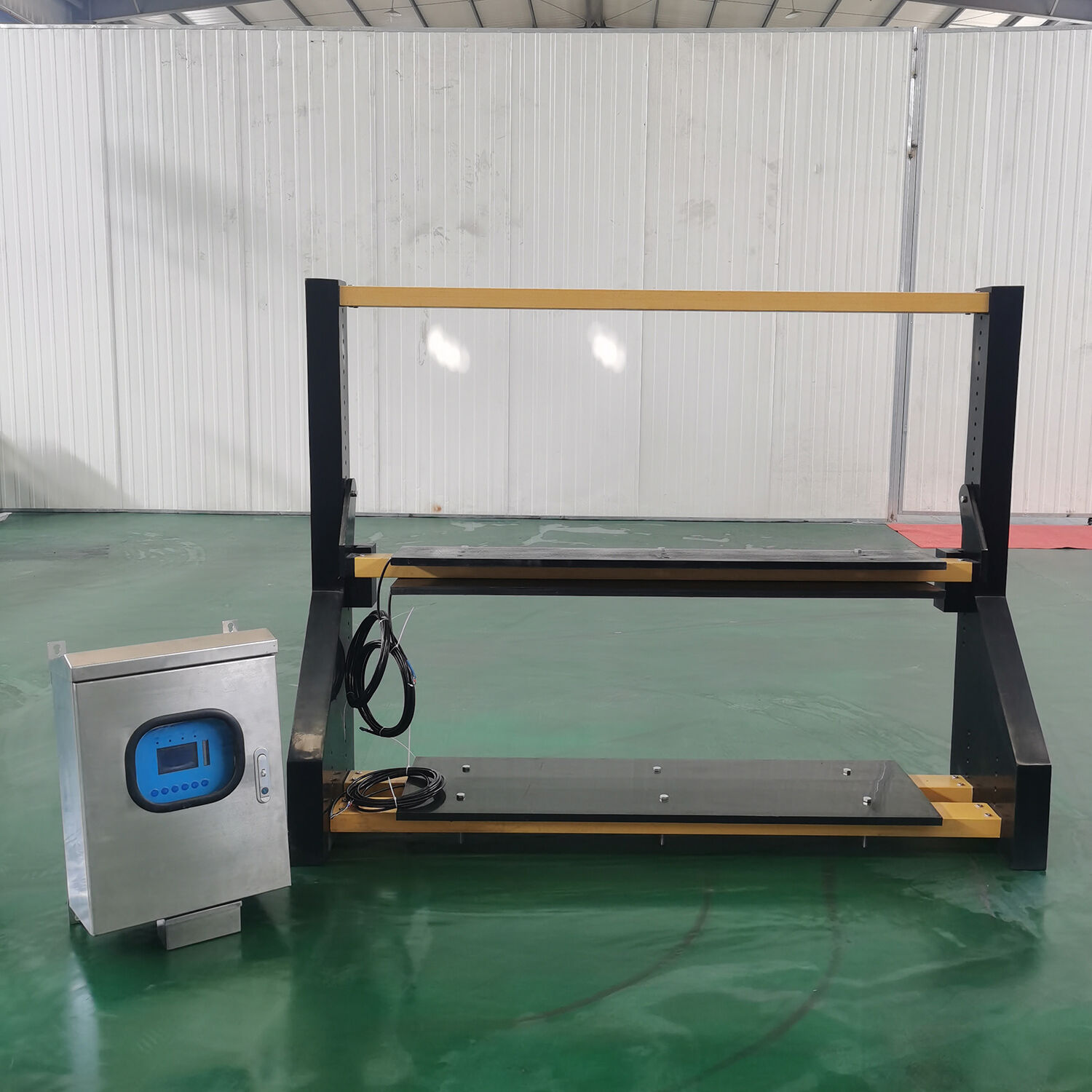
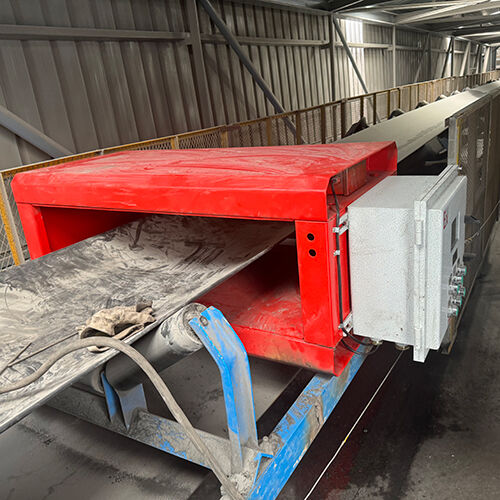
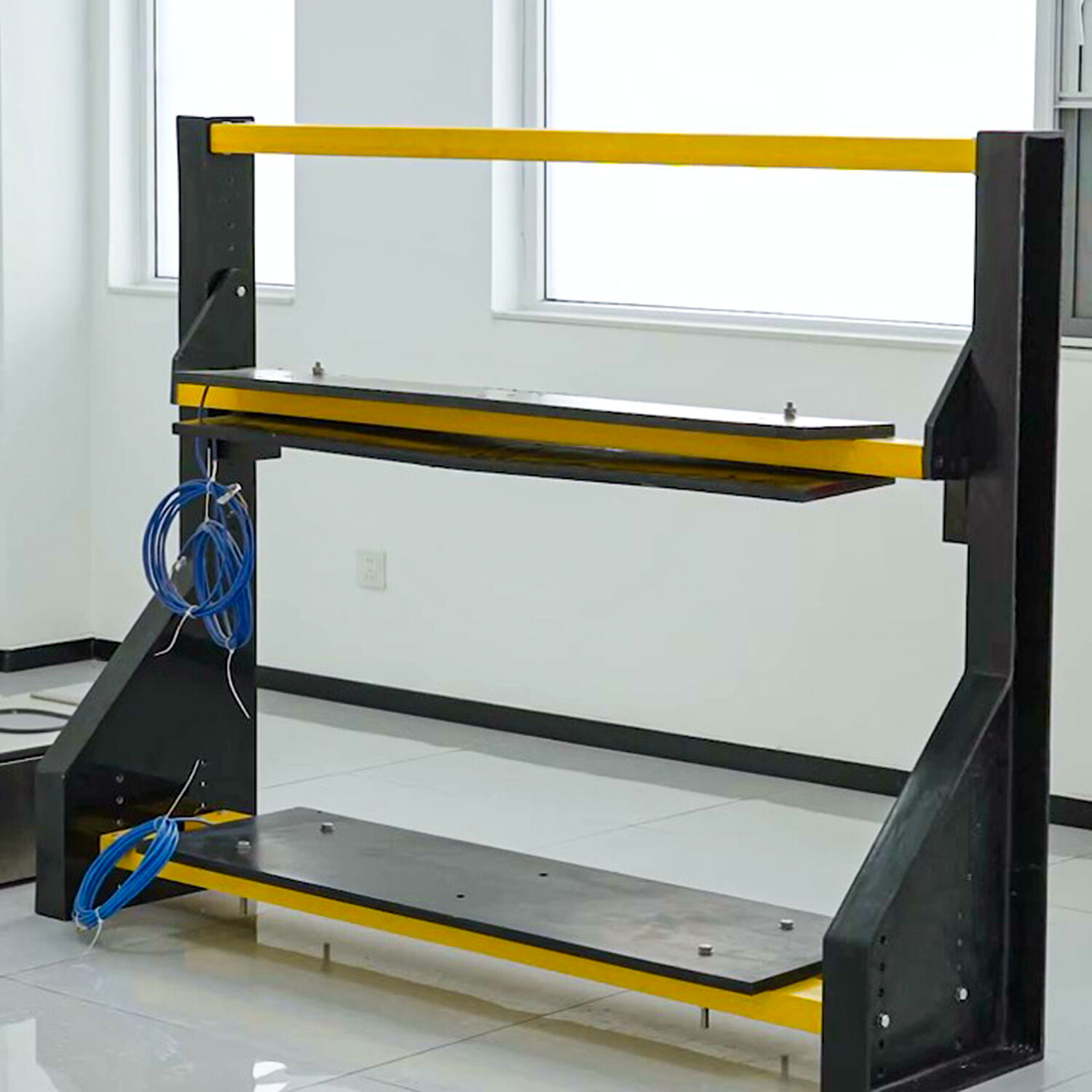
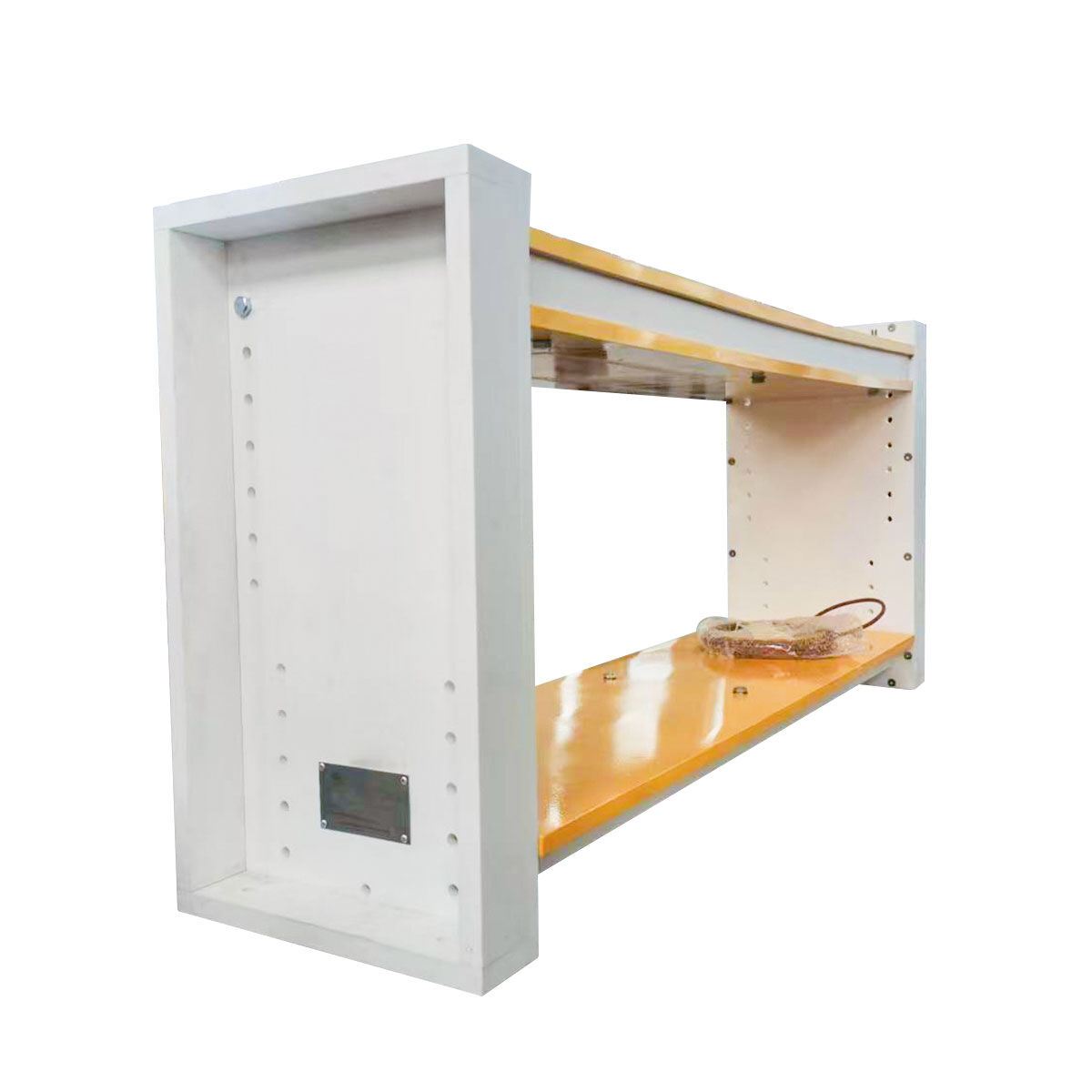
The metal detector conveyor system represents a sophisticated integration of advanced detection technology and automated material handling equipment, designed to identify metallic contaminants in various products during production processes. This comprehensive inspection solution combines electromagnetic field generation capabilities with precision conveyor mechanisms to ensure thorough contamination screening across diverse manufacturing environments. The system operates through electromagnetic field disruption principles, where metallic objects passing through the detection zone create characteristic signal disturbances that trigger immediate alerts and rejection protocols. Modern metal detector conveyor systems incorporate multi-frequency detection capabilities, enabling simultaneous identification of ferrous metals, non-ferrous materials, and stainless steel contaminants with exceptional sensitivity levels. The conveyor component features variable speed controls, allowing operators to optimize throughput rates while maintaining detection accuracy standards. Integration capabilities enable seamless connectivity with existing production lines, supporting various package sizes, weights, and product configurations. Advanced signal processing algorithms filter environmental interference and product effects, reducing false rejection rates while maximizing genuine contamination detection. The system architecture includes user-friendly interface panels displaying real-time operational status, contamination statistics, and maintenance requirements. Automatic product learning functions adapt detection parameters to specific product characteristics, ensuring consistent performance across different materials and packaging types. Quality assurance protocols incorporate comprehensive data logging capabilities, maintaining detailed inspection records for regulatory compliance and traceability requirements. The robust construction design ensures reliable operation in challenging industrial environments, featuring corrosion-resistant materials and sealed electronic components. Modular design concepts facilitate easy installation, maintenance access, and future upgrade possibilities, making the metal detector conveyor system an essential component for maintaining product safety standards and protecting brand reputation in competitive markets.

New Product Releases

Metal detector conveyor systems deliver substantial operational improvements that directly impact manufacturing efficiency and product quality standards. These automated inspection solutions eliminate manual checking procedures, reducing labor costs while simultaneously increasing inspection speed and accuracy rates. The continuous monitoring capability ensures every product receives thorough contamination screening without creating production bottlenecks or workflow interruptions. Real-time detection alerts enable immediate response protocols, preventing contaminated products from reaching downstream processes or customer distribution channels. The precision detection capabilities identify metallic contaminants as small as 0.5mm in diameter, providing superior protection against foreign object contamination that could damage equipment or compromise consumer safety. Integration flexibility allows seamless incorporation into existing production lines without requiring extensive modifications or operational disruptions. The automated rejection systems remove contaminated products instantly, maintaining production flow while ensuring only compliant products continue through the manufacturing process. Cost-effectiveness becomes apparent through reduced product recalls, minimized equipment damage, and decreased liability exposure from contaminated products reaching markets. Quality consistency improvements result from standardized inspection protocols that eliminate human error variables and subjective judgment factors. The comprehensive data collection features provide valuable insights into contamination patterns, enabling proactive quality management strategies and supplier performance evaluations. Maintenance requirements remain minimal due to robust construction and self-diagnostic capabilities that alert operators to potential issues before system failures occur. Training requirements are simplified through intuitive user interfaces and automated operation modes that reduce dependency on specialized technical expertise. Environmental adaptability ensures reliable performance across various temperature, humidity, and vibration conditions commonly encountered in industrial manufacturing environments. Return on investment calculations typically demonstrate payback periods within twelve to eighteen months through combined savings from reduced labor costs, decreased product waste, improved production efficiency, and enhanced brand protection measures. The scalable design accommodates future growth requirements, allowing capacity increases without complete system replacement investments.

Tips And Tricks

Mining Metal Detector Sensitivity vs. External Interference

01

Apr

Mining Metal Detector Sensitivity vs. External Interference

Mining metal detector sensitivity represents a critical balance between detection capability and operational reliability in challenging industrial environments. The relationship between sensitivity levels and external interference determines how effe...
View More
Reliable Mine Metal Detectors for Primary Crusher Protection

05

Apr

Reliable Mine Metal Detectors for Primary Crusher Protection

Primary crushers in mining operations face constant threats from metallic contaminants that can cause devastating equipment damage, costly downtime, and significant safety hazards. A reliable mine metal detector serves as the critical first line of d...
View More
Understanding the Components of a Metal Detector Machine

08

Apr

Understanding the Components of a Metal Detector Machine

A metal detector machine consists of several interconnected components that work together to identify metallic objects beneath the surface or within materials. Understanding these fundamental components is essential for anyone working with metal dete...
View More
Common Industrial Applications for Tramp Metal Detectors

13

Apr

Common Industrial Applications for Tramp Metal Detectors

Industrial facilities across manufacturing, mining, and processing sectors face constant challenges from unwanted metallic contamination that can damage equipment, compromise product quality, and create safety hazards. A tramp metal detector serves a...
View More

Get a Free Quote

Our representative will contact you soon.
Email
Mobile/WhatsApp
Name
Company Name
Message
0/1000

metal detector conveyor system

Advanced Multi-Frequency Detection Technology

Advanced Multi-Frequency Detection Technology

The cornerstone of modern metal detector conveyor systems lies in their sophisticated multi-frequency detection technology, which represents a significant advancement over traditional single-frequency detection methods. This innovative approach employs multiple electromagnetic frequencies simultaneously, creating a comprehensive detection matrix that identifies various metallic contaminant types with unprecedented accuracy and sensitivity. The multi-frequency capability enables the system to distinguish between different metal compositions, including ferrous materials like iron and steel, non-ferrous metals such as aluminum and copper, and challenging stainless steel contaminants that often evade conventional detection systems. Each frequency band targets specific metallic properties, creating overlapping detection zones that eliminate blind spots and ensure comprehensive contamination screening. The advanced signal processing algorithms analyze frequency responses in real-time, comparing detected signatures against extensive contamination databases to minimize false rejections while maximizing genuine threat identification. Product effect compensation features automatically adjust detection parameters based on product characteristics, maintaining consistent sensitivity levels regardless of package moisture content, temperature variations, or conductive properties. The system learns individual product signatures during initial setup procedures, creating customized detection profiles that account for natural conductivity variations without compromising contamination detection capabilities. Environmental interference filtering removes external electromagnetic disturbances from motors, lighting systems, and other industrial equipment, ensuring stable operation in electrically noisy manufacturing environments. The frequency diversity approach also enables detection of metallic contaminants embedded within conductive packaging materials, a challenging scenario that traditional systems often struggle to address effectively. Automatic frequency selection algorithms optimize detection parameters for each product type, ensuring maximum sensitivity while maintaining acceptable false rejection rates. This technology advancement translates directly into improved food safety standards, reduced product waste, enhanced consumer confidence, and stronger regulatory compliance capabilities for manufacturers across various industries.
Intelligent Automated Rejection and Quality Control Integration

Intelligent Automated Rejection and Quality Control Integration

The intelligent automated rejection system embedded within metal detector conveyor systems revolutionizes quality control processes by providing instantaneous contamination response without human intervention requirements. This sophisticated subsystem combines pneumatic, mechanical, or diverter gate rejection mechanisms with advanced control logic to ensure contaminated products are immediately isolated from the production stream while maintaining optimal throughput rates. The rejection accuracy exceeds 99.9 percent, eliminating the possibility of contaminated products bypassing the removal process and continuing through downstream operations. Multiple rejection options accommodate various product sizes, weights, and packaging configurations, ensuring effective contamination removal regardless of product characteristics or production line specifications. The system incorporates predictive rejection timing algorithms that calculate optimal removal moments based on conveyor speed, product dimensions, and detection point locations, ensuring precise contamination isolation without affecting adjacent compliant products. Integration capabilities extend beyond simple rejection functions to include comprehensive quality management systems that track contamination incidents, analyze trend data, and generate detailed reporting for regulatory compliance purposes. The automated documentation features maintain complete audit trails of all inspection activities, including detection events, rejection actions, and system performance metrics, supporting ISO, HACCP, and other quality management standards. Real-time communication protocols enable immediate notification systems that alert quality control personnel, production supervisors, and management teams when contamination events occur, facilitating rapid response and investigation procedures. The intelligent learning algorithms continuously optimize rejection parameters based on historical performance data, improving accuracy while reducing false rejection rates over time. Statistical analysis capabilities identify contamination patterns, supplier-related issues, and potential process improvements, enabling proactive quality management strategies. Emergency stop functions provide immediate production line shutdown capabilities when multiple contamination events occur within predetermined timeframes, preventing widespread contamination issues. The modular design allows easy integration with existing quality management systems, enterprise resource planning software, and production monitoring networks, creating seamless information flow throughout manufacturing operations while maintaining the metal detector conveyor system efficiency and reliability standards.

Robust Construction and Maintenance Optimization Features

Robust Construction and Maintenance Optimization Features

The exceptional durability and maintenance optimization characteristics of metal detector conveyor systems ensure reliable long-term operation while minimizing operational disruptions and service costs. These systems feature industrial-grade construction using corrosion-resistant stainless steel frames, sealed electronic enclosures, and vibration-dampening components designed to withstand harsh manufacturing environments including temperature extremes, humidity fluctuations, and chemical exposure conditions. The modular component design facilitates easy access for routine maintenance procedures, component replacement, and system upgrades without requiring extensive downtime or specialized technical expertise. Predictive maintenance algorithms monitor system performance indicators continuously, analyzing operational parameters such as detection sensitivity stability, conveyor motor performance, and electronic component temperatures to predict potential maintenance requirements before failures occur. Automatic self-diagnostic capabilities perform comprehensive system checks during startup sequences and scheduled intervals, identifying potential issues and providing detailed diagnostic information to maintenance personnel. The sealed bearing systems and food-grade lubricants ensure extended operational life while maintaining hygiene standards required in food processing environments. Tool-free adjustment mechanisms enable rapid sensitivity calibration, detection threshold modifications, and conveyor speed changes without requiring specialized equipment or technical training. Remote monitoring capabilities allow technical support personnel to access system diagnostics, performance data, and configuration settings from off-site locations, enabling rapid troubleshooting and technical assistance. The standardized component design utilizes common industrial parts and interfaces, ensuring spare part availability and reducing inventory requirements while simplifying maintenance procedures. Environmental protection ratings meet IP65 or higher standards, providing complete protection against dust ingress and water exposure during routine cleaning and sanitization procedures. Energy-efficient operation reduces power consumption while maintaining optimal performance levels, contributing to sustainable manufacturing practices and reduced operational costs. The comprehensive warranty coverage and technical support programs provide ongoing assistance for troubleshooting, optimization, and upgrade requirements throughout the metal detector conveyor system operational lifetime, ensuring maximum return on investment and sustained productivity improvements for manufacturing operations across diverse industrial applications and production environments.

Get a Free Quote

Our representative will contact you soon.
Email
Mobile/WhatsApp
Name
Company Name
Message
0/1000