Advanced Conveyor Metal Detector Systems: Comprehensive Solutions for Industrial Contamination Detection

All Categories

Get a Free Quote

Our representative will contact you soon.
Email
Mobile/WhatsApp
Name
Company Name
Message
0/1000

conveyor metal detector system

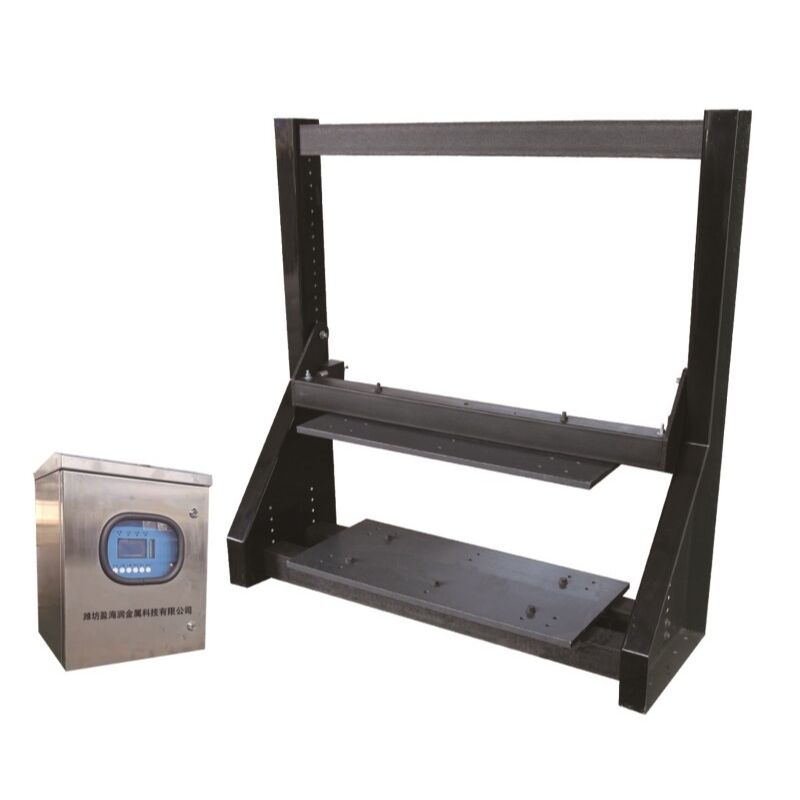
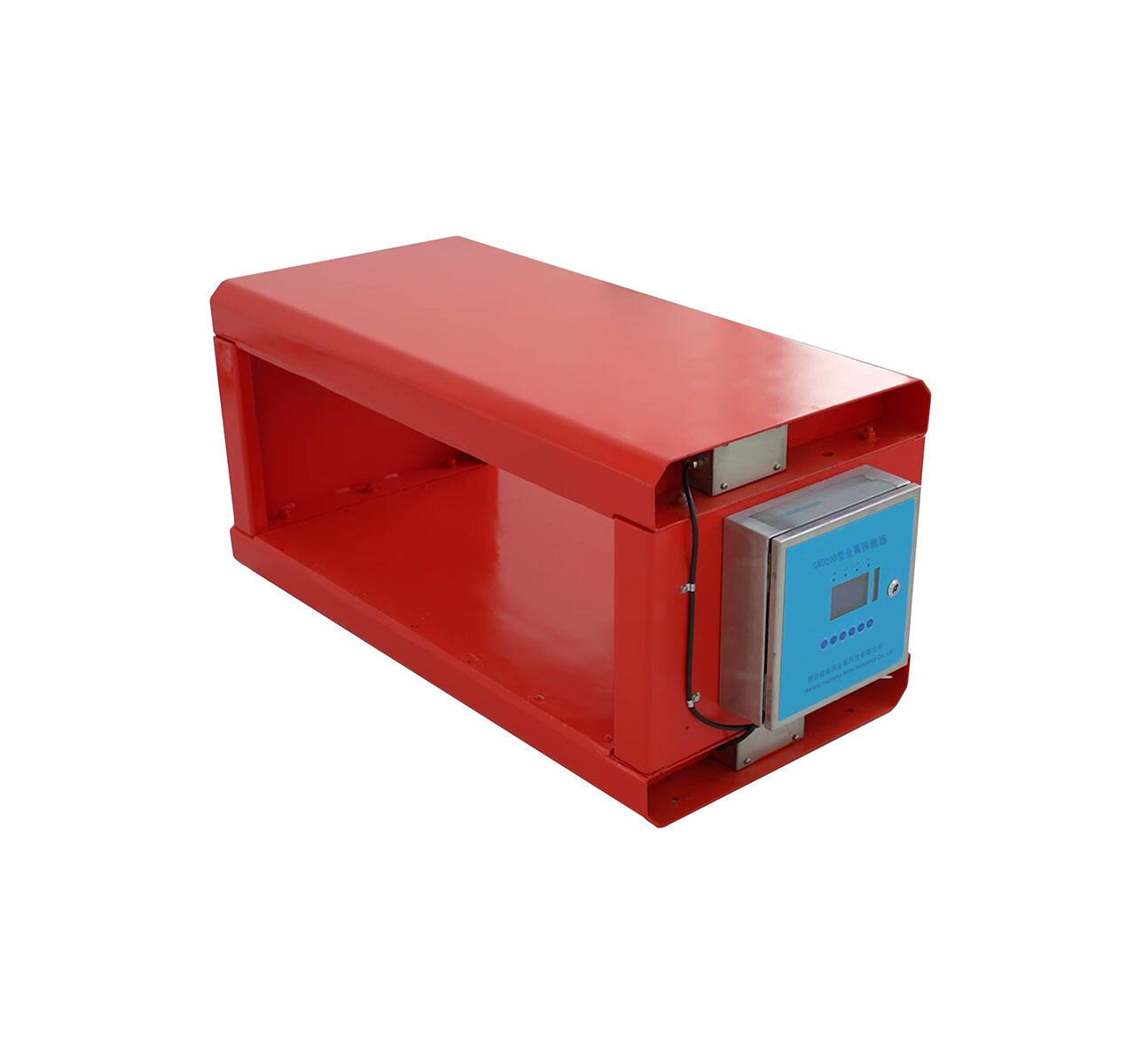
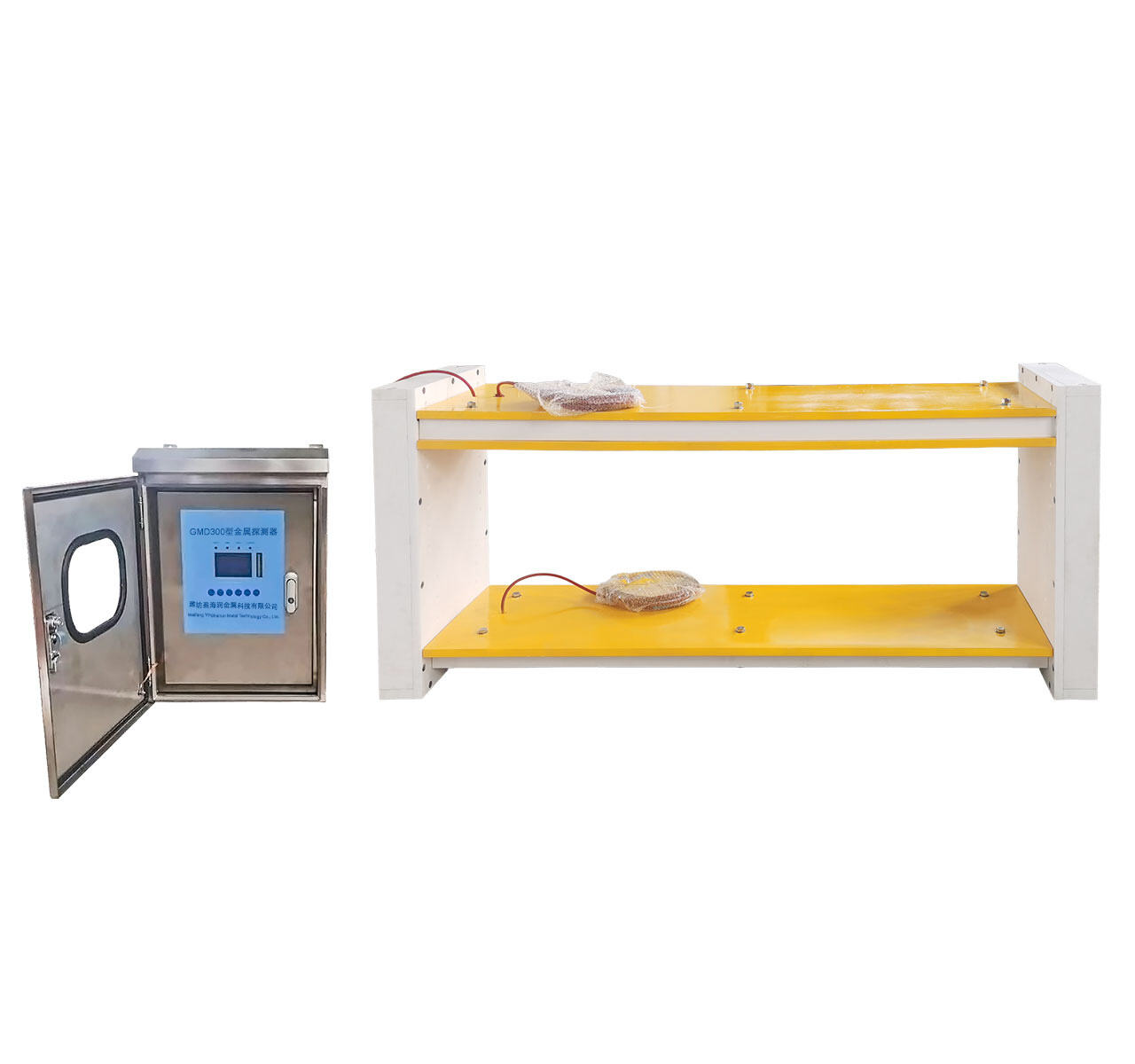
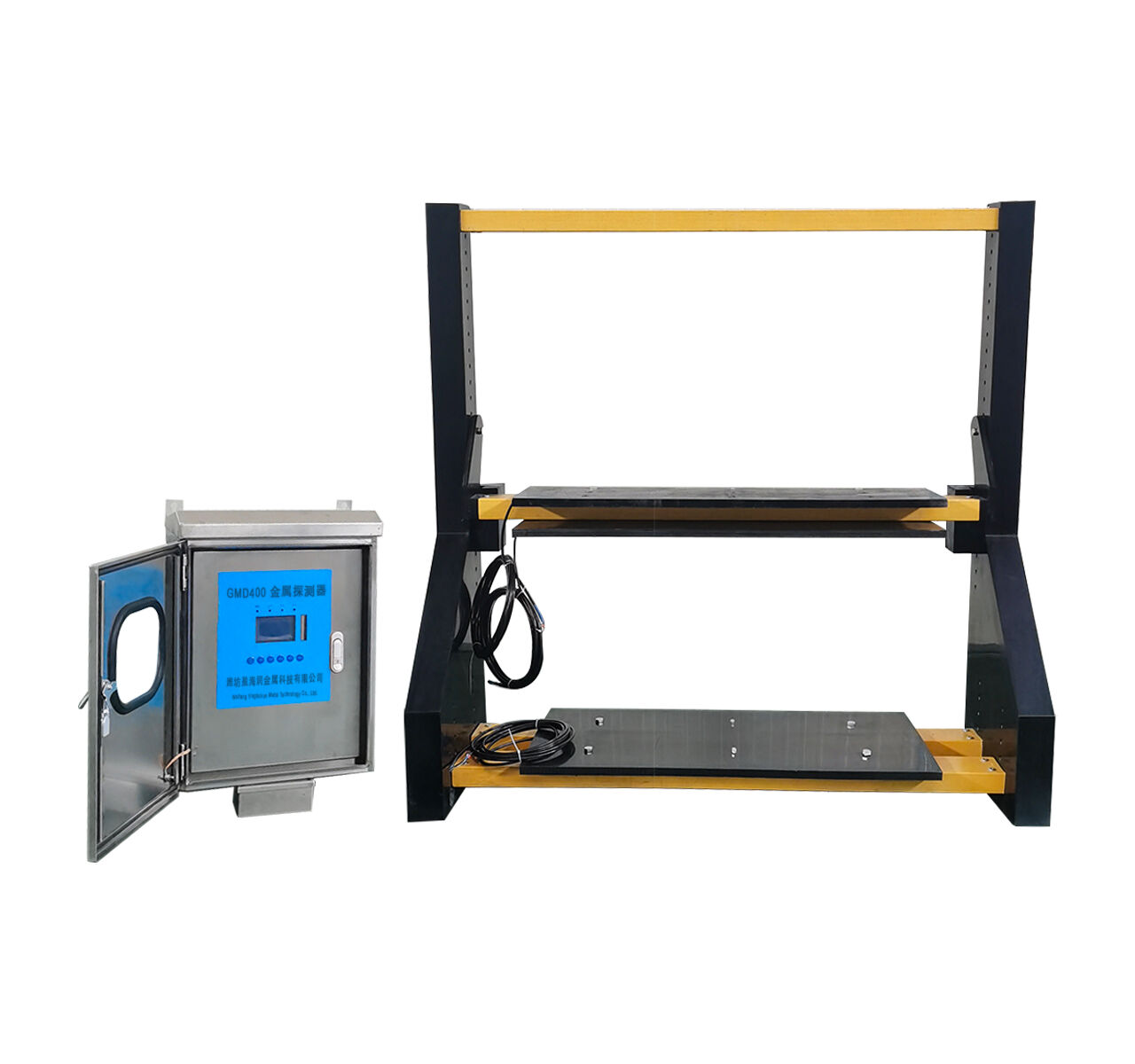
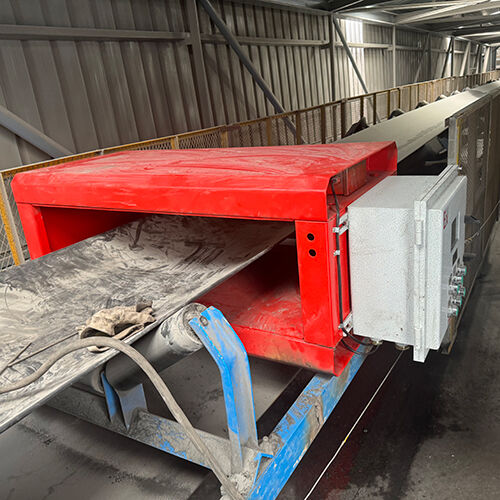
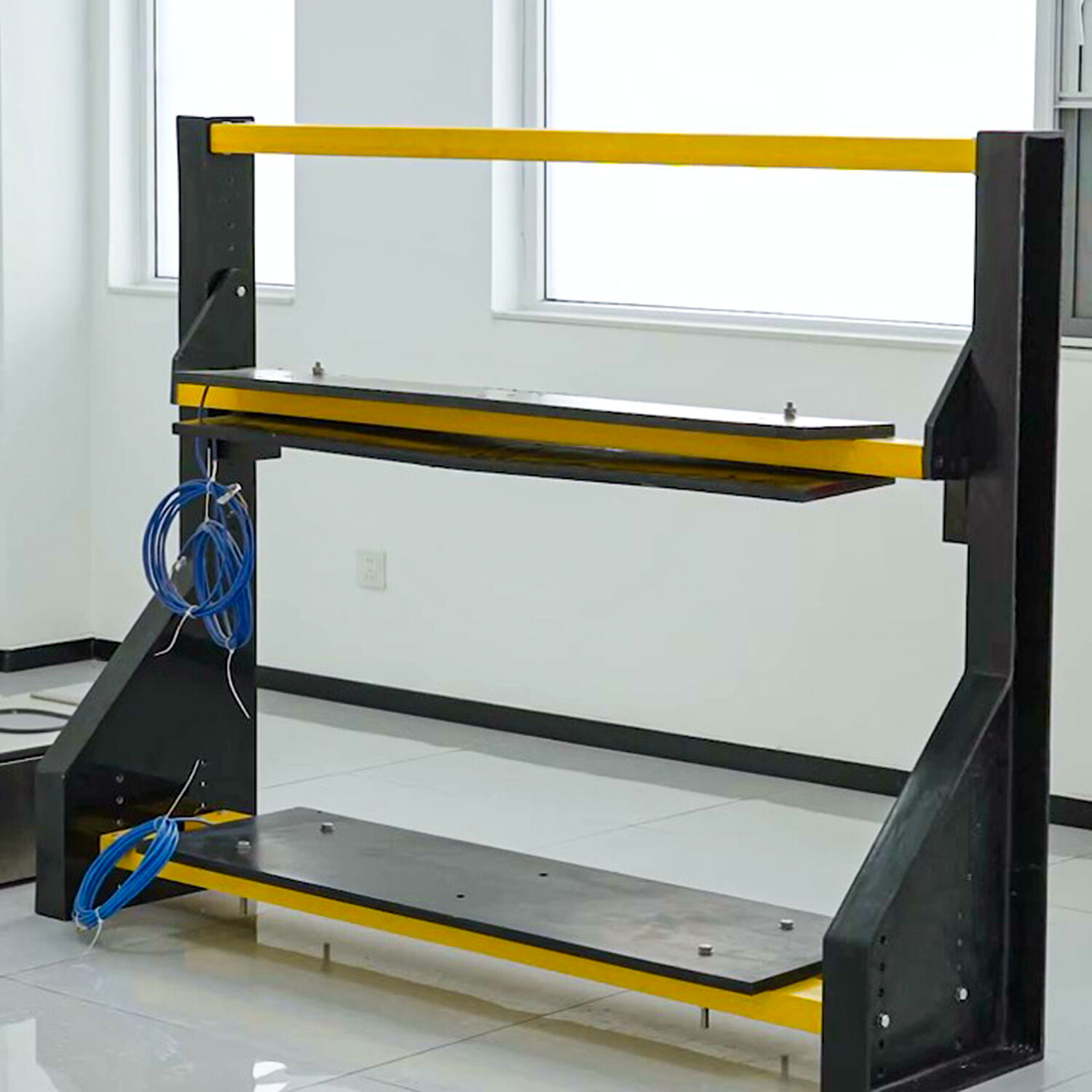
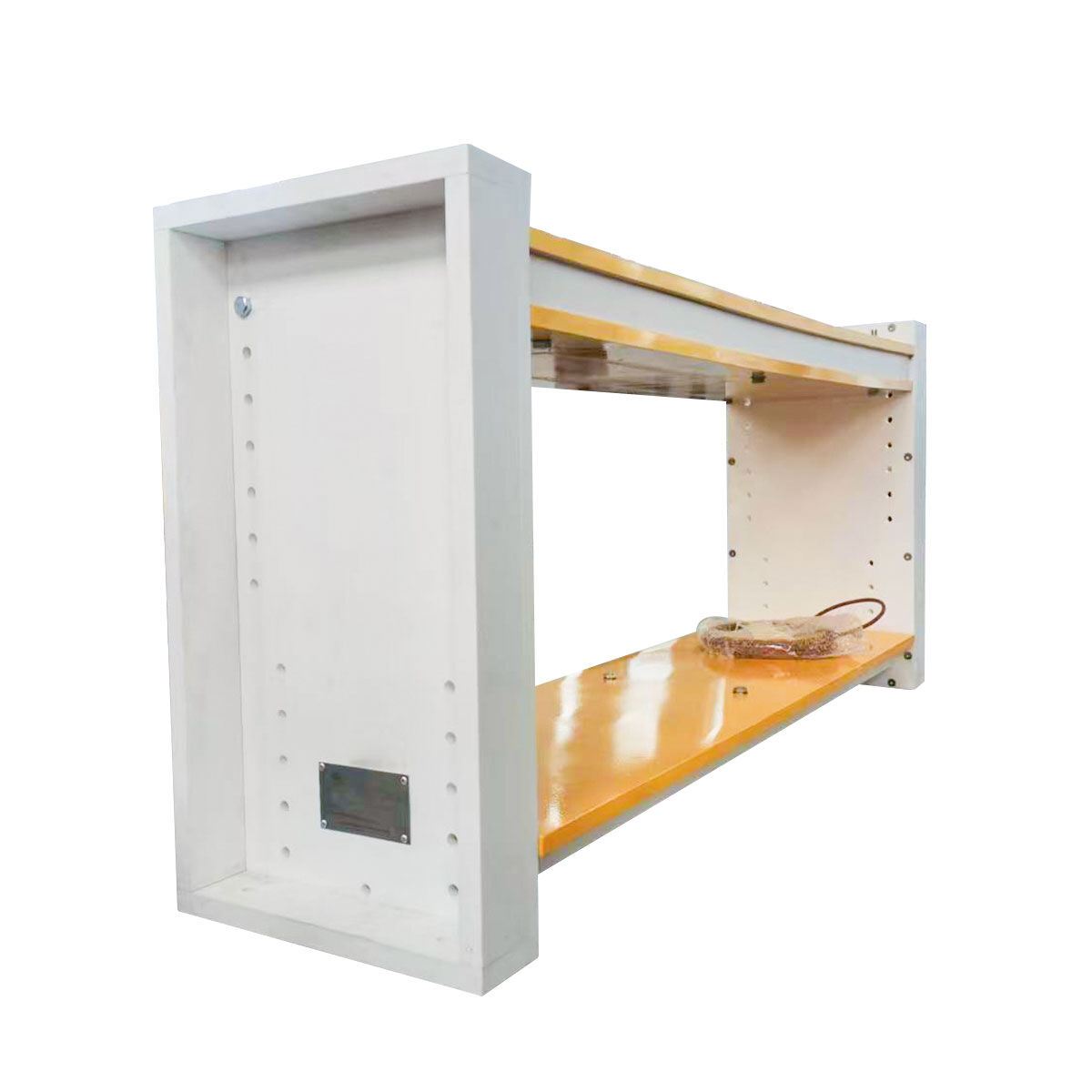
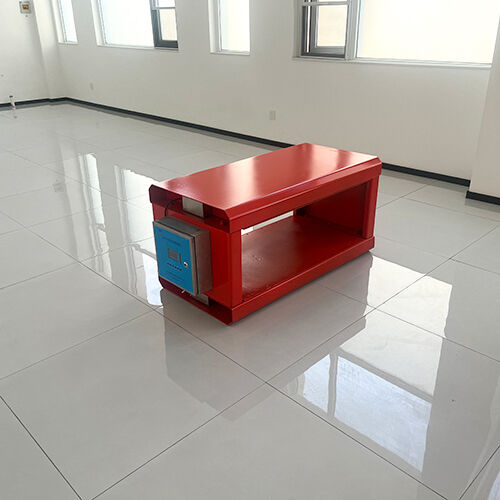
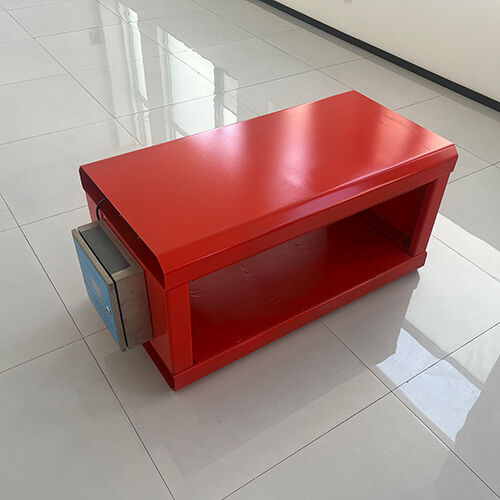
The conveyor metal detector system represents a cutting-edge solution for automated contamination detection in manufacturing and processing environments. This sophisticated equipment integrates seamlessly into production lines, continuously scanning products as they move along conveyor belts to identify metallic contaminants that could pose safety risks or quality concerns. The conveyor metal detector system operates using advanced electromagnetic field technology, generating a balanced detection field that monitors products in real-time without interrupting the production flow. When metallic objects are detected, the system immediately triggers rejection mechanisms, removing contaminated items from the production line automatically. Modern conveyor metal detector systems feature multi-frequency detection capabilities, allowing simultaneous scanning for ferrous, non-ferrous, and stainless steel contaminants with exceptional sensitivity levels. The system's digital signal processing technology minimizes false alarms while maximizing detection accuracy, even in challenging environments with high moisture content or varying product temperatures. These systems accommodate various package sizes and weights, from small pharmaceutical capsules to large food containers, making them versatile solutions across multiple industries. The conveyor metal detector system includes intuitive touchscreen interfaces that enable operators to configure detection parameters, monitor system performance, and access detailed reporting functions. Advanced models incorporate automatic product learning features that optimize detection settings based on product characteristics, reducing setup time and improving operational efficiency. The robust construction of conveyor metal detector systems ensures reliable performance in harsh industrial environments, featuring stainless steel housings that resist corrosion and facilitate easy cleaning protocols required in food processing and pharmaceutical applications.


Popular Products

The conveyor metal detector system delivers numerous practical benefits that directly impact operational efficiency and product safety standards. First, these systems significantly reduce labor costs by automating the inspection process, eliminating the need for manual quality control personnel to examine each product individually. This automation allows companies to reallocate human resources to more strategic tasks while maintaining consistent detection performance around the clock. The conveyor metal detector system enhances product safety by providing reliable contamination detection that protects consumers from potentially harmful metallic objects, thereby reducing liability risks and protecting brand reputation. Manufacturing facilities benefit from improved production throughput as the conveyor metal detector system operates at high speeds without creating bottlenecks in the production line, maintaining optimal flow rates while ensuring comprehensive inspection coverage. The system's real-time monitoring capabilities provide immediate feedback when contamination is detected, enabling rapid response to quality issues before large quantities of contaminated products reach distribution channels. Cost savings extend beyond labor reduction, as the conveyor metal detector system helps minimize product recalls, legal expenses, and regulatory fines associated with contaminated products reaching consumers. The system's data logging features create comprehensive audit trails that demonstrate compliance with food safety regulations and quality management standards, supporting certification processes and regulatory inspections. Maintenance requirements for conveyor metal detector systems remain minimal due to their solid-state electronics and robust mechanical components, resulting in lower total ownership costs compared to alternative inspection methods. The flexibility of these systems allows easy integration into existing production lines without requiring extensive facility modifications, reducing installation costs and minimizing production disruptions. Energy efficiency represents another significant advantage, as modern conveyor metal detector systems consume minimal power while delivering maximum performance, contributing to sustainable manufacturing practices and reduced operating expenses.

Tips And Tricks

Reliable Mine Metal Detectors for Primary Crusher Protection

05

Apr

Reliable Mine Metal Detectors for Primary Crusher Protection

Primary crushers in mining operations face constant threats from metallic contaminants that can cause devastating equipment damage, costly downtime, and significant safety hazards. A reliable mine metal detector serves as the critical first line of d...
View More
Designing a Conveyor Belt Metal Detector System for Productivity

11

Apr

Designing a Conveyor Belt Metal Detector System for Productivity

Designing an effective conveyor belt metal detector system requires careful consideration of multiple engineering factors that directly impact productivity in industrial operations. The integration of a conveyor belt metal detector into existing prod...
View More
Understanding the Components of a Metal Detector Machine

08

Apr

Understanding the Components of a Metal Detector Machine

A metal detector machine consists of several interconnected components that work together to identify metallic objects beneath the surface or within materials. Understanding these fundamental components is essential for anyone working with metal dete...
View More
Common Industrial Applications for Tramp Metal Detectors

13

Apr

Common Industrial Applications for Tramp Metal Detectors

Industrial facilities across manufacturing, mining, and processing sectors face constant challenges from unwanted metallic contamination that can damage equipment, compromise product quality, and create safety hazards. A tramp metal detector serves a...
View More

Get a Free Quote

Our representative will contact you soon.
Email
Mobile/WhatsApp
Name
Company Name
Message
0/1000

conveyor metal detector system

Advanced Multi-Frequency Detection Technology

Advanced Multi-Frequency Detection Technology

The conveyor metal detector system employs sophisticated multi-frequency detection technology that revolutionizes contamination identification across diverse product categories and manufacturing environments. This innovative approach utilizes multiple electromagnetic frequencies simultaneously, creating overlapping detection fields that provide comprehensive coverage for all types of metallic contaminants. The multi-frequency capability enables the conveyor metal detector system to detect ferrous metals like iron and steel with exceptional sensitivity, while also identifying non-ferrous metals such as aluminum, brass, and copper that traditional single-frequency systems might miss. Stainless steel detection, historically challenging due to its low magnetic properties, becomes highly reliable through the advanced frequency modulation techniques employed by modern conveyor metal detector systems. The technology automatically adjusts frequency parameters based on product characteristics, ensuring optimal detection performance regardless of product moisture content, temperature variations, or packaging materials. This adaptability makes the conveyor metal detector system particularly valuable in food processing applications where products may contain high salt content or varying moisture levels that could interfere with detection accuracy. The digital signal processing algorithms analyze frequency responses in real-time, distinguishing between actual contaminants and product effects that might cause false alarms in less sophisticated systems. The multi-frequency approach also enables the conveyor metal detector system to maintain consistent sensitivity levels across different product sizes and densities, providing uniform protection whether scanning small pharmaceutical tablets or large packaged goods. Calibration procedures become simplified through automatic frequency optimization, reducing setup time and eliminating the need for specialized technical expertise during routine operations. The technology's robust performance in electromagnetically noisy environments ensures reliable operation even when installed near other industrial equipment that might generate interference.
Intelligent Automatic Rejection Systems

Intelligent Automatic Rejection Systems

The conveyor metal detector system incorporates intelligent automatic rejection mechanisms that provide seamless contamination removal without disrupting production flow or requiring operator intervention. These sophisticated rejection systems utilize pneumatic, mechanical, or gravity-fed mechanisms precisely synchronized with the detection electronics to ensure contaminated products are removed immediately upon detection. The conveyor metal detector system's rejection logic includes programmable delay settings that account for product travel time from the detection coil to the rejection point, guaranteeing accurate removal of the specific contaminated item rather than adjacent uncontaminated products. Advanced models feature multiple rejection outputs that enable different handling procedures based on contamination type or severity, allowing facilities to implement customized quality control protocols. The system's memory functions track rejected products and maintain detailed logs of rejection events, providing valuable data for quality analysis and process improvement initiatives. Fail-safe mechanisms ensure that if the rejection system experiences mechanical issues, the conveyor metal detector system automatically stops the production line to prevent contaminated products from passing through unchecked. The rejection verification sensors confirm successful removal of contaminated items, triggering alarms if products fail to reach the rejection container properly. This verification capability provides operators with confidence that their quality control procedures are functioning correctly and helps maintain compliance with strict food safety regulations. The conveyor metal detector system's rejection timing can be fine-tuned for different product types and line speeds, ensuring optimal performance across varied production scenarios. Integration capabilities allow the rejection system to communicate with upstream and downstream equipment, coordinating production flow and minimizing waste of uncontaminated products. The modular design of rejection components facilitates easy maintenance and replacement, reducing downtime and ensuring consistent system availability.
Comprehensive Data Management and Traceability

Comprehensive Data Management and Traceability

The conveyor metal detector system provides extensive data management capabilities that transform quality control from reactive monitoring to proactive process optimization through comprehensive traceability and analytical reporting. The integrated data logging system captures detailed information about every inspection cycle, including product identification, detection results, system performance parameters, and operational statistics that create complete audit trails for regulatory compliance and quality assurance purposes. Real-time data visualization through intuitive dashboard interfaces enables operators to monitor system performance continuously, identifying trends and patterns that might indicate emerging quality issues or equipment maintenance needs. The conveyor metal detector system's database functionality stores historical performance data, enabling statistical analysis of detection rates, false alarm frequencies, and system reliability metrics that support continuous improvement initiatives. Network connectivity features allow remote access to system data through secure connections, enabling quality managers and technical support personnel to monitor multiple systems across different facilities from centralized locations. The data export capabilities facilitate integration with existing enterprise resource planning systems and quality management software, creating seamless information flow throughout the organization. Batch tracking functionality correlates detection events with specific production runs, enabling rapid response to quality issues and precise recall procedures when necessary. The conveyor metal detector system generates automated reports that summarize key performance indicators, detection statistics, and compliance metrics, reducing administrative burden while providing comprehensive documentation for regulatory inspections. Predictive maintenance algorithms analyze system performance data to identify potential equipment issues before they impact production, scheduling maintenance activities during planned downtime periods to minimize operational disruption. The cloud-based data storage options provide secure backup and access to historical information, ensuring data preservation and enabling long-term trend analysis that supports strategic quality improvement decisions across the organization.

Get a Free Quote

Our representative will contact you soon.
Email
Mobile/WhatsApp
Name
Company Name
Message
0/1000