In the high-stakes environment of modern mining and heavy industry, the conveyor belt is the lifeline of production. For decades, the Steel Cord Conveyor Belt has been the gold standard for long-distance, high-strength material transport due to its exceptional tensile strength. However, for maintenance managers and plant engineers, these belts represent a paradox: they are essential for efficiency but notoriously difficult to monitor for metal contaminants.
The core challenge lies in the physics of the belt itself. A standard steel cord belt contains thousands of steel wires acting as reinforcement. To a traditional metal detector, this continuous stream of ferromagnetic material looks like a massive, moving piece of metal. This creates a "background noise" or magnetic interference that often drowns out the signal of a dangerous tramp metal—such as a broken excavator bucket tooth or a drill bit—leading to a high rate of false alarms.
 |
 |
The Physics of Interference
To understand the solution, we must first define the problem. Traditional metal detectors operate on the principle of electromagnetic induction. They generate a magnetic field, and when a metal object passes through, it disturbs this field, inducing a voltage in a receiver coil.
In a fabric belt application, the background is "quiet." When metal passes through, the signal spike is distinct and easy to detect. However, in a steel cord belt application, the background is "noisy." The steel cords themselves interact with the detector's magnetic field. Factors such as belt splice variations, slight vertical oscillations (wobble) of the belt, or even changes in the material load can cause fluctuations in the magnetic field.
Older or inferior detection systems struggle to distinguish between the "noise" of the belt structure and the "signal" of a dangerous contaminant. This results in two costly scenarios:
False Positives: The machine stops the production line for a "metal" detection that turns out to be a belt splice or a vibration spike. This wastes time and erodes operator trust in the system.
False Negatives: To stop the false alarms, operators often desensitize the device, inadvertently allowing dangerous metal to pass through and damage downstream crushers or grinders.
The Balanced Coil Solution
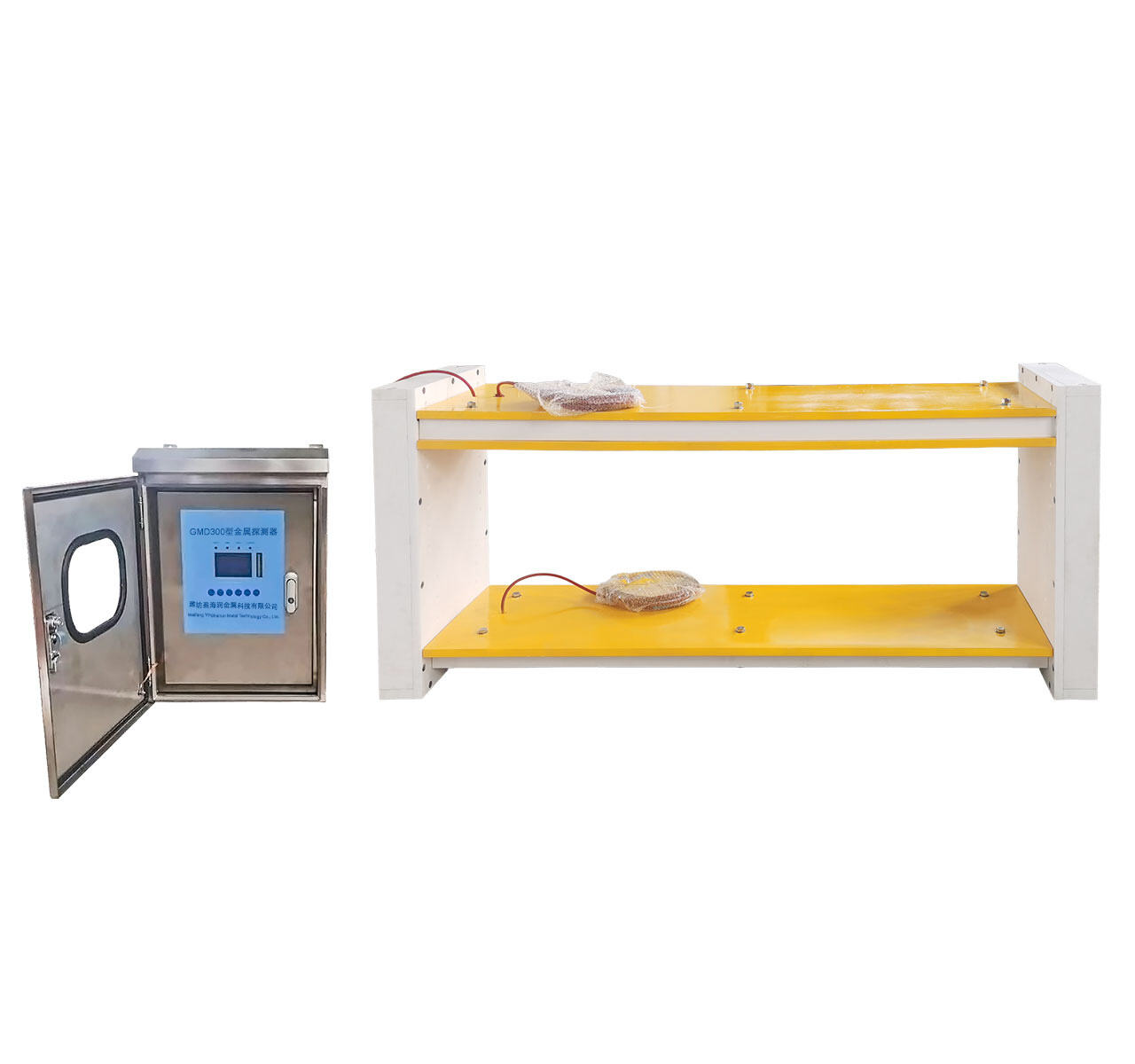
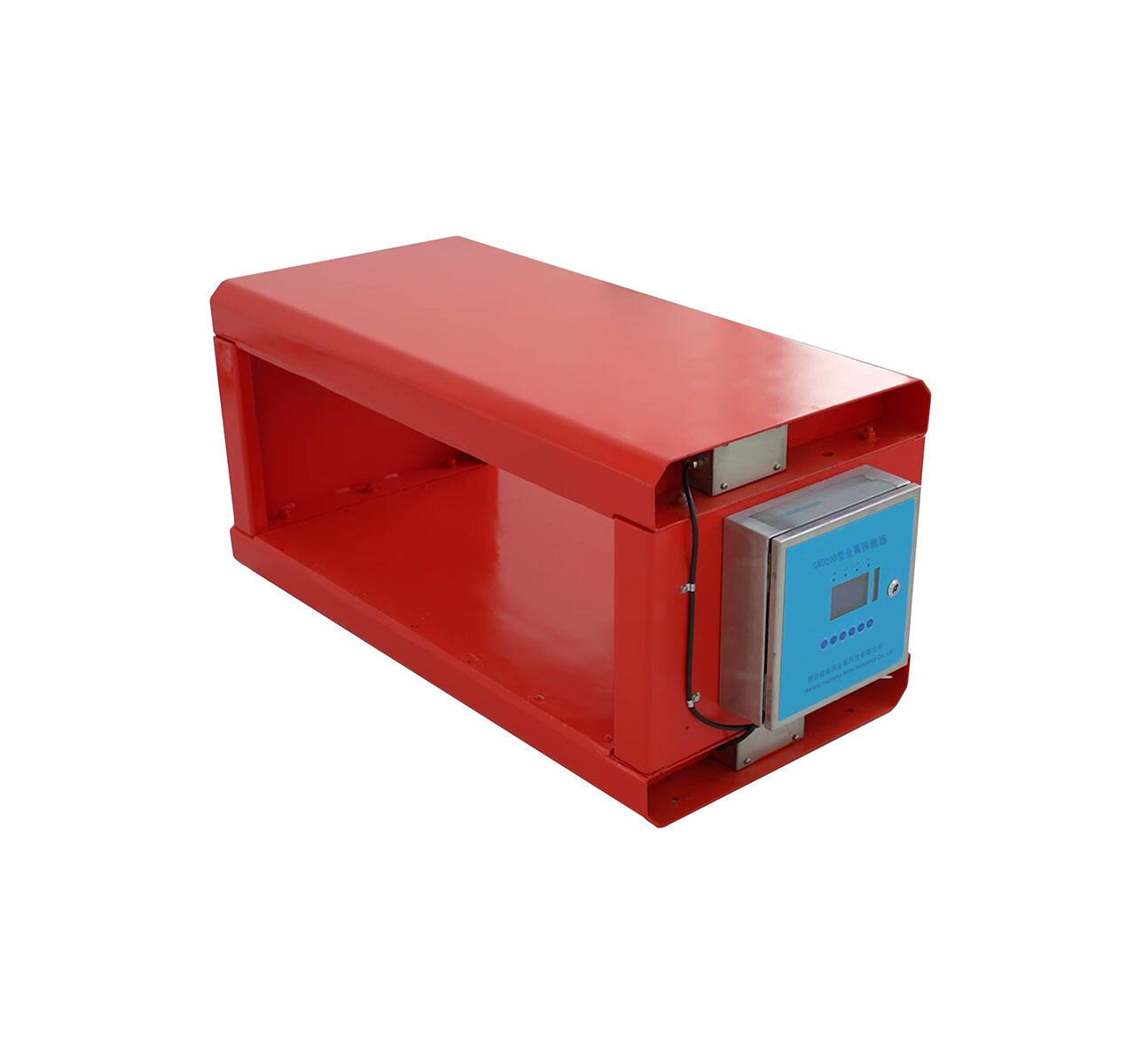
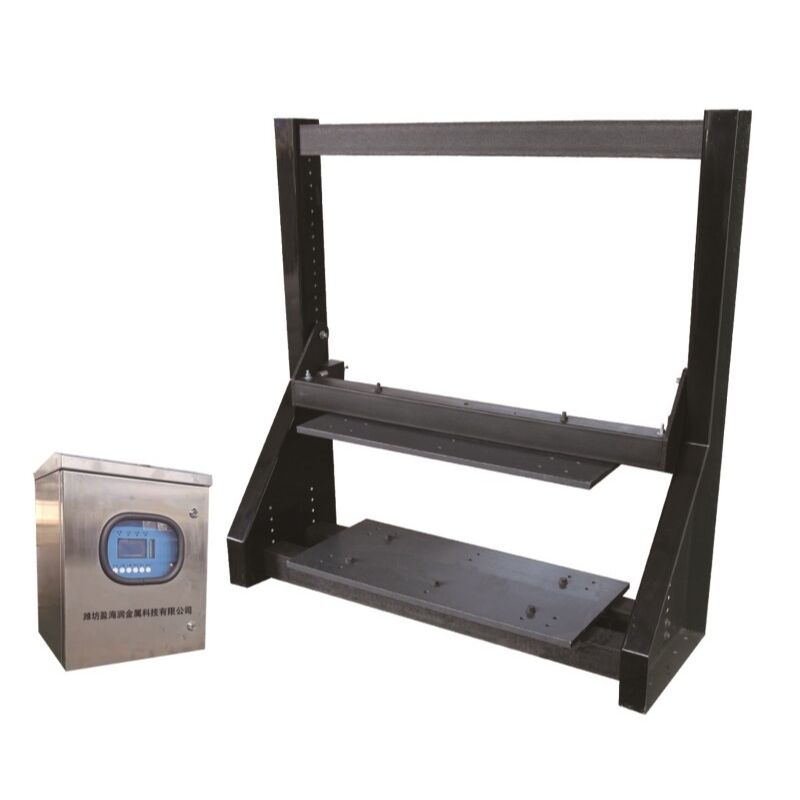
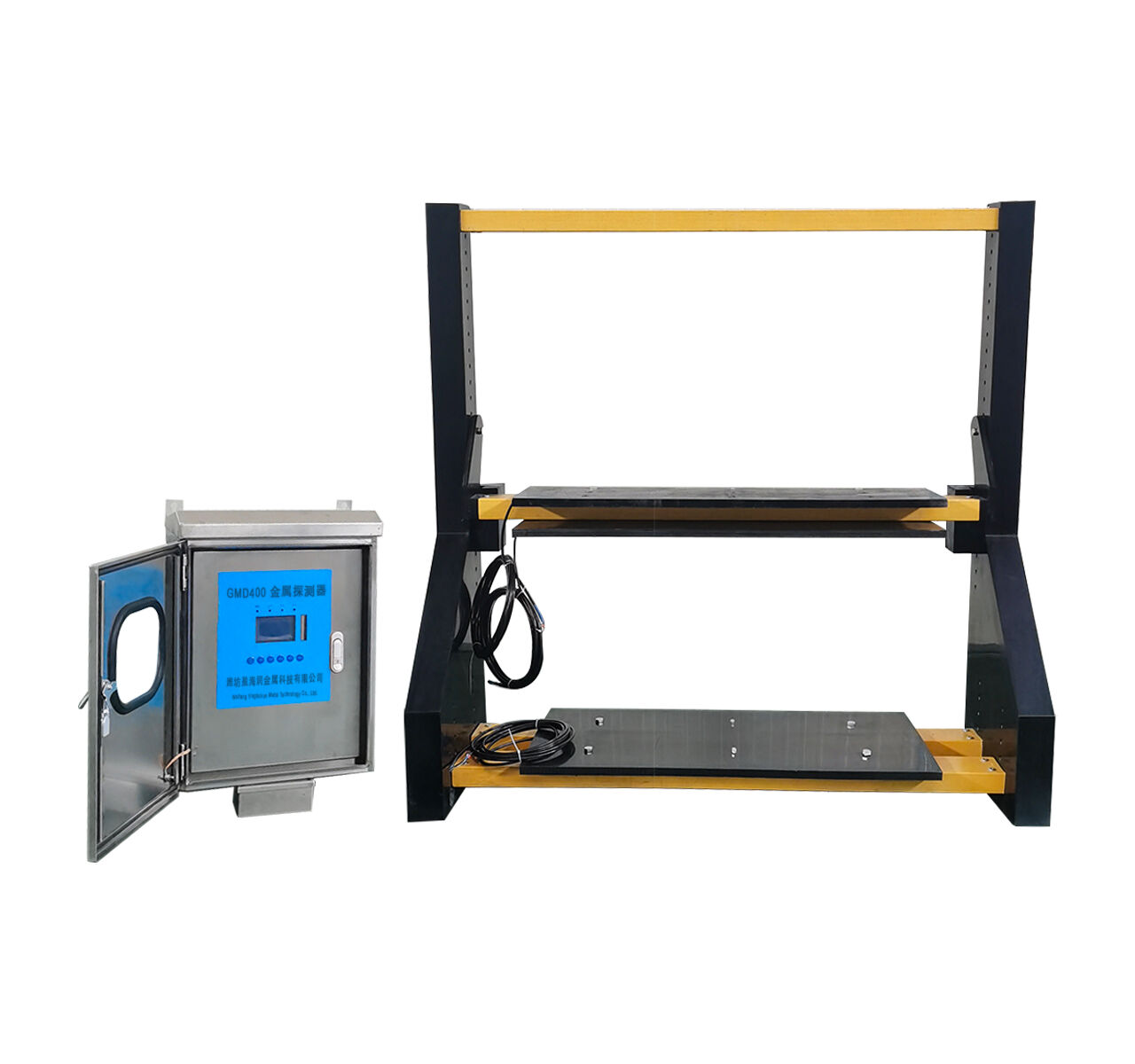
The answer to this dilemma is the Balanced Coil System, a technological leap that has redefined metal detection in the mining sector. Unlike traditional designs that might use a single transmitter and receiver loop, a balanced coil system utilizes a sophisticated arrangement of three coils: one transmitter coil and two identical receiver coils connected in opposition.
The "Balance" refers to the electrical state of the receiver coils. In a perfect environment, the voltage induced in the two receiver coils cancels each other out, resulting in a net output of zero. This creates an exceptionally stable baseline.
When a metal contaminant passes through the aperture, it affects the magnetic field, but crucially, it affects the two receiver coils differently (or sequentially), disrupting the balance and creating a measurable signal.
The genius of this design in the context of steel cord belts lies in its ability to filter out "common-mode" noise. The massive magnetic background generated by the steel cords affects both receiver coils almost simultaneously and equally. Because the system is designed to look for the difference (the imbalance) rather than the absolute signal level, the massive background noise of the steel cords is effectively cancelled out.
Advanced Signal Processing: Pulse Wave vs. Continuous Wave
While the hardware (coils) provides the first line of defense, the "brain" of the machine ensures accuracy. Traditional detectors often use continuous wave detection and analog circuits. While functional in the past, these systems struggle in modern industrial environments filled with (Variable Frequency Drives) and large motors, which introduce electrical noise.
Our approach utilizes a Pulse Wave detection method combined with a full digital control scheme. Instead of broadcasting a continuous signal that picks up constant noise, the system emits pulse waves at fixed frequencies and processes the echo signals during specific time windows. This "listening" period ignores noise outside the specific window, naturally filtering out interference.
Furthermore, the system employs a high-performance industrial DSP (ARM) core with hardware multipliers. This computing power allows for advanced algorithms, such as mean matching and velocity feature matching. The system can automatically track the "zero point drift"—the slight changes in the belt's signal over time—and correct it in real-time. This ensures that the "background" remains at zero, keeping the system stable even when the environment changes.
The Challenge of Splices and "Material Effect"
A common failure point for standard detectors is the belt splice. The joint area often has double the steel content of the regular belt, creating a massive signal spike that usually triggers a false alarm. Traditional methods simply "blind" the detector during the splice, creating a dangerous gap in protection.
Our technology integrates a specialized splice recognition device. By using pre-magnetizers and identifiers, the system detects the magnetic saturation level of the splice. Instead of turning off, the detector switches to a set of independent control parameters specifically calibrated for the splice. It raises the threshold dynamically, allowing it to continue detecting dangerous metal even while passing over the heavy joint.
Similarly, this technology addresses the "Material Effect" of metal ores. High-grade ores can generate eddy currents similar to metal. However, the decay time of the eddy current generated by ore is faster than that of a solid metal block. The detector calculates this time difference, effectively ignoring the ore while catching the metal.
Detecting the Undetectable: Non-Magnetic Metals
One of the most critical advantages of this advanced electromagnetic detection is the ability to detect non-magnetic metals, such as high-manganese steel (often used in bucket teeth and liners) and stainless steel.
While these metals are not magnetic, they are conductive. When they pass through the detector's electromagnetic field, they generate eddy currents. The system is designed to capture the specific phase delay and attenuation time of these eddy currents. This ensures that the most damaging types of tramp metal—those that standard magnetic detectors miss—are caught before they reach the crusher.
Intelligent Classification and Connectivity
Modern mining requires more than just a simple alarm; it requires integration. Advanced metal detectors now feature classified detection outputs. The system can distinguish between small metal, large metal blocks, and long rod-shaped metal.
This allows for intelligent automation:
Small Metal: The system can trigger an electromagnetic separator to remove the item without stopping the line.
Long Rods: These pose a risk of tearing the belt. The system can signal the conveyor control to stop immediately.
Remote Monitoring: With MODBUS fieldbus support, the detector communicates directly with the plant's DCS or PLC systems, allowing for remote monitoring and data logging.
Conclusion
The era of choosing between "sensitivity" and "stability" is over. Balanced coil technology, combined with pulse wave processing and intelligent algorithms, has bridged the gap. For industries relying on steel cord conveyor belts, this technology transforms the metal detector from a nuisance-prone sensor into a reliable guardian of the production line, ensuring that the only thing moving down the belt is the ore, not the machine parts.
 Hot News
 EN
EN