pulse induction metal detector circuit
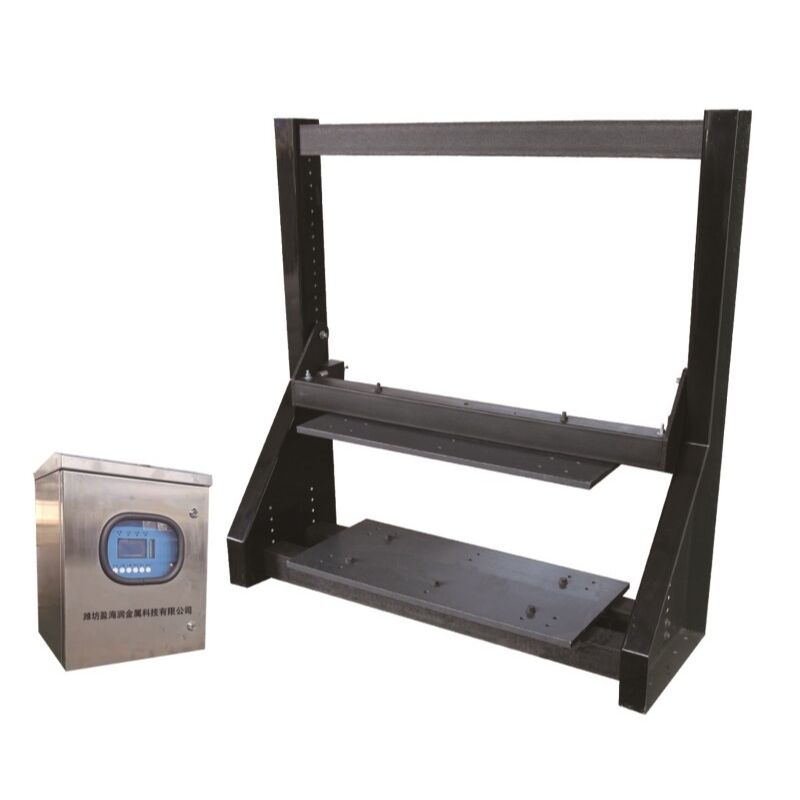
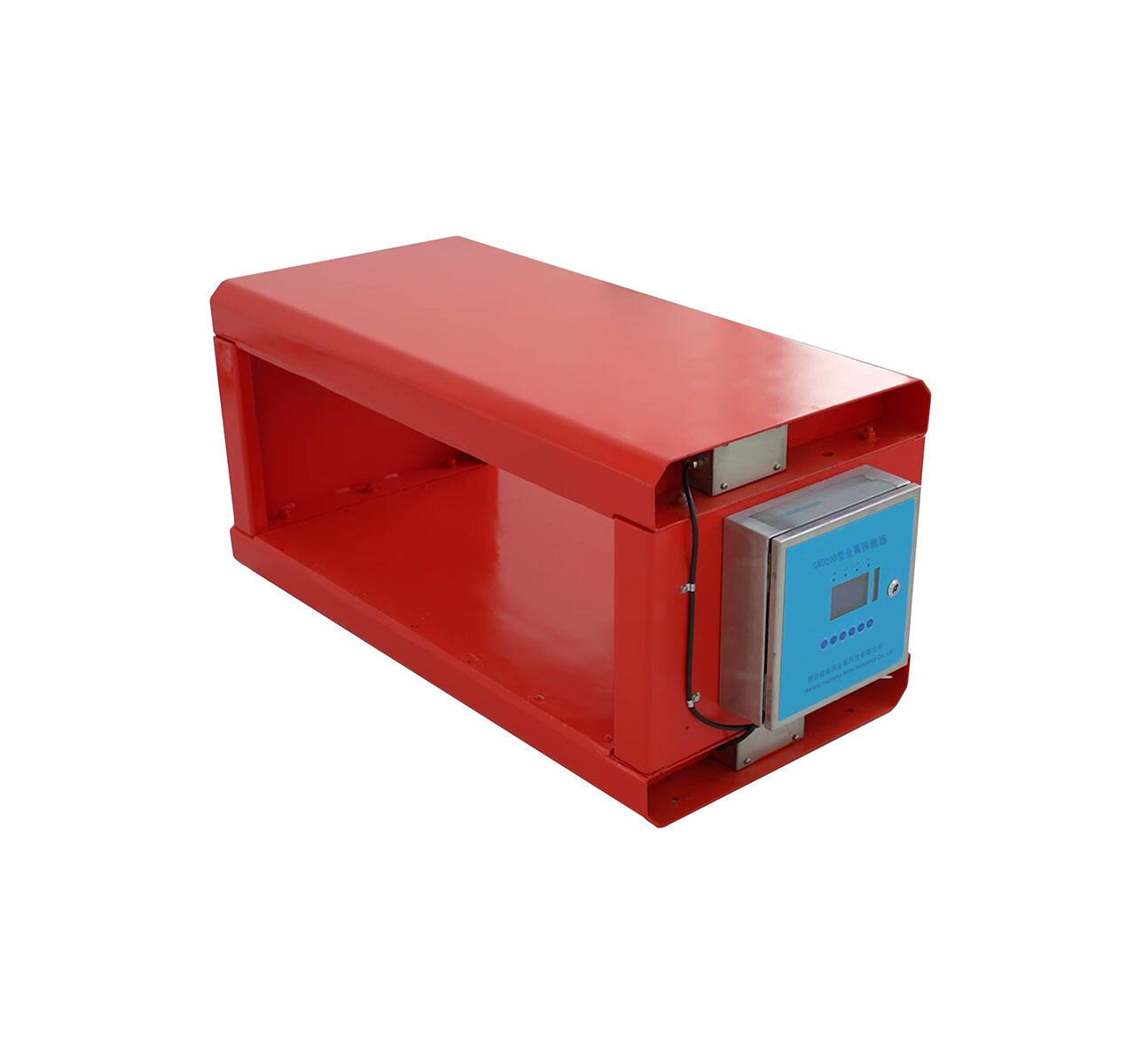
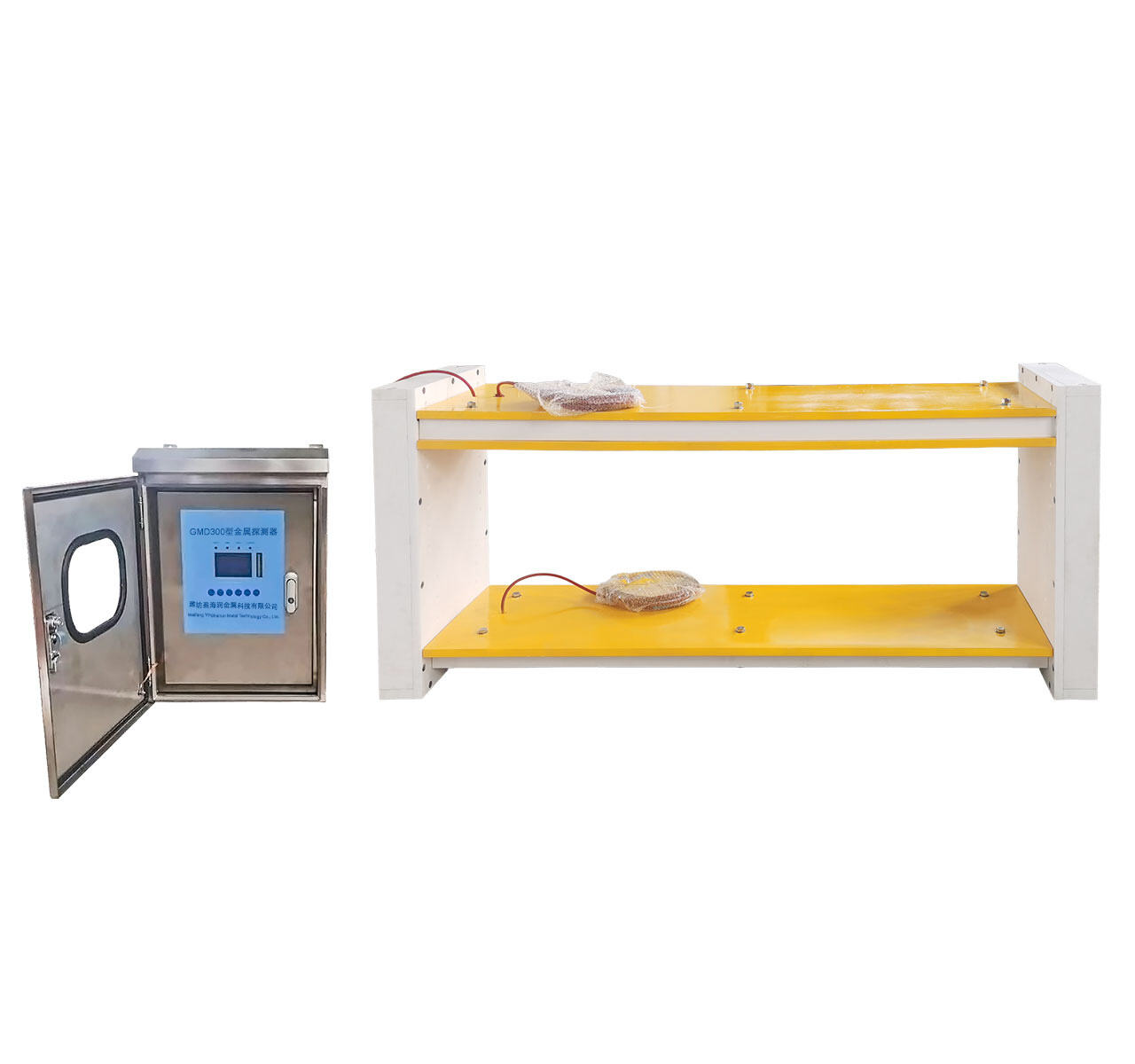
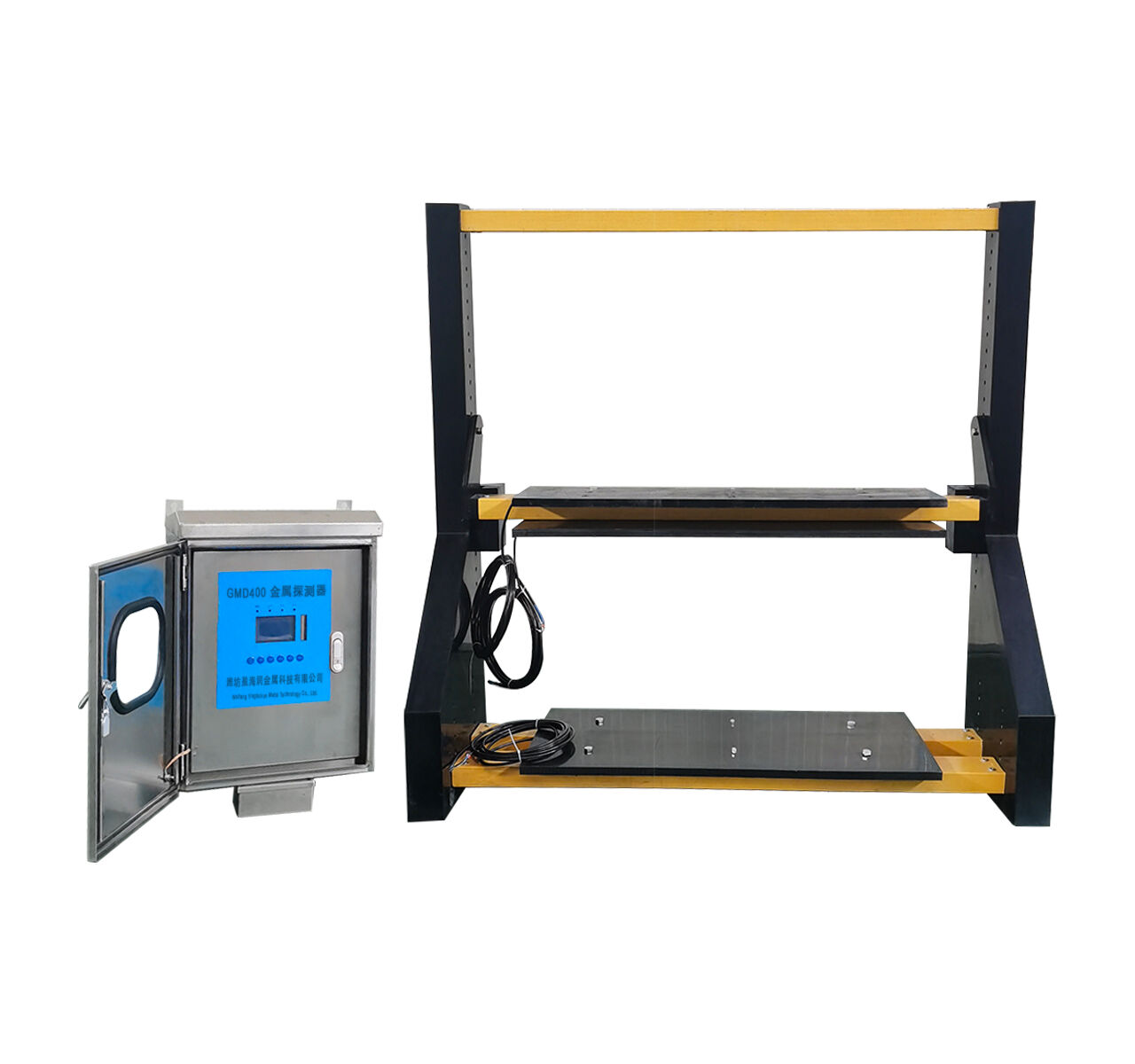
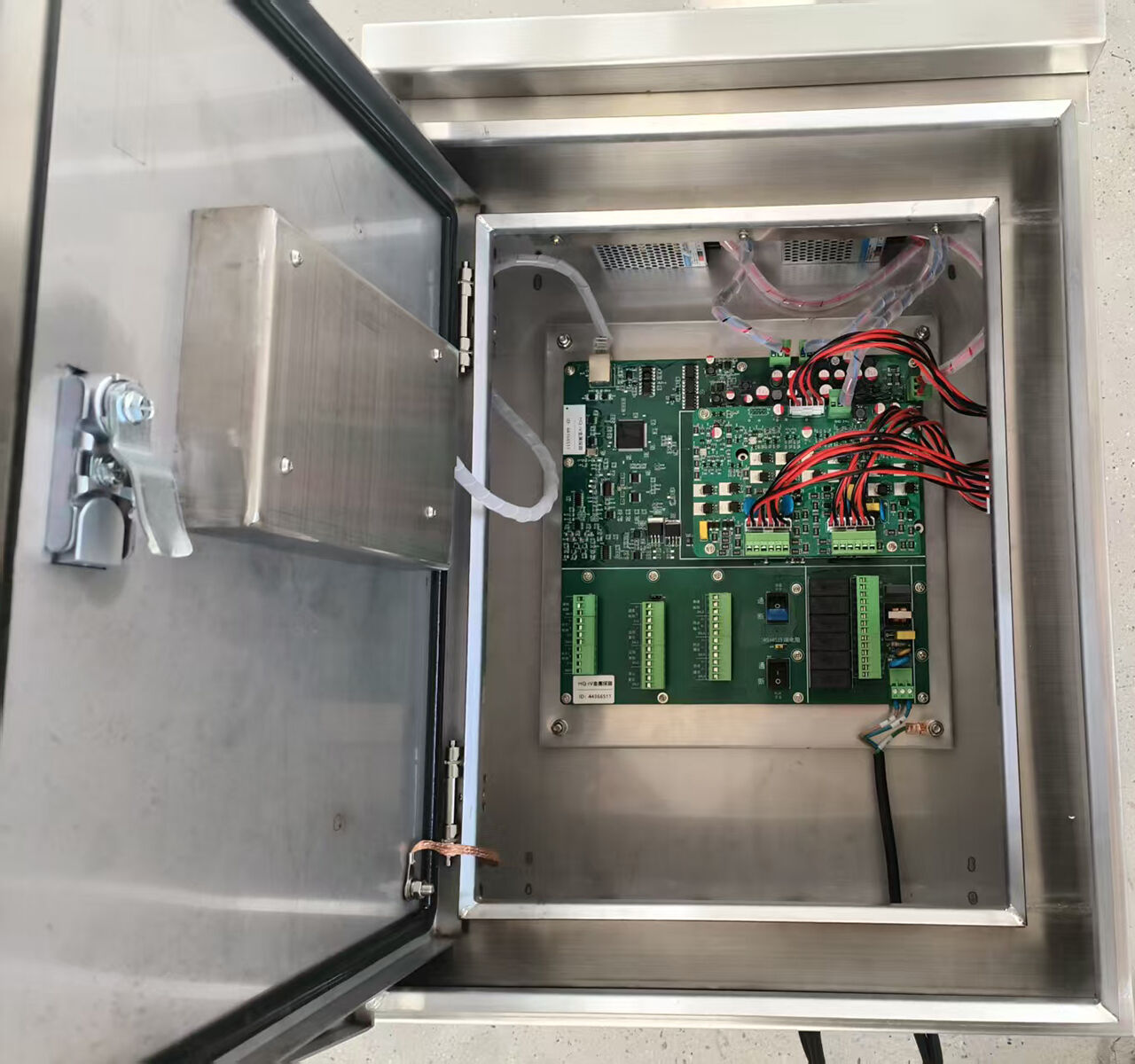
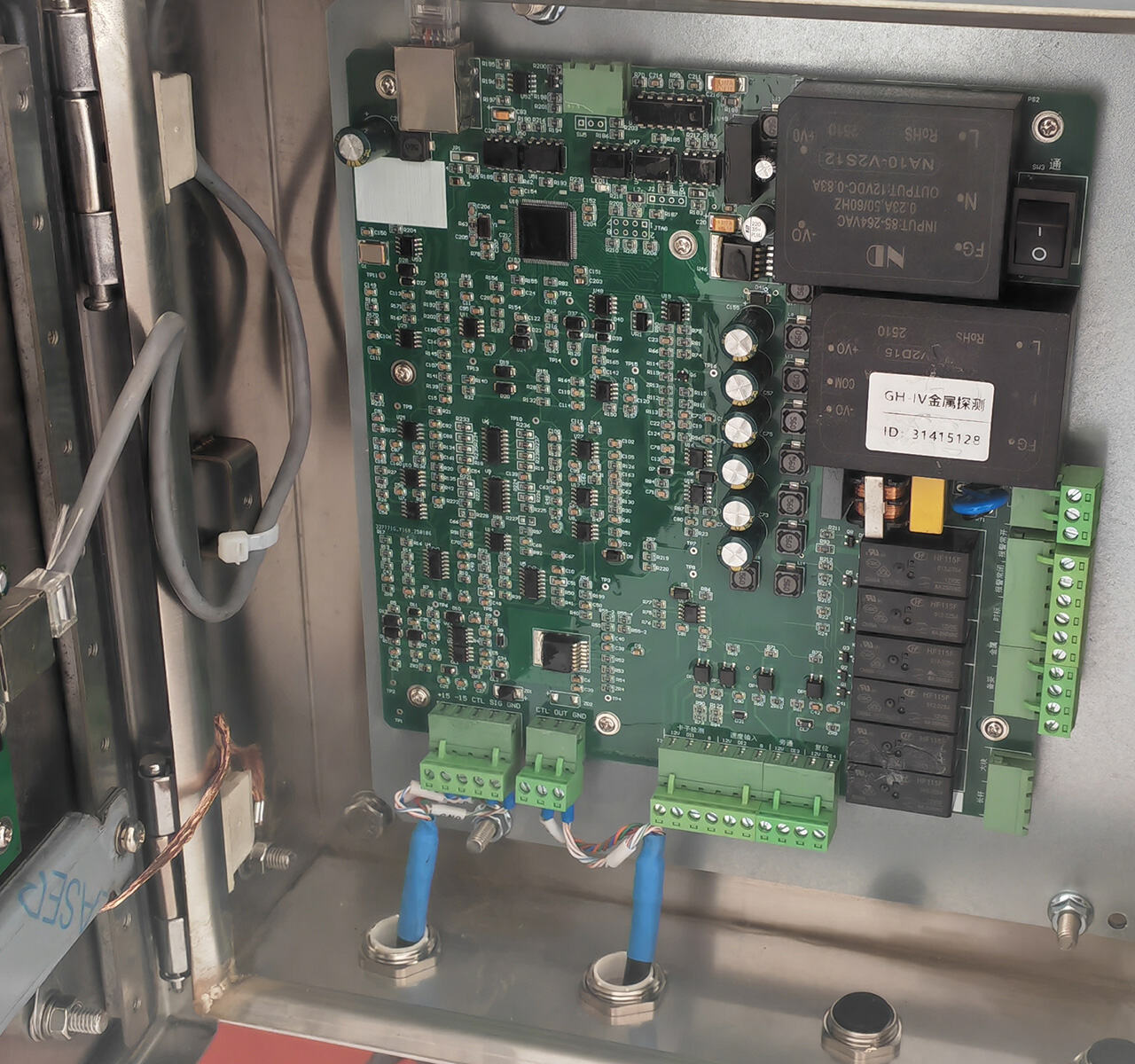
The pulse induction metal detector circuit represents a sophisticated electronic system designed to locate metallic objects buried beneath various surfaces. This advanced technology operates by generating powerful electromagnetic pulses through a search coil, creating magnetic fields that penetrate deep into the ground. When these pulses encounter metallic objects, they induce eddy currents within the metal, which subsequently generate their own magnetic fields. The pulse induction metal detector circuit then analyzes the decay characteristics of these induced signals to determine the presence, size, and approximate depth of buried metals. The fundamental architecture of a pulse induction metal detector circuit consists of several critical components working in harmony. The transmitter section generates high-current pulses at regular intervals, typically ranging from 100 to 1000 pulses per second. These pulses are fed into a search coil, usually constructed from multiple turns of copper wire, which acts as both transmitter and receiver. The receiver circuitry includes sensitive amplification stages, timing circuits, and signal processing units that interpret the reflected electromagnetic signatures. Modern pulse induction metal detector circuits incorporate advanced microprocessor control systems that enable sophisticated discrimination algorithms, allowing users to differentiate between various metal types and filter out unwanted targets. The technological features of pulse induction metal detector circuits include exceptional depth penetration capabilities, superior performance in mineralized soils, and minimal sensitivity to ground conditions that typically interfere with other detection technologies. These circuits excel in challenging environments where traditional metal detectors struggle, such as saltwater beaches, highly mineralized terrain, and areas with significant iron contamination. The pulse induction metal detector circuit finds extensive applications across multiple industries and recreational activities, including archaeological surveys, treasure hunting, security screening, industrial quality control, and military ordnance detection. Professional applications encompass construction site safety inspections, utility line location services, and environmental cleanup operations where metallic debris must be identified and removed.

 EN
EN