Pulse Induction Metal Detector Circuit: Advanced Technology for Superior Metal Detection Performance

All Categories

Get a Free Quote

Our representative will contact you soon.
Email
Mobile/WhatsApp
Name
Company Name
Message
0/1000

pulse induction metal detector circuit

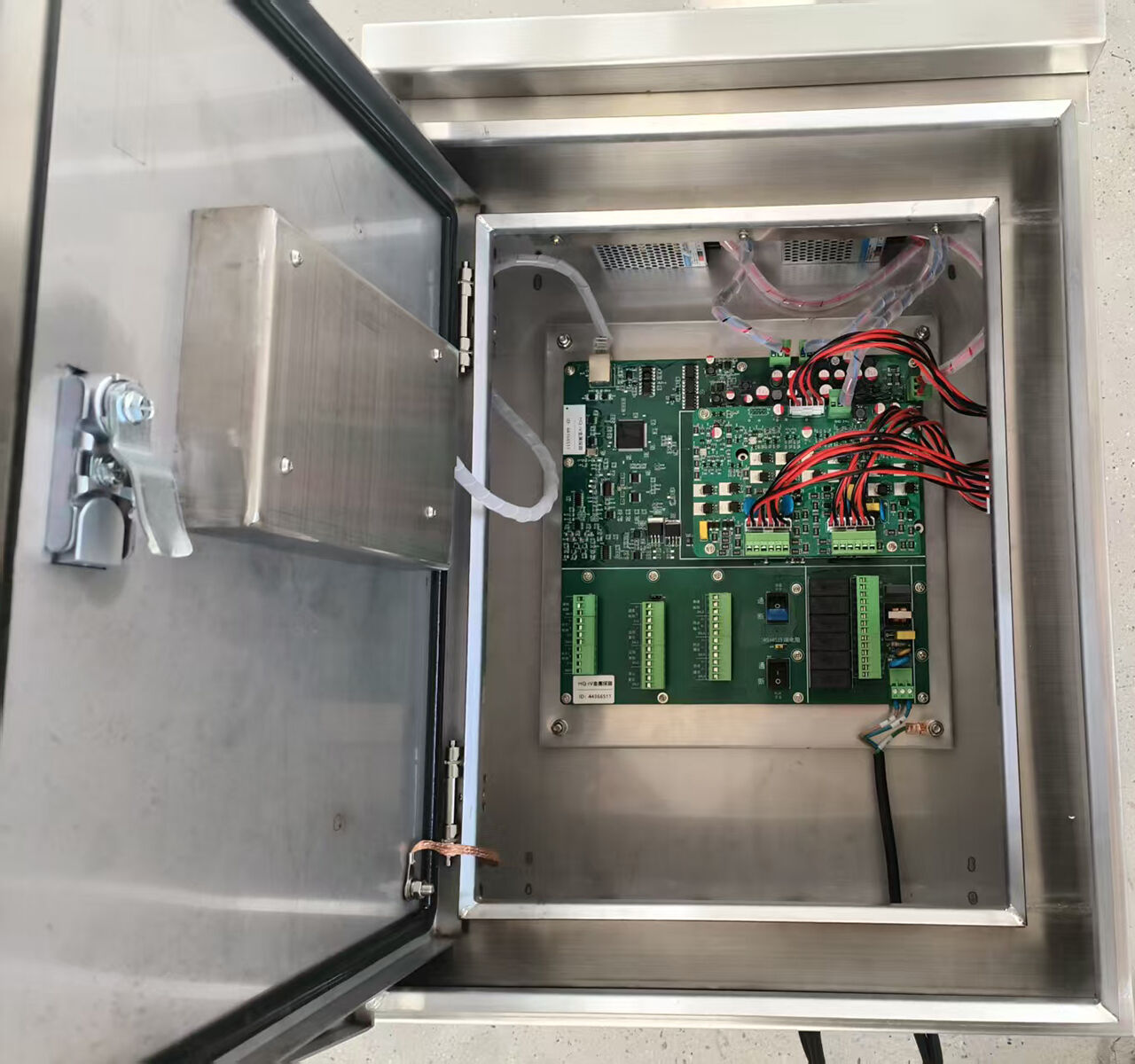
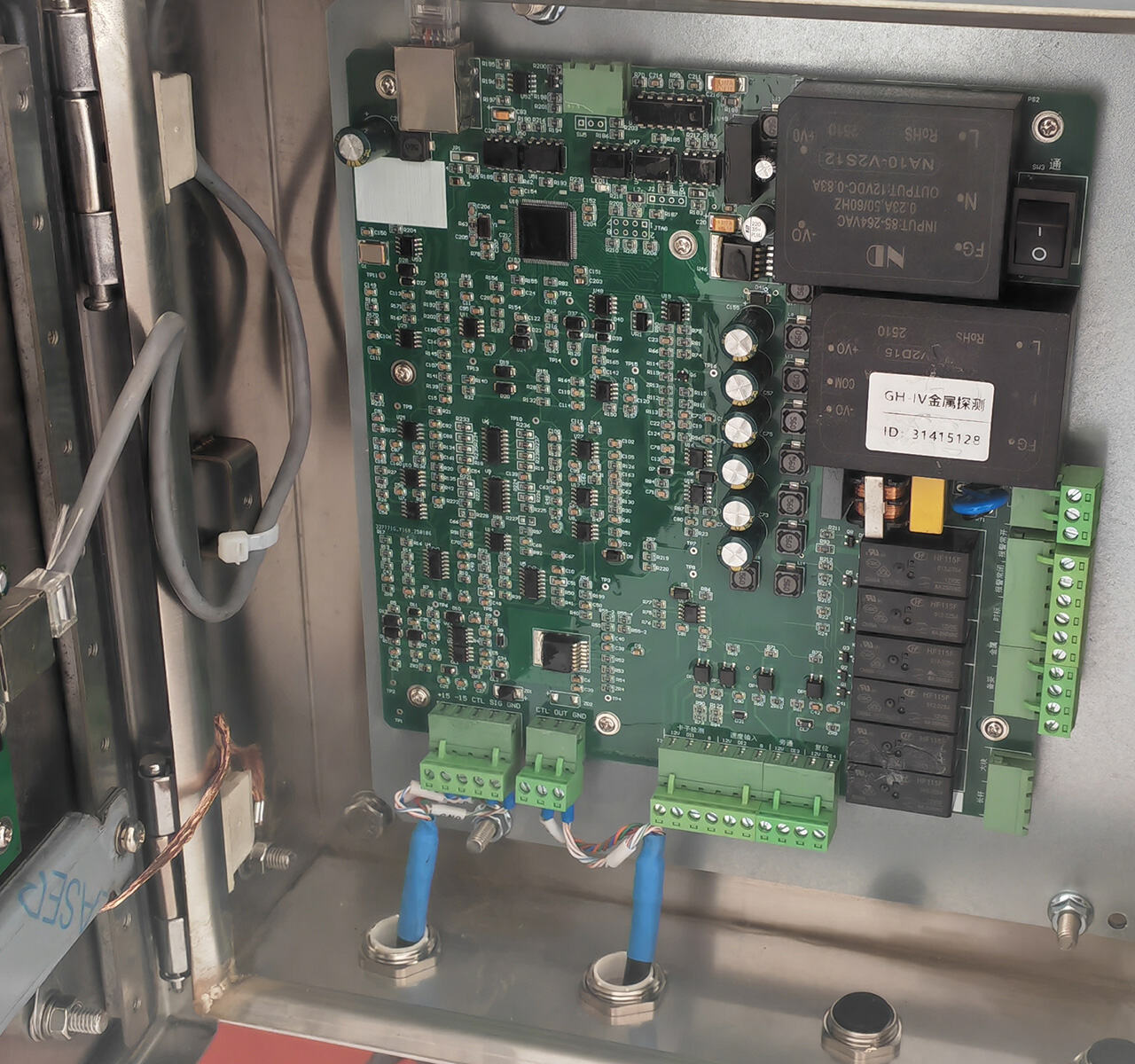
The pulse induction metal detector circuit represents a sophisticated electronic system designed to locate metallic objects buried beneath various surfaces. This advanced technology operates by generating powerful electromagnetic pulses through a search coil, creating magnetic fields that penetrate deep into the ground. When these pulses encounter metallic objects, they induce eddy currents within the metal, which subsequently generate their own magnetic fields. The pulse induction metal detector circuit then analyzes the decay characteristics of these induced signals to determine the presence, size, and approximate depth of buried metals. The fundamental architecture of a pulse induction metal detector circuit consists of several critical components working in harmony. The transmitter section generates high-current pulses at regular intervals, typically ranging from 100 to 1000 pulses per second. These pulses are fed into a search coil, usually constructed from multiple turns of copper wire, which acts as both transmitter and receiver. The receiver circuitry includes sensitive amplification stages, timing circuits, and signal processing units that interpret the reflected electromagnetic signatures. Modern pulse induction metal detector circuits incorporate advanced microprocessor control systems that enable sophisticated discrimination algorithms, allowing users to differentiate between various metal types and filter out unwanted targets. The technological features of pulse induction metal detector circuits include exceptional depth penetration capabilities, superior performance in mineralized soils, and minimal sensitivity to ground conditions that typically interfere with other detection technologies. These circuits excel in challenging environments where traditional metal detectors struggle, such as saltwater beaches, highly mineralized terrain, and areas with significant iron contamination. The pulse induction metal detector circuit finds extensive applications across multiple industries and recreational activities, including archaeological surveys, treasure hunting, security screening, industrial quality control, and military ordnance detection. Professional applications encompass construction site safety inspections, utility line location services, and environmental cleanup operations where metallic debris must be identified and removed.


Popular Products

The pulse induction metal detector circuit offers remarkable advantages that make it superior to conventional detection technologies in numerous scenarios. One of the most significant benefits lies in its exceptional depth penetration capabilities, allowing operators to locate metallic objects buried much deeper than what traditional detectors can achieve. This enhanced depth performance stems from the high-energy pulse transmission system that generates powerful electromagnetic fields capable of penetrating dense materials and reaching greater subsurface depths. Users consistently report successful detection of targets at depths exceeding three feet, with some specialized pulse induction metal detector circuits achieving detection ranges of six feet or more under optimal conditions. The pulse induction metal detector circuit demonstrates outstanding performance in challenging ground conditions where other technologies fail completely. Highly mineralized soils, wet sand, and saltwater environments pose no significant obstacles to these robust circuits. This versatility makes them invaluable for beach hunting, where saltwater creates impossible conditions for standard metal detectors, and for prospecting in mineral-rich areas where ground mineralization typically masks target signals. The circuit design effectively ignores ground mineralization by timing its analysis to occur after ground effects have dissipated, focusing exclusively on metallic target responses. Another crucial advantage involves the simplified operation and maintenance requirements of pulse induction metal detector circuits. These systems require minimal ground balancing adjustments and operate effectively across diverse terrain types without constant recalibration. This user-friendly characteristic makes them ideal for both professional applications and recreational users who need reliable performance without complex setup procedures. The robust construction and fewer sensitive components result in enhanced durability and reduced maintenance costs over extended operational periods. The pulse induction metal detector circuit provides superior target identification capabilities through advanced signal analysis algorithms. Modern circuits incorporate sophisticated discrimination features that help users distinguish between valuable targets and unwanted debris, significantly reducing time spent investigating false signals. The technology excels at detecting various metal types including gold, silver, copper, and ferrous materials with consistent accuracy. Professional users particularly value the reliable performance characteristics that enable confident decision-making during critical detection operations, whether conducting security sweeps, archaeological investigations, or valuable metal recovery projects.

Practical Tips

Mining Metal Detector Sensitivity vs. External Interference

01

Apr

Mining Metal Detector Sensitivity vs. External Interference

Mining metal detector sensitivity represents a critical balance between detection capability and operational reliability in challenging industrial environments. The relationship between sensitivity levels and external interference determines how effe...
View More
Cost-Benefit Analysis of High-End Tramp Metal Detectors

03

Apr

Cost-Benefit Analysis of High-End Tramp Metal Detectors

Investing in high-end tramp metal detector systems requires careful financial evaluation to justify the substantial upfront costs against long-term operational benefits. These sophisticated detection systems command premium prices due to their advanc...
View More
Evaluating Metal Detector Machine Suppliers in 2026

06

Apr

Evaluating Metal Detector Machine Suppliers in 2026

Selecting the right metal detector machine supplier has become increasingly complex in 2026, as businesses face evolving security requirements, technological advancements, and supply chain considerations. The metal detector machine market has expande...
View More
Common Industrial Applications for Tramp Metal Detectors

13

Apr

Common Industrial Applications for Tramp Metal Detectors

Industrial facilities across manufacturing, mining, and processing sectors face constant challenges from unwanted metallic contamination that can damage equipment, compromise product quality, and create safety hazards. A tramp metal detector serves a...
View More

Get a Free Quote

Our representative will contact you soon.
Email
Mobile/WhatsApp
Name
Company Name
Message
0/1000

pulse induction metal detector circuit

Superior Depth Penetration Technology

Superior Depth Penetration Technology

The pulse induction metal detector circuit achieves unmatched depth penetration through its innovative electromagnetic pulse transmission system, representing a revolutionary advancement in metal detection technology. This sophisticated circuit generates extremely powerful electromagnetic pulses that create intense magnetic fields capable of penetrating deep into various subsurface materials. Unlike conventional detection systems that rely on continuous wave transmission, the pulse induction metal detector circuit operates by sending discrete, high-energy bursts through its search coil at precisely timed intervals. These powerful pulses create magnetic fields that extend far beyond the capabilities of traditional detectors, enabling the location of metallic objects buried at extraordinary depths. The superior depth performance results from the circuit's ability to generate and analyze electromagnetic responses over extended time periods, allowing the system to detect even weak signals reflected from deeply buried targets. Professional users consistently report successful detection of large metallic objects at depths exceeding six feet, with smaller items regularly found at depths of three to four feet under normal soil conditions. This exceptional depth capability proves invaluable for archaeological applications where historical artifacts may be buried at significant depths, treasure hunting activities targeting deep caches, and industrial applications requiring thorough subsurface scanning. The pulse induction metal detector circuit maintains its depth advantage across various soil types and environmental conditions, making it the preferred choice for serious detection work. The technology's depth superiority becomes particularly apparent when operating in challenging conditions such as highly compacted soils, rocky terrain, or areas with significant overburden. Construction professionals rely on these circuits for locating buried utilities and infrastructure components that conventional detectors cannot reach, while security personnel use them for comprehensive area sweeps where maximum depth coverage is essential for thorough inspection protocols.
Exceptional Ground Condition Tolerance

Exceptional Ground Condition Tolerance

The pulse induction metal detector circuit demonstrates remarkable resilience in challenging ground conditions that render conventional metal detectors completely ineffective, making it an indispensable tool for diverse environmental applications. This exceptional ground tolerance stems from the circuit's unique operational methodology, which effectively eliminates interference from mineralized soils, saltwater contamination, and various ground composition factors that typically plague traditional detection systems. The pulse induction metal detector circuit achieves this superior performance through its timing-based analysis approach, where the system waits for ground-related electromagnetic effects to dissipate before analyzing target responses. This innovative technique allows the circuit to operate successfully in highly mineralized areas where iron-rich soils create overwhelming interference for other technologies. Beach detection represents one of the most demanding environments for metal detection equipment, with saltwater creating conductive conditions that generate false signals and mask legitimate targets in conventional systems. The pulse induction metal detector circuit excels in these challenging saltwater environments, maintaining consistent detection performance regardless of sand moisture content or salt concentration levels. This capability makes it the preferred choice for beachcombing enthusiasts and professional recovery operations along coastal areas. Similarly, the circuit performs exceptionally well in desert regions with high mineral content, mountainous areas with iron-rich soils, and agricultural fields where fertilizer applications have altered ground conductivity. The pulse induction metal detector circuit requires minimal ground balancing adjustments, eliminating the constant recalibration procedures necessary with other detection technologies. This operational simplicity proves particularly valuable for users working across multiple terrain types during single detection sessions, as the circuit automatically adapts to changing ground conditions without manual intervention. Professional applications benefit tremendously from this ground-independent operation, enabling consistent performance during security sweeps, archaeological surveys, and utility location projects where ground conditions vary significantly across the search area.
Advanced Target Discrimination Capabilities

Advanced Target Discrimination Capabilities

The pulse induction metal detector circuit incorporates sophisticated target discrimination technology that revolutionizes metal detection accuracy and efficiency through advanced signal processing algorithms. This cutting-edge discrimination system analyzes the unique electromagnetic signature characteristics of different metallic materials, enabling users to distinguish between valuable targets and unwanted debris with remarkable precision. The pulse induction metal detector circuit achieves this discrimination capability by examining multiple parameters of the reflected electromagnetic signals, including signal decay rates, amplitude variations, and frequency response patterns that are unique to specific metal types. Modern pulse induction metal detector circuits feature programmable discrimination settings that allow users to customize detection preferences based on their specific requirements. Treasure hunters can configure the system to prioritize precious metals like gold and silver while filtering out common iron debris, significantly reducing time spent investigating worthless targets. Archaeological applications benefit from discrimination settings that highlight historically significant materials such as bronze, copper, and brass artifacts while ignoring modern contamination. The advanced processing capabilities of the pulse induction metal detector circuit enable real-time target analysis, providing immediate feedback about detected objects through sophisticated audio and visual indicator systems. These discrimination features prove particularly valuable in heavily contaminated areas where numerous metallic objects create challenging detection environments. The circuit's ability to differentiate between target types allows users to focus their efforts on potentially valuable discoveries while bypassing obvious junk items. Professional security applications utilize the discrimination capabilities to identify specific threat materials while ignoring harmless metallic objects, streamlining inspection procedures and reducing false alarm incidents. The pulse induction metal detector circuit maintains discrimination accuracy across various depths and soil conditions, ensuring consistent target identification performance regardless of environmental challenges. This reliability makes it an essential tool for professional users who require confident target classification for critical decision-making processes, whether conducting valuable metal recovery operations, historical research projects, or comprehensive security screening procedures.

Get a Free Quote

Our representative will contact you soon.
Email
Mobile/WhatsApp
Name
Company Name
Message
0/1000