industrial pulse metal detector
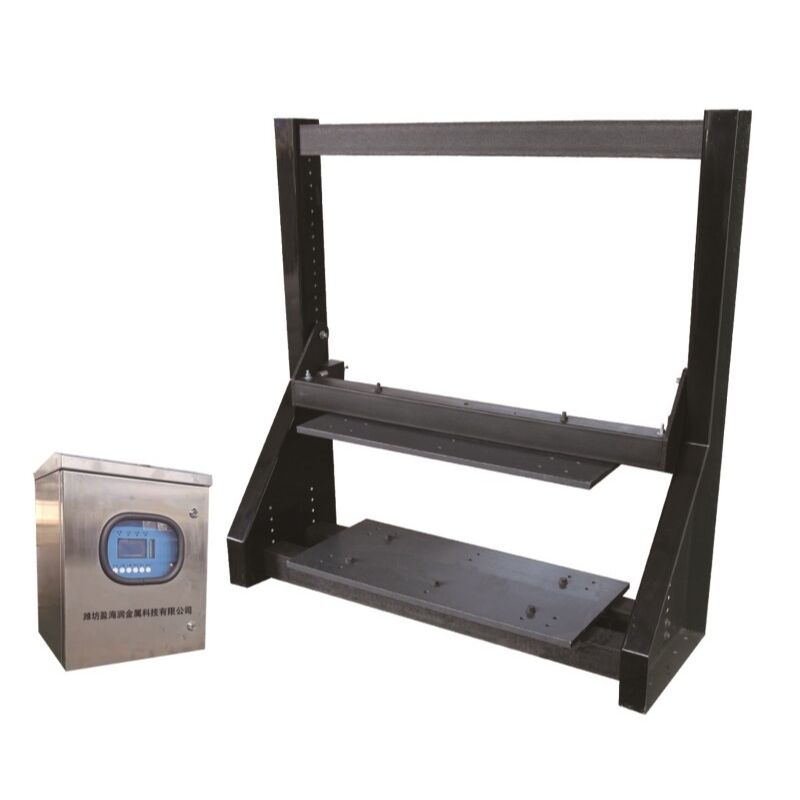
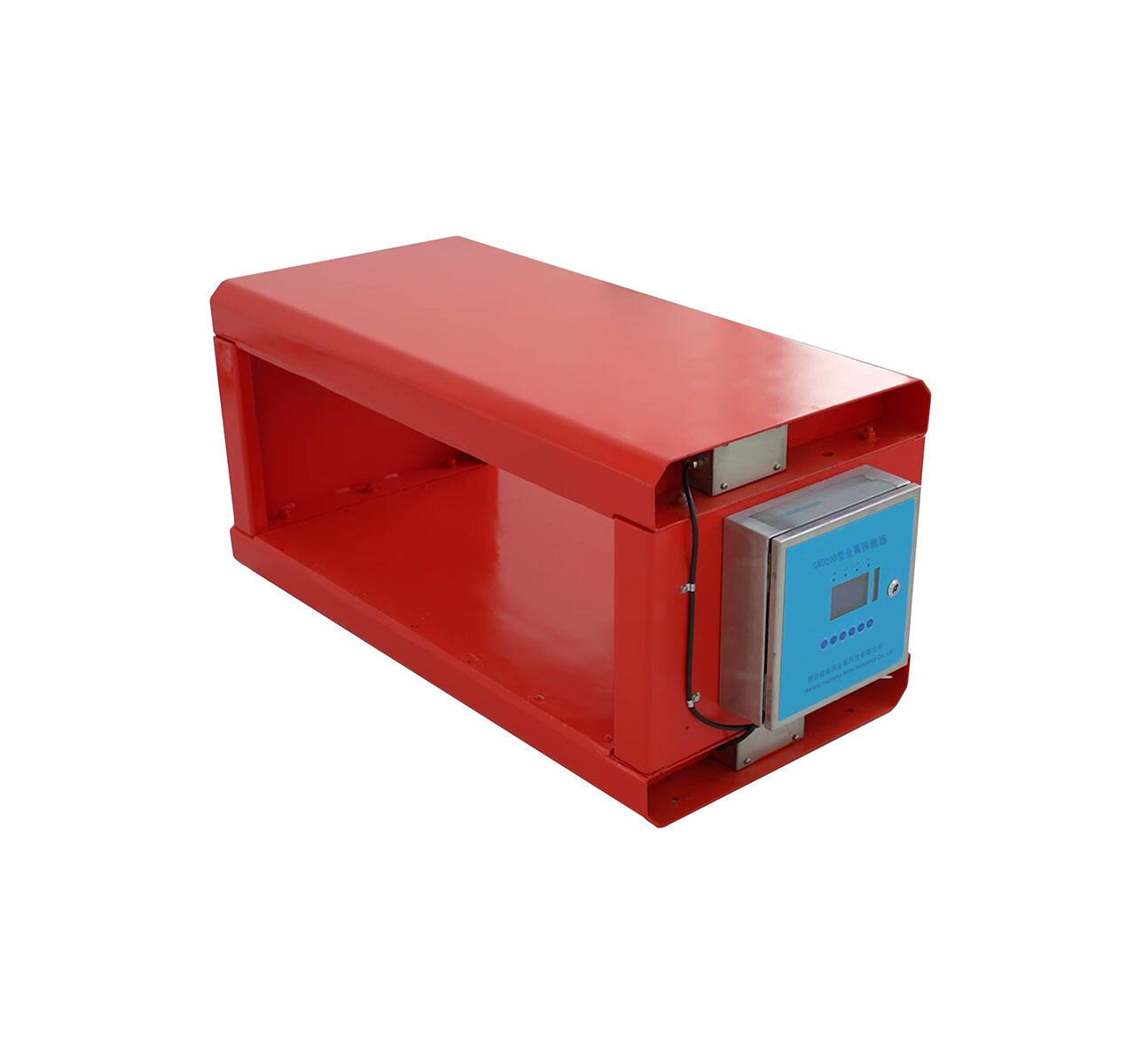
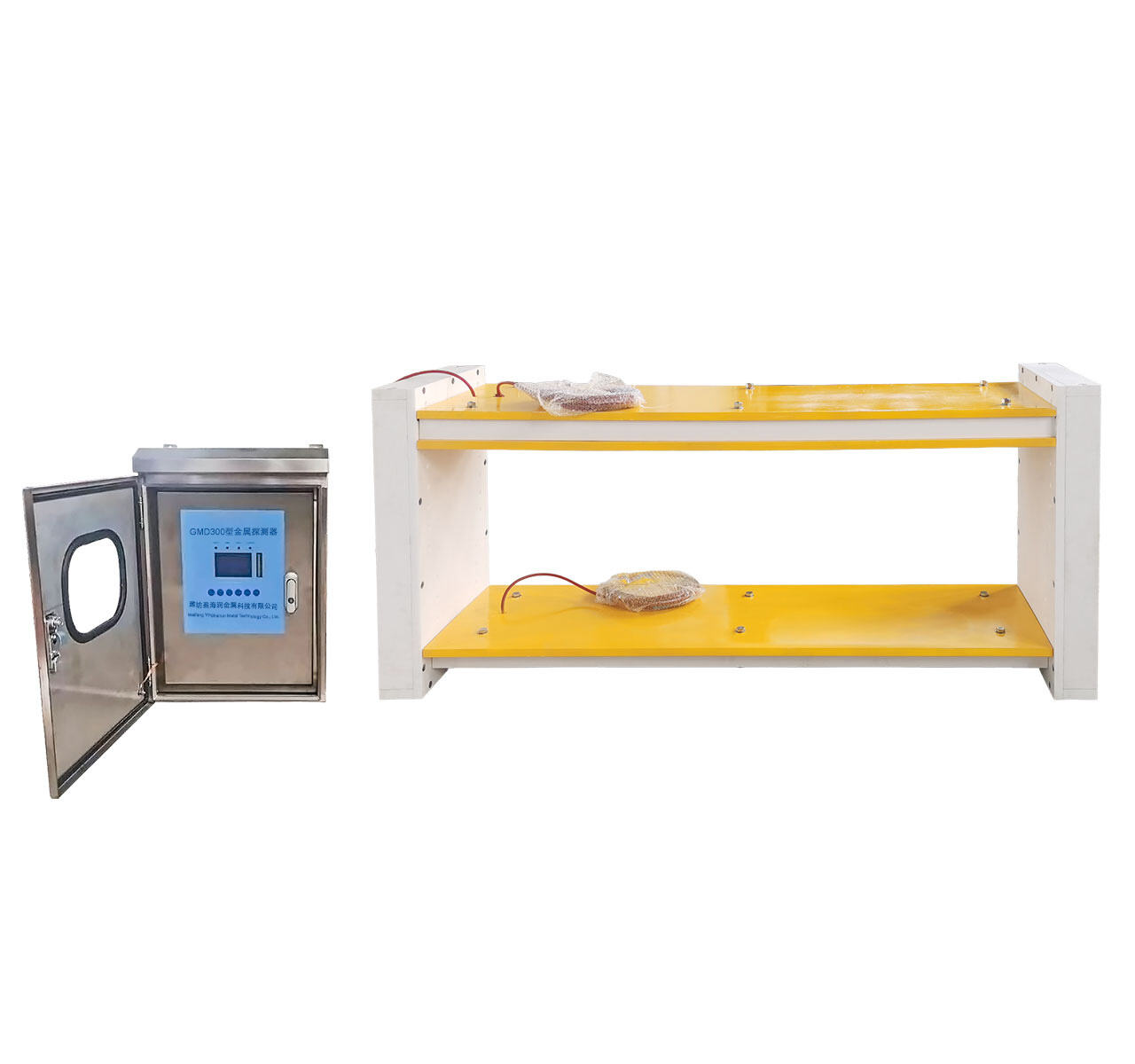
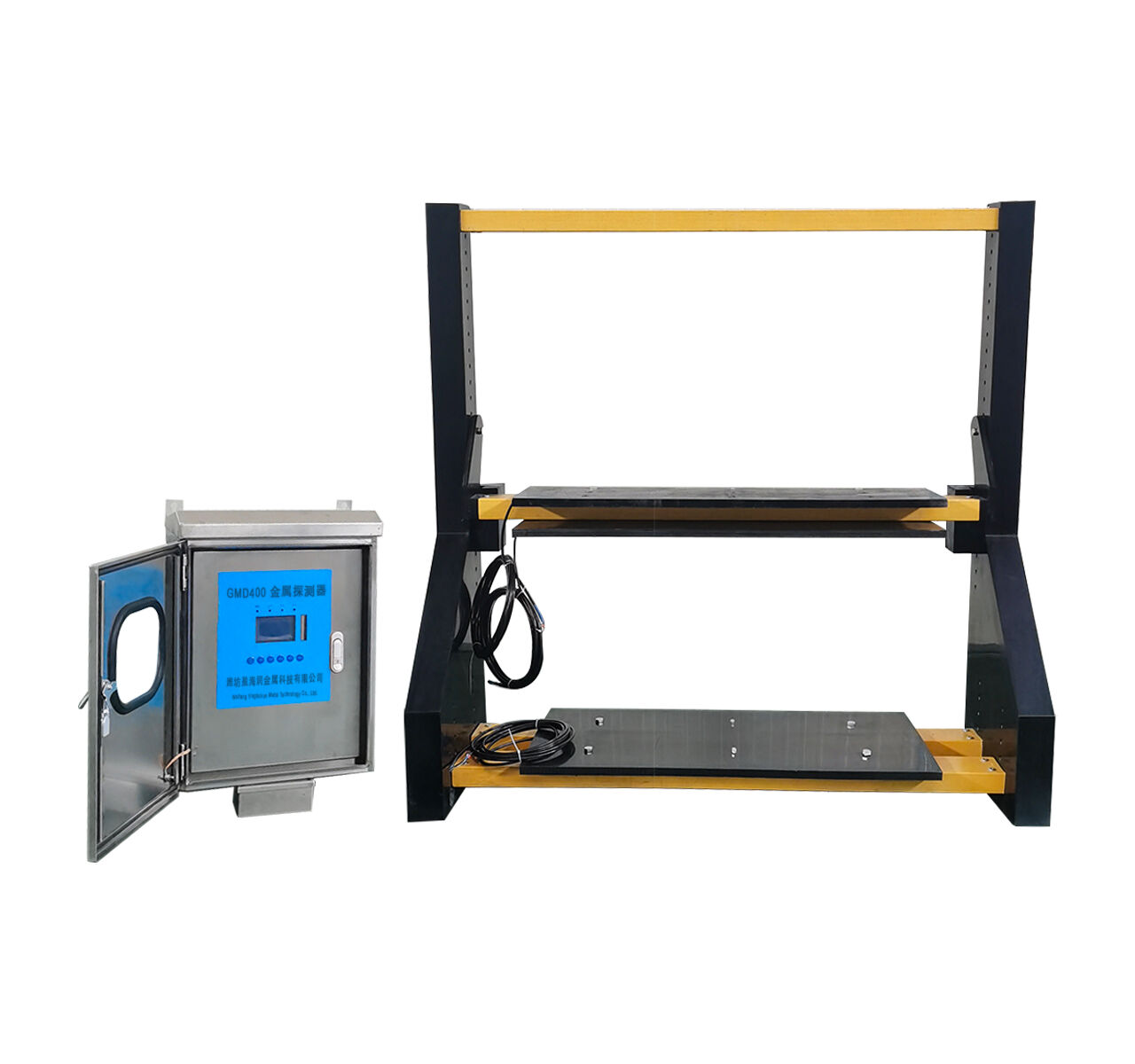
An industrial pulse metal detector represents a sophisticated piece of equipment designed to identify metallic contaminants in various manufacturing and processing environments. This advanced detection system utilizes pulse induction technology to generate electromagnetic fields that can penetrate through different materials and locate metal objects with exceptional precision. The industrial pulse metal detector operates by transmitting short bursts of electrical current through a search coil, creating powerful magnetic fields that induce eddy currents in nearby metallic objects. When these eddy currents decay, they produce distinct magnetic signatures that the detector's sensitive circuitry can interpret and analyze. The primary function of an industrial pulse metal detector centers around contamination prevention and quality control in production lines. These systems excel at detecting ferrous metals, non-ferrous metals, and even stainless steel particles that might compromise product integrity or pose safety risks to consumers. The technological features of modern industrial pulse metal detectors include advanced digital signal processing, multiple frequency capabilities, and intelligent discrimination algorithms that minimize false alarms while maintaining high sensitivity levels. Many units incorporate conveyor integration systems, automatic reject mechanisms, and real-time monitoring capabilities that seamlessly integrate with existing production workflows. The applications for industrial pulse metal detectors span across numerous sectors including food processing, pharmaceutical manufacturing, textile production, recycling operations, and mining industries. In food production facilities, these detectors ensure consumer safety by identifying metal fragments that might have entered products during processing or packaging. Pharmaceutical companies rely on industrial pulse metal detectors to maintain strict quality standards and comply with regulatory requirements. The versatility of pulse technology makes these detectors particularly effective in challenging environments where other detection methods might struggle, such as areas with high moisture content, varying temperatures, or the presence of mineralized soils and conductive materials.

 EN
EN