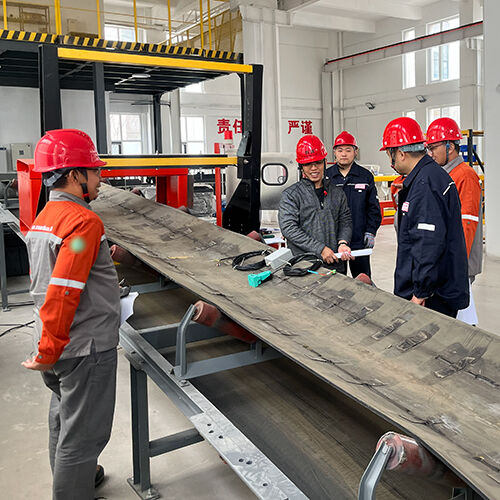
Industrial Pulse Metal Detector - Advanced Contamination Detection for Manufacturing Excellence

All Categories

Get a Free Quote

Our representative will contact you soon.
Email
Mobile/WhatsApp
Name
Company Name
Message
0/1000

industrial pulse metal detector

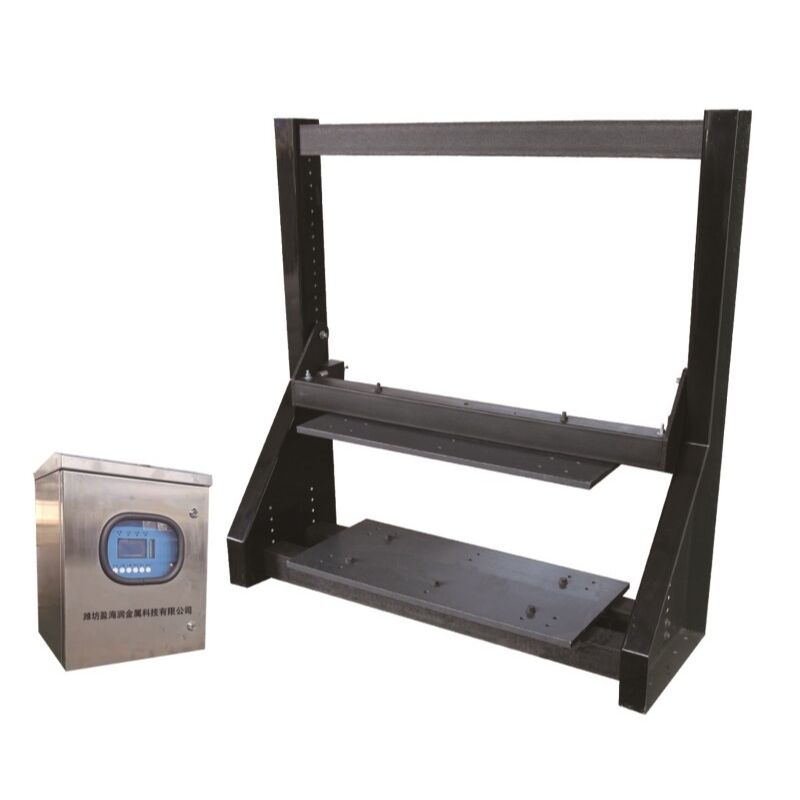
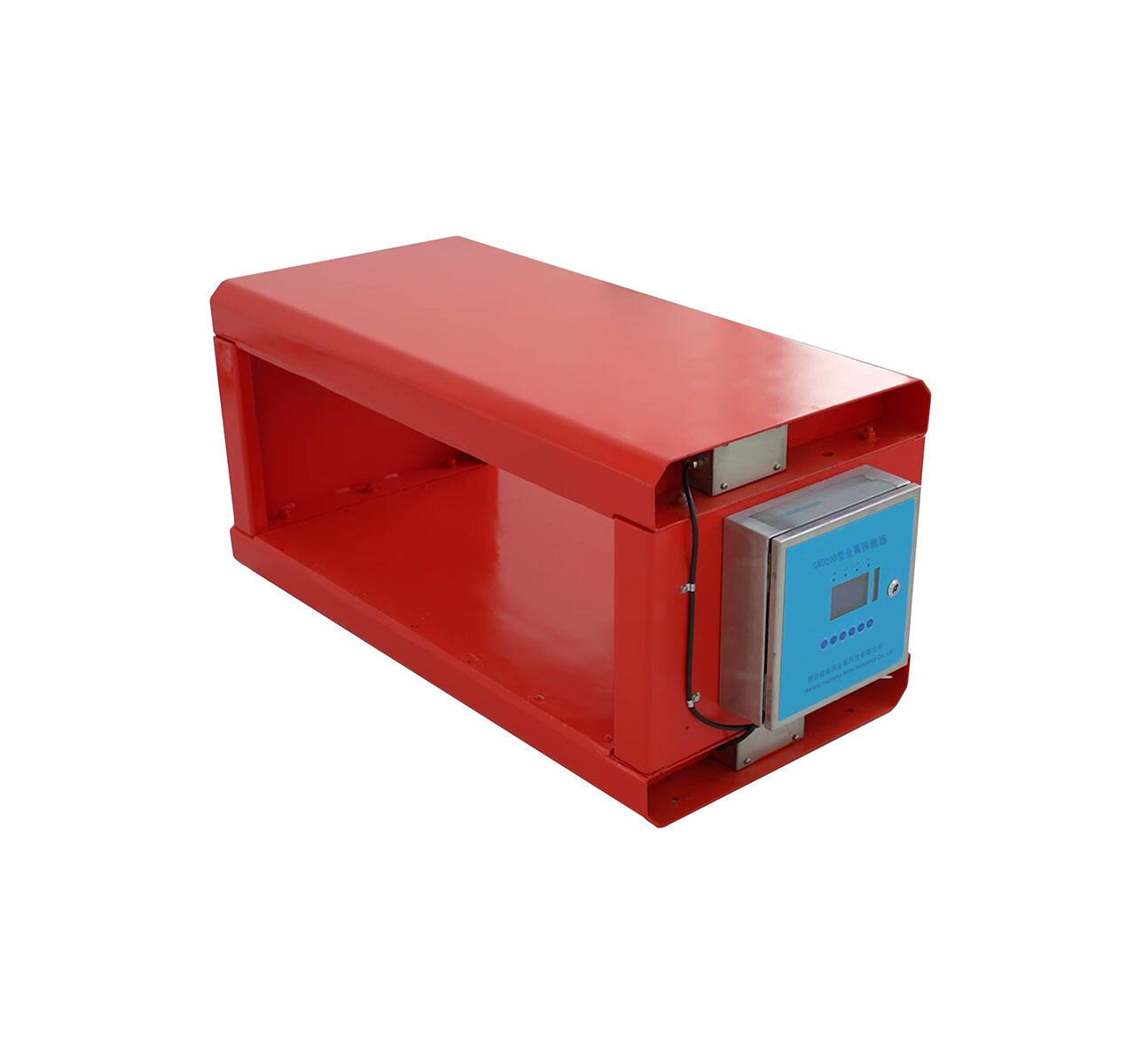
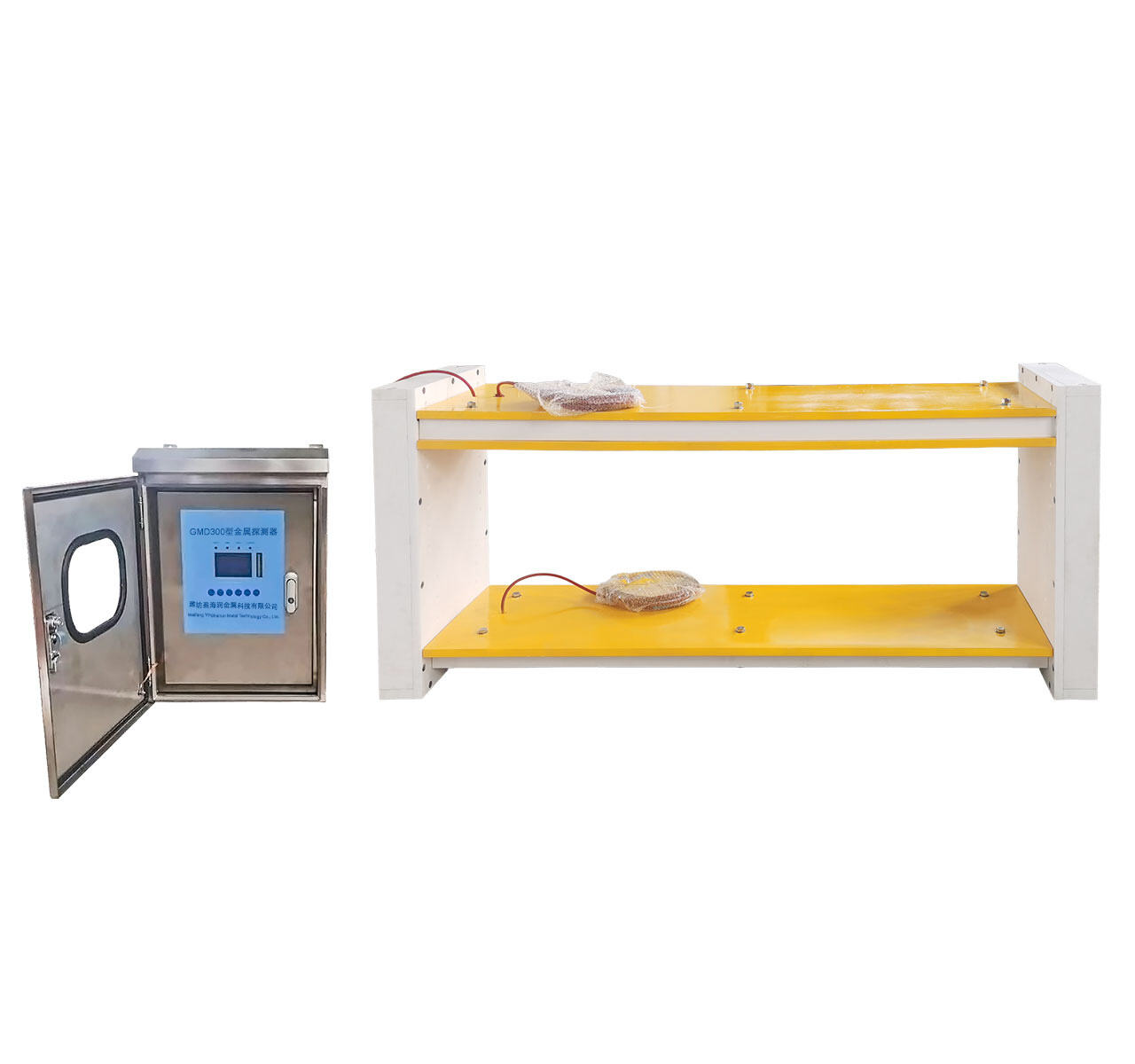
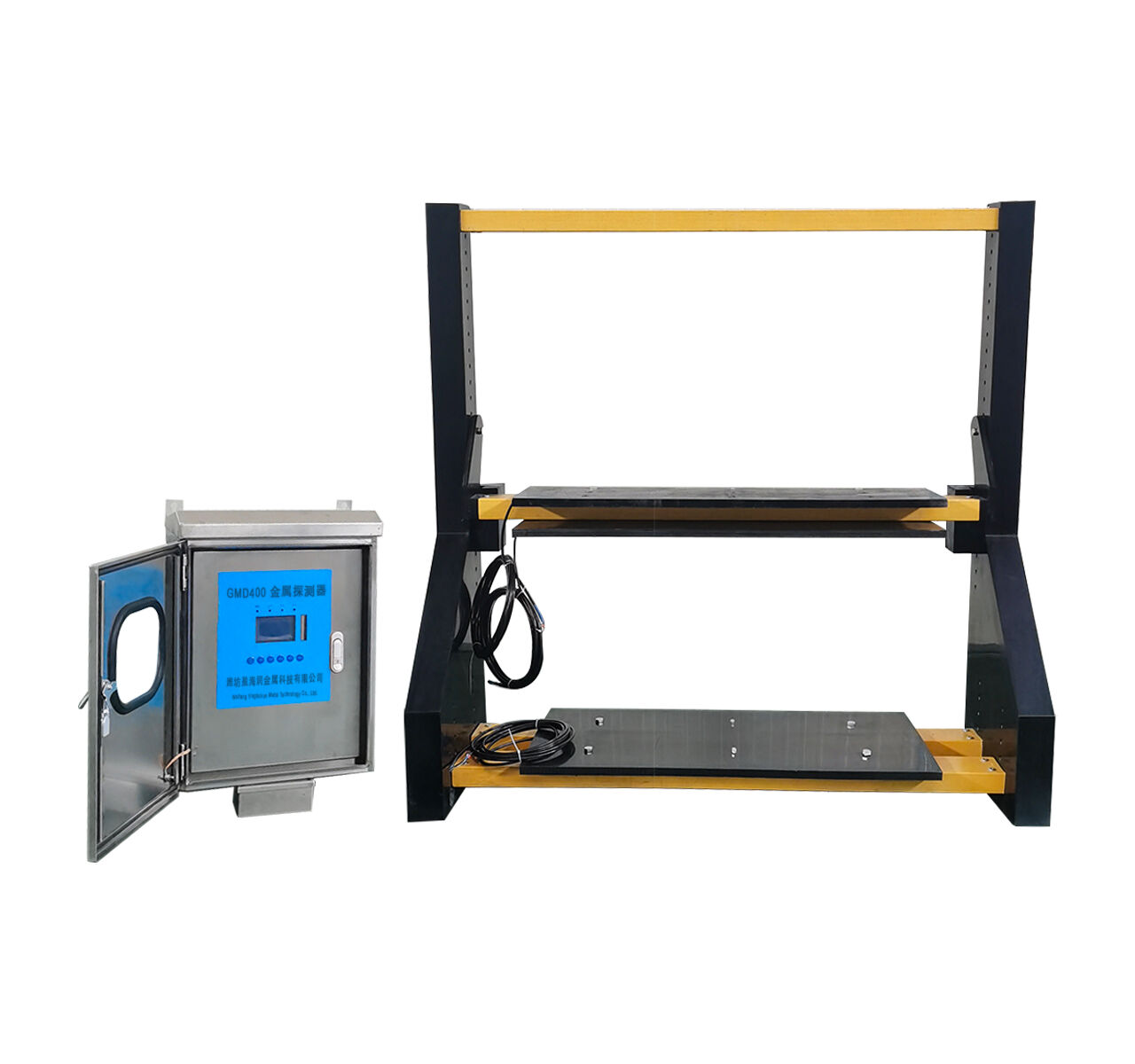
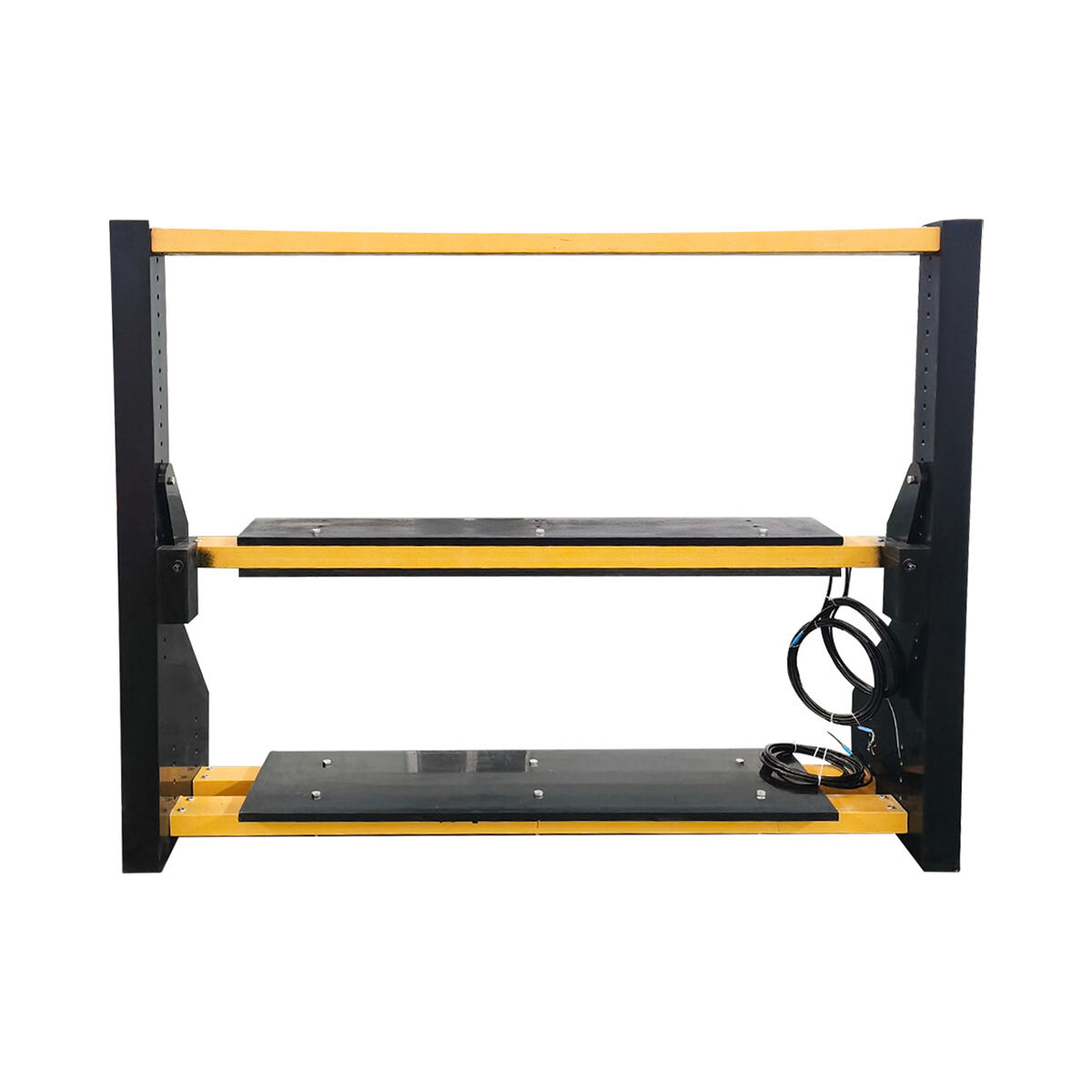
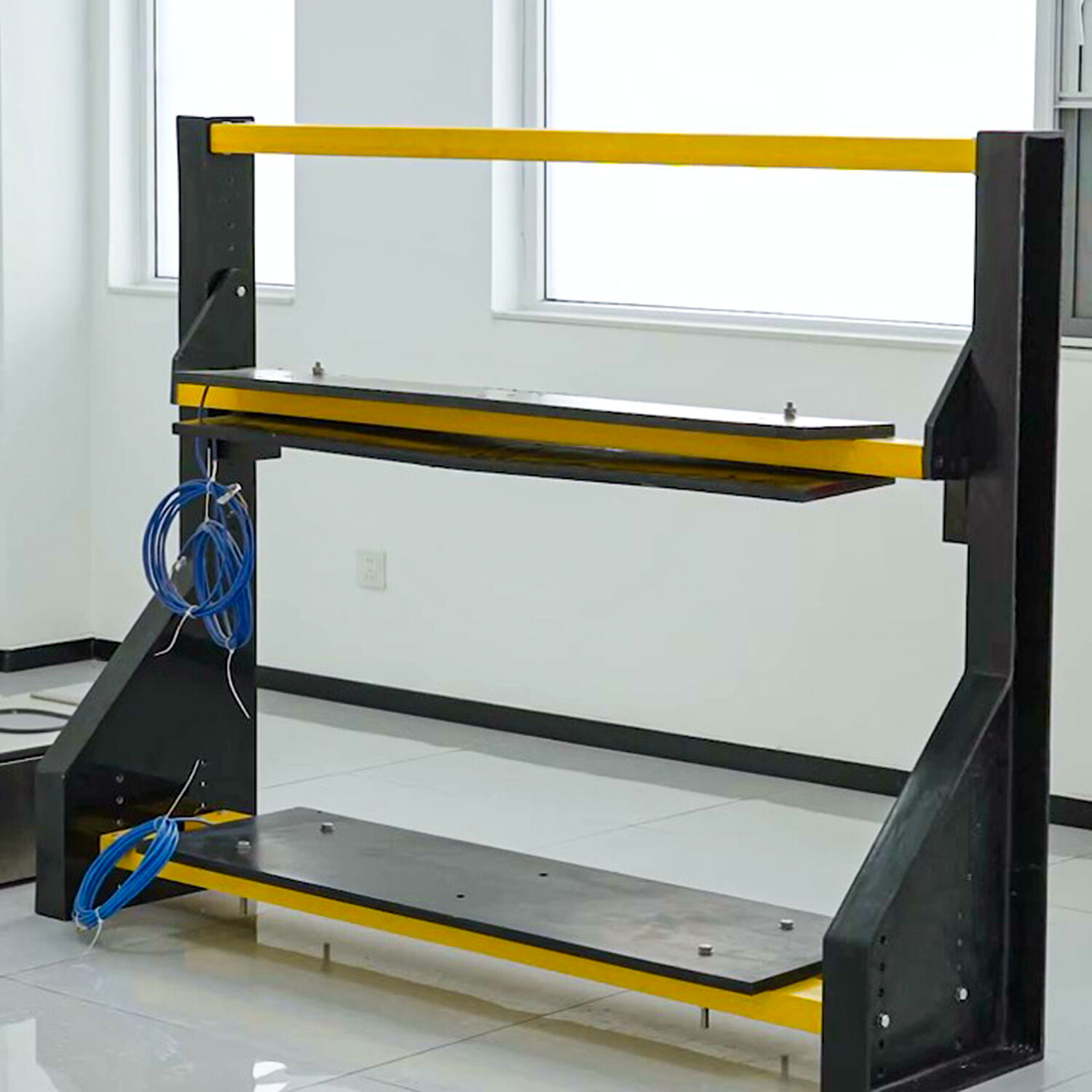
An industrial pulse metal detector represents a sophisticated piece of equipment designed to identify metallic contaminants in various manufacturing and processing environments. This advanced detection system utilizes pulse induction technology to generate electromagnetic fields that can penetrate through different materials and locate metal objects with exceptional precision. The industrial pulse metal detector operates by transmitting short bursts of electrical current through a search coil, creating powerful magnetic fields that induce eddy currents in nearby metallic objects. When these eddy currents decay, they produce distinct magnetic signatures that the detector's sensitive circuitry can interpret and analyze. The primary function of an industrial pulse metal detector centers around contamination prevention and quality control in production lines. These systems excel at detecting ferrous metals, non-ferrous metals, and even stainless steel particles that might compromise product integrity or pose safety risks to consumers. The technological features of modern industrial pulse metal detectors include advanced digital signal processing, multiple frequency capabilities, and intelligent discrimination algorithms that minimize false alarms while maintaining high sensitivity levels. Many units incorporate conveyor integration systems, automatic reject mechanisms, and real-time monitoring capabilities that seamlessly integrate with existing production workflows. The applications for industrial pulse metal detectors span across numerous sectors including food processing, pharmaceutical manufacturing, textile production, recycling operations, and mining industries. In food production facilities, these detectors ensure consumer safety by identifying metal fragments that might have entered products during processing or packaging. Pharmaceutical companies rely on industrial pulse metal detectors to maintain strict quality standards and comply with regulatory requirements. The versatility of pulse technology makes these detectors particularly effective in challenging environments where other detection methods might struggle, such as areas with high moisture content, varying temperatures, or the presence of mineralized soils and conductive materials.


Popular Products

The industrial pulse metal detector offers numerous practical benefits that directly impact operational efficiency and product quality in manufacturing environments. These systems provide unmatched detection capabilities that significantly reduce the risk of contaminated products reaching consumers, thereby protecting brand reputation and avoiding costly recalls. Unlike conventional detection technologies, the industrial pulse metal detector maintains consistent performance across diverse operating conditions, including environments with high moisture levels, temperature fluctuations, and mineral-rich surroundings that typically interfere with other detection methods. The robust construction of these detectors ensures reliable operation even in demanding industrial settings where dust, vibration, and harsh chemicals are common factors. Users benefit from reduced maintenance requirements and lower total cost of ownership compared to alternative detection technologies. The industrial pulse metal detector delivers superior sensitivity levels that enable detection of extremely small metal particles, often measuring just fractions of a millimeter, which provides comprehensive protection against contamination risks. These systems integrate seamlessly with existing production lines, minimizing disruption to established workflows while maximizing throughput efficiency. The advanced discrimination features allow operators to distinguish between different types of metals, reducing false alarms and preventing unnecessary production interruptions. This selective detection capability proves particularly valuable in environments where certain metals are expected components while others represent contamination threats. The industrial pulse metal detector requires minimal operator training due to intuitive control interfaces and automated calibration procedures that simplify daily operations. Energy efficiency represents another significant advantage, as these systems consume considerably less power than comparable detection technologies while maintaining peak performance levels. The digital processing capabilities provide detailed reporting and data logging features that support quality management systems and regulatory compliance requirements. Real-time monitoring and alert systems enable immediate response to detection events, preventing contaminated products from advancing through production stages. The versatility of industrial pulse metal detectors allows single units to handle multiple product types and packaging configurations, reducing equipment investment costs and simplifying facility layouts. These detectors offer exceptional value through extended service life, consistent accuracy, and adaptability to evolving production requirements.

Tips And Tricks

How Conveyor Belt Detectors Improve Food Safety Compliance

02

Apr

How Conveyor Belt Detectors Improve Food Safety Compliance

Food safety compliance has become increasingly critical in today's manufacturing environment, where contamination incidents can result in massive recalls, regulatory penalties, and permanent damage to brand reputation. The implementation of a conveyo...
View More
Cost-Benefit Analysis of High-End Tramp Metal Detectors

03

Apr

Cost-Benefit Analysis of High-End Tramp Metal Detectors

Investing in high-end tramp metal detector systems requires careful financial evaluation to justify the substantial upfront costs against long-term operational benefits. These sophisticated detection systems command premium prices due to their advanc...
View More
Evaluating Metal Detector Machine Suppliers in 2026

06

Apr

Evaluating Metal Detector Machine Suppliers in 2026

Selecting the right metal detector machine supplier has become increasingly complex in 2026, as businesses face evolving security requirements, technological advancements, and supply chain considerations. The metal detector machine market has expande...
View More
Understanding the Components of a Metal Detector Machine

08

Apr

Understanding the Components of a Metal Detector Machine

A metal detector machine consists of several interconnected components that work together to identify metallic objects beneath the surface or within materials. Understanding these fundamental components is essential for anyone working with metal dete...
View More

Get a Free Quote

Our representative will contact you soon.
Email
Mobile/WhatsApp
Name
Company Name
Message
0/1000

industrial pulse metal detector

Advanced Pulse Induction Technology

Advanced Pulse Induction Technology

The industrial pulse metal detector leverages cutting-edge pulse induction technology that sets it apart from traditional metal detection systems in both performance and reliability. This sophisticated approach generates powerful electromagnetic pulses through precision-engineered coils, creating magnetic fields that penetrate deeply into products and packaging materials without being affected by moisture content, temperature variations, or product composition. The pulse induction method used in these industrial pulse metal detector systems produces short, intense bursts of electrical current that create transient magnetic fields capable of inducing eddy currents in any metallic objects within the detection zone. As these induced currents decay, they generate unique electromagnetic signatures that the detector's advanced circuitry can accurately interpret and analyze. This technology proves particularly effective because it operates independently of the conductivity characteristics of the surrounding environment, making the industrial pulse metal detector highly suitable for challenging applications where conventional detection methods struggle. The pulse timing and intensity can be precisely controlled and optimized for specific applications, allowing operators to achieve maximum sensitivity for target contaminants while minimizing interference from environmental factors. The digital signal processing capabilities built into modern industrial pulse metal detector systems enable real-time analysis of complex electromagnetic patterns, providing exceptional discrimination between different types of metallic objects and reducing false alarm rates significantly. This technology excels in detecting non-ferrous metals such as aluminum, copper, and brass, which can be particularly challenging for other detection methods to identify reliably. The pulse induction approach also demonstrates superior performance when detecting stainless steel particles, which pose unique challenges due to their low magnetic permeability characteristics. The industrial pulse metal detector utilizing this technology maintains consistent sensitivity levels regardless of product flow rates, conveyor speeds, or batch variations, ensuring reliable contamination detection across all production scenarios.
Comprehensive Multi-Metal Detection Capability

Comprehensive Multi-Metal Detection Capability

The industrial pulse metal detector excels in providing comprehensive detection coverage across all categories of metallic contaminants, delivering unparalleled protection against diverse contamination risks in manufacturing environments. This versatile detection capability encompasses ferrous metals including iron and steel fragments, non-ferrous metals such as aluminum, copper, brass, and zinc, as well as challenging stainless steel particles that often evade detection by conventional systems. The multi-metal detection strength of the industrial pulse metal detector stems from its sophisticated electromagnetic field generation and analysis capabilities that can identify metallic objects regardless of their magnetic properties or conductivity characteristics. This comprehensive approach ensures that no potential contaminants escape detection, providing manufacturers with complete confidence in their quality control processes. The industrial pulse metal detector achieves remarkable sensitivity levels across all metal types, often detecting particles as small as 0.5 millimeters in diameter, depending on the metal composition and operating conditions. This exceptional sensitivity proves crucial in industries where even microscopic metal fragments can pose serious safety risks or compromise product quality standards. The system's ability to simultaneously monitor for multiple metal types eliminates the need for multiple detection stations, streamlining production lines and reducing equipment investment costs. Advanced algorithms built into the industrial pulse metal detector enable intelligent discrimination between acceptable metal components and unwanted contaminants, particularly valuable in applications where products may legitimately contain certain metallic elements such as staples, clips, or foil packaging. The detection consistency remains stable across varying product densities, moisture levels, and temperature conditions, ensuring reliable performance regardless of environmental factors that might affect other detection technologies. The industrial pulse metal detector maintains its multi-metal detection capabilities even when processing products with high salt content, acidic compositions, or other challenging characteristics that typically interfere with electromagnetic detection systems. This comprehensive detection approach supports strict quality assurance protocols and helps manufacturers maintain compliance with industry regulations and safety standards while protecting consumers from potential hazards.
Seamless Production Line Integration

Seamless Production Line Integration

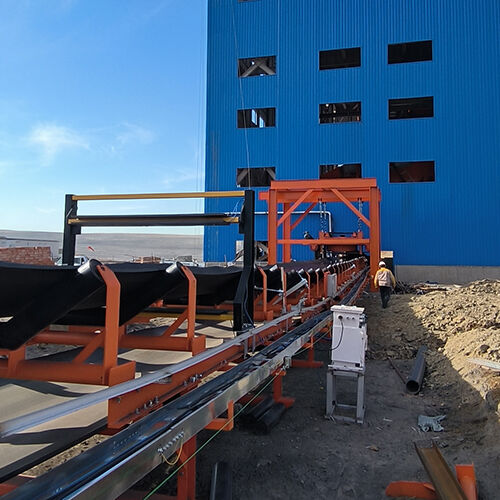
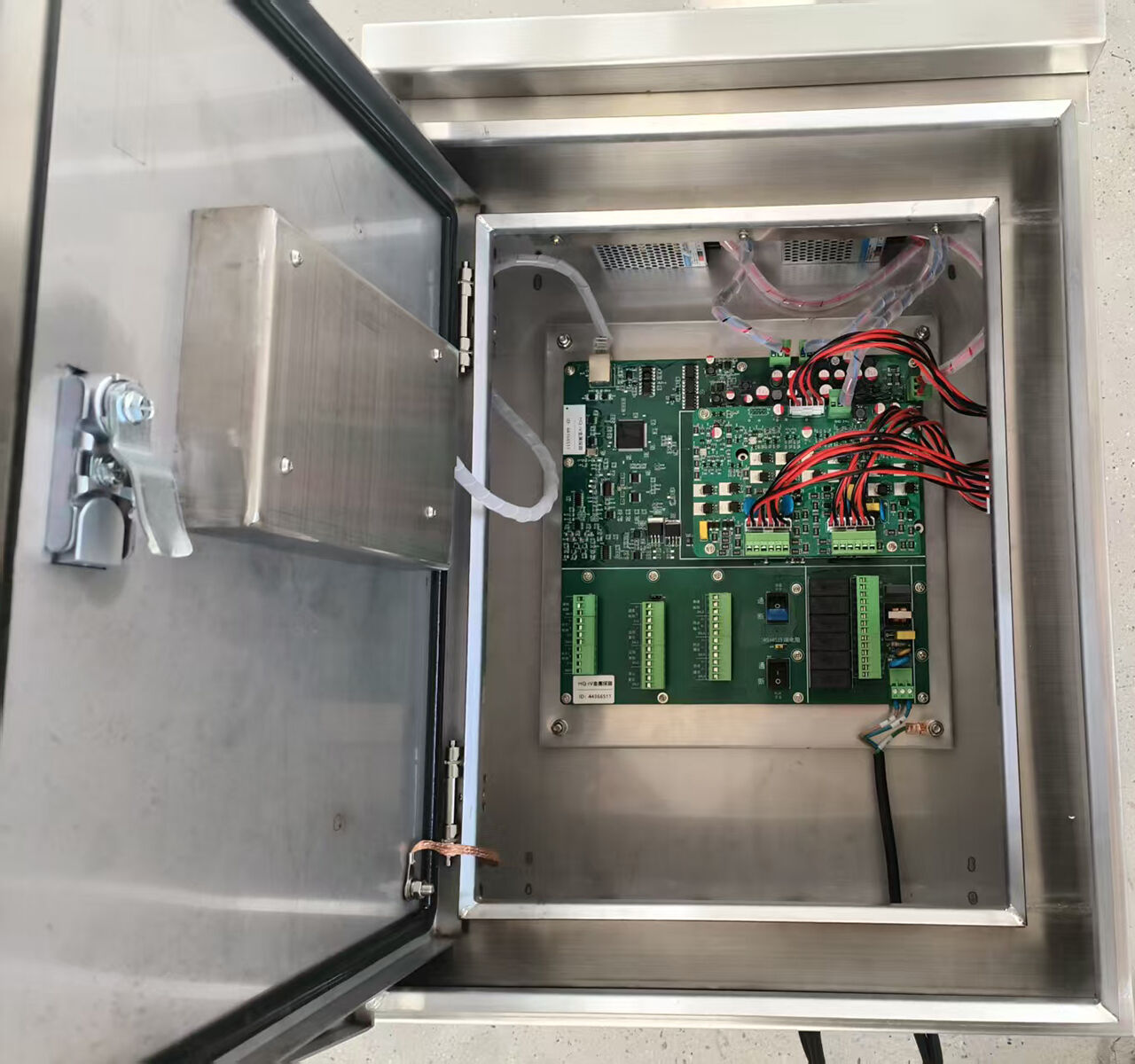
The industrial pulse metal detector demonstrates exceptional integration capabilities that allow seamless incorporation into existing production workflows without disrupting established manufacturing processes or requiring extensive facility modifications. These sophisticated systems feature modular designs that accommodate various conveyor configurations, product handling systems, and space constraints commonly encountered in industrial environments. The industrial pulse metal detector typically includes adjustable mounting systems, flexible positioning options, and customizable aperture sizes that enable precise alignment with existing production equipment and product flow patterns. Integration specialists design these systems to match conveyor speeds, product dimensions, and throughput requirements specific to each application, ensuring optimal performance without compromising production efficiency. The control systems built into modern industrial pulse metal detector units provide extensive connectivity options including ethernet, serial communication protocols, and industrial fieldbus compatibility that facilitate integration with plant-wide automation systems and quality management databases. These communication capabilities enable real-time data sharing, remote monitoring, and centralized control that supports comprehensive production oversight and quality tracking initiatives. The industrial pulse metal detector incorporates automatic reject mechanisms that can be precisely synchronized with conveyor systems to remove contaminated products without disrupting the flow of acceptable items, minimizing waste and maintaining continuous production operations. Programmable logic controllers integrated within these systems allow operators to customize detection parameters, sensitivity levels, and response actions based on specific product requirements and quality standards. The user-friendly interface design ensures that integration and operation procedures remain straightforward, reducing training requirements and enabling quick adaptation by existing personnel. Installation procedures for the industrial pulse metal detector typically require minimal downtime, often completed during scheduled maintenance periods without significant production interruptions. The robust mechanical construction withstands industrial environments while maintaining precise calibration and detection accuracy over extended operating periods. Maintenance access points and diagnostic features built into the industrial pulse metal detector design facilitate routine servicing and troubleshooting procedures that can be performed by plant maintenance staff without requiring specialized technical expertise or external service calls.

Get a Free Quote

Our representative will contact you soon.
Email
Mobile/WhatsApp
Name
Company Name
Message
0/1000