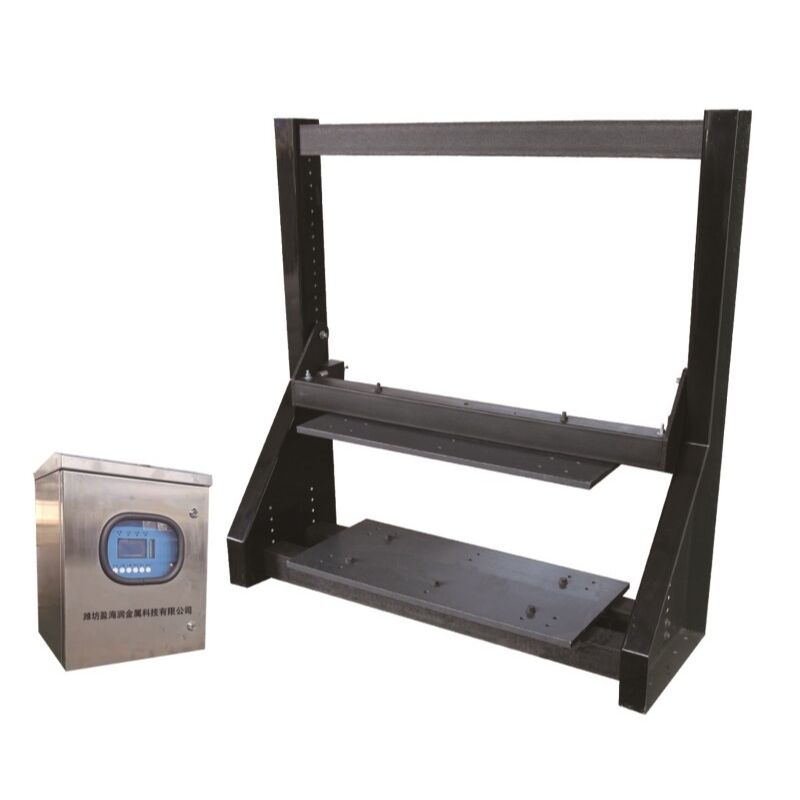
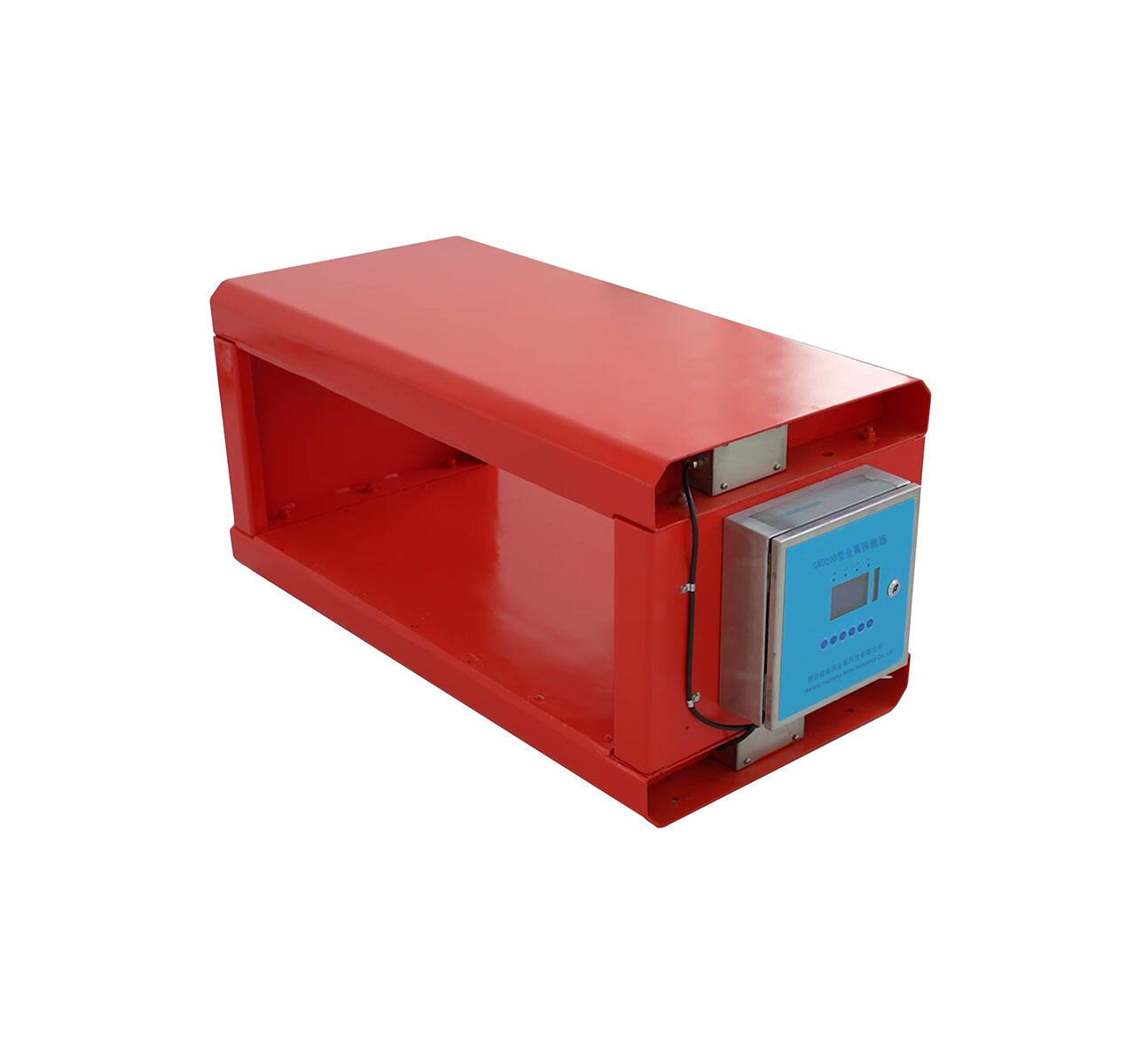
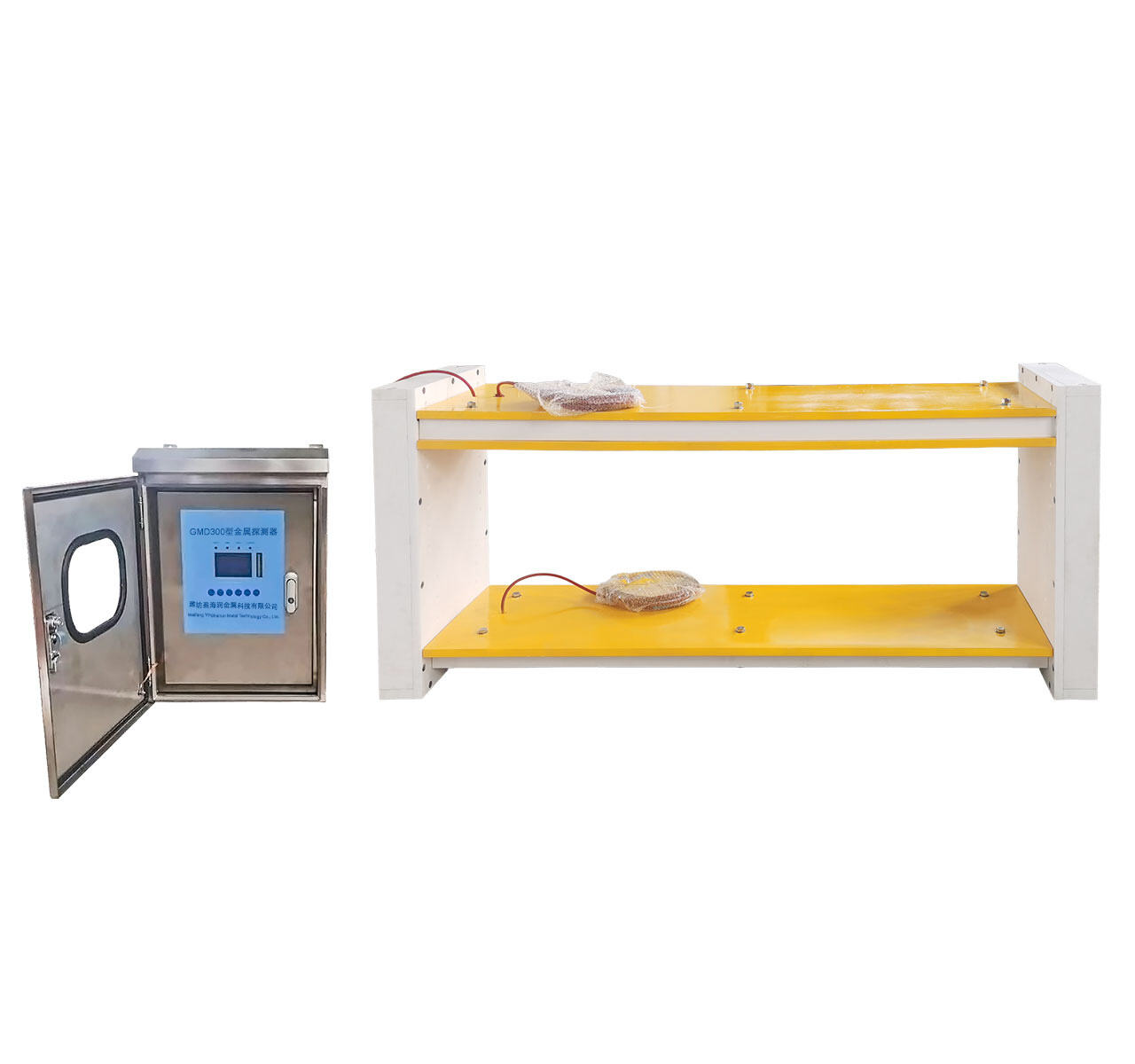
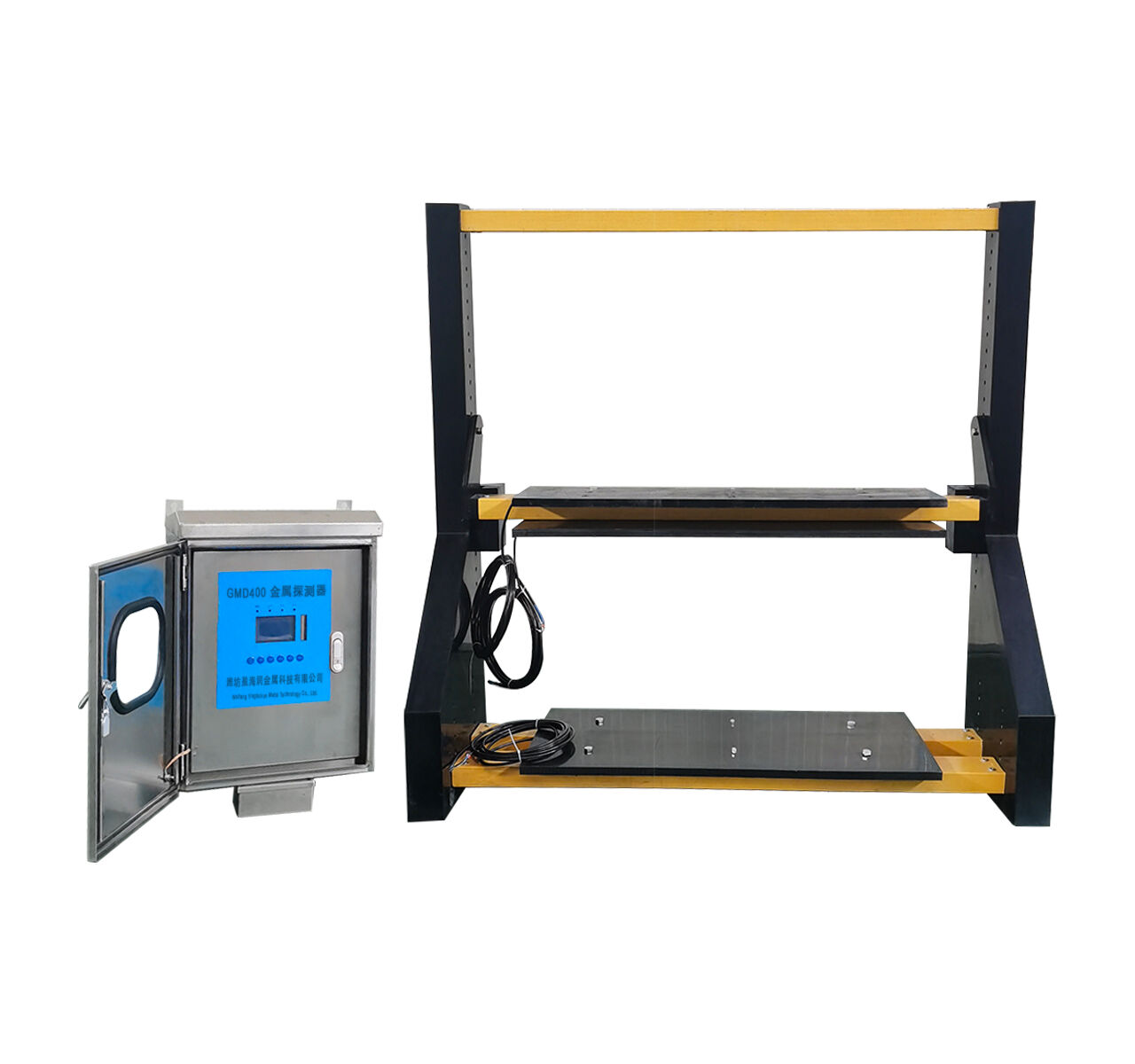
pulse induction detector
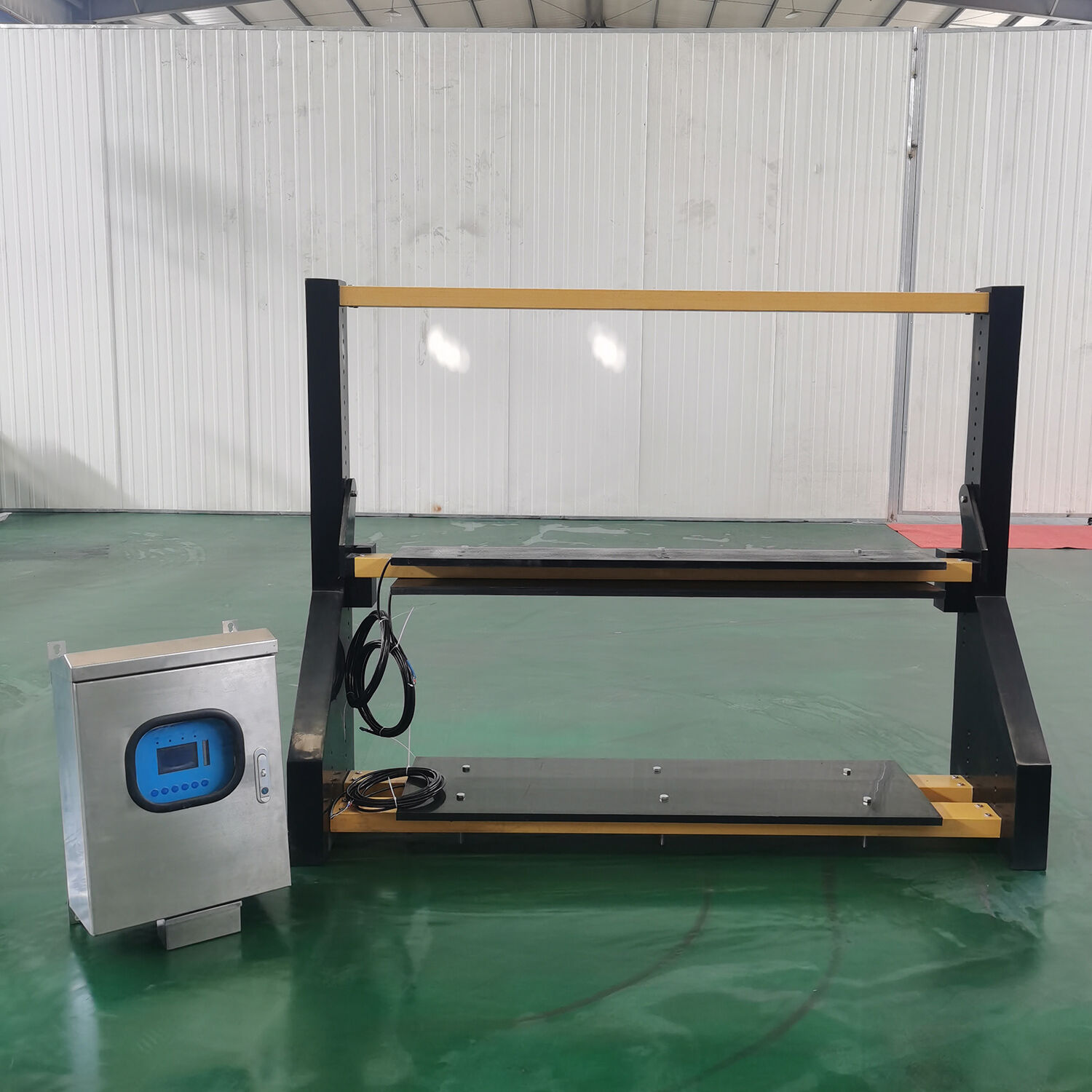
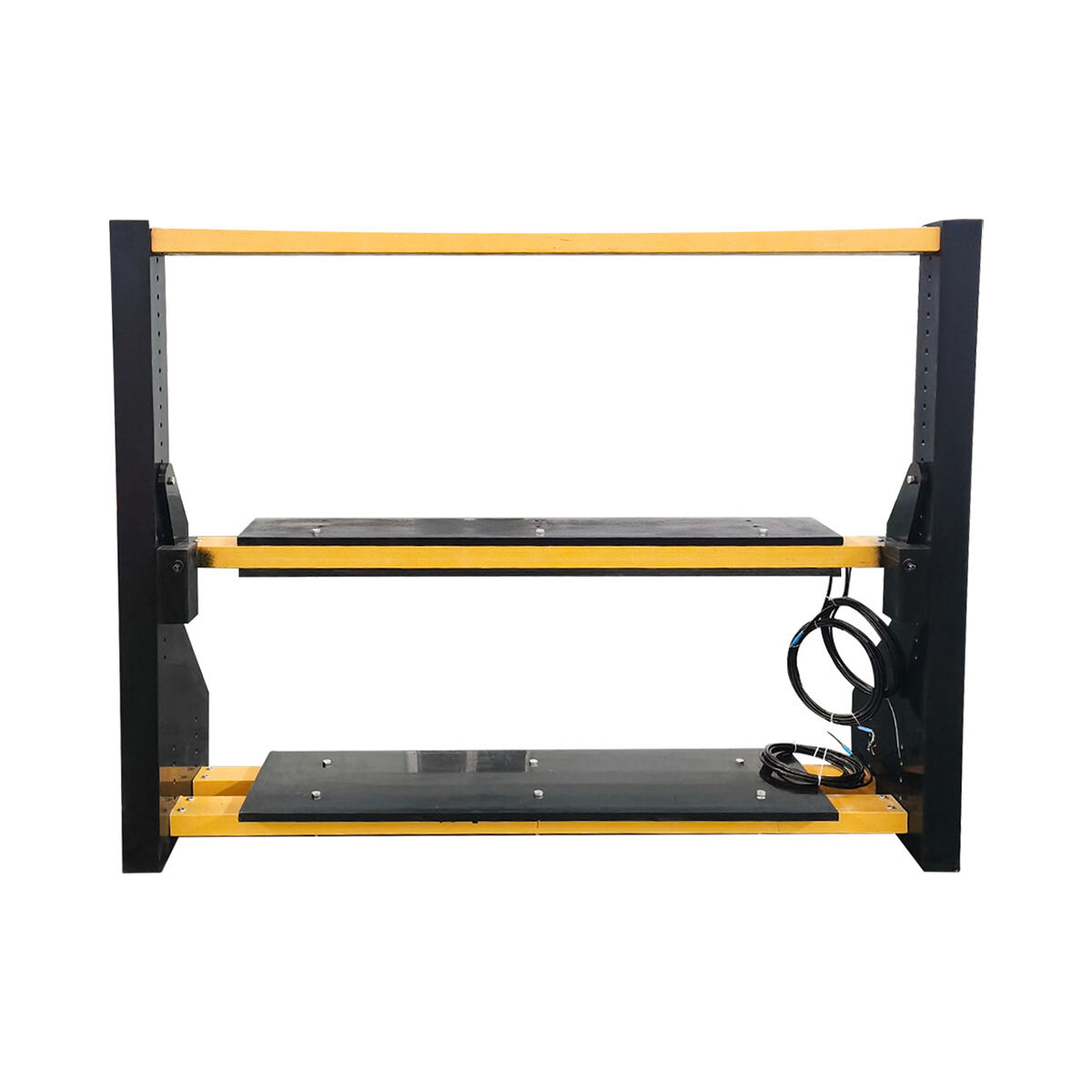
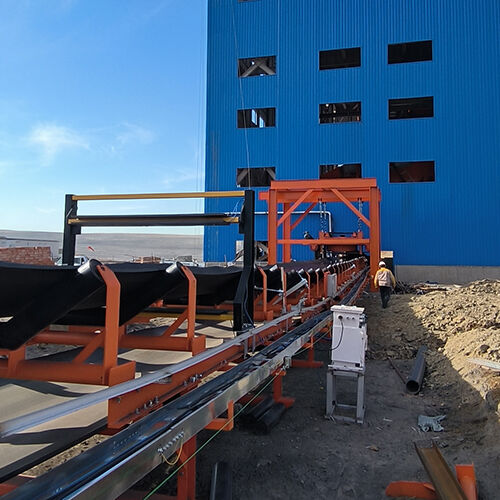
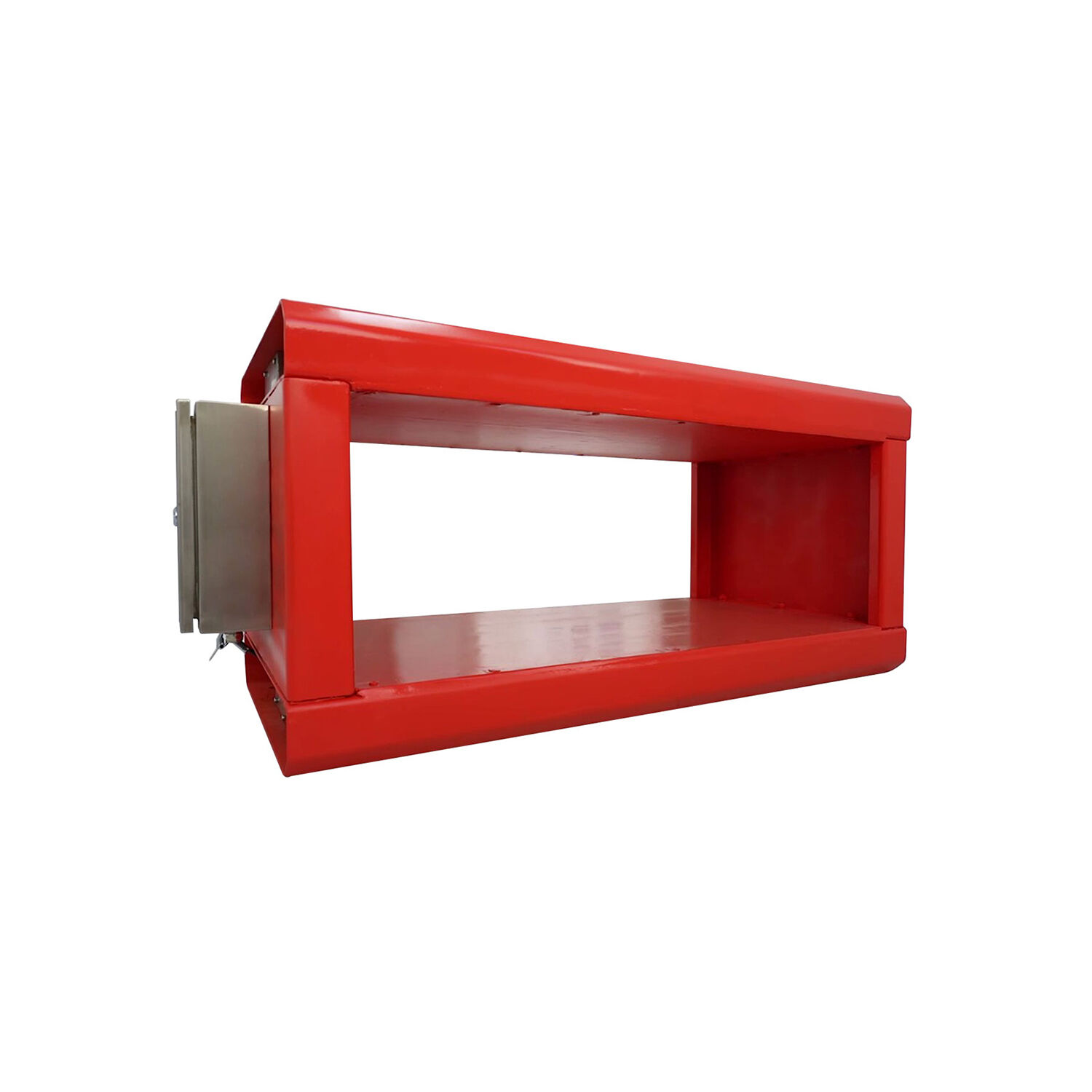
The pulse induction detector stands as a revolutionary metal detection technology that has transformed treasure hunting, archaeological surveys, and professional metal detection applications worldwide. This sophisticated electronic device operates on the principle of electromagnetic pulse transmission, creating powerful magnetic fields that penetrate deep into various ground conditions. Unlike traditional metal detectors that rely on continuous wave technology, the pulse induction detector generates short bursts of electrical current through a coil, establishing a magnetic field that collapses rapidly when the pulse ends. When metallic objects are present within the detection field, they generate their own magnetic fields in response, creating eddy currents that the pulse induction detector can identify and analyze. The main functions of this advanced detection system include deep target identification, ground mineralization compensation, and exceptional performance in challenging soil conditions. The pulse induction detector excels in environments where other detection technologies struggle, particularly in highly mineralized ground, wet sand, and saltwater conditions. Its technological features encompass sophisticated timing circuits, sensitive receiving coils, and advanced signal processing algorithms that distinguish between different types of metallic targets. The detector processes feedback signals with remarkable precision, measuring the decay time of induced currents to determine target characteristics such as size, depth, and conductivity. Modern pulse induction detectors incorporate digital signal processing, allowing users to customize detection parameters according to specific search requirements. These devices typically feature adjustable pulse delay settings, sensitivity controls, and discrimination capabilities that help operators focus on desired target types while minimizing interference from unwanted metallic debris. The robust construction of pulse induction detectors ensures reliable operation in extreme weather conditions, making them ideal for professional applications in security screening, archaeological investigations, and commercial treasure hunting operations.

 EN
EN