Mining Metal Detection Equipment: Advanced Industrial Solutions for Safe and Efficient Mining Operations

All Categories

Get a Free Quote

Our representative will contact you soon.
Email
Mobile/WhatsApp
Name
Company Name
Message
0/1000

mining metal detection equipment

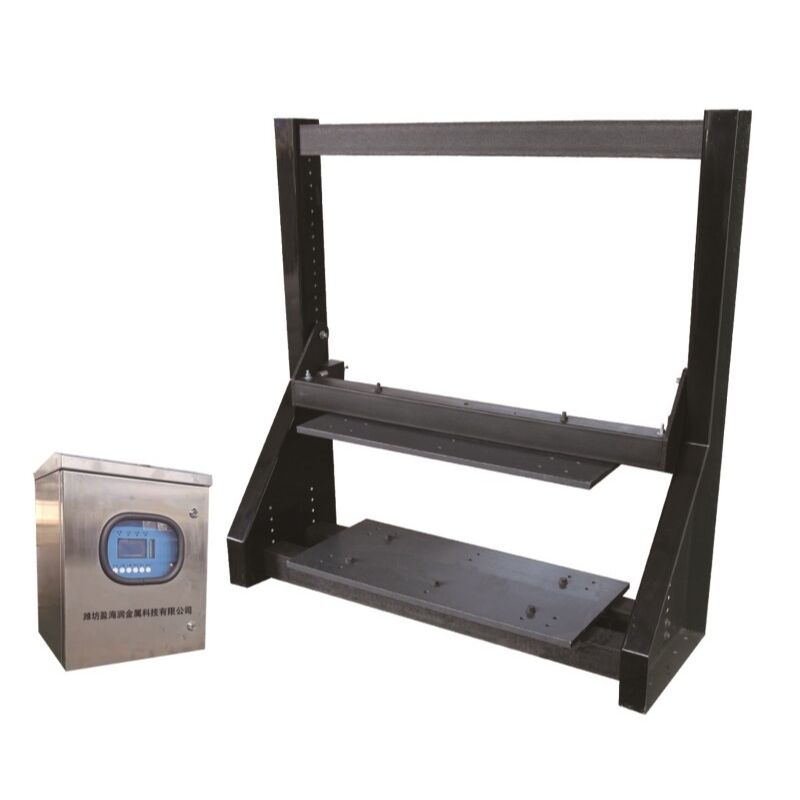
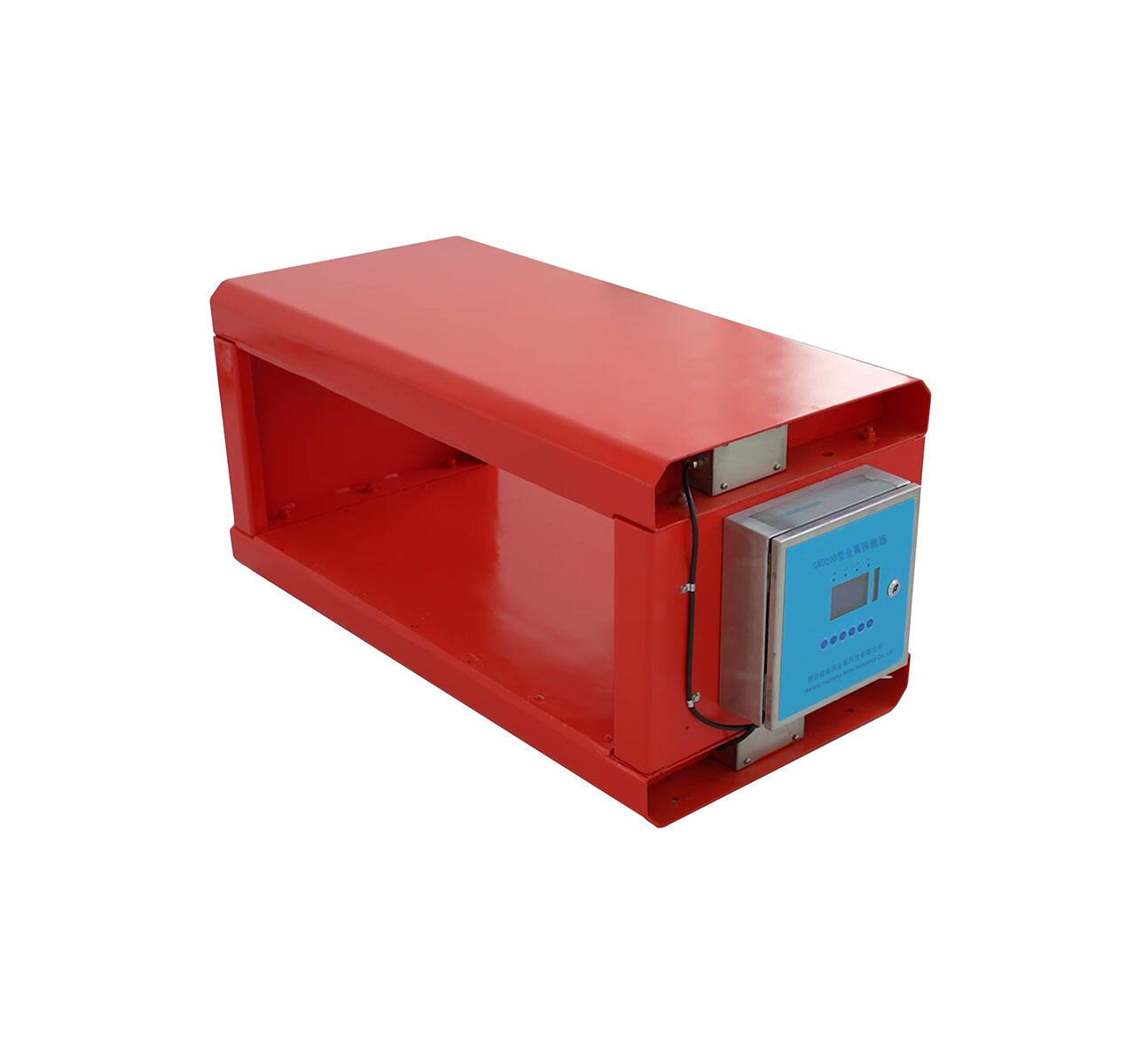
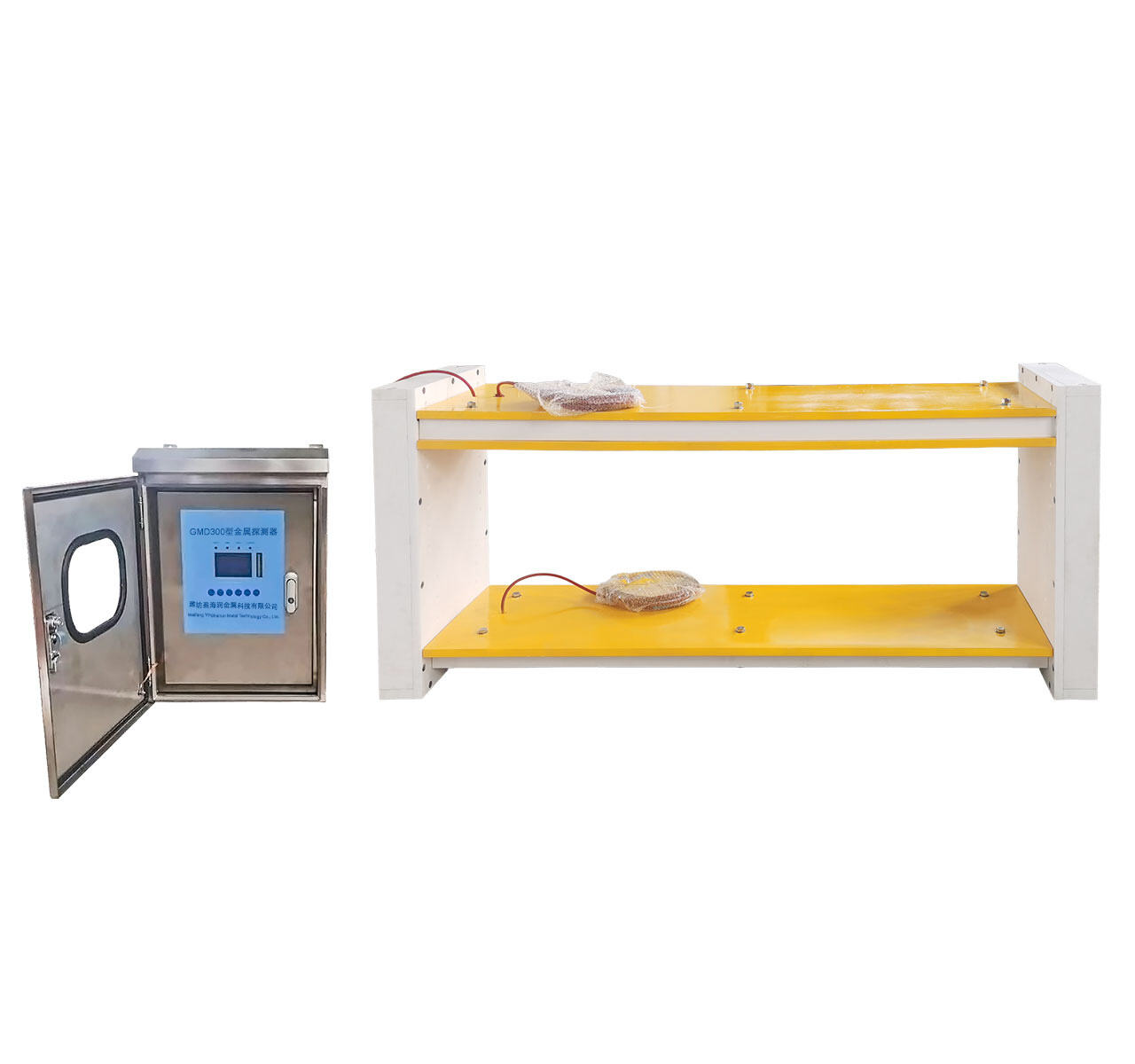
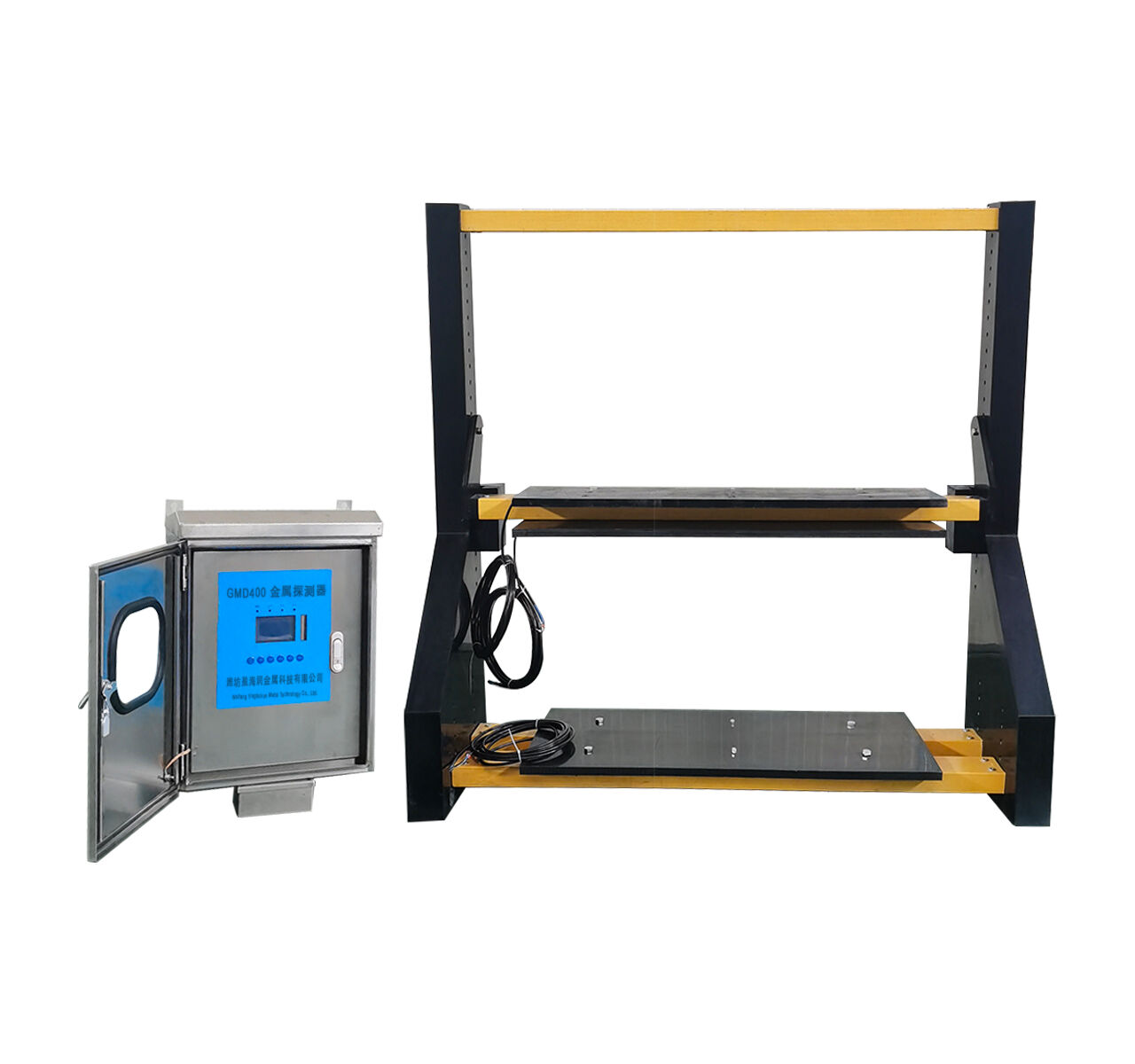
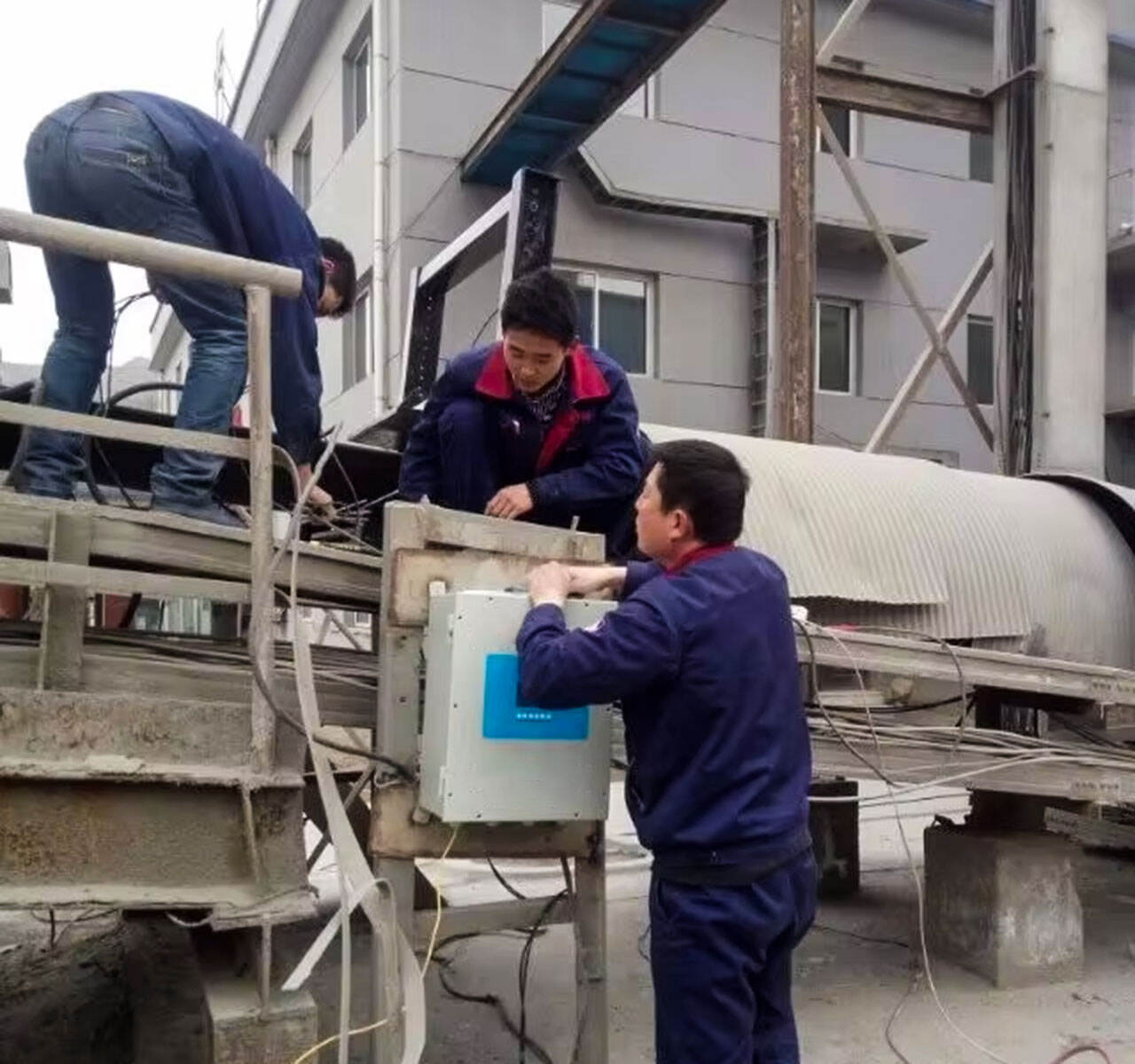
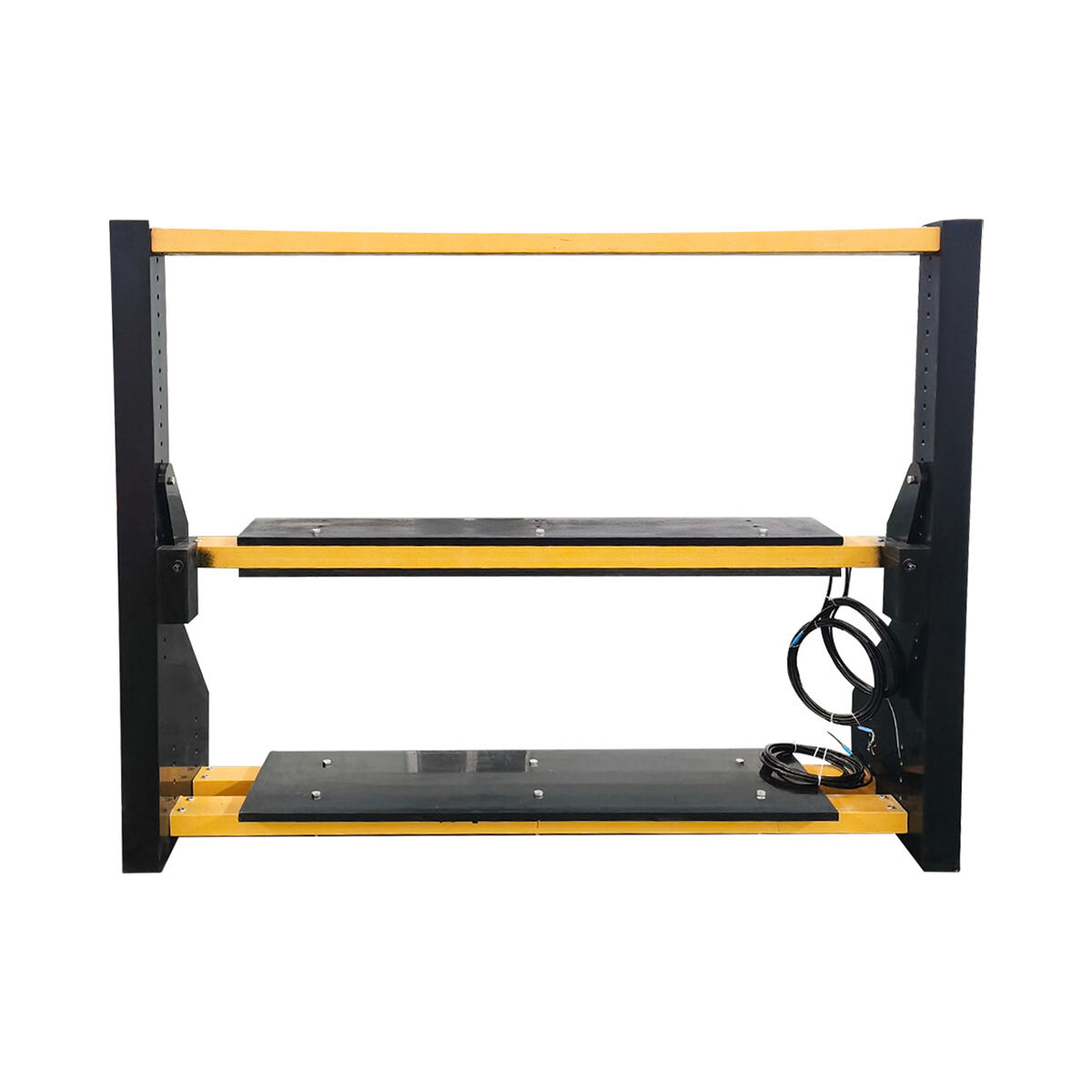
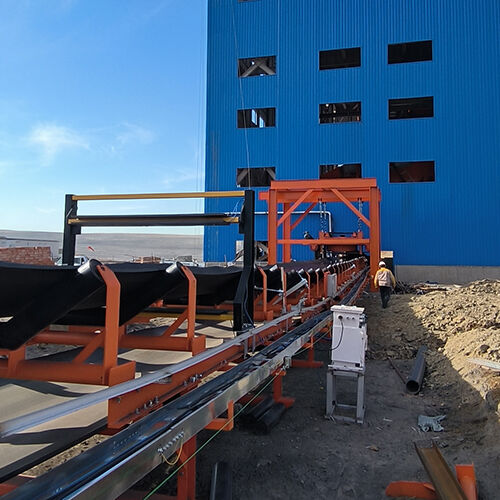
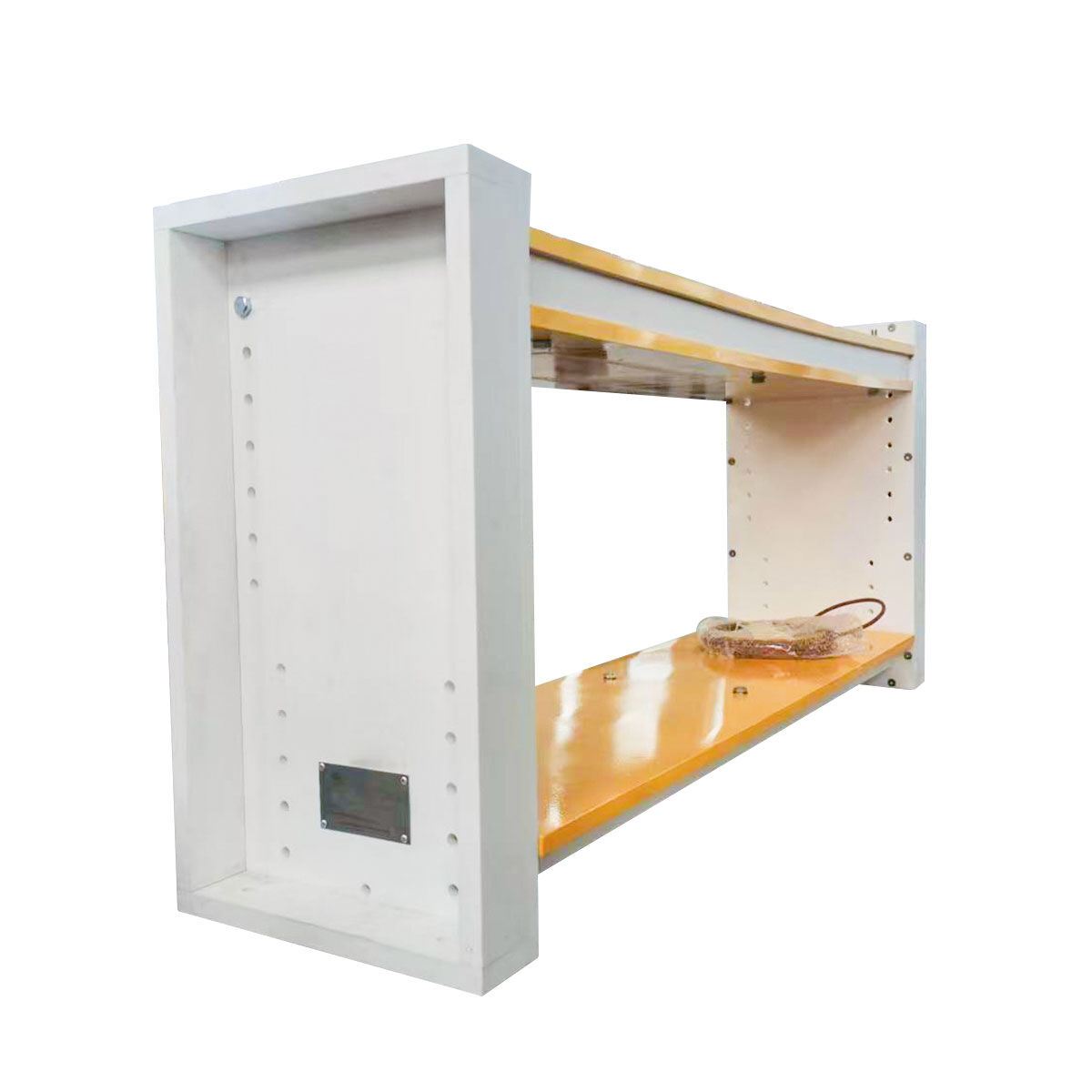
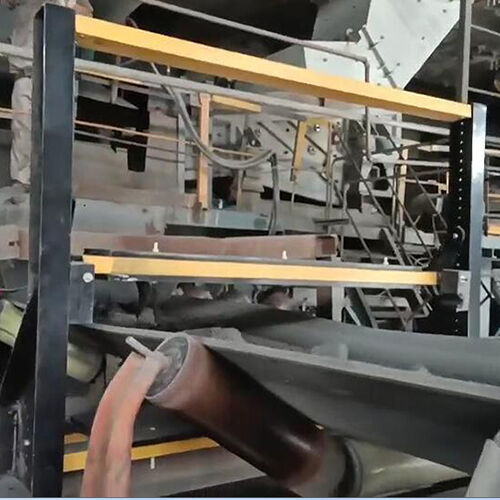
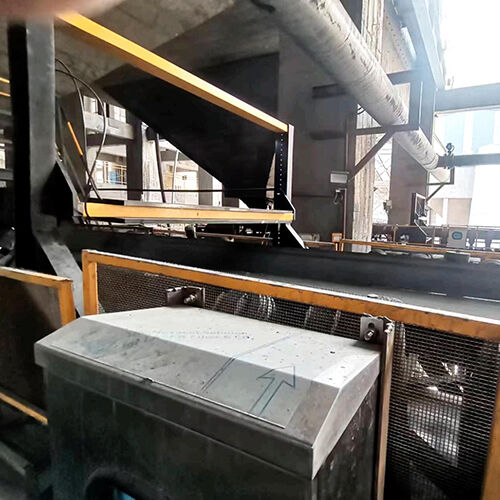
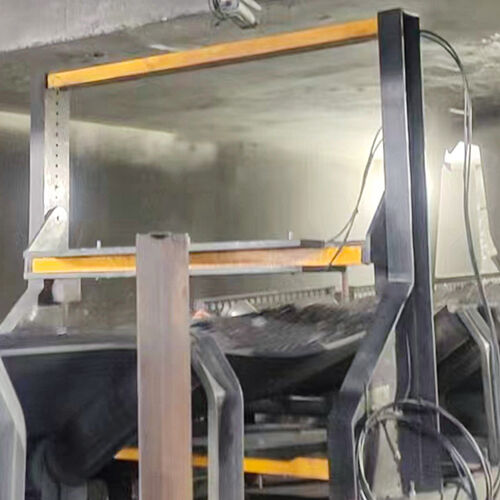
Mining metal detection equipment represents a crucial technological advancement in modern mining operations, serving as an essential safeguard for both equipment protection and operational efficiency. This sophisticated technology operates by generating electromagnetic fields that detect metallic objects within ore streams, conveyor systems, and processing materials. The primary function of mining metal detection equipment involves identifying unwanted metallic contaminants that could cause severe damage to crushers, mills, and other expensive processing machinery. These systems utilize advanced sensor technologies, including induction balance principles and pulse induction methods, to achieve exceptional sensitivity levels while maintaining reliable performance in harsh mining environments. The equipment features robust construction designed to withstand extreme temperatures, dust, moisture, and vibration commonly encountered in mining facilities. Modern mining metal detection equipment incorporates digital signal processing capabilities that enable precise discrimination between valuable ore materials and potentially harmful metallic debris. The systems typically include automatic rejection mechanisms that can immediately remove detected metal objects from the material flow, preventing costly equipment damage and production delays. Applications span across various mining sectors, including coal mining, iron ore extraction, gold processing, and aggregate production facilities. The technology proves particularly valuable in protecting primary crushers, secondary crushing circuits, and grinding mills from damage caused by tramp metal contamination. Advanced models feature customizable sensitivity settings that allow operators to fine-tune detection parameters based on specific material characteristics and operational requirements. Integration capabilities enable seamless connection with existing plant control systems, providing real-time monitoring and data logging functionality. The equipment supports multiple installation configurations, including belt-mounted systems for conveyor applications and chute-mounted units for gravity-fed operations, ensuring versatility across diverse mining applications and facility layouts.


New Products

Mining metal detection equipment delivers substantial operational benefits that directly impact productivity and profitability in mining operations. The most significant advantage involves preventing catastrophic damage to expensive processing equipment, potentially saving hundreds of thousands of dollars in repair costs and production downtime. These systems detect metallic contaminants before they reach critical machinery, eliminating the risk of crusher damage, mill liner replacement, and emergency shutdowns that can halt entire operations for extended periods. The equipment enhances workplace safety by removing dangerous metallic objects that could create hazardous projectiles during crushing operations, protecting personnel and reducing liability exposure. Operational efficiency improvements result from continuous, uninterrupted material flow without unexpected stoppages caused by metal contamination incidents. The technology enables predictive maintenance scheduling by providing data on contamination patterns and frequencies, allowing mining operators to optimize maintenance intervals and resource allocation. Cost savings extend beyond equipment protection to include reduced insurance premiums, as many providers offer discounts for facilities equipped with comprehensive metal detection systems. The equipment supports quality control initiatives by ensuring consistent product specifications and reducing customer complaints related to metallic contamination in final products. Installation flexibility accommodates various mining configurations without requiring extensive infrastructure modifications, making implementation straightforward and cost-effective. Modern systems provide detailed reporting capabilities that support compliance with industry safety standards and environmental regulations. The technology offers excellent return on investment, typically paying for itself within months through prevented damage incidents and improved operational efficiency. Remote monitoring capabilities enable centralized oversight of multiple detection points throughout large mining facilities, reducing staffing requirements while maintaining comprehensive coverage. Maintenance requirements remain minimal due to robust construction and self-diagnostic features that alert operators to potential issues before they affect performance. The equipment adapts to changing operational conditions through programmable sensitivity settings and customizable alarm configurations, ensuring optimal performance across varying material types and processing speeds.

Latest News

How Conveyor Belt Detectors Improve Food Safety Compliance

02

Apr

How Conveyor Belt Detectors Improve Food Safety Compliance

Food safety compliance has become increasingly critical in today's manufacturing environment, where contamination incidents can result in massive recalls, regulatory penalties, and permanent damage to brand reputation. The implementation of a conveyo...
View More
Cost-Benefit Analysis of High-End Tramp Metal Detectors

03

Apr

Cost-Benefit Analysis of High-End Tramp Metal Detectors

Investing in high-end tramp metal detector systems requires careful financial evaluation to justify the substantial upfront costs against long-term operational benefits. These sophisticated detection systems command premium prices due to their advanc...
View More
Evaluating Metal Detector Machine Suppliers in 2026

06

Apr

Evaluating Metal Detector Machine Suppliers in 2026

Selecting the right metal detector machine supplier has become increasingly complex in 2026, as businesses face evolving security requirements, technological advancements, and supply chain considerations. The metal detector machine market has expande...
View More
Common Industrial Applications for Tramp Metal Detectors

13

Apr

Common Industrial Applications for Tramp Metal Detectors

Industrial facilities across manufacturing, mining, and processing sectors face constant challenges from unwanted metallic contamination that can damage equipment, compromise product quality, and create safety hazards. A tramp metal detector serves a...
View More

Get a Free Quote

Our representative will contact you soon.
Email
Mobile/WhatsApp
Name
Company Name
Message
0/1000

mining metal detection equipment

Advanced Electromagnetic Detection Technology

Advanced Electromagnetic Detection Technology

Mining metal detection equipment utilizes cutting-edge electromagnetic field technology that represents the pinnacle of metallic contaminant identification systems. This sophisticated approach generates precisely controlled electromagnetic fields that penetrate deep into material streams, detecting even the smallest metallic objects that traditional methods might miss. The technology employs multiple frequency operations that can distinguish between various metal types, sizes, and compositions, providing unprecedented accuracy in contamination detection. Advanced digital signal processing algorithms analyze electromagnetic field disturbances in real-time, filtering out false signals caused by mineralized materials while maintaining exceptional sensitivity to genuine metallic threats. The system features adaptive learning capabilities that continuously refine detection parameters based on operational experience, improving performance over time and reducing false alarm rates. Multiple coil configurations optimize detection coverage across different material flow patterns and conveyor widths, ensuring comprehensive monitoring regardless of installation specifics. The technology incorporates temperature compensation mechanisms that maintain consistent performance across extreme environmental conditions typical in mining operations. Sophisticated calibration procedures enable precise sensitivity adjustments for specific applications, allowing operators to balance detection capability with operational requirements. The electromagnetic detection system provides real-time feedback on signal strength and detection confidence levels, enabling operators to make informed decisions about material handling and processing. Integration with plant automation systems allows seamless communication of detection events and system status information throughout the facility. The technology supports multiple detection zones that can monitor different material streams simultaneously while providing independent control and reporting for each area. Advanced filtering algorithms eliminate interference from electrical equipment and environmental factors that could compromise detection reliability in industrial environments.
Robust Industrial Construction and Reliability

Robust Industrial Construction and Reliability

Mining metal detection equipment features exceptional industrial construction designed to withstand the most demanding conditions found in modern mining operations. The robust design incorporates heavy-duty materials including corrosion-resistant stainless steel housings and impact-resistant protective covers that maintain structural integrity under extreme operational stress. Sealed enclosures with IP ratings up to IP67 provide complete protection against dust ingress and moisture penetration, ensuring reliable operation even in wet processing environments and dusty conditions. Vibration-resistant mounting systems utilize advanced shock absorption technology that prevents mechanical stress from affecting sensitive electronic components during high-volume material handling operations. Temperature-rated components function reliably across extended temperature ranges from sub-zero conditions to extreme heat commonly encountered in mining facilities. The construction incorporates redundant safety systems and fail-safe mechanisms that ensure continued operation even if individual components experience issues. Maintenance accessibility features include readily accessible connection points and diagnostic interfaces that minimize downtime during routine servicing. The equipment design considers long-term operational costs through component selection that prioritizes longevity and serviceability over initial cost savings. Protective systems guard against electromagnetic interference from heavy machinery and electrical systems commonly found in mining environments. Modular construction enables field replacement of components without requiring complete system removal, reducing maintenance time and associated production losses. Quality assurance processes include extensive testing under simulated mining conditions to verify performance capabilities before deployment. The construction incorporates future expansion capabilities that allow system upgrades without requiring complete replacement, protecting long-term investment value. Standardized mounting interfaces ensure compatibility with existing conveyor systems and processing equipment, simplifying installation and reducing implementation costs while maintaining structural integrity throughout the equipment lifecycle.
Automated Rejection Systems and Process Integration

Automated Rejection Systems and Process Integration

Mining metal detection equipment incorporates sophisticated automated rejection systems that seamlessly integrate with existing processing workflows to provide immediate response to contamination detection events. These intelligent systems feature multiple rejection mechanisms including pneumatic blast gates, mechanical deflection devices, and conveyor diverter systems that can be customized based on specific application requirements and material characteristics. The automation technology responds within milliseconds of detection events, ensuring rapid removal of metallic contaminants before they can reach vulnerable processing equipment downstream. Programmable logic controllers enable complex rejection sequences that can handle various material flow rates and contamination scenarios while maintaining optimal processing efficiency. The integration capabilities extend to plant-wide control systems, providing centralized monitoring and control of multiple detection and rejection points throughout the facility. Advanced timing algorithms calculate precise rejection sequences based on conveyor speeds and material flow patterns, ensuring accurate targeting of contaminated material while minimizing good product loss. The system features automatic calibration procedures that maintain optimal rejection performance without requiring manual intervention or production interruptions. Diagnostic capabilities continuously monitor rejection system performance and provide early warning of potential issues before they affect operational reliability. Remote operation capabilities enable operators to adjust rejection parameters and monitor system performance from centralized control rooms, improving operational efficiency and reducing staffing requirements. The technology supports multiple rejection strategies including temporary diversion to inspection areas or permanent removal to waste streams, depending on contamination severity and operational priorities. Integration with inventory management systems provides detailed tracking of rejected materials and associated production impacts for comprehensive operational analysis. Backup rejection systems ensure continued protection even during maintenance or component failure scenarios, maintaining uninterrupted processing operations while primary systems undergo servicing or repair activities.

Get a Free Quote

Our representative will contact you soon.
Email
Mobile/WhatsApp
Name
Company Name
Message
0/1000