mining industry metal detector
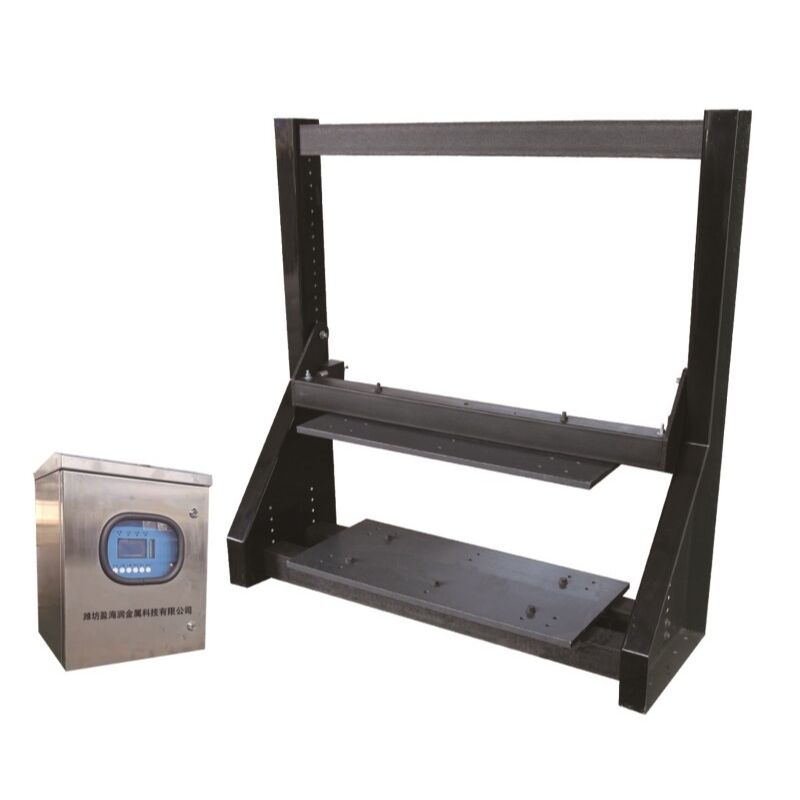
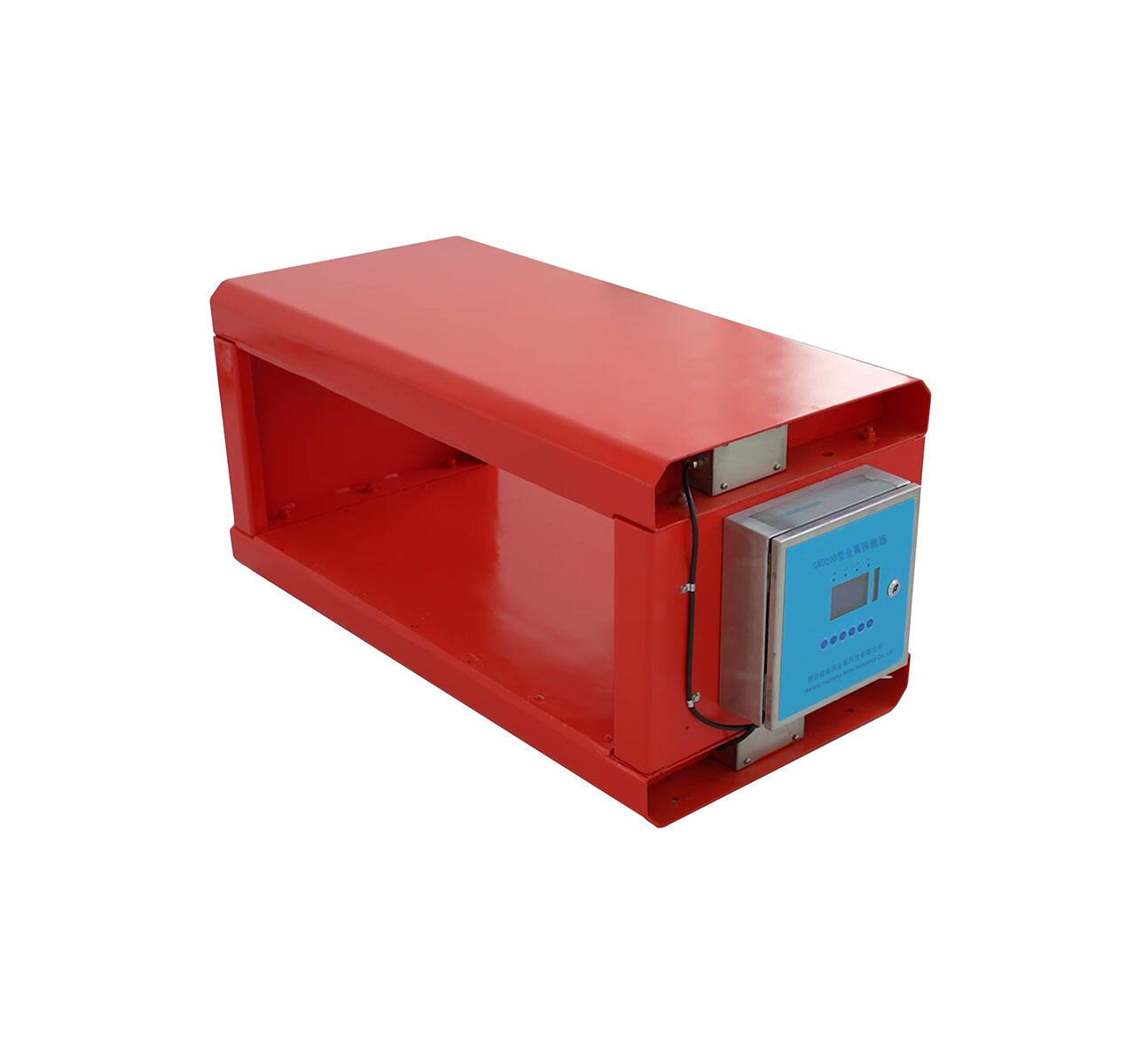
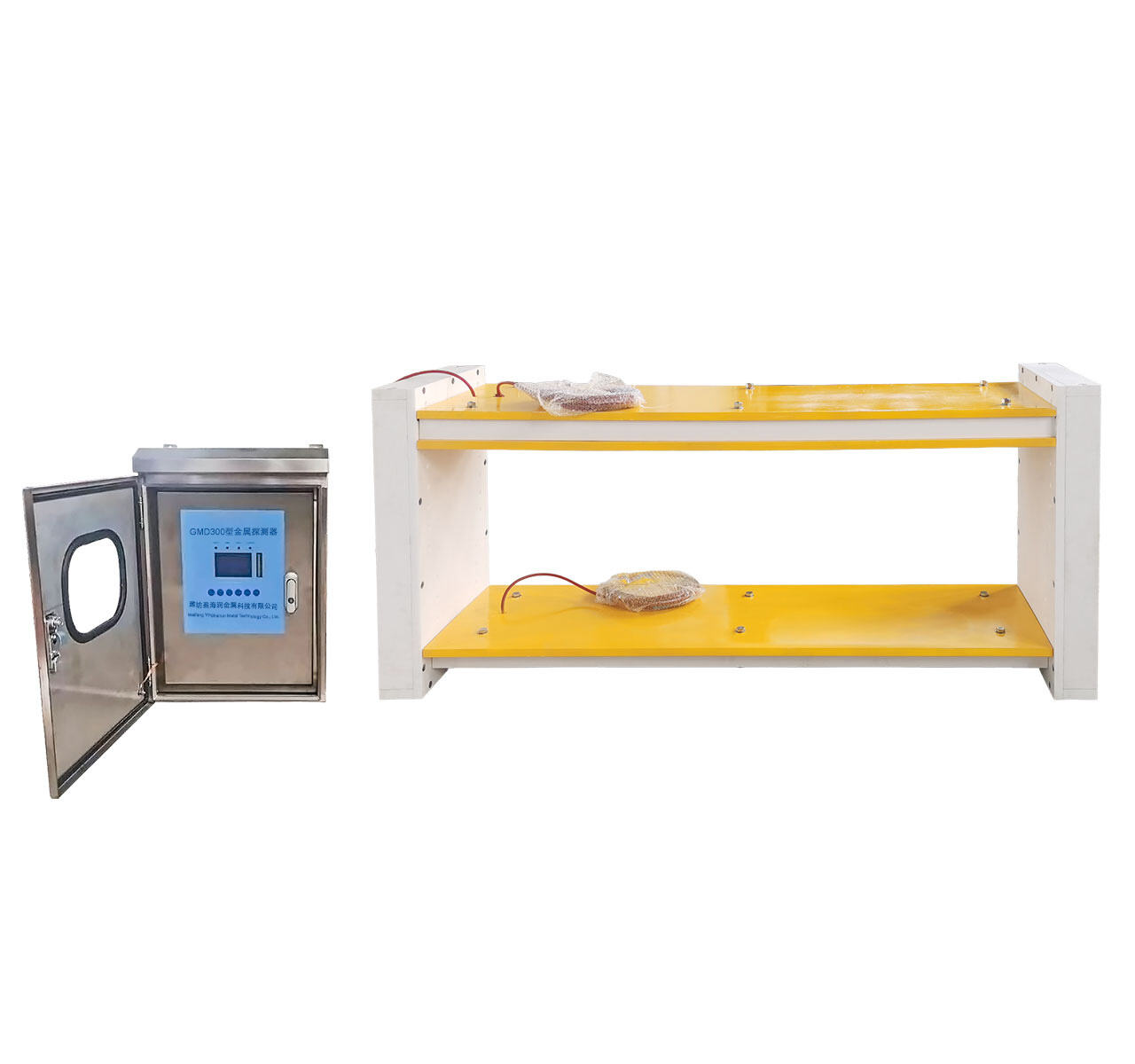
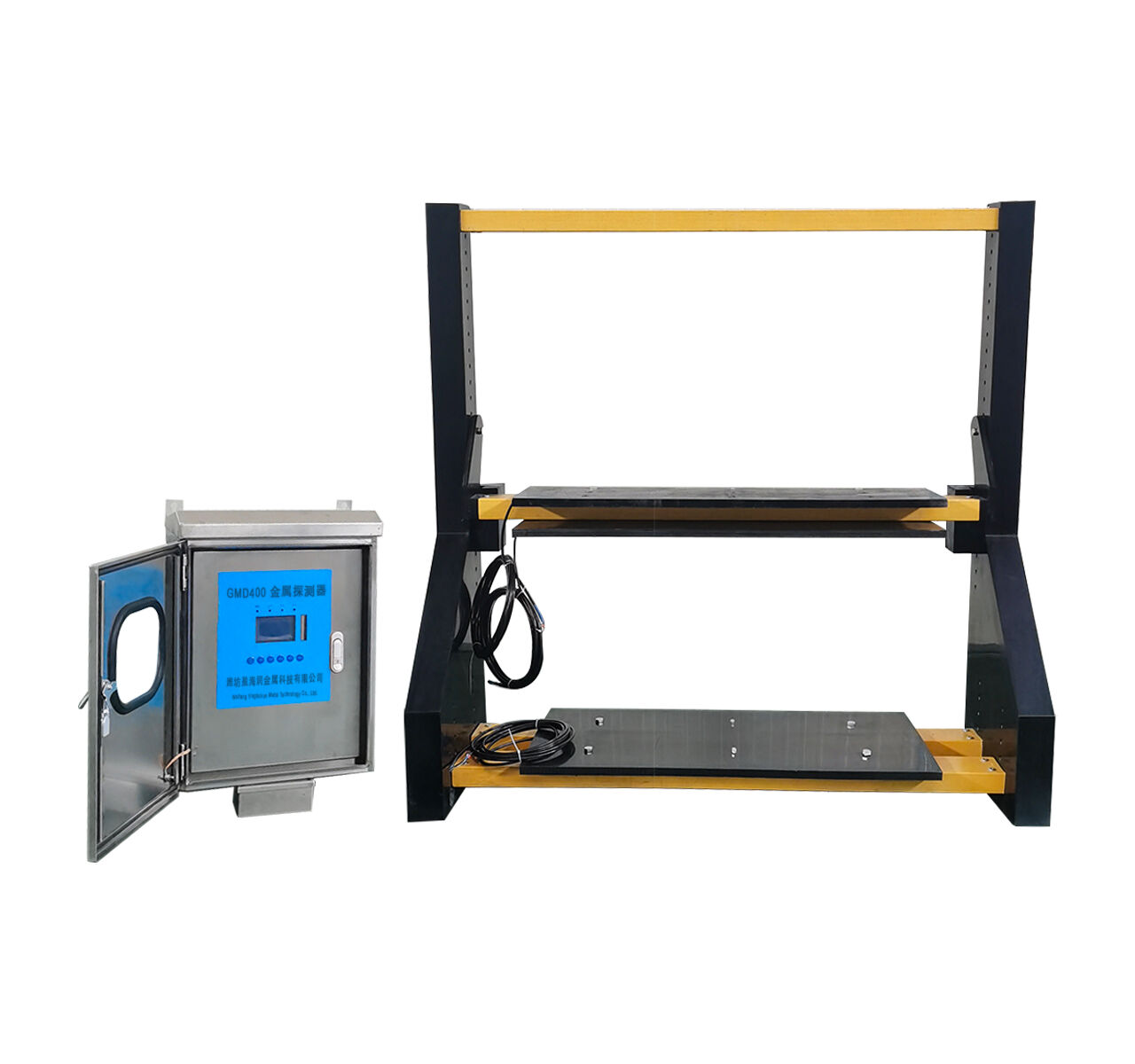
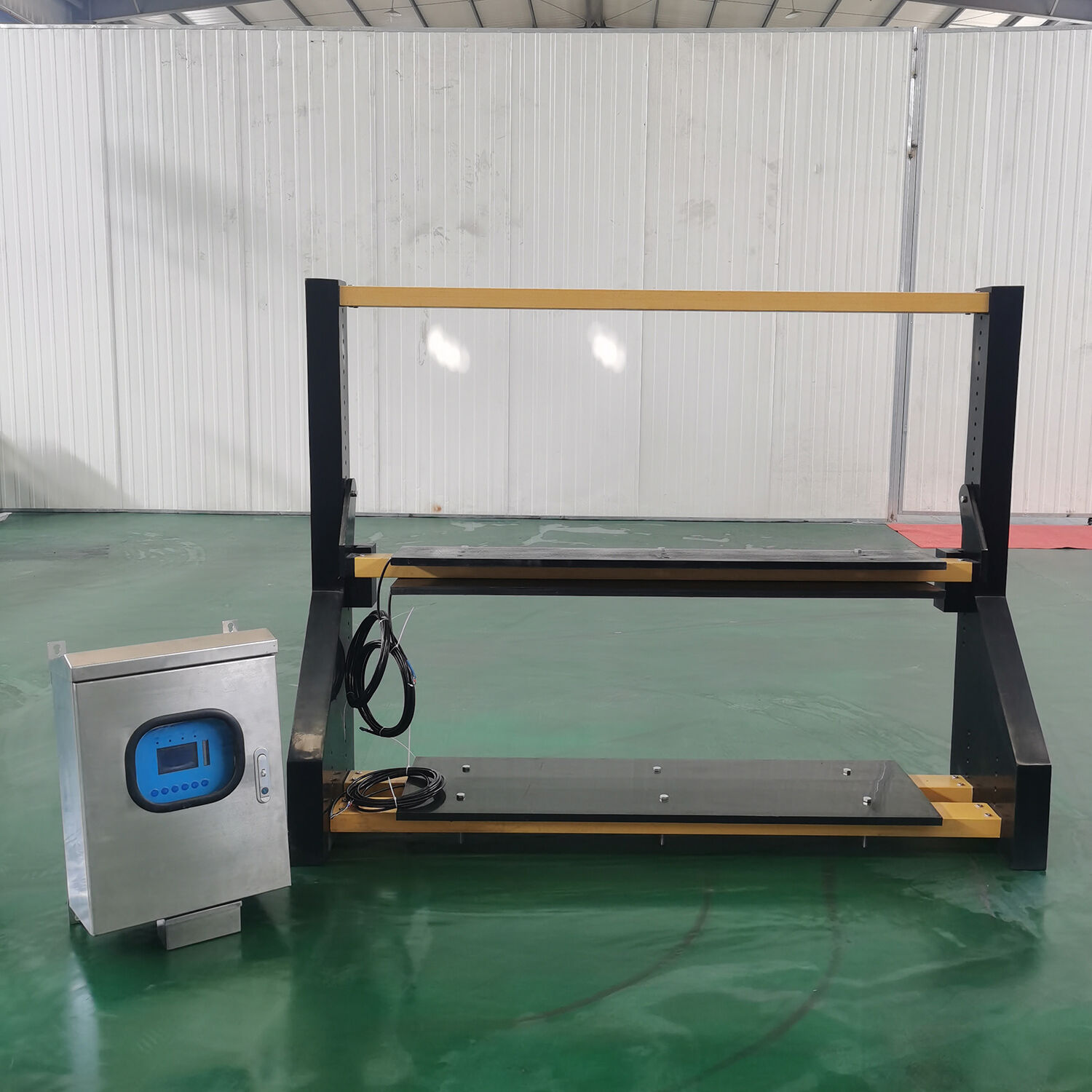
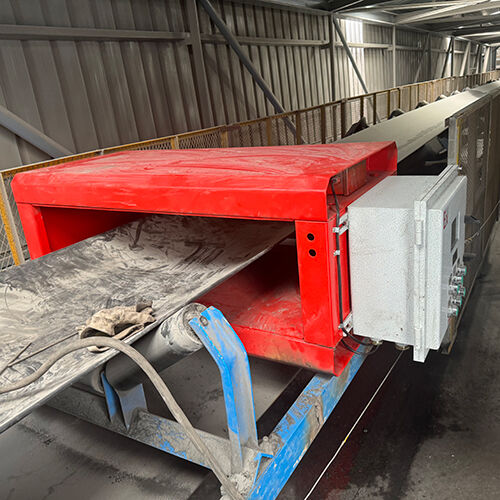
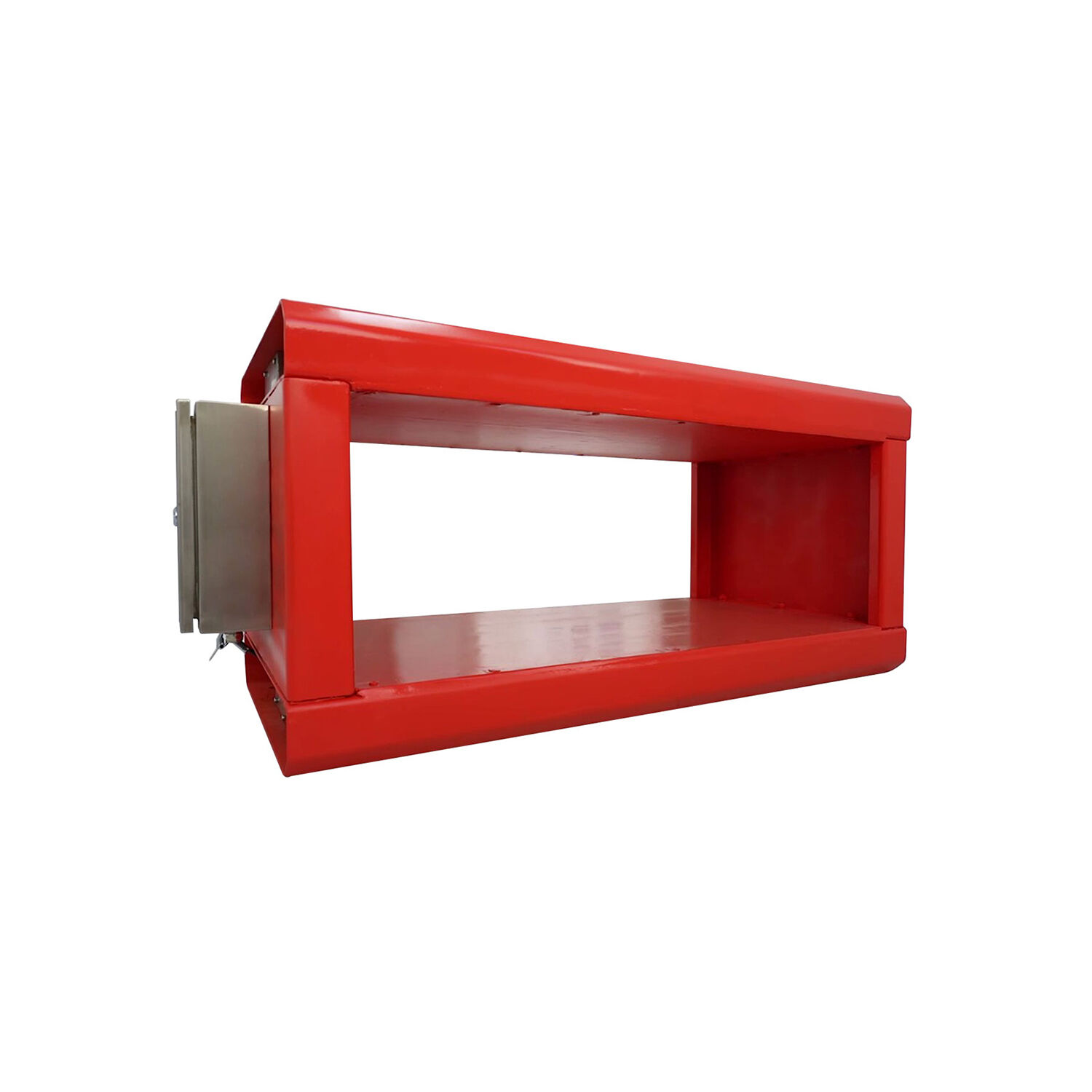
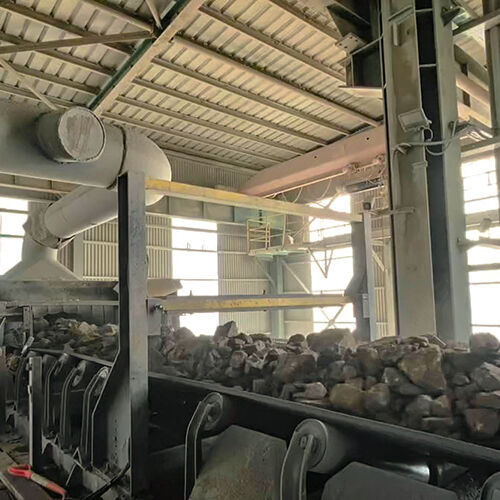
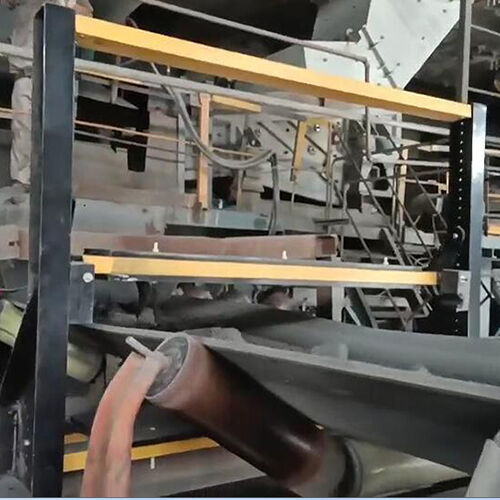
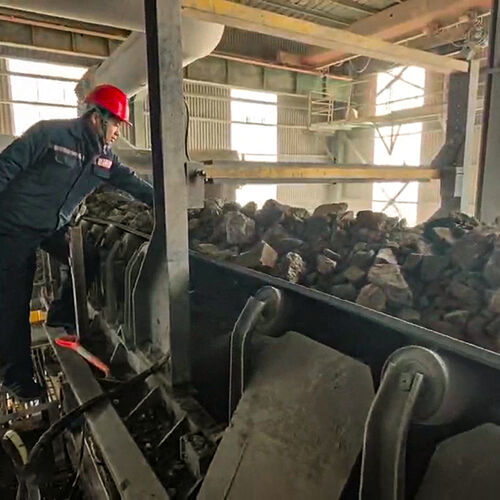
The mining industry metal detector represents a crucial piece of equipment designed to enhance safety protocols and operational efficiency across various mining operations. These sophisticated devices serve as the primary defense mechanism against metallic contaminants that could potentially damage expensive processing machinery or pose serious safety hazards to personnel. Modern mining industry metal detector systems incorporate advanced electromagnetic field technology to identify and locate ferrous and non-ferrous metals within ore streams, conveyor systems, and processing lines. The fundamental operation relies on electromagnetic induction principles, where the detector generates a magnetic field that becomes disrupted when metallic objects pass through the detection zone. This disruption triggers immediate alerts, enabling operators to take corrective action before contamination reaches critical processing equipment. Contemporary mining industry metal detector units feature multi-frequency detection capabilities, allowing them to distinguish between different metal types and sizes with remarkable precision. The technology encompasses both analog and digital signal processing methods, ensuring reliable performance in harsh mining environments characterized by extreme temperatures, dust, moisture, and vibrations. These detectors integrate seamlessly with existing conveyor systems and can be customized to accommodate various belt widths, material flow rates, and specific detection requirements. The mining industry metal detector typically includes sophisticated control panels with user-friendly interfaces, enabling operators to adjust sensitivity levels, configure alarm systems, and monitor detection performance in real-time. Advanced models incorporate data logging capabilities, providing valuable insights into contamination patterns and helping mining companies optimize their quality control processes. The robust construction of these detectors ensures longevity and consistent performance despite exposure to challenging industrial conditions, making them indispensable tools for maintaining operational integrity and protecting valuable processing equipment from potentially catastrophic damage caused by metallic contamination.

 EN
EN