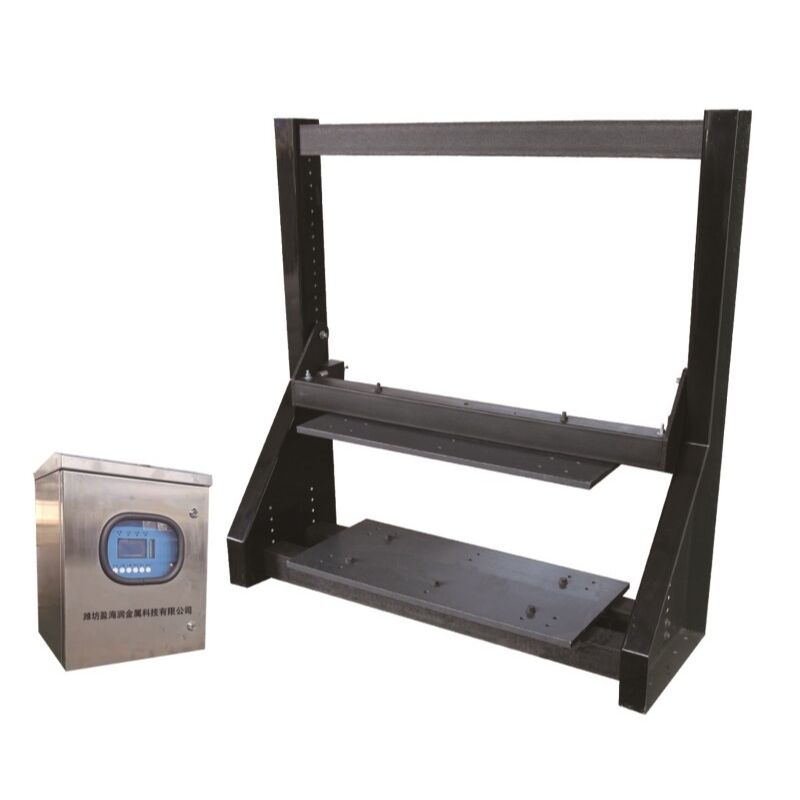
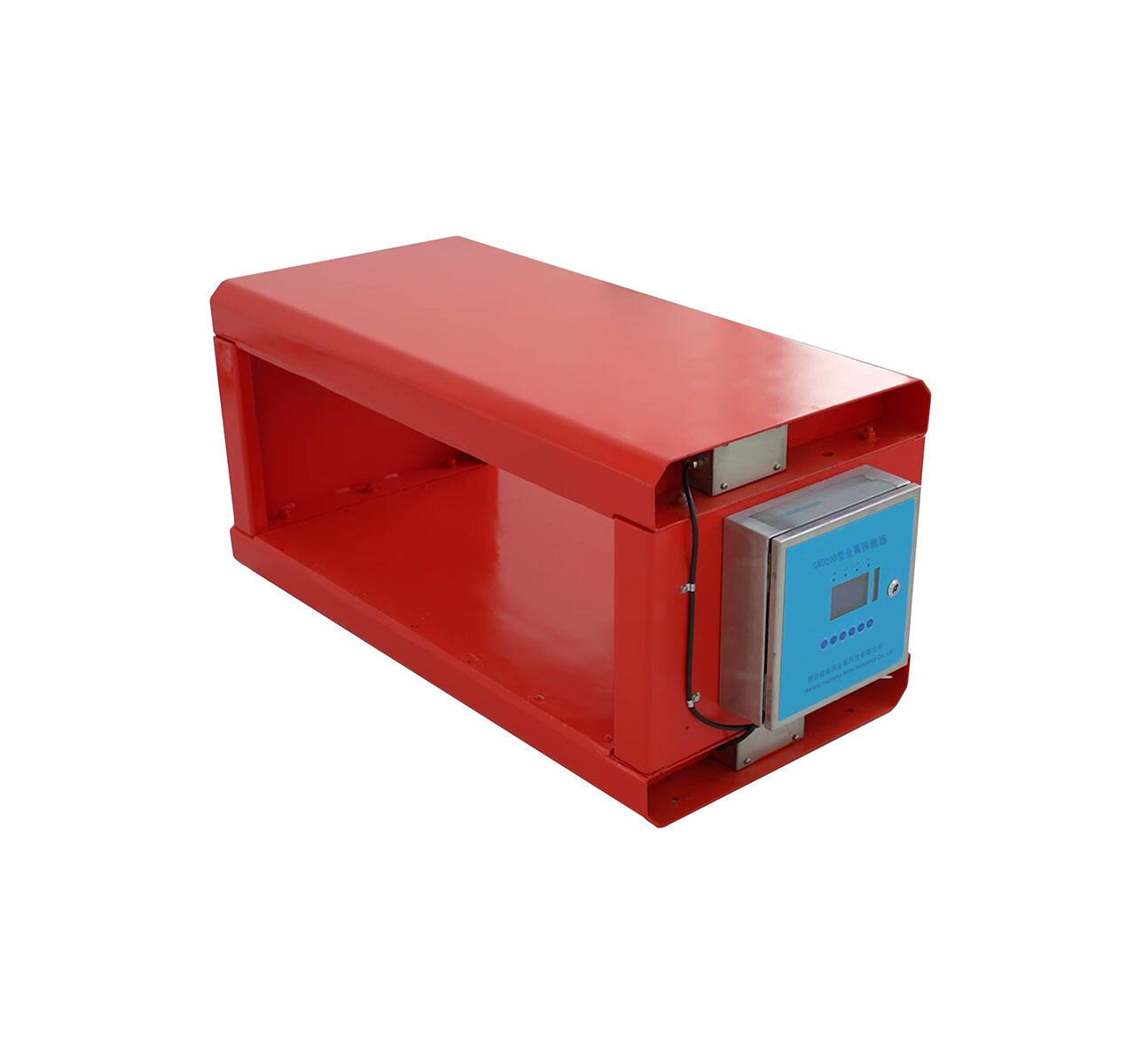
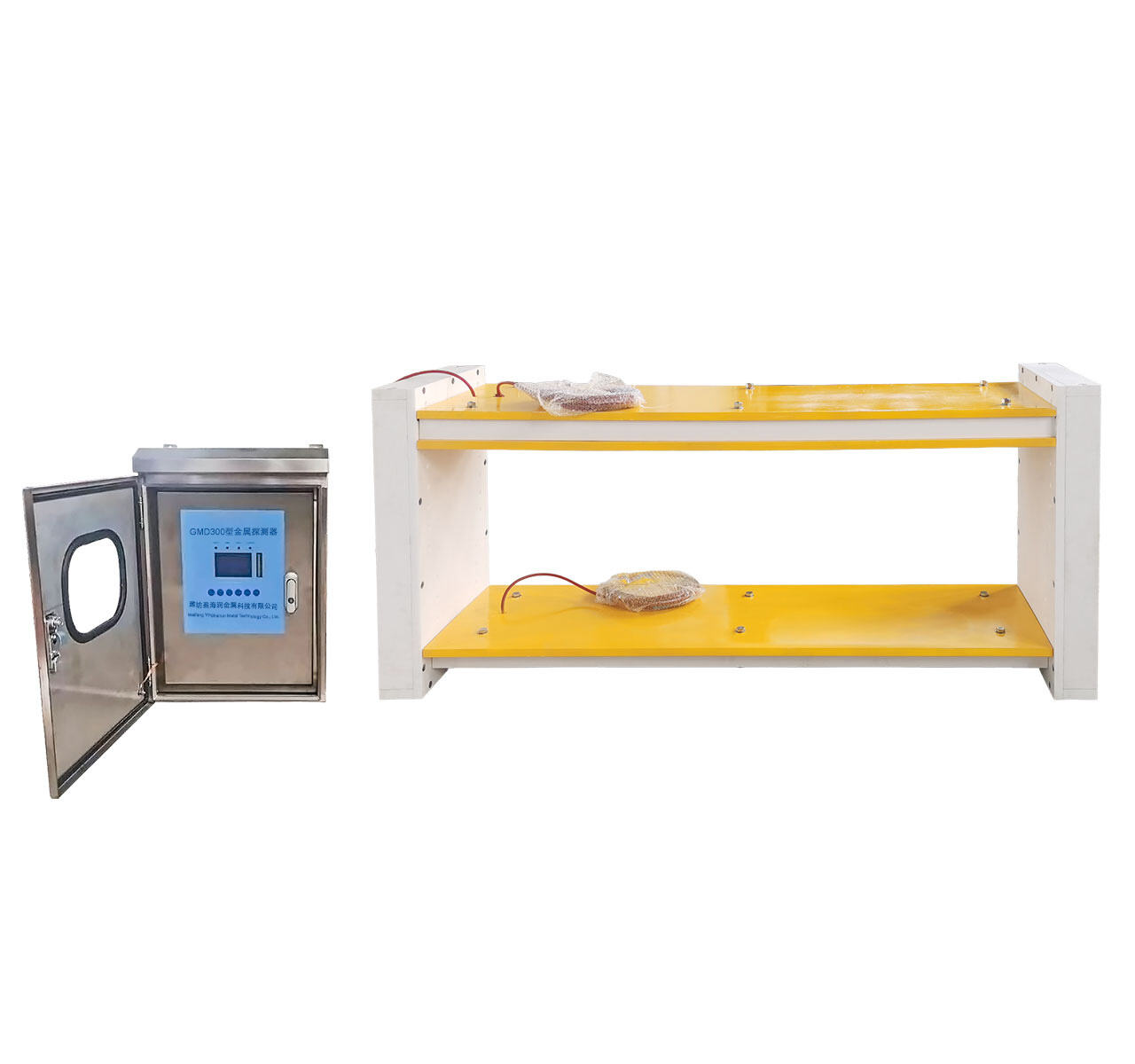
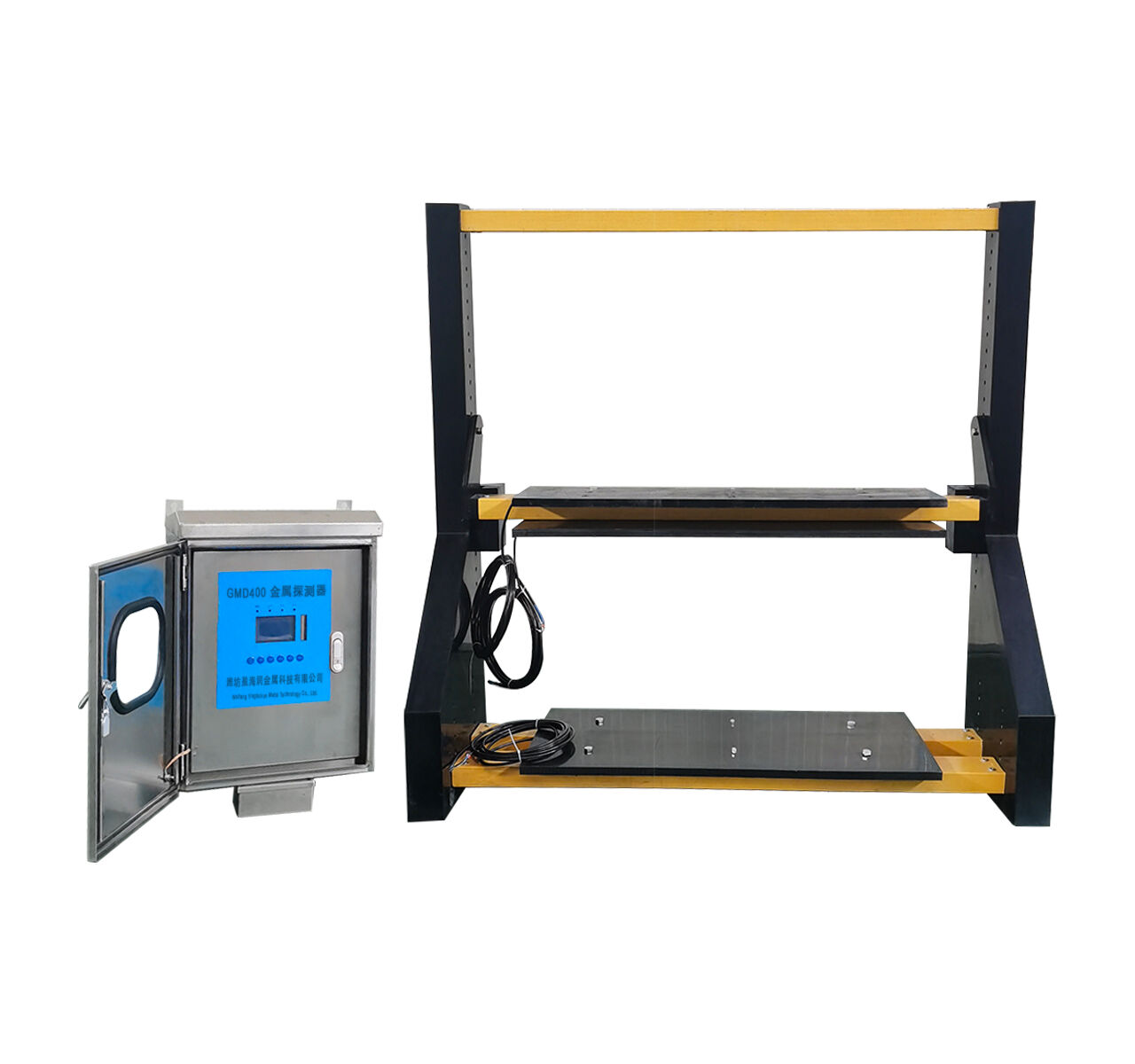
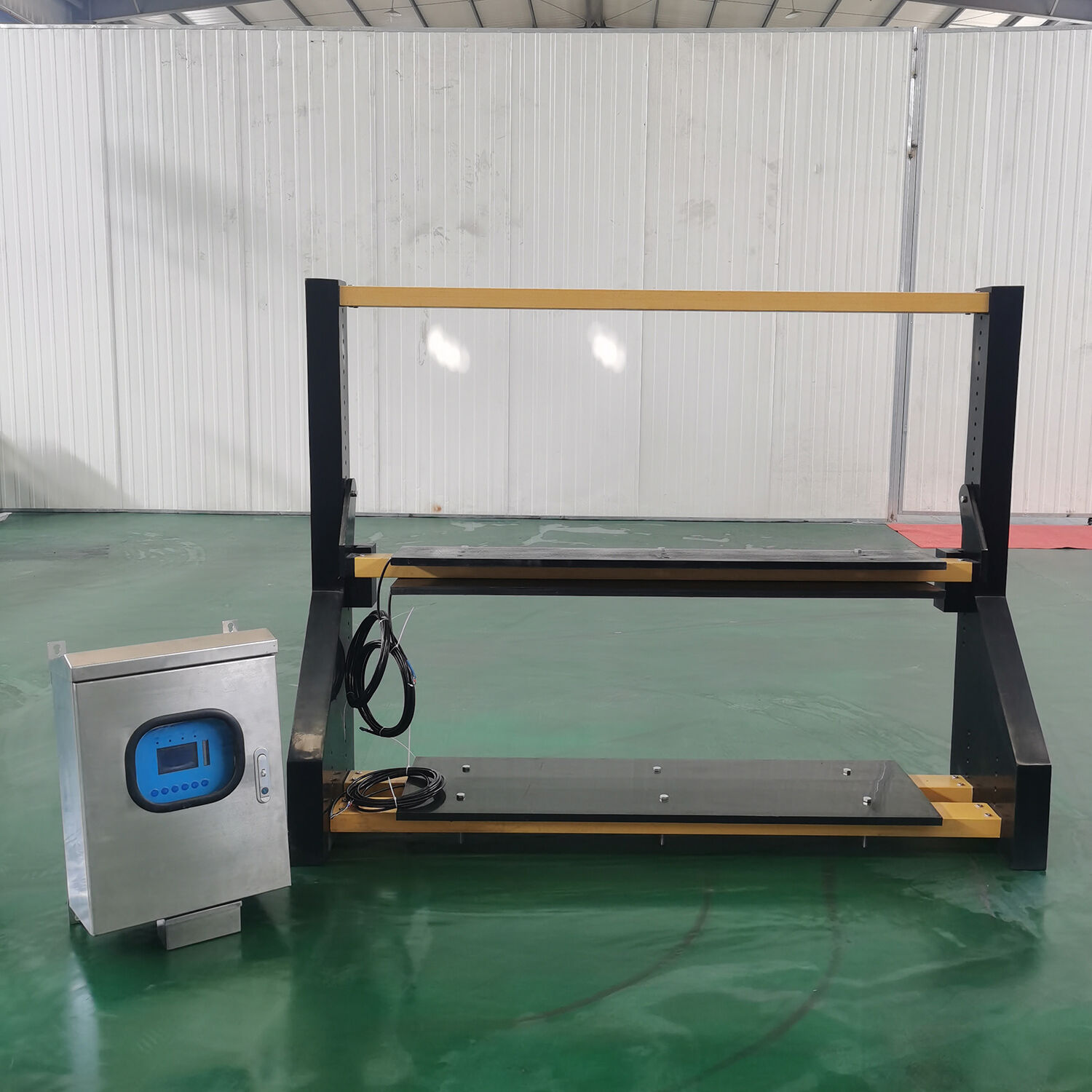
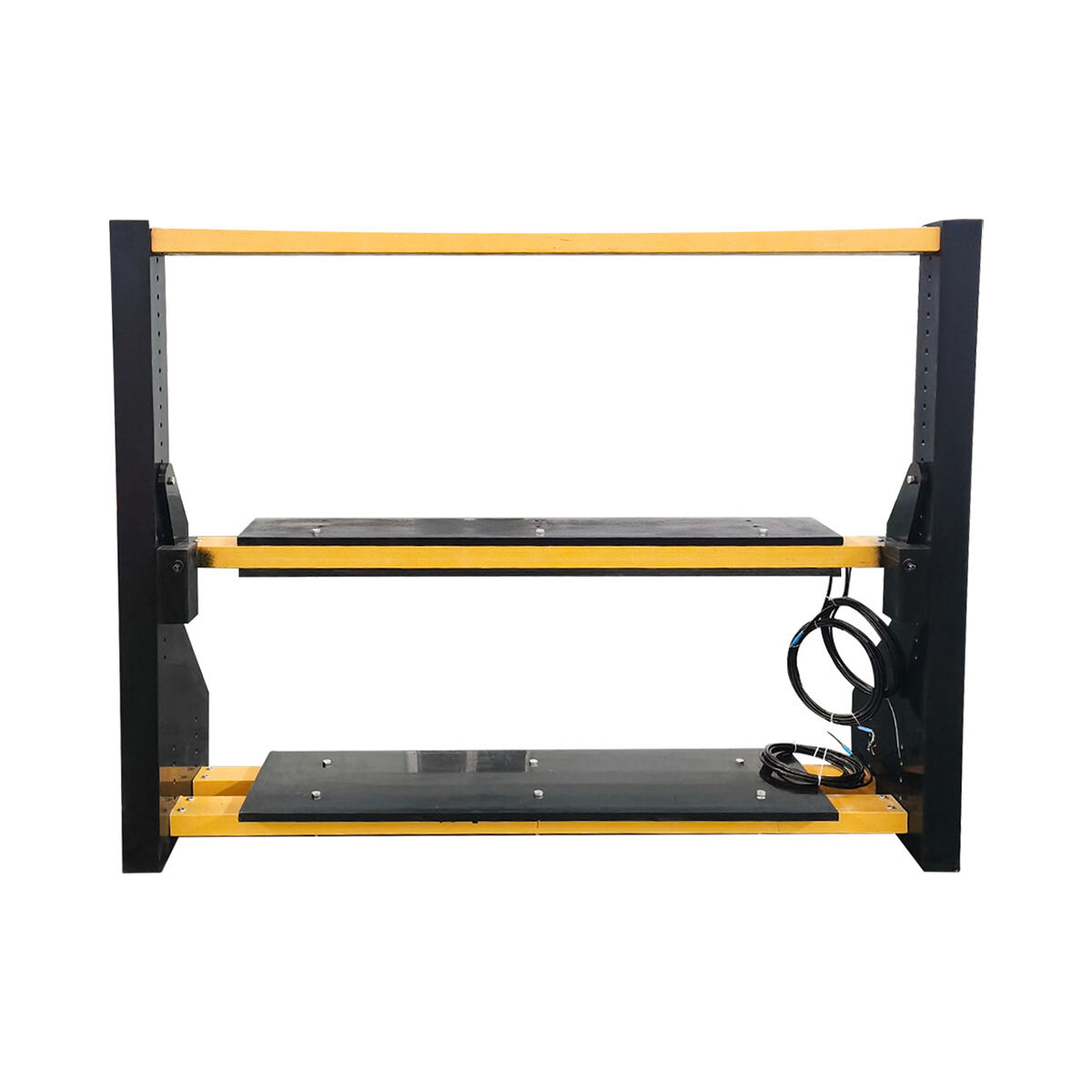
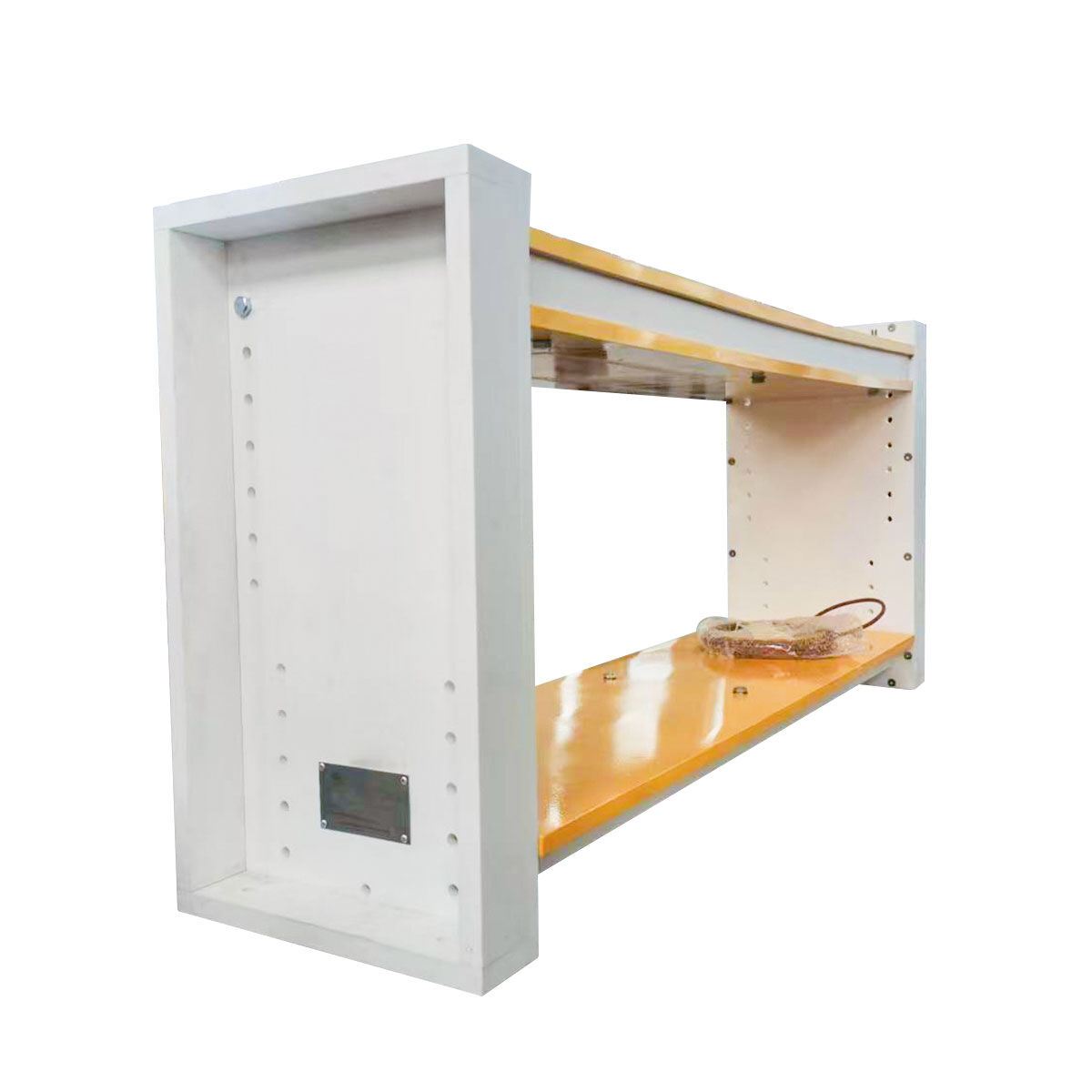
mining conveyor metal detector
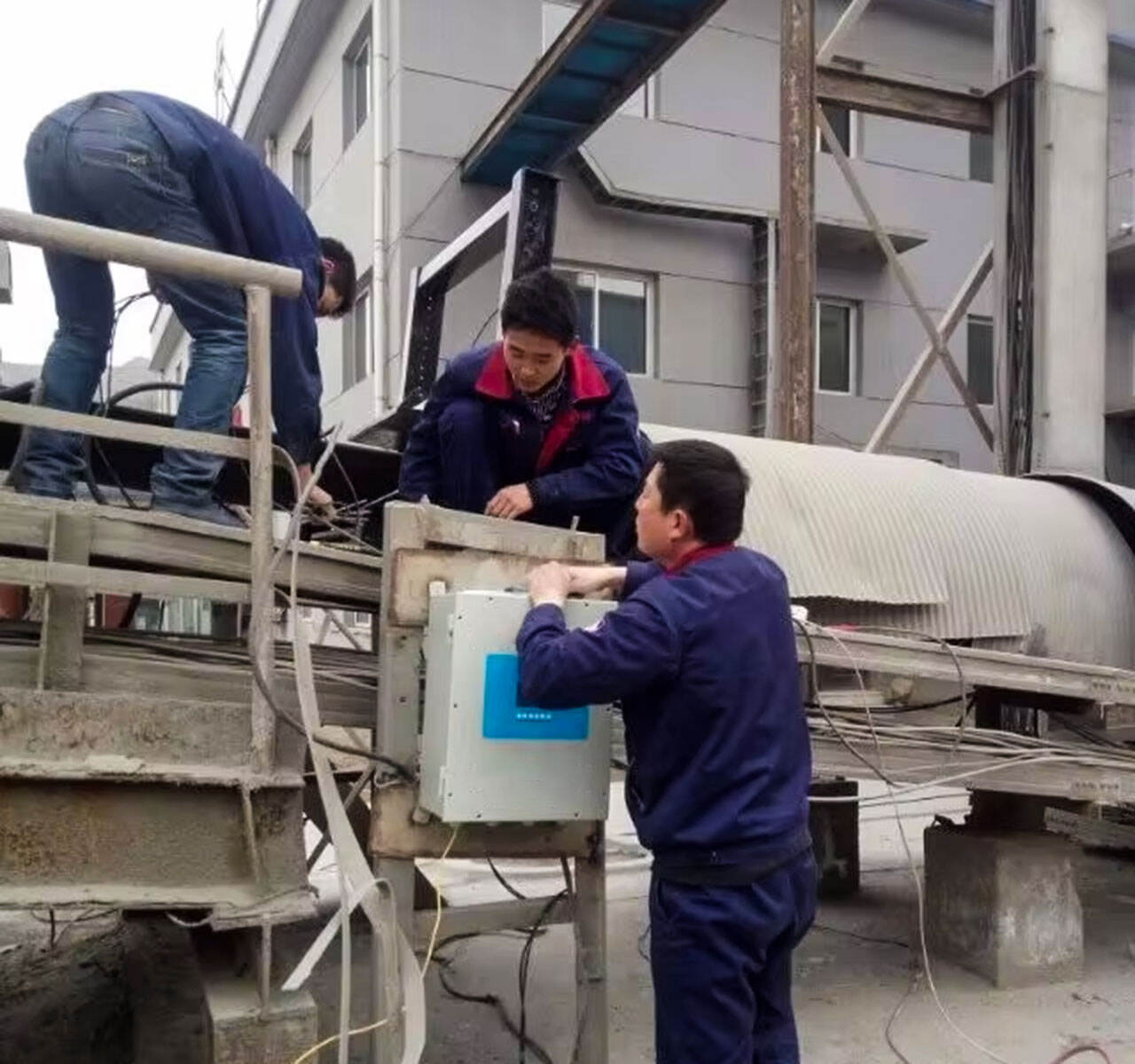
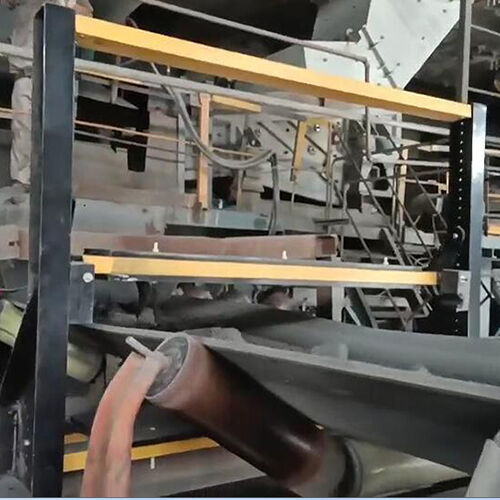
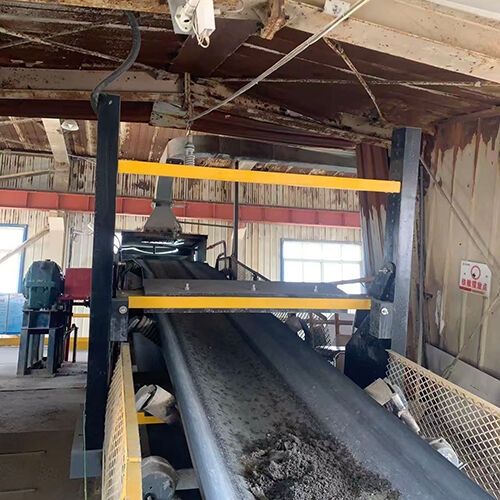
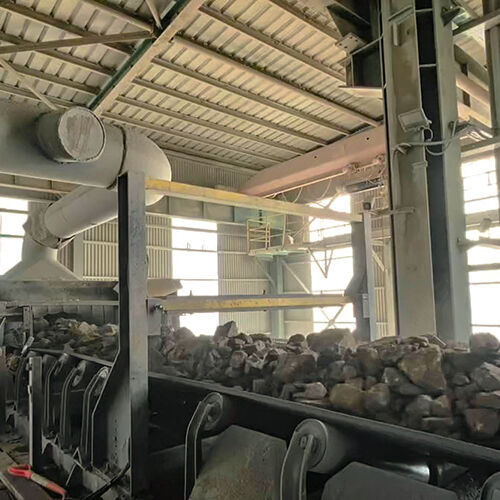
The mining conveyor metal detector represents a critical safety and operational component in modern mining operations, designed to identify and locate metallic contaminants within material streams on conveyor belt systems. This sophisticated detection equipment serves as an essential safeguard, protecting downstream processing equipment from potentially catastrophic damage while ensuring product purity and operational continuity. The mining conveyor metal detector operates through advanced electromagnetic field technology, creating a balanced detection field that monitors material as it passes through the conveyor system. When metallic objects enter this field, they disrupt the electromagnetic balance, triggering immediate alerts and automated response systems. The primary functions of these detectors include real-time monitoring of conveyor belt materials, instant detection of ferrous and non-ferrous metals, automatic sorting and rejection of contaminated materials, and comprehensive data logging for quality control purposes. Technologically, modern mining conveyor metal detectors incorporate digital signal processing capabilities, multi-frequency detection systems, and sophisticated filtering algorithms that minimize false alarms while maintaining high sensitivity levels. These units feature robust construction designed to withstand harsh mining environments, including exposure to dust, moisture, temperature fluctuations, and mechanical vibrations. The detector heads are typically enclosed in weatherproof housings with easy-access maintenance panels. Applications for mining conveyor metal detectors span across various mining sectors, including coal mining operations where they prevent metal contamination in coal streams, mineral processing facilities where they protect crushers and mills from tramp metal damage, aggregate production lines where they ensure product quality standards, and recycling operations where they facilitate material separation processes. Integration capabilities allow these systems to connect seamlessly with existing conveyor control systems, providing automated material diversion and comprehensive monitoring dashboards that enable operators to track performance metrics and maintenance schedules effectively.

 EN
EN