Advanced Mine Metal Detection Systems - Comprehensive Safety Solutions for Mining Operations

All Categories

Get a Free Quote

Our representative will contact you soon.
Email
Mobile/WhatsApp
Name
Company Name
Message
0/1000

mine metal detection

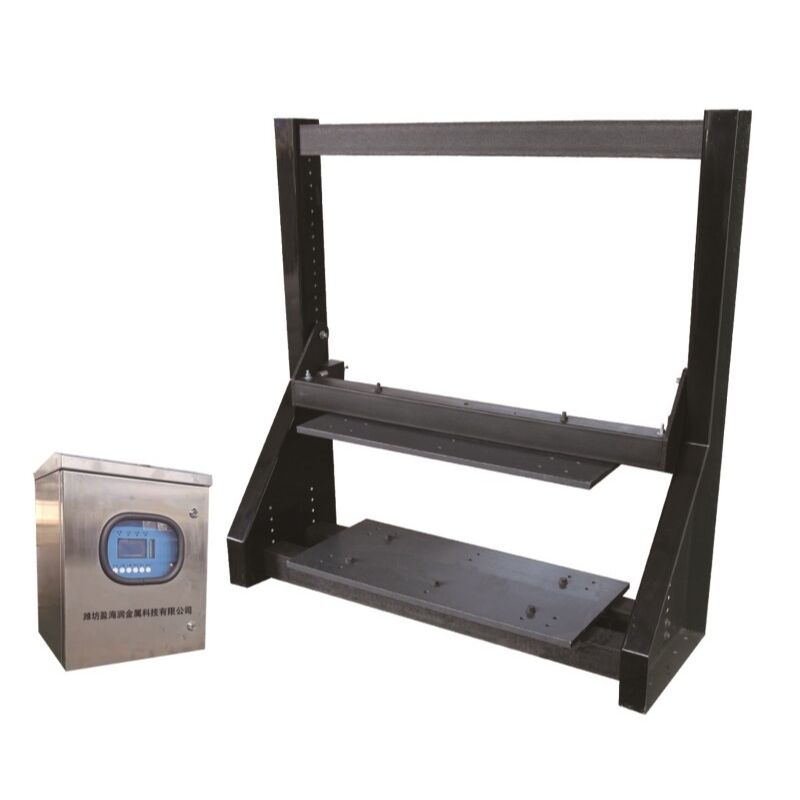
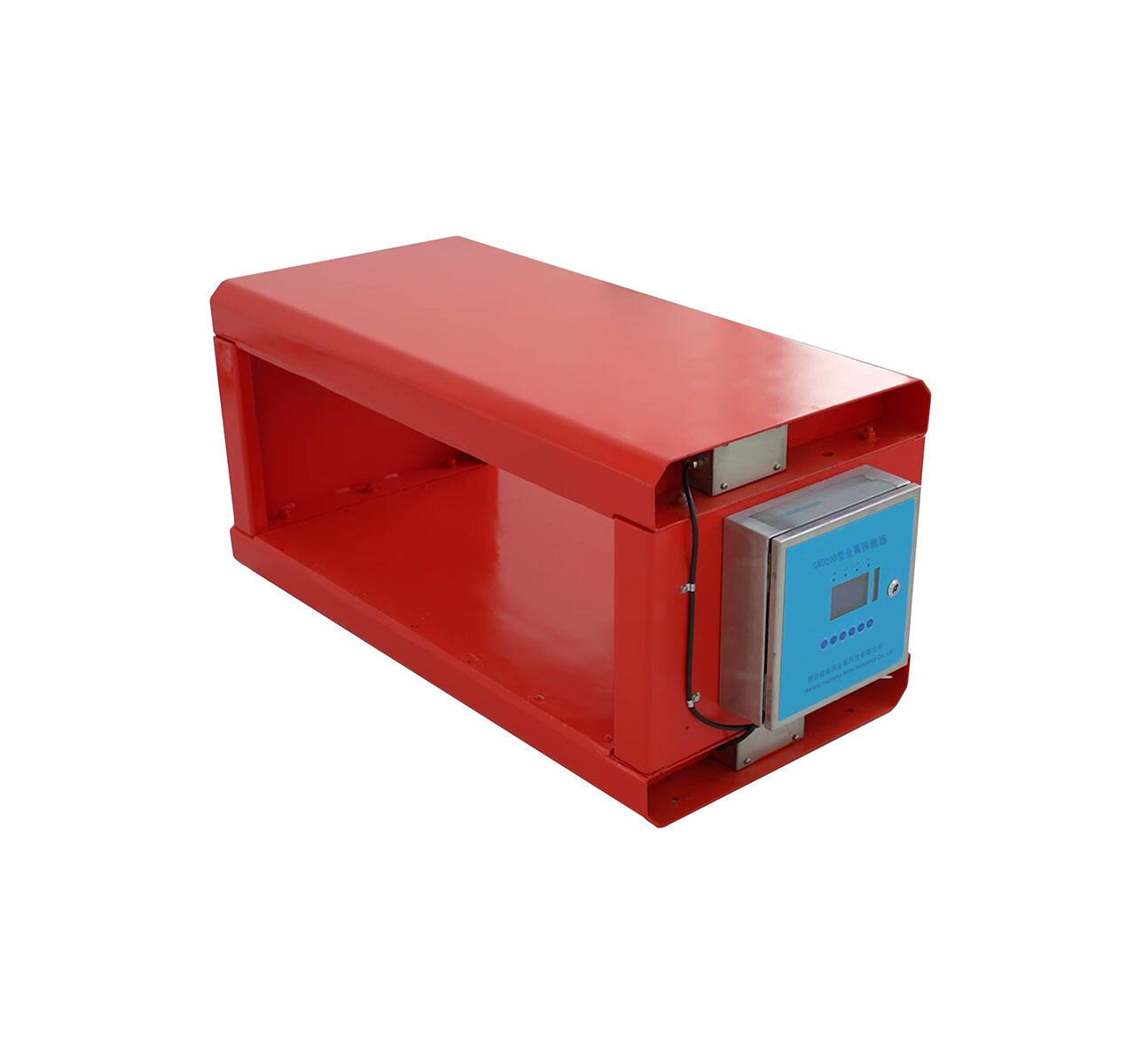
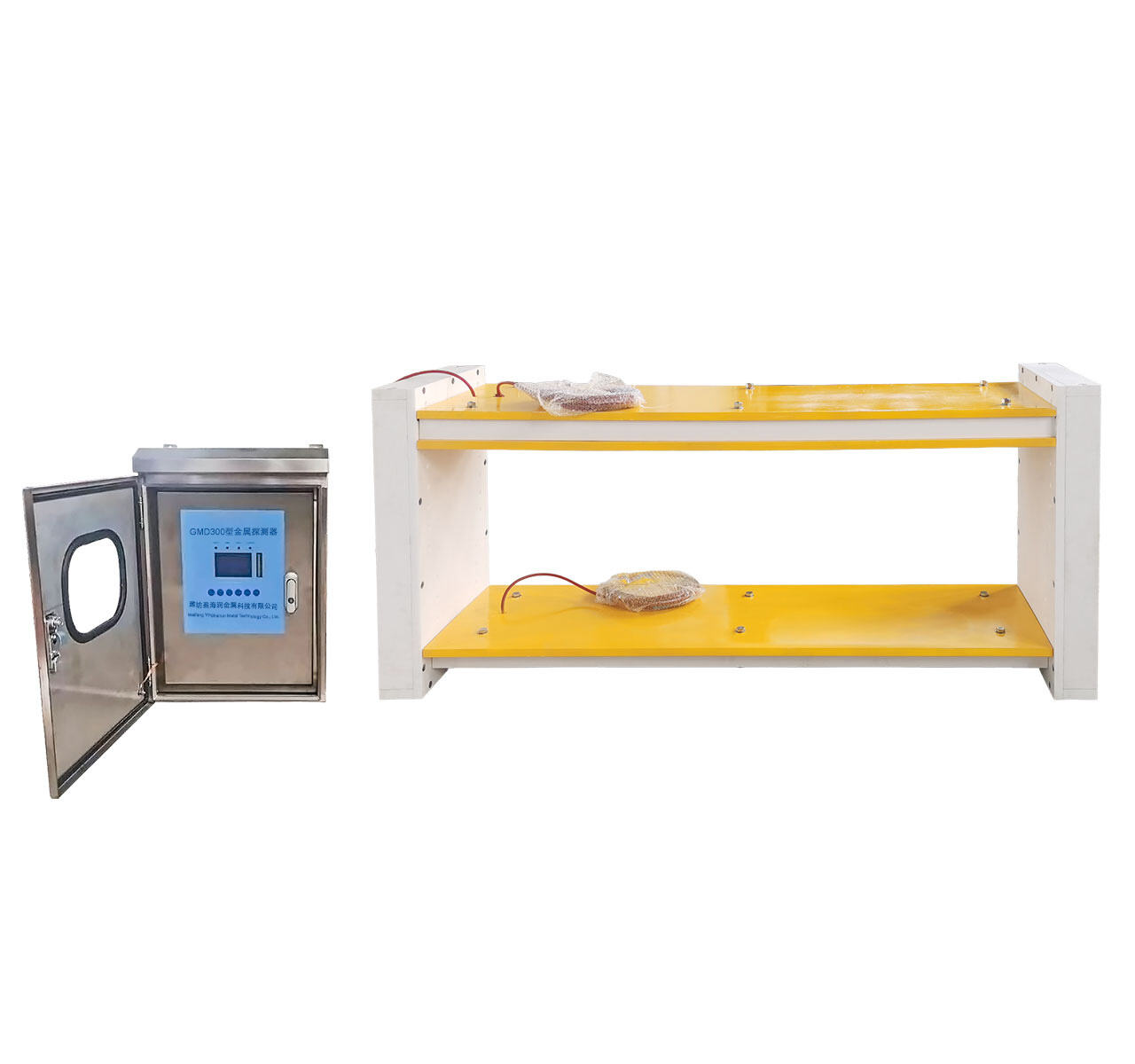
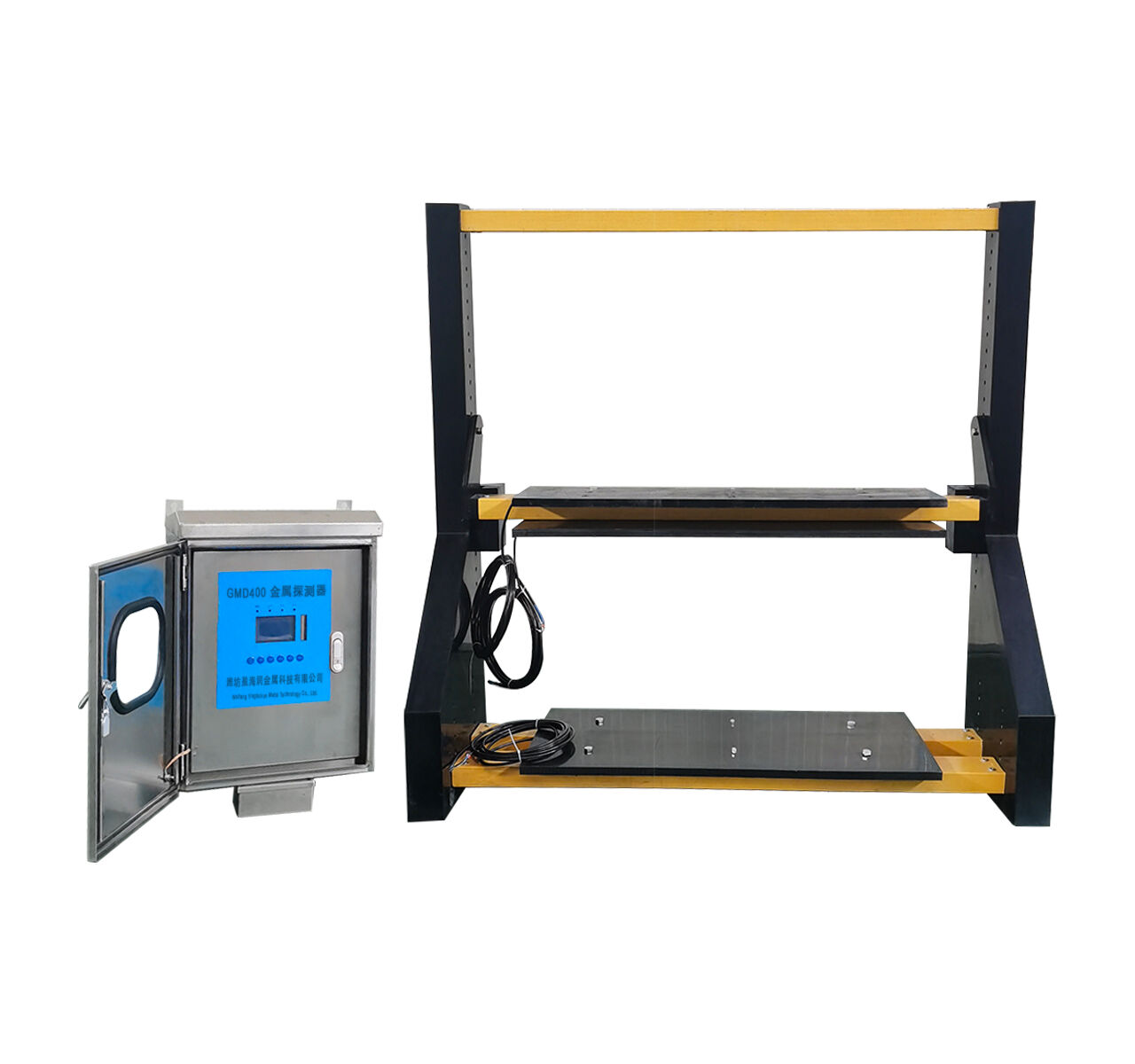
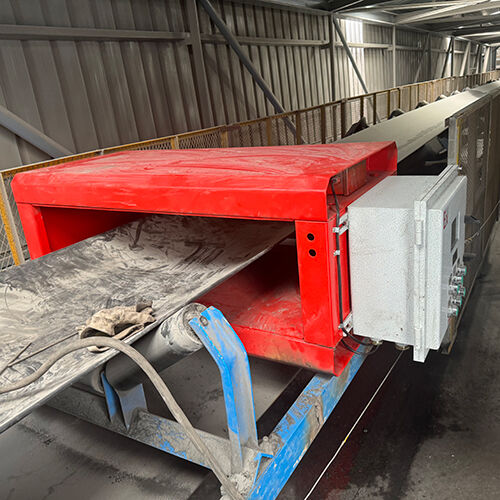
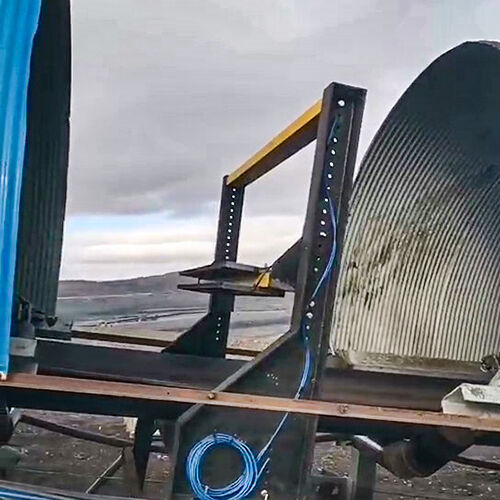
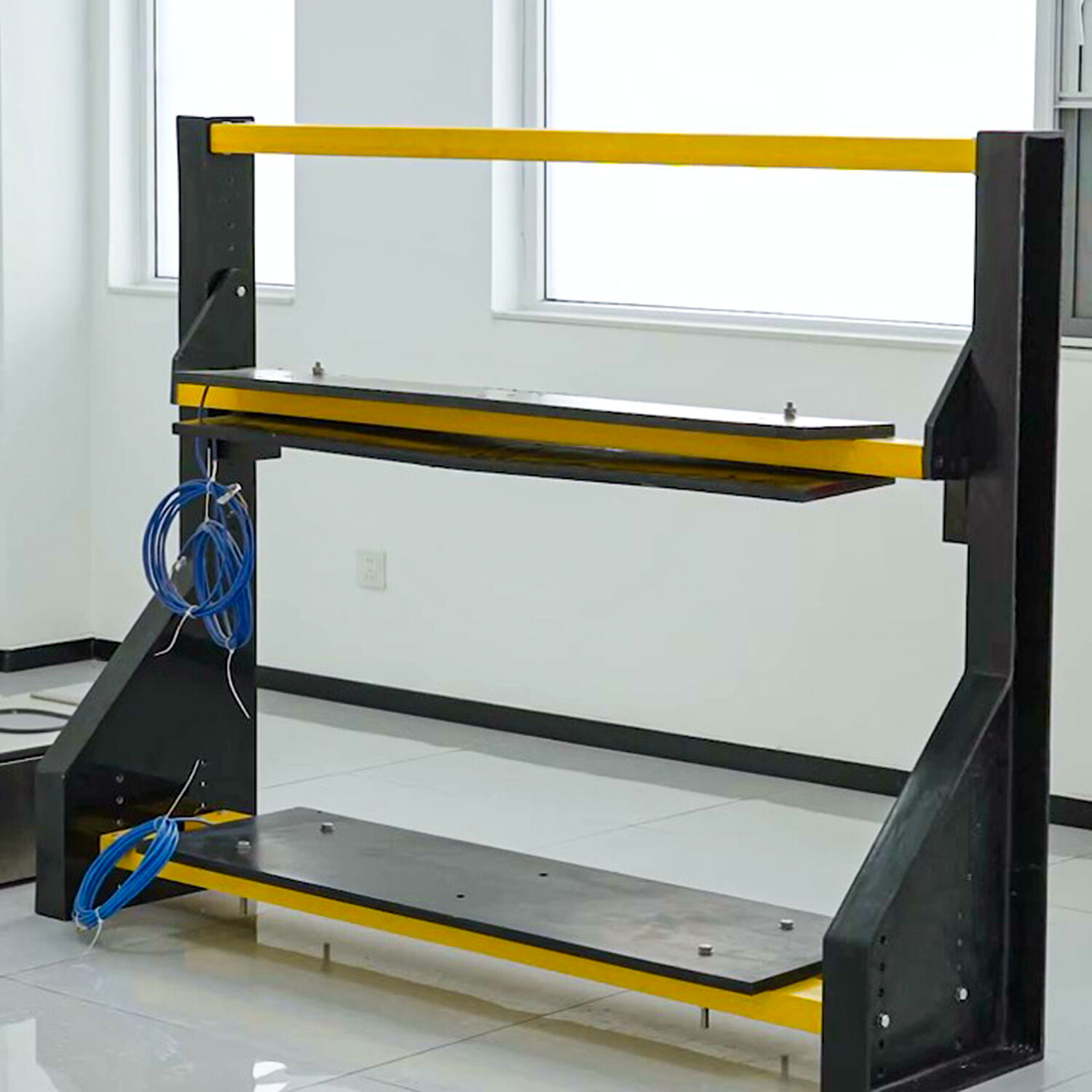
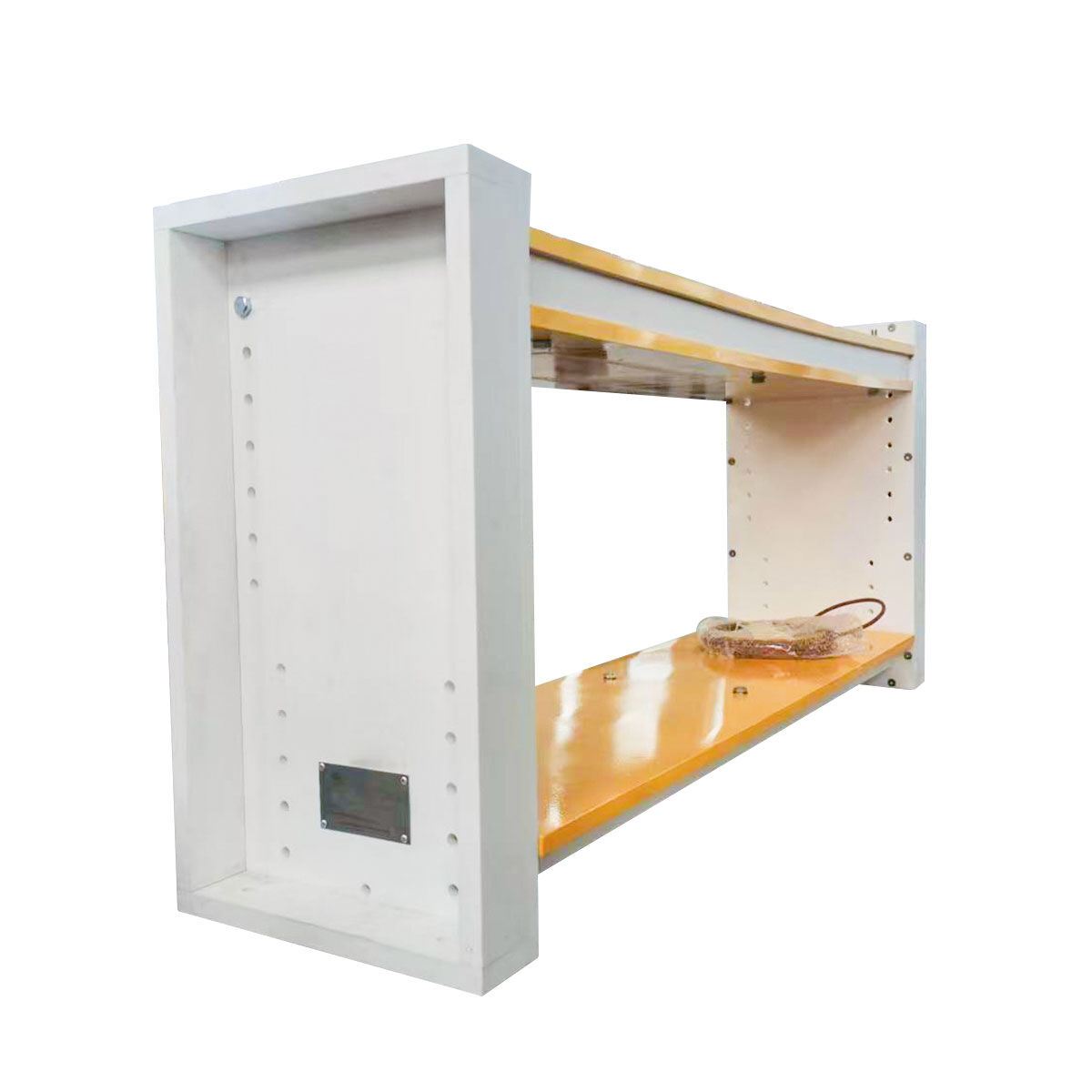
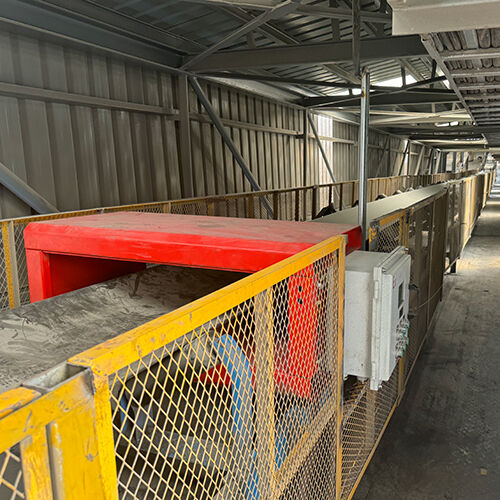
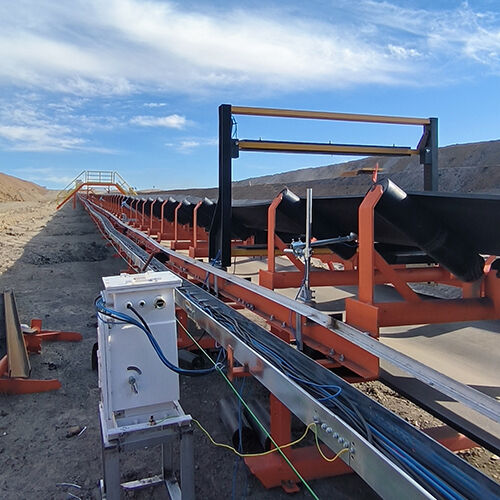
Mine metal detection represents a critical safety technology deployed across mining operations worldwide to identify metallic objects that pose significant risks to personnel and equipment. This sophisticated detection system serves as the primary defense mechanism against potentially catastrophic incidents caused by metal contamination in mining environments. The fundamental purpose of mine metal detection involves scanning conveyor belts, ore streams, and processed materials to locate unwanted metallic items before they reach crushers, mills, or other sensitive processing equipment. Modern mine metal detection systems utilize advanced electromagnetic field technology to create invisible detection zones that can identify even the smallest metallic particles within bulk materials. These systems operate by generating electromagnetic fields that become disrupted when metallic objects pass through the detection area, triggering immediate alerts and automated response mechanisms. The technological framework behind mine metal detection encompasses multiple sensor configurations, including balanced coil designs and pulse induction methods, each optimized for specific mining applications and material characteristics. Processing centers integrate mine metal detection units with sophisticated control systems that can differentiate between various metal types, sizes, and orientations, ensuring accurate identification while minimizing false alarms. The applications for mine metal detection extend across diverse mining sectors, including coal extraction, iron ore processing, copper mining, and precious metal recovery operations. Installation locations typically include conveyor systems, chutes, loading points, and material transfer stations where contamination risks are highest. These systems provide real-time monitoring capabilities, generating detailed reports on detection events, system performance, and maintenance requirements. The reliability of mine metal detection technology directly impacts operational efficiency, equipment longevity, and workplace safety standards, making it an indispensable component of modern mining infrastructure.


New Product Recommendations

Mine metal detection delivers substantial operational benefits that directly translate into cost savings and enhanced safety performance for mining operations. The primary advantage lies in equipment protection, where these systems prevent expensive damage to crushers, mills, screens, and other processing machinery by intercepting metallic contaminants before they cause mechanical failures. This proactive approach eliminates costly downtime associated with equipment repairs and replacement, often saving mining companies hundreds of thousands of dollars annually. Personnel safety represents another crucial benefit, as mine metal detection systems reduce the risk of accidents caused by metal fragments or explosive devices that might enter the processing stream. The technology enables immediate shutdown protocols when dangerous metallic objects are detected, protecting workers from potential injuries and creating safer working environments. Productivity improvements emerge through reduced maintenance schedules and increased equipment availability, as protected machinery experiences less wear and operates more reliably over extended periods. Quality control benefits become apparent through improved product purity, as mine metal detection ensures cleaner output materials that meet stringent customer specifications and industry standards. The systems provide comprehensive documentation capabilities, generating detailed logs of all detection events that support compliance reporting and quality assurance programs. Environmental advantages include reduced waste generation and improved resource recovery rates, as protected equipment operates more efficiently and produces higher-quality outputs. Installation flexibility allows mine metal detection systems to adapt to various operational configurations, from underground conveyor networks to surface processing facilities, accommodating diverse mining layouts and requirements. The technology offers scalable solutions that grow with mining operations, supporting expansion plans and evolving production demands. Remote monitoring capabilities enable centralized oversight of multiple detection points, reducing staffing requirements while maintaining comprehensive surveillance coverage. Integration with existing control systems streamlines operations and minimizes training requirements for personnel. Cost-effectiveness becomes evident through extended equipment lifecycles and reduced insurance premiums, as many providers recognize the risk mitigation benefits of comprehensive mine metal detection programs. The return on investment typically materializes within the first year of operation through prevented damage incidents and improved operational efficiency.

Latest News

Reliable Mine Metal Detectors for Primary Crusher Protection

05

Apr

Reliable Mine Metal Detectors for Primary Crusher Protection

Primary crushers in mining operations face constant threats from metallic contaminants that can cause devastating equipment damage, costly downtime, and significant safety hazards. A reliable mine metal detector serves as the critical first line of d...
View More
Designing a Conveyor Belt Metal Detector System for Productivity

11

Apr

Designing a Conveyor Belt Metal Detector System for Productivity

Designing an effective conveyor belt metal detector system requires careful consideration of multiple engineering factors that directly impact productivity in industrial operations. The integration of a conveyor belt metal detector into existing prod...
View More
Understanding the Components of a Metal Detector Machine

08

Apr

Understanding the Components of a Metal Detector Machine

A metal detector machine consists of several interconnected components that work together to identify metallic objects beneath the surface or within materials. Understanding these fundamental components is essential for anyone working with metal dete...
View More
Common Industrial Applications for Tramp Metal Detectors

13

Apr

Common Industrial Applications for Tramp Metal Detectors

Industrial facilities across manufacturing, mining, and processing sectors face constant challenges from unwanted metallic contamination that can damage equipment, compromise product quality, and create safety hazards. A tramp metal detector serves a...
View More

Get a Free Quote

Our representative will contact you soon.
Email
Mobile/WhatsApp
Name
Company Name
Message
0/1000

mine metal detection

Advanced Electromagnetic Detection Technology

Advanced Electromagnetic Detection Technology

The cornerstone of effective mine metal detection lies in its sophisticated electromagnetic detection technology, which represents a significant advancement over traditional metal detection methods used in mining applications. This cutting-edge technology employs multiple frequency electromagnetic fields that create highly sensitive detection zones capable of identifying metallic objects as small as a few millimeters in diameter, even when buried within tons of bulk material. The electromagnetic system generates precisely controlled magnetic fields that penetrate deep into material streams, ensuring comprehensive coverage across the entire conveyor width and depth. When metallic objects disrupt these electromagnetic fields, the system immediately processes the signal changes through advanced algorithms that can distinguish between different metal types, sizes, and orientations. This discrimination capability proves essential in mining environments where naturally occurring metallic minerals might otherwise trigger false alarms, allowing operators to focus on genuine contamination threats. The technology incorporates multiple detection coils arranged in balanced configurations that compensate for environmental interference and maintain consistent sensitivity levels across varying operational conditions. Temperature compensation features ensure reliable performance in extreme mining environments, from frigid underground operations to scorching surface facilities. The electromagnetic detection system operates continuously without requiring physical contact with materials, eliminating wear-related maintenance issues common with mechanical detection methods. Digital signal processing capabilities enable real-time analysis of detection signals, providing instant feedback on threat levels and contamination characteristics. The system can simultaneously monitor multiple detection zones, creating comprehensive coverage areas that account for material flow patterns and potential contamination entry points. Calibration procedures utilize advanced software interfaces that simplify setup and maintenance procedures while ensuring optimal detection sensitivity. The electromagnetic technology adapts to different material characteristics, automatically adjusting sensitivity levels based on product mineralogy and moisture content. This intelligent adaptation ensures consistent detection performance across diverse mining applications, from dry coal processing to wet ore concentration. Integration capabilities allow the electromagnetic detection system to communicate with plant control systems, enabling automated response protocols and comprehensive data logging for analysis and reporting purposes.
Real-Time Monitoring and Automated Response Systems

Real-Time Monitoring and Automated Response Systems

Mine metal detection systems excel through their sophisticated real-time monitoring capabilities and automated response mechanisms that provide immediate protection against contamination threats without requiring constant human oversight. The monitoring infrastructure continuously tracks material flow patterns, detection sensitivity levels, and system performance parameters, generating comprehensive operational data that supports both immediate decision-making and long-term optimization strategies. Advanced sensor networks positioned throughout the detection zone collect thousands of data points per second, creating detailed profiles of material streams that enable precise contamination identification and location tracking. The real-time processing capability ensures that detection alerts are generated within milliseconds of contamination entry, providing sufficient response time to activate protective measures before materials reach sensitive equipment. Automated response systems integrate seamlessly with existing plant infrastructure, enabling immediate conveyor shutdowns, material diverter activation, and alarm notifications that alert personnel to contamination events. The system maintains detailed event logs that capture detection timestamps, contamination characteristics, response actions, and resolution procedures, creating valuable documentation for compliance reporting and process improvement initiatives. Remote monitoring capabilities allow supervisory personnel to oversee multiple detection points from centralized control rooms, reducing staffing requirements while maintaining comprehensive surveillance coverage across entire mining operations. Mobile device integration enables key personnel to receive instant notifications and system status updates regardless of their location within the facility, ensuring rapid response to critical events. The monitoring system generates predictive maintenance alerts based on component performance trends and usage patterns, preventing unexpected failures and maintaining optimal detection sensitivity. Customizable dashboard interfaces provide operators with intuitive access to critical system information, including detection statistics, performance metrics, and maintenance schedules. Data analytics capabilities process historical detection patterns to identify potential contamination sources and recommend preventive measures that reduce future risks. The automated response system can implement graduated response protocols, from simple alerts for minor detections to complete system shutdowns for significant contamination threats. Integration with quality management systems enables automatic documentation of detection events for regulatory compliance and customer reporting requirements. Network connectivity allows for remote diagnostics and technical support, reducing downtime associated with troubleshooting and repairs while ensuring optimal system performance.
Comprehensive Integration and Scalability Features

Comprehensive Integration and Scalability Features

The exceptional integration and scalability features of mine metal detection systems make them invaluable investments that adapt to evolving operational requirements while seamlessly connecting with existing mining infrastructure. These systems demonstrate remarkable flexibility in accommodating diverse installation environments, from compact underground conveyor systems to expansive surface processing facilities, ensuring optimal performance regardless of operational constraints. The modular design philosophy enables mining operations to implement detection capabilities incrementally, starting with critical protection points and expanding coverage as operational needs and budgets allow. Integration protocols support connectivity with virtually all industrial control systems commonly found in mining applications, including programmable logic controllers, distributed control systems, and supervisory control and data acquisition platforms. This comprehensive compatibility eliminates the need for costly infrastructure modifications while enabling sophisticated automation capabilities that enhance operational efficiency. The scalable architecture allows single detection units to protect individual conveyor lines or multiple interconnected systems to provide facility-wide contamination monitoring with centralized oversight and control. Expansion capabilities accommodate future production increases, equipment additions, and process modifications without requiring complete system replacements, protecting initial investments while supporting long-term operational growth. Communication networks within the detection system enable real-time data sharing between multiple units, creating intelligent monitoring networks that can correlate detection patterns and optimize response strategies across entire facilities. The integration framework supports bidirectional communication with plant management systems, enabling automatic reporting of detection statistics, maintenance requirements, and performance metrics that support informed decision-making. Customization options allow mining operations to tailor detection parameters, response protocols, and reporting formats to match specific operational procedures and regulatory requirements. The system architecture accommodates various power supply configurations, from standard electrical connections to backup battery systems that ensure continuous operation during power disruptions. Installation flexibility includes options for retrofit applications in existing facilities and optimized configurations for new construction projects, minimizing implementation complexity and costs. Software platforms provide intuitive interfaces for system configuration, monitoring, and maintenance that reduce training requirements and operational complexity. The scalable design supports distributed processing capabilities that can handle increasing data loads and detection complexity without performance degradation. Future-proof technology ensures compatibility with emerging mining technologies and evolving industry standards, protecting long-term investment value while maintaining cutting-edge detection capabilities.

Get a Free Quote

Our representative will contact you soon.
Email
Mobile/WhatsApp
Name
Company Name
Message
0/1000