Integrated Automation and Smart Connectivity Features
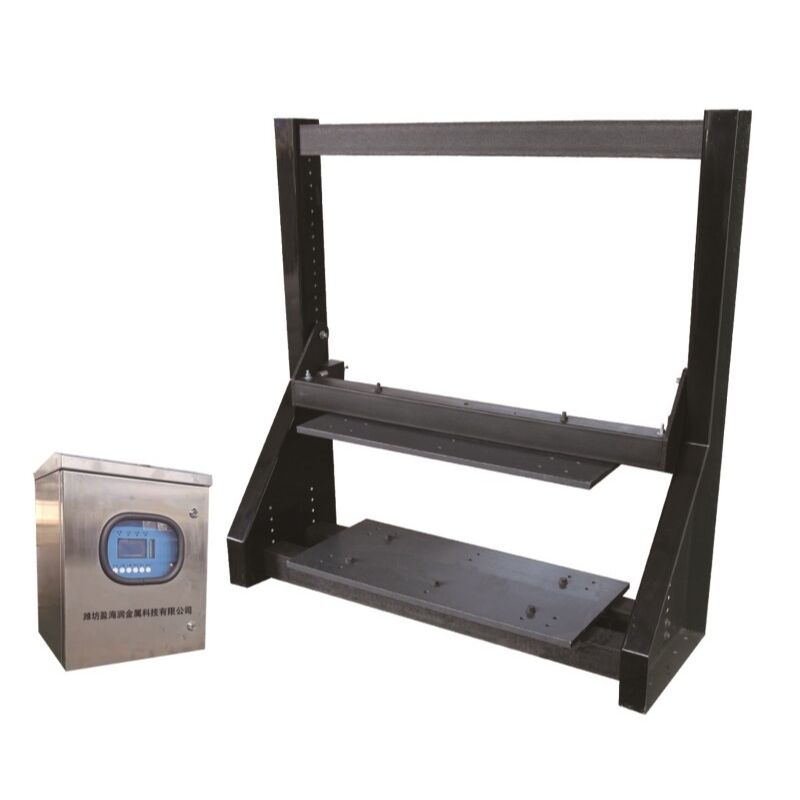
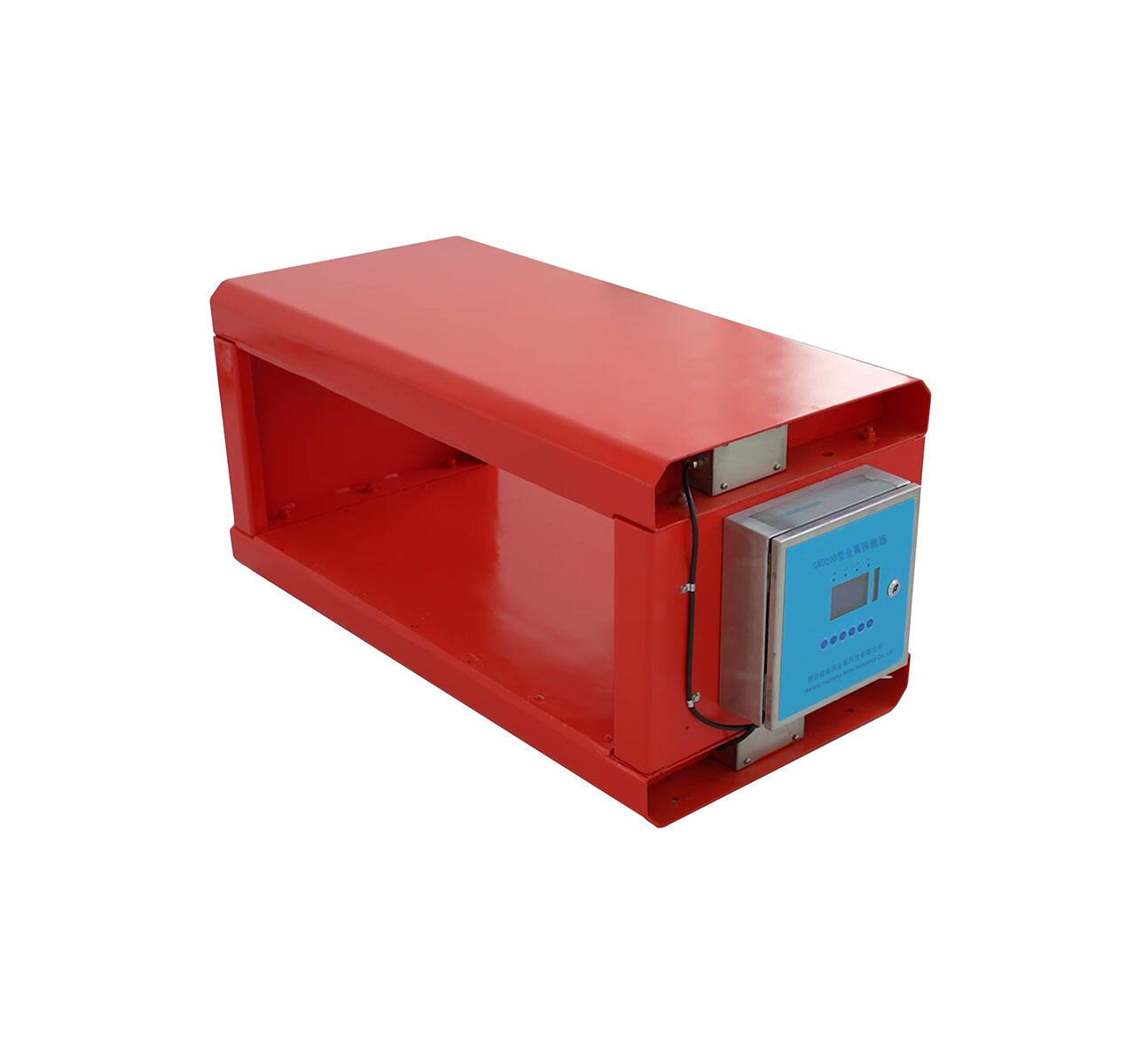
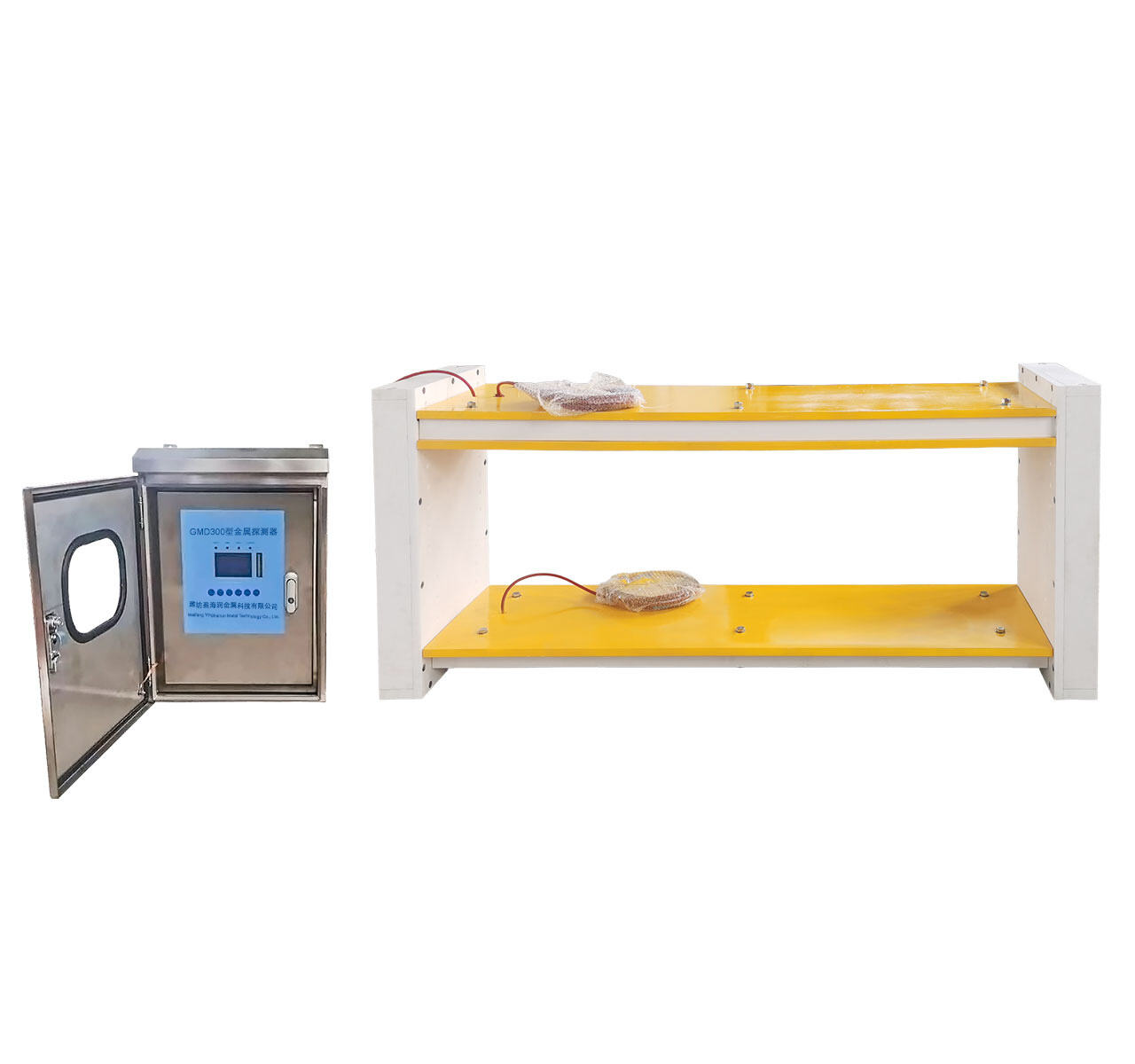
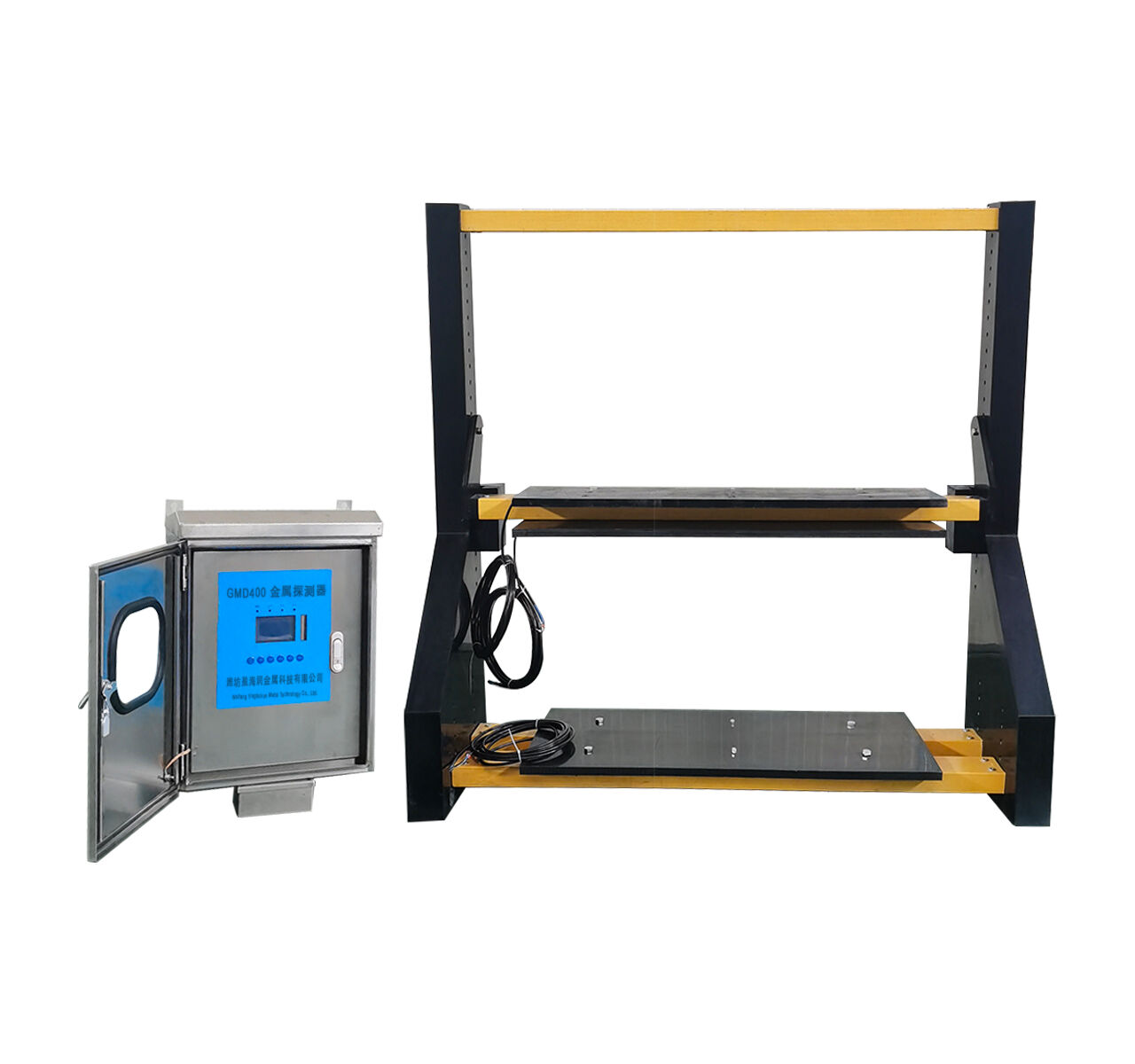
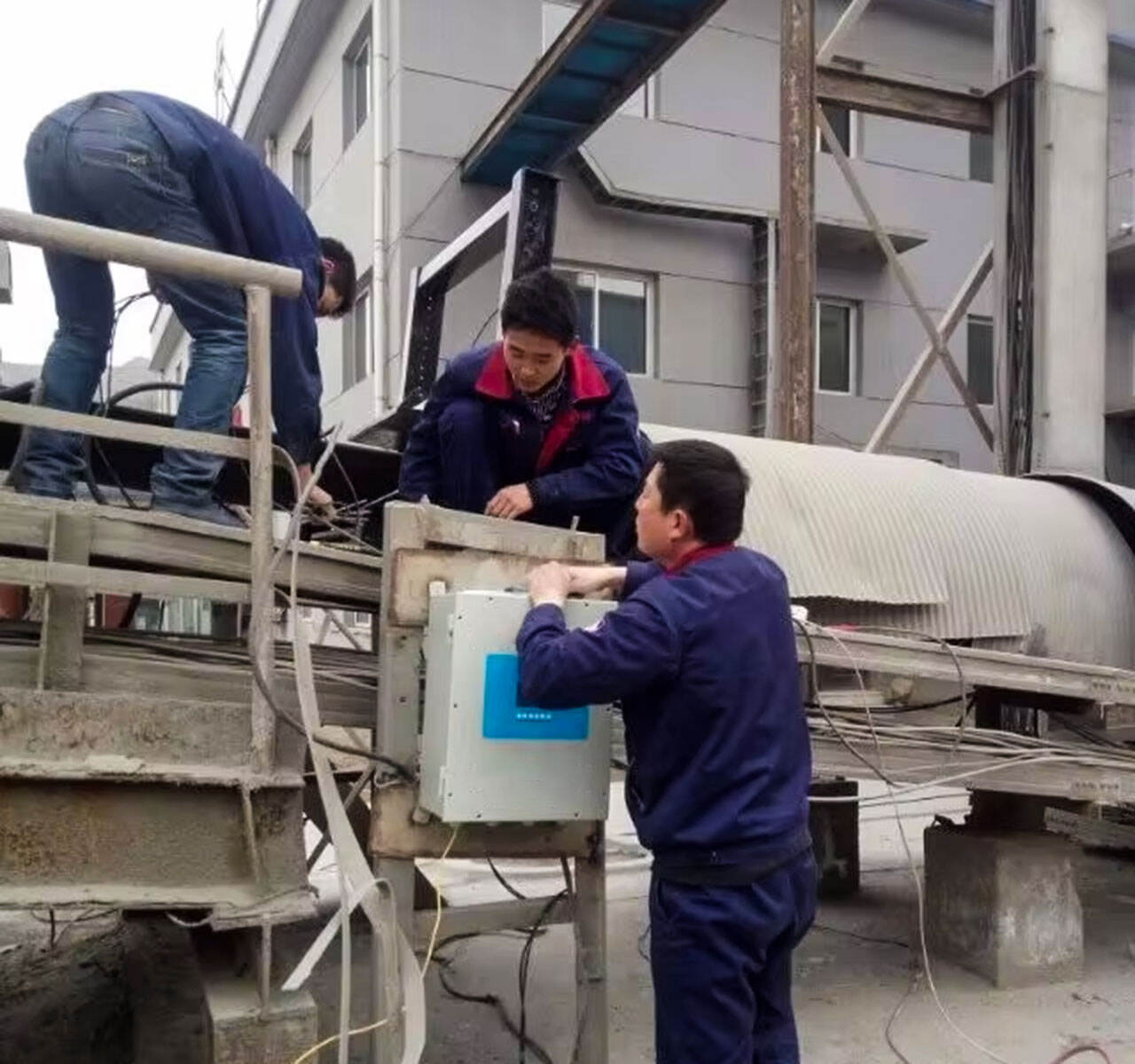
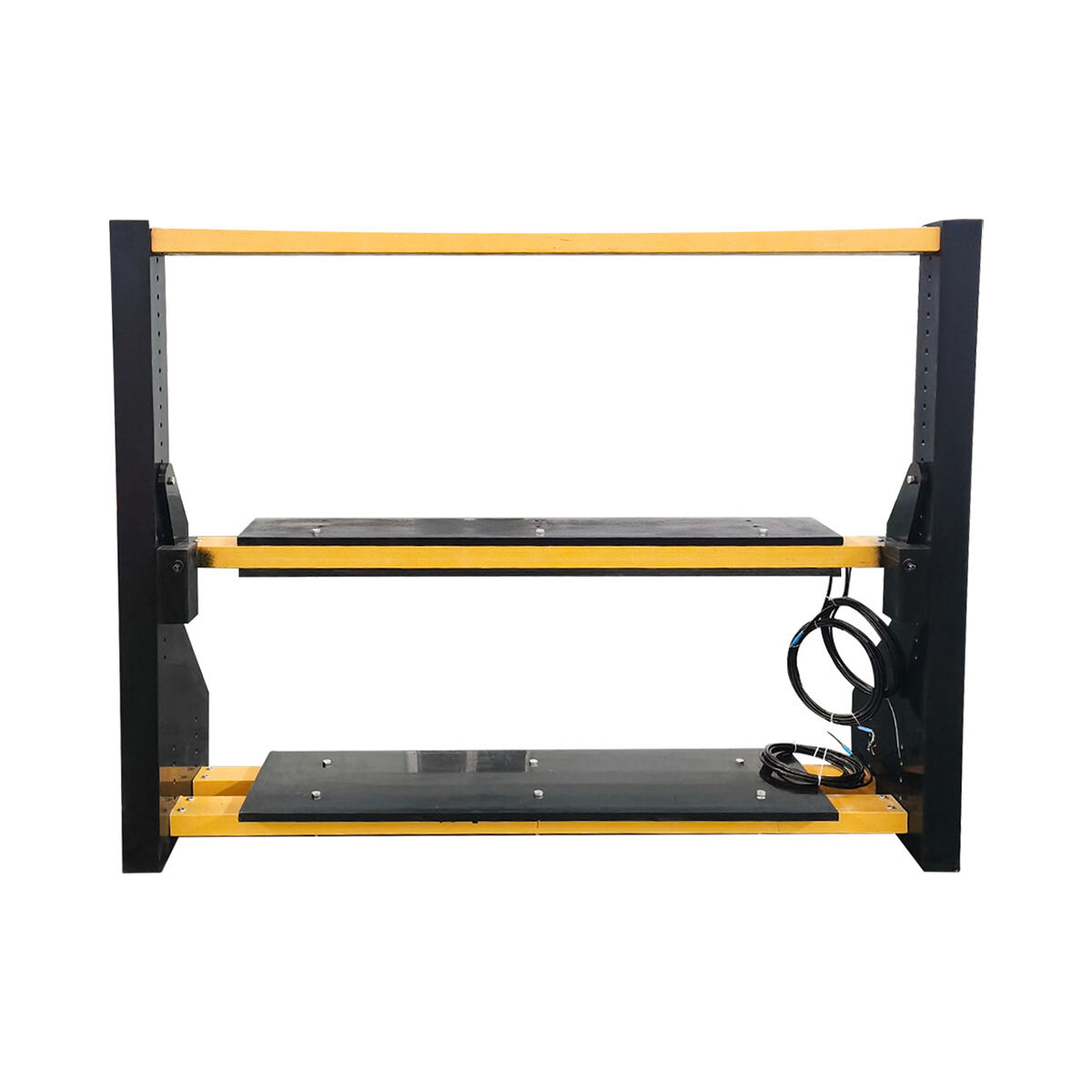
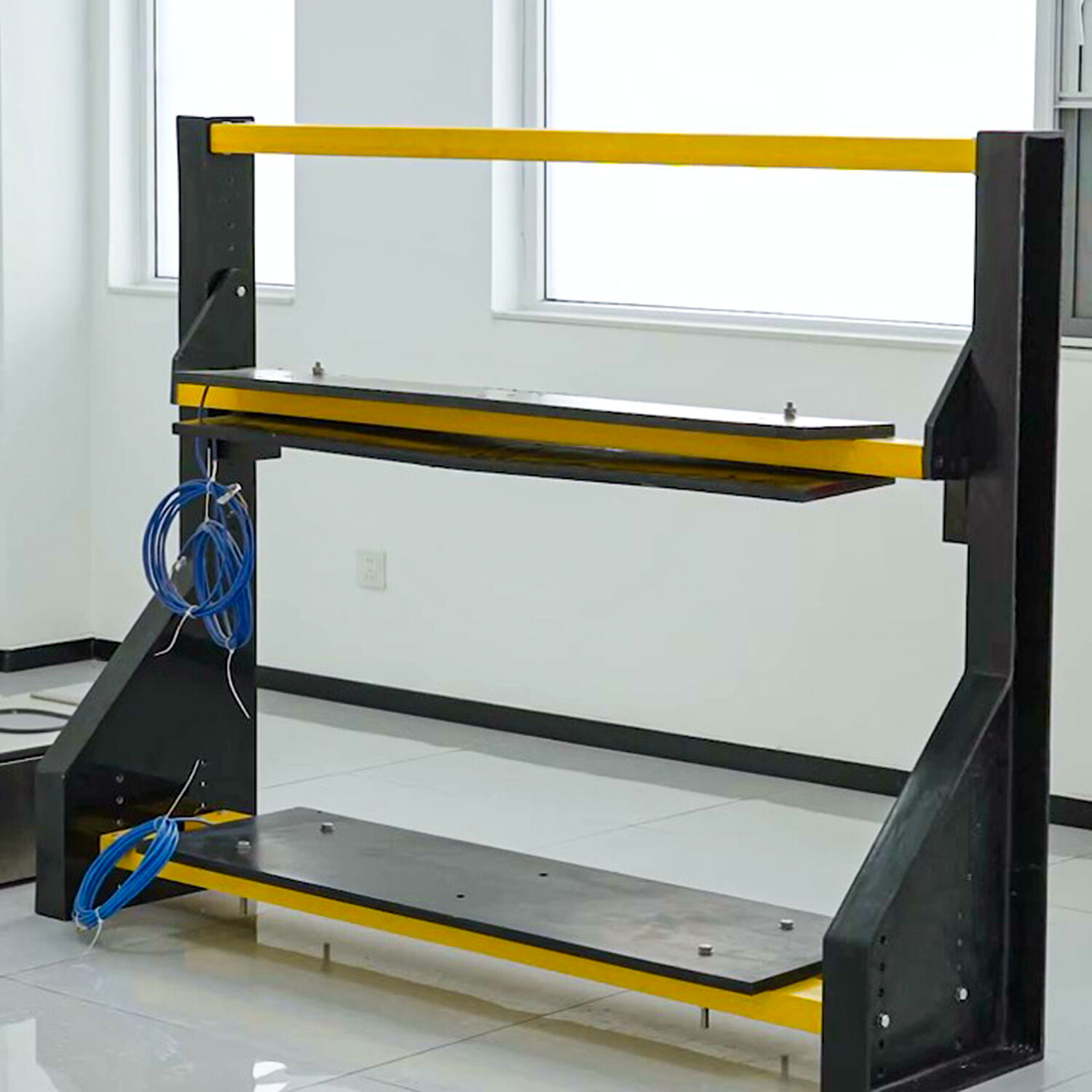
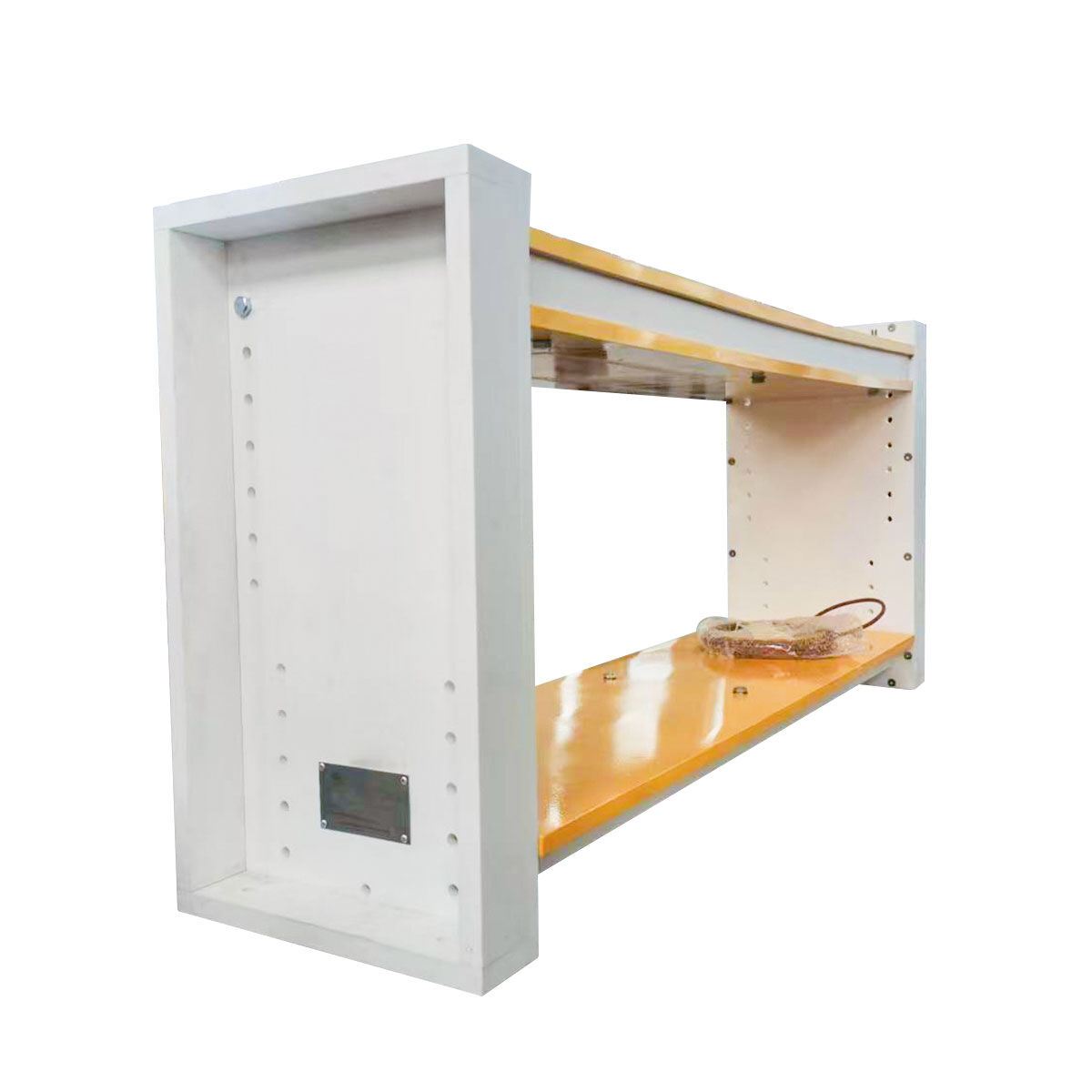
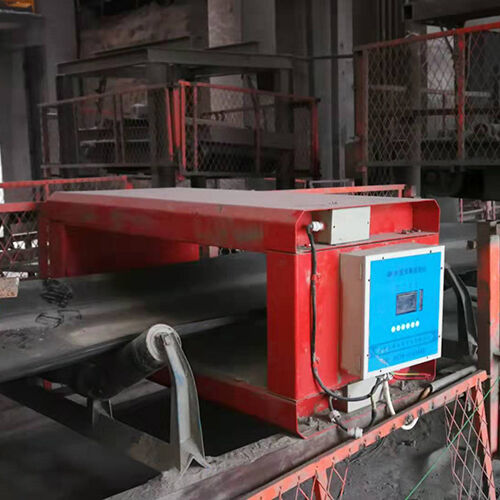
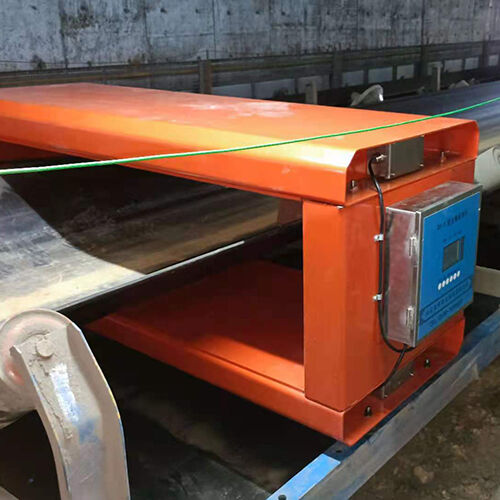
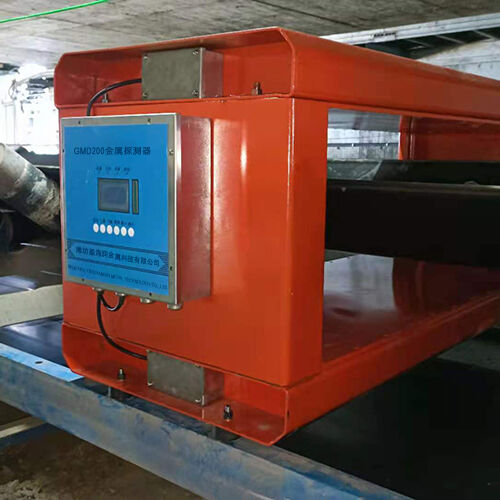
Modern machinery protection metal detector systems incorporate sophisticated automation capabilities and smart connectivity features that seamlessly integrate with existing plant infrastructure while providing enhanced monitoring and control functionality. These advanced systems communicate directly with programmable logic controllers, distributed control systems, and manufacturing execution software through standard industrial protocols including Ethernet/IP, Modbus, and Profibus, enabling centralized monitoring and coordinated response procedures. The machinery protection metal detector automatically logs detection events with precise timestamps, contamination levels, and system status information, creating comprehensive audit trails that support quality management systems and regulatory compliance requirements. Real-time data transmission allows plant operators to monitor multiple machinery protection metal detector installations from central control rooms, receiving instant notifications of contamination events, system status changes, or maintenance requirements across entire production facilities. Smart diagnostic capabilities continuously monitor internal system components, tracking coil performance, electronic stability, and calibration accuracy while predicting potential maintenance needs before failures occur. This predictive maintenance approach minimizes unexpected downtime and ensures optimal detection performance throughout the machinery protection metal detector's operational lifetime. Remote access capabilities enable service technicians to perform system diagnostics, adjust sensitivity parameters, and troubleshoot issues without physical site visits, reducing maintenance costs and minimizing production interruptions. The machinery protection metal detector stores extensive historical data that helps identify contamination patterns, peak incident periods, and potential upstream sources of metallic contamination, enabling proactive quality improvements and preventive maintenance scheduling. Integration with enterprise resource planning systems allows automatic correlation of detection events with production batches, facilitating rapid product recalls if necessary and supporting traceability requirements in regulated industries. Customizable alarm escalation procedures ensure appropriate personnel receive immediate notification of critical contamination events through multiple communication channels including text messages, emails, and automated phone calls.

 EN
EN