Professional Mining Detector Systems - Advanced Mineral Detection Technology for Mining Operations

All Categories

Get a Free Quote

Our representative will contact you soon.
Email
Mobile/WhatsApp
Name
Company Name
Message
0/1000

mining detector

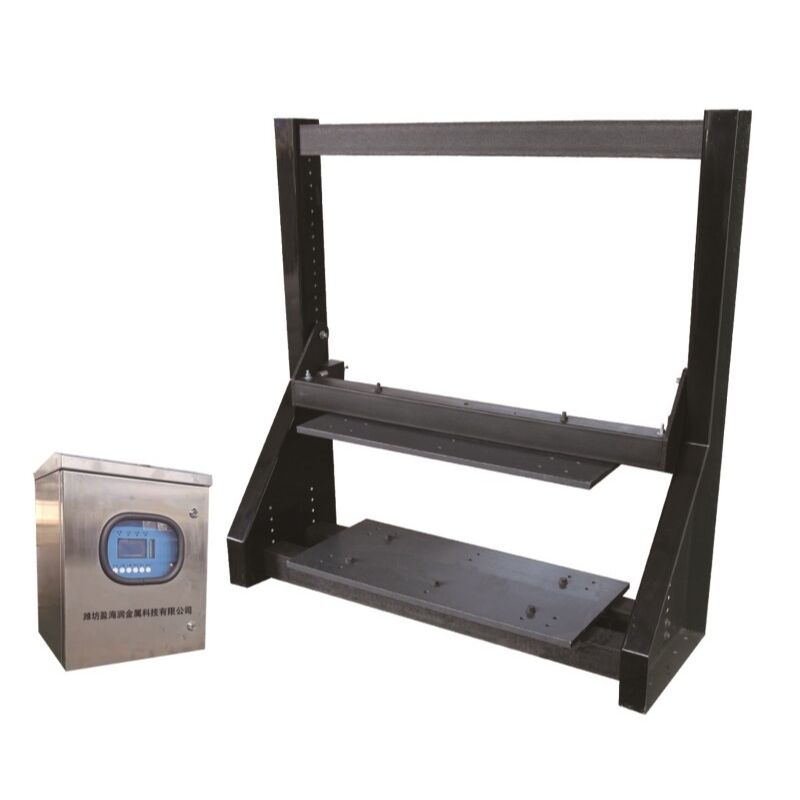
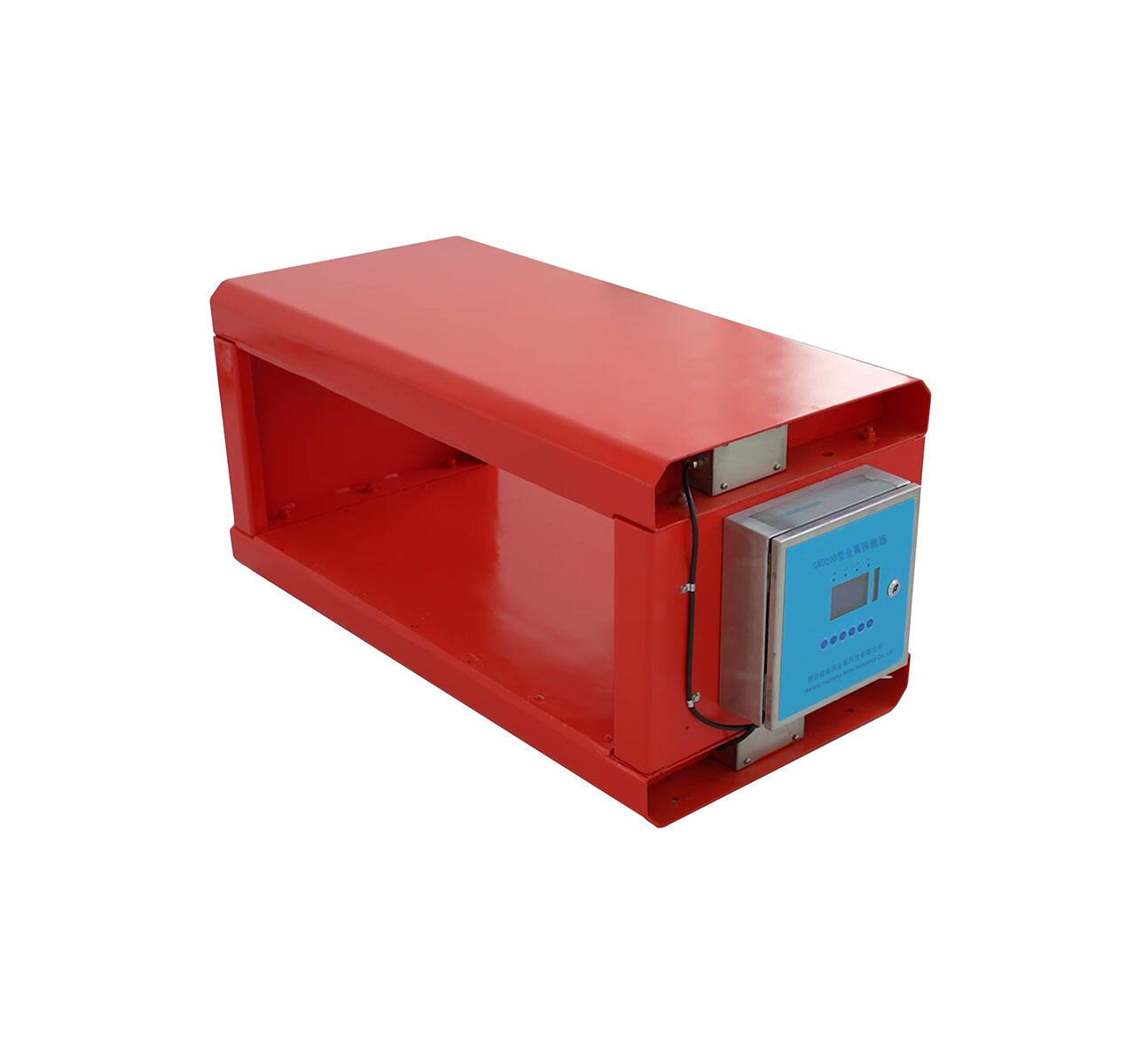
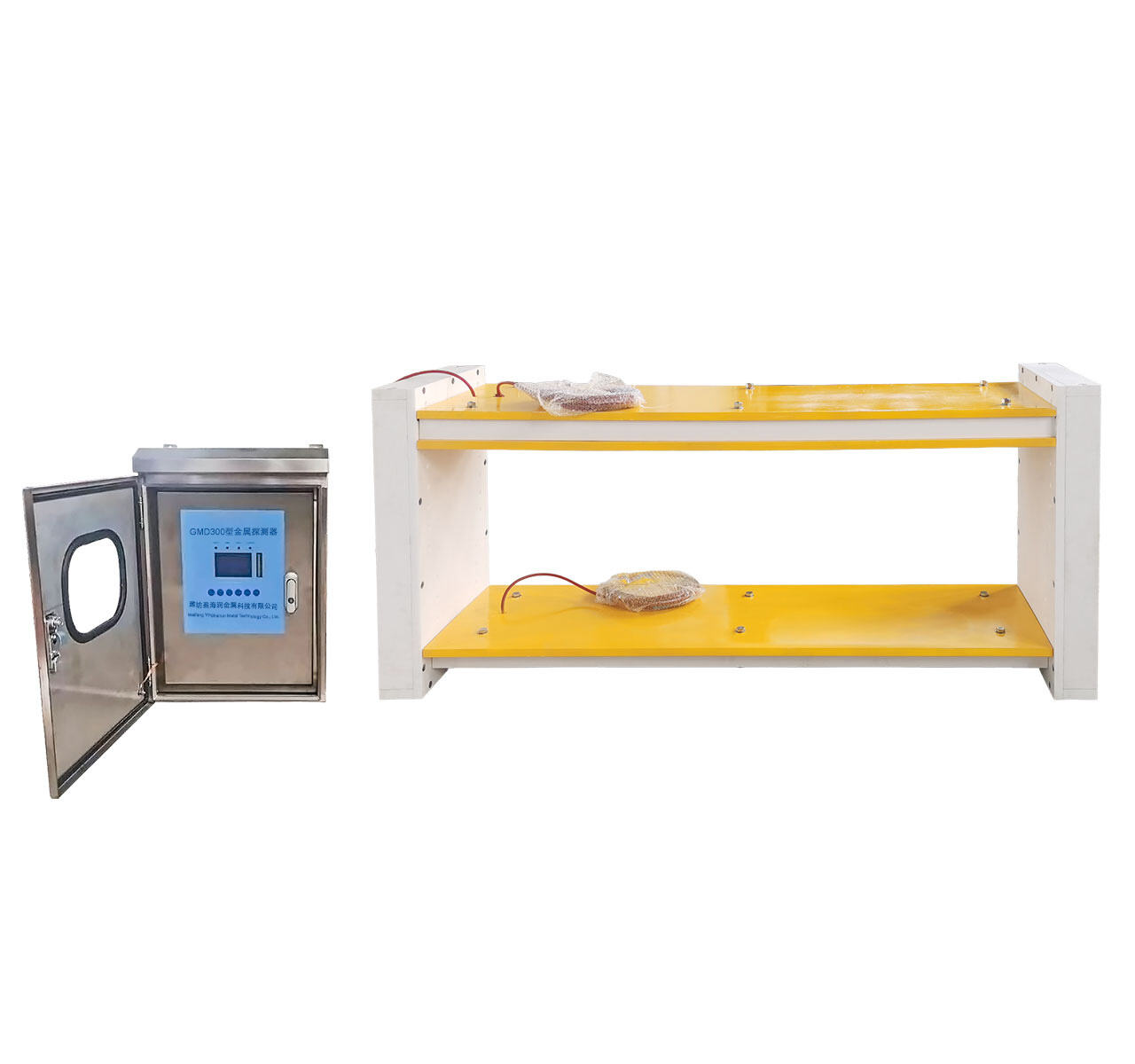
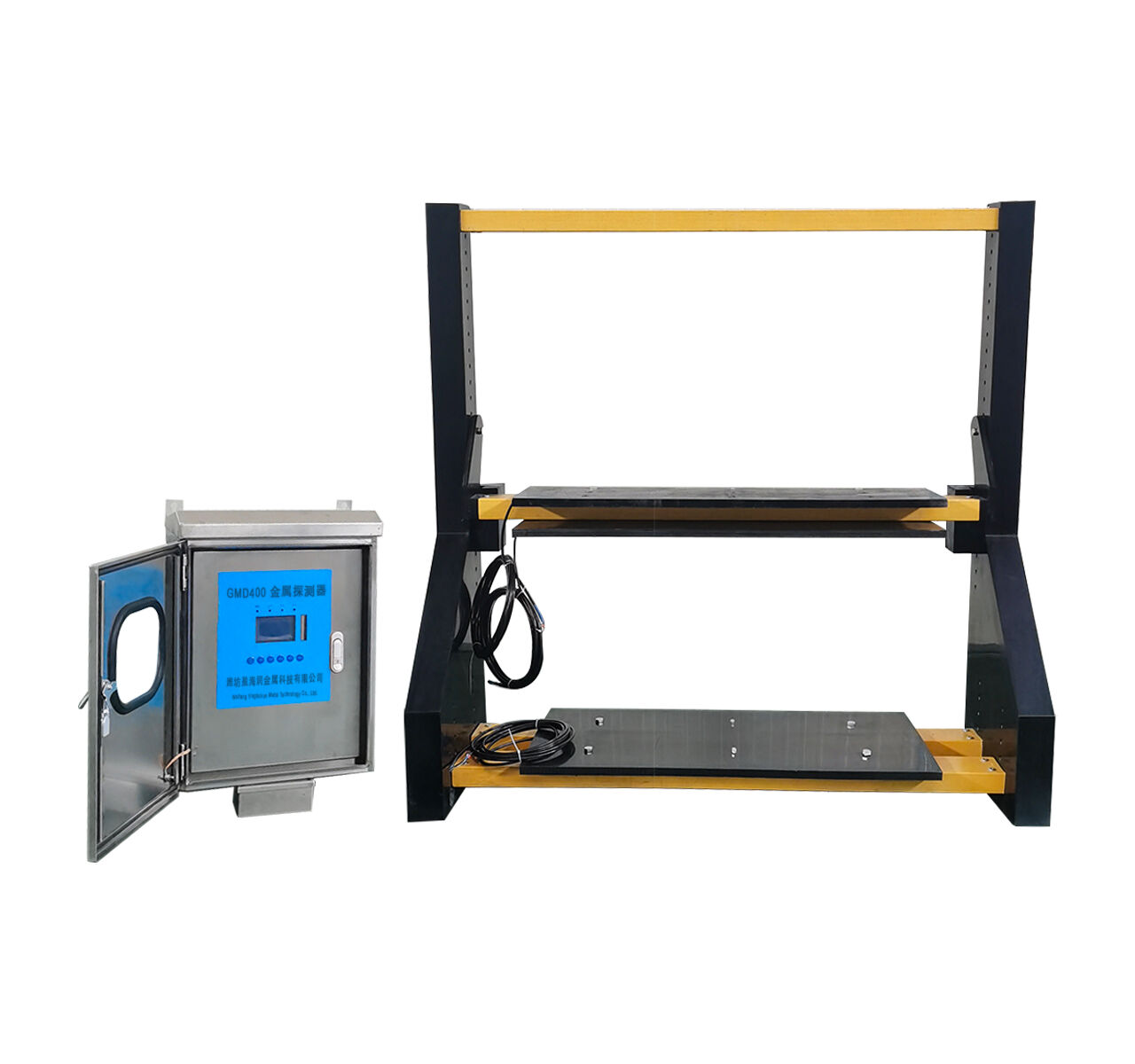
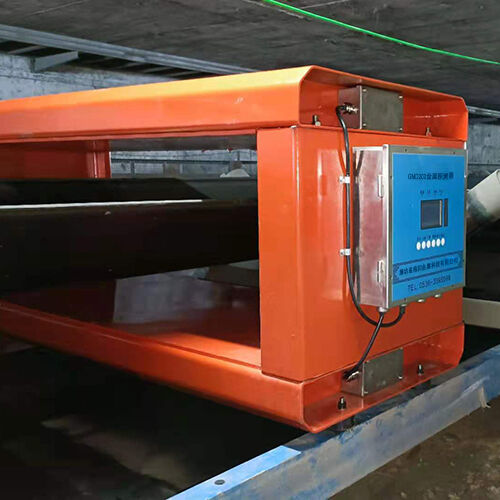
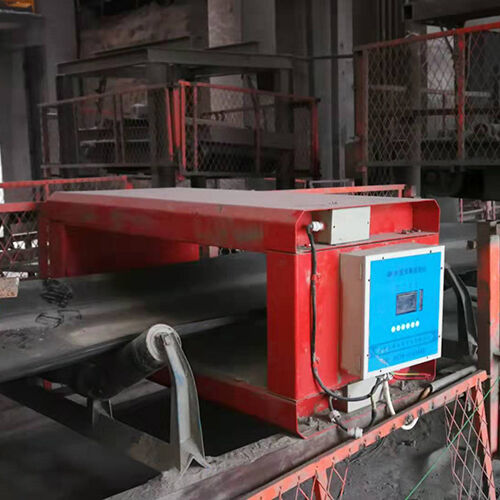
Mining detector technology represents a revolutionary advancement in mineral exploration and extraction operations, providing comprehensive solutions for identifying valuable resources beneath the earth's surface. These sophisticated instruments combine cutting-edge sensor technology with advanced data processing capabilities to deliver accurate, real-time information about subsurface mineral deposits. Modern mining detectors utilize multiple detection methods, including electromagnetic induction, ground-penetrating radar, and magnetic field analysis, to create detailed subsurface maps that guide mining operations with unprecedented precision. The core functionality of a mining detector encompasses several critical features that make it indispensable for professional mining operations. These devices can identify various metallic minerals, precious metals, and geological formations at significant depths, often reaching several meters underground. The integrated GPS mapping system allows operators to record exact locations of detected anomalies, creating comprehensive databases for future reference and strategic planning. Advanced signal processing algorithms filter out environmental interference, ensuring consistent performance across diverse geological conditions. Many mining detectors incorporate wireless connectivity features, enabling seamless data transfer to remote monitoring stations and centralized control systems. The applications of mining detector technology span numerous industries and operational scenarios. Large-scale mining corporations employ these devices for initial site surveys, resource estimation, and ongoing exploration activities. Small-scale prospectors benefit from portable mining detector models that offer professional-grade detection capabilities in user-friendly packages. Archaeological teams utilize specialized mining detectors to locate historical artifacts and map ancient settlements without disturbing sensitive sites. Environmental monitoring agencies deploy these instruments to detect underground contamination and assess soil composition for remediation projects. Construction companies rely on mining detectors to identify potential obstacles before excavation begins, preventing costly delays and safety hazards. The technological sophistication of modern mining detectors includes waterproof housings for operation in challenging weather conditions, extended battery life for prolonged field work, and intuitive user interfaces that reduce training requirements for operators.


New Product Recommendations

Mining detector technology delivers substantial operational benefits that directly impact productivity, cost efficiency, and safety standards across various mining applications. These advanced instruments significantly reduce exploration time by providing immediate feedback about subsurface conditions, eliminating the need for extensive preliminary excavation work. Traditional mining exploration methods often require substantial time investments and physical labor before yielding actionable information, while mining detectors provide instant data that guides decision-making processes from the initial survey stage. The precision capabilities of modern mining detectors minimize unnecessary excavation work, reducing operational costs and environmental impact simultaneously. Operators can focus their efforts on areas with confirmed mineral presence, avoiding wasteful digging in unproductive locations. This targeted approach translates into measurable cost savings through reduced fuel consumption, equipment wear, and labor expenses. Safety improvements represent another crucial advantage of mining detector implementation. These devices help identify potential underground hazards, including abandoned mine shafts, unstable geological formations, and buried infrastructure that could pose risks to workers and equipment. Early detection of such hazards allows mining teams to develop appropriate safety protocols and modify operational plans accordingly. The versatility of mining detectors makes them valuable investments for operations of all scales. Large mining companies benefit from comprehensive survey capabilities that support strategic planning and resource allocation decisions. Smaller operations appreciate the accessibility of user-friendly models that deliver professional results without requiring extensive technical expertise. The durability of mining detector construction ensures reliable performance in harsh mining environments, withstanding exposure to dust, moisture, vibration, and extreme temperatures. This robust design minimizes maintenance requirements and extends operational lifespan, providing excellent return on investment over time. Data recording and analysis features built into modern mining detectors create valuable documentation for regulatory compliance, environmental impact assessments, and operational optimization studies. The ability to generate detailed reports and maintain comprehensive exploration records supports both immediate operational needs and long-term strategic planning initiatives. Portability advantages allow mining detector deployment in remote locations where traditional survey equipment would be impractical or impossible to transport. Battery-powered operation ensures continuous functionality regardless of local power infrastructure availability, making these devices suitable for exploration activities in undeveloped regions.

Practical Tips

Cost-Benefit Analysis of High-End Tramp Metal Detectors

03

Apr

Cost-Benefit Analysis of High-End Tramp Metal Detectors

Investing in high-end tramp metal detector systems requires careful financial evaluation to justify the substantial upfront costs against long-term operational benefits. These sophisticated detection systems command premium prices due to their advanc...
View More
Digital Signal Processing in Modern Tramp Metal Detectors

04

Apr

Digital Signal Processing in Modern Tramp Metal Detectors

Digital signal processing has revolutionized the effectiveness and reliability of modern tramp metal detector systems across industrial applications. Unlike traditional analog detection methods, digital signal processing enables these safety devices ...
View More
Reliable Mine Metal Detectors for Primary Crusher Protection

05

Apr

Reliable Mine Metal Detectors for Primary Crusher Protection

Primary crushers in mining operations face constant threats from metallic contaminants that can cause devastating equipment damage, costly downtime, and significant safety hazards. A reliable mine metal detector serves as the critical first line of d...
View More
Understanding the Components of a Metal Detector Machine

08

Apr

Understanding the Components of a Metal Detector Machine

A metal detector machine consists of several interconnected components that work together to identify metallic objects beneath the surface or within materials. Understanding these fundamental components is essential for anyone working with metal dete...
View More

Get a Free Quote

Our representative will contact you soon.
Email
Mobile/WhatsApp
Name
Company Name
Message
0/1000

mining detector

Advanced Multi-Frequency Detection Technology

Advanced Multi-Frequency Detection Technology

The revolutionary multi-frequency detection system integrated into modern mining detectors represents a quantum leap forward in subsurface exploration capabilities, delivering unparalleled accuracy and depth penetration that fundamentally transforms how mining professionals approach resource identification. This sophisticated technology operates across multiple electromagnetic frequencies simultaneously, creating a comprehensive analysis of underground conditions that reveals detailed information about mineral composition, deposit size, and geological structure. Unlike single-frequency systems that provide limited information, multi-frequency mining detectors generate layered data sets that distinguish between different types of metallic and non-metallic materials with remarkable precision. The system automatically adjusts frequency parameters based on soil conditions, mineralization levels, and target characteristics, ensuring optimal performance across diverse geological environments. Professional mining operations benefit immensely from this advanced technology through enhanced target discrimination capabilities that eliminate false positives and reduce time spent investigating non-productive anomalies. The multi-frequency approach enables operators to differentiate between valuable mineral deposits and common metallic debris, focusing exploration efforts on genuinely profitable opportunities. Depth penetration improvements achieved through optimized frequency selection allow mining detector systems to identify targets at previously unreachable depths, expanding the scope of viable exploration activities and revealing resources that conventional detection methods might overlook. Real-time frequency analysis provides immediate feedback about subsurface conditions, enabling operators to adjust search parameters on-the-fly for maximum effectiveness. The integration of digital signal processing with multi-frequency detection creates exceptionally stable performance characteristics that maintain accuracy even in challenging electromagnetic environments where interference from power lines, radio transmissions, or natural phenomena might compromise less sophisticated systems. This technological advancement particularly benefits large-scale mining operations where survey accuracy directly impacts investment decisions and operational planning. The ability to conduct comprehensive subsurface analysis without invasive procedures reduces environmental impact while providing detailed geological information that supports sustainable mining practices and regulatory compliance requirements.
Intelligent Data Processing and GPS Integration

Intelligent Data Processing and GPS Integration

The seamless integration of intelligent data processing capabilities with precision GPS mapping technology elevates mining detector performance to unprecedented levels, creating comprehensive exploration management systems that revolutionize how mining professionals collect, analyze, and utilize subsurface exploration data. This sophisticated integration automatically correlates detection results with precise geographical coordinates, generating detailed digital maps that display mineral deposit locations with centimeter-level accuracy across vast exploration areas. The intelligent processing system employs advanced algorithms to analyze detection patterns, identify geological trends, and predict potential resource distribution based on collected data points, providing mining professionals with actionable intelligence that guides strategic decision-making processes. Real-time data synchronization ensures that exploration teams working across multiple locations can access updated information immediately, facilitating coordinated exploration activities and preventing duplicate efforts in previously surveyed areas. The GPS integration capability transforms individual detection events into comprehensive exploration databases that support long-term resource management and operational planning initiatives. Mining detector systems equipped with this technology automatically generate georeferenced reports that document exploration progress, resource estimates, and geological characteristics for regulatory compliance and environmental impact assessments. The intelligent data processing component recognizes patterns in detection results that might indicate larger mineral deposits or geological formations, alerting operators to opportunities for expanded exploration activities. Cloud connectivity features enable remote access to exploration data, allowing mining supervisors and geological consultants to monitor field operations and provide real-time guidance to exploration teams. The system maintains detailed exploration histories that support resource estimation calculations, mine planning activities, and investment evaluation processes. Advanced filtering algorithms eliminate environmental noise and enhance signal quality, ensuring that GPS coordinates correspond accurately to genuine mineral detection events rather than false positives or equipment anomalies. This integration particularly benefits mining operations that require detailed documentation for licensing applications, environmental permits, and stakeholder reporting requirements. The combination of intelligent processing and GPS precision creates exploration efficiency improvements that translate directly into reduced operational costs and accelerated project development timelines.
Rugged Construction with Professional-Grade Durability

Rugged Construction with Professional-Grade Durability

The exceptional build quality and professional-grade durability engineered into modern mining detector systems ensure reliable performance under the most demanding operational conditions encountered in mining environments, providing mining professionals with dependable exploration tools that maintain accuracy and functionality throughout years of intensive field use. This robust construction philosophy encompasses every aspect of mining detector design, from waterproof housing systems that protect sensitive electronics against moisture infiltration to shock-resistant internal components that withstand the vibrations and impacts common in mining operations. The ruggedized exterior construction utilizes aerospace-grade materials and industrial sealing techniques to create mining detectors capable of operating effectively in extreme temperatures, high humidity environments, and dusty conditions that would compromise less durable equipment. Professional mining operations particularly value the extended operational lifespan provided by durable construction, as equipment reliability directly impacts project schedules and operational budgets. The waterproof rating of professional mining detectors enables continuous operation during adverse weather conditions, ensuring that exploration activities can proceed without delays caused by rain, snow, or high humidity environments. Impact-resistant design features protect critical components against accidental drops, equipment collisions, and the rough handling that occurs during transport to remote exploration sites. The corrosion-resistant materials used throughout mining detector construction prevent degradation when exposed to harsh chemicals, saltwater environments, or acidic soil conditions commonly encountered in mining areas. Sealed control interfaces maintain functionality despite exposure to dust, dirt, and moisture that would damage conventional electronic devices. Professional-grade durability extends to internal components, where military-specification electronics provide stable performance across extreme temperature ranges and electromagnetic interference conditions. The reinforced cable connections and ruggedized sensor housings prevent failure at connection points that represent common weak spots in less robust equipment designs. Extended battery life capabilities ensure continuous operation during lengthy exploration missions in remote locations where power sources are unavailable. The comprehensive warranty coverage typically provided with professional-grade mining detectors reflects manufacturer confidence in durability standards and provides additional assurance for mining operations making significant equipment investments. This level of construction quality becomes particularly crucial for mining companies operating in challenging environments where equipment failure could result in costly operational delays, safety hazards, or missed exploration opportunities that impact overall project profitability.

Get a Free Quote

Our representative will contact you soon.
Email
Mobile/WhatsApp
Name
Company Name
Message
0/1000