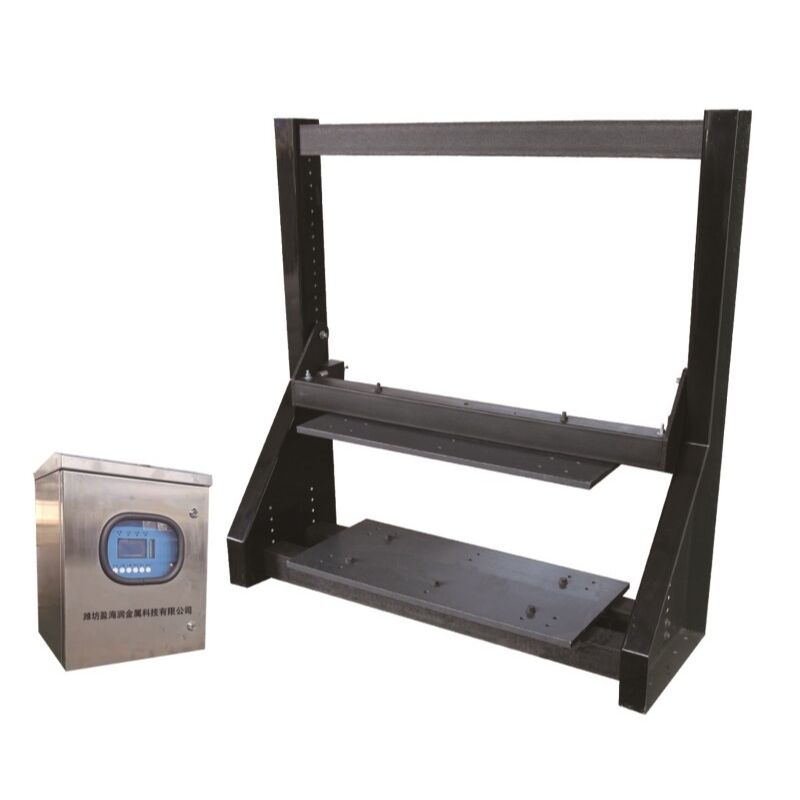
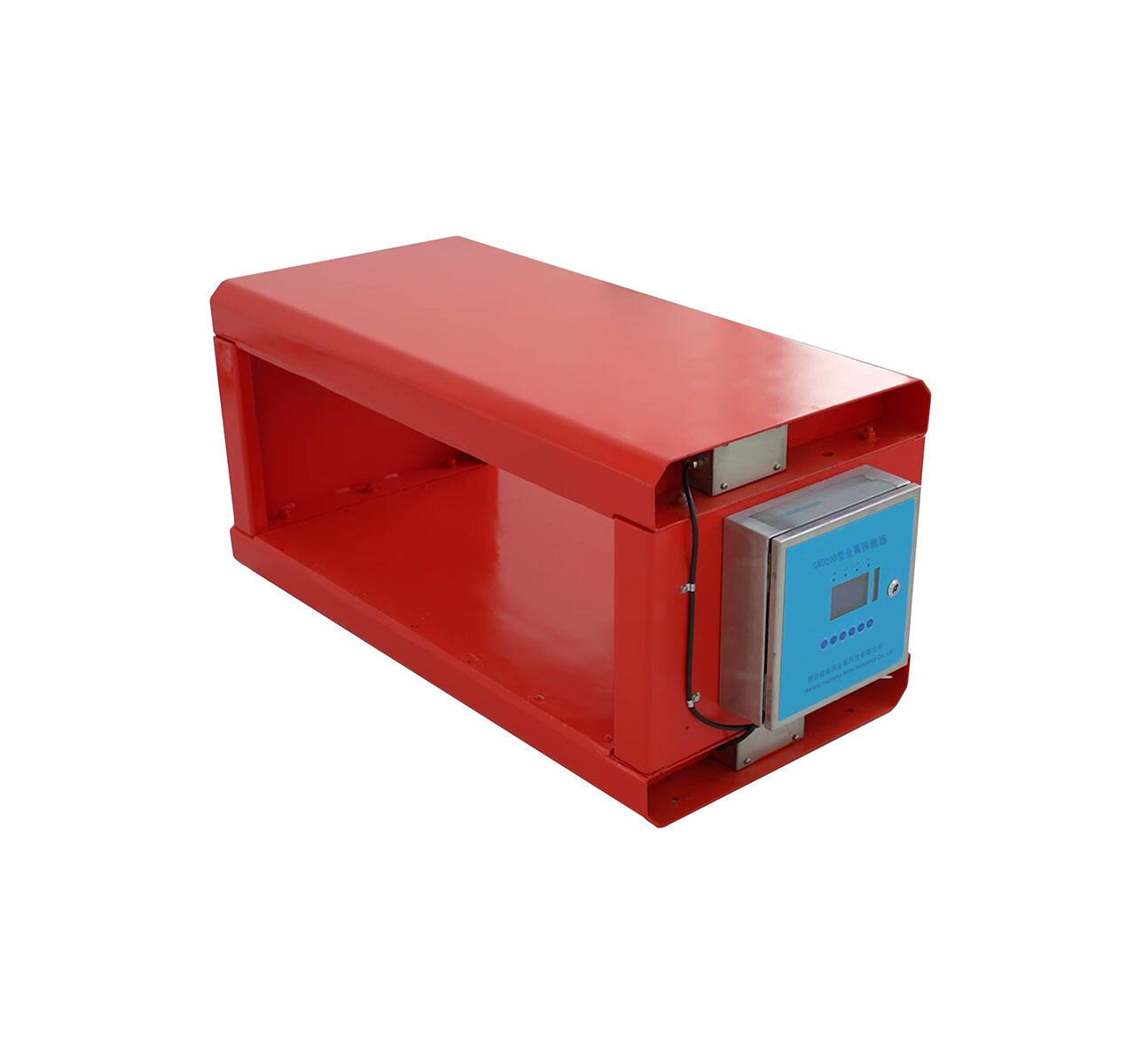
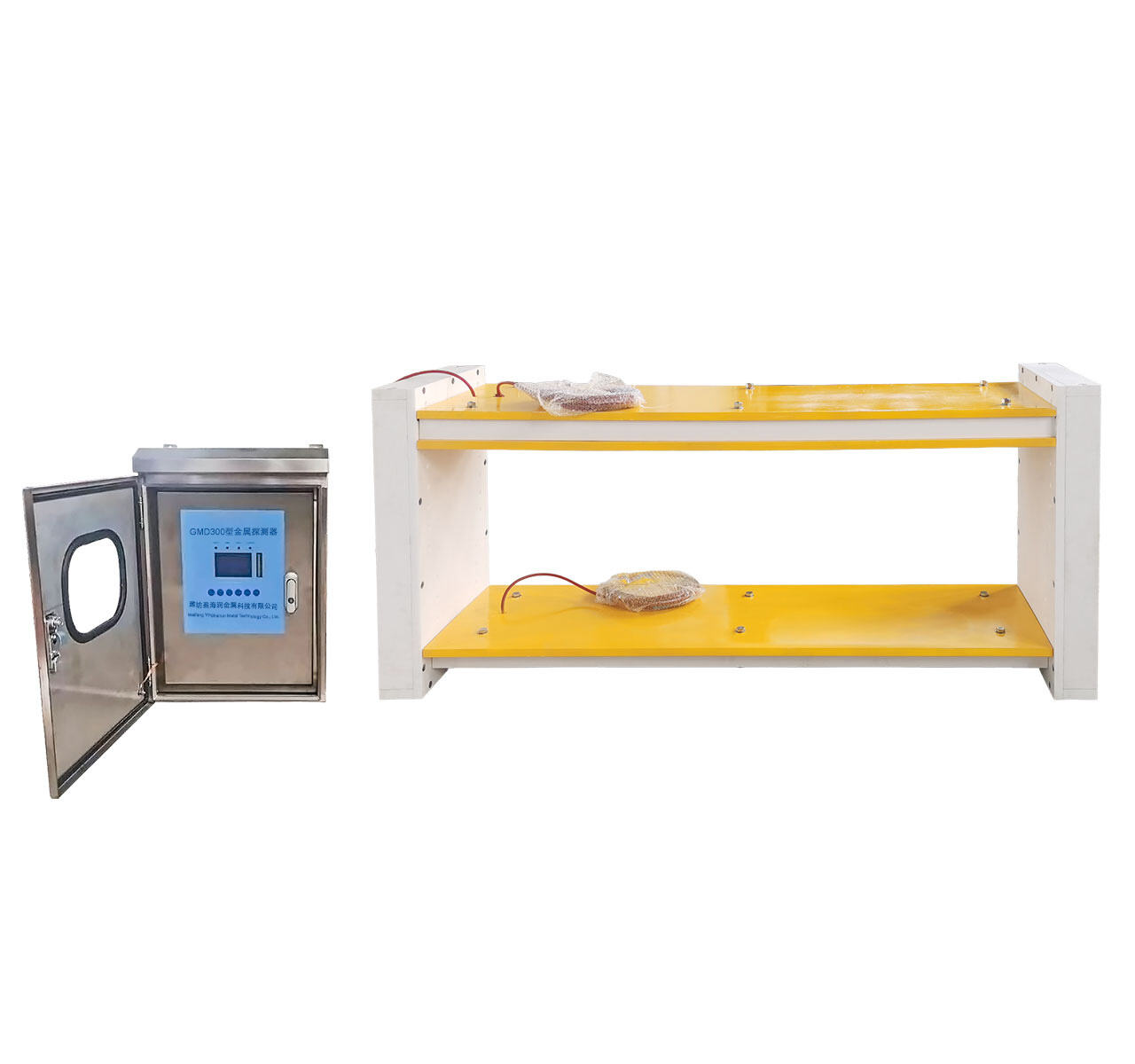
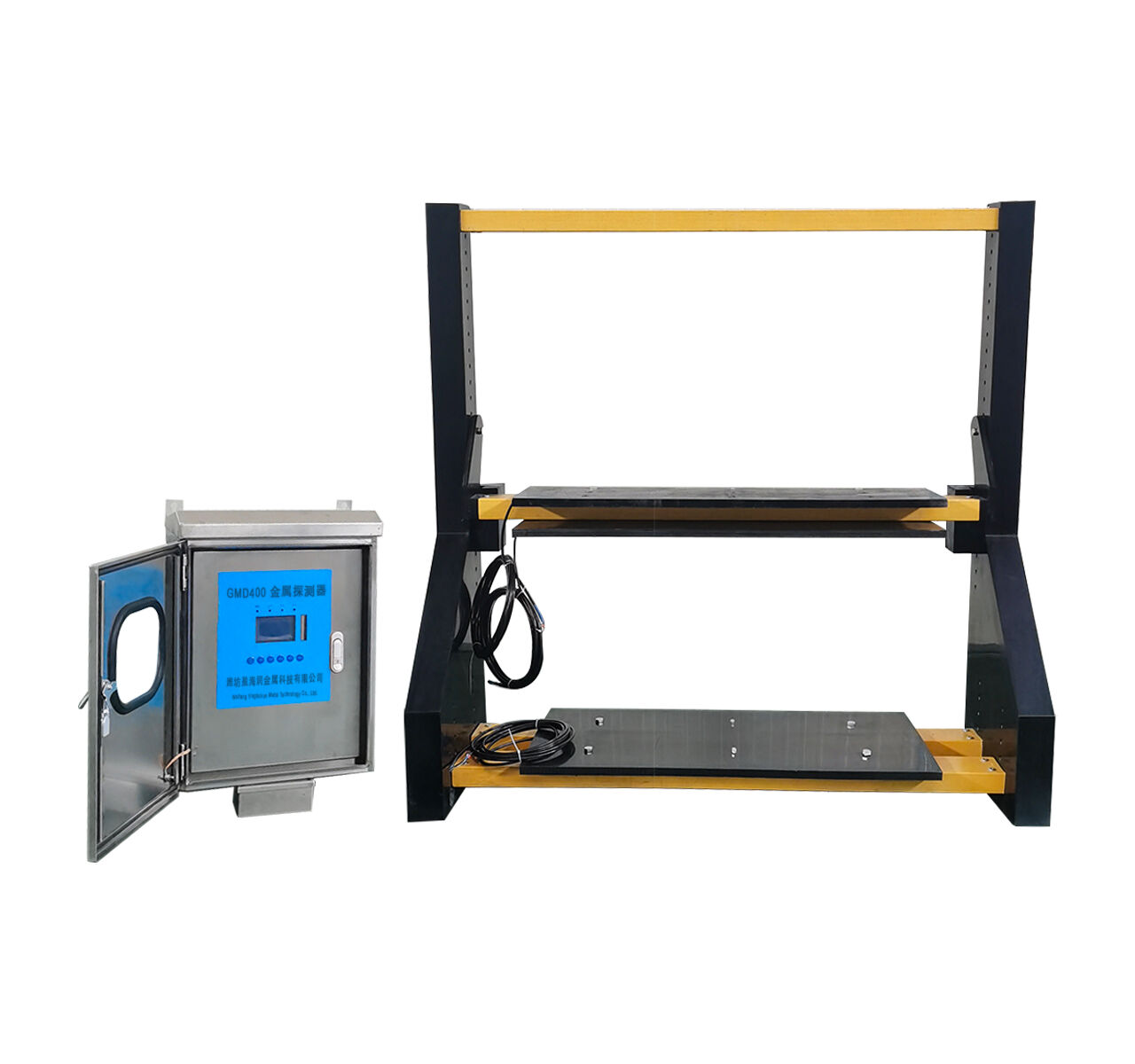
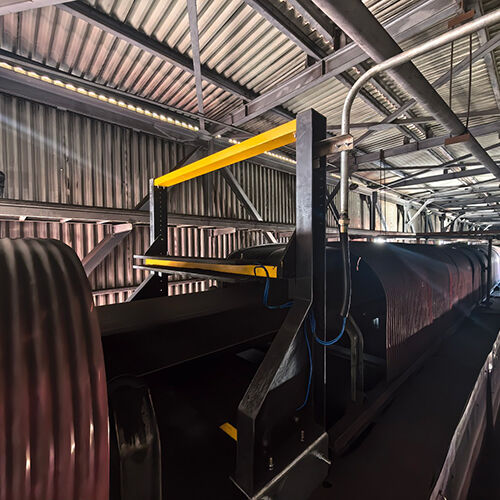
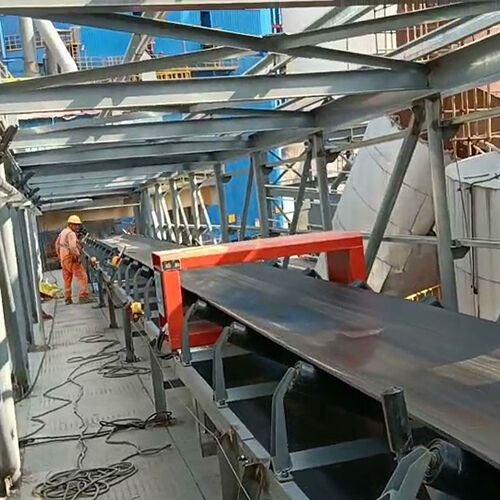
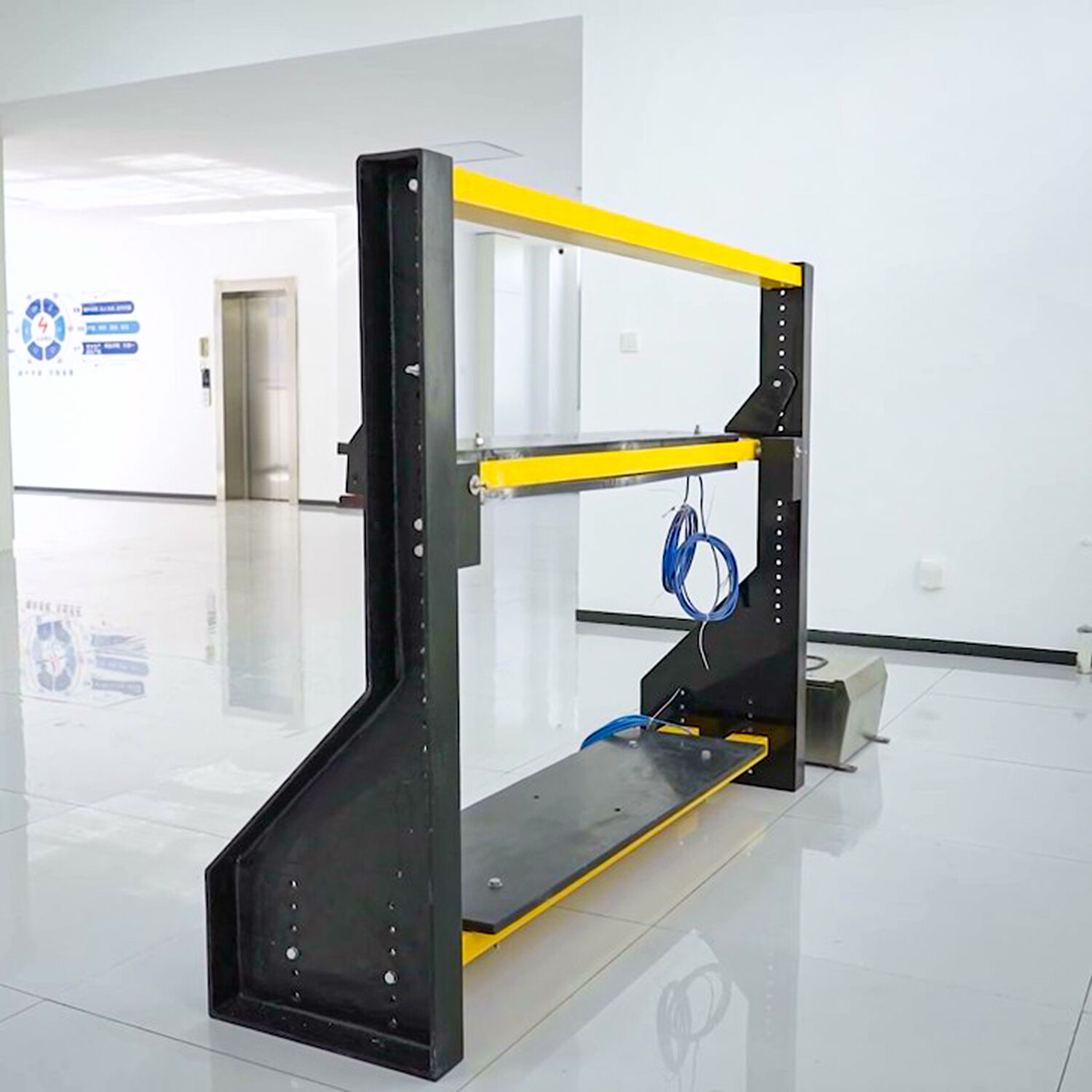
belt conveyor metal detector
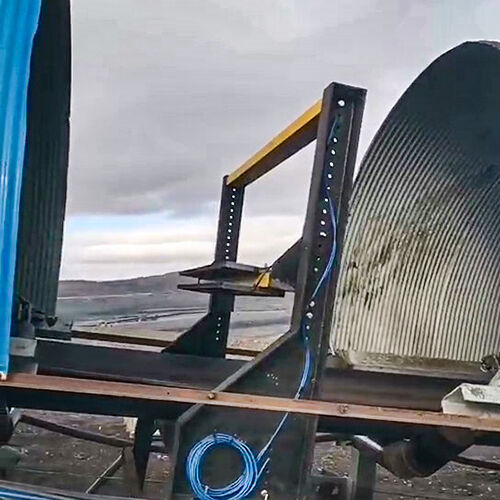
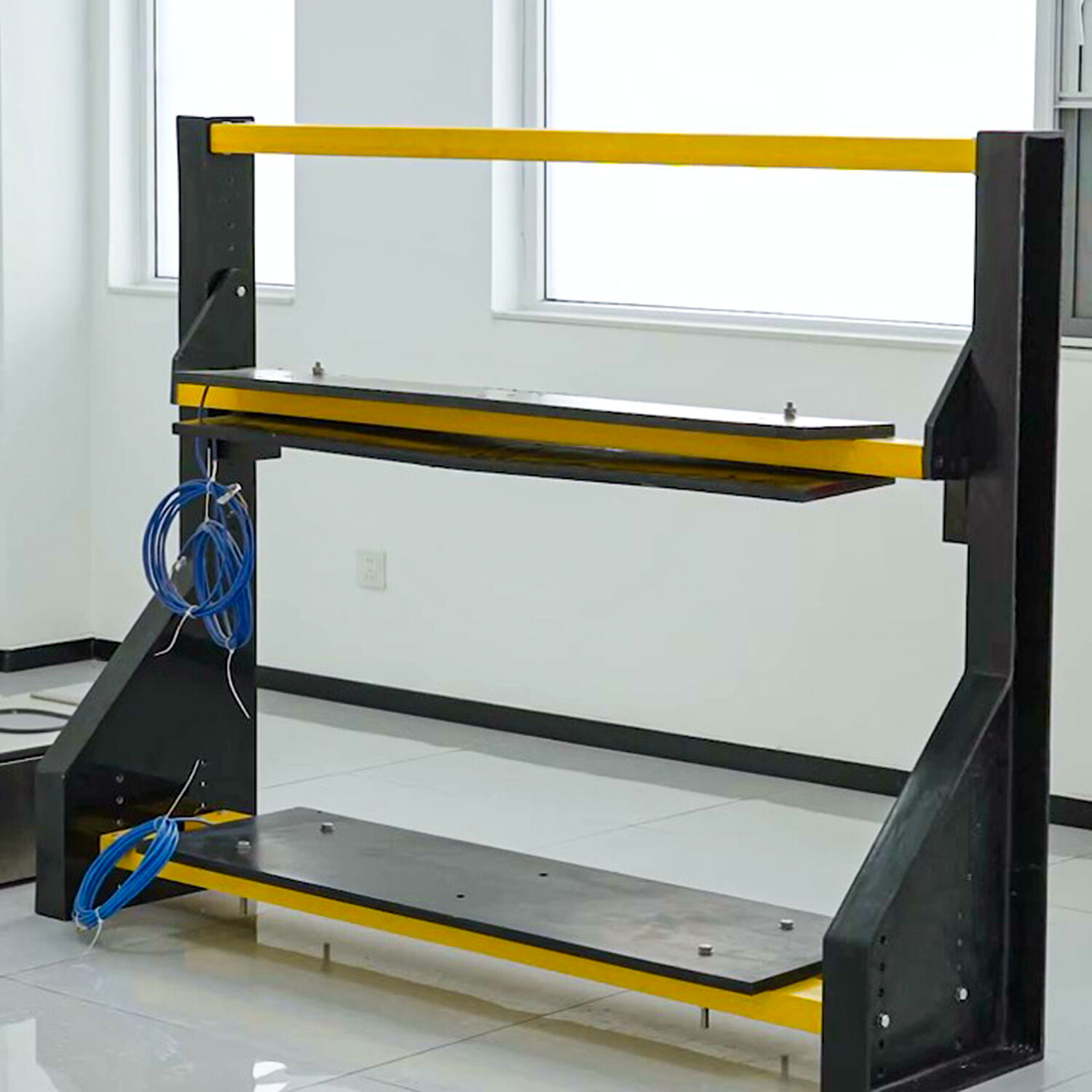
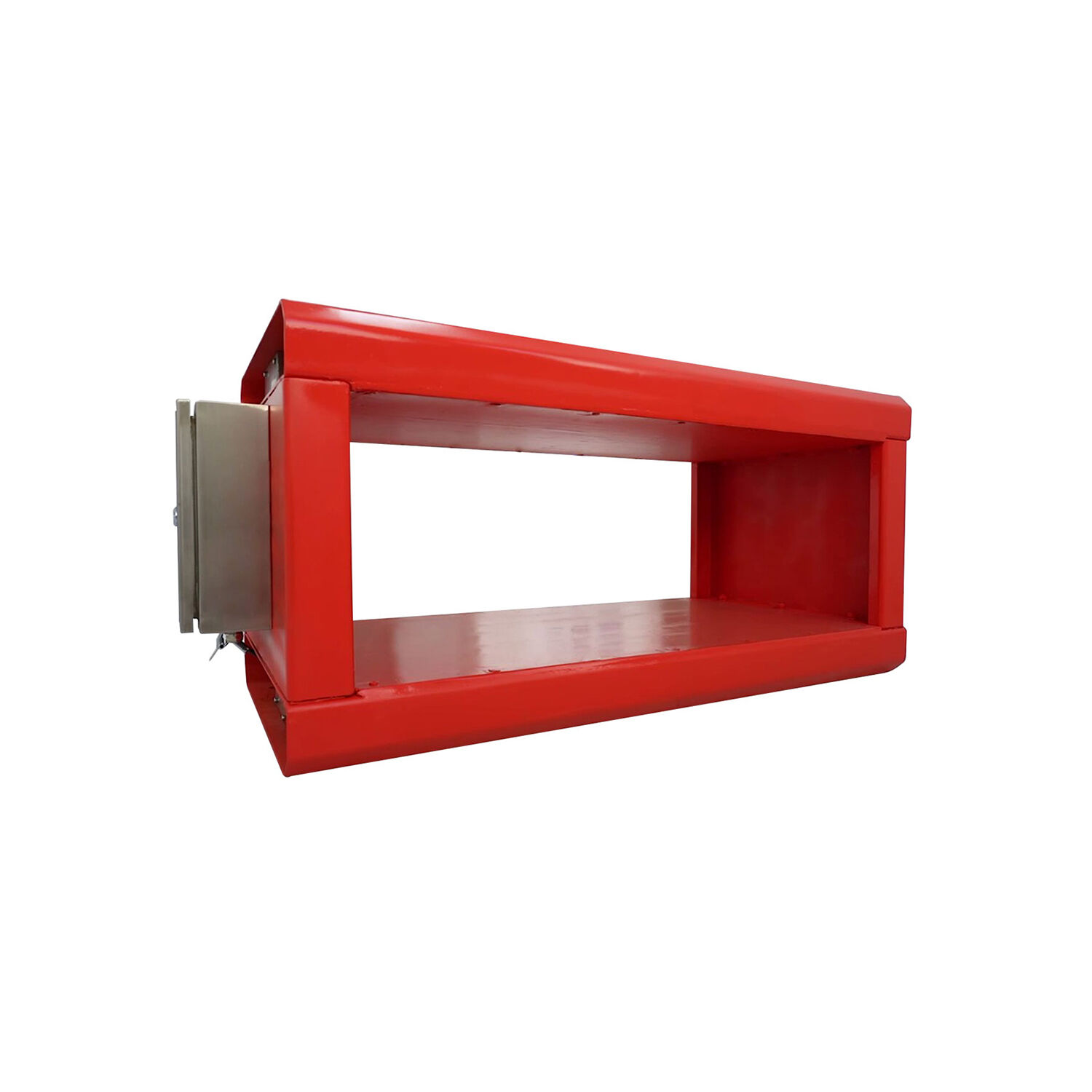
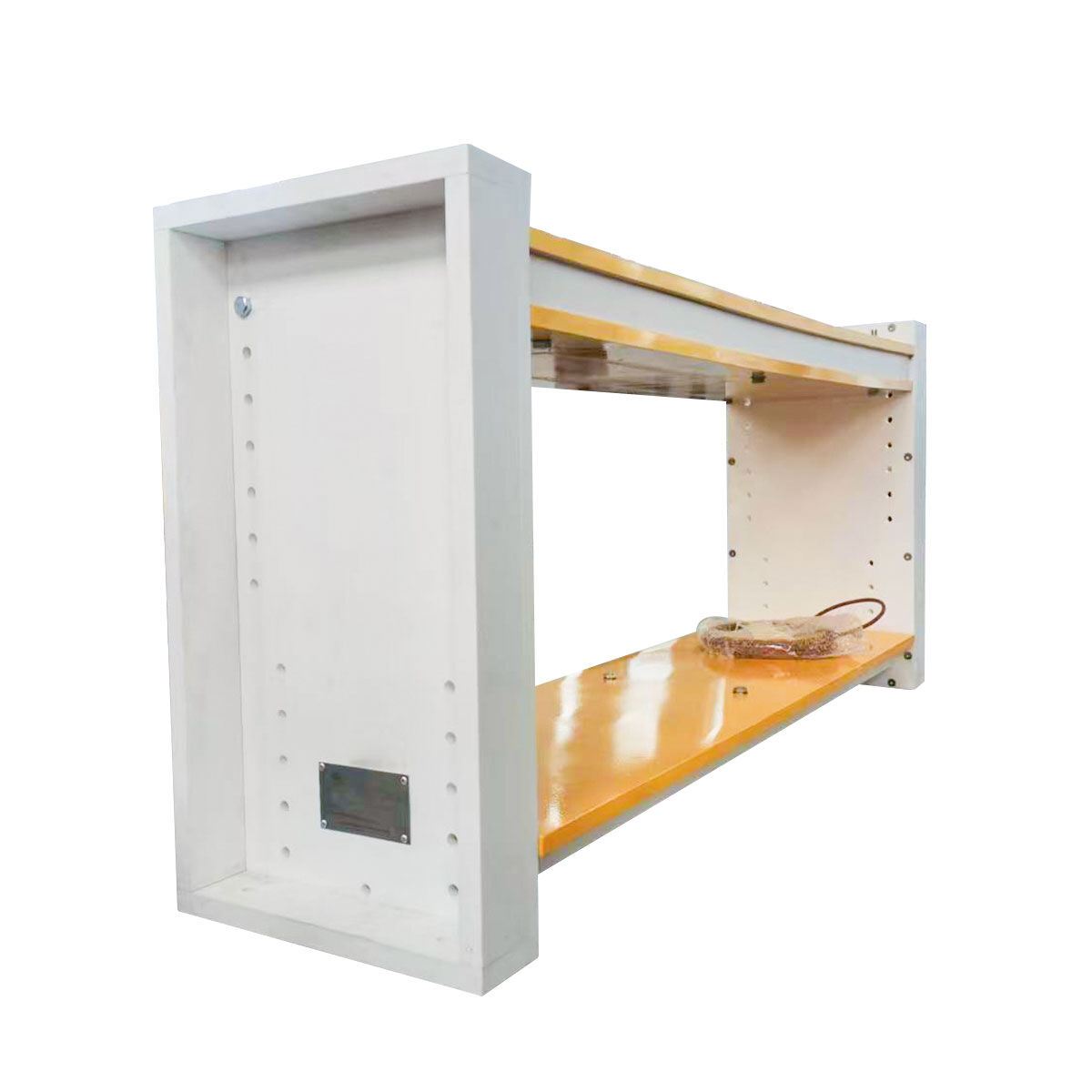
A belt conveyor metal detector represents a critical quality control solution designed to identify and remove metallic contaminants from products moving along conveyor systems. This sophisticated inspection equipment operates by generating electromagnetic fields that detect the presence of ferrous, non-ferrous, and stainless steel particles within packaged or bulk materials. The belt conveyor metal detector integrates seamlessly into existing production lines, providing continuous monitoring without disrupting manufacturing workflows. Modern units feature advanced digital signal processing technology that distinguishes between actual metal contaminants and acceptable metallic components like foil packaging or product ingredients. The detection system employs multiple coil configurations to create uniform electromagnetic fields across the entire conveyor width, ensuring comprehensive coverage of all products passing through the inspection zone. Automatic rejection mechanisms activate immediately upon detection, removing contaminated items from the production stream through pneumatic pushers, belt diversions, or drop-through systems. These detectors accommodate various product types, from individually wrapped items to bulk materials in bags or containers. Sensitivity levels can be adjusted based on product characteristics and regulatory requirements, with some models capable of detecting metal particles as small as 0.5mm in diameter. The belt conveyor metal detector features user-friendly touchscreen interfaces that display real-time operating parameters, detection statistics, and maintenance alerts. Built-in self-testing functions verify system performance throughout operation, while data logging capabilities maintain comprehensive inspection records for quality assurance documentation. Environmental protection ratings ensure reliable operation in challenging conditions including high humidity, temperature fluctuations, and washdown environments. Integration capabilities allow connection to factory automation systems, enabling remote monitoring and control through network protocols. The robust construction utilizes food-grade materials and hygienic design principles, making these systems suitable for pharmaceutical, food processing, and packaging applications where product safety and regulatory compliance are paramount.

 EN
EN