Industrial Metal Detector Sensor - Advanced Contamination Detection Solutions for Manufacturing

All Categories

Get a Free Quote

Our representative will contact you soon.
Email
Mobile/WhatsApp
Name
Company Name
Message
0/1000

industrial metal detector sensor

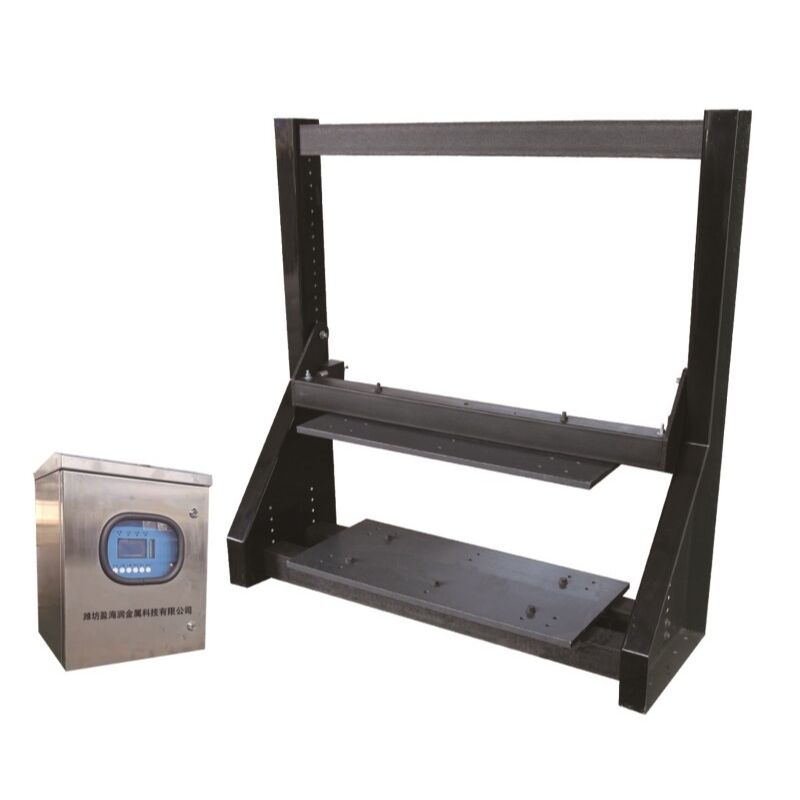
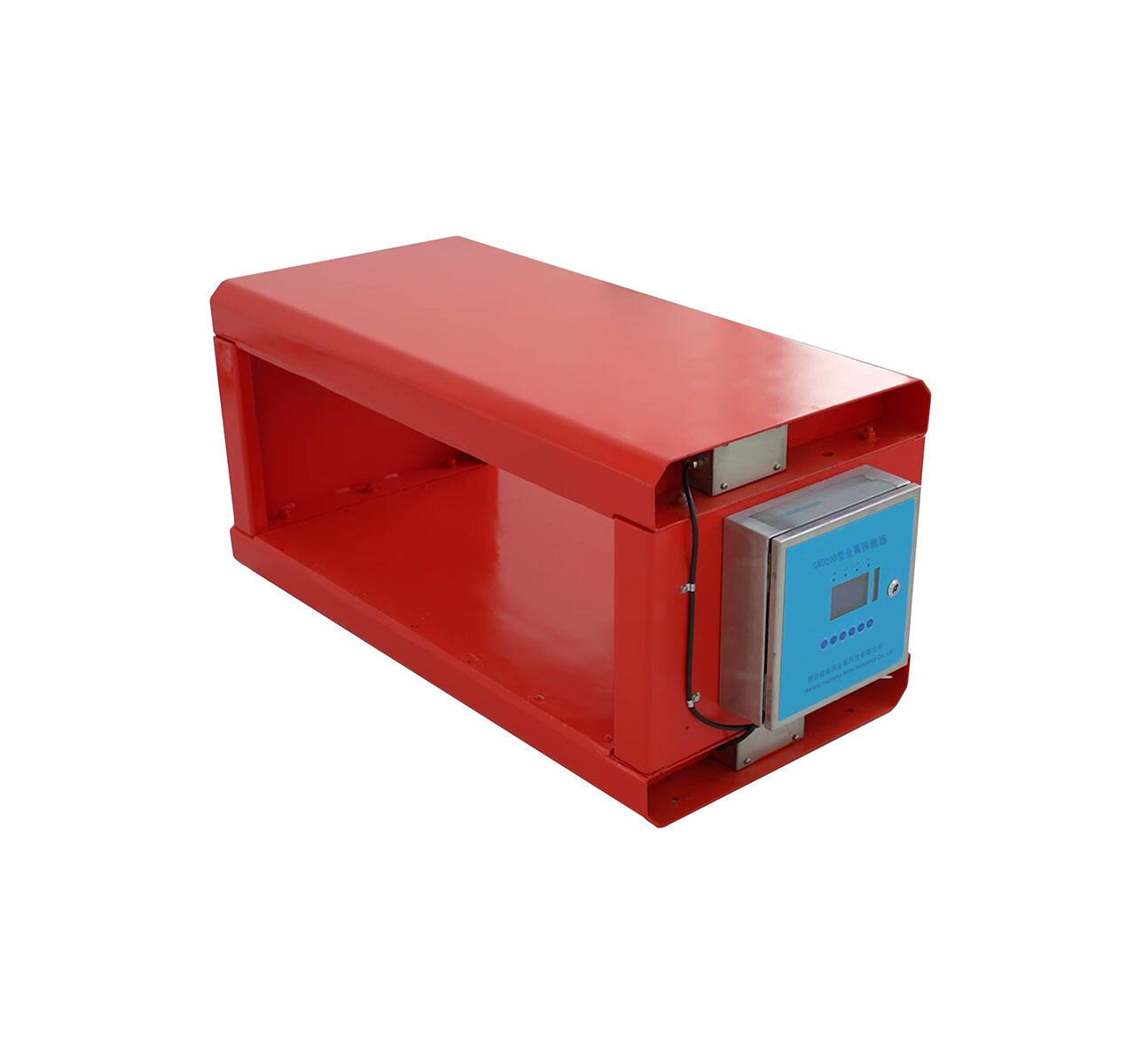
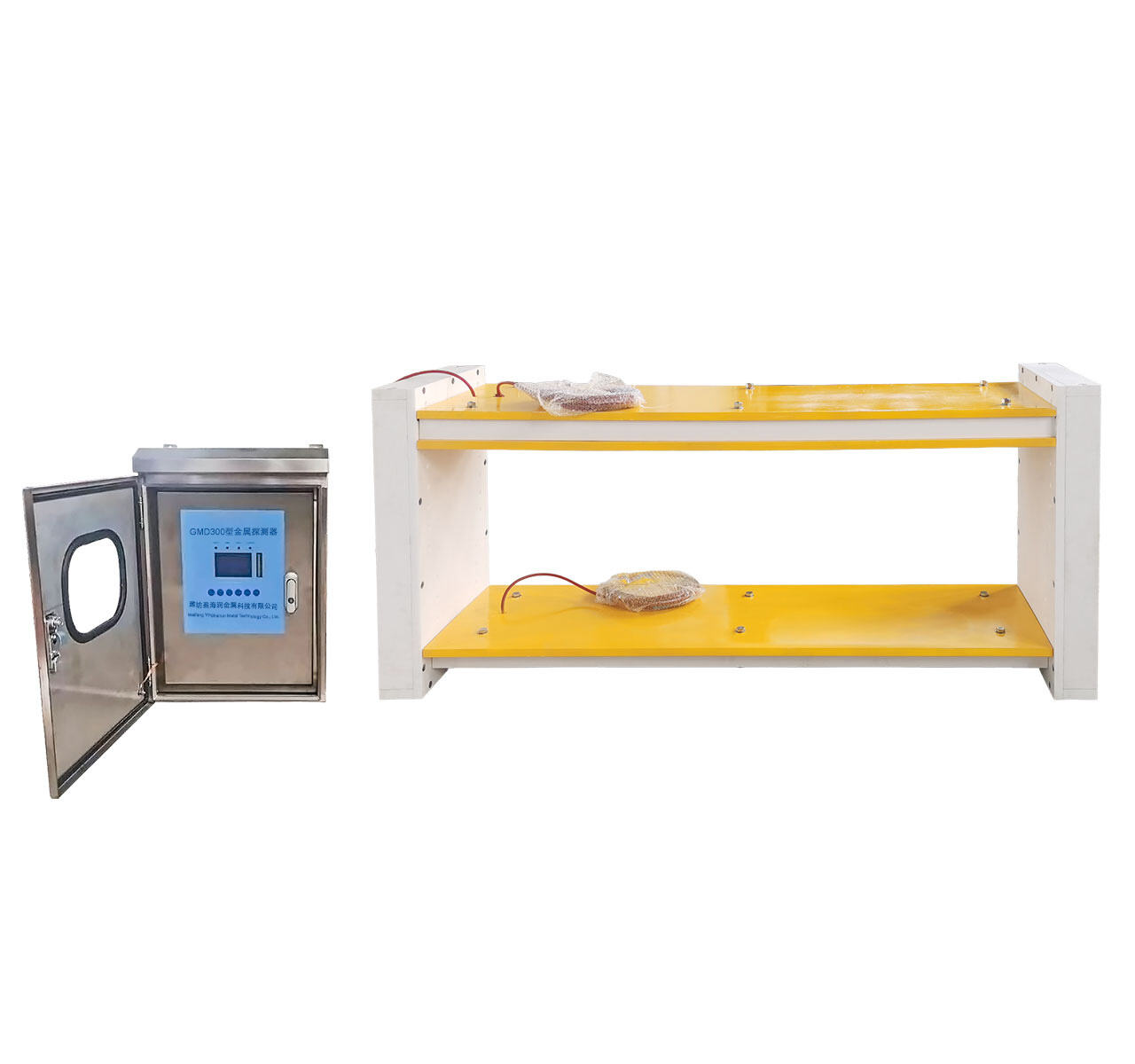
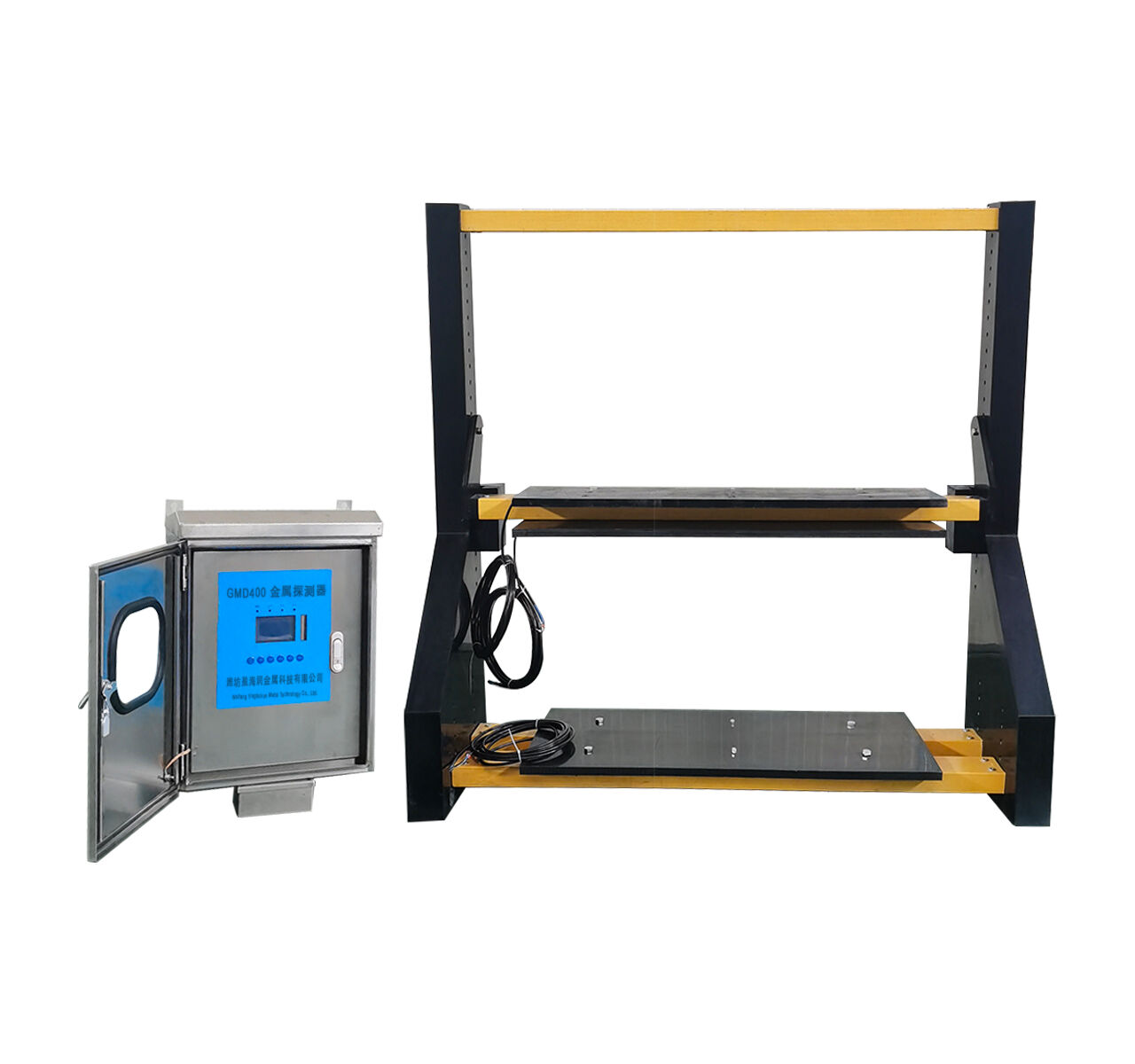
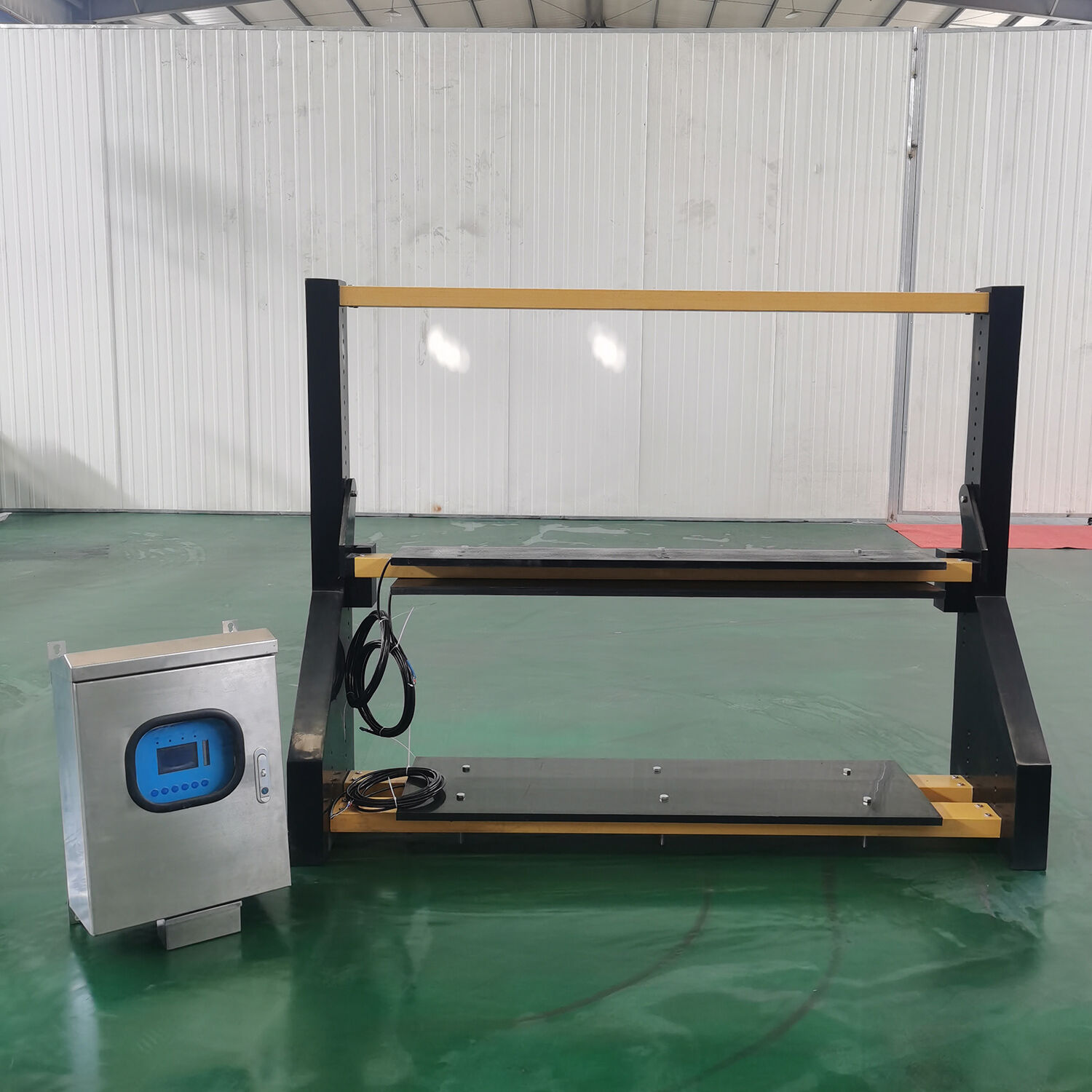
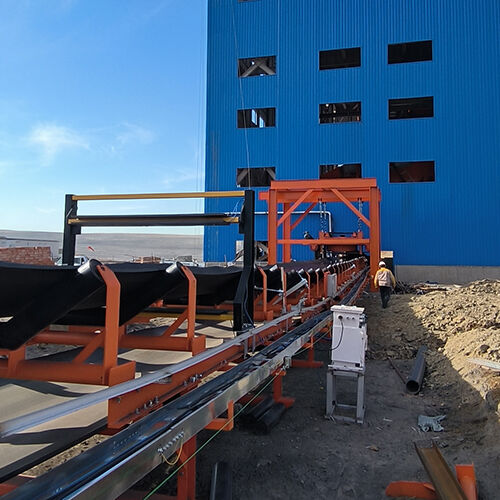
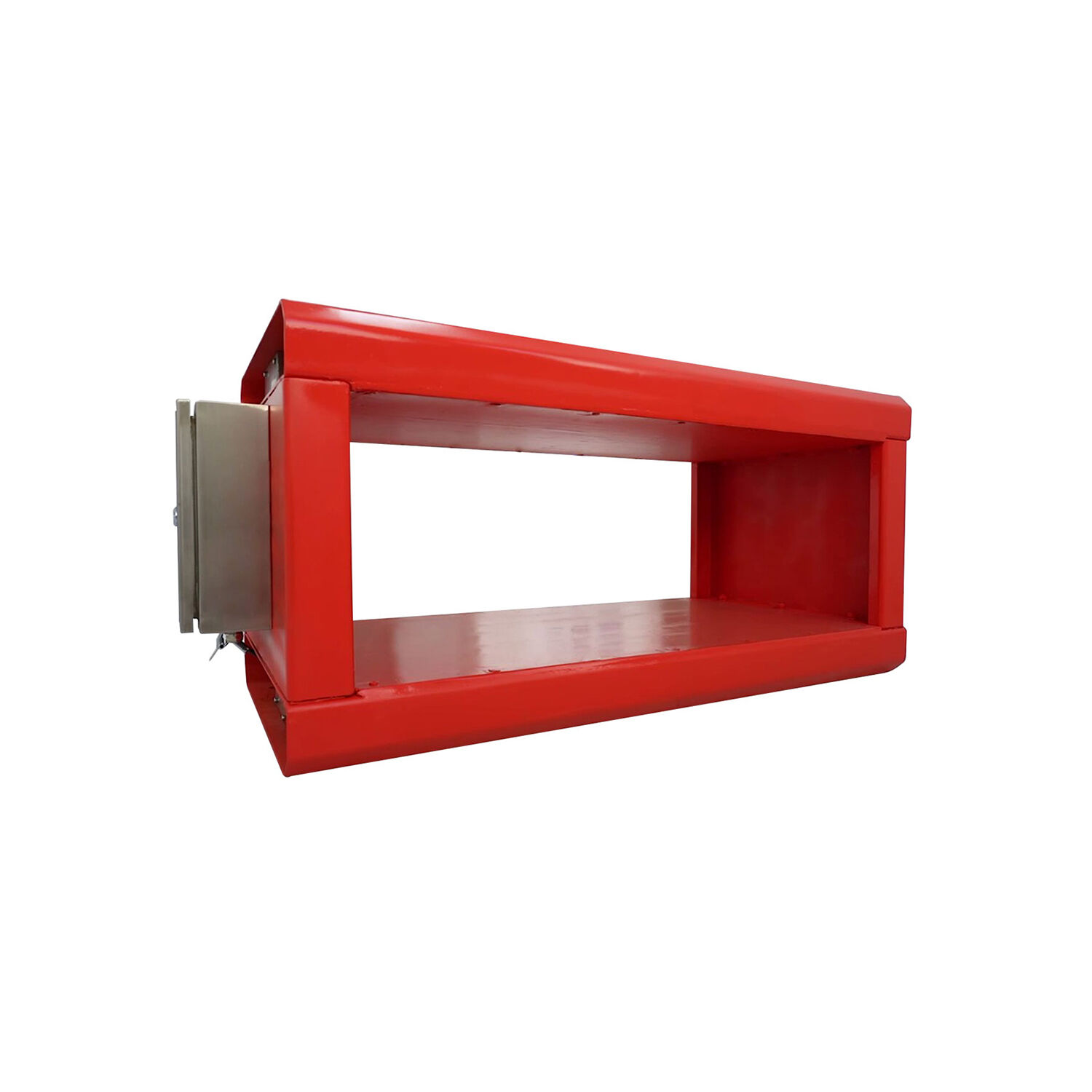
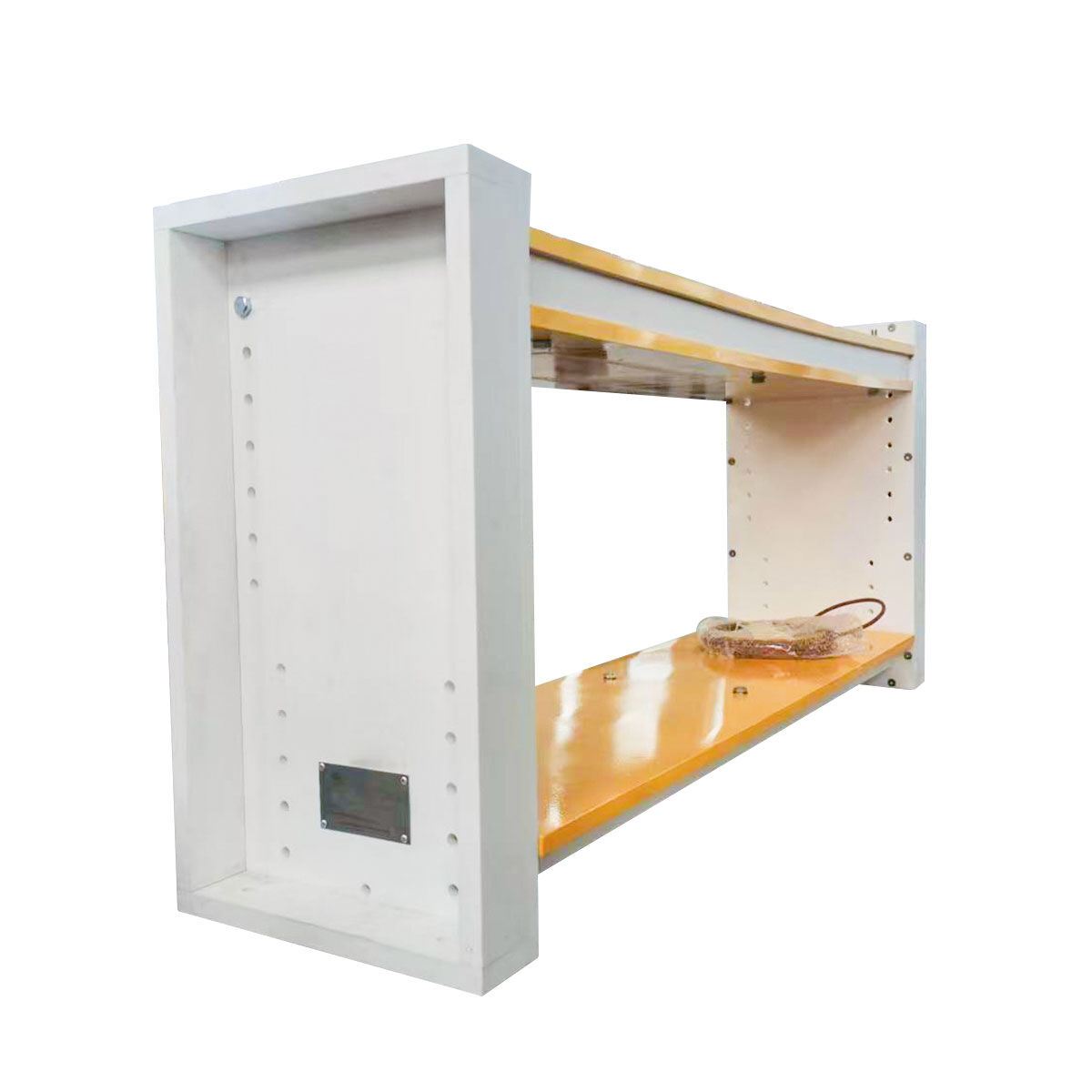
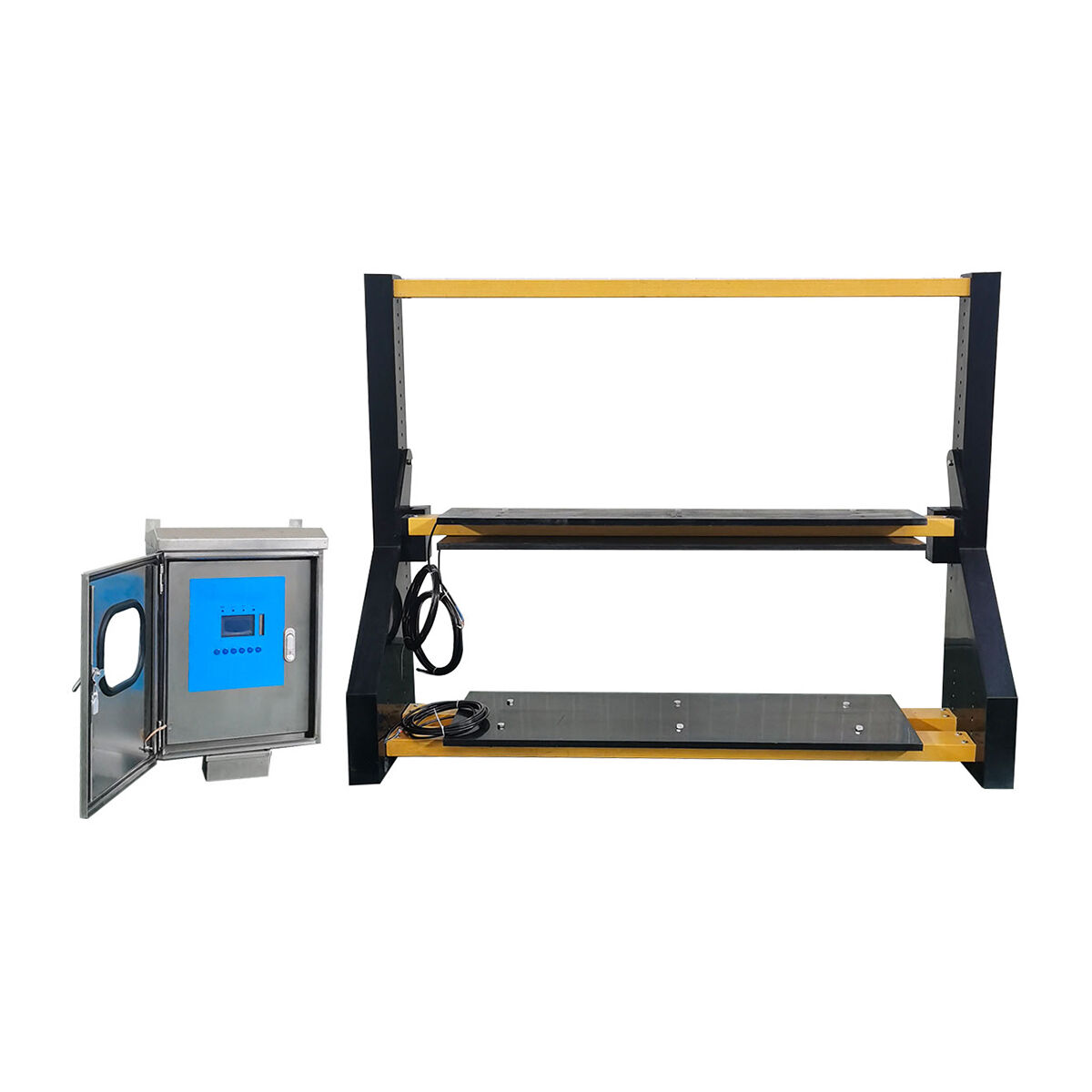
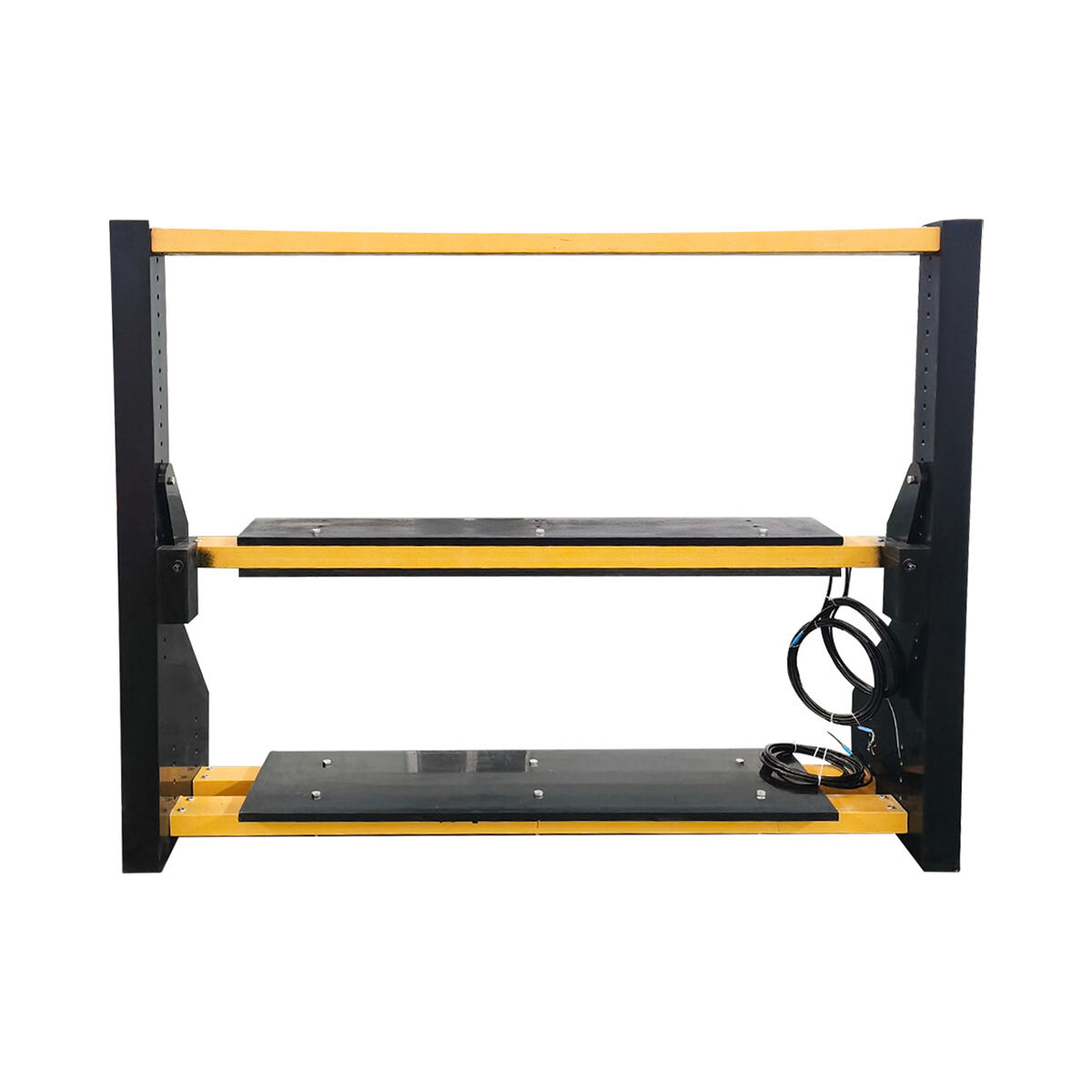
An industrial metal detector sensor represents a sophisticated detection system engineered to identify metallic contaminants within manufacturing and processing environments. This advanced technology operates on electromagnetic principles, utilizing carefully calibrated coils and sophisticated signal processing algorithms to detect even minute traces of ferrous, non-ferrous, and stainless steel particles. The industrial metal detector sensor functions by generating a controlled electromagnetic field through its detection aperture, continuously monitoring for disruptions caused by metallic objects passing through the detection zone. Modern sensors incorporate multi-frequency technology, enabling simultaneous detection across various frequency ranges to maximize sensitivity while minimizing false rejection rates. The core components include transmission coils that generate the electromagnetic field, receiving coils that detect field disturbances, and advanced digital signal processors that analyze detected signals in real-time. These systems feature adjustable sensitivity settings, allowing operators to customize detection parameters based on specific product requirements and contamination risks. The industrial metal detector sensor integrates seamlessly with existing production lines through standard communication protocols and control interfaces. Temperature compensation technology ensures consistent performance across varying environmental conditions, while automatic calibration functions maintain optimal detection accuracy throughout extended operational periods. Digital displays provide real-time operational status, detection statistics, and diagnostic information, enabling proactive maintenance scheduling and performance optimization. The sensor housing typically features IP65 or higher ingress protection ratings, ensuring reliable operation in harsh industrial environments including food processing, pharmaceutical manufacturing, textiles, plastics, and chemical production facilities.

New Products

Industrial metal detector sensors deliver exceptional contamination prevention capabilities that protect both product quality and consumer safety across diverse manufacturing sectors. These systems provide continuous, automated monitoring without requiring human intervention, significantly reducing labor costs while maintaining consistent detection performance throughout production cycles. The rapid detection response enables immediate product rejection or line stoppage, preventing contaminated products from reaching downstream processes or end consumers. Modern sensors offer remarkable sensitivity levels, capable of detecting metal particles as small as 0.5 millimeters in diameter, ensuring comprehensive protection against even microscopic contaminants that could cause product recalls or safety incidents. The multi-frequency detection technology provides superior discrimination between actual contaminants and acceptable metallic components, reducing false positives that can disrupt production efficiency and increase operational costs. Real-time monitoring capabilities enable immediate response to contamination events, minimizing product waste and preventing extensive batch contamination that could result in significant financial losses. Integration flexibility allows seamless incorporation into existing production lines without requiring extensive modifications or downtime, preserving operational continuity while enhancing quality control measures. The digital interface provides comprehensive data logging and reporting features, supporting regulatory compliance requirements and enabling detailed analysis of contamination patterns and detection trends. Automatic sensitivity adjustment compensates for product variations and environmental changes, maintaining optimal detection performance without manual intervention. The robust construction ensures reliable operation in demanding industrial environments, including extreme temperatures, humidity variations, and vibration exposure. Energy-efficient operation reduces electrical consumption while maintaining peak performance, contributing to sustainable manufacturing practices and operational cost reduction. Remote monitoring capabilities enable centralized oversight of multiple detection points, improving operational efficiency and enabling predictive maintenance scheduling that minimizes unexpected downtime and repair costs.

Practical Tips

Mining Metal Detector Sensitivity vs. External Interference

01

Apr

Mining Metal Detector Sensitivity vs. External Interference

Mining metal detector sensitivity represents a critical balance between detection capability and operational reliability in challenging industrial environments. The relationship between sensitivity levels and external interference determines how effe...
View More
Evaluating Metal Detector Machine Suppliers in 2026

06

Apr

Evaluating Metal Detector Machine Suppliers in 2026

Selecting the right metal detector machine supplier has become increasingly complex in 2026, as businesses face evolving security requirements, technological advancements, and supply chain considerations. The metal detector machine market has expande...
View More
How Tramp Metal Detectors Detect Non-Ferrous Contaminants

12

Apr

How Tramp Metal Detectors Detect Non-Ferrous Contaminants

Understanding how a tramp metal detector identifies non-ferrous contaminants requires examining the sophisticated electromagnetic principles behind modern detection technology. Unlike traditional metal detection systems that primarily focus on ferrou...
View More
Common Industrial Applications for Tramp Metal Detectors

13

Apr

Common Industrial Applications for Tramp Metal Detectors

Industrial facilities across manufacturing, mining, and processing sectors face constant challenges from unwanted metallic contamination that can damage equipment, compromise product quality, and create safety hazards. A tramp metal detector serves a...
View More

Get a Free Quote

Our representative will contact you soon.
Email
Mobile/WhatsApp
Name
Company Name
Message
0/1000

industrial metal detector sensor

Advanced Multi-Frequency Detection Technology

Advanced Multi-Frequency Detection Technology

The industrial metal detector sensor incorporates cutting-edge multi-frequency detection technology that simultaneously operates across multiple frequency ranges, delivering unparalleled contamination detection capabilities. This sophisticated approach utilizes low, medium, and high-frequency electromagnetic fields to optimize detection sensitivity for different types of metallic contaminants while maintaining exceptional discrimination against acceptable metallic components. The low-frequency detection excels at identifying ferrous metals like iron and steel, while high-frequency detection provides superior sensitivity for non-ferrous metals including aluminum, copper, and brass. The system automatically adjusts frequency combinations based on product characteristics and contamination risks, ensuring optimal performance across diverse applications. This technology significantly reduces false rejection rates that plague single-frequency systems, preventing unnecessary product waste and production interruptions. The digital signal processing algorithms analyze frequency responses in real-time, applying advanced filtering techniques to distinguish between genuine contaminants and acceptable product variations. Temperature compensation across all frequency ranges maintains consistent detection sensitivity regardless of environmental conditions, ensuring reliable performance in facilities with varying ambient temperatures. The multi-frequency approach also enables detection of stainless steel contaminants, which traditionally pose challenges for conventional detection systems due to their low magnetic permeability. Operators can customize frequency combinations for specific applications, optimizing detection parameters for particular product types or contamination concerns. The system provides detailed frequency-specific analysis through its diagnostic interface, enabling operators to identify contamination sources and implement targeted prevention measures. This advanced technology represents a significant advancement over traditional single-frequency systems, delivering superior detection capabilities while minimizing operational disruptions and maximizing production efficiency.
Intelligent Product Learning and Adaptive Sensitivity

Intelligent Product Learning and Adaptive Sensitivity

The industrial metal detector sensor features revolutionary product learning capabilities that automatically adapt detection parameters to optimize performance for specific products and packaging configurations. This intelligent system employs machine learning algorithms to analyze product signatures during initial setup phases, creating detailed baseline profiles that enable precise contamination detection while minimizing false rejections. The adaptive sensitivity function continuously monitors product variations and automatically adjusts detection thresholds to accommodate natural variations in moisture content, density, and temperature that could affect detection performance. During the learning phase, the system analyzes hundreds of product samples to establish comprehensive reference patterns, identifying acceptable product characteristics and potential interference factors. This data-driven approach eliminates the guesswork traditionally associated with manual sensitivity adjustments, ensuring optimal detection performance from initial implementation. The system maintains separate product profiles for different items, automatically switching detection parameters when production changeovers occur, eliminating manual recalibration requirements and reducing setup time. Advanced algorithms account for product orientation variations, ensuring consistent detection regardless of how products pass through the detection aperture. The learning function extends to packaging materials, automatically compensating for metallized films, foil seals, and other packaging components that could trigger false rejections. Statistical analysis capabilities track detection performance over time, identifying trends that might indicate equipment drift or contamination pattern changes. The system provides predictive maintenance alerts based on performance analysis, enabling proactive service scheduling before detection accuracy degrades. Operators can access detailed learning reports through the digital interface, providing insights into product characteristics and detection optimization opportunities. This intelligent approach significantly reduces commissioning time while ensuring sustained detection accuracy throughout the product lifecycle, delivering consistent contamination protection with minimal operational intervention.
Comprehensive Integration and Connectivity Solutions

Comprehensive Integration and Connectivity Solutions

The industrial metal detector sensor offers extensive integration capabilities designed to seamlessly connect with existing production systems and enterprise-level monitoring networks. This comprehensive connectivity approach supports multiple communication protocols including Ethernet/IP, Modbus TCP, Profibus, and DeviceNet, ensuring compatibility with diverse automation platforms and supervisory control systems. The sensor provides real-time data streaming capabilities that enable centralized monitoring of detection events, operational status, and performance metrics across multiple detection points throughout manufacturing facilities. Advanced networking features support remote diagnostics and configuration management, allowing technical personnel to monitor system performance, adjust parameters, and troubleshoot issues without physical access to individual sensors. The integration architecture includes standardized rejection system interfaces that coordinate with pneumatic ejectors, drop-through mechanisms, and diverter gates to ensure reliable contaminated product removal. Digital communication eliminates traditional relay-based interfaces, providing faster response times and more detailed status information while reducing wiring complexity and installation costs. The system supports Industry 4.0 initiatives through comprehensive data logging capabilities that capture detection statistics, trend analysis, and operational metrics suitable for manufacturing intelligence applications. Cloud connectivity options enable secure data transmission to enterprise resource planning systems and quality management databases, supporting regulatory compliance and audit requirements. The sensor includes built-in web server functionality that provides browser-based access to configuration tools, diagnostic information, and performance dashboards without requiring specialized software installations. Alarm and notification systems support multiple communication methods including email alerts, SMS messages, and integration with plant-wide alarm management systems. The modular communication architecture enables future expansion and protocol updates through firmware upgrades, protecting investment value as technology standards evolve. Advanced security features including user authentication, encrypted communications, and audit trails ensure data integrity and unauthorized access prevention in connected manufacturing environments.


Get a Free Quote

Our representative will contact you soon.
Email
Mobile/WhatsApp
Name
Company Name
Message
0/1000